
Listen to our Spotify podcast about this article:
Moderated by Dan Willett | Edited by Cassidy Mantor | Photos by Ray J. Gadd
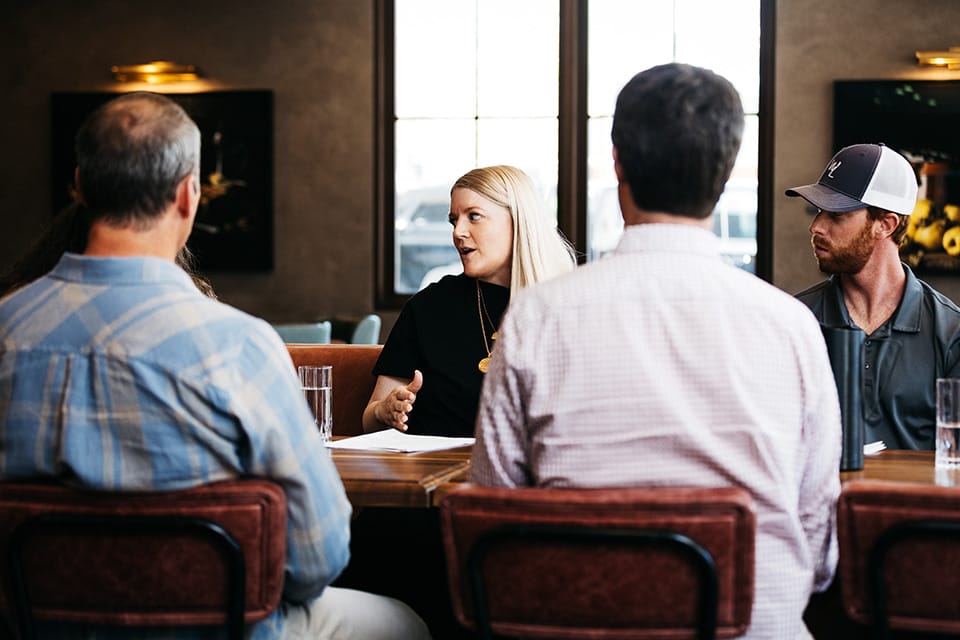
In may of this year, whj gathered experts for a roundtable discussion held at Ketchum’s newly opened fine dining restaurant, Fiamma. David Lloyd of Lloyd Construction, Craig Maxwell of Maxwell Structural Design Studio, Erika Blank of Studio Boden, and Reide Whitehead of Eco Irrigation offered their thoughts on how to increase a home’s resilience. Once a label that invoked a higher price tag for “green” building, “sustainability” is now inherent in many of the methods and materials used in current building trends. In this conversation, our experts shed light on how innovation is contributing to smarter custom homes that encourage us to redefine what a timeless home in Sun Valley means today.
OUR PARTICIPANTS:
DAVID LLOYD, LLOYD CONSTRUCTION: Born and raised in Sun Valley, David began learning his profession and the family business of building community from a young age. After college, David returned to Idaho and officially joined Lloyd Construction as a carpenter taking on a leadership role in 2000. David’s life work can be summed up by his devotion to building community one home at a time.
“A standard irrigation system can deliver approximately 12,000 gallons of freshwater daily. Providing a simple statistic like that can lead someone to question how much they value their yard compared to drinking water, right?”
– Reide Whitehead, Eco Irrigation

CRAIG MAXWELL, MAXWELL STRUCTURAL DESIGN STUDIO: With a father who was an electrical contractor and grandfather who was a builder, Craig spent almost as much time during his childhood on a construction site as he did in school. After high school, he spent another 12 years working in the construction trades and gaining a deep understanding of how buildings are put together. He studied Architectural Engineering at California Polytechnic State University and in 2005, Craig moved back home to Ketchum with his wife and their two young children. He worked as a project engineer for Ruscitto/Latham/Blanton for eight years and then opened Maxwell Structural Design Studio in 2014. A fourth-generation Idahoan (the Maxwell family moved to the mountains of Idaho in the late 1800s under the Homestead Act of 1862), Craig’s heart and soul are rooted in the natural beauty of the mountains.
ERIKA BLANK , STUDIO BODEN: A true homebody at heart, Erika finds joy in creating spaces that evoke warmth, comfort, and a sense of belonging—helping others feel as at home in their spaces as she does in hers. Erika graduated cum laude from Utah State University, earning degrees in Interior Design and Political Science. While in school, she lived in New York City, working under the renowned designer Jamie Drake. This experience deepened her love for art, color, and the dynamic energy of the city. It was also during this time that she earned her LEED professional credentials, reinforcing her commitment to sustainable design. In 2011, Erika moved to Sun Valley to be closer to her family. She believes great design is all about versatility, thoughtful details, and a seamless blend of form and function.
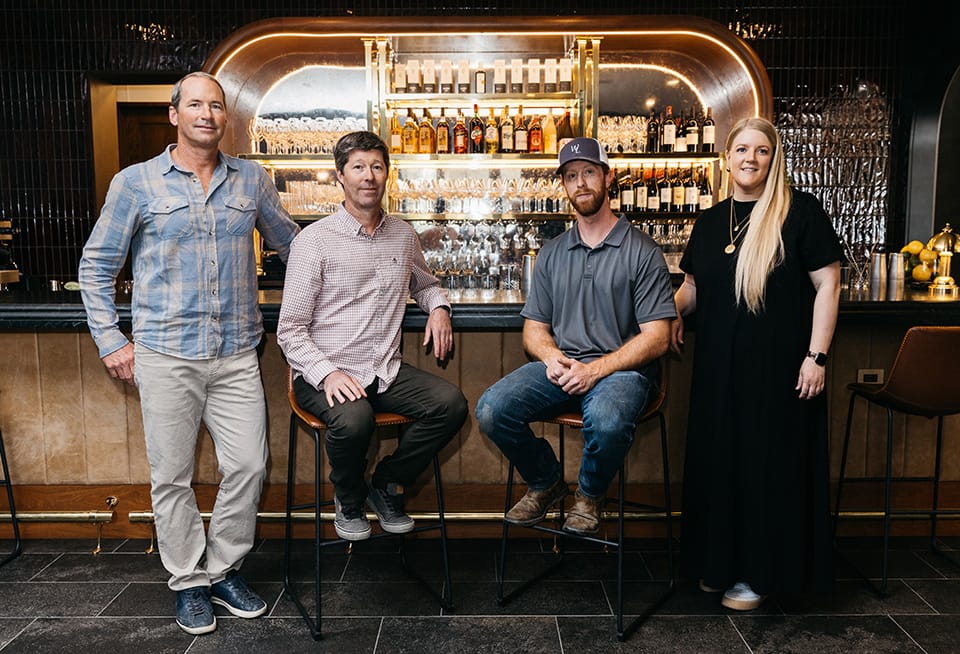
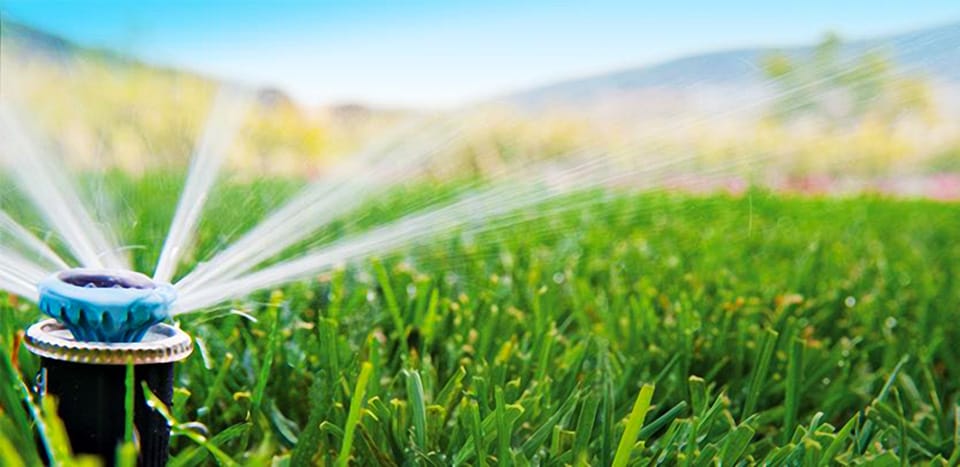
REIDE WHITEHEAD, ECO IRRIGATION: Growing up, Reide was involved in his family’s business, Whitehead’s Landscaping. He founded Eco Irrigation out of the desire to maximize water savings. Using smart irrigation, Eco Irrigation designs, installs, and manages systems that can save up to 60% of water use in landscapes. Reide works with both residential and commercial properties, aiming to introduce state-of-the-art irrigation practices to the farming industry.
WHAT SUSTAINABILITY ADVICE DO YOU GIVE YOUR CLIENTS?
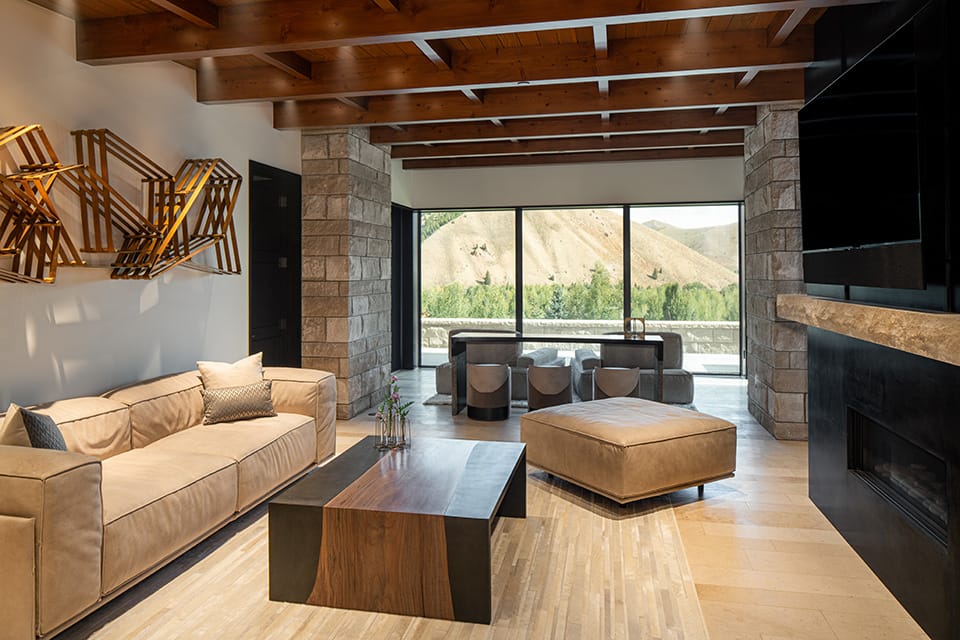
DL: Our advice is to start the conversation at the onset of the project. We aim to discuss and address a client’s sustainability inquiries as early in the process as possible. Sustainability for a home begins with a compre-hensive energy approach that encompasses thermal mass, adequate ventilation, strategically positioned windows, and appropriate placement on the lot.
CM: We promote a holistic approach, where we all collaborate on the same project with shared goals. Everyone should participate in some of the initial meetings to discuss overall expectations, including the landscaping installation, which may not occur until the project’s conclusion. It’s important for the client to understand this, and for everyone on the design team to work cohesively before applying for a building permit. Everything is interconnected.
EB: It’s about using architectural design to reduce energy demand from the beginning. You want your house to operate efficiently. A well-designed building continues to perform even when the power is off.
RW: The landscape industry is essentially the final piece of the puzzle. We’re following a plan that was given to us. With that in mind, we ask questions in advance, before it begins. It’s important to pose these questions before the process starts because once you begin, you’re committed to the plan. It’s crucial that we all strive to be as efficient as possible at every stage of the process.
WHAT ARE SOME OF THE MOST IMPORTANT PRINCIPLES OF SUSTAINABILITY IN THE WOOD RIVER VALLEY?
CM: The riparian setback from the river is very important. We’ve had clients who look at their neighbor’s property with grass up to the river and don’t understand why they can’t have the same. Established environmental regulations can be challenging for some people, but they allow us to say, ‘Hey, there’s a reason to keep development back from the river’s edge. Aren’t you here because you love fly fishing?’ We have great fishing because we have clean water with low temperatures. This is partly due to protecting the stream banks with the riparian set-back. These regulations help us have those educational conversations with our clients.
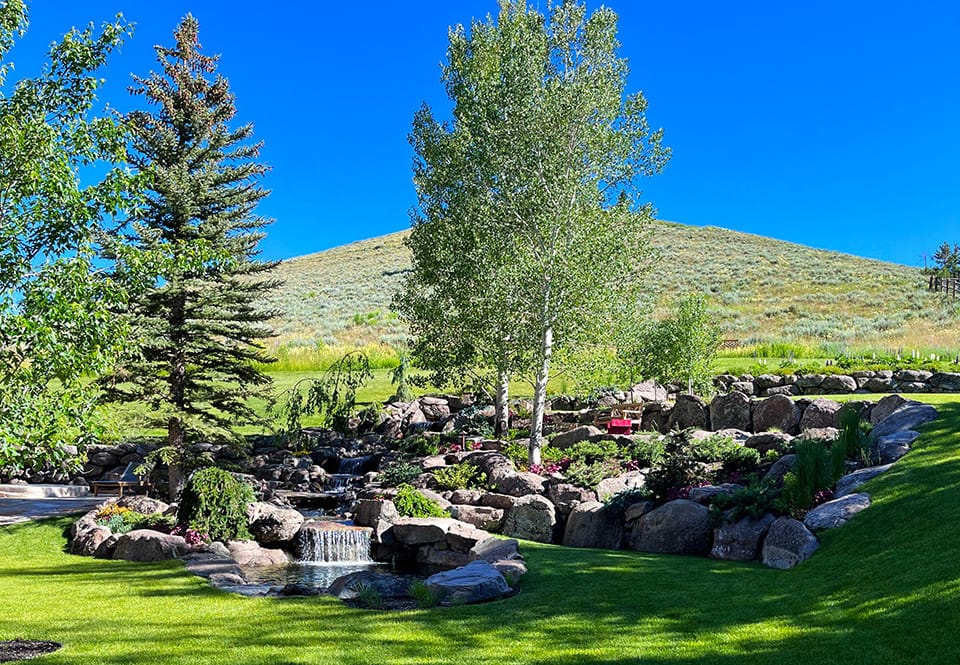
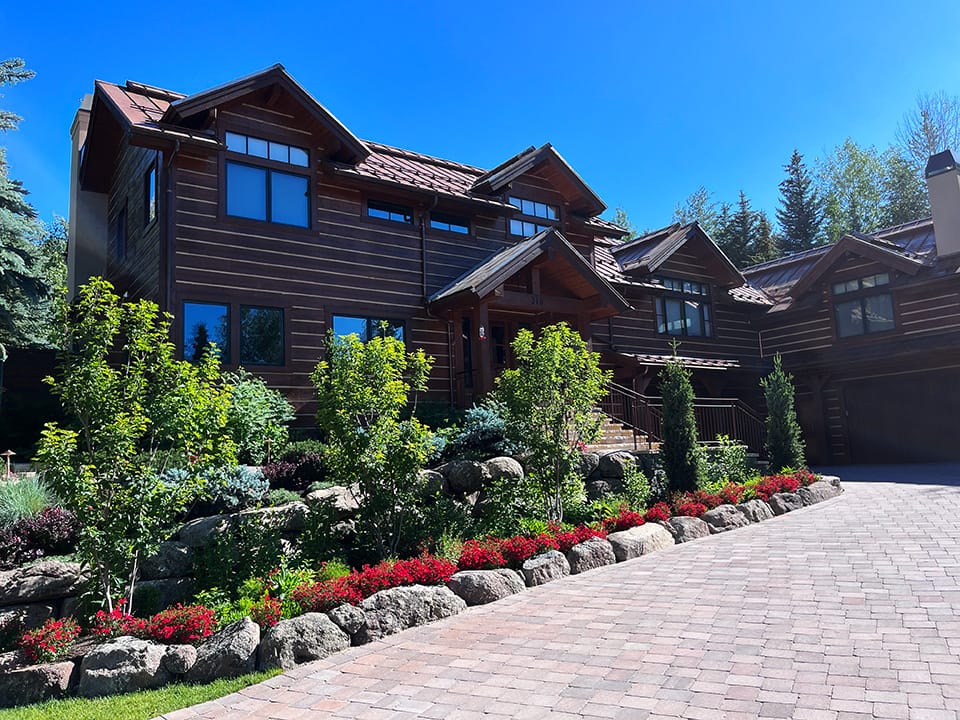
DL: To build on that, when I started in the industry, landscape architecture was often an afterthought, even in projects. It mainly revolved around planting a few aspen trees and seeding a lawn. There are excellent examples of native landscape design for the Intermountain West that people can see in their neighborhoods, inspiring them to xeriscape their yards and maintain native vegetation. We educate them on how to make their property look as beautiful as their neighbors’ by creating a native landscape and respecting the limitations of their site. We address all aspects of people’s homes because wouldn’t it be better to spend your extra time and energy riding a bike or going skiing? Much of the work we do for sustainability also enhances sustainability in people’s lives, leading to lower maintenance costs. You don’t have to mow your lawn more than once a week. I always consider what motivates our clients.
EB: The Central Idaho Dark Sky Reserve initiative serves as a valuable guide for us because once something becomes a regulation, everyone tends to follow it instead of letting individuals decide whether compliance matters. We all live here because it’s beautiful, and we want to experience that beauty. Having an external authority say, ‘Hey, this is what we’re doing now,’ helps align those who might feel they don’t need to follow those restrictions.
CM: With the Central Idaho Dark Sky Reserve, I have never heard anyone say, ‘There are not enough lights out in that yard,’ or ‘This neighborhood is just too dark,’ or ‘I wish that whole building was lit up, like you see in Vegas.’ They don’t miss it, and they certainly appreciate the stars. Light pollution is only getting worse around the world, which makes this area very special and unique.
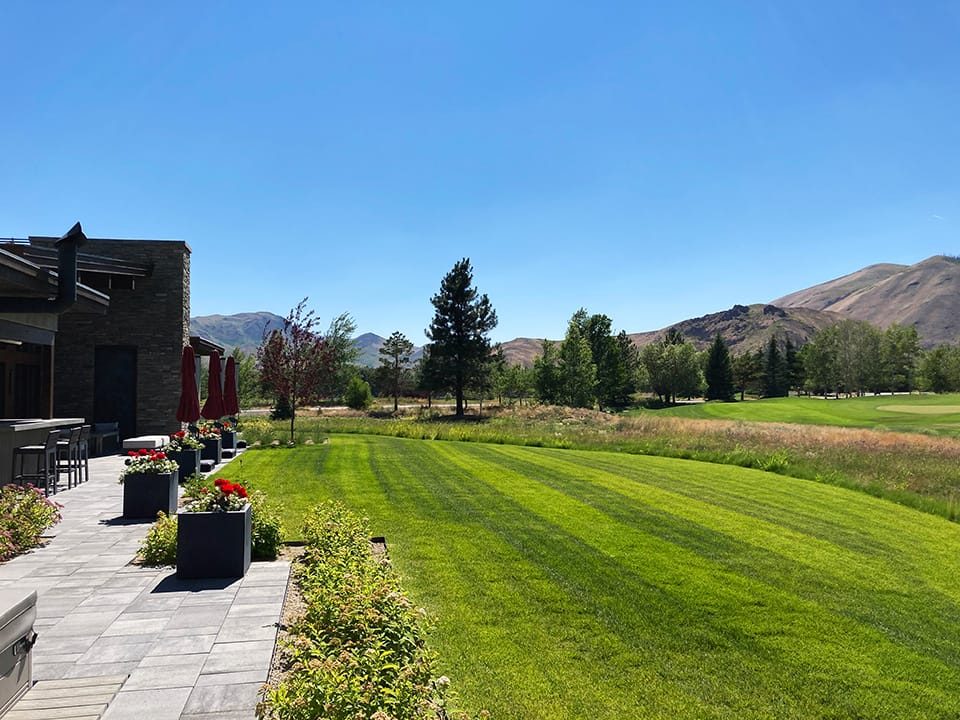
DL: Living in this community is a deliberate choice. You don’t just end up here by chance. You have to embrace many of these elements. In other communities, this might be seen as quirky.
RW: From my perspective, the landscaping and water side really revolve around understanding where our water is going and what type of water it is. A standard irrigation system can deliver approximately 12,000 gallons of freshwater daily. Providing a simple statistic like that can lead someone to question how much they value their yard compared to drinking water, right? Once you have this knowledge, there are measures you can implement to promote sustainability. You can utilize an app to turn off the water from anywhere. If it’s raining, you likely won’t need water for the next few days, and by that last statistic, you can save nearly 25,000 gallons in just a few days.
WHAT ARE THE MOST SUSTAINABLE PRODUCTS THAT YOU USE?
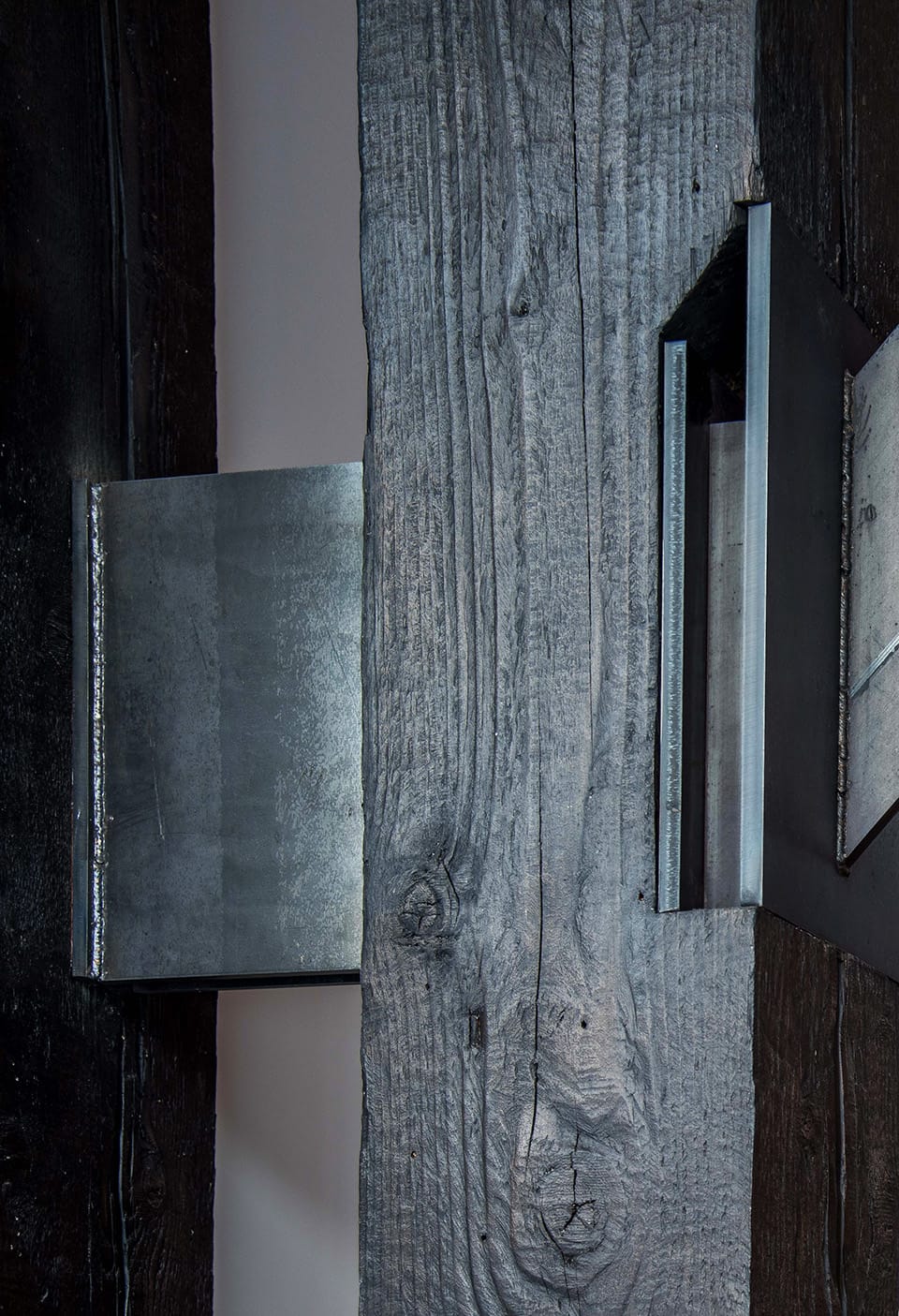
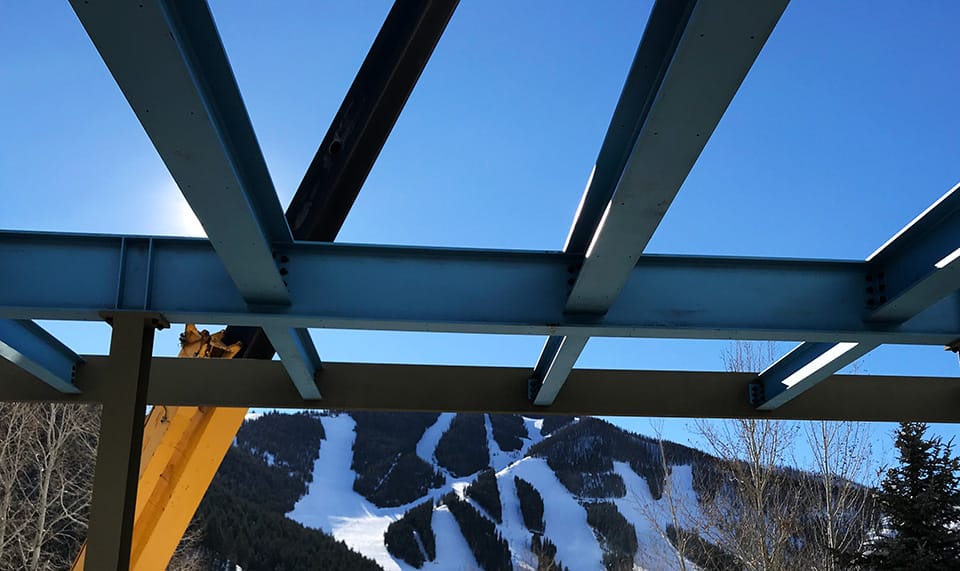
CM: Wood is a sustainable product when harvested properly. It’s regenerative. Steel consists of 93% recycled material in the U.S., which means not much new steel is produced here since it is primarily recycled. Natural products that can be sourced locally, such as basalt stone and hemp, have gained popularity. Hempitecture, a national hemp building products company, is head-quartered here locally. They produce sustainable, environmentally friendly insulation, wallboard, and carpet underlayment.
DL: Significant progress has been made with material suppliers, who now offer more sustainable products and low-VC options. Additionally, while not as glamorous, we work with professionals, engineers, and architects like Craig to avoid materials that have high CO2 foot-prints, such as steel, while striving to maximize efficiency with alternatives like wood framing. This approach resonates well with our clients because it also saves them money. Consequently, they are always eager to engage with us in discussions about their projects.
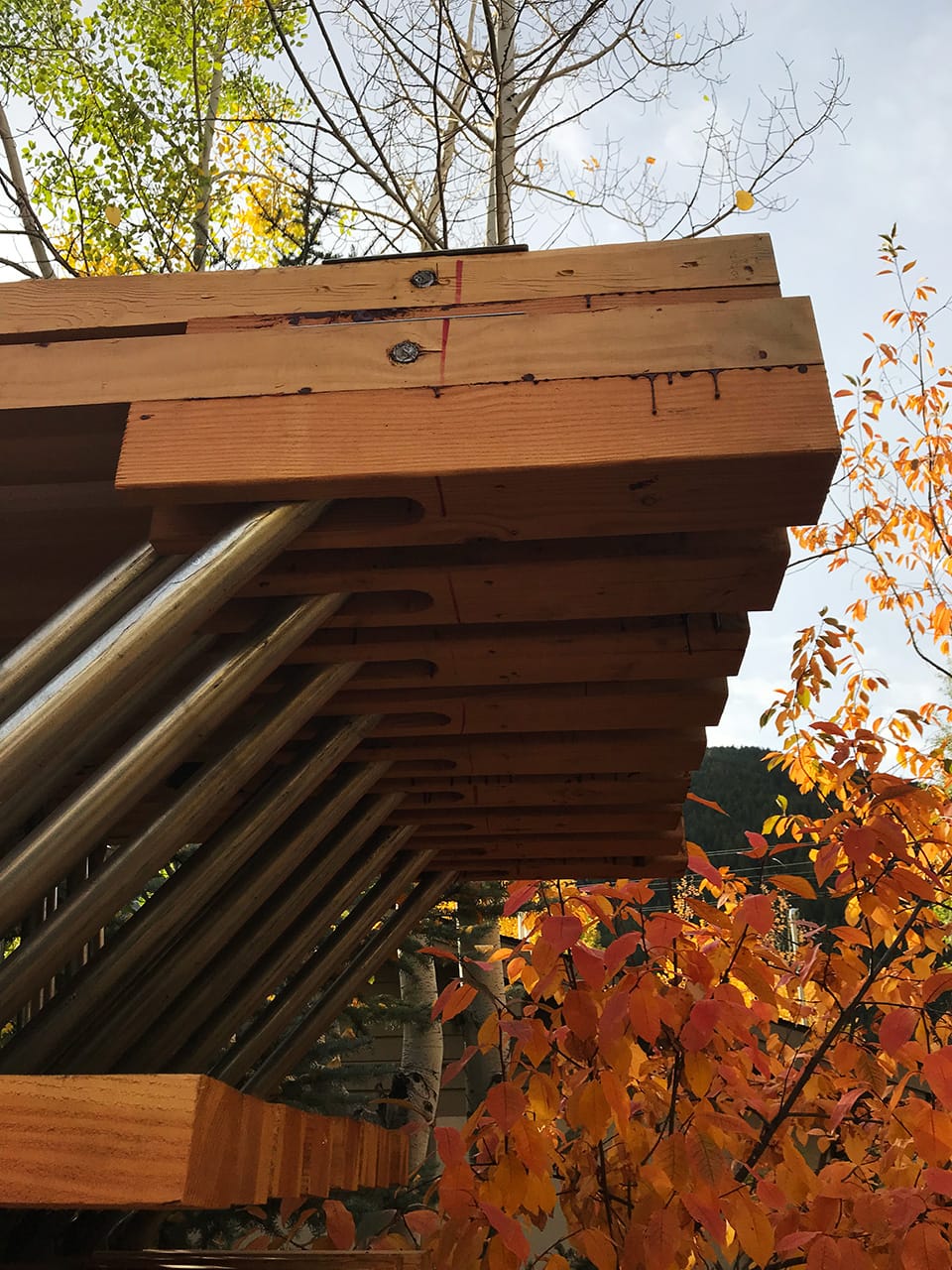
EB: Interior design is trend-driven, which often leads to waste when styles change. We encourage clients to invest in quality materials and lean into their personal style—not passing trends—so they love their space longer and replace less over time. Whether it’s a performance fabric on a sofa or a durable countertop material, by focusing on what truly resonates with them and choosing durable, natural materials, it ensures quality and sustainability over time.
RW: We’re actively trying to promote the use of technology because it’s incredibly user-friendly. Even existing homes can be updated to use an app for an irrigation controller, provided you have WiFi.
HOW DO YOU HANDLE CONSTRUCTION & MATERIALS WASTE?
EB: Many of our clients are mindful of waste and request that renovation materials be donated to places like the Building Material Thrift Store in Hailey rather than being sent to the landfill. In cases where homes are purchased furnished and clients want to replace the existing pieces, we often connect them with local consignment shops or organizations like The Advocates in Hailey. We also encourage reuse within our own teams if workers or collaborators can utilize materials, we make them available.
“Wood is a sustainable product when harvested properly. It’s regenerative. Steel consists of 93% recycled material in the U.S., which means not much new steel is produced here since it is primarily recycled. Natural products that can be sourced locally, such as basalt stone and hemp, have gained popularity.”
– Craig Maxwell, Maxwell Structural Design Studio
RW: We’re working with the Wood River Land Trust on the Trout Friendly Lawn Program. They have a list of requirements that must be met to achieve ‘Trout Friendly’ status. If the homeowner chooses to pursue this, we concentrate on adhering to their guidelines to the best of our ability.
DL: We have established our systems and processes to minimize waste materials on the job site as much as possible. From a client’s perspective, they appreciate this extra effort and the cost savings. From a business perspective, reducing waste aligns with our values and ensures our projects run smoothly and efficiently. Much of this involves being more accountable for the materials we use, collaborating with our design teams to identify materials that meet those specifications to minimize waste, and ensuring that the teams responsible for installing those materials are accountable for what we order. It used to be that you could reach any point in the Valley within 20 minutes. Now, people often need to allocate approximately an hour these days due to traffic.
CM: The term commonly used is value engineering. It’s more closely linked to the dollar amount than anything else, but it generally involves reducing materials to achieve that lower cost. There are materials that offer alternative methods to reach this goal, but as David noted, efficiency lies in design. If we design to utilize the produced materials effectively, then there’s minimal waste. Designs that work with CMU modules, plywood modules, and standardized materials minimize waste and provide substantial savings.
HOW DOES FIRE RESILIENCY FACTOR INTO YOUR DESIGN APPROACH?
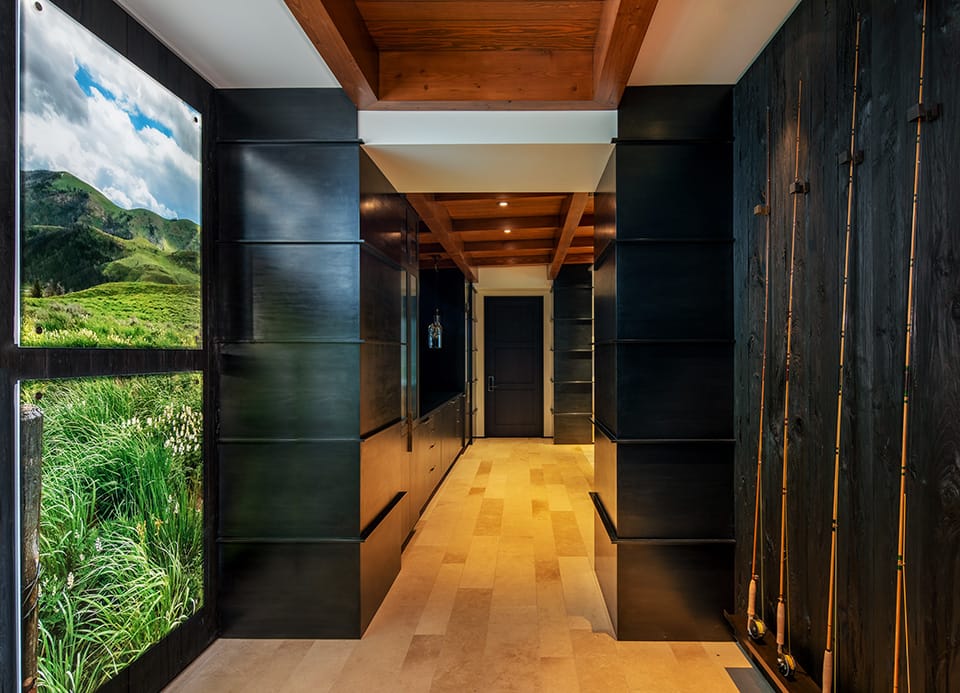
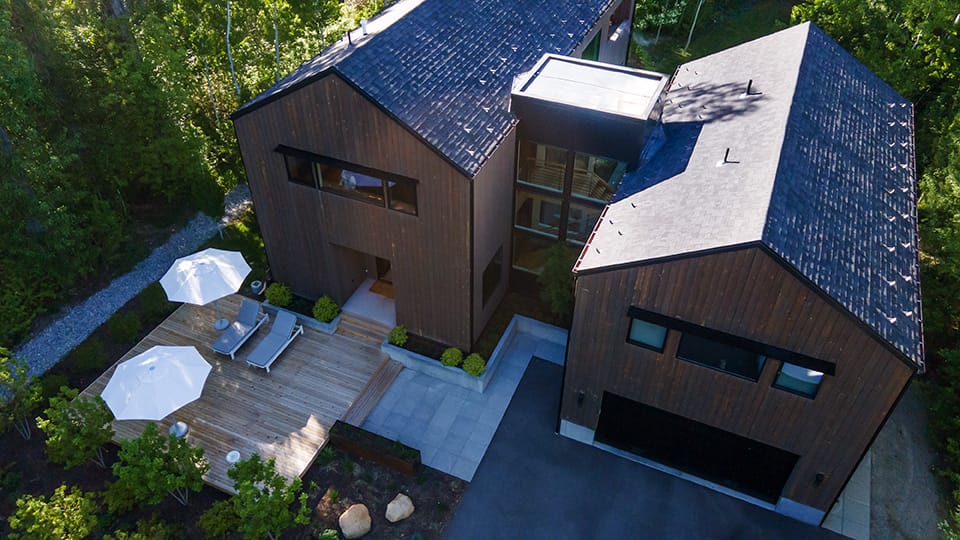
CM: Natural stone is a classic and effective wall element that works well for fire protection. Shou sugi ban is becoming more common. Similar processes are now being applied to wood products, such as using heat and pressure to remove the weaker fibers in the wood. These products are more resistant to decay and fire while maintaining the natural appearance of wood siding. With metal siding, we are seeing more innovations incorporated. It seems that in our world, fire safety is probably the most important topic we discuss with our clients.
DL: Technology and sustainability in roofing systems have advanced significantly. While roof technology may not be thrilling, it can improve a home’s fire defensibility. Our clients have numerous options that balance design aesthetics with safety.
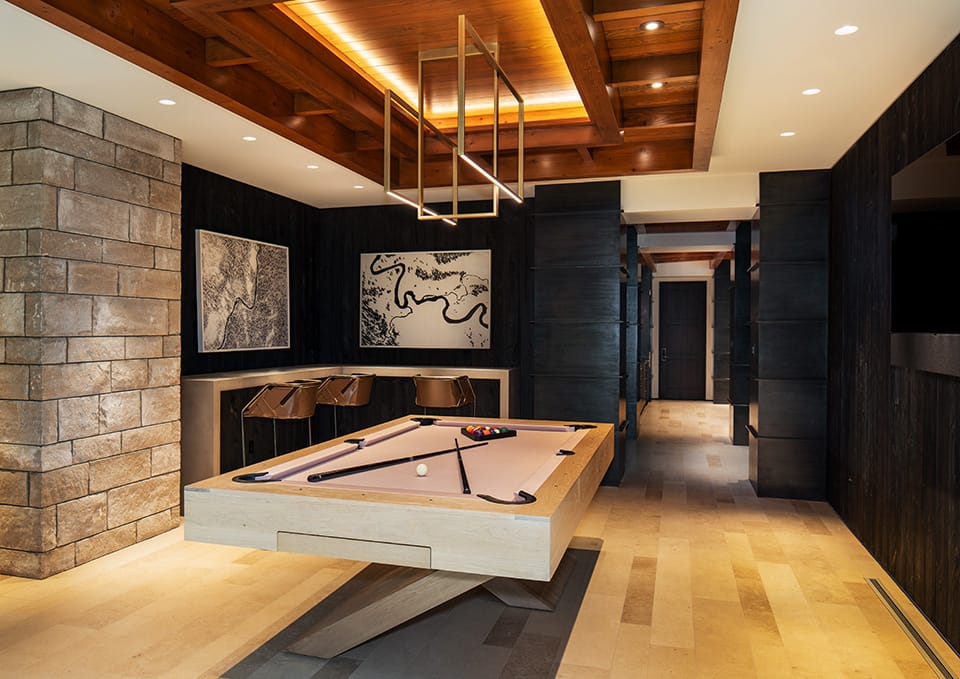
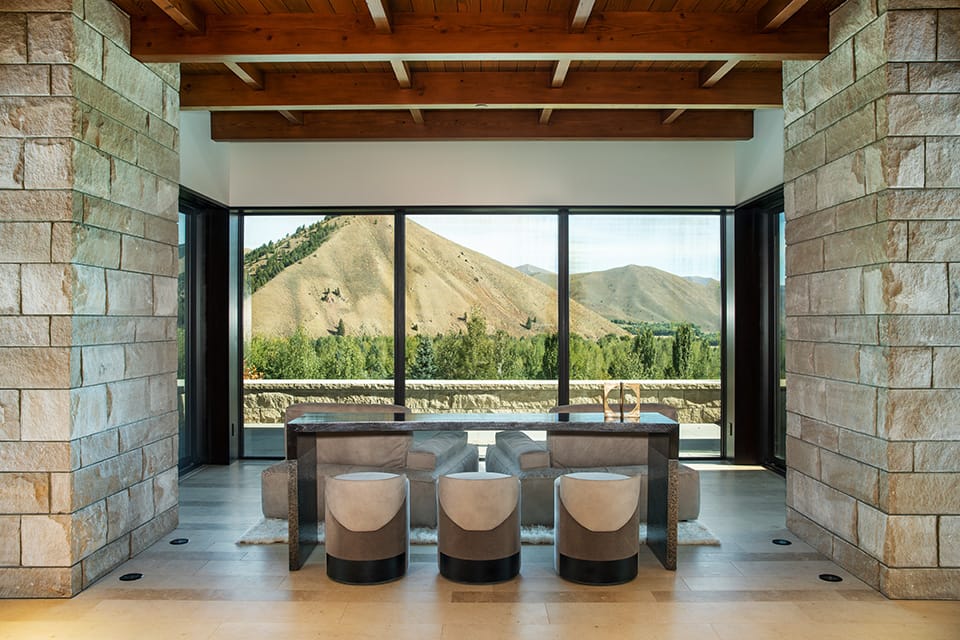
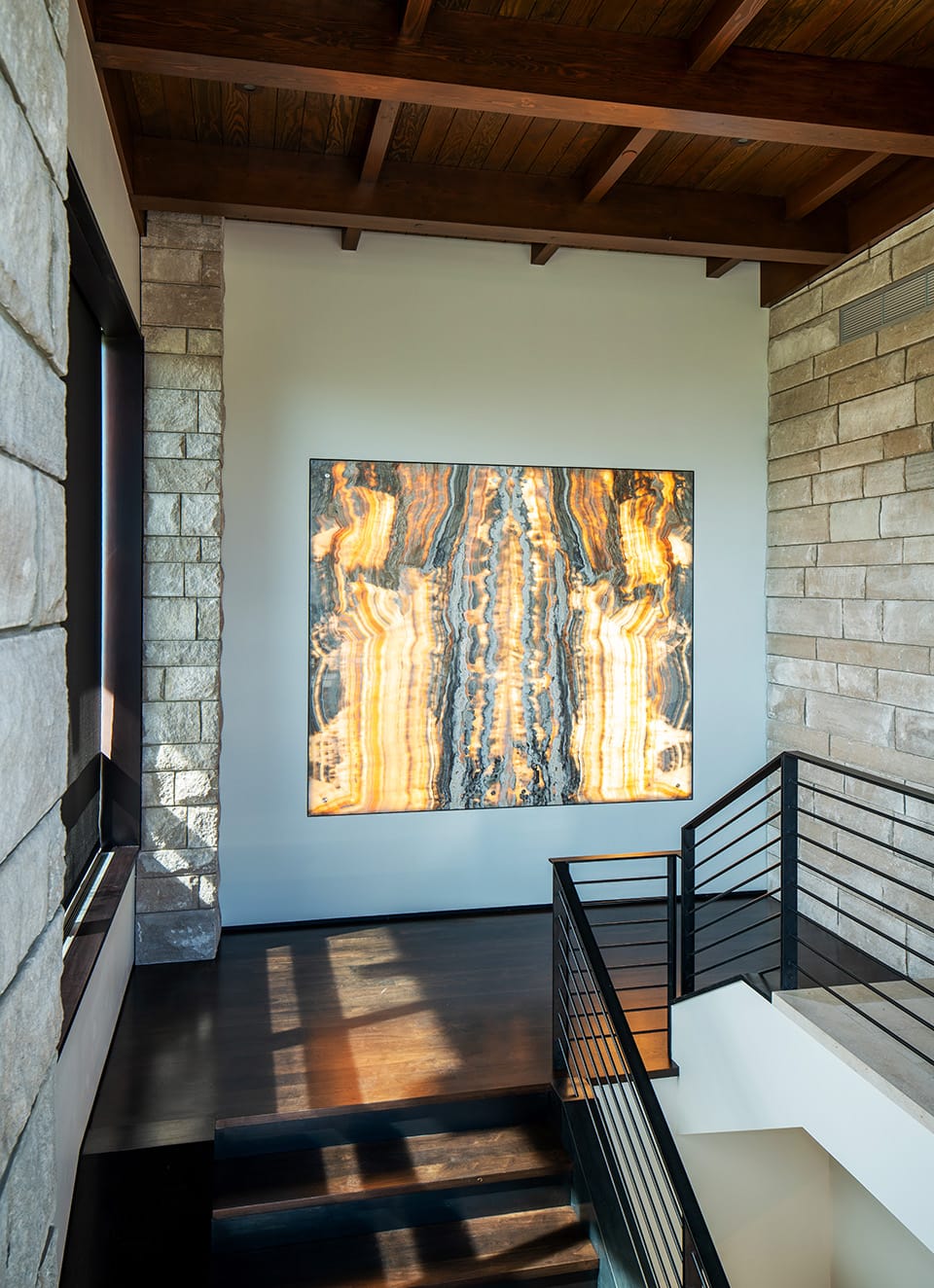
EB: On the exterior, clients often desire hardscape areas that are closer to the home, so we create an inviting, functional perimeter with patio furniture and plantings that soften the space without introducing risk. Inside, we pay close attention to material choices, preferring natural materials that are less flammable than synthetics. Even beyond wildfire concerns, small decisions—like avoiding highly flammable finishes—can significantly slow the spread of fire inside the home. It’s about making thoughtful choices early in the process.
WHAT CHALLENGES DO YOU ENCOUNTER WHEN DESIGNING FOR SUSTAINABILITY & RESILIENCE IN CONSTRUCTION, DESIGN,& LANDSCAPING?
DL: As a contractor, I see two primary challenges. The first is getting involved in the process early. This is important because, from my perspective, at a certain point, it becomes really challenging to work backwards mentally and economically. The second challenge arises from our clients’ interests, along with the volume of information we prefer to present to them. Each build has many components, and most clients aren’t aware of all their options.
“Technology and sustainability in roofing systems have advanced significantly. While roof technology may not be thrilling, it can improve a home’s fire defensibility. Our clients have numerous options that balance design aesthetics with safety.”
– David Lloyd, Lloyd Construction
CM: To add to what David has said, the scale of projects is one of the larger elements for our area. We have worked on 15,000-square-foot homes designed for two people to occupy a few weeks each year; no matter how many so-lar panels you install on those houses, they will never be sustainable. Often, sustainability is far out of reach. These projects do employ many people in our community, so it’s a bit like biting the hand that feeds you, but we can’t disregard this, especially when discussing sustainability.
EB: For us, it’s the client buy in. Not everyone comes to us saying, ‘Can you design a sustainable or eco-friendly home?’ Most people don’t, but that doesn’t mean you can’t try to promote it in small ways. As long as we can get the client behind the cost of what a more durable or eco-friendly material might be, or if the availability of said material doesn’t limit the construction timeline, then those factors can convince them that it’s worth that investment and time.
RW: Clients have expectations when they move to the Wood River Valley, which often include large yards and expansive fields of green grass. The challenge is to adjust that expectation because we’re in Idaho—we’re in a high-desert region. It’s difficult to move away from the Kentucky bluegrass, the aspens, and the spruce trees. It’s a challenge to communicate this right from the start of the process and throughout all stages.
“Not everyone comes to us saying, ‘Can you design a sustainable or eco-friendly home?’ Most people don’t, but that doesn’t mean you can’t try to promote it in small ways. As long as we can get the client behind the cost of what a more durable or eco-friendly material might be, or if the availability of said material doesn’t limit the construction timeline, then those factors can convince them that it’s worth that investment and time.”
– Erika Blank, Studio Boden
CM: Clean air, clean water, and the surrounding natural beauty are the reasons we live here. It’s a close-knit community, so word of mouth holds significant influence, and everything we do comes back around. We take pride in maintaining strong relationships, including those with the environment.
whj FEATURE
