
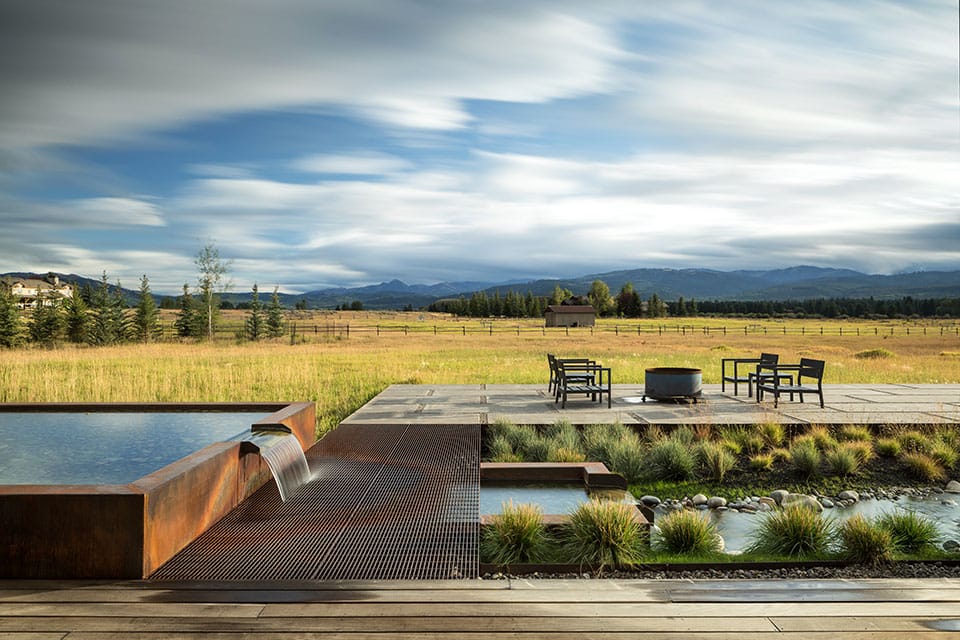
Listen to our Spotify podcast about this article:
By Cassidy Mantor
Jackson Hole is a beautiful place. The untouched landscape including the rugged Tetons, thriving wildlife, and recreation opportunities also make it one of the most desirable luxury real estate markets in the world. In this discussion, Western Home Journal speaks with Hans Flinch, founder of cairn landscape architects, and case brown, owner of Clearwater Restoration, whose Jackson based firms are both leading the charge in sustainable design. From water wise landscaping and wildlife friendly ponds to rehabilitating previously disturbed land and restoring streams, they share how thoughtful planning, creative reuse, and a commitment to land stewardship can redefine luxury.
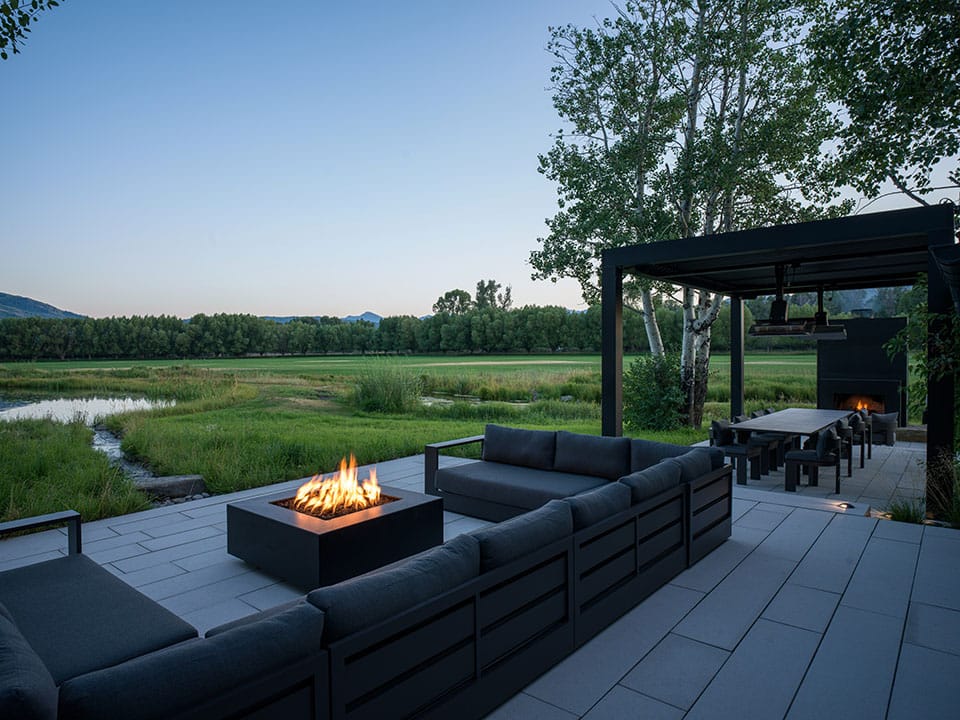
OUR PARTICIPANTS:
HANS FLINCH, CAIRN LANDSCAPE ARCHITECTS: Cairn Landscape Architects, LLC was founded in 2020 on the idea that collaborative, multidisciplinary design processes inspire creative design solutions. The firm specializes in high end residential design in gateway communities as well as conservation oriented public projects in the intermountain West. The firm has a passion for creating enduring landscapes that are client centric while embracing the natural beauty of place. Cairn seeks out projects in wild places, where thoughtful development enhances connection to nature. Their experience spans a wide range including residential design, international resorts, and National Park projects. They believe recreation can inspire stewardship of the land.
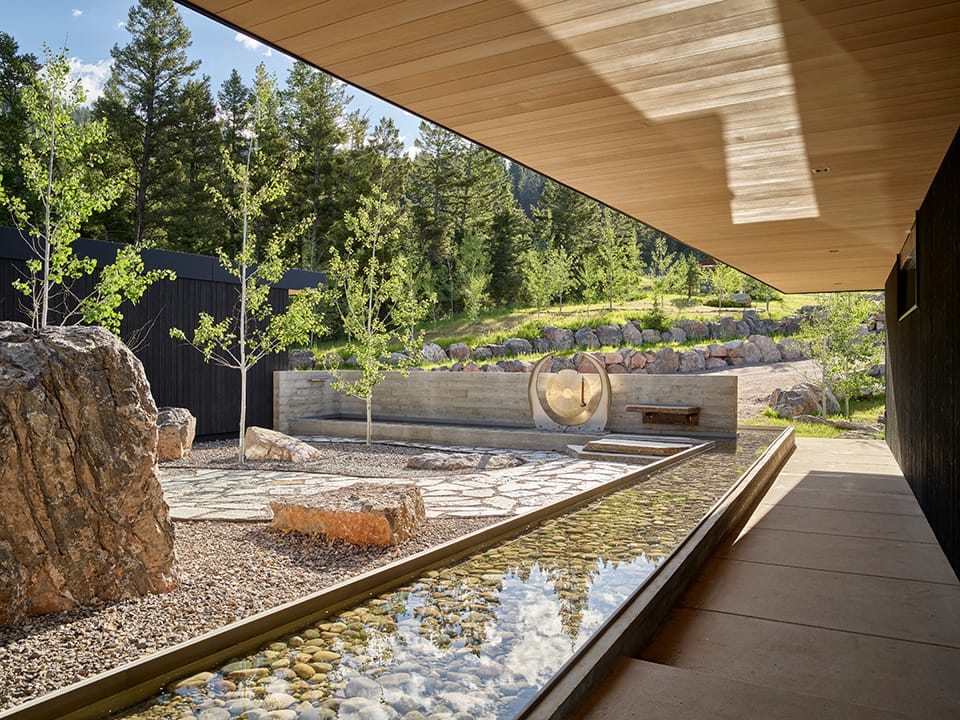
CASE BROWN, CLEARWATER RESTORATION: Clearwater Restoration focuses on creating and improving aquatic environments. Their work includes stream restoration projects for native fish habitats on large ranch properties, creating natural aesthetic pond systems that function with the greater ecosystem, and architectural water features. They strive to blend their work seamlessly into the undisturbed native landscape surrounding their projects. Having been in the industry since 2003 and forming Clearwater Restoration in 2013, Case and his company have worked in many different regions of the U.S. They understand that macro and micro differences in habitat and environments can make a big difference in the sustainability of a project.
HOW INGRAINED IS SUSTAINABILITY IN YOUR WORK?
CB: The quality of well water in the Teton Valley is highly variable, with some non-desirable levels of nutrients that can become a challenge to ponds, lakes, and water features. Designing systems that are closed loop and recirculating limits the need for new water input and lower long term maintenance costs. Our main considerations with respect to sustainability are meeting our clients’ goals and designing elements that are not just in compliance with the local regulations, but also align with the overarching principles of land stewardship.
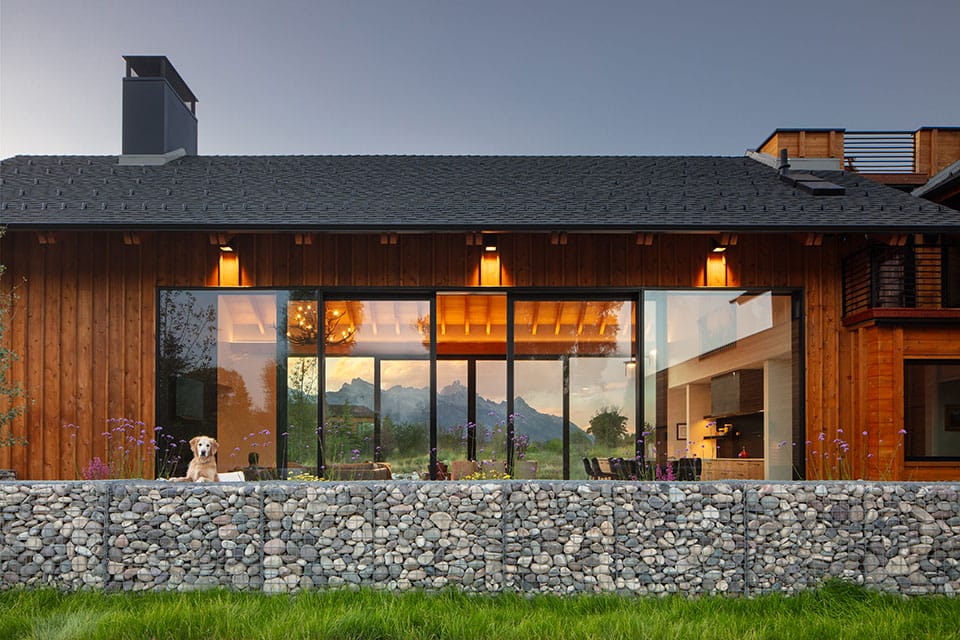
HF: Clients may be concerned that landscaping to reduce water use or restore native plantings is an aesthetic or useability sacrifice, but it’s an opportunity to create something more special and beautiful. Modern mountain aesthetics are all about making the home and outdoor living spaces feel like part of the existing mountain landscape. A talented design team that works collaboratively can create stunning outdoor spaces that are low water use and are nestled into the surrounding mountain environment. Sustainability for us means contributing to and supporting the longevity of a thriving, resilient, landscape while conserving parts of a site.
WHAT ARE THE MOST ECOFRIENDLY MATERIALS YOU USE?
HF: Some of the most ecofriendly building materials are the ones that can be harvested from the job site or gathered locally. Trucking costs are extremely high in our region, so the more you can reuse on site, the better. This reduces carbon dioxide emissions and costs from trucking and shipping so it’s really a win win. Especially in remote, mountain locations, the more creative you can get about harvesting onsite materials, the better. If you dig up a boulder, find a home for it on the site and make it part of the project’s story!
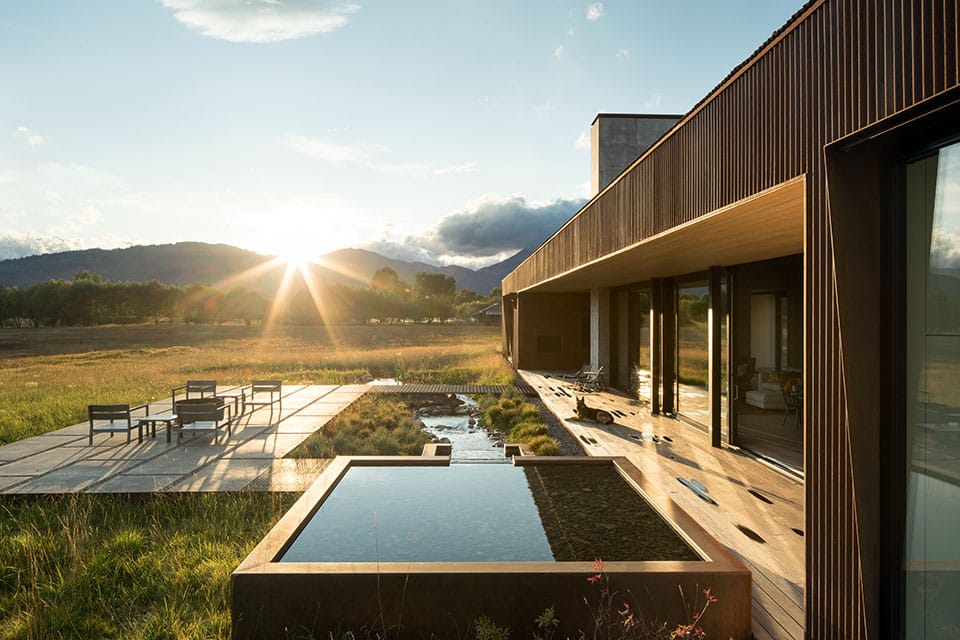
CB: Using the best pond liners, piping materials, and tested sealing techniques will ensure there are no leaks in the system, which will greatly lower the need for water. For us too, efficiency and sustainability involve being resourceful. For example, using natural and gentle slopes around the site will allow vegetation to establish with limited irrigation.
HOW DO YOU CONTRIBUTE TO A HOME’S EFFICIENCY?
HF: From a site perspective, orientation is the first and most important step in reducing energy consumption in homes. If you get this step wrong, you are playing catchup with every other decision you make. Getting a landscape architect involved early in the process can help to meet energy efficiency goals because we can work in coordination with the rest of your team to balance those priorities with other elements like terrain, views, aspect, screening, and future plantings. We can also weigh in early with grading strategies that incorporate building up thermal mass and creating plant buffers to block winds. Small decisions can add up in the performance of your building, so it’s best to get everyone on board early in the process.
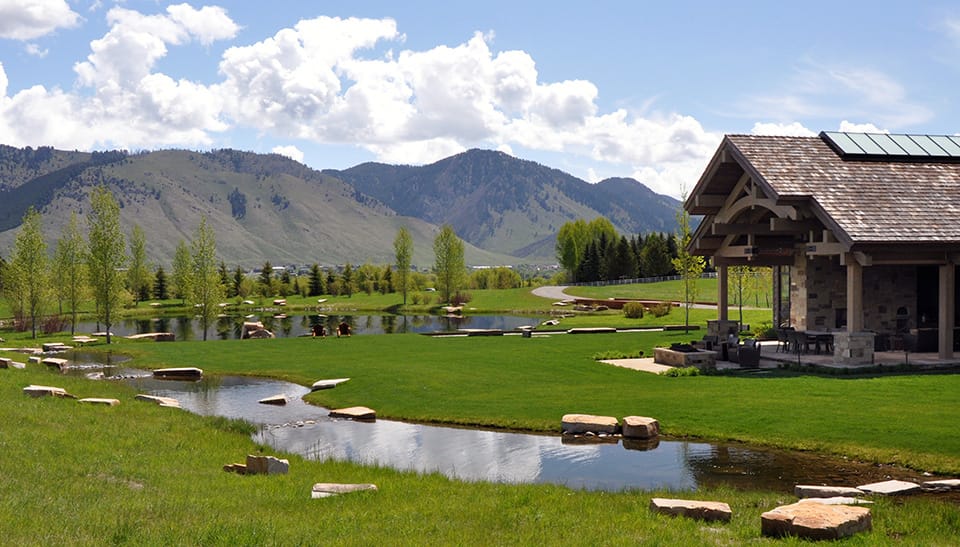
WHAT ARE SOME FEATURES YOU ADD TO PONDS TO MAKE THEM LUXURIOUS AND ALSO MORE SUSTAINABLE?
CB: When building a pond, we try to incorporate as many of the clients’ or designers’ wishes as possible. If their desire is for water sports or recreation, we can incorporate jumping rocks, docks, and swimming areas. If the pond or lake is to be primarily for fishing, we will add underwater rock and log habitat structures, casting zones, and wetland feeding areas to help enhance the population and biodiversity.
ARE HOMEOWNERS OF HIGHEND CUSTOM HOMES IN JACKSON CONCERNED ABOUT SUSTAINABILITY?
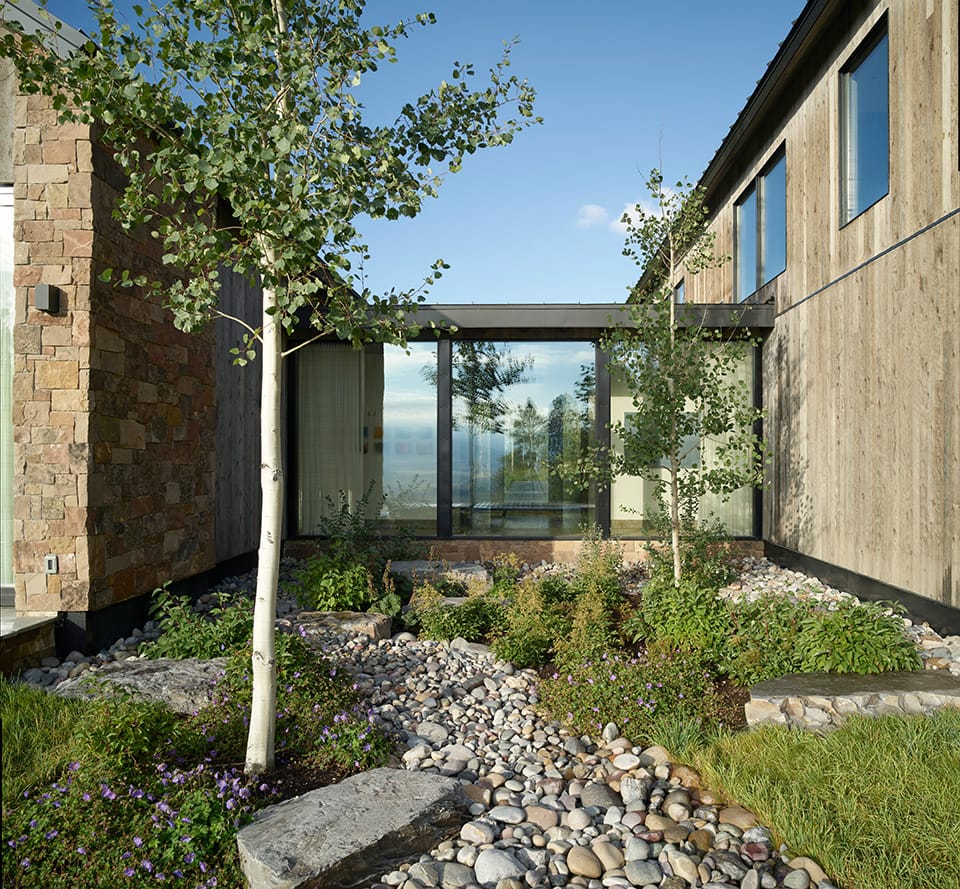
CB: Yes! Homeowners are concerned with sustainability from a resource usage and long term maintenance standpoint. All ponds, lakes, and architectural water features will need help to keep themselves healthy and be aesthetically pleasing. We do our best to meticulously build them with materials, wetlands, and water quality considerations, but all newly created ecosystems need support.
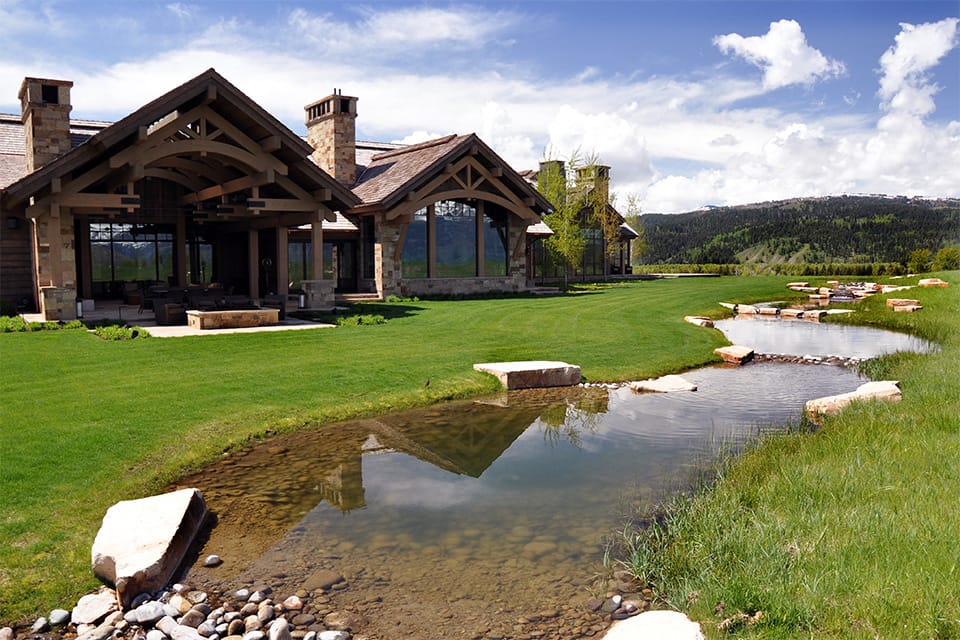
HF: We generally work with clients who appreciate that their property is a part of the larger greater Yellowstone ecosystem and want to be good stewards of the land. People come to Jackson for the wildlife, views, and easy access to the incredibly pristine and wild environment that is right outside of their doorsteps, so part of our job as a design team is to integrate design decisions that create the least amount of impact on our region while celebrating the natural beauty that drove our clients to purchase the land. A lot of our work takes place on previously disturbed sites, so there is significant opportunity to restore habitats, plant trees, and allow native species to reclaim parts of the land through our residential practice.
HOW CAN CONSTRUCTION WASTE BE MINIMIZED THROUGH SUSTAINABLE PRACTICES?
CB: The primary waste in pond construction would be the liner material used on a specific project. With good designs and proper installation techniques, the total waste percentage can be lowered to 5-10%.
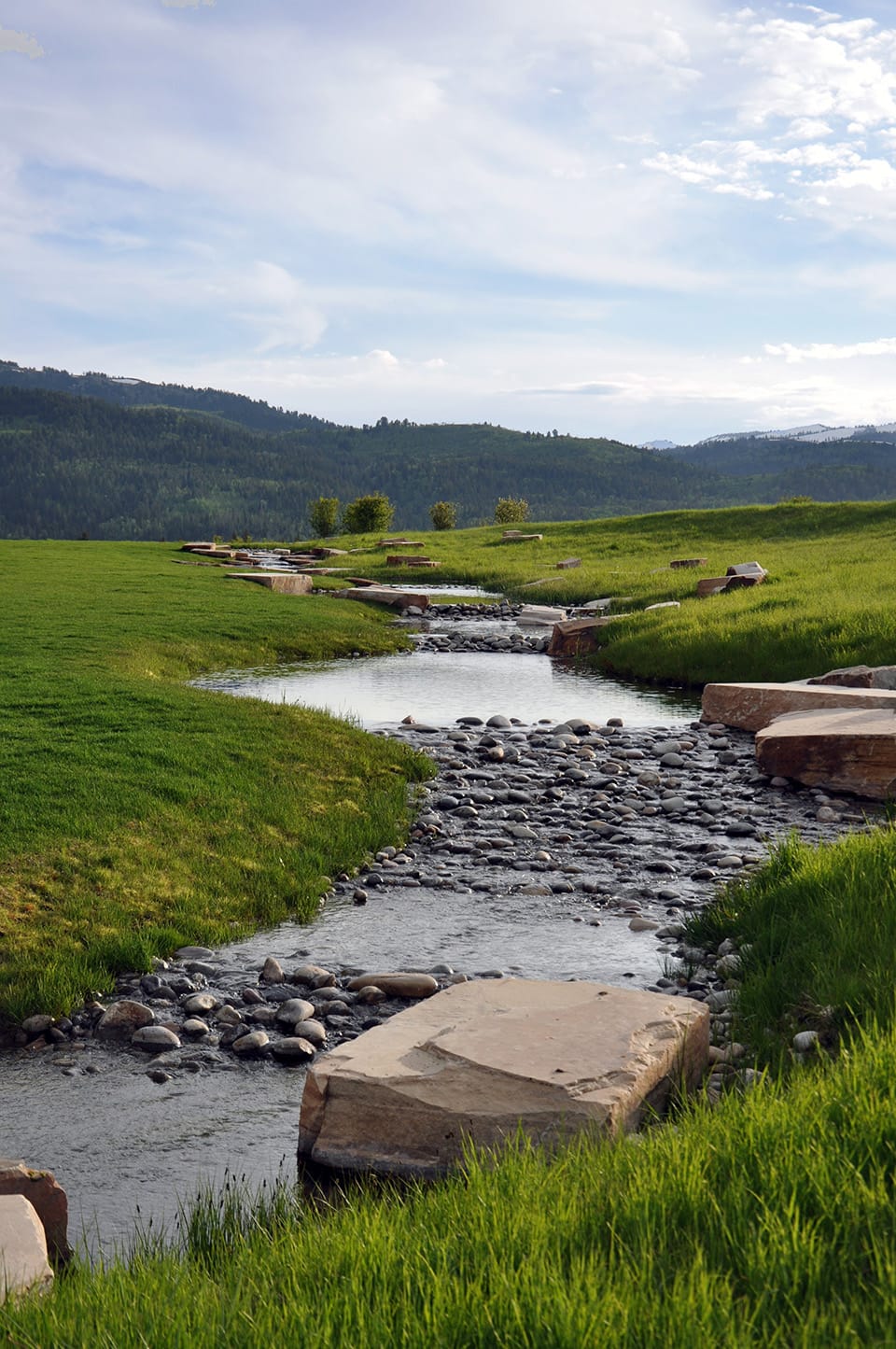
“Our job as a design team is to integrate design decisions that create the least amount of impact on our region while celebrating the natural beauty that drove our clients to purchase the land.”
– Hans Flinch, Cairn Landscape Architects
HF: From a landscaping perspective, reusing onsite material and restoring areas of your property to high value habitat like wetlands or forests is a great way to minimize construction waste and share your property with local wildlife. High quality construction also ensures a long life cycle of the built environment, which reduces the overall footprint of a project. Construction is a messy process that creates a lot of waste, but if we create something that will stand for generations, it reduces that waste.
HOW DOES SUSTAINABLE DESIGN FIT INTO LARGER URBAN SUSTAINABILITY GOALS?
HF: Residential buildings take up a massive amount of privately owned land in the West and a lot of that land has already been heavily disturbed, which disrupts natural processes. Maybe the land was overgrazed, mined, or had an abandoned job site on it. Building on disturbed sites can be challenging, but there is immense potential value in taking a disturbed site and turning it into something desirable both from a financial and ecological perspective. If we can use our creativity to transform disturbed sites while designing our outdoor spaces and backyards to provide habitat, use less water, and be more beautiful, it can be a huge contribution to a sustainable future for the West.
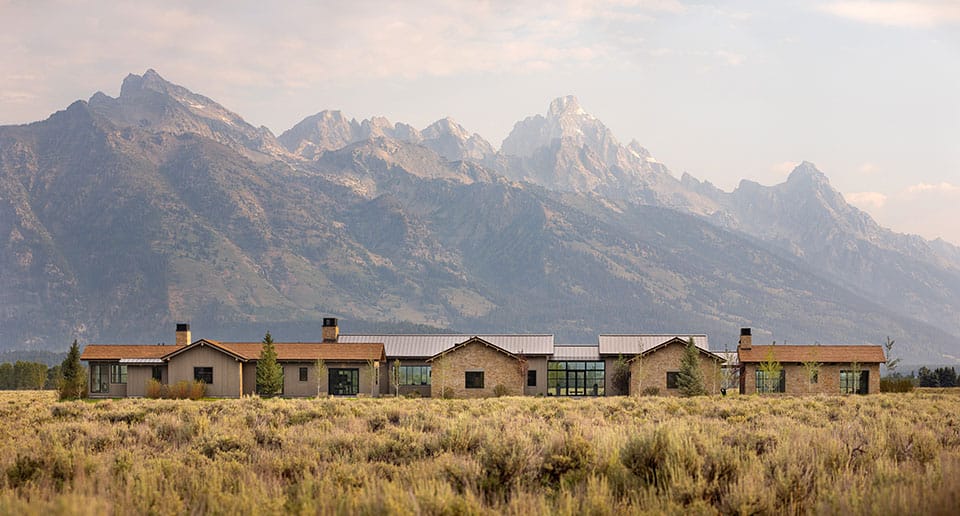
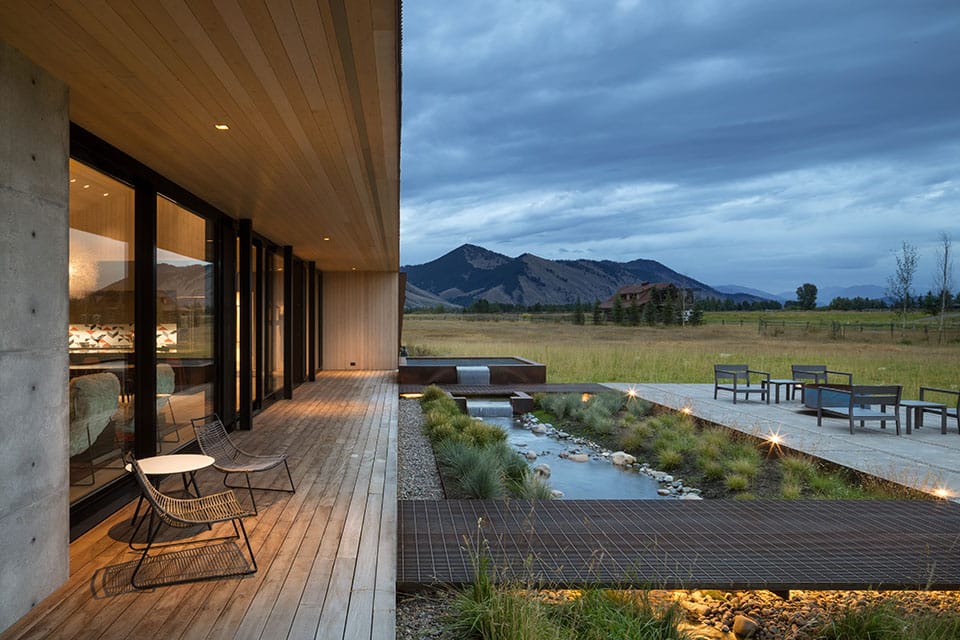
CB: We have had changes to the Teton County regulations with respect to ponds and water features that are improving how projects fit into the greater ecosystem. For example, ponds need to have a primary benefit to the greater habitat of a site and they need to be more than 50 feet from a structure. The policy behind these new regulations is to allow wildlife to use the pond without causing conflict. Along those same lines, architectural water features need to be within 50 feet of a structure because that distance has been found to be enough to discourage wildlife interaction.
HOW CAN RESILIENT HOMES AND FEATURES BE BUILT SO THEY WITHSTAND CLIMATE CHANGE RELATED EVENTS WHILE SUSTAINING THE ENVIRONMENT?
HF: We are always working to future proof our projects and a lot of that comes down to how we site a home, design drainage, and prepare vegetation to minimize damage during a flood or fire. In the West, fire is a huge concern and we are incorporating defensible space requirements and best practices into all of our designs. The Palisades fire made it clear that these events can affect everyone and it’s our responsibility to design our projects to protect our clients’ investments and make their properties as easy to insure as possible. It’s important to note that defensible space does not mean no trees or no vegetation; it’s that it is intentional, balances aesthetics with other goals, and is designed to best practices. Regarding drainage, redundancy is key in our designs. In the event of a large water event, we always are working to incorporate subtle layers of protection. If we’ve done our job correctly, a homeowner won’t ever notice these features.
“Through our pond management program, we observe first hand how minor details during the building process become substantially important years later, as the ecosystem matures. This type of long term planning is of the utmost importance when constructing biologically functioning aquatic ecosystems.”
– Case Brown, Clearwater Restoration
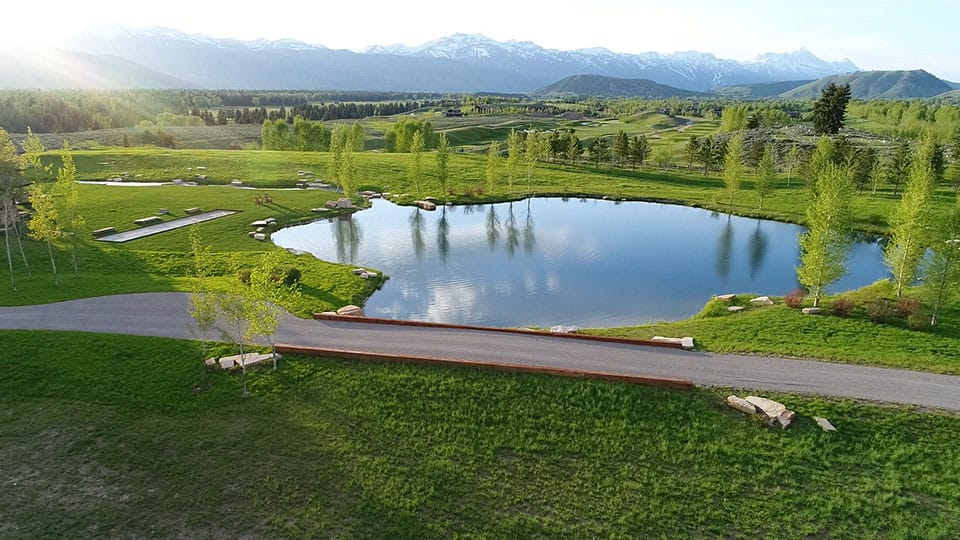
CB: Through our pond management program, we observe first hand how minor details during the building process become substantially important years later, as the ecosystem matures. This type of long term planning is of the utmost importance when constructing biologically functioning aquatic ecosystems, as seemingly insignificant mistakes can lead to consequential outcomes. It’s a combination of attention to detail, experience, and patience that enable these incredibly complex systems to be built for the long term and designed with the resilience characteristic of any ecosystem in the Mountain West.
WHAT ARE SOME BEST PRACTICES IN LANDSCAPE DESIGN FOR OUR REGION?
HF: I am loving the trend towards incorporating native plants even in urban areas. Tall meadows on a small urban lot are no longer considered an unkempt look, but instead it’s modern and hip, which is fantastic. This will ultimately help reduce maintenance needs while providing space for wildlife.
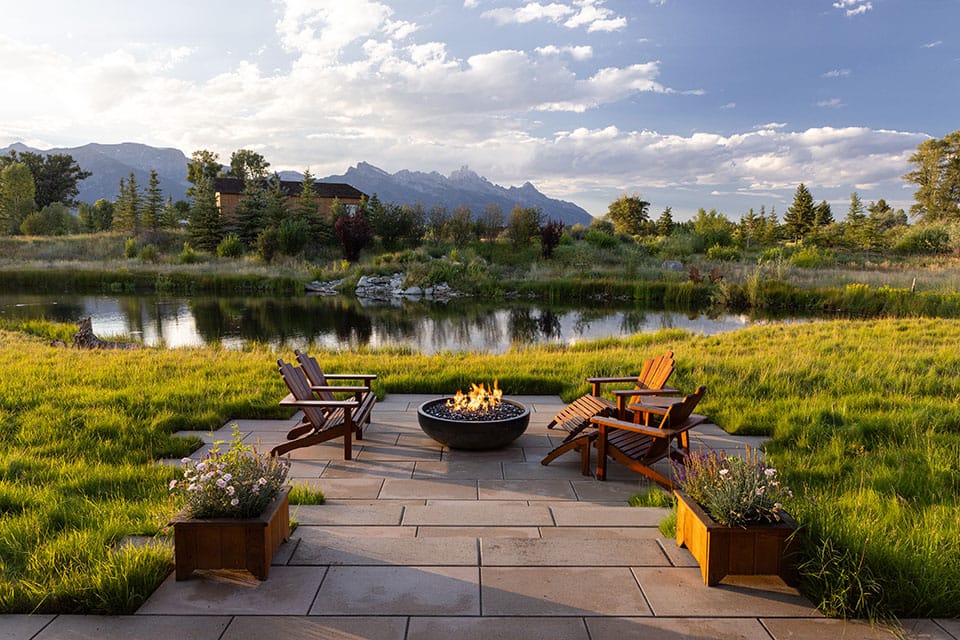
CB: In our region of the Mountain West, our summer season is short, lasting only four months. Our landscapes, ecosystems, and habitats change quickly and often, and we want to make the most of this short growing period. Designing, building, and maintaining properties with this in mind will help manage sustainability and expectations in this beautiful place we live.
HOW CAN EXISTING HOMES BE UPGRADED FOR BETTER ENERGY EFFICIENCY?
HF: On older properties we see a lot of wall-to-wall bluegrass lawns that need to be constantly mown, fertilized, and generally kept on life support to look “so so.” Much of this lawn is in places where it serves no physical function or purpose; it’s just there because someone put it there. Redesigning unused lawn space is a great opportunity to rethink your property and create something far more eye catching and intentional. It doesn’t mean you can’t have a lawn, just work with your design team to be specific to your needs. This can reduce carbon emissions, water use, and maintenance needs, which can also lead to huge cost savings for the owner.
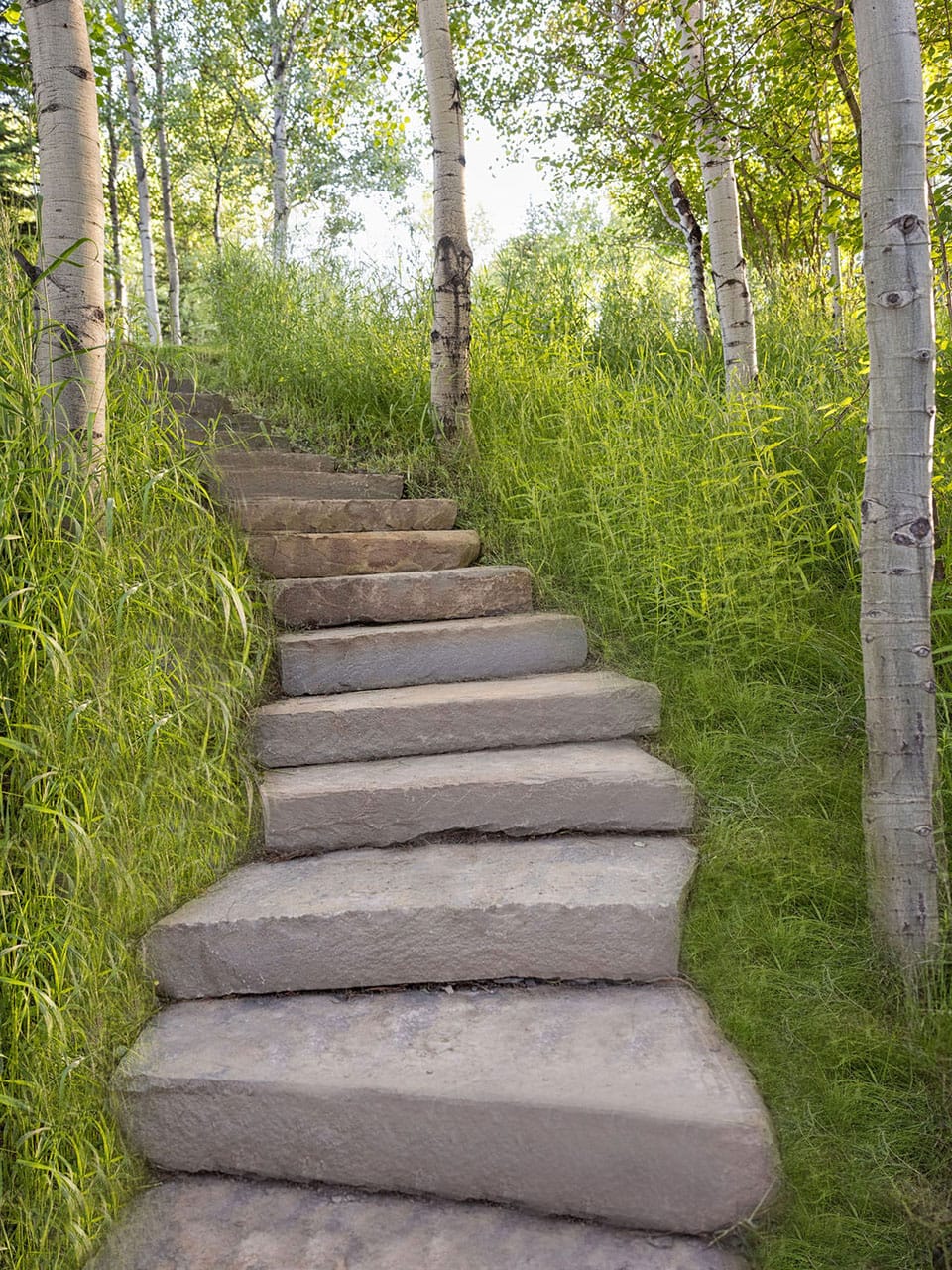
“Redesigning unused lawn space is a great opportunity to rethink your property and create something far more eye catching and intentional.”
– Hans Flinch, Cairn Landscape Architects
CB: We are able to efficiently and effectively restore degraded streams, create intricate new aquatic ecosystems, and add artful water features. Whether it be a full scale channel reconstruction or a recirculating waterfall in a backyard, our team takes a multidisciplinary approach blending practicality with science to ensure what we’ve done makes sense and will thrive.
IS THE FUTURE OF JACKSON’S BUILT LANDSCAPE LOOKING GOOD?
HF: One of the trends that I find the most encouraging is the move to develop previously disturbed lands, while preserving large tracts of private land, rather than break new virgin ground. If we are going to have a sustainable future, we need to use the available land smarter with fewer resources, while leaving large areas of space preserved. Restoring native vegetation and making space for wildlife rather than useless lawn space can play a huge part in this. We’ve worked on many properties where restoration is a primary goal of the design and if this becomes the norm, it will help to make our built landscapes demand less resources, preserve western character, and be more habitable to wildlife.
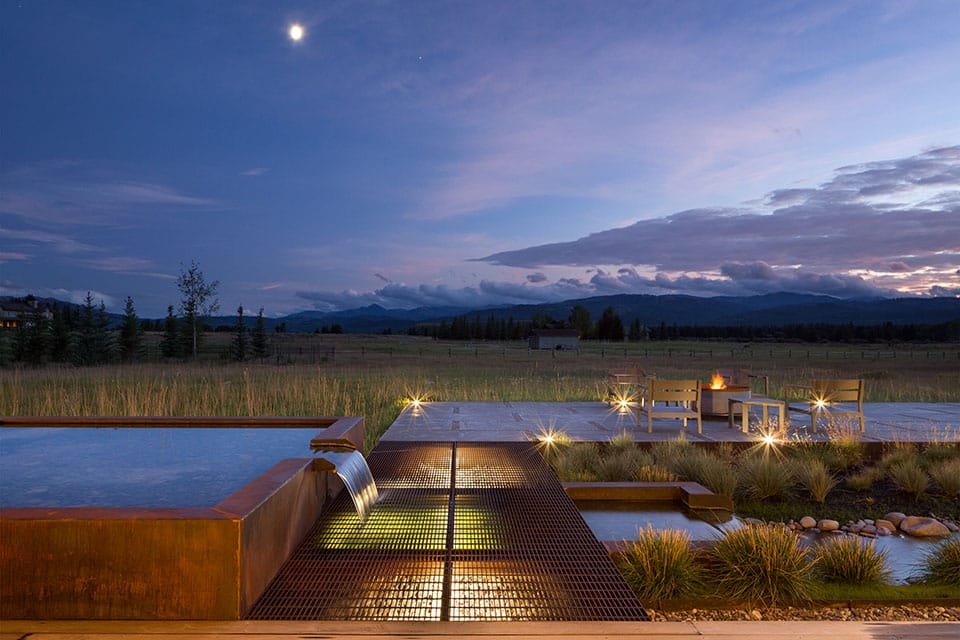
HOW DOES STREAM RESTORATION FACTOR INTO THIS FUTURE?
CB: As land use and ownerships change in the mountain West from agriculture and cattle ranching to residential use, the surface water resources are changing too. With a few months of focused work, 100 years of damage to riparian and instream habitats can be reversed. Repairing even a small reach of a stream system can have a huge impact on fish passage up stream and total population numbers per mile of stream. The downstream effect–literally as well as metaphorically–is highly beneficial to our greater ecosystem.
whj PROFILE
