
Listen to our Spotify podcast about this article:
By Cassidy Mantor
Driving around the lake, it is common to see wood boards painted with a family’s last name nailed to a tree. They’re directional signs that tell guests which way to turn as they pull off the main road. The sight of these signs often triggers a sigh of relief – we’re almost there, it’s almost time to kick back and relax.

CONVERTING BARN KITS INTO A FAMILY COMPOUND
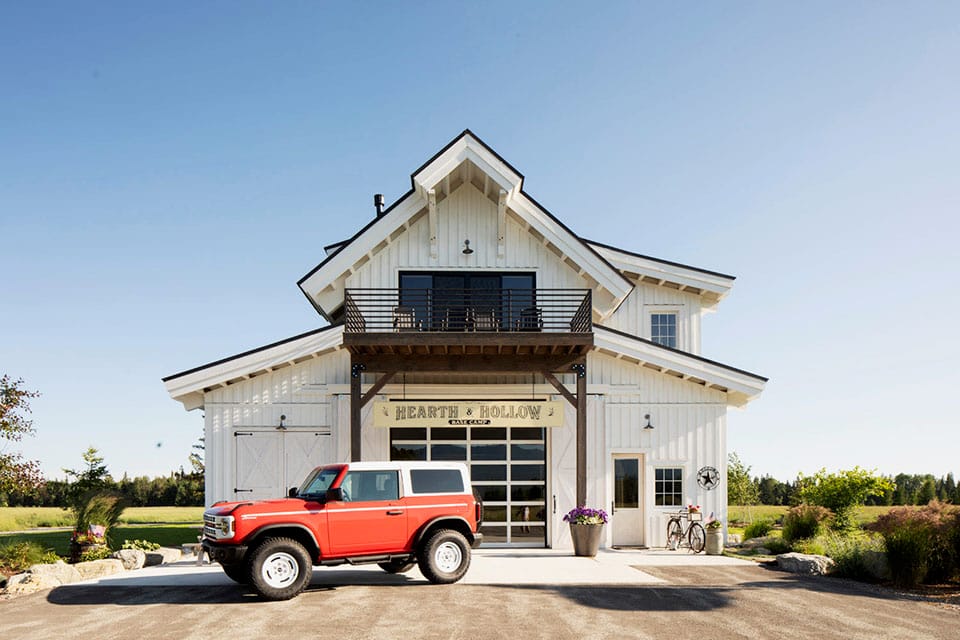
Nestled among the tall grasses outside of Whitefish, Montana, with views of Big Mountain, lies a family compound that tells a similar story of wholesome priorities and a nostalgic connection to place. The homeowner’s goal was straightforward: to create a place where their family could visit and enjoy the simpler, romanticized side of Montana. The open spaces, the scale, and the slower pace.
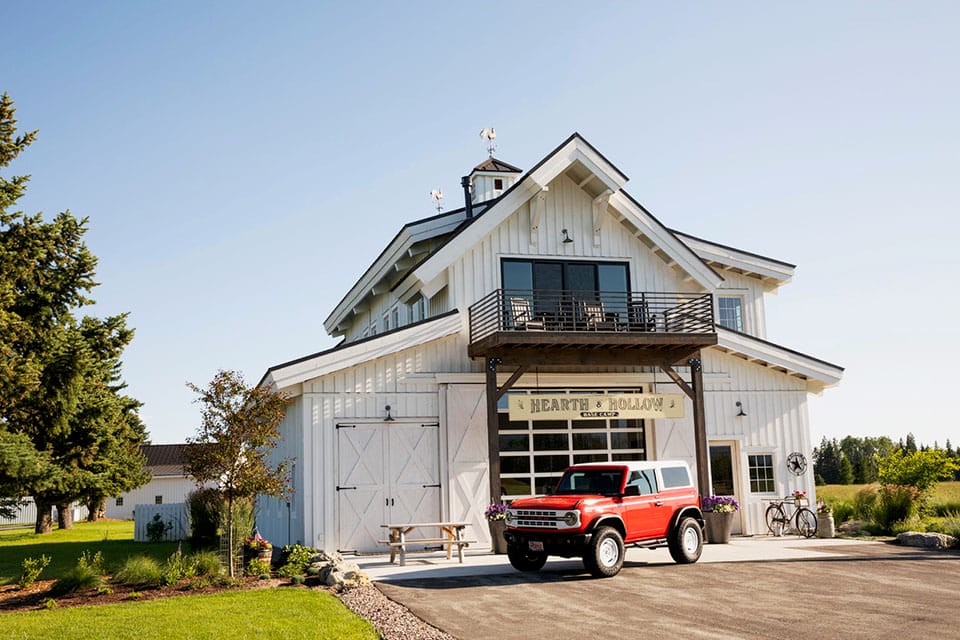
The homeowner wanted to create spaces where generations could come together and get in sync with the rhythms of farm life. Her memory shaped many of the choices. As a young girl, she visited her grandmother’s ranch and she envisioned giving a similar experience to her grandchildren.
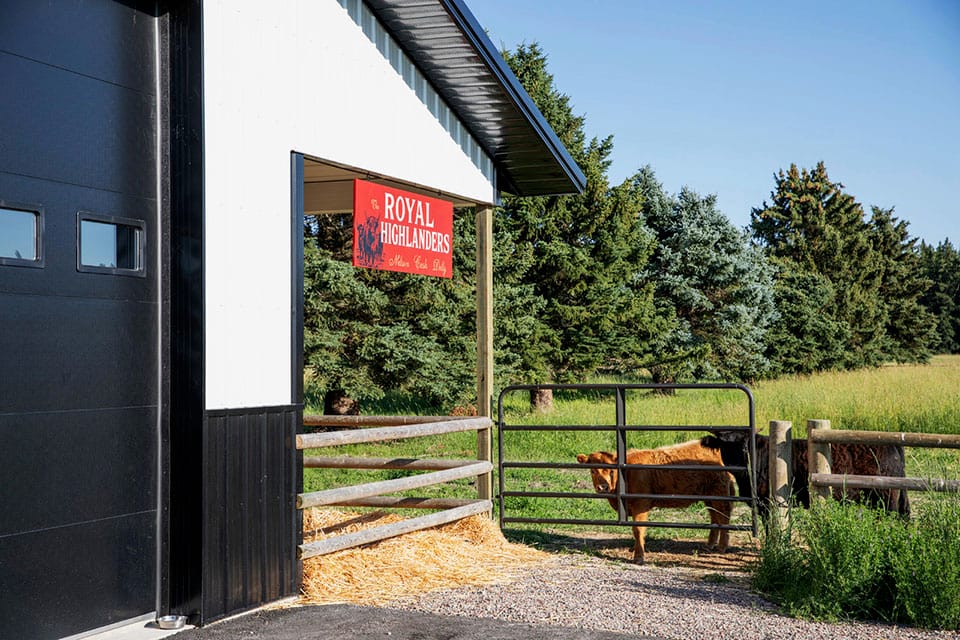
A constellation of converted barn kits brings character and authenticity to this rustic property. Pet highland cattle Cash and Dolly greet guests at the Motor Shed. The chicken coop, with its charming checkered curtains and reclaimed wood siding, is a monument to the grandkids’ favorite chicken, Betty White.
“WE LIKE TO THINK OF IT AS THE REIMAGINATION OF THE BARN. CONVERTING OUR KITS INTO LIVING SPACES OFFERS A BEAUTIFUL BLEND OF A TRADITIONAL HISTORIC PRODUCT COMBINED WITH MODERN USE.”
–Cody Wortmann, Timberlyne Homes
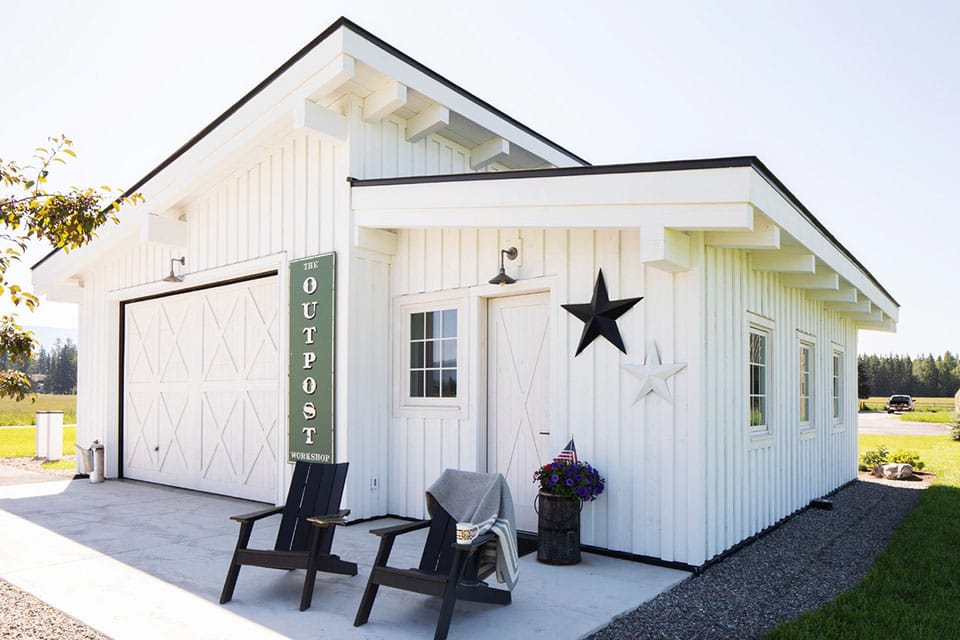
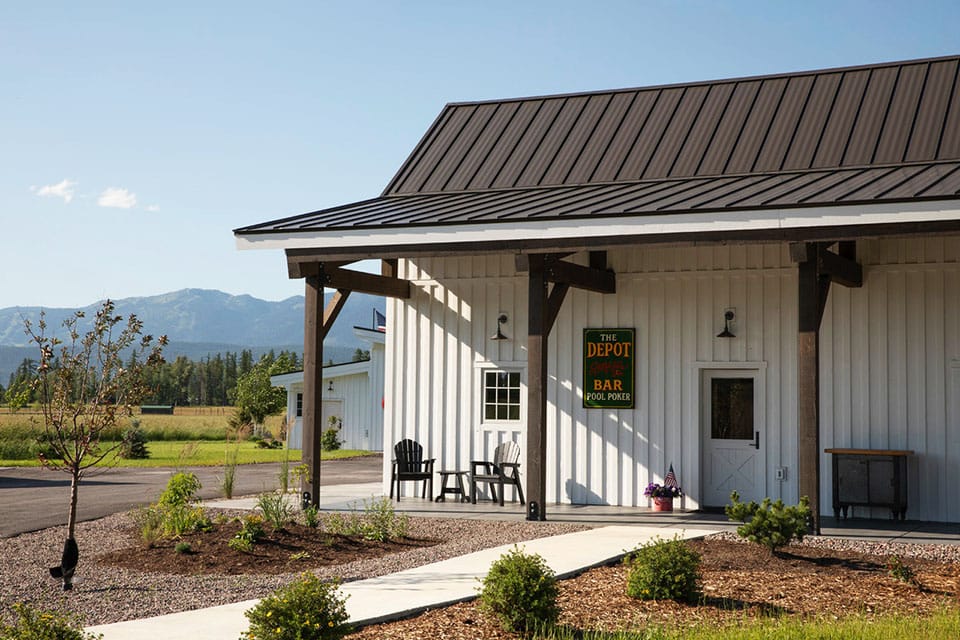
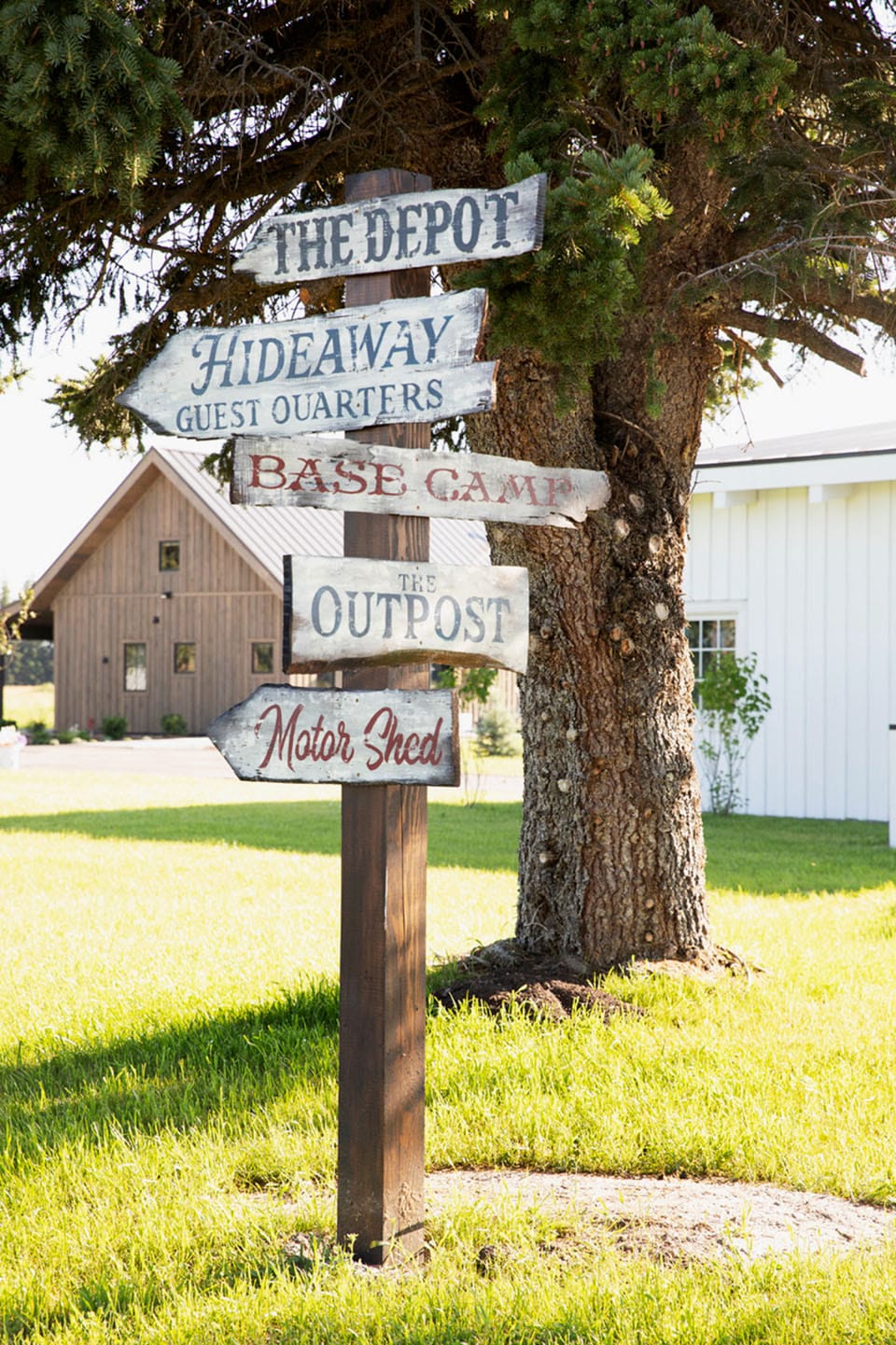
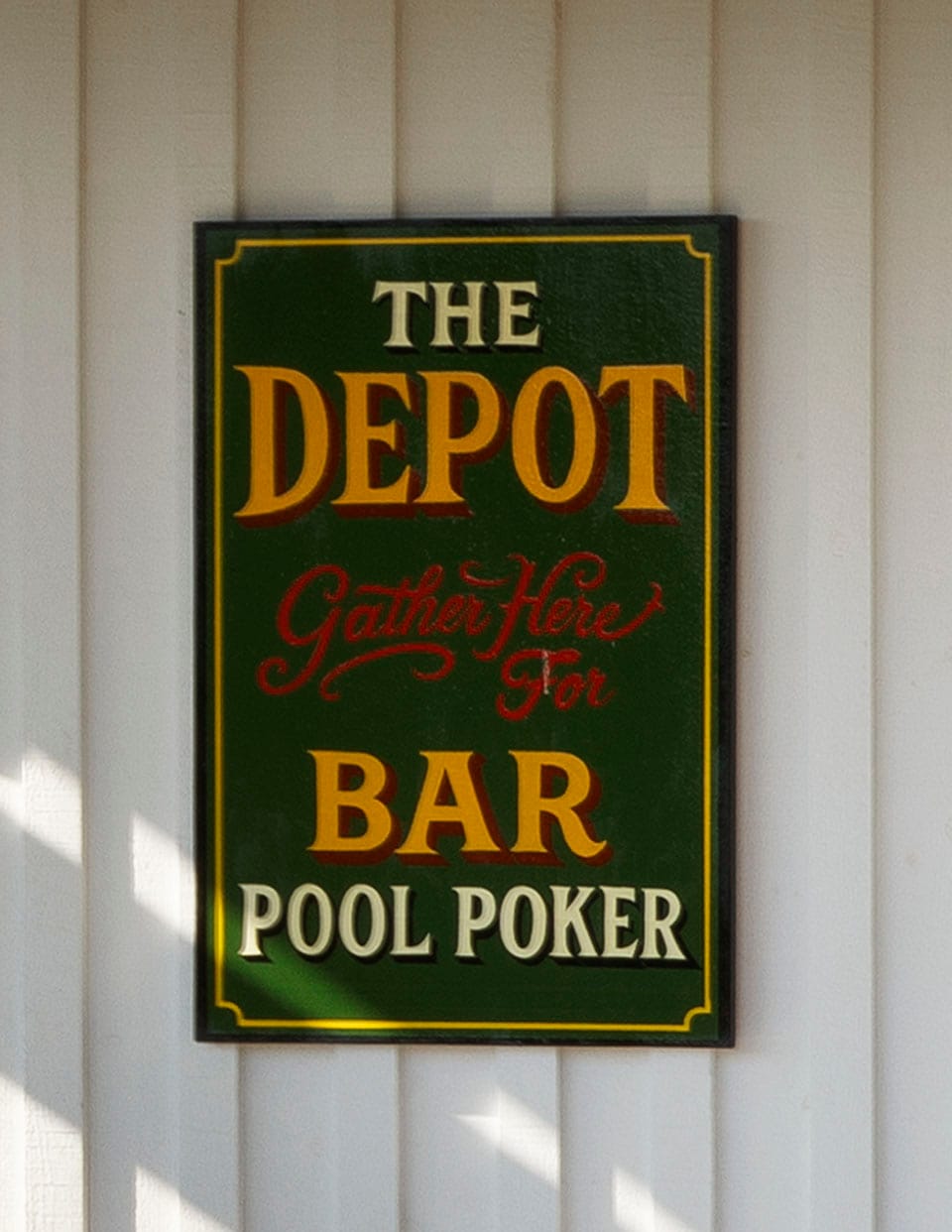
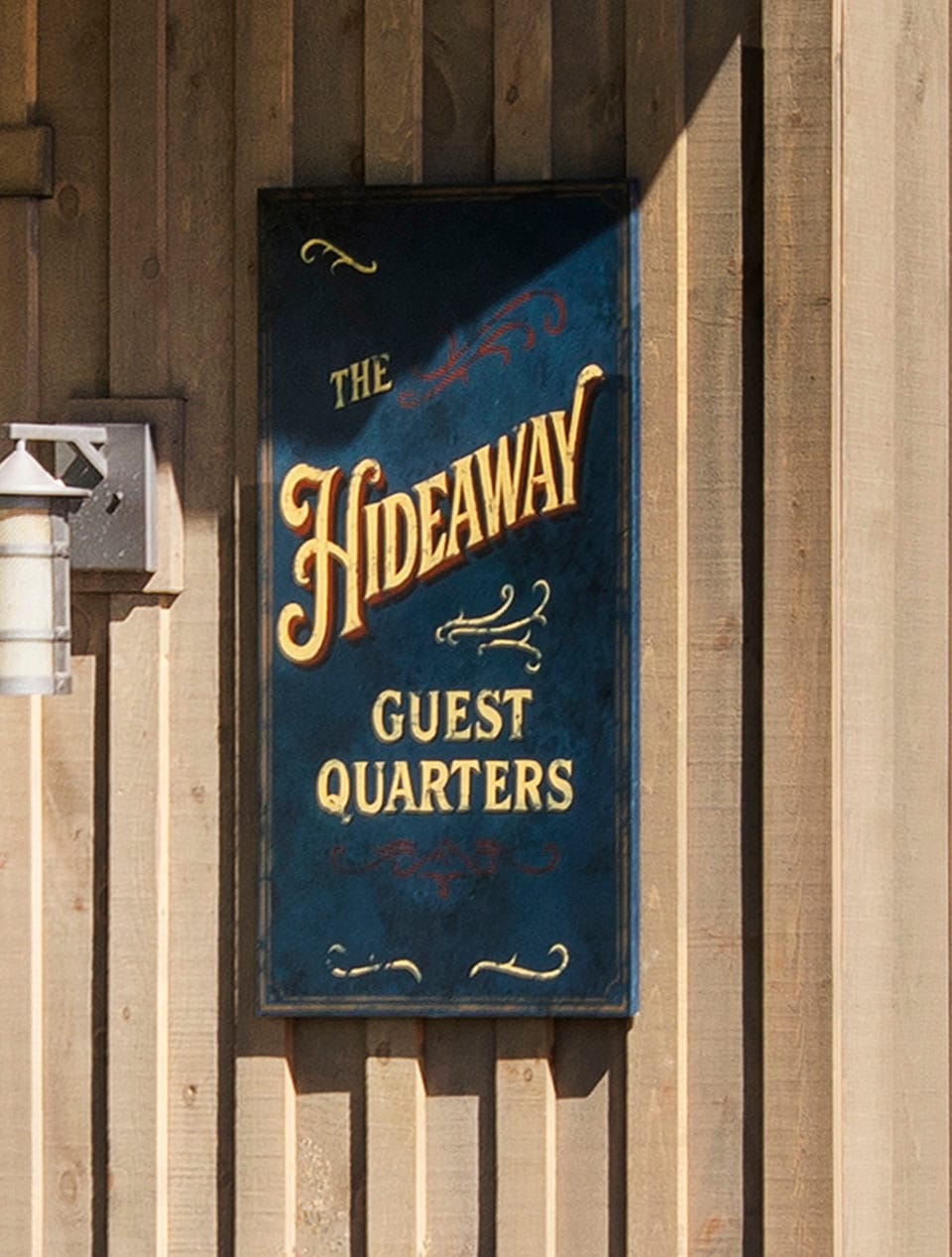
Hand-painted signs for Base Camp, The Hideaway, The Depot, The Outpost, and Motor Shed point to the structures. Inside the barns, warm cabins with one-of-a-kind fixtures and furnishings make for a truly unique Montana experience. The Hideaway – a two-bedroom, two-bathroom cabin with a loft – was the most recent completion.
FROM KIT TO CUSTOM
The Hideaway began as a Timberlyne barn kit – essentially a skeleton of exterior walls and timbers shipped raw. It was one of two barns in a second order from this homeowner who was so impressed with the quality of service and the product that they ordered more. Whitefish-based Tate Interiors worked with the plans to breathe life and livability into them.
Converting barn kits into second homes or party barns is increasingly popular. Realtor.com showed a 26% increase in converted barn listings in the past year. “We like to think of it as the reimagination of the barn,” Cody Wortmann, Timberlyne’s Executive Director of Marketing says. “Converting our kits into living spaces offers a beautiful blend of a traditional historic product combined with modern use. We live in a different time when there aren’t as many people with hobby farms or traditional storage needs, and converting barns into places that bring people together is a way to find a present-day connection with something real and authentic.”
As a custom manufacturer, Timberlyne can create a timber frame of any shape and size. The company also offers pre-designs that can be modified to suit a client’s particular needs. There is immense flexibility with the kits. “When we started 20 years ago, we only did custom work, but not everyone can envision precisely what they want, so we added flexible pre-designs,” Wortmann shares. He adds that Timberlyne’s plans are intended to be starting points. Other than the location of downposts, which are load-bearing, rooms can be made and the barns are fully customizable for the owner’s use.
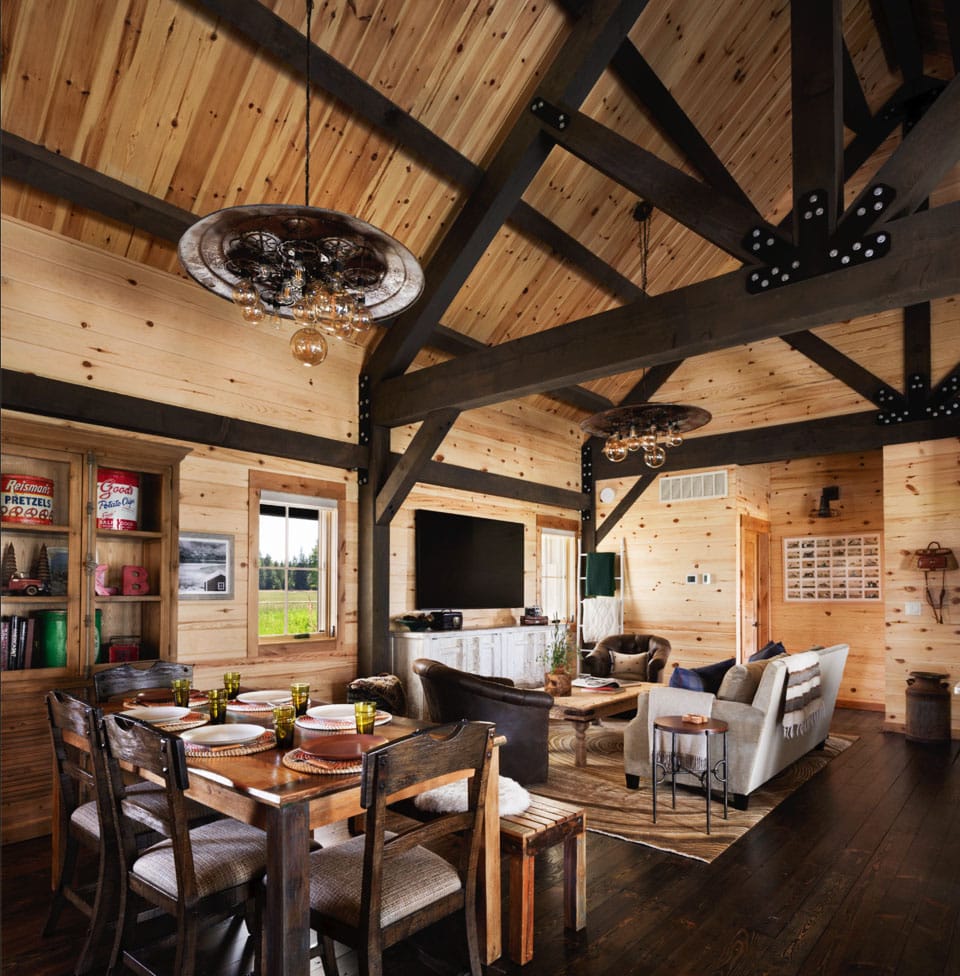
For this project, Timberlyne pre-cut the frames at their Nebraska facility, made bespoke adjustments to lengths and heights, and then shipped the kits to Whitefish. Timberlyne works with a third-party engineering contractor to ensure the kits will withstand the local environment, factoring in site-specific considerations such as wind and snow loads. Once they complete the design process, they are manufactured and a frame kit is produced that is ready to be finished onsite by a local contractor. The kits are energy-efficient and include the timber frame, walls, siding, and a SIP roof system. Wortmann notes that they have shipped Timberlyne barns to every state except Alaska.
AN ARTFUL ENVIRONMENT
Interior designer Heidi Tate and her team had worked with Timberlyne’s plans previously, and they had an understanding of how to navigate the balance between preserving the frame’s architecture, scale, and lines, with adapting the structures to the homeowner’s wishes.
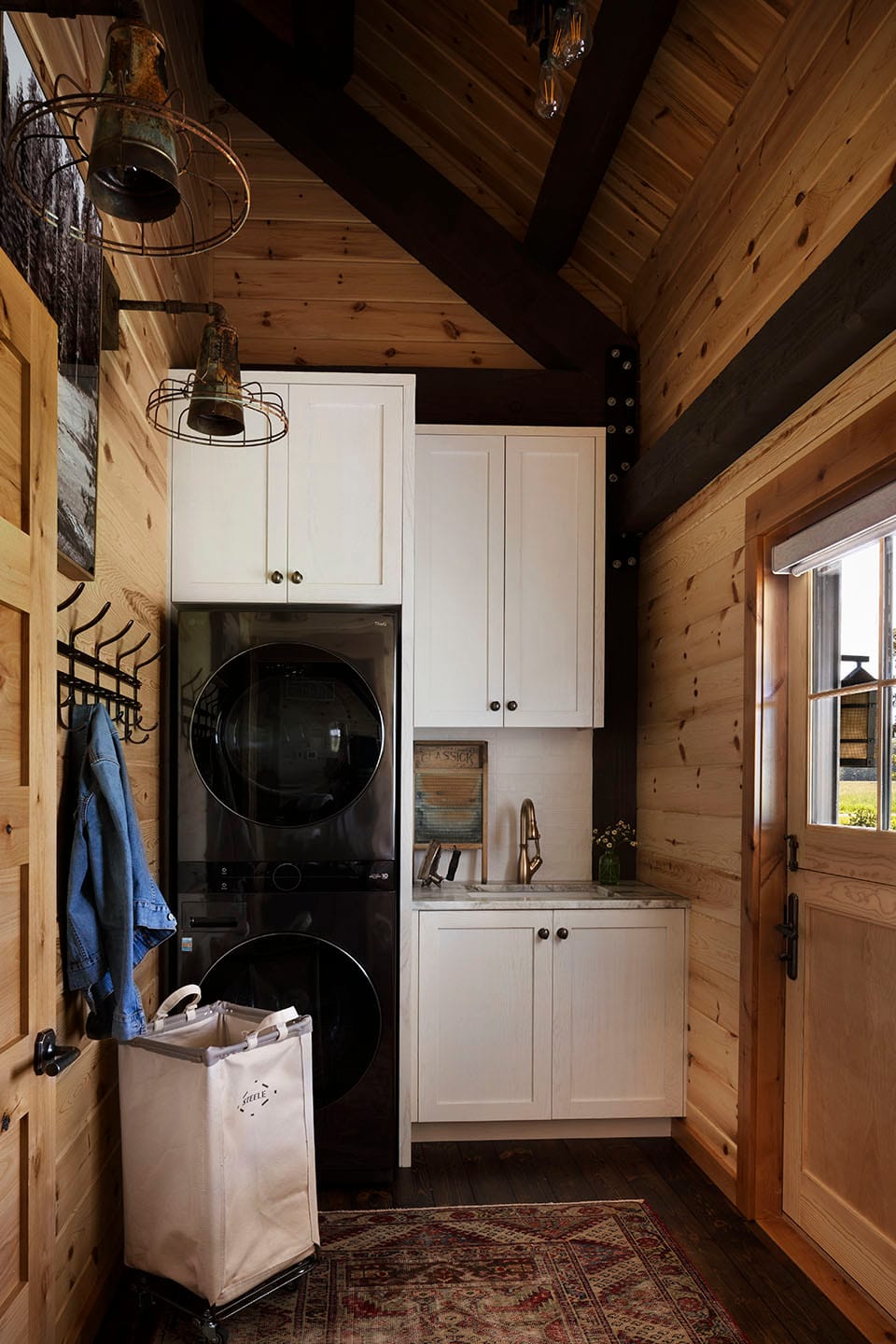
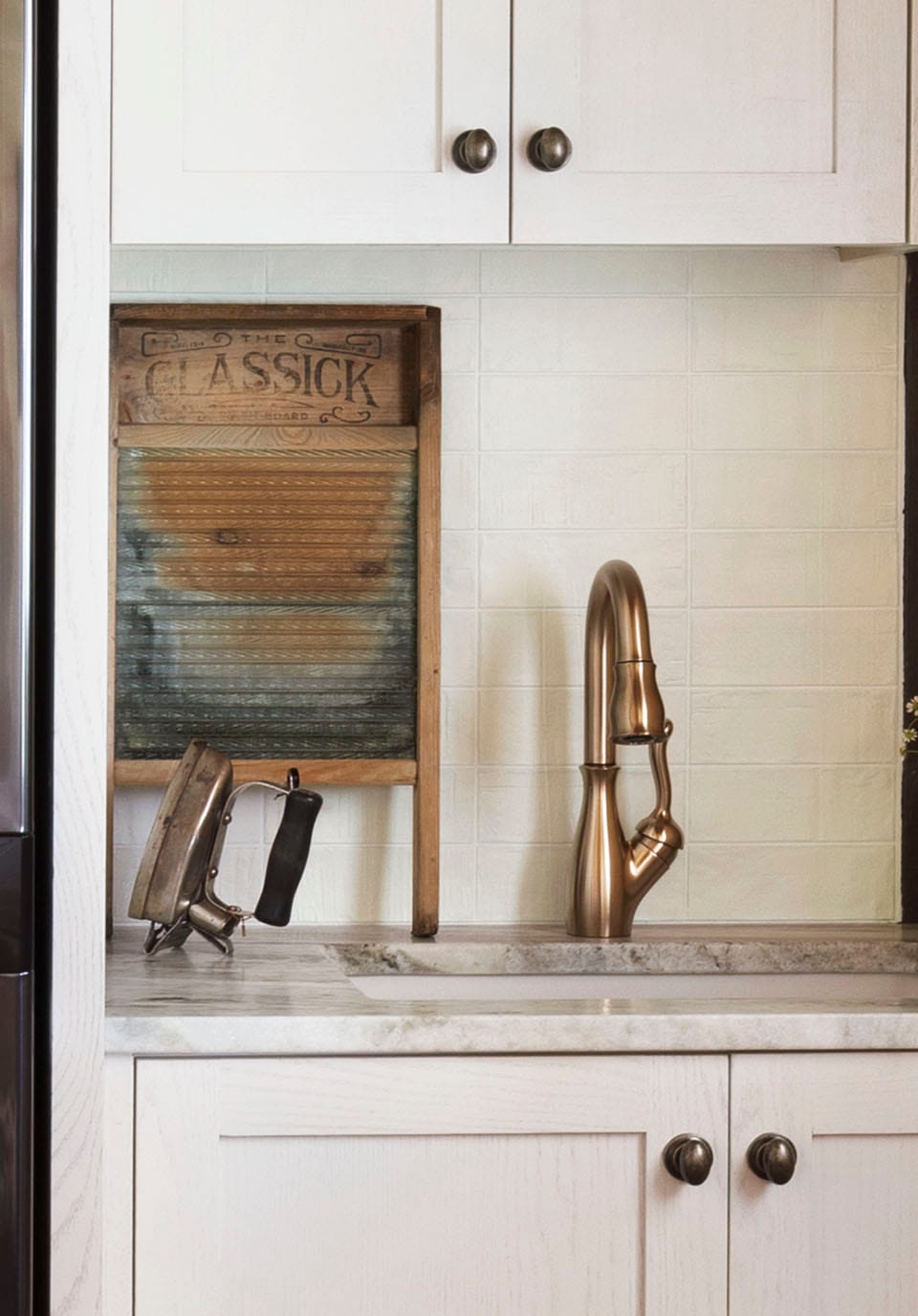
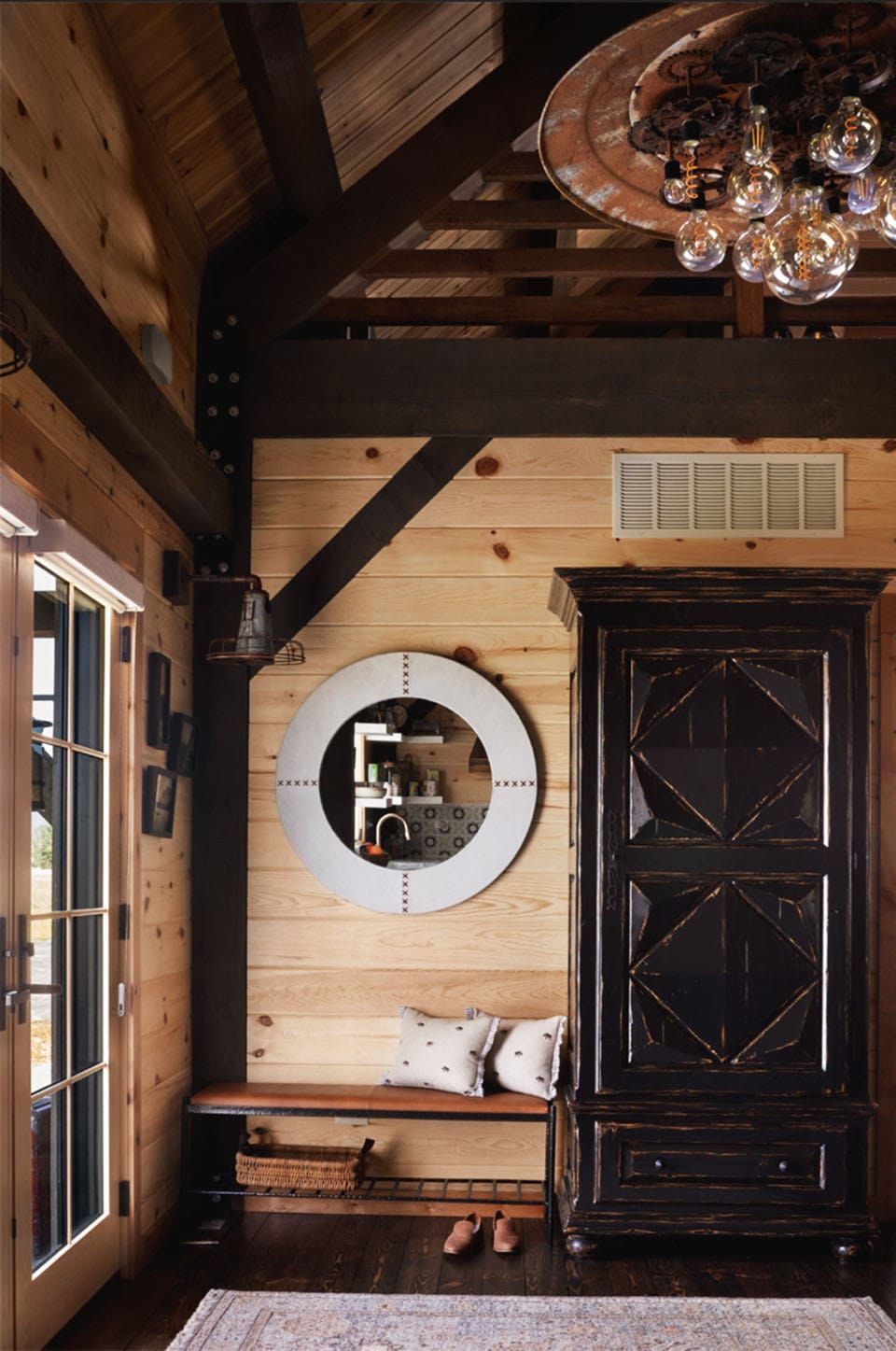
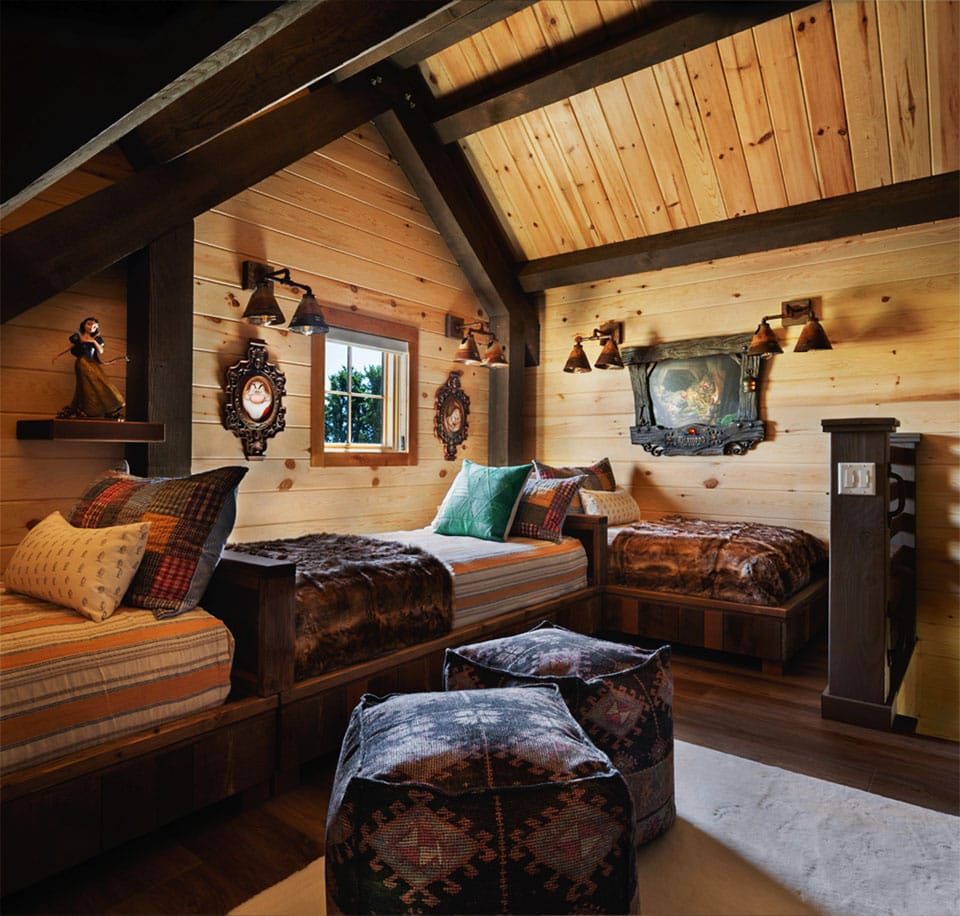
For The Hideaway, parking bays were converted to sleeping areas and Tate Interiors specified all the details to make the barns feel comfortable and homey. “All the beams and paneling came from Timberlyne—we did the finishing,” Tate explains. “The challenge was ductwork, plumbing, lighting—making it livable—without burying the timber structure.”
Because it was not their first time working with Timberlyne, Tate and her team knew they wanted to frame up the walls and so they made adjustments and modifications early. A loft was added to increase sleeping space. A strategically placed bathroom shares a wall and plumbing with an efficient laundry room and mudroom. On the other side of that room, a Dutch door leads outside to a covered patio. Reclaimed chicken feeders-turned-sconces, a pendant light created out of a hay trolley, and wrought iron hooks interject an agricultural voice into the space.
“THERE REALLY IS NO SUBSTITUTE FOR AUTHENTIC MATERIALS. NO TWO ARE ALIKE.”
–Heidi Tate, Interior Designer | ASID, Tate Interiors
CARTE BLANCHE
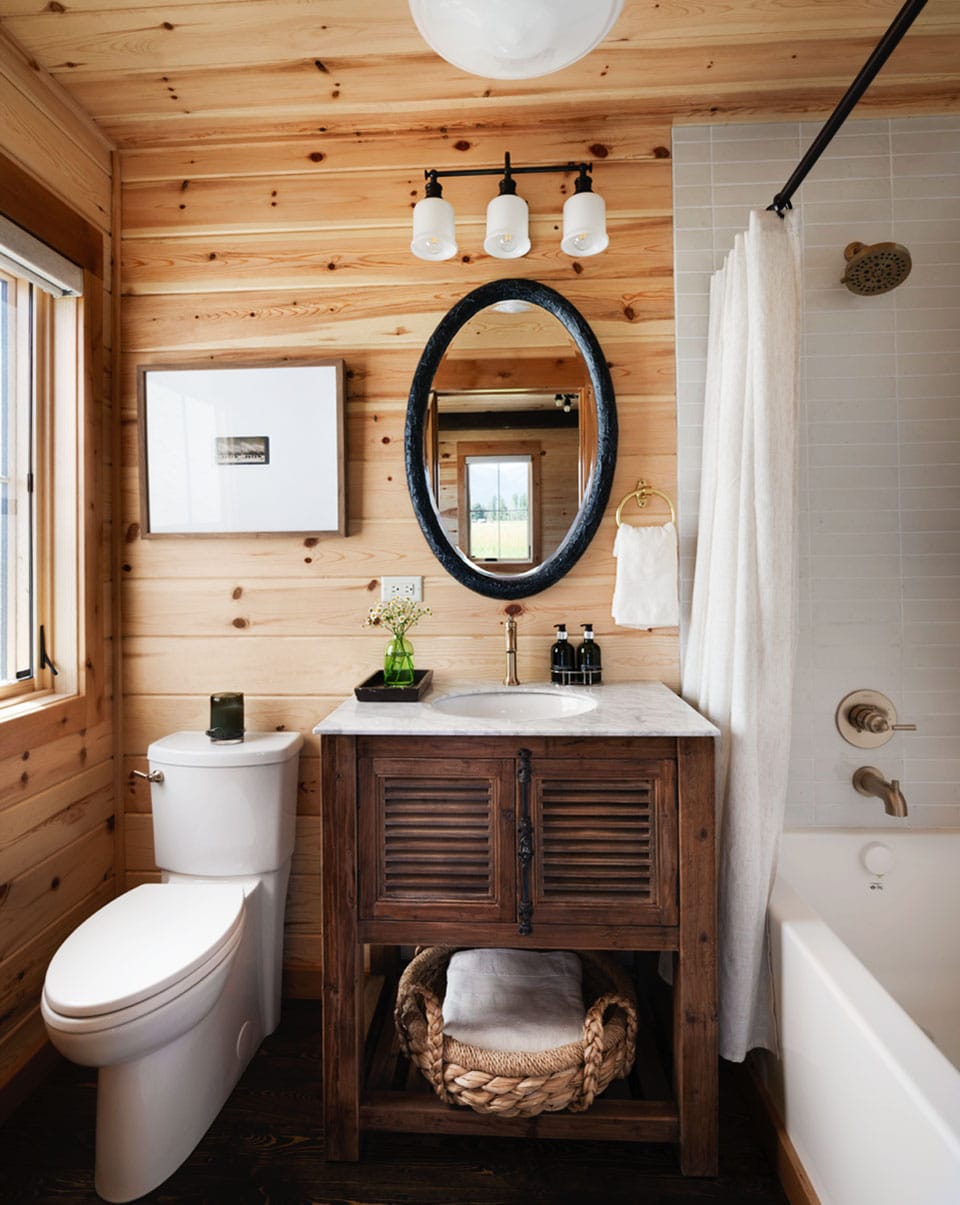
To find the right pieces for this home, Tate spent months antiquing. From old vanities with marble tops to black and white photographs of Glacier National Park in the early 1900s, to the custom lighting designed from reclaimed irrigation wheels, gears, and hay trolleys, the furnishings and accents are quirky and curious. “There really is no substitute for authentic materials,” she says. “No two are alike.”
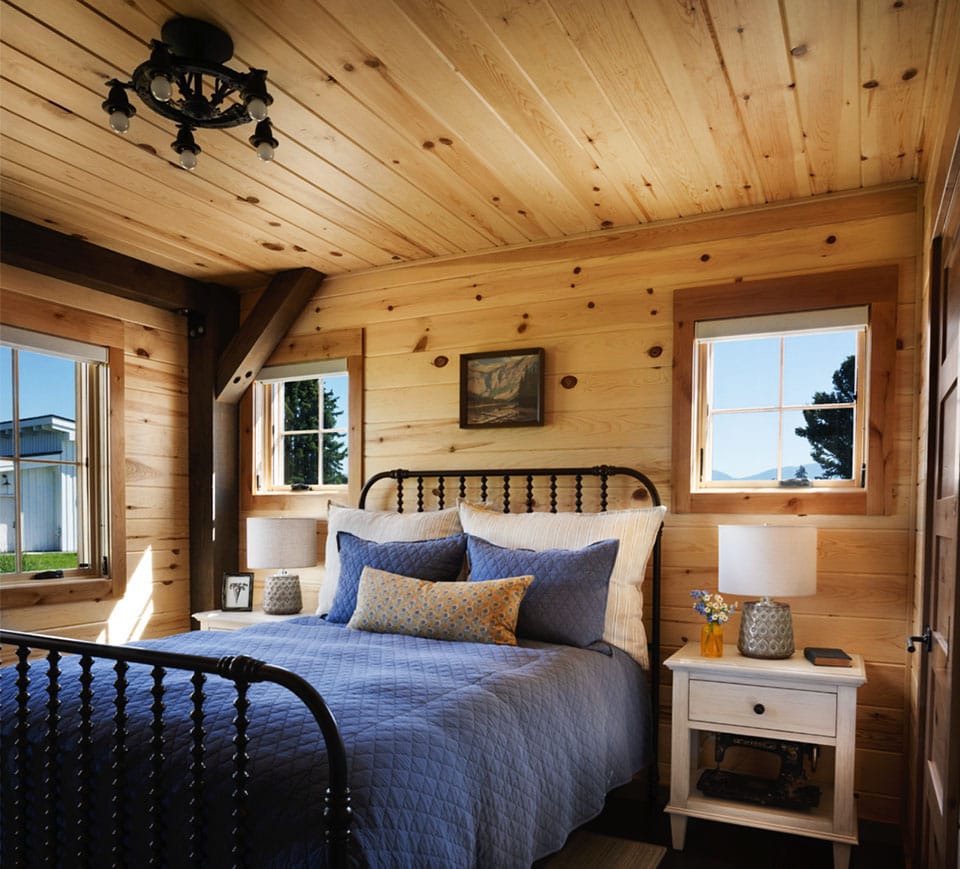
In addition to pieces from previous homes, the owner had a vintage Disney collection. Taking design inspiration from the main cabin, every piece Tate used was either authentic and found or personal to the owner.
“THE EARLIER WE ARE BROUGHT IN, THE BETTER WE GET TO KNOW CLIENTS AND MAKE SURE THE SPACES WILL WORK FOR THEM AND THEIR FAMILIES.”
–Heidi Tate, Interior Designer | ASID, Tate Interiors
Tate’s talent for pulling disparate elements together is exceptional. She created a lively dialogue between pieces and an approachable and welcoming atmosphere. Having worked together for the better part of five years, the homeowner had absolute trust in Tate’s design judgment. “You know what I like – just do it,” she told her.
LIGHT AS STORYTELLING
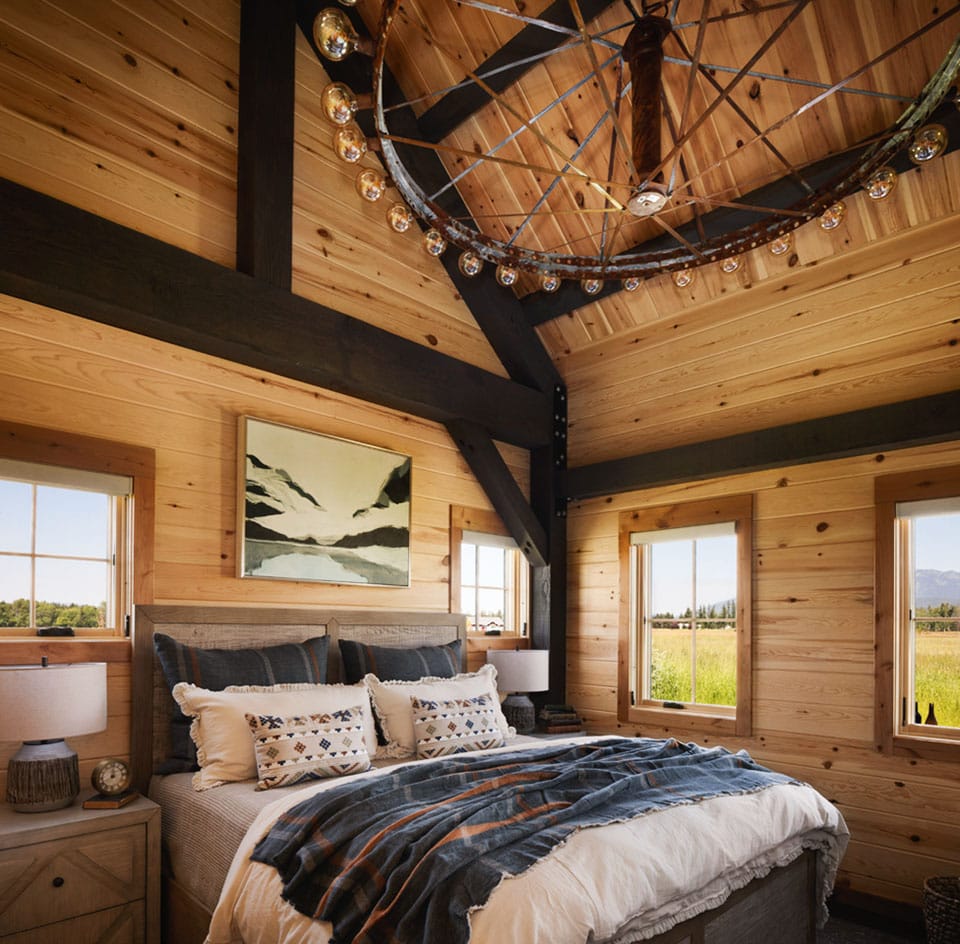
In the primary bedroom, a six-foot in diameter irrigation wheel is illuminated as the central chandelier. With clear bulbs, it is a work of art. The organic color palette of blue charcoal and rust elegantly complements the showstopping light fixture, and natural cotton linens create a relaxed, low-maintenance feel. “It’s all washable and family-friendly, which is a top priority for our clients,” Tate adds.
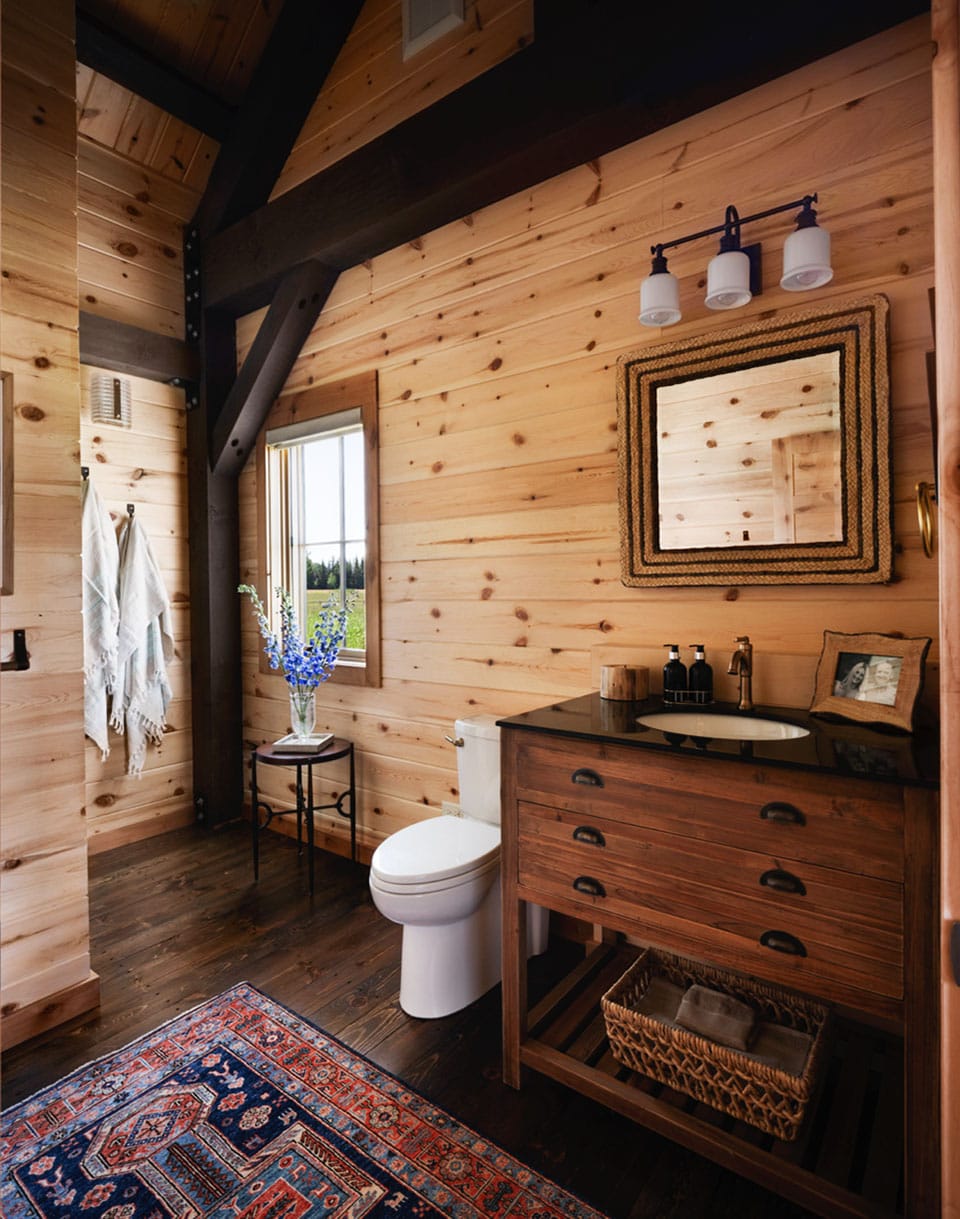
Throughout the barn they did not drop any ceilings. Although that makes a striking visual impression, playing with such a grand scale also poses a design challenge. In the primary bathroom, a hanging light fixture creates a canopy that gives the sense of a more intimate space. With a shower tucked away and a marble-topped vanity she found at market, Tate employed design principles that bring the scale back down to a comfortable human one.
Timberlyne kits specify the quantity of windows and their dimensions, and they provide preliminary framing drawings, but there is flexibility. “The earlier we are brought in, the better we get to know clients and make sure the spaces will work for them and their families,” Tate explains.
“THERE’S A COHESIVE RUSTIC LOOK ON THIS PROPERTY THAT STEMS FROM THE WARMTH AND DEPTH OF THE TIMBER FRAMES THAT IS UNMATCHED BY ANY OTHER TYPE OF ARCHITECTURE. BEAUTIFUL THINGS HAPPEN WHEN YOU GET A CREATIVE HOMEOWNER AND AN INTERIOR DESIGNERLIKE HEIDI.”
–Cody Wortmann, Timberlyne Homes
For this project, Tate tried to preserve the pre-design plans as much as possible to streamline the building process, but in The Hideaway she made the windows wider in the primary bedroom to accommodate a king-sized bed and better capture the views. Bracing frames the new placement of the window and adds charm that is unique to this owner and property.
THE FREEDOM TO MODIFY
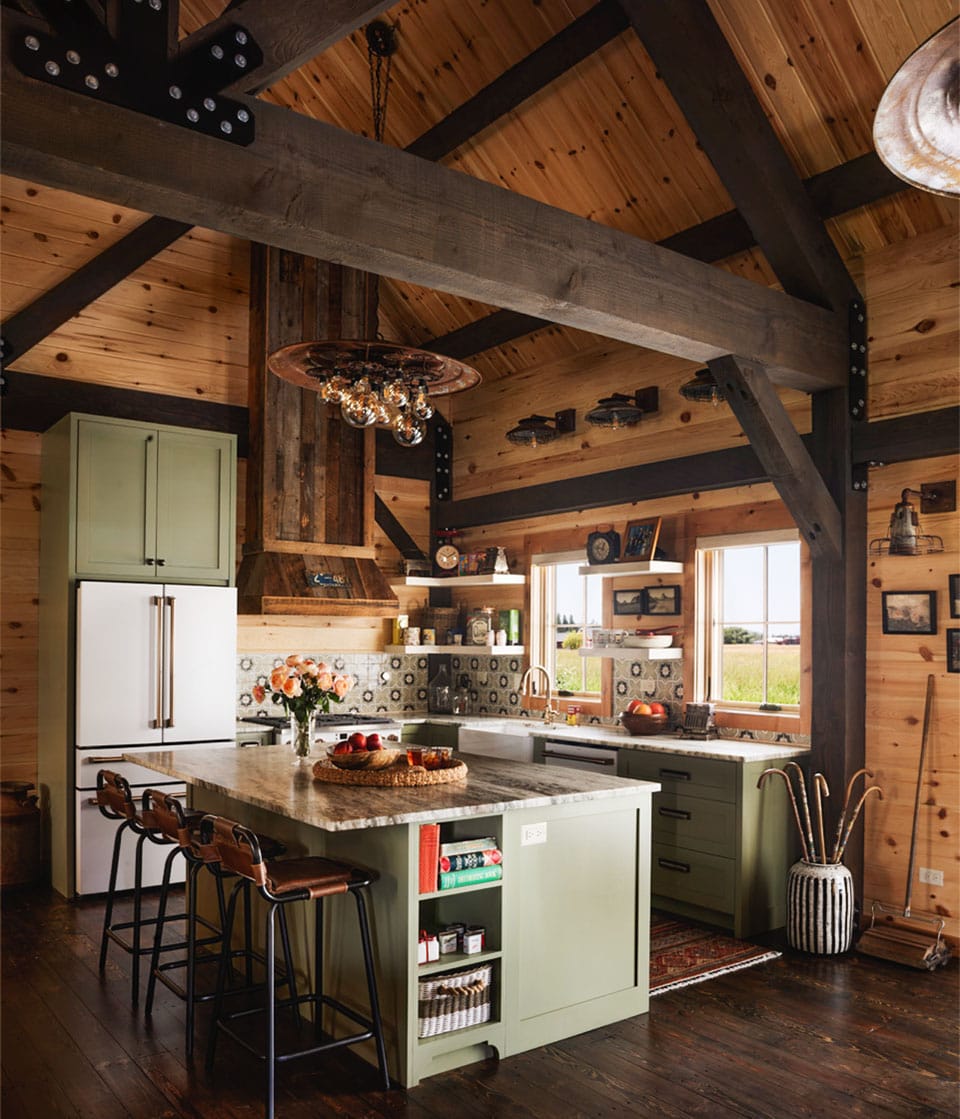
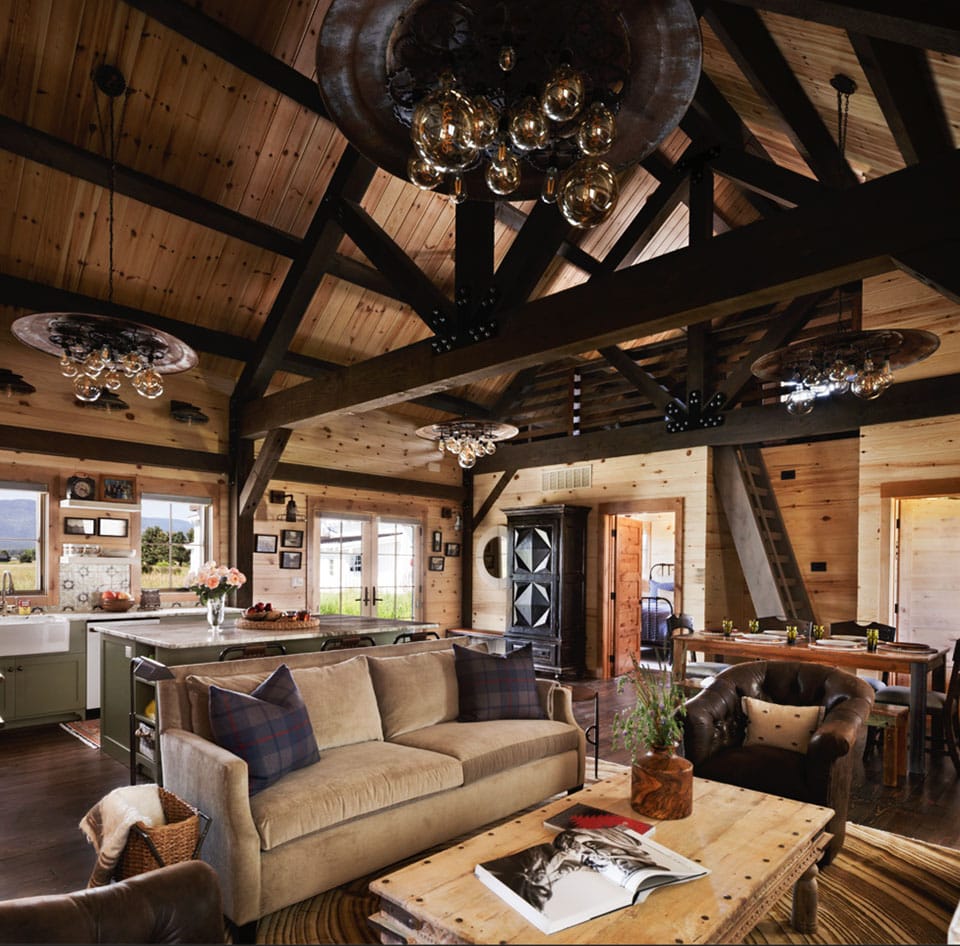
Sage green cabinetry, a printed tile backsplash, and granite counters in a leathered finish echo the kitchen in the main house. The homeowner loved the contrasting tonality of the dark beams with light walls in the Base Camp, and Tate played with that element of contrast throughout The Hideaway. “The granite countertop has both tonal highs and lows and doesn’t read exclusively light or dark, but rather offers a beautiful variation,” she says.
In contrast to mountain modern design with steel and glass, natural wood tones warm the home. Tate clear-coated the interior tongue and groove wood. The contractor was able to source barnwood off another property, and Tate’s team wrapped the kitchen hood with the reclaimed wood to amplify the rustic feel. “Natural tones of wood have a subconsciously calming effect when they’re in their natural state,” says Tate.
Tate’s work is characterized by her ability to marry modern aesthetics with rustic sensibility. She shares her observation that building and design are departing from traditional mountain modern and are shifting toward a more rustic feel.
“There’s a cohesive rustic look on this property that stems from the warmth and depth of the timber frames that is unmatched by any other type of architecture,” Wortmann says. “Beautiful things happen when you get a creative homeowner and an interior designer like Heidi.”
Between the kitchen and dining area, four pendant lights hang with exposed bulbs. The rusty colors of the light fixtures create reflections in the glass that bounce off the dark hues in the timber beams. It’s a call back to the high contrast that the owner likes and another cohesive moment. A reclaimed table and bench and faux bois wood rug add to the textural composition, and dark leather chairs bring another dimension of contrast to the space.
The coffee table is another one-of-a-kind piece that Tate found early on in the project. It was crafted from an old door. “The warmth, texture, and character of wood can’t be replaced by paint – it just doesn’t draw the same emotion or feeling,” she adds.
“THERE’S NOT ANTIQUE PIECES IN THE MAIN BARN AND VINTAGE REPRODUCTIONS IN ANOTHER– EVERYTHING IS AUTHENTIC.”
–Heidi Tate, Interior Designer | ASID, Tate Interiors
Looking out the kitchen windows, Big Mountain is across the field. Landscapers Serenity Creations worked with the natural topography to enhance the site. The grandeur of the native landscape combined with the cozy feeling of the cabins creates a uniquely meaningful sense of place. “I grew up in a cabin, so when it comes to cabins,” Tate reflects, they are near and dear to her heart.
TYING THE PROPERTY TOGETHER
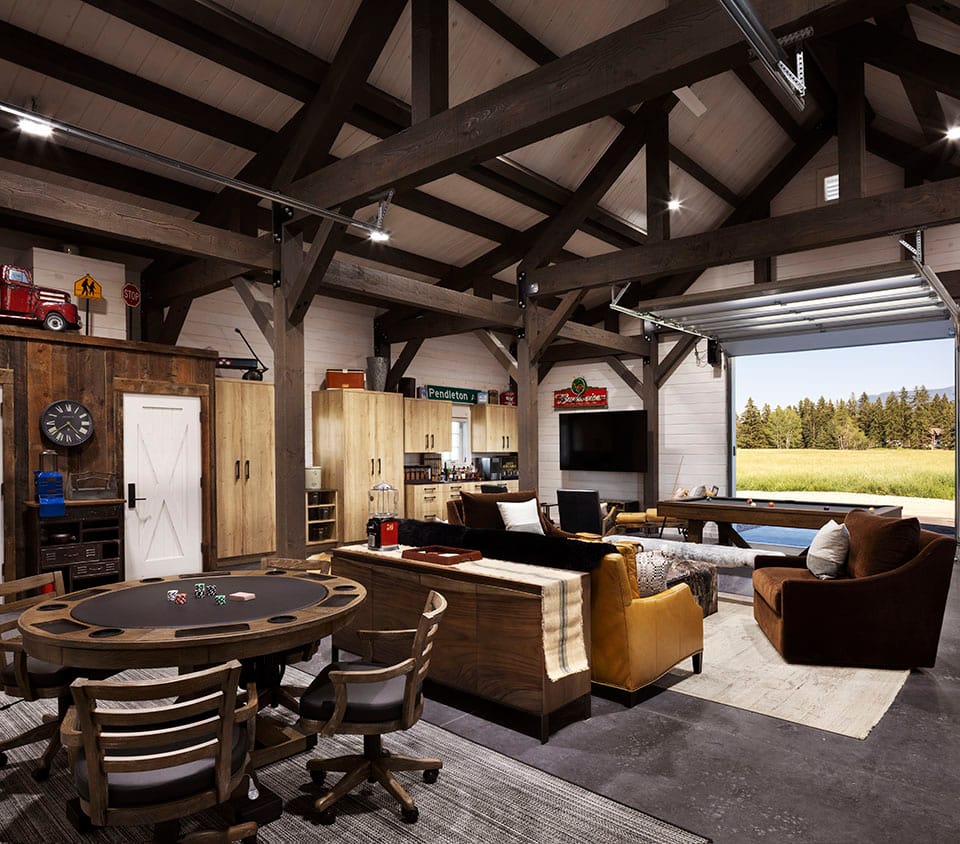
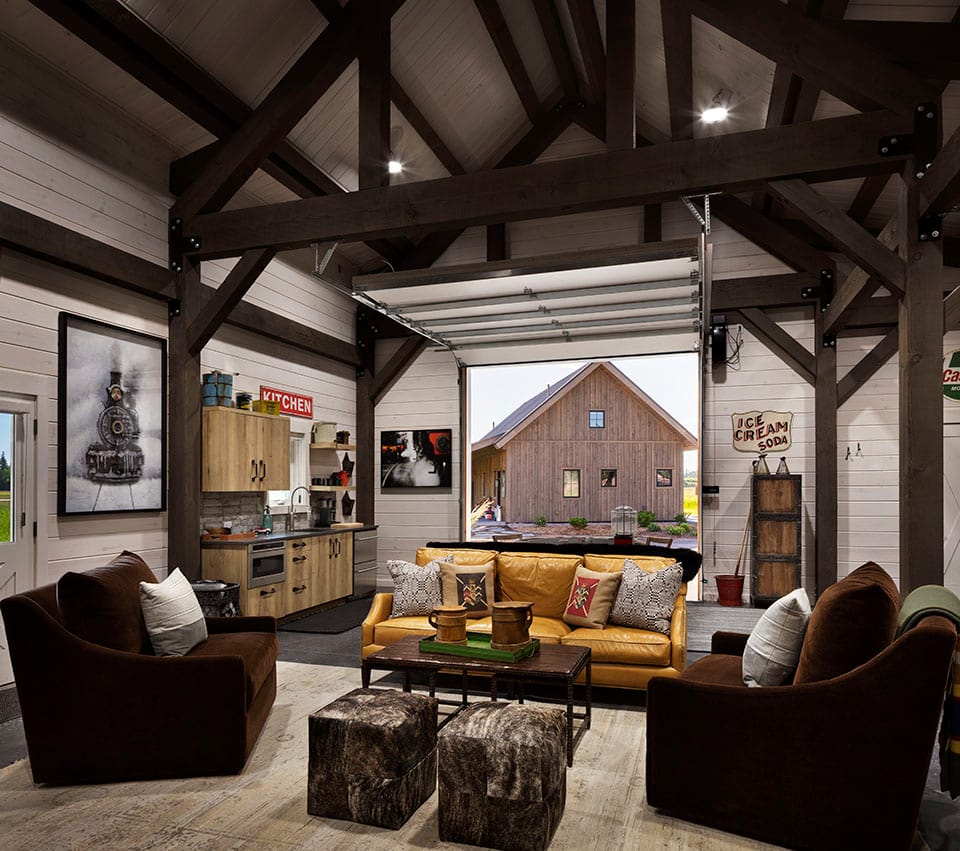
The Depot was originally a pull-through shop with two garage doors that was converted at the last minute into a living space. The homeowner loves teaching the kids poker, so a poker table sits prominently in the space along with a pool table, tv, and whiskey bar. Reclaimed wood wraps a water heater and bathroom adjacent to a kitchenette. One garage door opens to The Hideaway and the other to views of Big Mountain, a setting Wortmann describes as “dreamy and picturesque.”
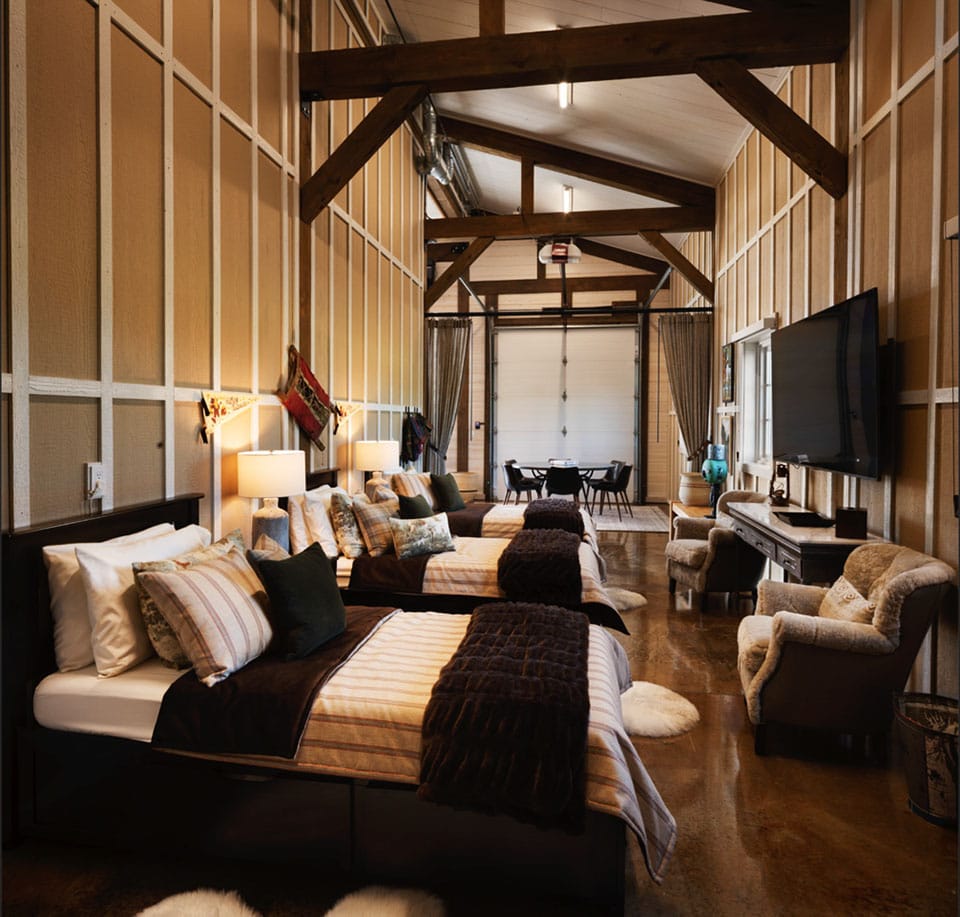
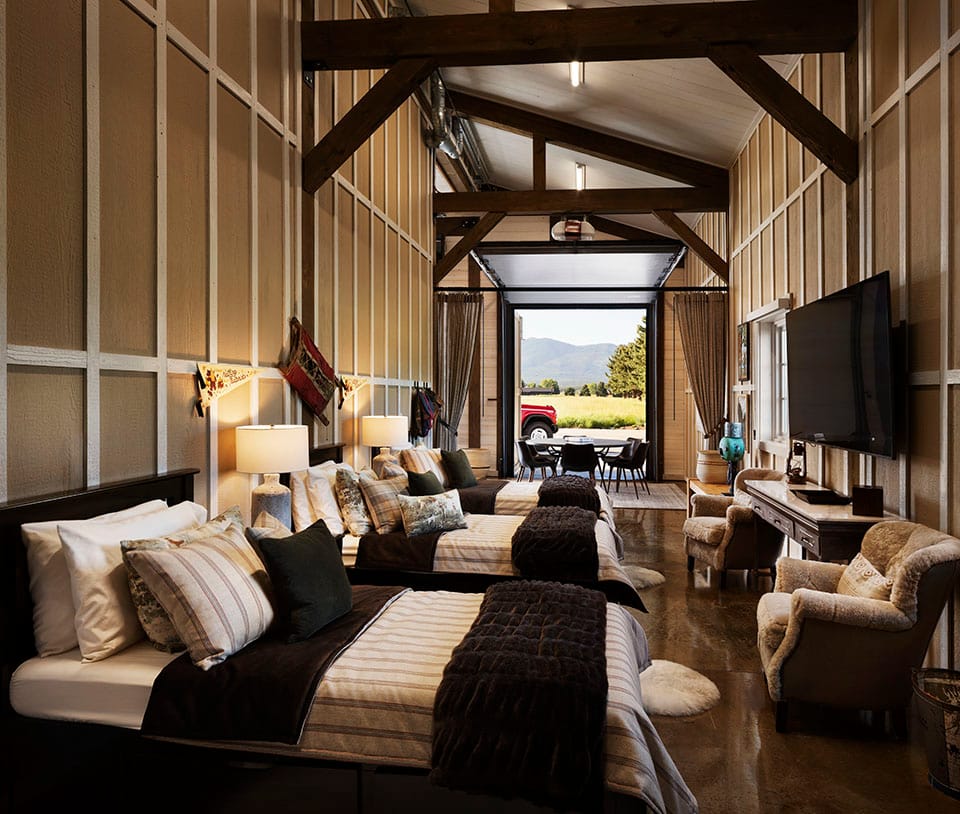
Another late addition converted a workshop bay in the original barn into a bunkroom for the grandkids. Ranging in age from elementary school to starting college, it’s a timeless space that was designed to be soft and cozy. Tate added fur rugs and faux fur on the bed, and hung drapes for added privacy.
Despite a few late changes, no structure feels like an afterthought. The same timber framing, scale, and use of original pieces creates continuity throughout each space. “There’s not antique pieces in the main barn and vintage reproductions in another – everything is authentic,” Tate notes. With that authenticity comes an element of character and an inherent sense of quality.
The directional signs, by ABC Art Collective, are hand-painted by an artist in Whitefish who has a background in Hollywood set design. They add an element of cinematic storytelling to the property. “The Timberlyne kits tie through a commonality of form, structure, and scale, and for us, whether it’s an intimate space or a large commercial or residential building, we want the spaces to flow and feel cohesive,” Tate says.
PHILOSOPHY IN PRACTICE
Creating cohesion between four different Timberlyne buildings meant Tate held a grand unifying vision for the property, but each space was small. Light fixtures set the tone for the space, and every choice carried significant weight. Where there might be repeating elements in a home with eight bathrooms, in a space with only two, each selection has a special intent and unique impact.
“THERE’S NOT ANTIQUE PIECES IN THE MAIN BARN AND VINTAGE REPRODUCTIONS IN ANOTHER– EVERYTHING IS AUTHENTIC.”
–Heidi Tate, Interior Designer | ASID, Tate Interiors
Designing this house was refreshing for Tate, who enjoyed the shopping hunt. “My oldest son loves to come antiquing with me so it was really fun for us to spend time together collecting things and wondering what we could do with them,” she shares. “I love being in antique stores looking at objects and thinking, ‘How could I use that? What could be possible?’ I love that side of design instead of finding things ready to go.”
Architect Philip Johnson famously said, “It’s not the buildings. It’s the spaces between the buildings that are important.” Between thoughtful adjacencies that allow The Depot to be easily accessible from both The Hideaway and Base Camp, to expanded bunks for grandkids and curious artifacts like a vintage toaster or a coffee table made from a door, a more accurate statement could not exist for this property.
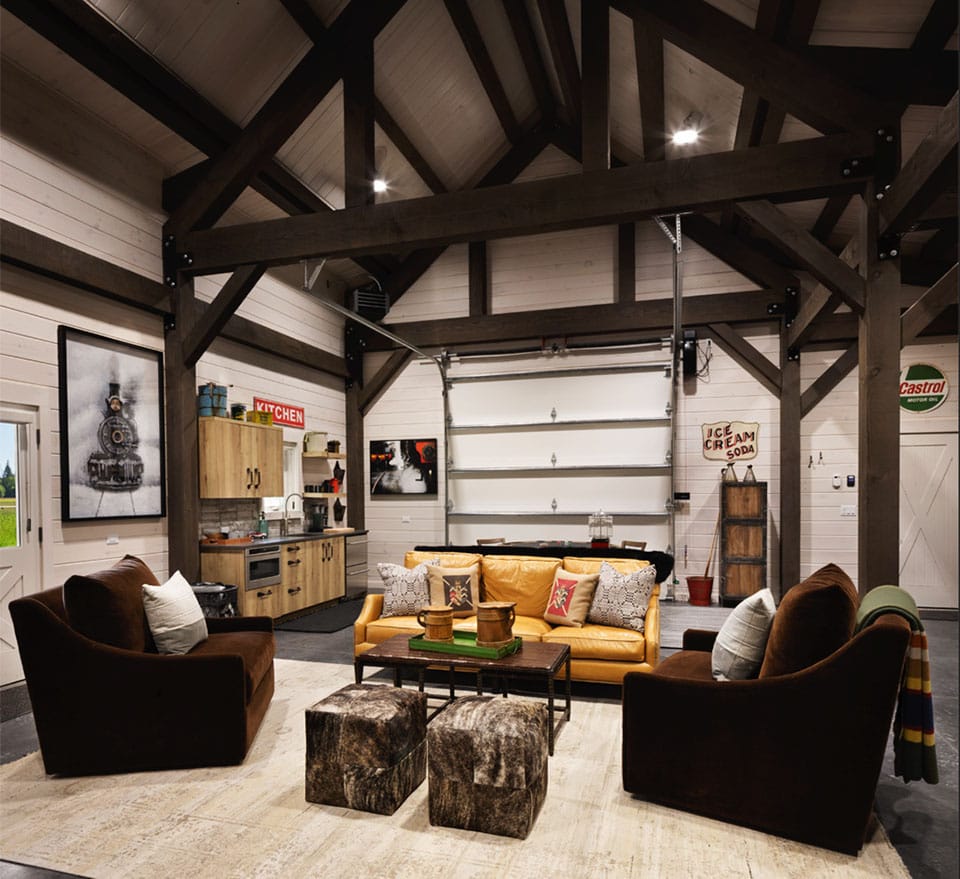
“Everything is a conversation piece for younger generations,” Tate shares. “What is that?” her team would ask, and they would have a discussion about it. For the homeowner, the most important thing was creating a space where their family could visit. Everyone needed their own private areas but they also sought to establish larger gathering spaces.
“It is an intimate thing to spend years working with a client designing their living spaces,” Tate reflects. Her awareness and sensitivity helps build the trust that was so evident for this project. Once that trust was established, design flowed freely and a home emerged that captures the identity of its family and that will protect their memories for generations to come.
whj COVER FEATURE
