
Written by: Lori Currie
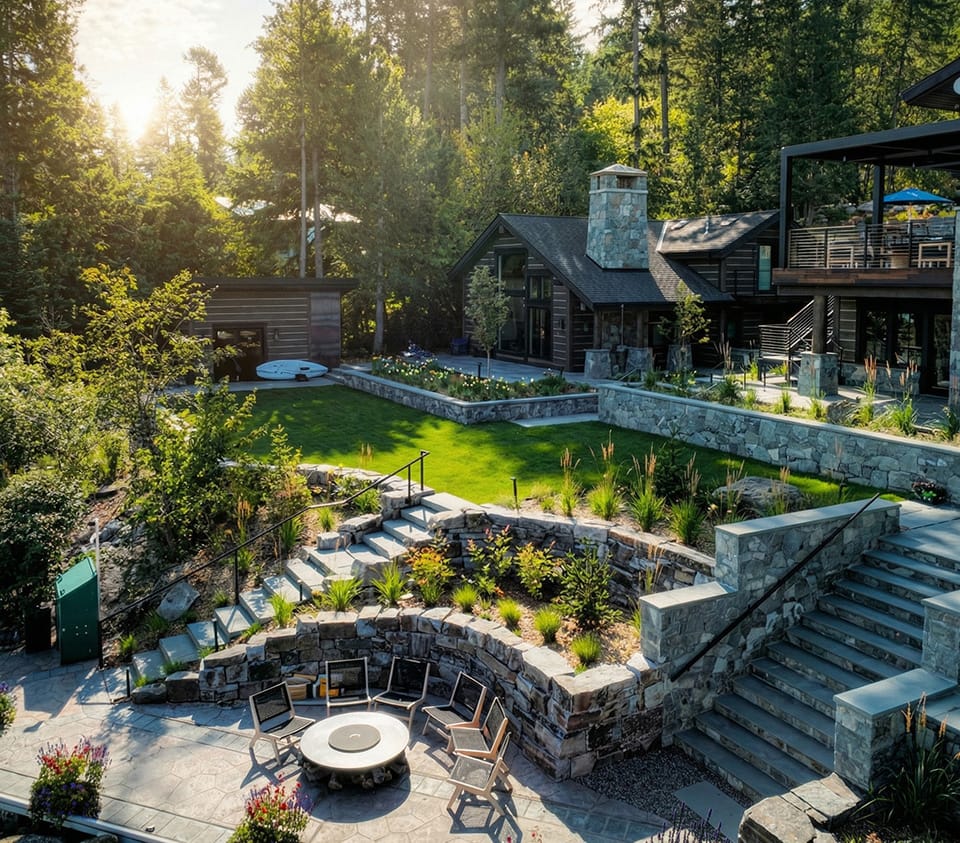
“We are trained to create spaces for human experience,” says Johnny McDonald, owner and principal designer of White Cloud Design in Whitefish. “That’s art, ecology, function, and an understanding of human perception and the feelings spaces create.” It’s a philosophy shaped by more than four decades in the landscape design industry, including 32 years building White Cloud Design into one of the region’s most respected firms for high-end residential landscape architecture. For McDonald, the outdoor environments he and his team create are never simply a backdrop. They are carefully crafted extensions of the people who inhabit them, shaped by the land, the climate, and the constellation of design and engineering forces that make a place truly work. That knowledge base—layered, hard-won, and deeply rooted in the specific landscape of northwest Montana—is what McDonald brings to every project. After 40 years in the field, he has clear ideas about where the industry has been, where it’s going, and why landscape architects should be one of the first calls a homeowner makes.
Getting in Early
A persistent misconception in residential construction is that landscape design is merely the finishing touch—the planting of shrubs and laying of sod after the house is complete. For McDonald, that mindset often creates costly problems. “Landscape design is usually the last part of the home construction process, and that’s a problem,” he says. “Budgets get tight, people get burnt out, and the outdoor space, which should be an extension of the home, ends up being an afterthought. By then, you’ve already made decisions about grading, drainage, the driveway, even where the house sits on the land.”
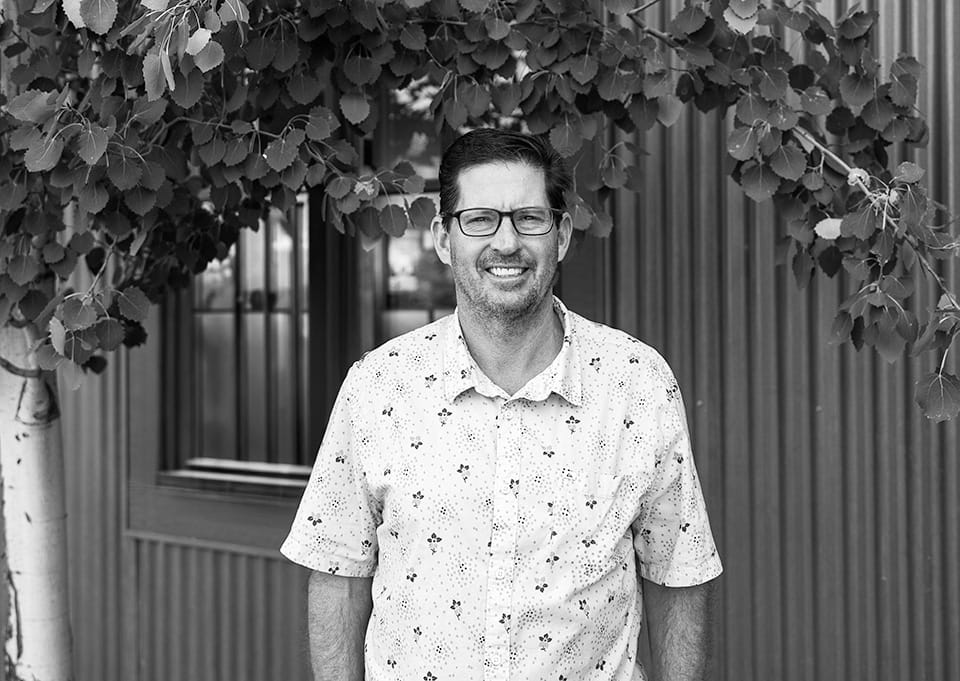
“We are trained to create spaces for human experience. That’s art, ecology, function, and an understanding of human perception and the feelings spaces create.”
Ideally, McDonald would be involved long before construction begins. “We’ve had clients come to us first and say, ‘Help us site the house, figure out the driveway, think through the whole property, and create a master plan,’ and then everything flows from a unified vision.” It’s still not the norm, but that is slowly changing. By building a reputation around the value of what they do, White Cloud Design is getting more calls to join the design team earlier, which takes time and a lot of education within the design and building community.
Early planning also allows homeowners to think realistically about the cost of creating a fully realized property. If the full landscape vision isn’t possible immediately, thoughtful planning can still prepare for the future. “If the budget isn’t there right away, we can design the framework so improvements can happen later,” McDonald explains. “That foresight saves homeowners money in the long run and still allows them to achieve what they envisioned.”

The Art of Collaboration
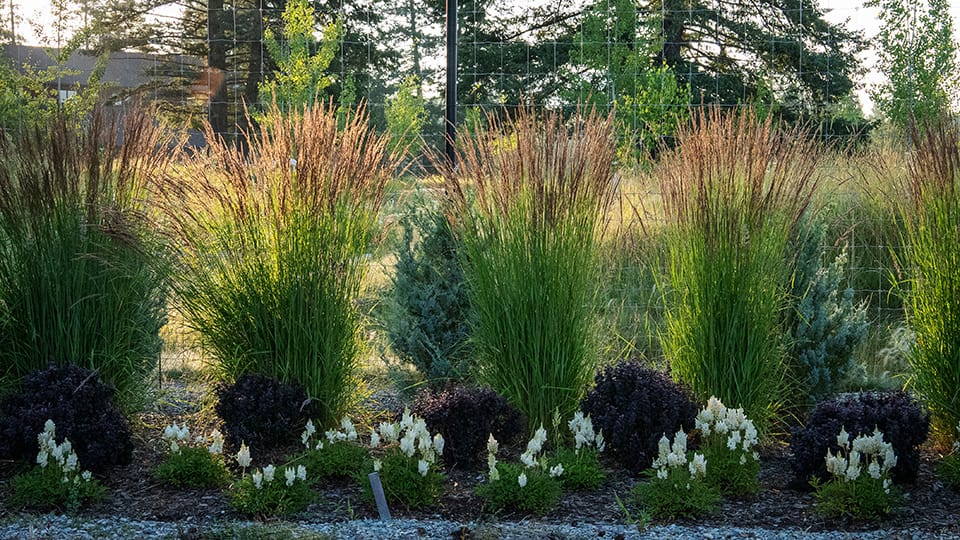
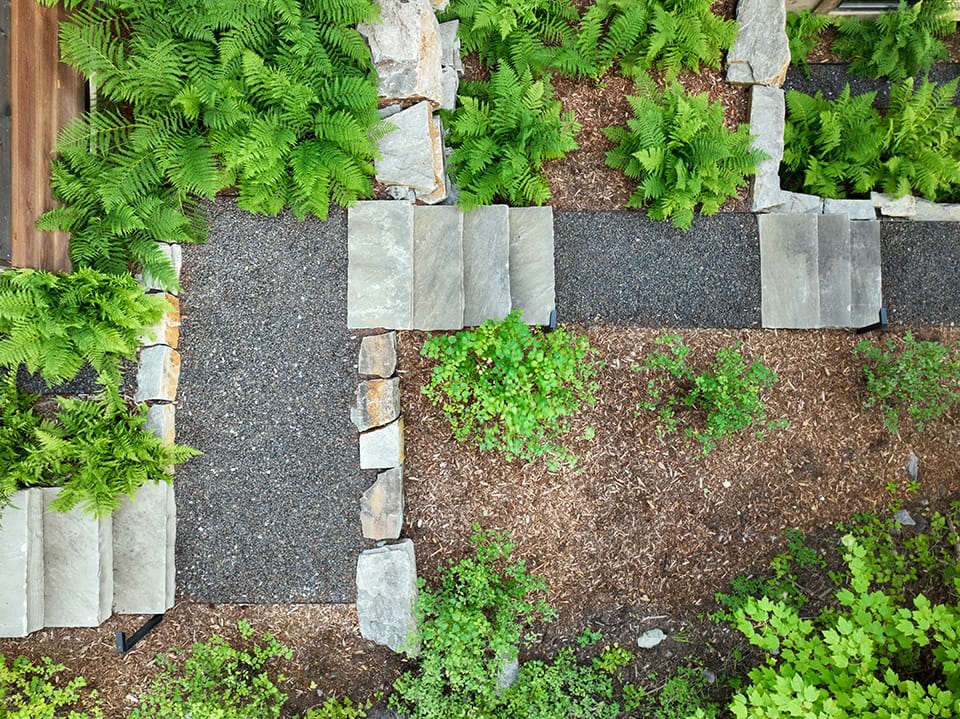
If early involvement lays the foundation for success, collaboration builds the structure. McDonald describes the most successful projects as those with a complete design team: architect, structural and civil engineers, geotechnical specialists, interior designers, lighting consultants, security and audio-visual experts. “Everyone brings their expertise so nothing falls through the cracks,” he says. In many ways, McDonald sees landscape architecture as the connective tissue between those disciplines. “We have to understand everyone’s role and integrate their input into thoughtful design solutions,” says McDonald. “Ideas get sifted and refined, but the fundamentals don’t get lost. When that process works well, it produces exceptional projects.”
One unexpected benefit of the post-pandemic migration to the Flathead Valley has been the chance to work with architects from across the country. Clients arriving from major cities often bring their designers with them. “They’re coming from Los Angeles, Chicago, Seattle,” McDonald says. “They bring different perspectives, and we learn from them just as much as they lean on us for regional knowledge. That exchange has been one of the most exciting parts of this period of growth.”
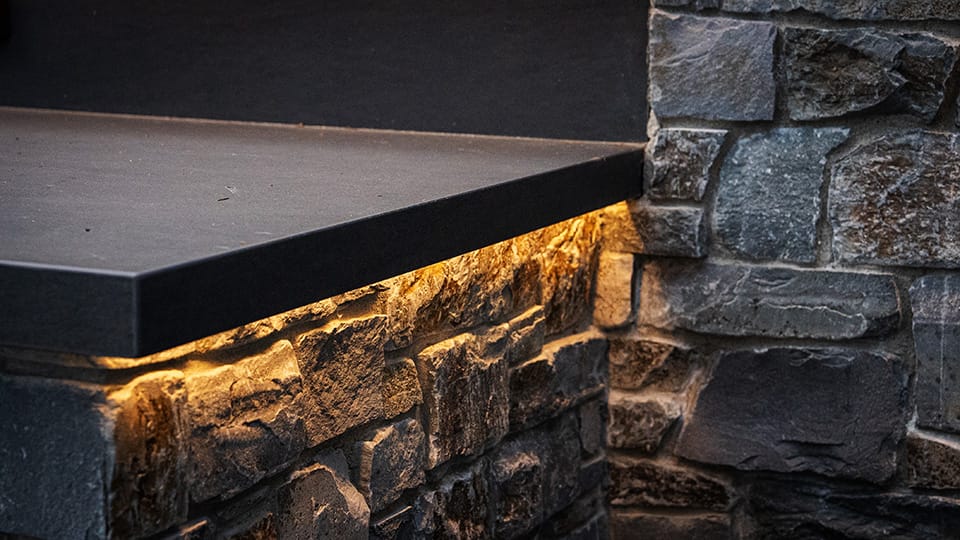
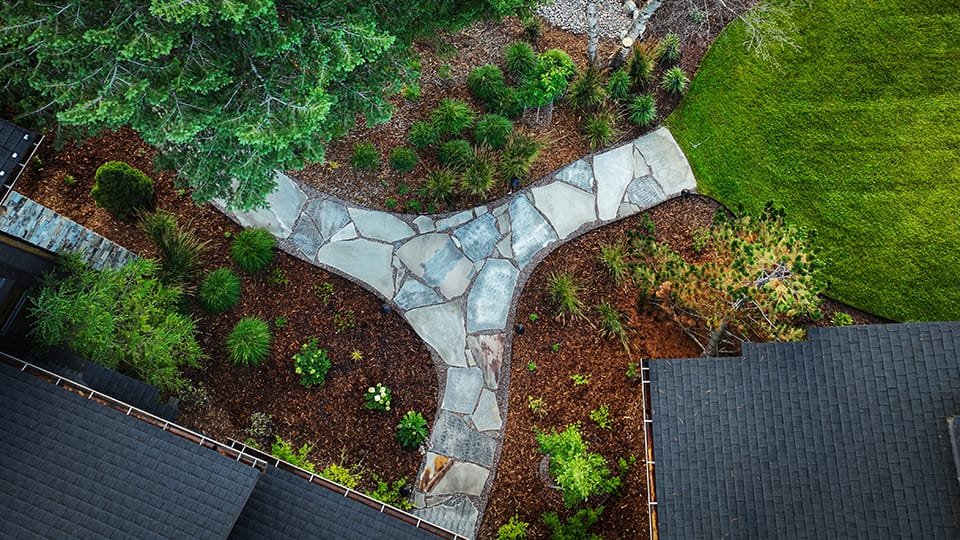
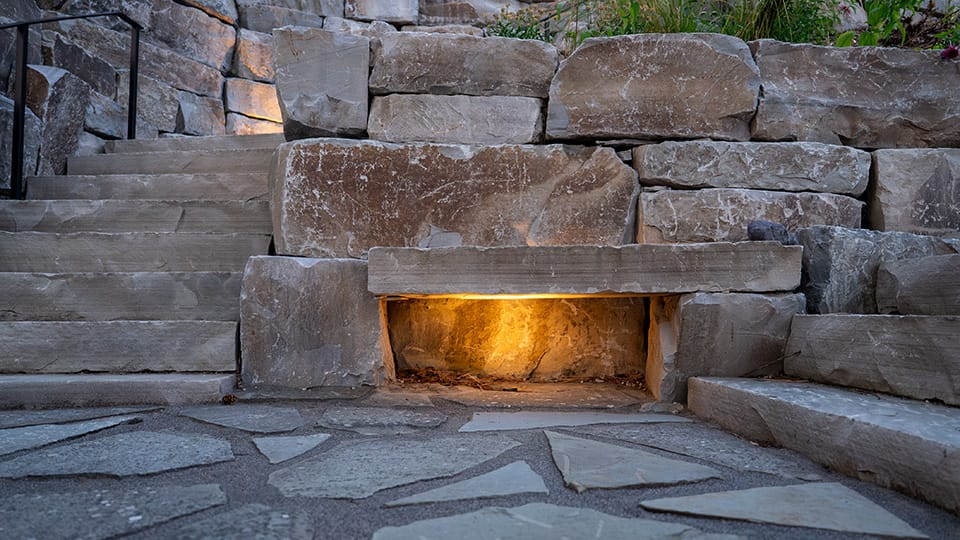
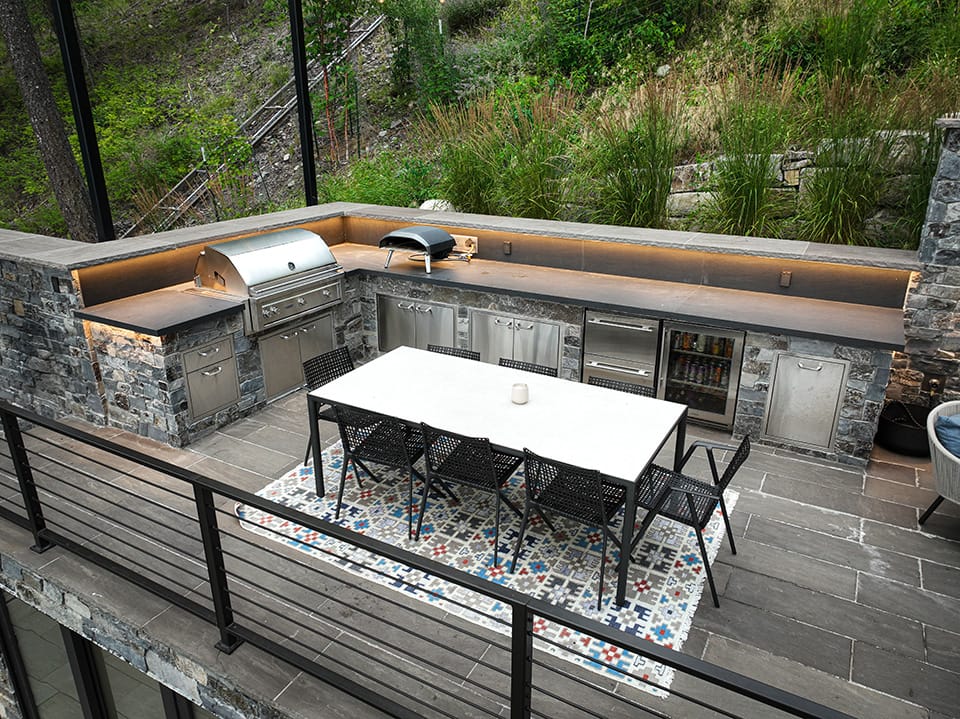
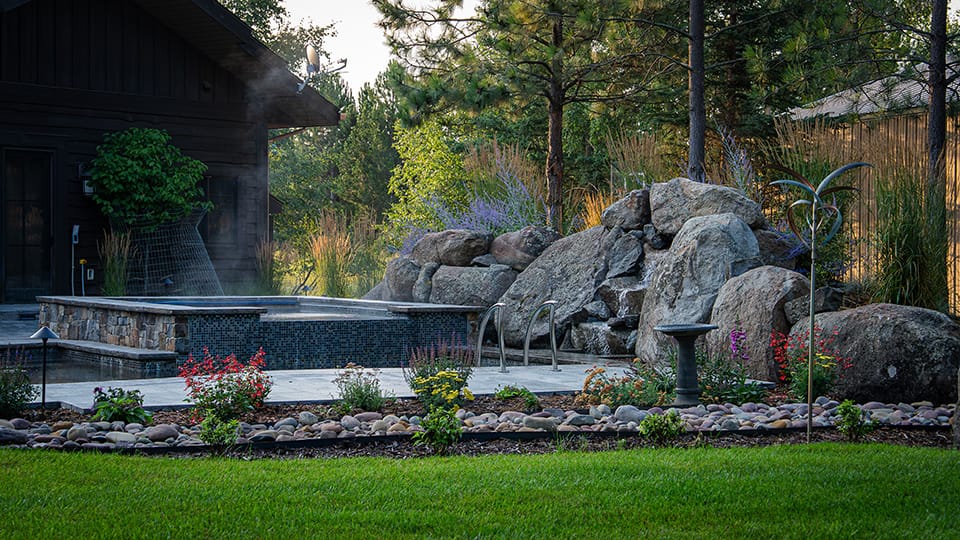
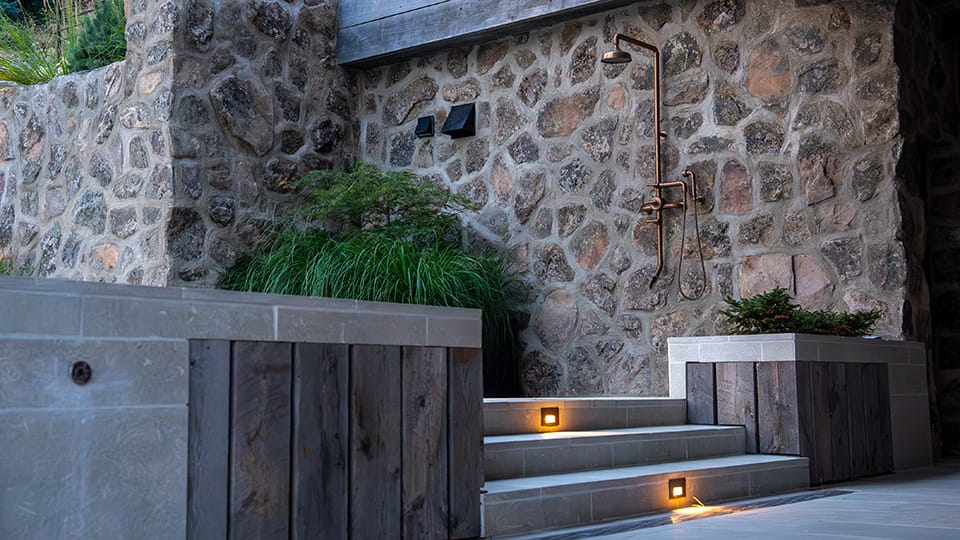
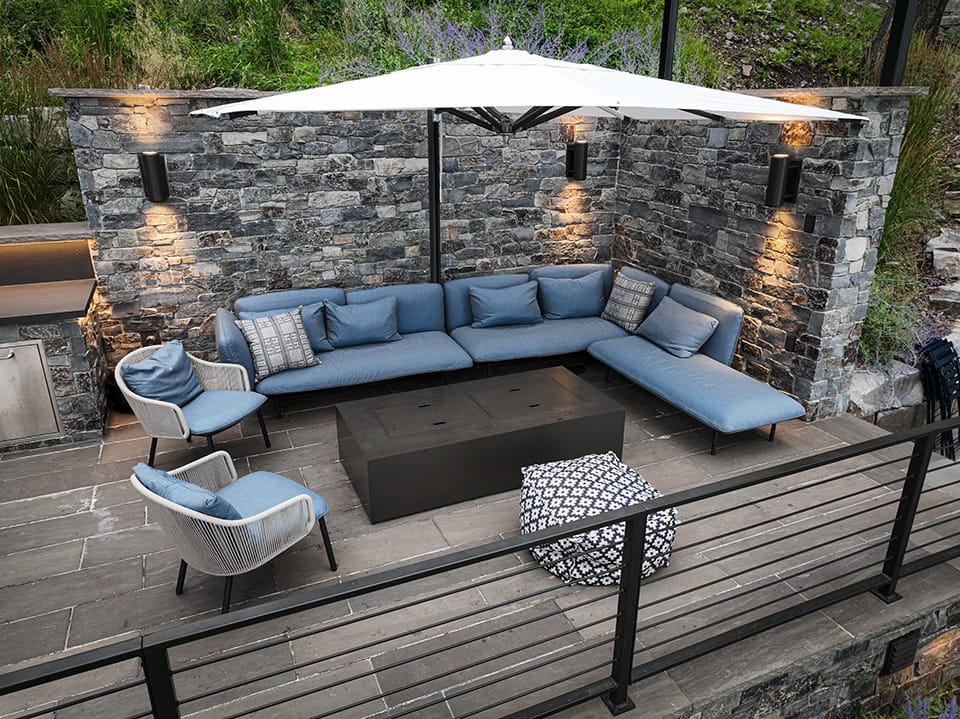
Interior designers play a particularly important role. Because they often work closely with clients on personal decisions (materials, fabrics, colors), they tend to have significant influence over the overall vision. White Cloud Design collaborates closely with interior designers early in the process, aligning materials, finishes, and furnishings to create a seamless transition between indoors and outdoors.
“If you walk outside and the furniture is completely different from everything inside, it just doesn’t feel right,” McDonald says. “Materials, hardscape, vertical finishes, lighting, and amenities all need to be integrated so the experience feels cohesive.”
“It’s not just the finished product people see. It’s the design process, the layering of details, the understanding of product longevity, maintenance realities, and long-term ownership costs. That kind of knowledge takes decades of trial and error to refine.”
The “B” Word
One of the most sensitive conversations in luxury residential design is the budget for outdoor spaces. Many builders allocate only three to five percent of a project’s cost to landscaping, often as a placeholder intended to keep early estimates lower. McDonald says that approach rarely reflects reality. “High-end homes require a significant investment in the landscape if you want the finished product to match the caliber of the house,” he says. Crucially, McDonald separates site work from the landscape budget entirely. “If you lump site work into landscape, you have nothing left,” he explains. “Builders who understand this treat site work as its own category. Landscape is above and beyond that.”
To help clients understand the true scope of outdoor design, White Cloud Design uses a detailed worksheet that breaks down individual elements: retaining walls, patios, lighting systems, pools, outdoor kitchens, and furniture. “Clients can look at line items and make informed decisions,” McDonald says. “It’s the same process they go through when choosing finishes or fixtures inside.”
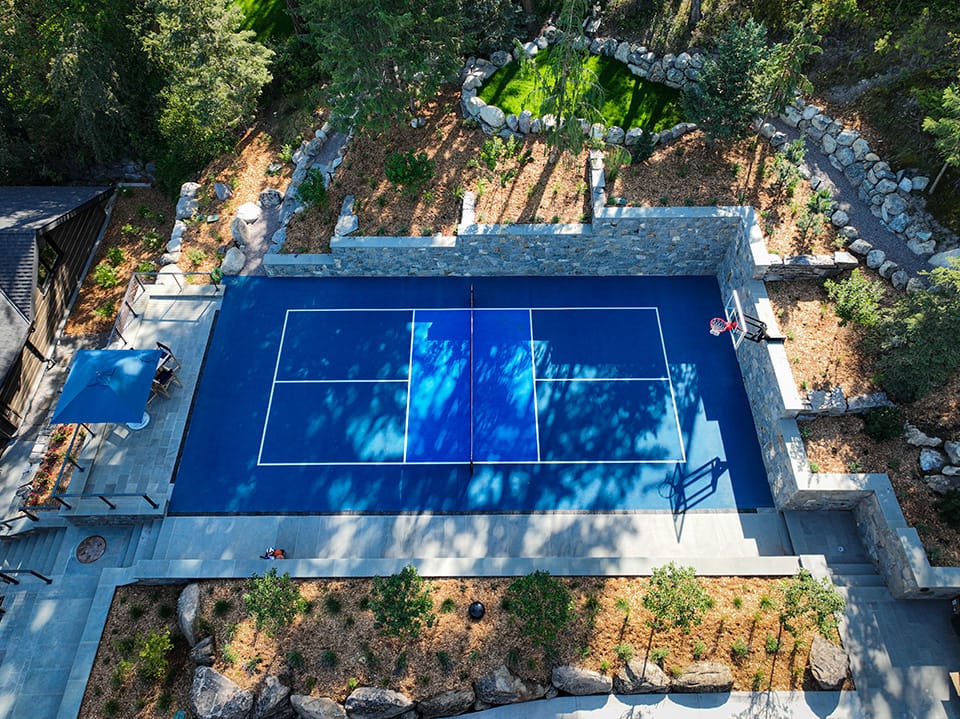
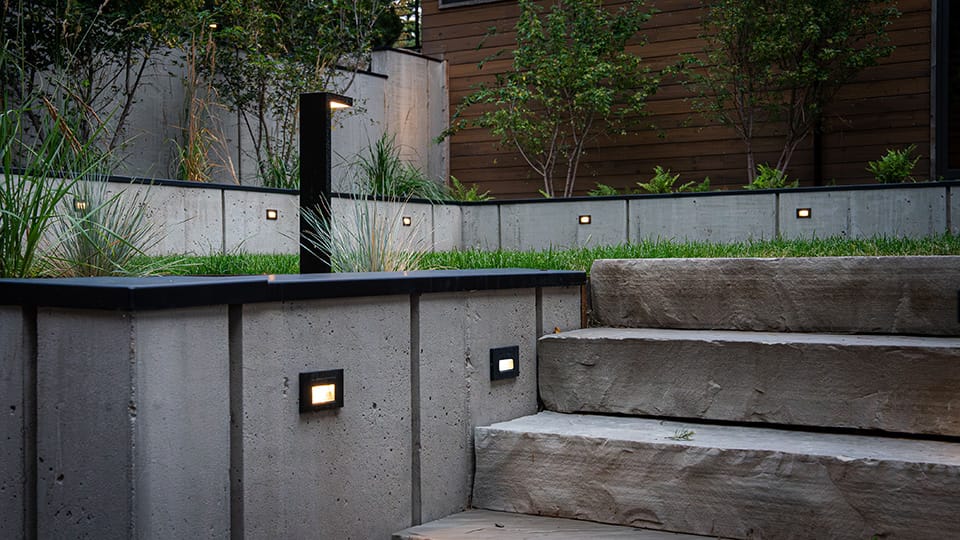
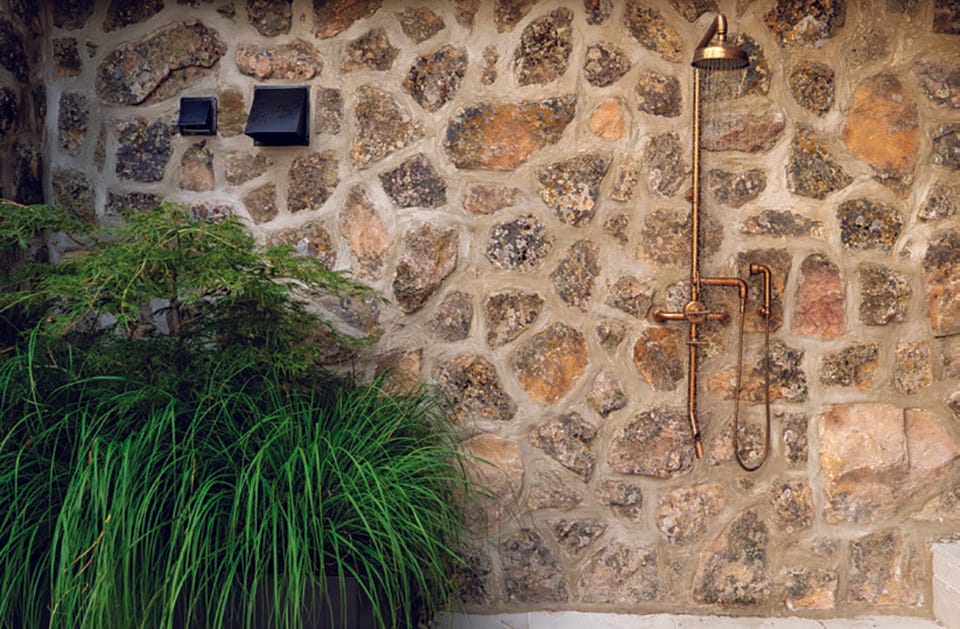
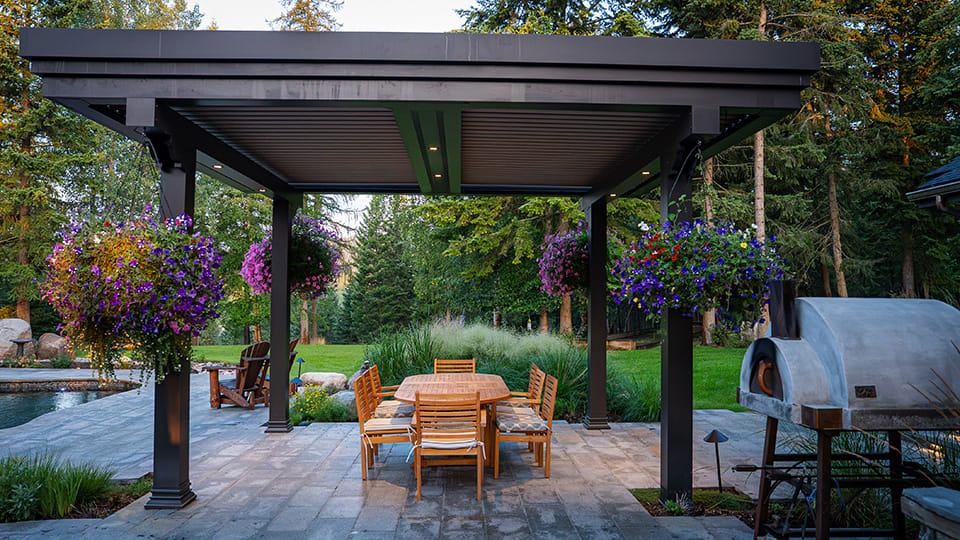
Behind that process lies decades of experience. “It’s not just the finished product people see,” he says. “It’s the design process, the layering of details, the understanding of product longevity, maintenance realities, and long-term ownership costs. That kind of knowledge takes decades of trial and error to refine.”
Knowing the Land
As digital tools and artificial intelligence transform many creative industries, some clients have asked whether AI could design landscapes. McDonald’s answer is unequivocal. “AI can’t understand the microclimate of a site,” he says. “It doesn’t know the wind patterns, the sun angles, or how bedrock sits three feet below the surface. You’re dealing with adjacent properties, easements, site history, project goals—dozens of factors unique to every site,” McDonald says. “It’s far too complex and nuanced for a computer to truly understand.”
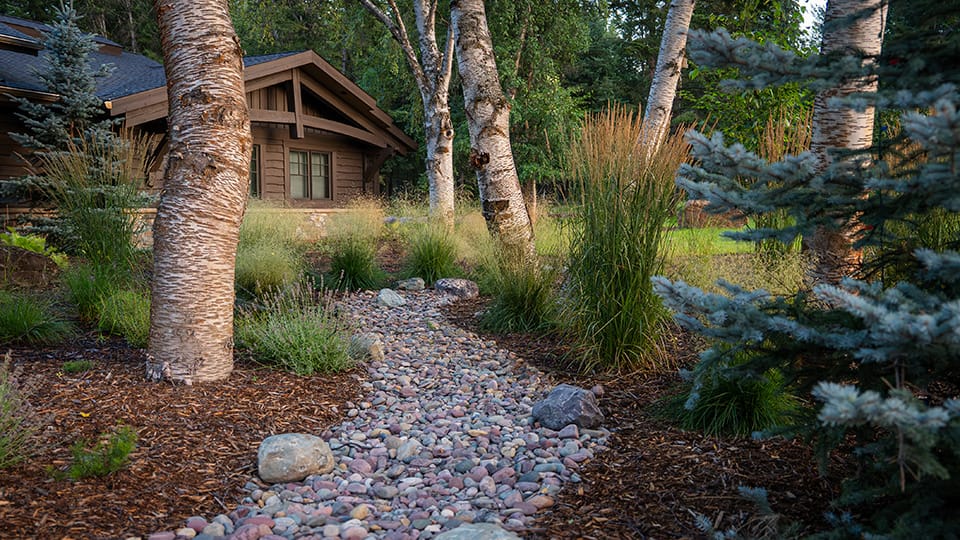
“I’ve been studying places and spaces for over 40 years. It’s about the materials, the scale, the layout, the layers that create a sense of place humans relate to. “
In the Flathead Valley, those complexities are literal. Soil conditions can change dramatically within a few miles: dense clay in Whitefish, sand dunes nearby, and exposed bedrock on surrounding hillsides. McDonald frequently works alongside geotechnical engineers to understand how each site behaves. The region’s climate has also shifted noticeably during his 27 years living in Whitefish. Snowpack has declined, winters have grown shorter and sunnier, and growing development is placing pressure on aquifers. As a result, clients are becoming more thoughtful about water use. “People are realizing they don’t necessarily need a huge lawn they water twice a day,” McDonald says.
The Season He’s In
McDonald is thoughtful about where he stands in the arc of his career. “I’ve been studying places and spaces for over 40 years,” he says. “It’s about the materials, the scale, the layout, the layers that create a sense of place humans relate to.” That curiosity extends beyond professional work into photography, travel, and observation of the mountain landscapes where he has spent most of his life. “For me, it’s always been about the integration of design and the natural world,” McDonald says, “understanding those environments on a deeper level of human perception and experience. In many ways, it has truly been a life’s work.”
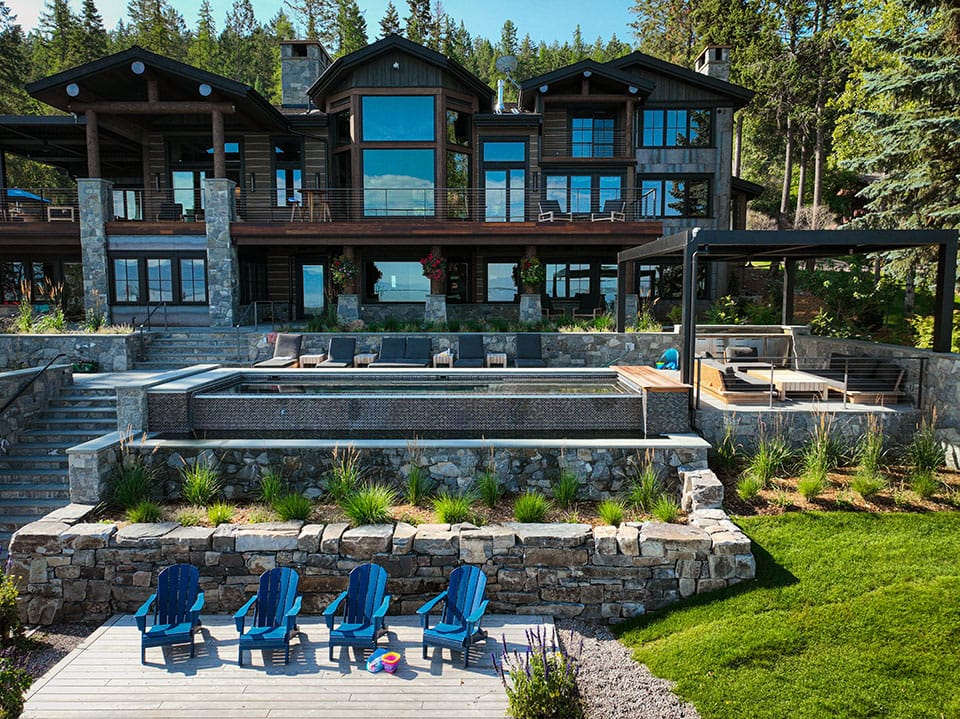
Today, his studio blends traditional and contemporary methods. They still begin every project with hand-drawn concept plans, capturing the essence of an idea quickly and intuitively. “Design comes from a hand–eye–brain connection,” he says. “That’s where ideas are born. I hope that never disappears, because when it does, we lose that connection to why certain places evoke certain feelings.” From there, White Cloud Design translates those intuitive sketches into digital drafting and 3D visualization. “It’s a process we’ve refined over decades that gives clients the highest level of landscape design possibilities,” says McDonald.
What he values most at this stage of his career is the clarity that experience brings. “I can look at a topographic map and an architectural plan and have the landscape design forming in my head within an hour,” he says. “When you’ve completed hundreds of projects, you know what won’t work, and that frees you to focus on what will. You stop second-guessing and start solving and bringing a place to life.”
whj PROFILE
