
Written by: Jennifer Walton
Before the rise of open plans, the kitchen was about one job. That was then. Now it’s where everything happens first. Teenagers stand in front of the refrigerator before they show up anywhere else, and friends gather at the island, never considering the sofa. Weeknight dinners, Sunday brunches, after-school snacks with homework, and all the in-between hours that don’t make it into the photo album happen here. It’s where the difference between a kitchen designed for showing and one designed for living reveals itself.
Designing the Future Begins at Basco’s New Bend Location
The kitchen has always been the heart of the home, but today it behaves like the living room—only with sharper tools, warmer lighting, and a reason to stay. It is the meeting place for the daily rituals that bring people together.
That cultural shift is exactly why appliances have changed status because they are no longer background utilities. In every home, they function as purposeful design elements, influencing how, what, and when people cook, shaping how comfortable they feel entertaining, and even elevating ingredient choices. They help create the atmosphere.
“WE LOOK AT OUR SHOWROOMS AS AN EXPERIENCE AS A WHOLE, AND NOT JUST FOR FINDING AN ITEM AND PURCHASING IT.”
Enter Basco Appliances.
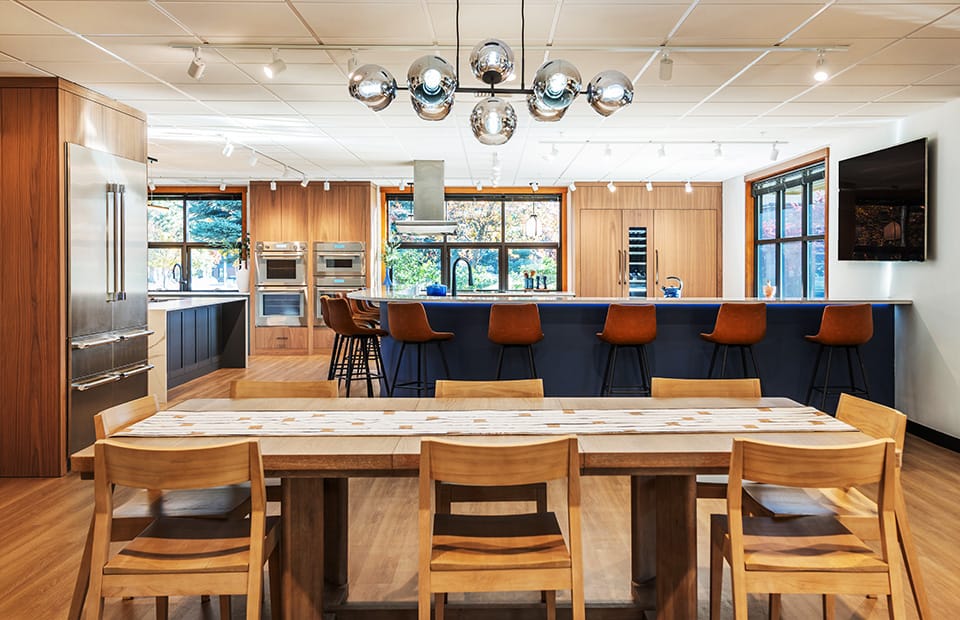
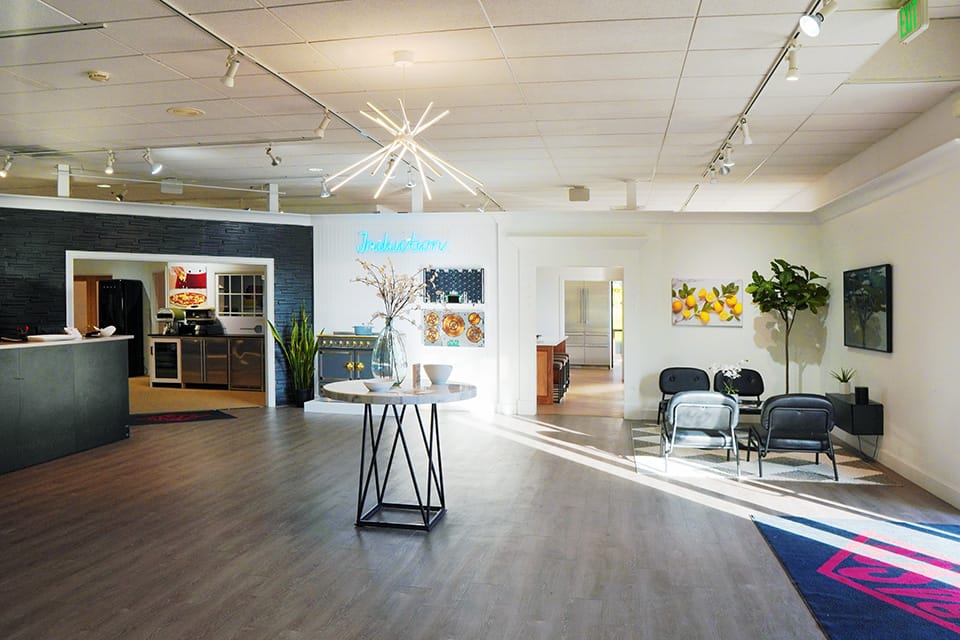
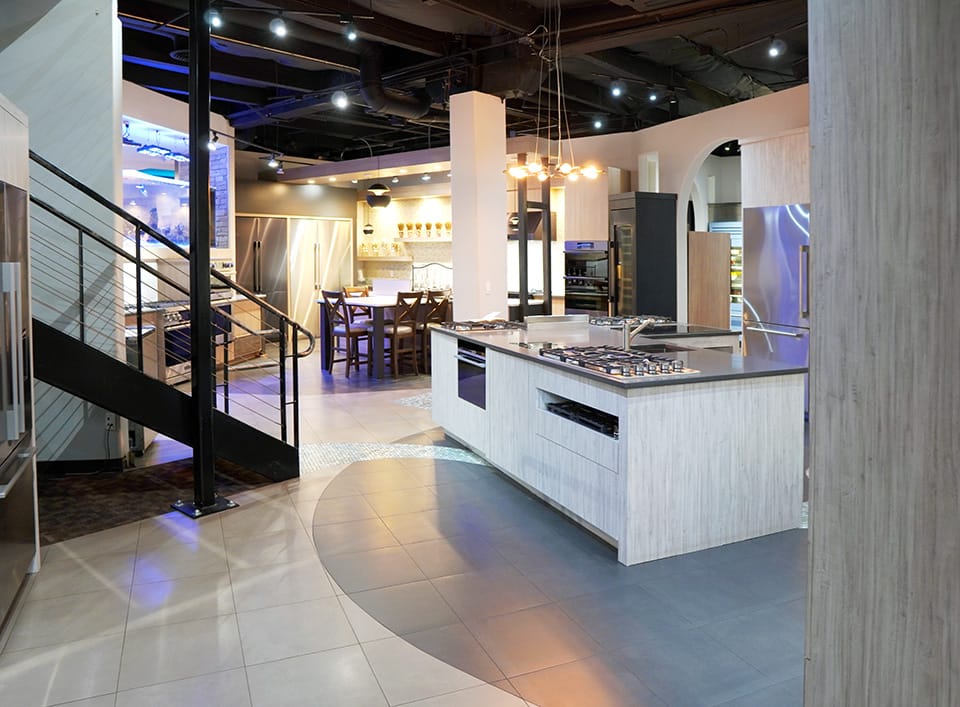
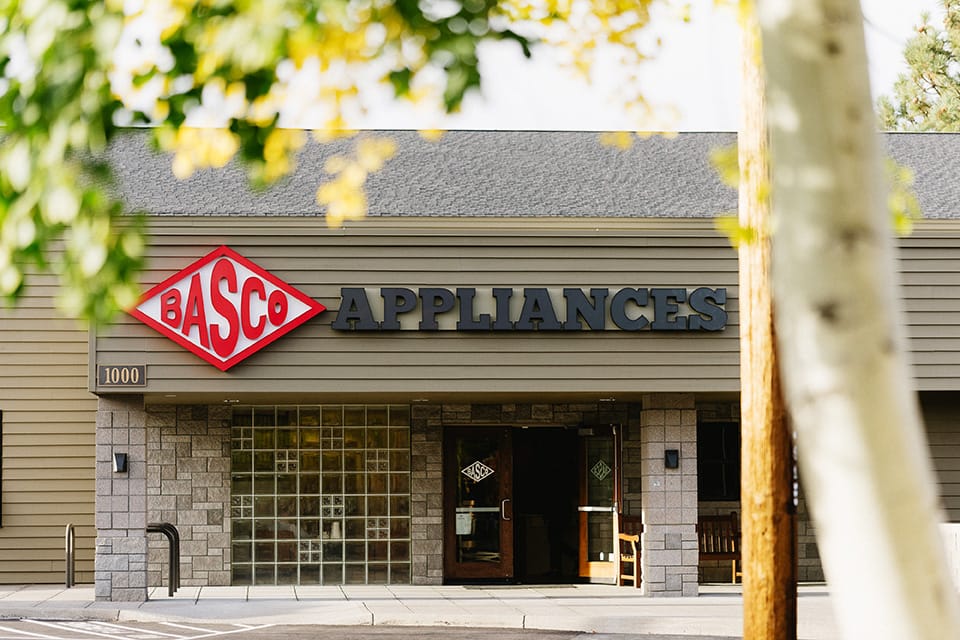
An appliance retailer, technically, and also a fifth-generation, family-operated business that has stayed local as the category around it has consolidated. Its Oregon roots date to 1878. That lineage and longevity show up in how the company approaches its showrooms, especially the newest location in Bend. “We look at our showrooms as an experience as a whole, and not just for finding an item and purchasing it,” says Basco’s president, Chris McConn. Instead of treating it as a display or transactional space, it is an environment where clients can feel at home browsing, planning, and dreaming.
Basco positions its service model as experience-led and expertise-driven, supported by a staff fluent across premium appliance brands—from Gaggenau and Thermador to the full arc of specifications, lead times, installation realities, and the choreography between architect, designer, builder, and homeowner. Its showrooms are destinations where that service model comes to life.
When homeowners walk into a showroom, they have two questions at once. One is visual: How will this look in my home? The other is personal: Will this make my life easier and more enjoyable?
“FOOD IS AN EXPERIENCE. THAT’S WHY ALMOST ALL THE EVENTS WE DO HAVE SOME SORT OF CHEF AT THEM. THERE’S MORE THAN CONVERSATION THAT HAPPENS AROUND THE BAR TOP OR IN THE KITCHEN, AND THE APPLIANCES ARE ALLOWING THEM TO CREATE THOSE EXPERIENCES.”
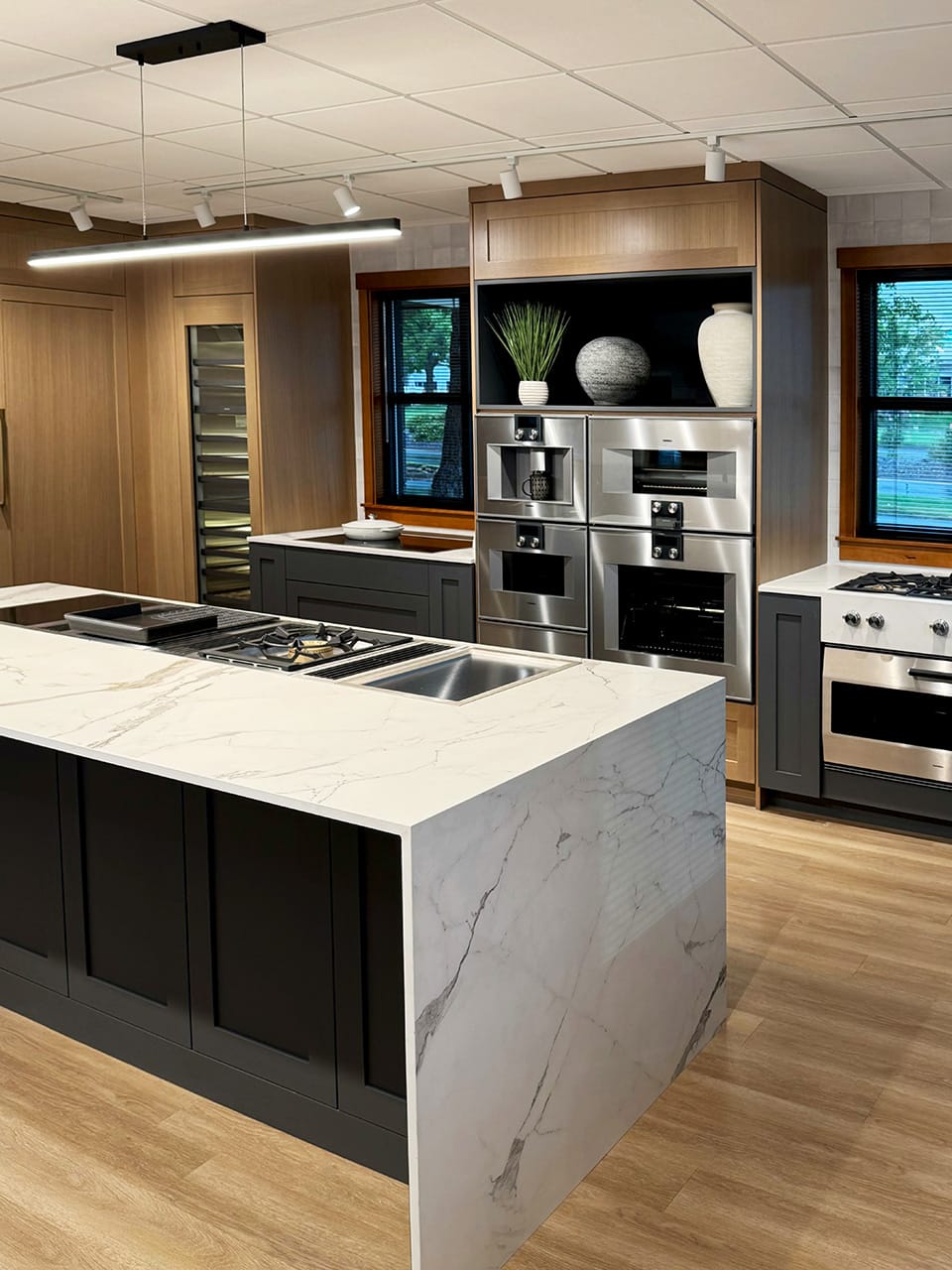
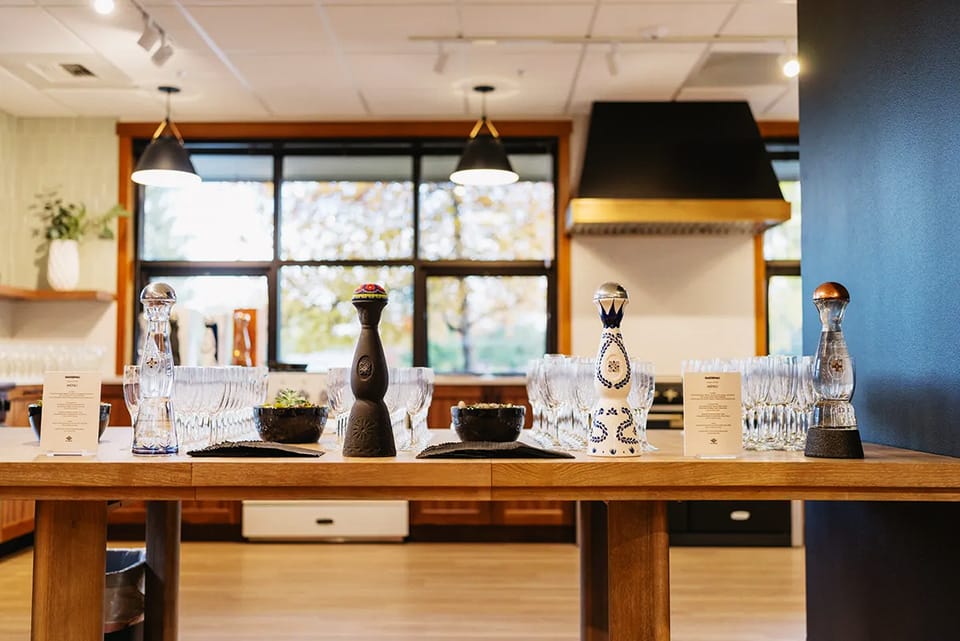
Basco’s emphasis on seeing, touching, using, and often cooking in working settings allows clients and their teams to test and understand how appliances will actually live in a home. Staff encourage clients to cook a meal and demo multiple brands so that the decision-making process is as aspirational as it is practical. McConn describes the pride Basco team members take in their relationships with clients and designers, and in showrooms styled with purpose—layouts that invite people to linger, engage, and consider how the kitchen is part of their daily lives.
“Food is an experience. That’s why almost all the events we do have some sort of chef at them,” remarks McConn. “There’s more than conversation that happens around the bar top or in the kitchen, and the appliances are allowing them to create those experiences.”
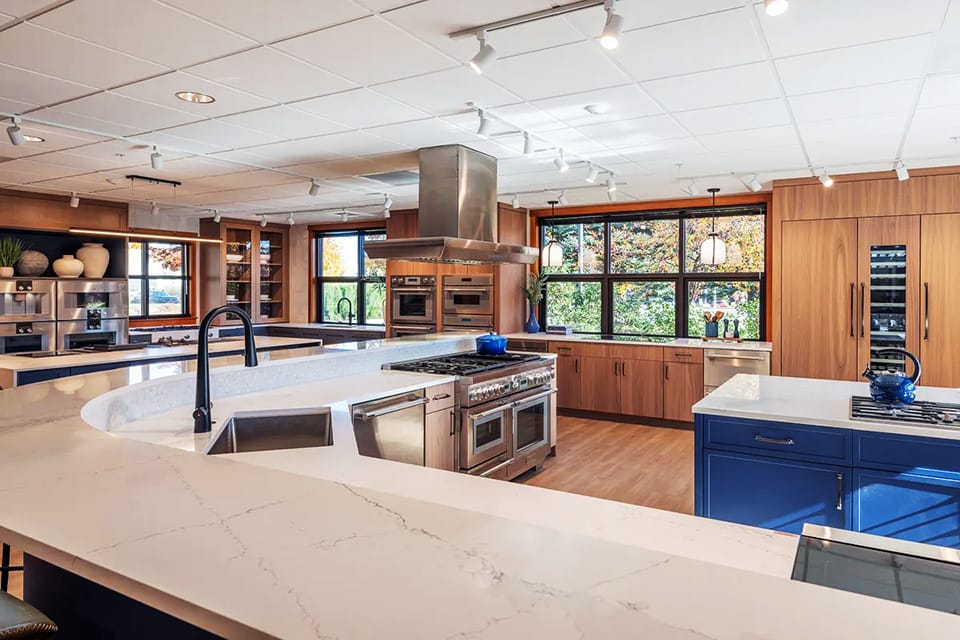
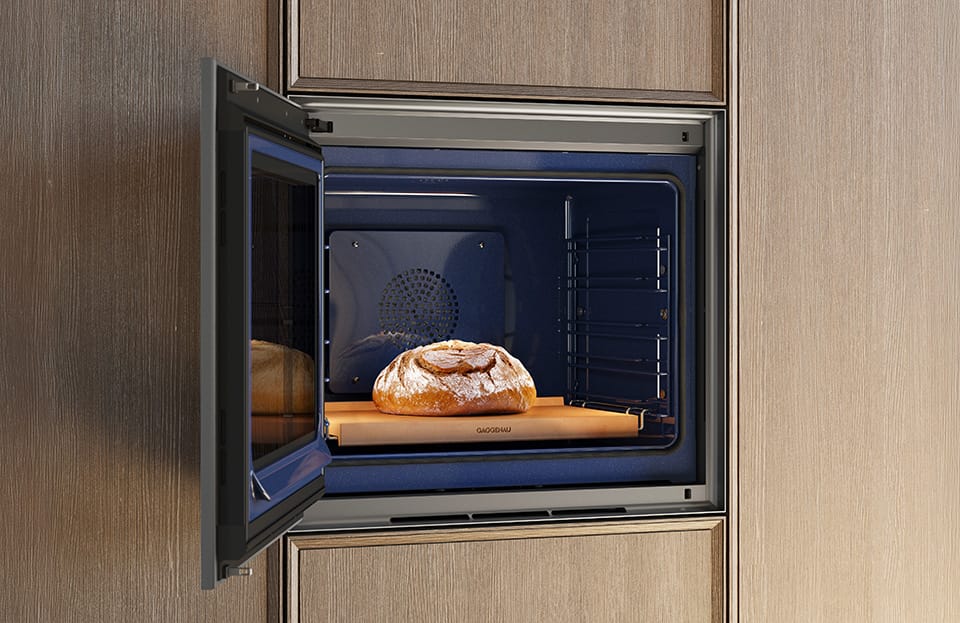
The showroom’s environment is ideal for that, because some brands are best understood when there’s time to slow down and notice them. Few require that level of attention more than Gaggenau, with a design aesthetic and engineering discipline tracing back to 1683 and continuing to inform its materials and performance.
It’s for homeowners who want appliances that are architecturally stunning and also capable of performing complex work. “It takes a certain client, and just as often, a certain designer, to bring it all together. Gaggenau becomes clearer once it is experienced live,” says McConn. That live understanding is essential because Gaggenau’s appeal may be obvious in a catalog, but it’s most felt in person—in the haptic interaction, how it harmonizes within the cabinetry, and in the absence of noise. It is beautifully, almost absurdly, precise. “And then there’s the customization. Everything is modular,” explains McConn. Built as a composition rather than a single purchase, it mirrors how cooks move through a kitchen, adapting the space to their habits instead of the other way around.
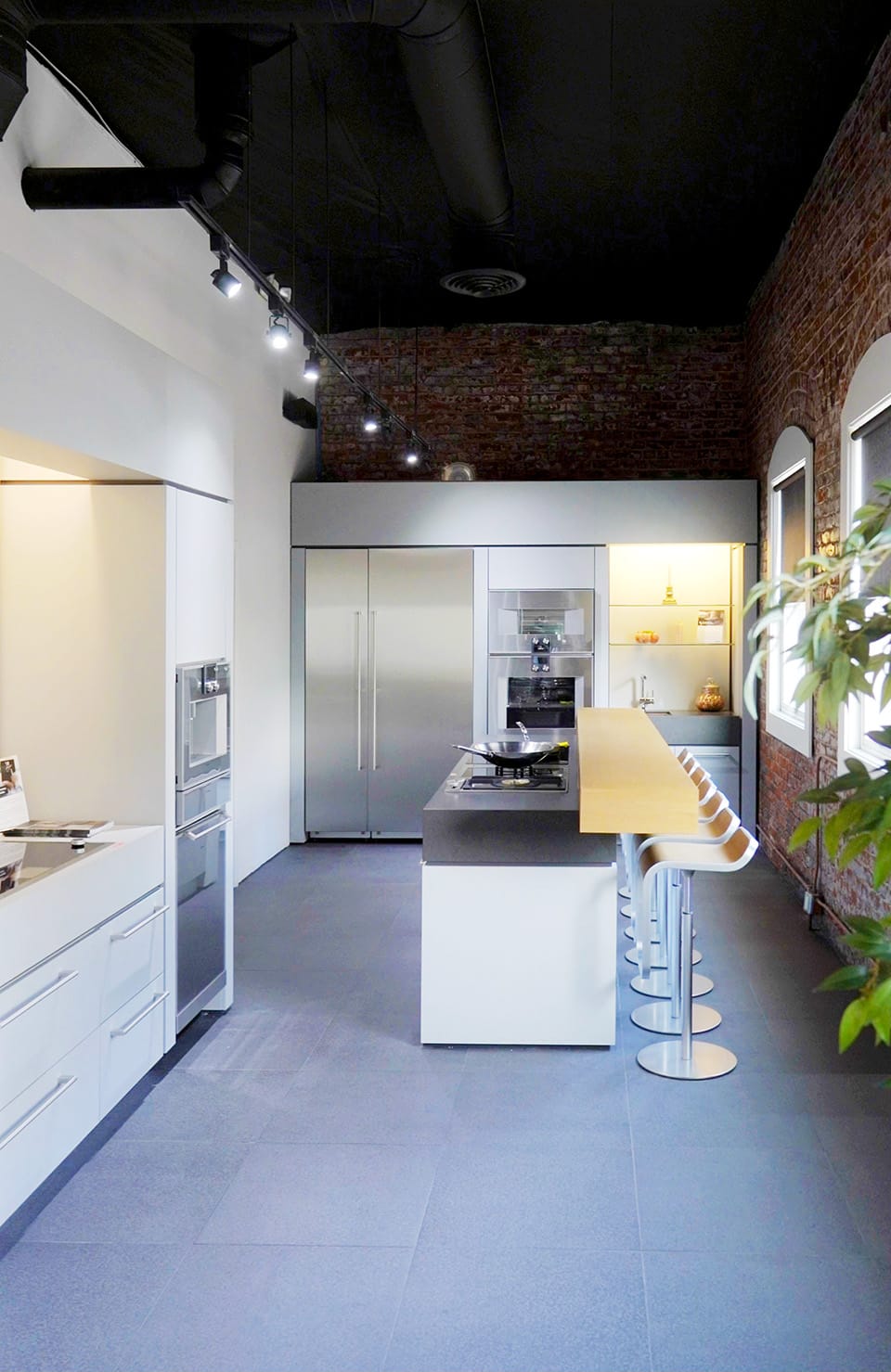
“IT TAKES A CERTAIN CLIENT, AND JUST AS OFTEN, A CERTAIN DESIGNER, TO BRING IT ALL TOGETHER. GAGGENAU BECOMES CLEARER ONCE IT IS EXPERIENCED LIVE.”
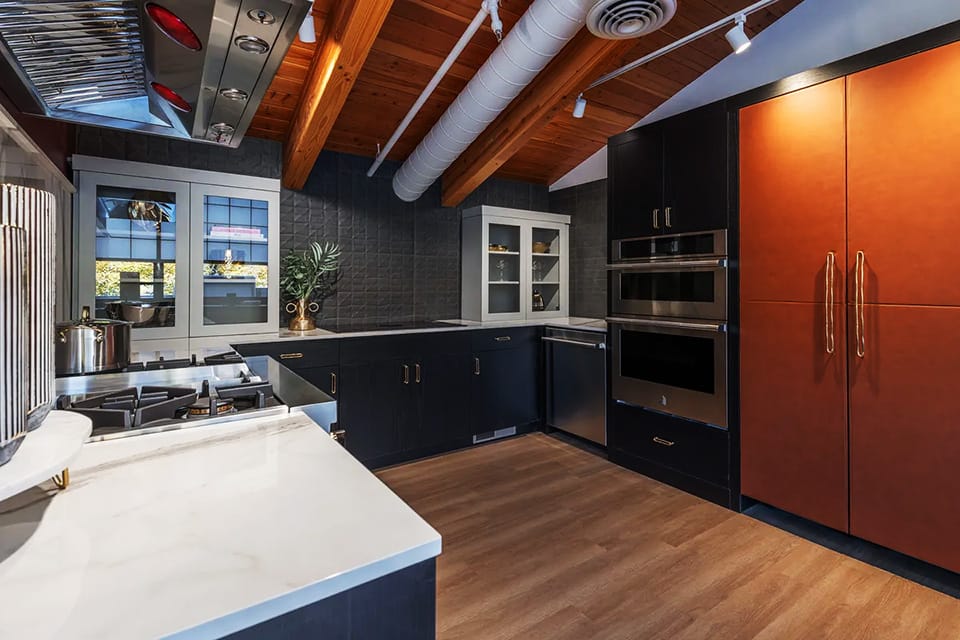
One of the strongest signals of where luxury is headed is induction. “It’s our fastest-growing fuel type,” McConn adds. Gaggenau’s full-surface induction cooktops break the grid entirely, allowing cookware to move freely across the surface rather than confining it to fixed burner circles. “There’s no black-and-white approach. Seeing and experiencing it live changes people’s perceptions,” he notes.
If Gaggenau feels like a private studio, Thermador steps onto a broader stage.
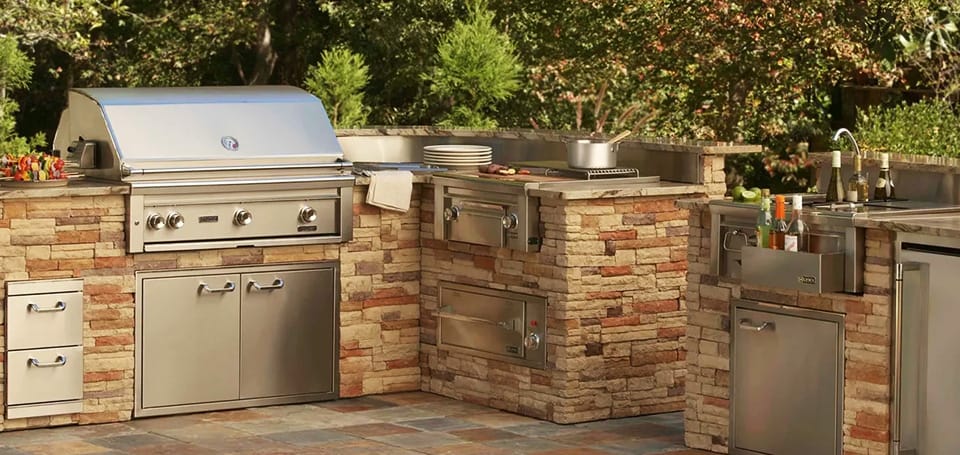
Thermador expresses performance through a visual language that feels immediately legible. Lines and proportions feel familiar, with appliances reading clearly within the kitchen. Always premium and exacting, it’s easier to picture across a wider range of architectural styles from contemporary to traditional, without requiring translation.
Technology continues to reshape that experience, notably in refrigeration. Home Connect-enabled models include remote cameras on select units, allowing homeowners to check contents while shopping. “It can tell you if you need eggs, or it can suggest a recipe for what’s already in your refrigerator,” McConn says. It’s a feature that results in fewer duplicate purchases and fewer last-minute meals. And with freshness playing a central role, attention has shifted toward humidity management, recognizing how produce, proteins, and prepared foods hold over time. That’s when eating well becomes a sustainability story, too.
“SMART HOME TECHNOLOGY HAS BEEN AROUND FOR A WHILE IN ENTERTAINMENT, LIGHTING, SOUND, AND TEMPERATURE ACROSS THE HOME. NOW IT SHOWS UP IN ALMOST EVERY CONVERSATION. BRANDS CONTINUE ADVANCING THEIR TECHNOLOGY WITH A FOCUS ON SAFETY, ENERGY EFFICIENCY, AND DURABILITY. THINK OF YOUR CAR—YOU RECEIVE MESSAGES WHEN SERVICE IS NEEDED. THE SAME THING IS HAPPENING WITH APPLIANCES. THE COMPANY CONNECTS THROUGH AI PLATFORMS TO SERVICE PROVIDERS AND HELPS INITIATE APPOINTMENTS ON A HOMEOWNER’S BEHALF.”
Basco explains to clients and designers that this technology extends into care and protection, allowing appliances to communicate directly with homeowners and support long-term performance—particularly in the kitchen, where water, heat, and electricity intersect. “Smart home technology has been around for a while in entertainment, lighting, sound, and temperature across the home,” McConn says. “Now it shows up in almost every conversation. Brands continue advancing their technology with a focus on safety, energy efficiency, and durability. Think of your car—you receive messages when service is needed. The same thing is happening with appliances. The company connects through AI platforms to service providers and helps initiate appointments on a homeowner’s behalf,” McConn outlines.
What’s been cooking inside the kitchen is now visible beyond it, influencing how homes are valued, designed, and chosen, especially in regions where architecture, lifestyle, and long-term investment are inseparable. In the Pacific Northwest, design coverage frequently mentions the region’s modernist lean, alongside a preference for natural materials and styles that complement their surroundings.
Now add a highly active residential market, second-home growth, and a design culture that continues to refine itself. The National Association of REALTORS® reports increased demand for kitchen upgrades in recent years, and its Remodeling Impact research links kitchen remodels closely to homeowner satisfaction and property value.
“Appliances are a valuation in your home, especially the kitchen, which is one of the top value drivers in a house,” says McConn.
“APPLIANCES ARE A VALUATION IN YOUR HOME, ESPECIALLY THE KITCHEN, WHICH IS ONE OF THE TOP VALUE DRIVERS IN A HOUSE.”
That’s the business case. The emotional case lives in the kitchen, where birthday candles are lit, neighbors drift in, and where the day begins and ends.
Basco’s expansion into Bend lands directly inside that context. It’s a market with serious appetite, design ambition, and clients who want to experience decisions before committing to them. Its philosophy isn’t to sell the most appliances; it’s to guide people toward the right ones, those that complement how they live now and how they hope to live healthier, more fulfilling lives.
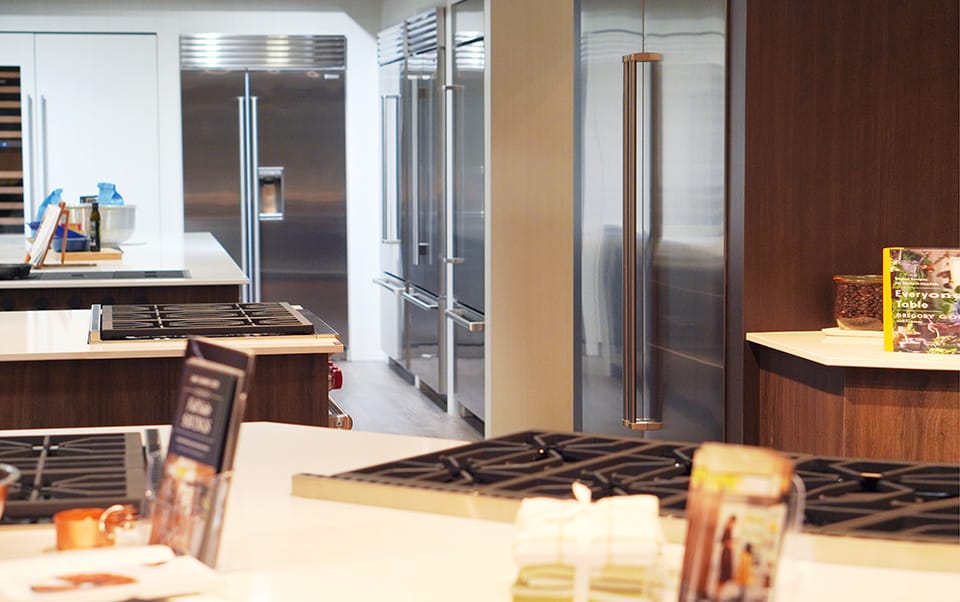
The hope is that when a client steps out of the showroom, it’s obvious they were looking at appliances, and also rehearsing their future.
whj PROFILE
