
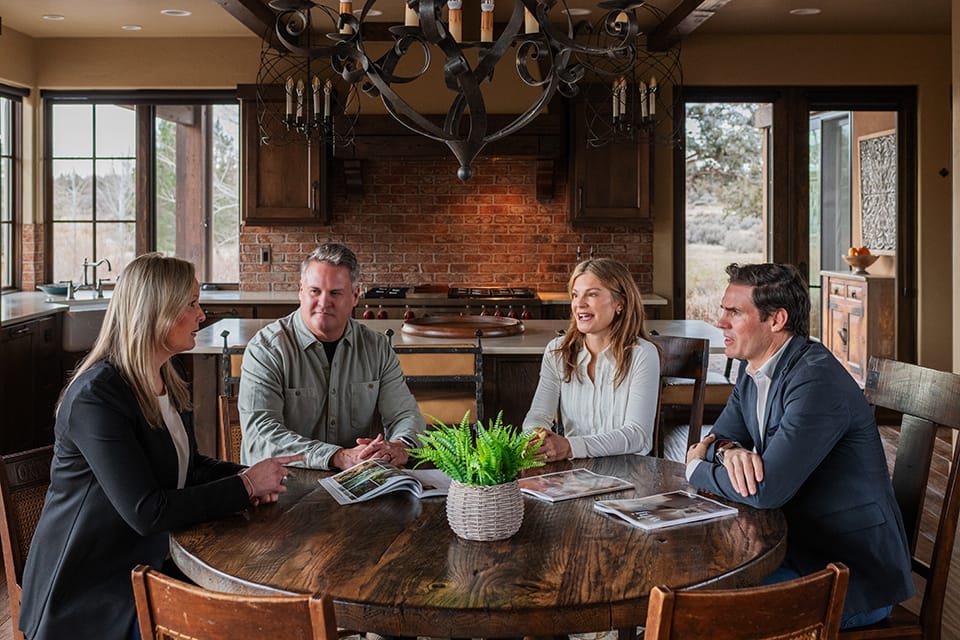
Moderated by: DJ Quinney | Edited by: Laurenz Busch | Photos by: Kayla Mckenzie
In a market shaped as much by nuance as by numbers, clarity comes from experience. Bend’s real estate landscape in 2025 demanded more than momentum, it rewarded discernment, strategy, and a deep understanding of how people actually live in Central Oregon. For this Roundtable, Western Home Journal brought together three respected voices in the Bend real estate market to reflect on what truly defined the year. From pricing discipline and buyer awareness to development patterns and neighborhood growth, their insights reveal how sales are being done and where opportunities are taking shape heading into 2026.
A Reflection On Bend Real Estate

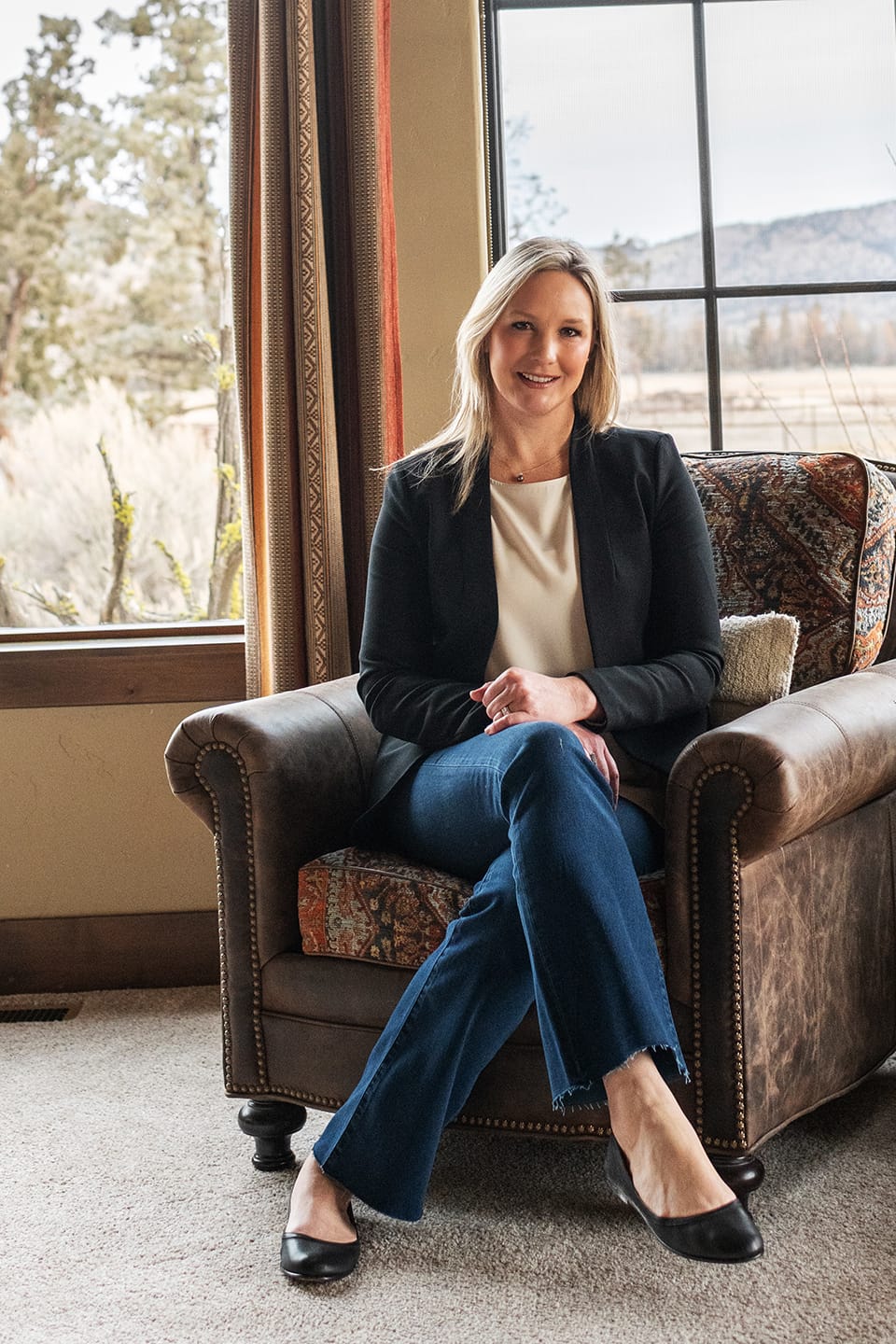
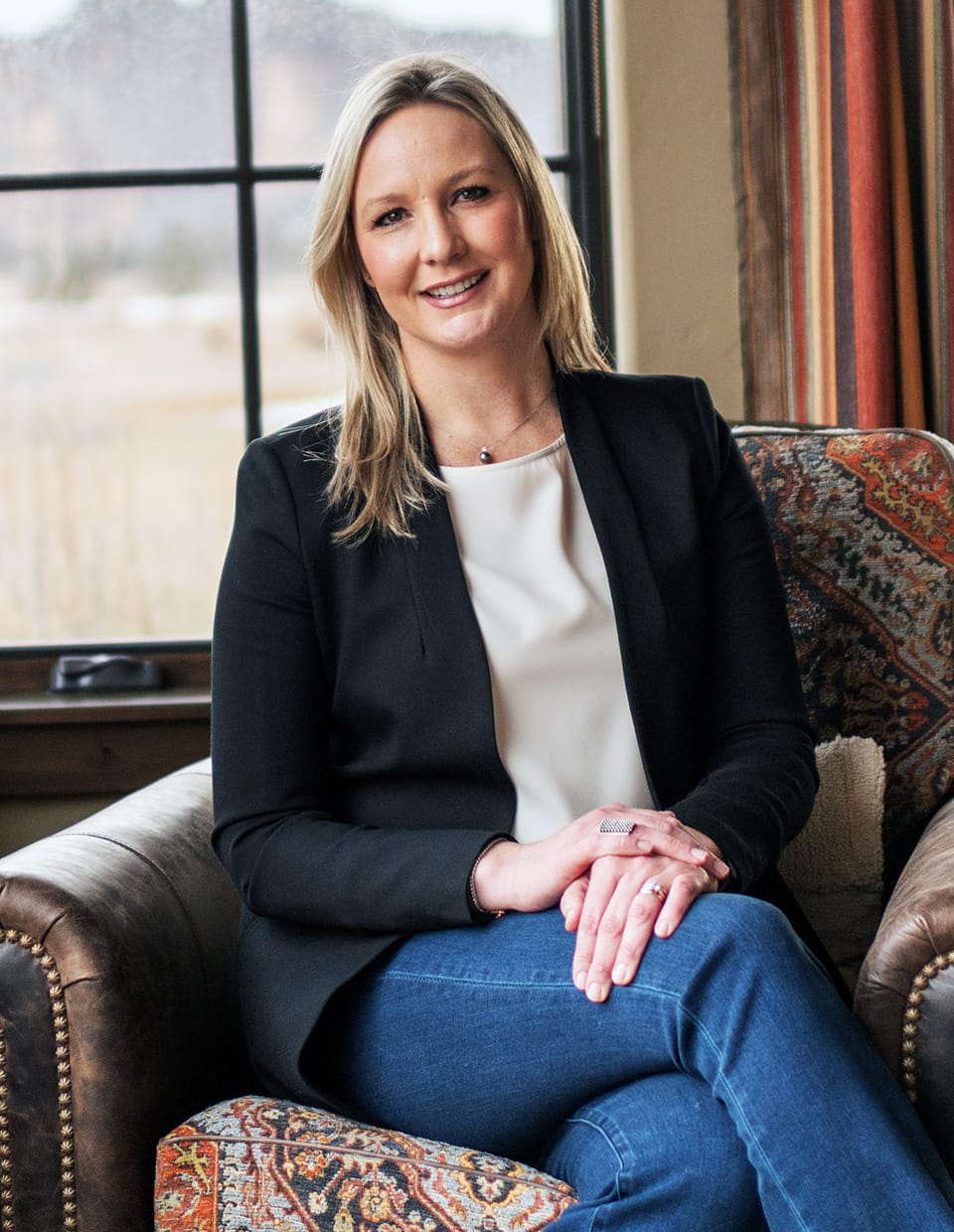
Amanda Ferrari grew up in the Pacific Northwest and has called Bend home for nearly two decades. She considers it a privilege to help people navigate their real estate goals and is known for her thoughtful guidance, careful listening, and calm, steady advocacy on behalf of her clients. With an office based in Bend, Amanda serves buyers and sellers across Central Oregon, bringing a deep appreciation for both the market and the lifestyle that draws people to the area. She approaches each transaction as a true partnership—grounded in preparation, clarity, and trust, with an emphasis on long-term value. Outside of work, Amanda enjoys Bend’s trail system, time on the tennis courts, and being with her family. Amanda recently joined forces with DJ Quinney, forming The Ferrari Quinney Group.
Betsey Little, a fifth-generation Realtor, has deep roots in the industry and a passion for developing relationships with her clients. After cutting her teeth selling historic estates and sprawling properties in Fort Worth, Texas, Betsey returned home to Oregon to raise a family and reconnect with her heritage. From custom builds in private neighborhoods and acreage with complex land-use rights to riverfront second homes and Central Oregon homes full of character, Betsey is known for going the extra mile to ensure her clients cross the finish line happy and satisfied. As a top broker in Oregon, Betsey has an impressive collection of past listings, but she says it’s the relationships forged in those deals that matter the most. With Betsey, you’re getting an established and trusted partner, advocate, and friend who’s ready to help every step of the way.
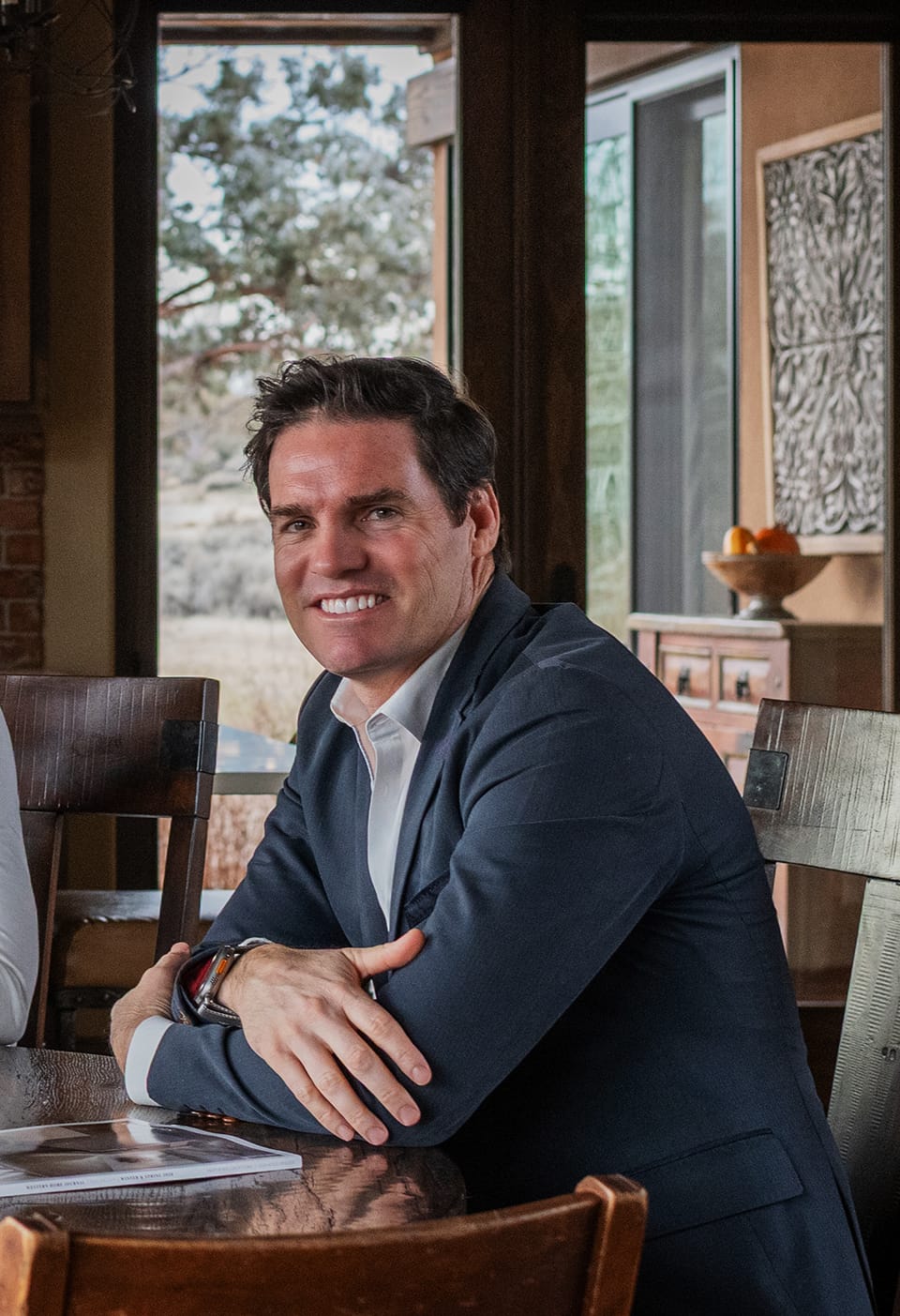
Tab Howard is widely recognized as a top real estate agent, consistently ranking in the top 2% nationwide. Known for his hands-on, personalized approach, he specializes in high-end residential properties, ensuring that each client’s unique needs are met. His expertise in the West Coast market, paired with strong marketing and negotiation skills, creates a seamless experience for buyers and sellers. Originally from Boston and a Middlebury College graduate, Tab loves calling Bend “home.” An outdoor enthusiast, he enjoys the Central Oregon lifestyle when he’s not helping clients find their dream homes.
WHJ (DJ QUINNEY): When you look back at 2025, what actually happened in Bend’s real estate market what surprised you most about how the market behaved?
TH: Prices stabilized more than people expected. Inventory stayed relatively tight because of the lock-in effect from low mortgage rates. The “Zoom town” dynamic shifted toward a hybrid model, which changed demand and housing preferences. Well-priced, move-in-ready homes sold quickly. Anything overpriced or needing work took months to go pending.
AF: What surprised me most was how much inventory came on the market in late spring and early summer. We got close to a five-month supply—the highest in more than a decade—which created a real opportunity for buyers. With that added inventory, we actually saw more total sales in 2025 than in 2024, showing how quickly buyers re-engage when they have options.
BL: I felt that shift, too. The market started to feel more like pre-pandemic Bend. Things slowed just enough that we had to get back to basics—pricing and marketing mattered again. Buyers could negotiate. They could ask for repairs. Sellers couldn’t just list and expect a quick sale. Pricing is still well above pre-pandemic levels, but we’re past the peak we saw in Central Oregon. That adjustment required some honest conversations with clients. What I enjoyed most was seeing real negotiation return—both sides were engaged and willing to meet in the middle.
“THE IMPACT OF INTEREST RATES ON HOME PURCHASES DEPENDED ON THE BUYER’S SITUATION. THERE WERE MORE DISCUSSIONS ABOUT MARKET TRENDS, HOME VALUES, AND POTENTIAL APPRECIATION THAN RATE VOLATILITY.”
– Amanda Ferrari, The Ferrari Quinney Group
How did interest rate volatility shape buyer behavior in your day to day conversations?
AF: The impact of interest rates on home purchases depended on the buyer’s situation. There were more discussions about market trends, home values, and potential appreciation than rate volatility.
BL: For me, most of the conversations weren’t about rates in theory; they were about monthly payments. In the $500,000 to $800,000 range especially, buyers were focused on what felt comfortable long-term. We often adjusted price expectations to make the monthly numbers work. My role was helping connect price, rate, and lifestyle so the decision made sense beyond just getting an offer accepted.
Did buyers tend to hesitate or rush—did confidence or caution define 2025?
AF: I saw both. Some buyers had life timelines and needed to move quickly. Others preferred to slow down and evaluate every option.
TH: Buyers were cautious. The days of writing a full-price offer after a 10-minute showing are over, at least for now. Second showings became common, and buyers were far more selective. There was noticeably more negotiating on price and terms than in years past.
BL: Once higher rates became the new normal, buyers stopped waiting for something to change and started moving forward. When the right home came up, they acted with more intention.
Which segments of the Bend market proved the most resilient, for example, primary versus second homes, and what do you think explains that?
TH: Location. Location. Location. It was hyperlocal. High-end west-side homes held steady. New-construction starter homes on the outskirts softened, as did second homes in places like Brasada Ranch and Pronghorn, where sellers outnumbered buyers.
BL: The upper end of the market was the most resilient, largely because of long-term, generational planning. I saw parents buying with their children’s futures in mind and families seeking flexibility for multigenerational living. Those buyers weren’t reacting to short-term shifts.
AF: Primary residences. People who needed a place to live kept moving forward. Second-home buyers were more likely to pause.

“IN 2025, WE GOT CLOSE TO A FIVEMONTH SUPPLY— THE HIGHEST IN MORE THAN A DECADE—WHICH CREATED REAL OPPORTUNITY FOR BUYERS. WITH MORE OPTIONS, PEOPLE RE-ENGAGED QUICKLY.”
– Amanda Ferrari, The Ferrari Quinney Group
Has the profile of the typical Bend buyer changed? Who’s driving demand, and how is that reshaping the market?
AF: Yes, it has! With median prices near $700,000, first-time buyers without equity or support are increasingly challenged. At the same time, buyers relocating from higher-priced markets continue to move here. I believe this has made price differences between Bend’s neighborhoods more pronounced.
TH: I’m seeing more people move within Bend. Some who bought quickly during the early COVID years are now reconsidering where they actually want to be.
BL: Absolutely, yes. I’m seeing more movement from people who already live in Central Oregon. Newcomers gravitate to familiar neighborhoods like Northwest Crossing, Awbrey Butte, and Tetherow. Once they’ve lived here, priorities shift toward space, privacy, and long-term flexibility.
What did 2025 teach you about pricing strategy, and how has that changed the tone of the market?
BL: My theme for 2025 was “back to the basics.” Pricing mattered, but so did consistent marketing throughout the life of the listing. You couldn’t rely on a strong launch and hope for the best. Global exposure also mattered in the luxury space.
AF: 2025 reinforced how critical it is for sellers to view pricing through the buyer’s lens, especially in periods of increased inventory. When buyers have more choices, pricing is no longer about where a seller hopes to land, but about how a home compares to its competition in terms of value, condition, and timing. That shift has created a more thoughtful, balanced market.
TH: Pricing is everything. Some sellers price like it’s still 2021. Buyers weren’t having it. We saw more price reductions and expired listings than in previous years. Sellers have to decide whether they’re willing to accept market value—whatever a buyer is actually willing to pay.
“IN TODAY’S MARKET, THE RIGHT REPRESENTATION MATTERS NOW MORE THAN EVER, INCLUDING ACCURATE PRICING AND HIGHLY TARGETED.”
– Betsey Little, Sotheby’s International Realty
When you look at new construction, resales, or development, what does inventory in Bend and Central Oregon look like over the next year or two?
BL: New construction is putting pressure on resales, especially homes 15 to 20 years old. Buyers are comparing system ages, roof conditions, and maintenance against the appeal of new builds. That tradeoff has become a central part of many buying decisions. This shift places greater responsibility on real estate professionals to help sellers position older homes through smart pricing, thoughtful preparation, and clear communication—while guiding buyers on the true cost and value differences between new construction and resale.
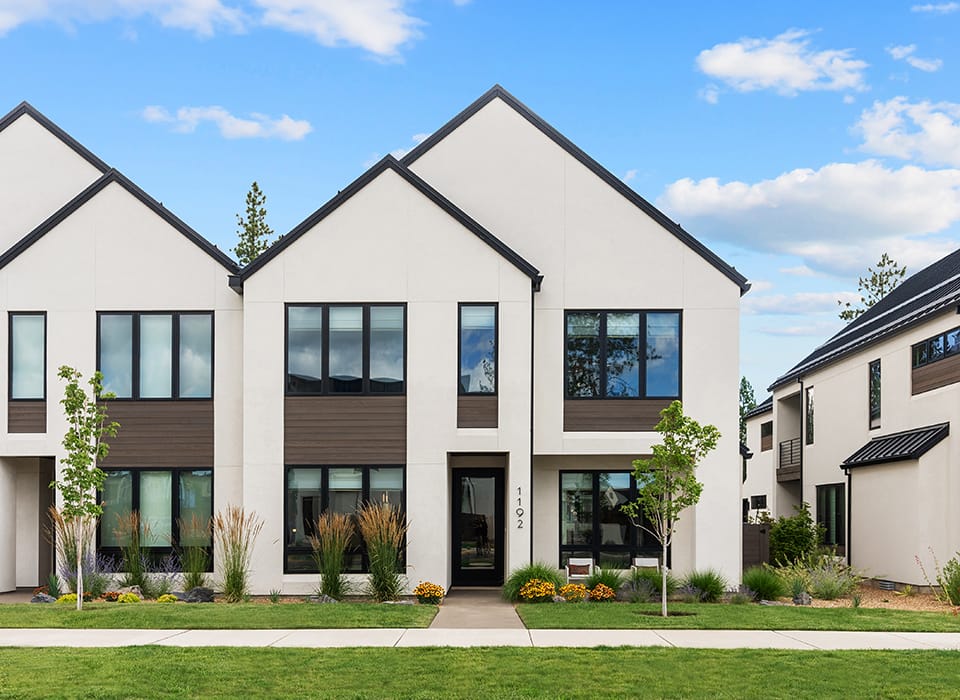
TH: Developers continue to churn out new construction neighborhoods in the urban sprawl areas in southeast and northeast Bend. These prices have dipped a bit, but more surprising to me is that new construction homes on the west side continue to see a thriving market with high buyer demand keeping prices steady. I see continued demand for move-in-ready homes on the west side and would not be surprised if prices—which have been flat for the last couple of years—start to climb a bit as rates hold steady.
AF: I expect inventory to grow gradually rather than dramatically. Builders are being thoughtful because of labor costs, inventory, and buyer affordability. That measured pace should help prevent oversupply while keeping options available.

How are financing conditions shaping up for 2026? Who’sgoing to be Bend’s most likely buyer?
AF: The cost of financing seems to have stabilized and will potentially improve throughout the year. Buyers with equity, high incomes, or flexibility around location are likely to have the most success. Being strategic and realistic will matter more than trying to time the market perfectly.
BL: Conditions feel more stable than uncertain. Buyers have adjusted to the rate environment, which has normalized decision-making.
TH: Rates appear to be settling in the six percent range, which should loosen the lock-in effect as people move for life reasons.

“NEW CONSTRUCTION IS PUTTING PRESSURE ON RESALES, ESPECIALLY HOMES 15 TO 20 YEARS OLD.”
– Betsey Little, Sotheby’s International Realty
Where in Bend or Central Oregon do you see momentum building? What are the neighborhoods people are moving to, and developers are focused on?
TH: Discovery West and nearby west-side neighborhoods continue to see strong demand in the $1.5 million to $2.5 million range because land is limited. I don’t see that changing in the near future, as there is only a limited amount of land left on the west side of town to develop. Once complete, I could see prices in these neighborhoods possibly getting a boost in the resale market as supply and demand shift.
AF: Walkable neighborhoods with trail access and everyday amenities continue to draw interest. Northwest Bend remains strong, while southeast Bend and Redmond are gaining traction.
BL: As density increases, more buyers are looking farther out for space and privacy. Developments like Pacific Cascade Heights—which is comprised of 21 ten-acre parcels—offer space, flexibility, and are resonating with buyers.
“WELL-PRICED, MOVE-IN-READY HOMES SOLD QUICKLY. ANYTHING OVERPRICED OR NEEDING WORK TOOK MONTHS TO GO PENDING.”
– Tab Howard, The Agency
How do you see growth, development, and policy shaping Bend over the next few years, and how are large-scale projects changing buyer and seller mindsets?
TH: I could see development start to slow down after the next year or so. There simply will not be any more land on the west side of Bend to develop. Bend as a whole will continue to see growth as we live in a highly desirable mid-sized city. The urban sprawl on the east side of town should keep churning at full speed ahead.
AF: Large-scale projects are giving buyers more options, and in many cases, more attainable price points, which is a positive shift for Bend. We need additional housing choices, and some of these projects genuinely help address that, even if they’re not a perfect fit for everyone.
BL: As neighborhoods build out, existing homes, especially older ones, are facing more competition. Buyers now often have the option to choose between new construction and resale, and that’s driving pricing.

“THE MINDSET FOR BOTH BUYERS AND SELLERS IN 2026 SHOULD BE “REALITY.” SELLERS SHOULD FINALLY FIGURE OUT THAT THEY CAN’T JUST SLAP A HIGH PRICE TAG ON THEIR HOUSE AND EXPECT IT TO SELL. BUYERS SHOULD KNOW THAT TODAY’S MORTGAGE RATES AND HOME PRICES ARE HERE TO STAY.”
– Tab Howard, The Agency
If buyers and sellers need one mindset shift for 2026, what is it, and what do you think a smart mindset should look like when it comes to patience and strategy in Bend’s market?
BL: We have more inventory, more new construction, and more choice than we’ve had in years. That creates opportunities for buyers. Our days on the market for inventory are higher than we have seen, but if you see a property that fits your needs, you still need to act. For sellers, having a strategy matters more than emotion. Pricing, presentation, and timing all need to align with how buyers are actually making decisions today.
AF: Staying open-minded is key. Buyers often refine their priorities, and sellers benefit from flexibility around pricing and presentation. The best outcomes usually come from adapting to the market rather than resisting it.
TH: The mindset for both buyers and sellers in 2026 should be “reality.” Sellers should finally figure out that they can’t just slap a high price tag on their house and expect it to sell. Buyers should know that today’s mortgage rates and home prices are here to stay. No more “waiting for prices or rates to drop” as our local market continues to see a high demand.

whj FEATURE
