
By Jennifer Walton
In a world where architectural innovation is constantly evolving, Cobus van den Berg has dedicated his career to designing exceptional multi-story luxury mixed-use buildings and residential homes, large-scale commercial office buildings, resort and hotel projects, sports stadiums, and even Google and Hewlett Packard tech campuses. However, his extensive portfolio also spans designing those projects in high-altitude mountain ranges, remote deserts, and coastal landscapes. Throughout his 35-plus years, his approach remains steadfast and centers on his philosophy of listening to the “voice of the land,”—a concept that brings each site’s unique essence into the architectural process. This concept challenges traditional design norms because van den Berg strongly believes in incorporating ancient craftsmanship and cutting-edge technology to embrace nature’s raw forces rather than resisting them. In this exclusive interview, we explore his journey, discover the vision behind transformative architecture, and the power of nature in design.

whj : You’ve referenced the “Voice of the Land” guiding your designs. Can you describe a project where this philosophy was particularly challenging to achieve and how you navigated those complexities?
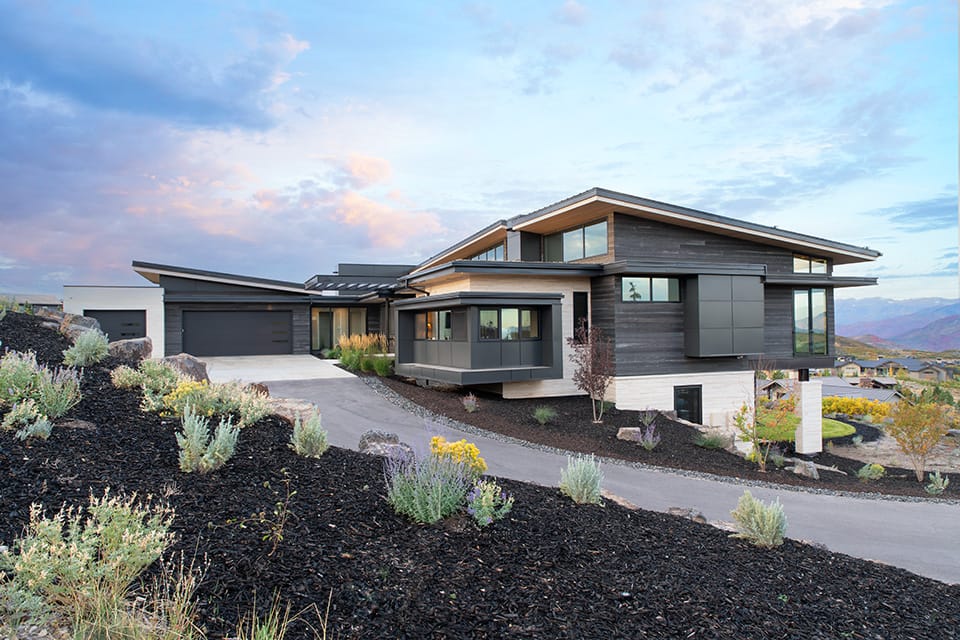
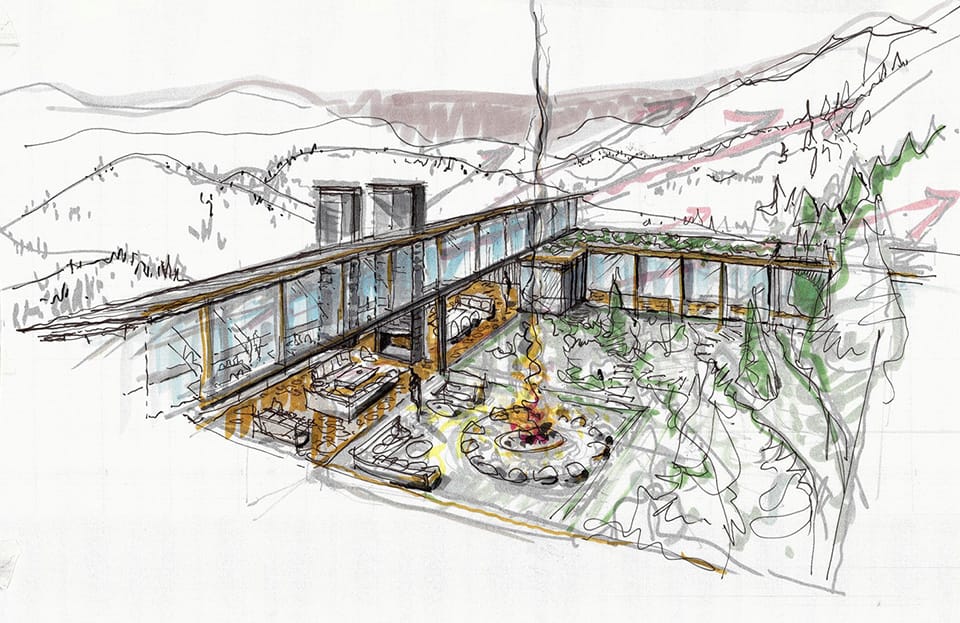
My design approach is deeply rooted in the idea of discovering the “Voice of the Land,” what I define as the character of each site that guides the form and soul of a project. A project where this philosophy was notable occurred while designing a residence in Deer Valley on an elevated rock outcrop with sweeping views to the east and towards Bald Mountain to the west. Traditionally, a house is designed with a clear distinction between public approaches and private view sides. However, the power of the surrounding landscape demanded a rethinking of this arrangement. The incredible vistas in both directions informed me and the design team that this house needed to embrace both sides, orienting itself to engage the land and its views in an entirely new way.
Another project that tested the limits of this philosophy took place in the desert just outside Muscat, Oman. The site was flat, barren, and devoid of dramatic features like rock outcrops, trees, or views that could anchor the design. The land was quiet—a mere whisper. The more I sought to ground the design to a specific element, the more elusive the solution became. At a loss, I decided to step away from conventional methods. I packed my sketchbook and sleeping bag, and ventured out into the Omani Desert, planning to spend the night on site.
“My design approach is deeply rooted in the idea of discovering the ‘Voice of the Land’ what I define as the character of each site that guides the for and soul of a project”
–Cobus van den Berg, BERG Design Architects
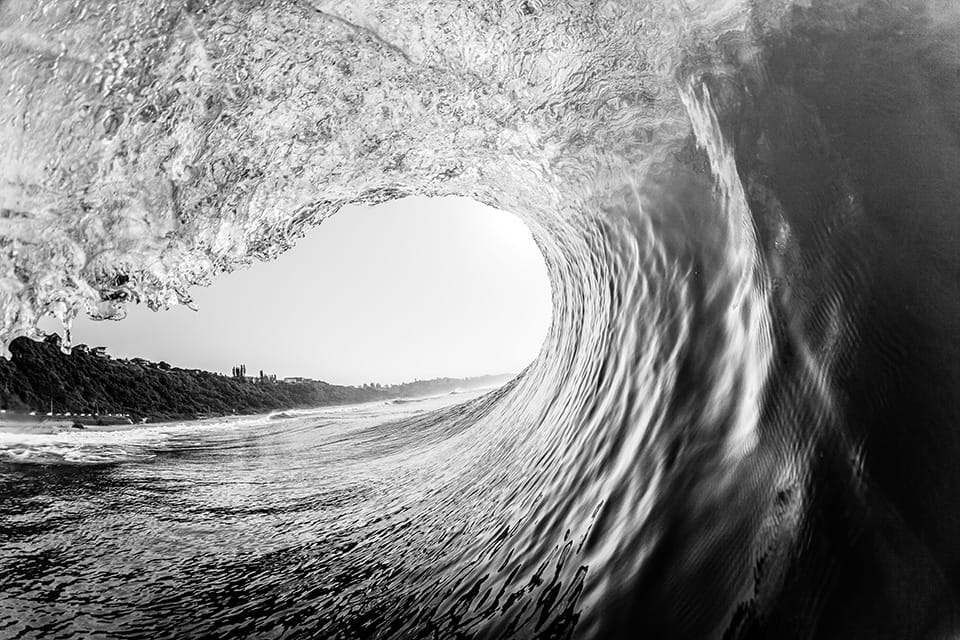
As I sat under the vast, open sky, sipping a cup of tea, I began to notice the subtle magic unfolding before me. The sun dipped below the horizon, casting soft veins of color across the sky. Clouds, barely perceptible before, were now alight with warm desert hues. I witnessed an extraordinary transformation in the light—the interplay of the warm desert air blending with the cooler breath of dusk. That magical air sprinkled grains of sand onto my sketchbook’s pages. On that transformative evening, the land revealed its essence to me; not through dramatic features, but through the interplay of light, color, and atmosphere. The shifting hues of the desert sunset became the guiding force behind the design. The building took shape as a minimalist form: walls of glass and stylized plaster, acting as vast cinematic screens to capture the constantly changing desert light. The plaster was infused with sand from the desert itself, and the monolithic walls became an extension of the land, blending seamlessly into the ever-changing canvas of the Omani desert.
whj : You specialize in high-altitude architecture, a niche with unique environmental and structural challenges. What design strategies do you use to ensure harmony between the built environment and the harsh mountain conditions?
I call this approach “Architectural Tai Chi.” It’s a philosophy of collaboration with, rather than opposed to, the forces of nature. We cannot fight these powerful forces but must align with them. This means understanding the underlying meridian lines of both the architectural form and the natural environment, and designing with them in mind. For example, instead of attempting to create complex roof forms that struggle to shed snow, we embrace the presence of snow. In high-altitude environments, a building’s roof should not resist snow but rather hold it. When designed, engineered, and constructed properly, these roofs become an integral part of the natural landscape, enduring and functional in harsh conditions.

I view buildings in these extreme environments as living organisms. Just like organisms must adapt to survive in challenging conditions, so too must a building adapt to the landscape. A successful, sustainable structure in such spaces is one that thrives requiring low maintenance, operating optimally, and blending seamlessly into its surroundings. This is achieved through a careful selection of materials, thoughtful orientation, and a sensitivity to the one-of-a-kind challenges of each site, such as wind, snow, sun exposure, and storms.
In our designs, we drape buildings with robust yet refined exterior skins like thermally treated timbers, architectural steel shields for cladding, high-performance window and door systems, stone, and textured concrete. These materials are not just durable but are chosen to weather the elements while also contributing to the aesthetic harmony of the environment. We also invite the land itself to participate in the design process. By incorporating earth berms, landscaped mounds, and even burrowing into hillsides, we nestle our buildings into the landscape, ensuring that they are protected from the extreme conditions. Subterranean architectural earth anchors help secure the structure while providing natural insulation, further integrating the building into the mountain environment. In this way, we create architecture that doesn’t impose itself on the land but instead becomes an integral part of it, a structure that respects and responds to the land’s natural rhythms.

“Just like organisms must adapt to survive in challenging conditions, so too must a building adapt to the landscape. A successful, sustainable structure in such spaces is one that thrives requiring low maintenance, operating optimally, and blending seamlessly into its surroundings.”
–Cobus van den Berg, BERG Design Architects
whj : With large-scale projects and other resort or master plan developments, how do you balance exclusivity and sustainability, guaranteeing that these luxury communities integrate rather than disrupt their natural surroundings?
Balancing exclusivity with sustainability is a fundamental aspect of my approach to large-scale projects and resort developments. Over the years, I’ve had the privilege of working on a diverse range of high-profile projects, including hotel resorts in Oman, such as the Gordon Campbell Grey Hotel and the Michael Jackson Aviary Hotel, reclamation projects in Beirut and Abu Dhabi, luxury mixed-use developments in Andorra (Pyrenees Mountains), the Bagnoli Futura master plan in Naples, Italy, the Bahrain Financial Harbour, and Indi Ridge in Park City, among others.
A core principle in these projects is the integration of the natural environment. It’s about respecting the existing natural components of the site while also incorporating new, sustainable elements such as green spaces, water bodies, and landscaped parks. This establish-es that the development fits seamlessly into its surroundings, and actively enhances and preserves the local ecosystem.
Each location brings its own climatic conditions and environmental challenges, and understanding how to respond to these factors is paramount. Whether it’s the desert heat of Oman, the mountainous terrain of Andorra, or the lush landscapes of Costa Rica and Hawaii, we approach each project with a focus on sustainability and harmony. We work closely with the environment, re-calibrating and innovating to find the best solutions that respect both the land and the community’s needs.
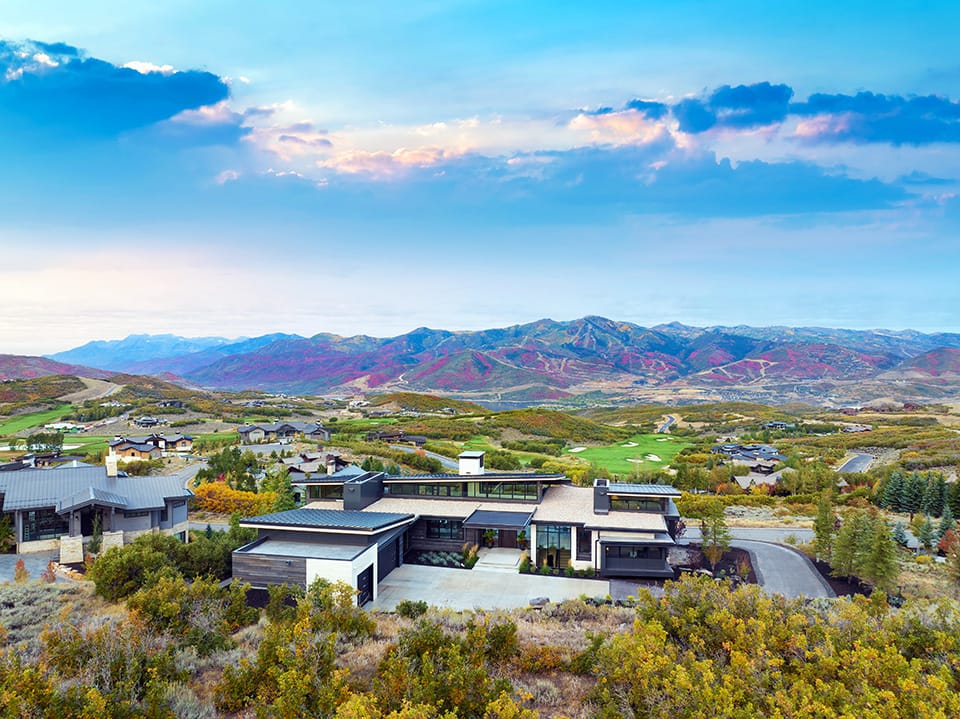
My deep curiosity about different cultures, climates, people, art, and architecture has led me to live all over the world, and these experiences have profoundly shaped my designs. An added benefit of working in such diverse, individualistic environments is the inspiration gained. The experiences and insights gathered from these locations are brought back home and incorporated into our projects in the U.S., allowing us to evolve and progress our local projects into fresh levels of architecture.
whj : With a career spanning multiple continents and industries, how has your approach to architecture evolved from your early career to now leading a top architectural firm in Utah?
I would describe my career as a process of distilling, rationalizing, and simplifying. Much like the Impressionist painters of the 19th century, who prized indigo, a pigment that was incredibly difficult to produce, requiring vast amounts of raw materials to create a block of indigo stock paint. In some ways, my career has been a gradual refinement of ideas and approaches. It began in monumental Master Planning scaled projects (as the leading design architect for the 100-story Bahrain Twin Financial Towers) to more distilled and concentrated bespoke residential design. The more I’ve learned, the more I’ve understood the value of distillation in design, eliminating the unnecessary and focusing on what truly matters. These projects were complex, high-profile, and demanding, offering me invaluable experience in tackling large-scale challenges. Over time, however, my focus shifted to bespoke residential design. This shift was both natural and intentional. I wanted to move towards a more intimate scale of design, where the nuances of a space, the human experience, and the relationship between architecture and the environment became its own voice.
whj : You have worked with high-net-worth individuals in technology, finance, and entertainment. How do their distinct lifestyles and expectations influence your process, and how do you support and uphold their visions in alignment with your design principle?
Working with high-net-worth individuals in industries such as technology, finance, and entertainment has been an incredibly rewarding aspect of my career. Each of these fields brings its own set of expectations, but my principle remains constant: respect. My approach begins with listening. It’s crucial to understand not just the functional needs of my clients, but also their personal tastes, desires, and what truly inspires them. These clients are often visionaries themselves, and their drive to innovate is something I deeply admire. They inspire me, so it’s important to infuse their projects with aspects that make them tick, and that they are drawn to. In turn, I aim to complement their vision by proposing design solutions that push boundaries while staying grounded in the essence of what they are seeking.
whj : You mentioned that many of your clients are drawn to the experience of the design process itself. How do you bring them into the journey, ensuring they feel connected to the evolution of their space from concept to completion?
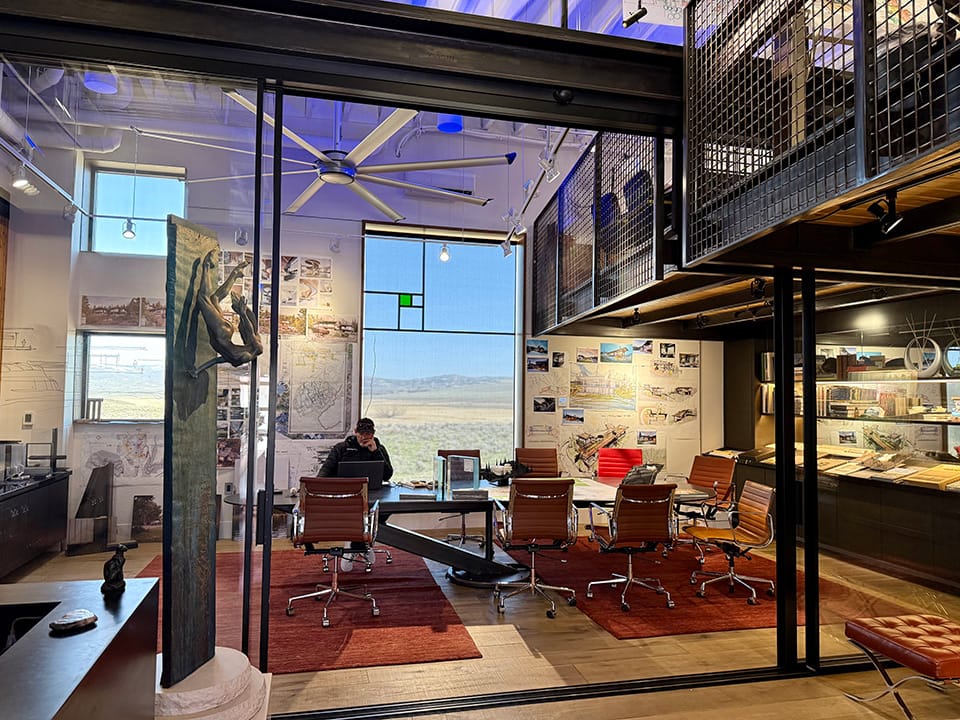
Many of my clients are drawn to the experience of the design process itself because it’s a journey we take together. For me, it’s not just about creating a building; it’s about crafting a deeply personal experience that connects them to the space from its inception to completion. The key to this is a foundation built on listening and open communication, and from the beginning, I focus on understanding who my clients are, how they live, and what values or life-style elements are most important to them.
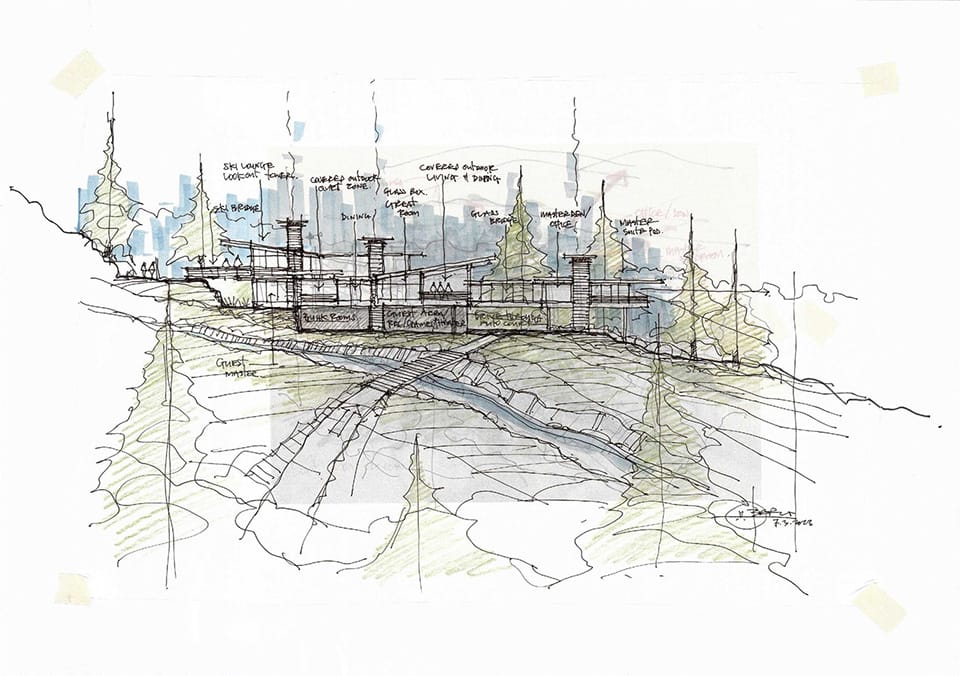
It’s about infusing their projects with elements that reflect what excites them. This allows me to weave their “fingerprints” into the design and ensure that the space feels like an extension of themselves. Whether it’s a specific aesthetic, a feeling they want the space to evoke, or a connection to their lifestyle, these details are key to creating a meaningful design. Throughout the process, I prioritize sharing the evolution of the design. I involve them in the journey by sketching out ideas and discussing the design as it unfolds. This collaborative approach helps clients feel not just included but also integral to the process. It’s important to build space in the process for them to contribute, reflect, and engage with the design as it develops. By making the design journey a shared experience, the final result is something that feels authentic and fulfilling.
whj : As someone who constantly pushes the boundaries of architecture, what do you see as the next frontier in high-altitude luxury (residential) design, and how do you anticipate your work progressing/changing in the future?

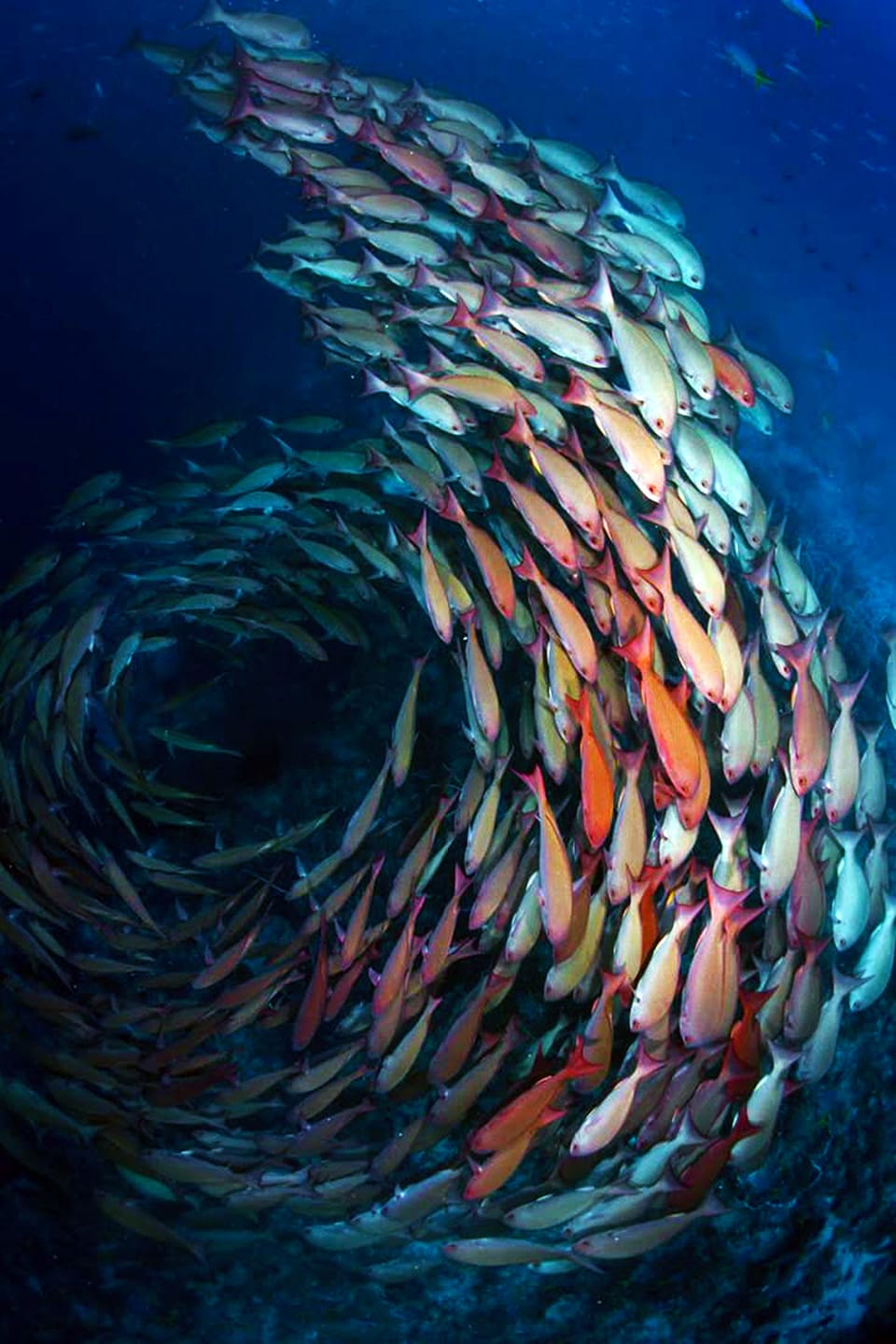
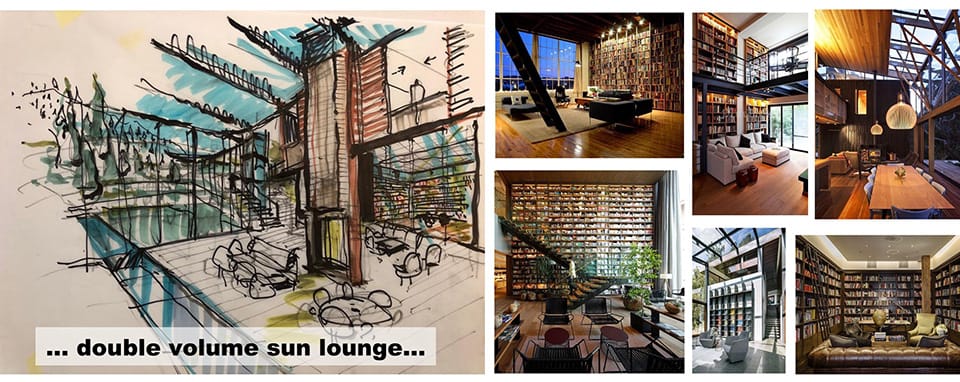
Technology is developing at an incredible rate, which is both exciting and challenging. While I fully embrace the innovations brought on by technology, I also believe it is essential not to lose sight of the core crafts and human abilities that have always been at the heart of architecture. My approach involves blending the best of both worlds by utilizing cutting-edge technologies such as augmented reality, 3D ideation, and spatial and environmental exploration through coding and programming, while also keeping traditional methods like hand sketching, physical model building, and responding to organic mathematical patterns that are as old as the universe.
The next frontier in high-altitude luxury residential design will likely involve an even greater integration of technology with sustainability. As we continue to build in extreme environments, new technologies and materials will allow us to create more energy efficient, environmentally responsive designs that enhance the experience of living in these dramatic landscapes. While I see technology playing a greater role in the future of architecture, I believe that blending the ancient with the new is the key to creating architecture that is both timeless and forward-thinking. It’s so exciting: blending the ancient with the new!
whj : Your work seems deeply influenced by nature and solitude. How do these elements shape your creative process and the way you approach architectural innovation?
The natural world and wilderness spaces are my greatest inspirations. I’ve found that my connection to nature deepens, becoming sharper and more distilled when I spend long, uninterrupted stretches in the wild, far from the distractions of modern life. This solitude fuels my creativity and has led to my love of endurance 200-mile foot races, as a physical pursuit and a source of inspiration and quiet reflection. There’s a striking parallel between testing the limits of one’s endurance and pushing the boundaries of architectural innovation—both demand resilience, curiosity, and the willingness to explore the unknown. My best work emerges in moments of depletion, when all excess falls away, leaving only clarity.
whj PROFILE
