
Listen to our Spotify podcast about this article:
by Aaron Kampfe
When a home shares its story, how is that narrative told?
Can a structure that can’t speak tell a tale, express an idea, or elicit an emotion?
How can a building tacitly honor its landscape and pay tribute to its heritage?
Before the footprint of a foundation is sited, framing is assembled, or the first nail is pounded, the outline of a story needs to be formulated. Like writing a novel or a screenplay collectively, a team articulates a home’s setting, plot, characters, and themes. The narratives of buildings are often not about the structure itself, but about where that structure is located, who resides in it, and how it is used. The homeowner, architect, interior designer, and builder exchange ideas to coalesce around a common vision… and a tale is told.
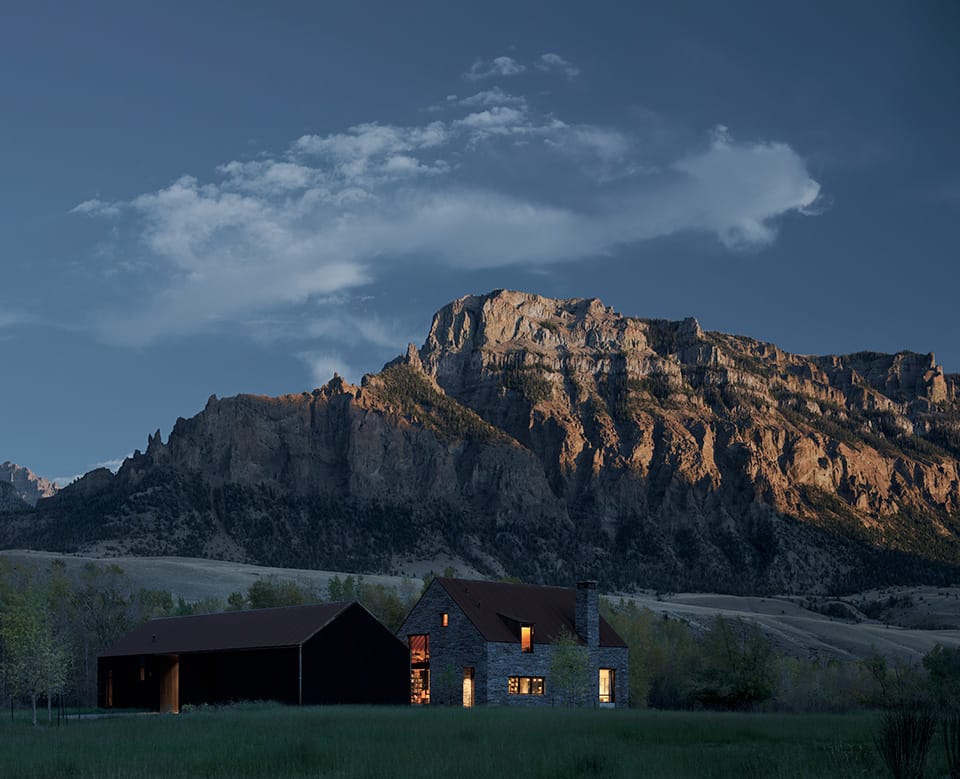
Over 200 years ago, Europeans started to settle in the American West. The vast expanses of open land were not empty but already full of natural elements—rivers, lakes, prairies, forests, mountains, and wildlife. Indigenous peoples had been living there for many millennia. For the pioneers, was the West a blank canvas that needed to be conquered or an already full picture that needed to be connected with? Today, we still ask the same questions.
As a construction company nearly 40 years old, Yellowstone Traditions is rooted in the West and its diverse portfolio includes fishing lodges, ranch homes, riverfront cabins, in-town remodels, historic hotels, and ski resort chalets. Whatever the project, no matter the clients and regardless of the architectural style, context guides YT’s process. The results are buildings that belong in their surroundings, serve their occupants, and tell their own stories.
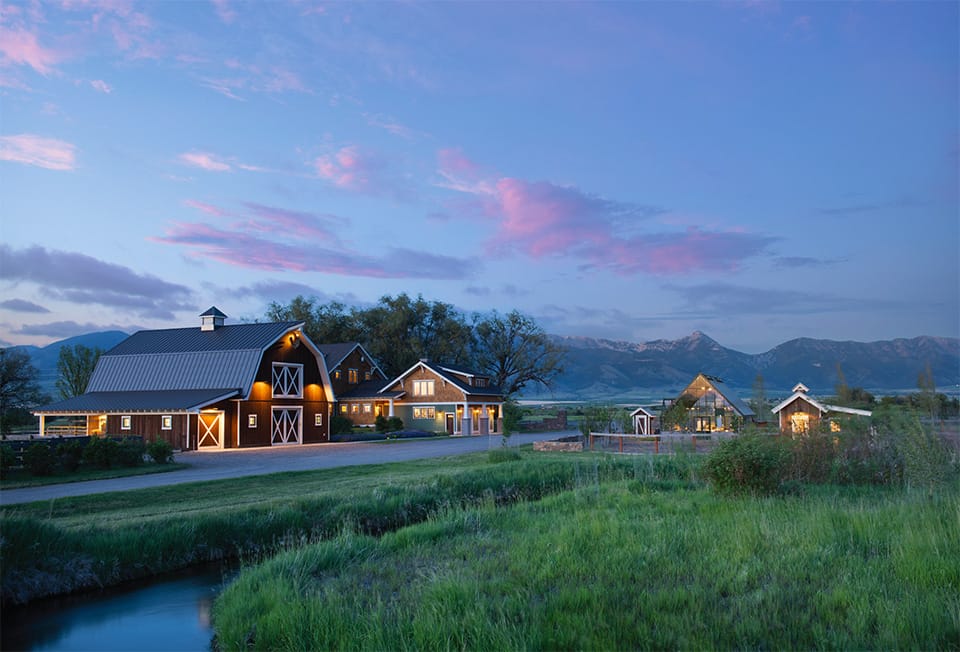
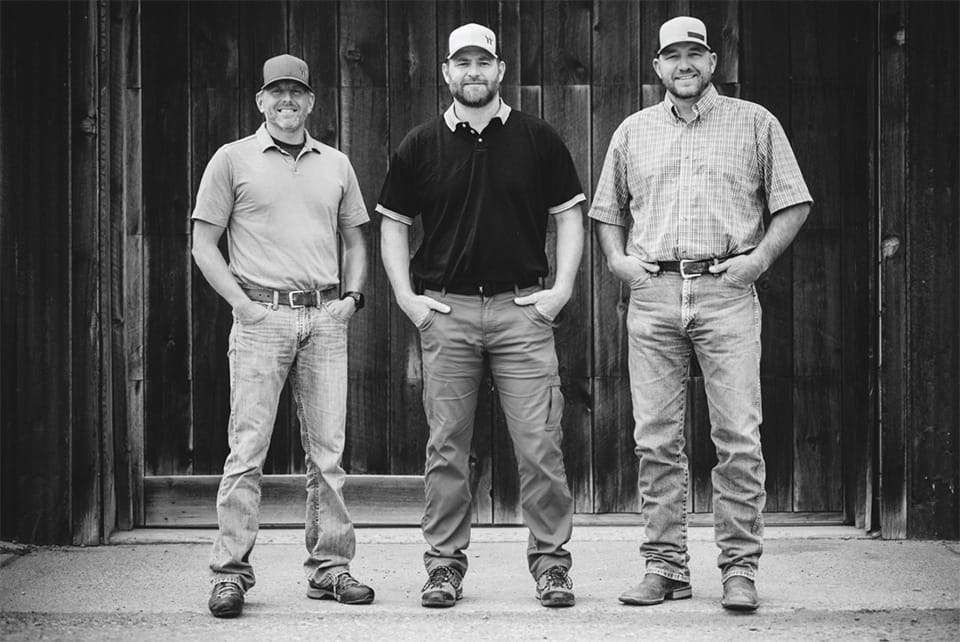
Today, YT is managed by three principal owners, all of whom grew up in the West, are humbled by its majesty, and appreciate the richness of the environment. They share these values with their clients and building partners. For them and their crews, “old” buildings offer lessons in construction. A log cabin, hay barn, horse corral, or farmhouse informs them and influences how a new building is sited and assembled. The construction heritage of yesterday provides the foundation—and inspiration—for the construction of today.
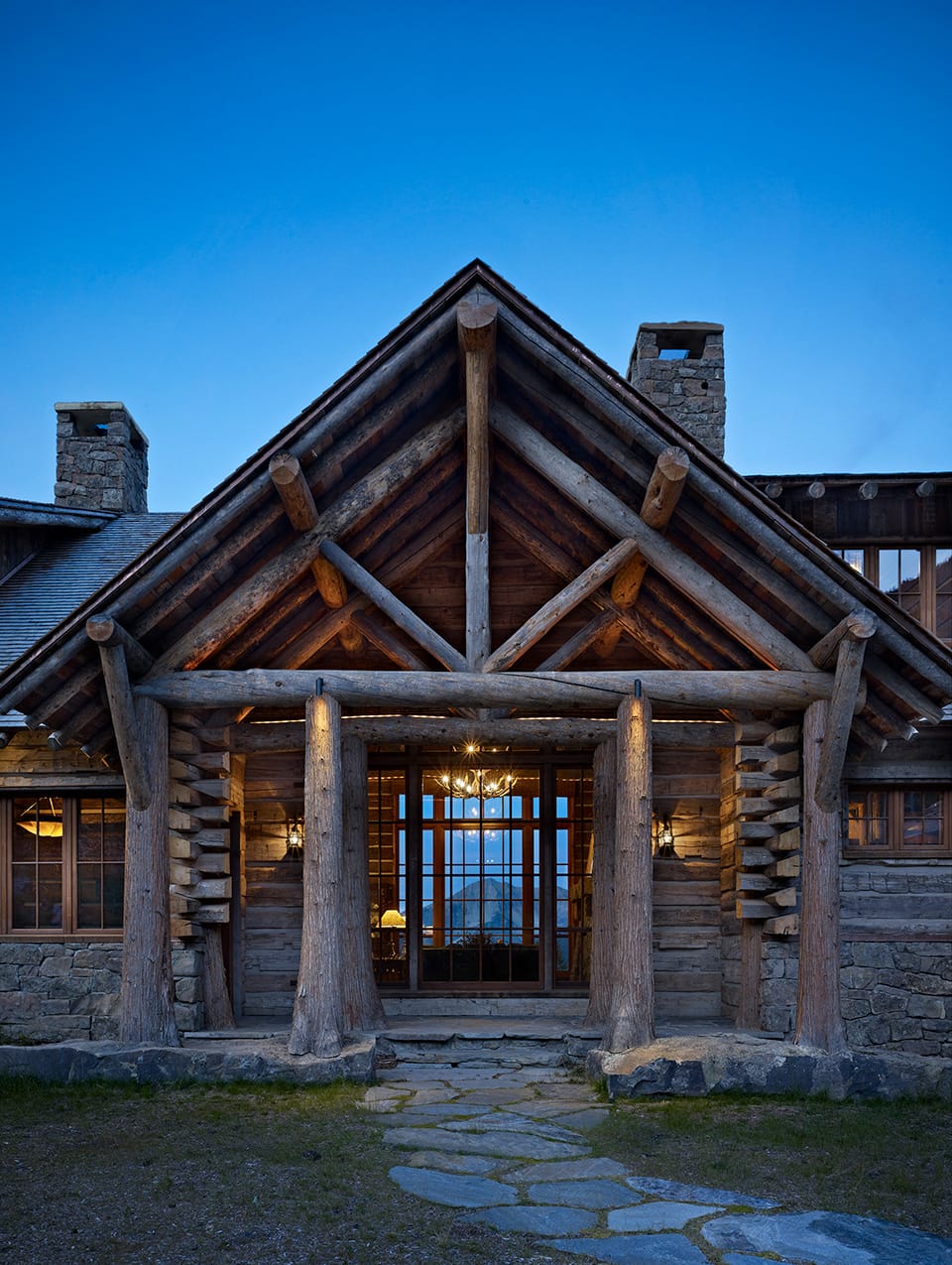
Ron Adams, one of the three principals at YT, observes, “What our clients seek is something emotionally meaningful. For recreational property owners especially, they want to feel connected…. connected to the land, connected to history, and connected with their families. The design process begins with articulating these desires and creating a vision through architecture and interior design. Then, we take the architects’ and designers’ two-dimensional drawings, three-dimensional computer renderings, palette choices, and material selections and make it real, not just conceptual. From the foundation to the framing to the finishes, our team is tasked with the execution of every detail to create structures that connect.”
Siting for Surroundings: The Rocky Mountain Landscape
When developing any property where do you begin?
Often what inspires landowners of the West isn’t only the land that they own, but also what surrounds that piece of property. The attractions are the expansive panoramas, snow-capped mountain peaks, fish-rich rivers, and wildlife that wanders through the open country. They begin with what nature already provides.
One of the initial questions is how the property is sited. Where do the trails, roads, fences, barns, and outbuildings belong? Most importantly, where is the house built? These initial decisions will influence everything in the architecture, design, and construction.
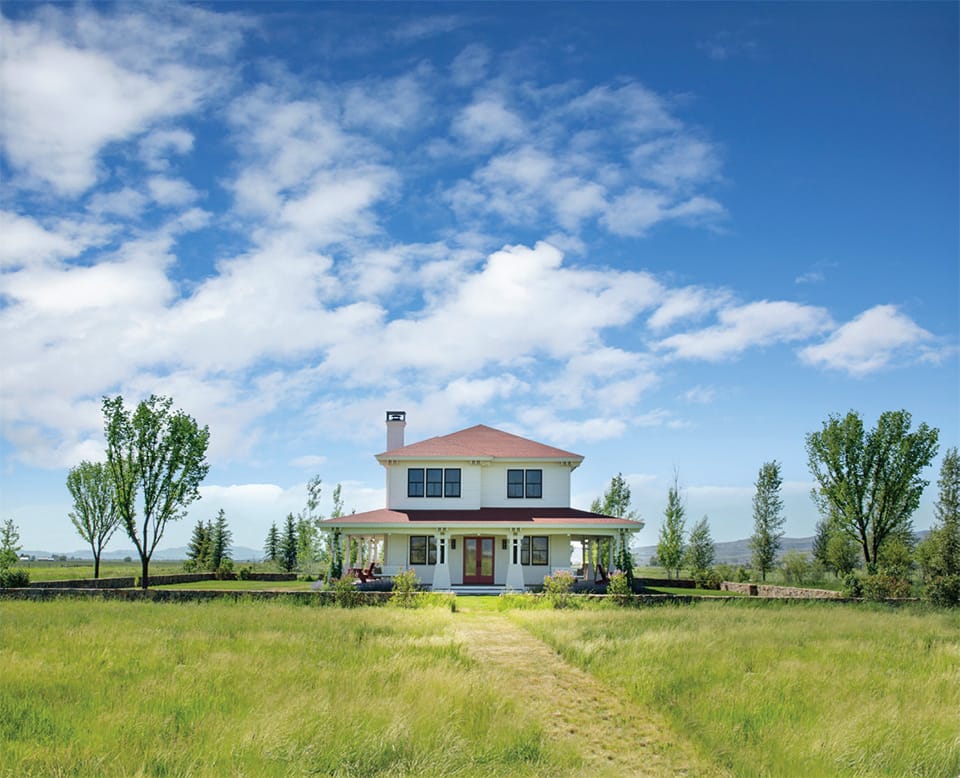
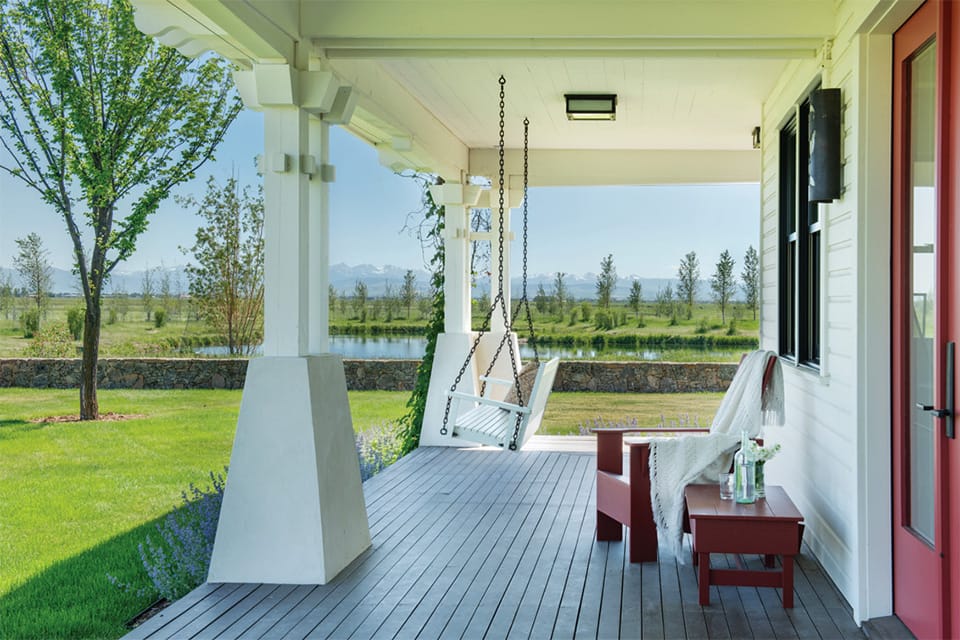
Ron Adams of YT is keenly aware of that balance between development and preservation. He says, “The West is still a frontier with vast areas of undeveloped land. What do we do with that land? How do we develop it while not ruining it? These are special places, and we need to take the time to listen to how the land speaks to us. Whether the location is near a riverbank, along a ski slope, or in open rangeland, we strive to honor that site.”
Kipp Halvorsen, principal at Faure-Halvorsen Architects and a frequent building partner with YT, says, “When considering the siting of the structures, the footprint of the buildings, and the materiality of the exteriors, we want to minimize the ‘visual noise.’ People come to the West for the natural landscape, not to construct a statement piece, but to be a part of the environment. Our team strives to create harmony with the surroundings.”
Each YT project is planned with the environmental context at the forefront of decision-making. The Rocky Mountain topography is varied, with diverse micro-climates and geology. Each home is customized for not just its occupants, but also for its specific location and the need for that location to co-exist with its surroundings.
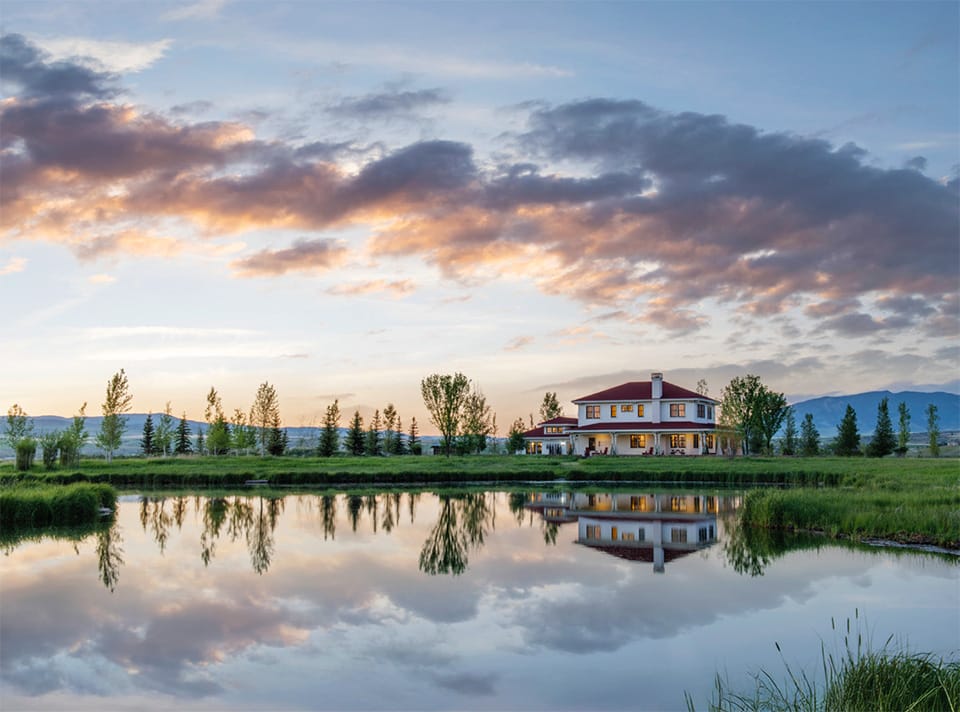
The team at YT shares this conservation value. Tim Blazina, another principal at YT, says, “Sometimes it’s more work to be subtle than flashy. To build a large house on the top of a hill makes a statement, but is that the statement you want to make to your neighbors and everyone who drives by? Is the house or the natural landscape the focus? To blend into the landscape while still preserving the views takes more thought and attention.”
Places in History: Yellowstone Park Inspired
Do you conquer or do you preserve?
In the latter part of the 18th century a conservation mentality emerged. In1872 the 42nd U.S. Congress, through the Yellowstone National Park Protection Act, established the world’s first national park. The Park preserved the region’s dramatic canyons, towering peaks, lush forests, geothermal features, and wildlife habitat.
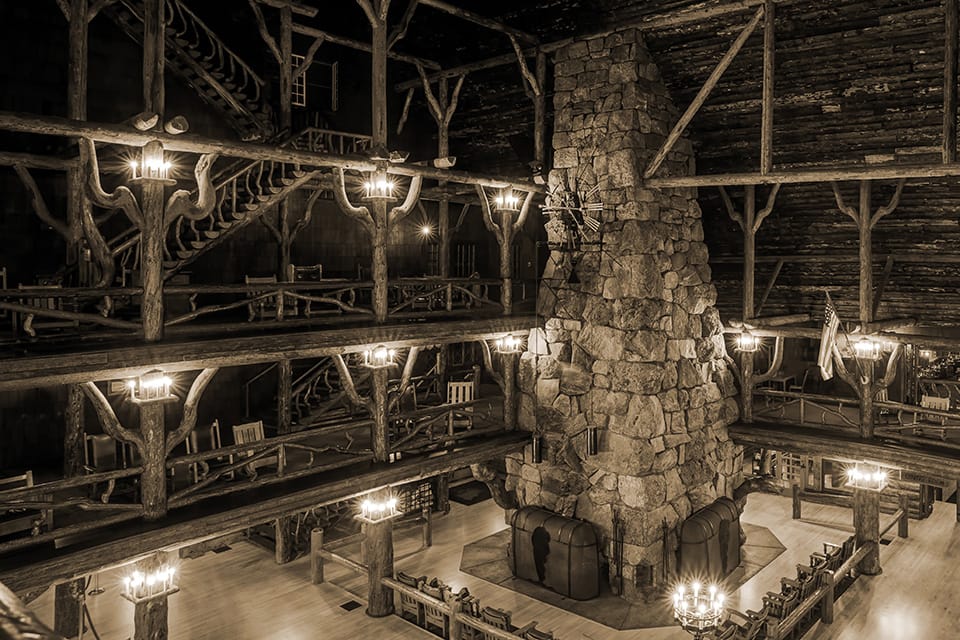
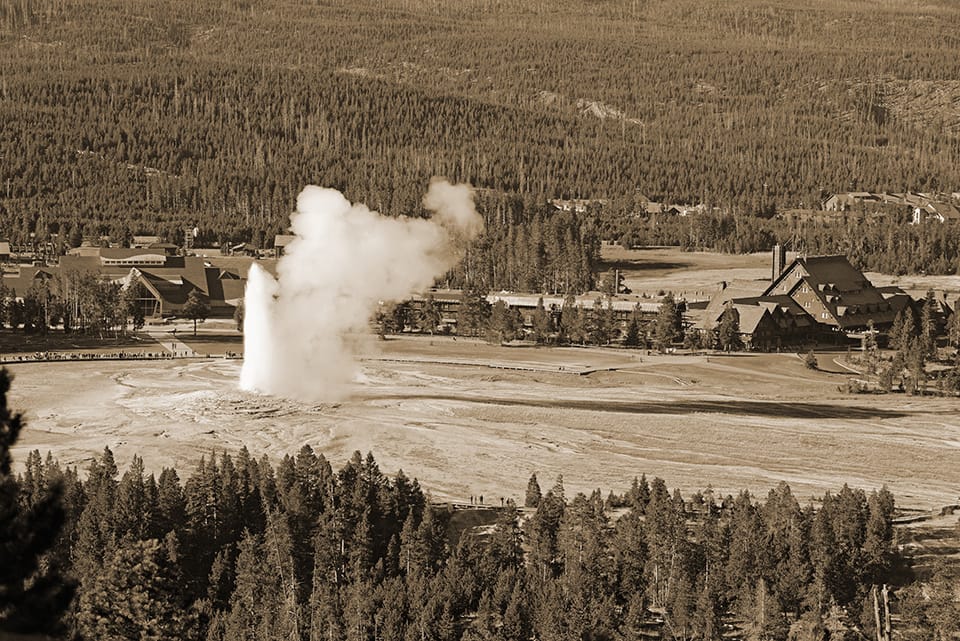
The purpose of setting aside these 3,472 square miles was “for the benefit and enjoyment of the people.” The park was not to be 100% untouched wilderness, but a place where people could connect with nature. With a relatively minimal footprint, roads and buildings were constructed to accommodate those who were visiting.
During the early and middle part of the 20th century a unique architectural style developed. Structures in the national parks strove to harmonize with the natural environment using native materials and rustic designs. This style is known as National Park Service Rustic, or sometimes affectionately called “parkitecture.”
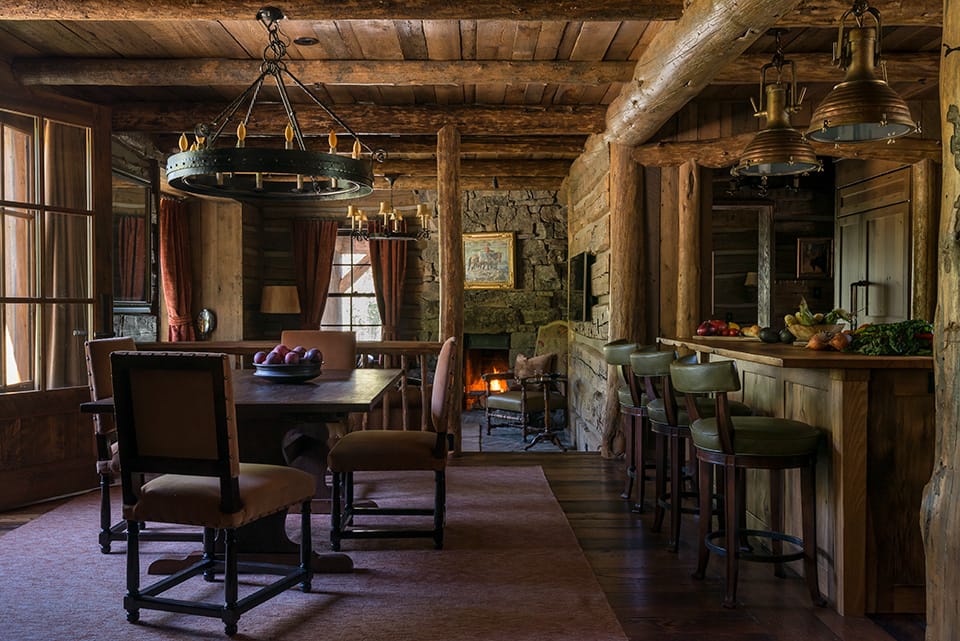
A construction company that was later to become Yellowstone Traditions was established in 1986. One of their early specialized areas of expertise was log construction. The craftsmen studied the materials and building techniques from the past 100 years and recreated them using updated methods and tools. Among their projects was participating in the renovation of the Old Faithful Inn, the iconic lodge in the center of Yellowstone.
Nearly 40 years later, the roots of YT have not been forgotten by its current principals and crews. Perusing YT’s portfolio on its website, one can find references to parkitecture in its homes throughout the Rocky Mountain West. Sometimes the influence is structural with natural whole logs framing the structure or living areas that resemble the inside of the Old Faithful Inn. More often, the influence is subtle with the use of reclaimed lumber and native stone, giving a nod to parkitecture without fully recreating it.
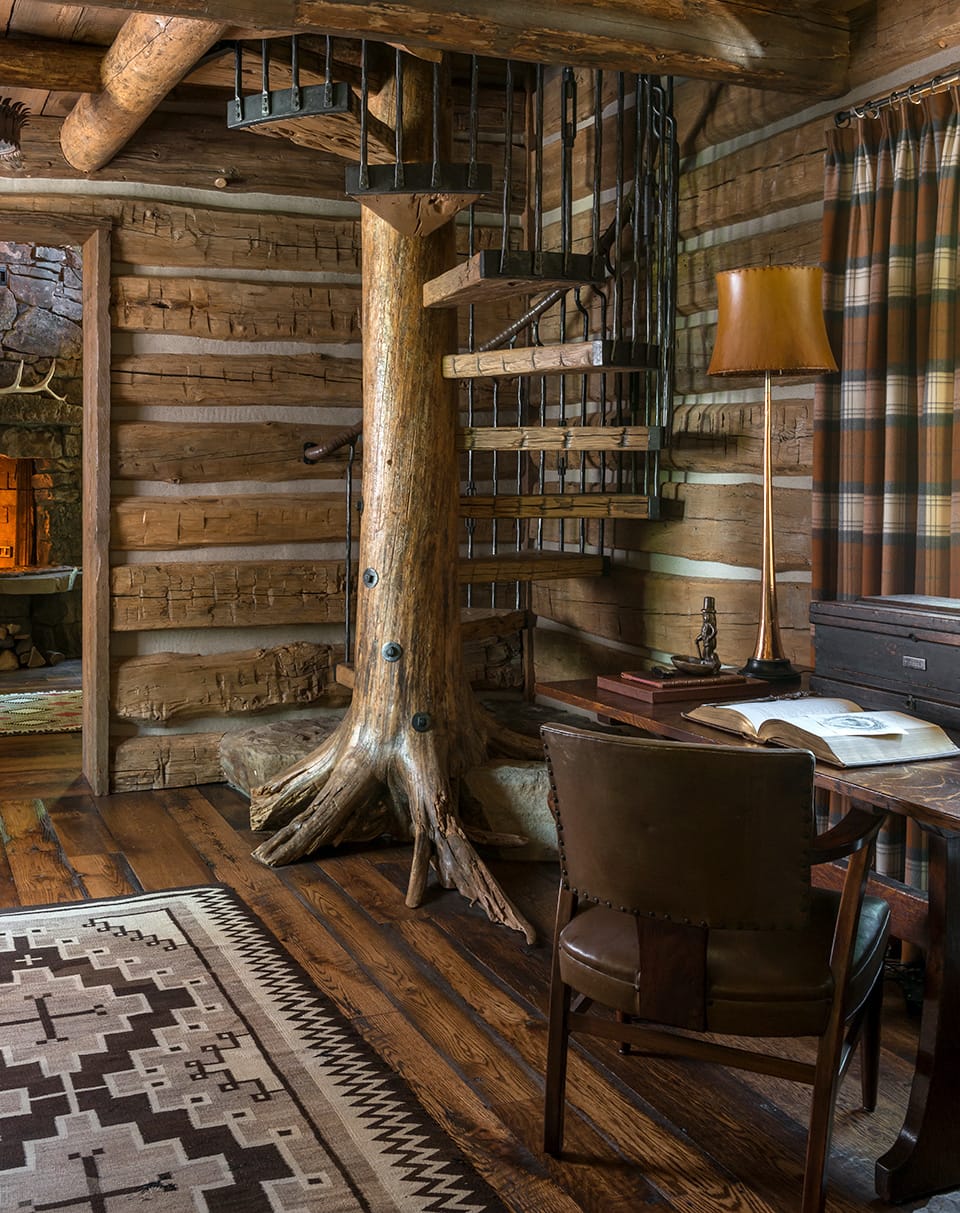
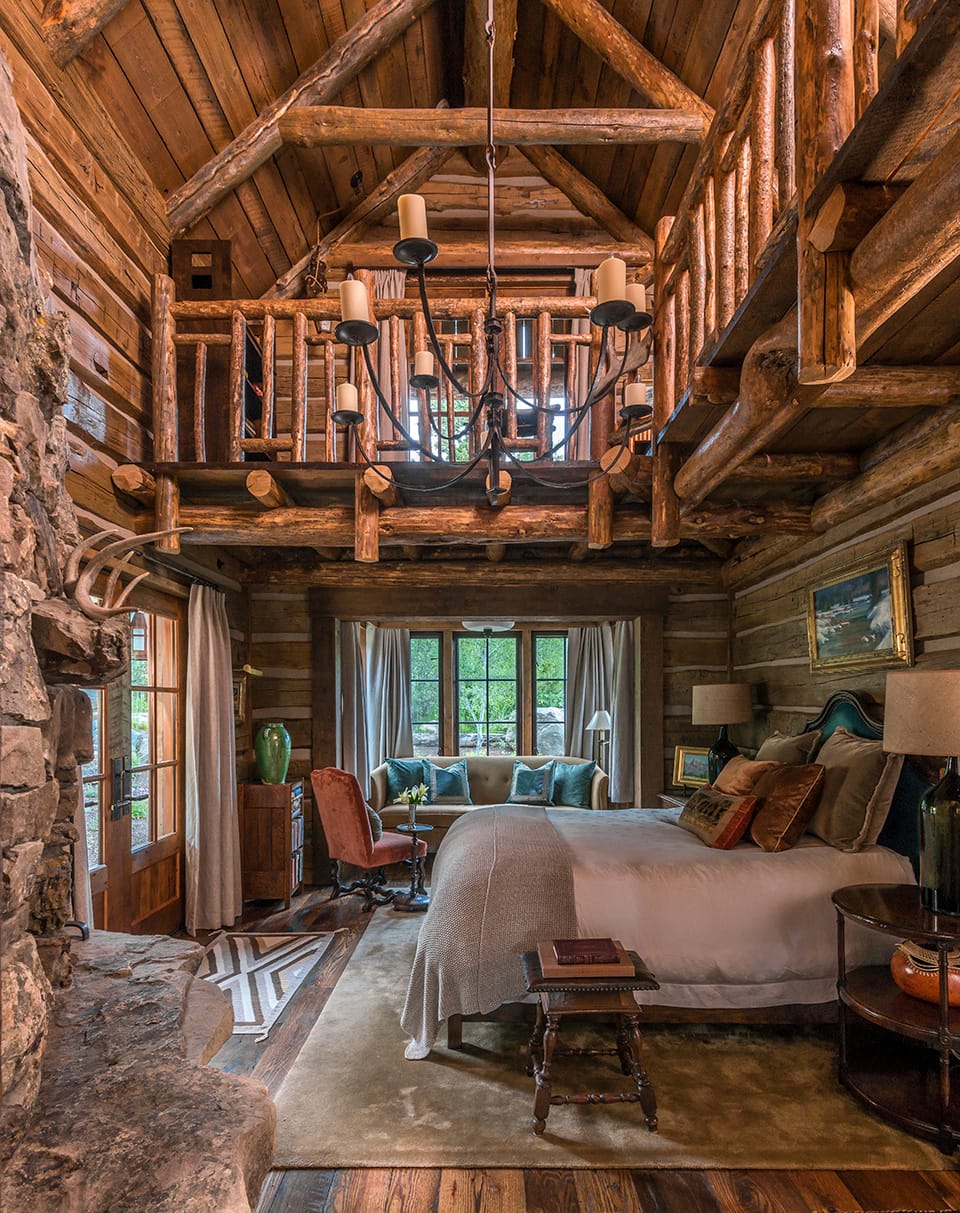
This attention to detail and honoring of regional history requires conscientiousness for everyone involved. Abby Hetherington, principal of Abby Hetherington Interiors, says, “What I appreciate about YT is how they take their time… time to contemplate, time to consider, time to truly craft. Whether I’m engaging with an owner or a cabinetry maker in the shop, any crew member will slow down, listen to the ideas being presented, and formulate a solution that is authentic to the project. This is how they carry on the design and construction traditions of our Yellowstone region.”
Laura Fedro, principal of Laura Fedro Interiors, and another frequent design partner with YT, corroborates this observation. She says, “The work we do as interior designers is only enhanced by the craft and attention of the YT team. Good design takes time, and good design isn’t real until it’s built. I trust the YT team to honor the intent of the design and execute it both holistically and meticulously.”
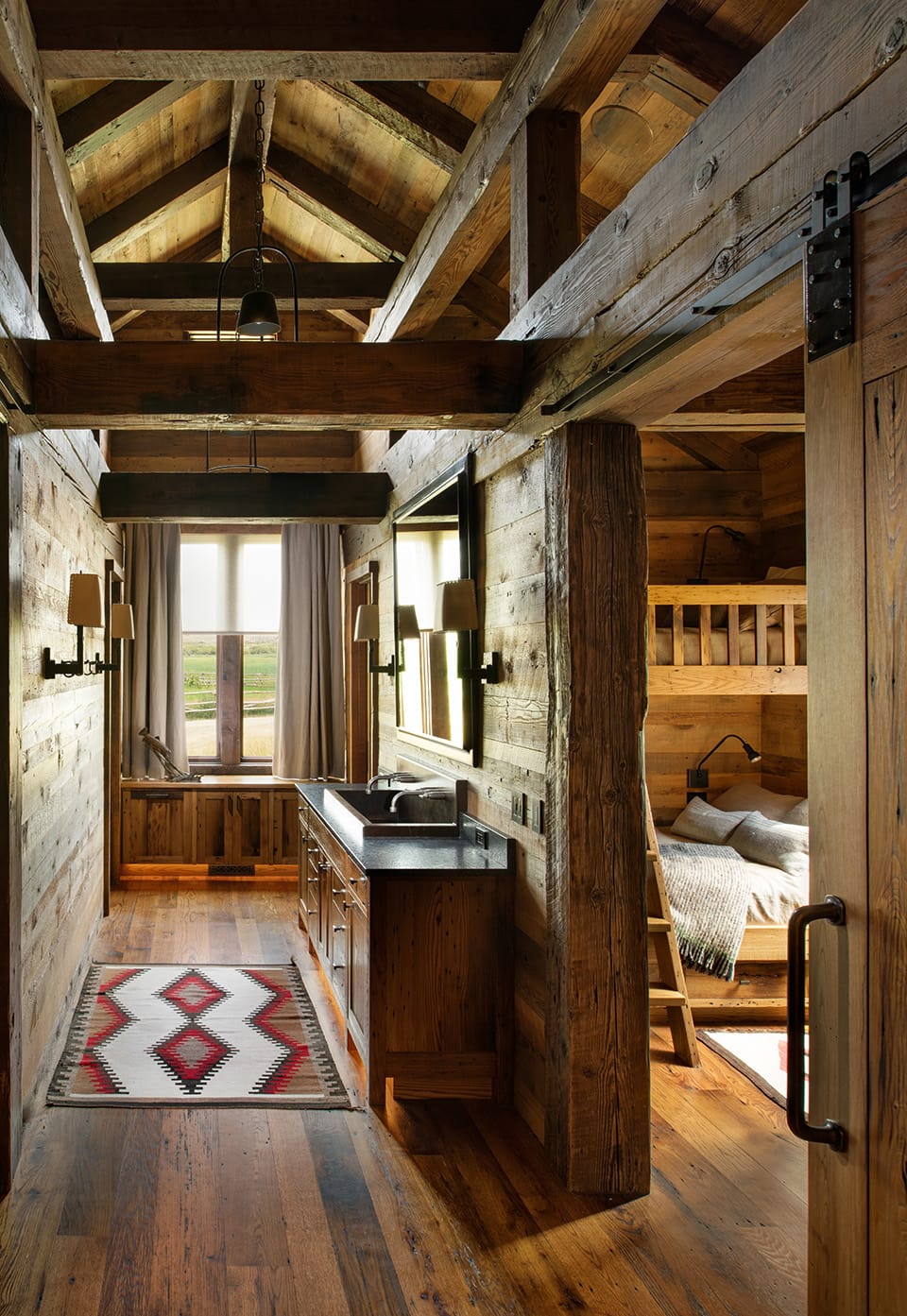
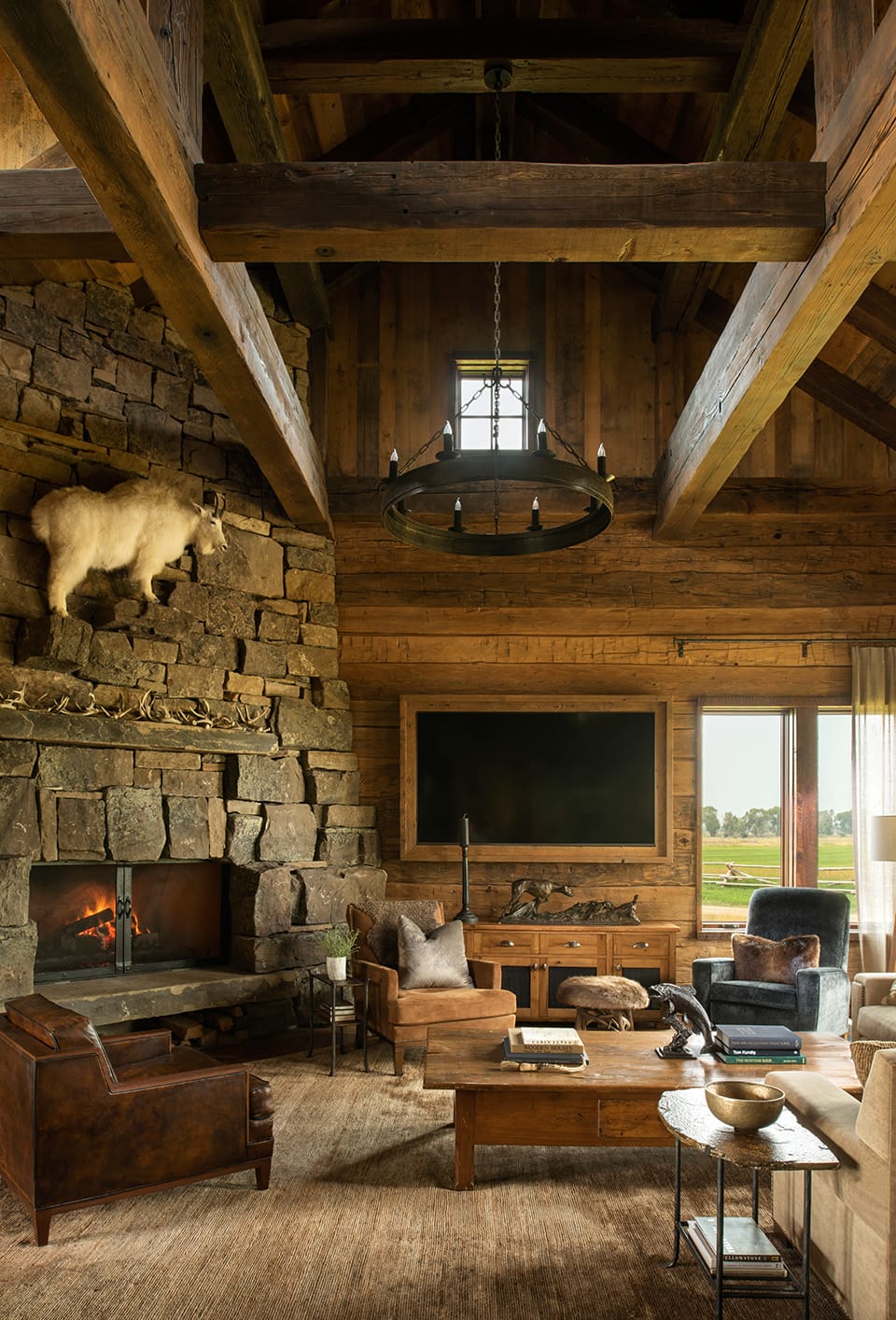
Yellowstone’s place in history and its architecture influences places being constructed in the present. Ron Adams says, “Old buildings tell stories. I sometime imagine what people experienced in these old ranch houses, barns, and outbuildings. The families that lived there and the hard work they had to do. When I’m in Yellowstone with my own family I imagine what they experienced 100 or 150 years ago—how they travelled and where they stayed. Many of the structures we build tie us to those people and their history.”
Honoring the West’s hunting, fishing, farming, and ranching heritage
What did the land provide in the past and what does it provide in the present?
When the West was the frontier, hunting, fishing, and agriculture were necessities for survival. During the homesteading period, materials found on the land—stone, wood, grass, and soil—were used to build shelters for people, domesticated animals, and equipment. The environment had to provide. Early settlers had to be resourceful and creative as outside resources weren’t easily available.
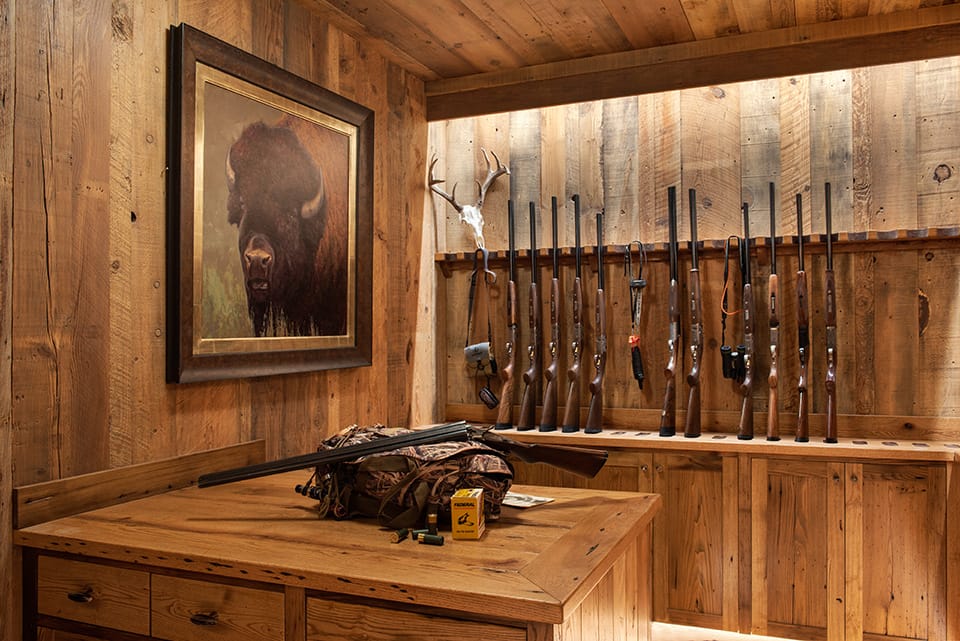
Today, hunting and fishing remain a part of our Western traditions, all be it as mostly recreational pursuits. YT has not forgotten this history and collaborates with clients, architects, designers, and fabricators to honor this heritage.
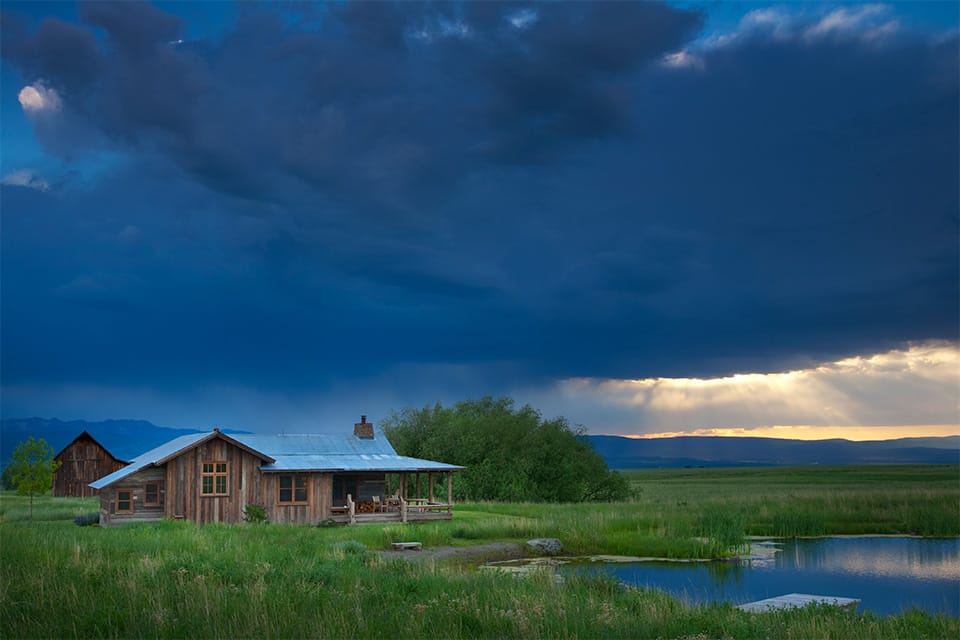
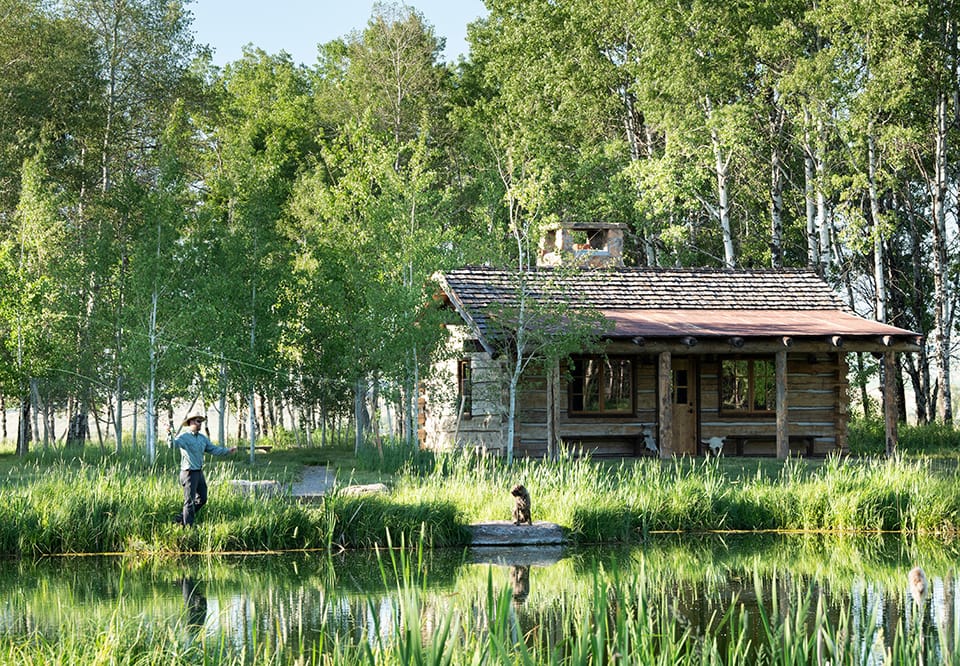
An owner of a piece of property along the Big Hole River enlisted Faure-Halvoren Architects and YT to build a cabin along its banks. Kipp Halvorsen, principal architect, says, “When you see the cabin from afar, you think, ‘That is a modest, old homesteader cabin.’ That is the intent. The ethos of the place is simplicity. The family simply wants a quiet place to escape the buzz-i-ness of urban life. They want a retreat where they can decompress in a natural setting.”
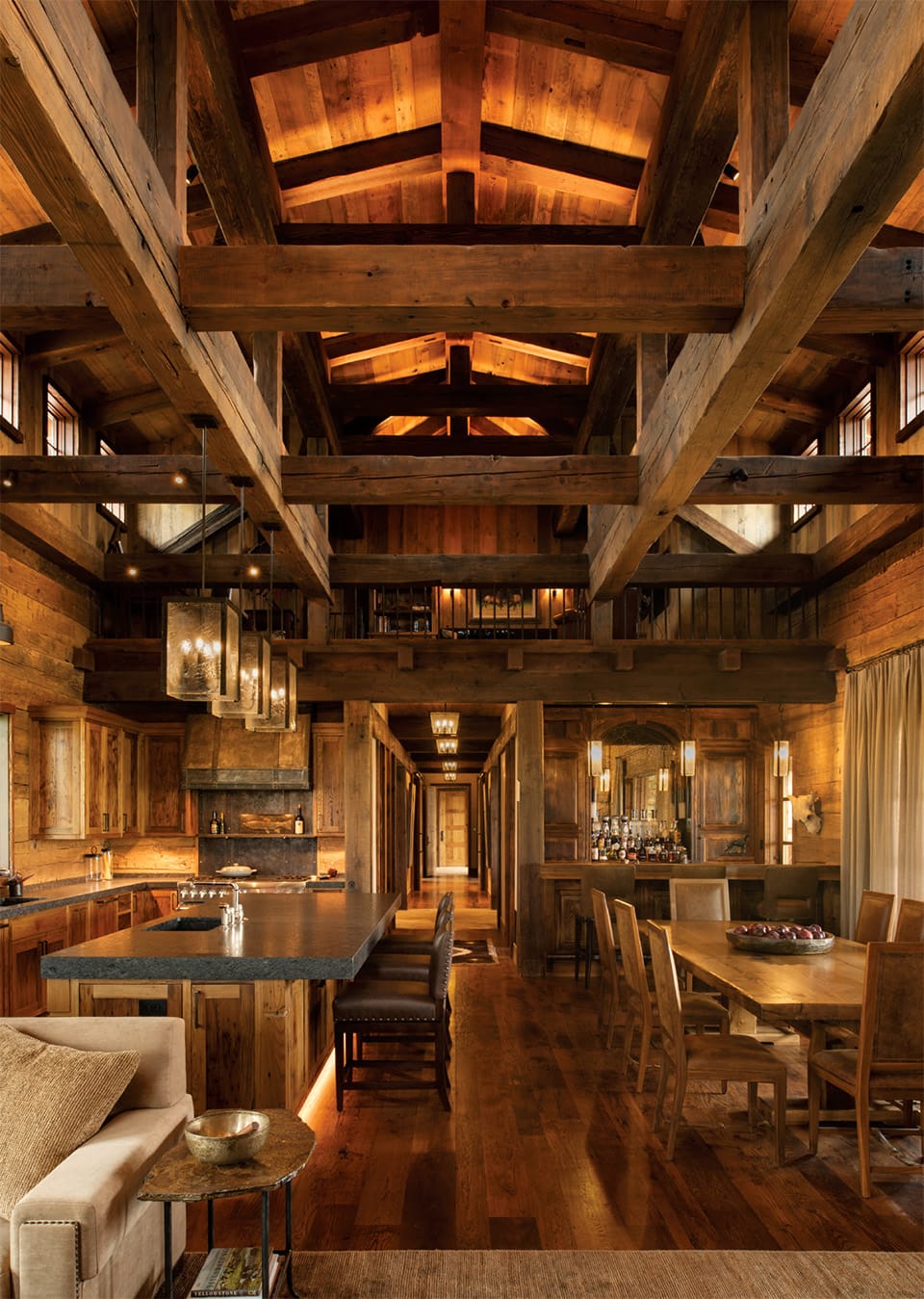
The cabin was built with logs milled directly on-site. The antique oak flooring and hewn timbers are a perfect complement to the custom cabinetry, furnishings, and doors crafted by the YT Shop. Adding textural structure to the space, the cabin features hand-forged cabinetry and fireplace screening. Native Montana moss rock, reclaimed wood, and rusted metal roofing create a natural harmony with the surrounding landscape.
In many regions of the West, land is not solely valued as agricultural enterprises, but as recreational properties. Historically, most farms and ranches were appraised by accounting for their gross revenue minus costs and overhead expenses. Today, they are also appraised for their access to fishing, views, remoteness, and wildlife. The land’s heritage is an intangible commodity being sought.
The team at YT understands their projects’ intent because they too are part of this western heritage. Justin Bowland, one of the principals at YT, reflects on his 30-plus years with the company, “My father was a builder, and I was always around construction since I was a little kid. We lived in the West Yellowstone area with access to both the Park and the fishing and hunting that the region offers. I’ve witnessed the changes over the years with how land is valued and how it is used. The plus side with recreational landowners is that they are here to preserve what all of us grew up with—open country, pristine rivers, and wildlife habitat. I’ve had the honor of sharing these values with them and helping them become good stewards of the land and its heritage.”
Historic themes in contemporary contexts
Tradition doesn’t mean “antiquated.”
Renovating any building in a city’s historic district inherently creates many unique challenges. Laura Stanley, a principal interior designer at Story Street Studio, found a modest, craftsman-style home near Cooper Park in central Bozeman and was inspired to make it her own. The design of the house needed to be historically accurate both inside and out while still being up to date in terms of functionality.
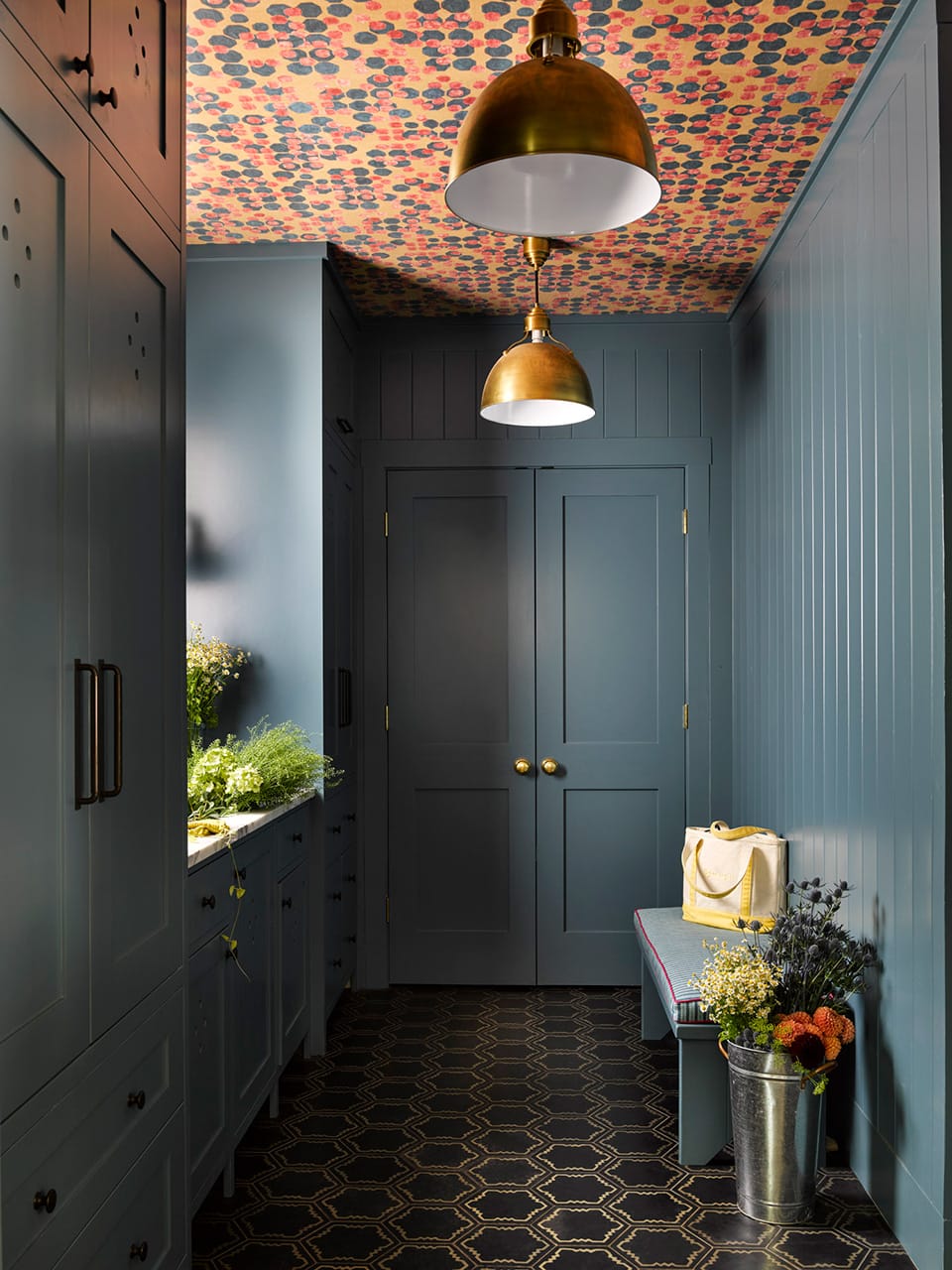
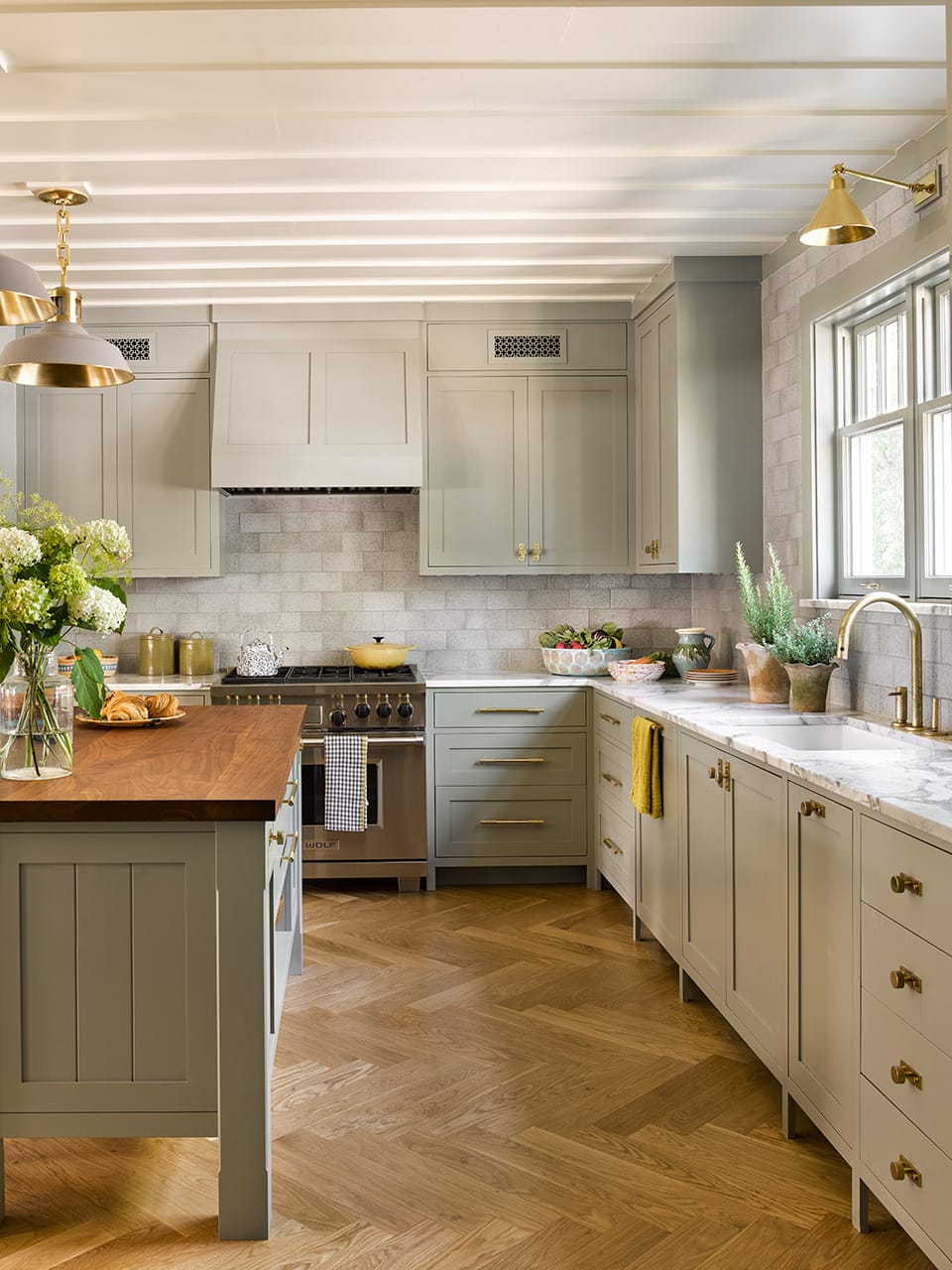
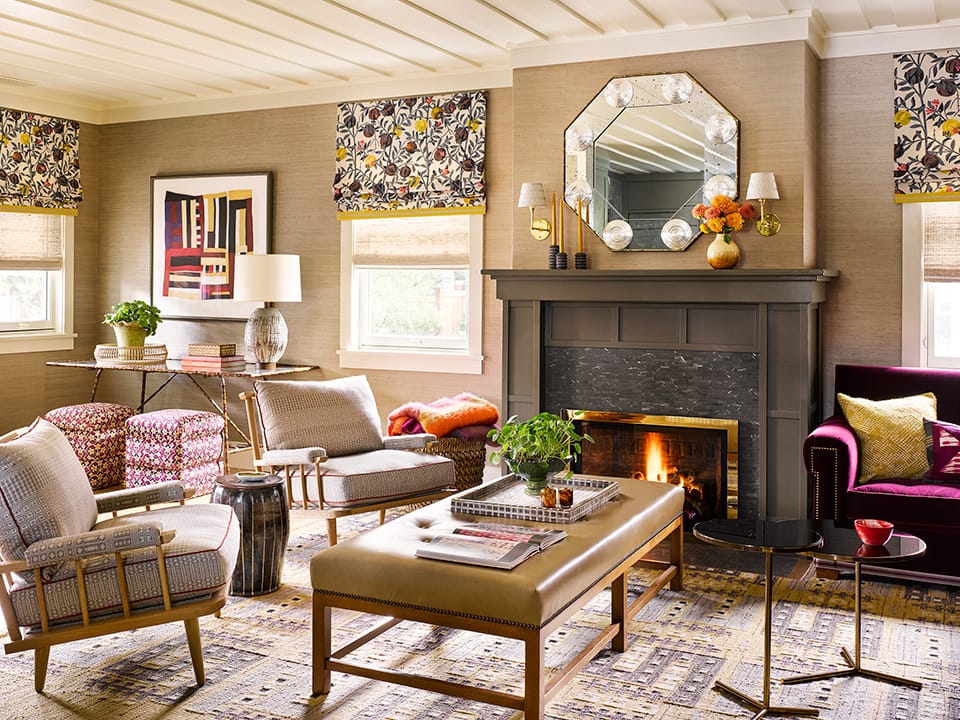
She was familiar with YT as they had built her brother’s home in Bridger Canyon, a more contemporary house in a rural and alpine environment. While YT wasn’t known for in-town remodels, she knew that integrity, personality, and general craftsmanship were more important than the execution of a particular style.
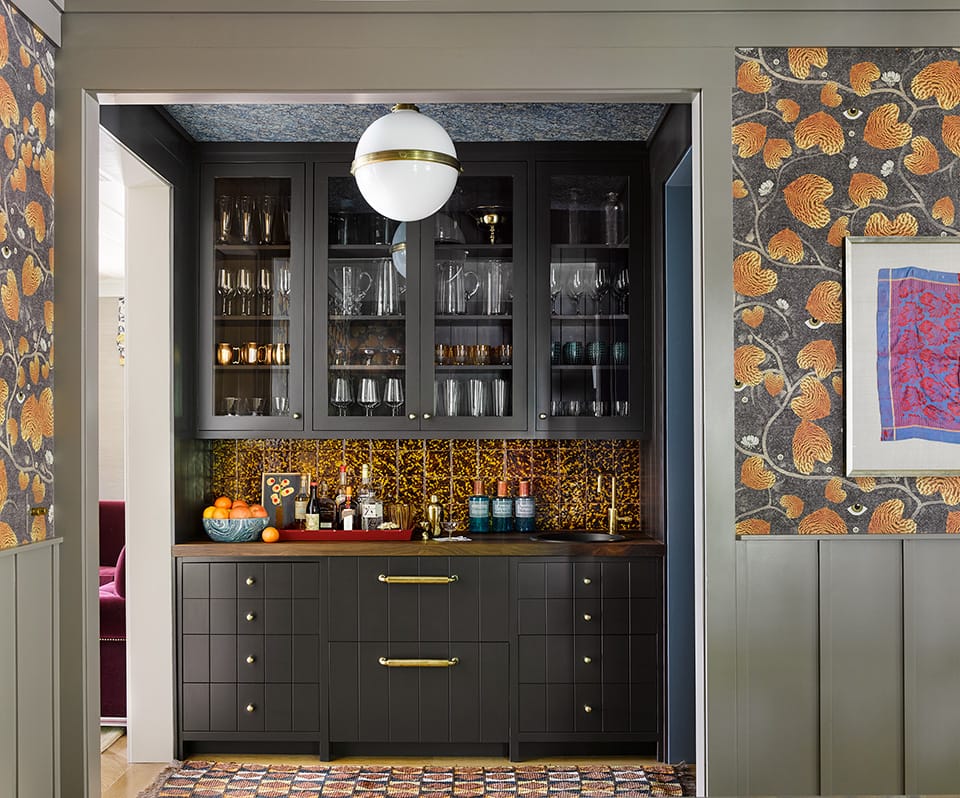
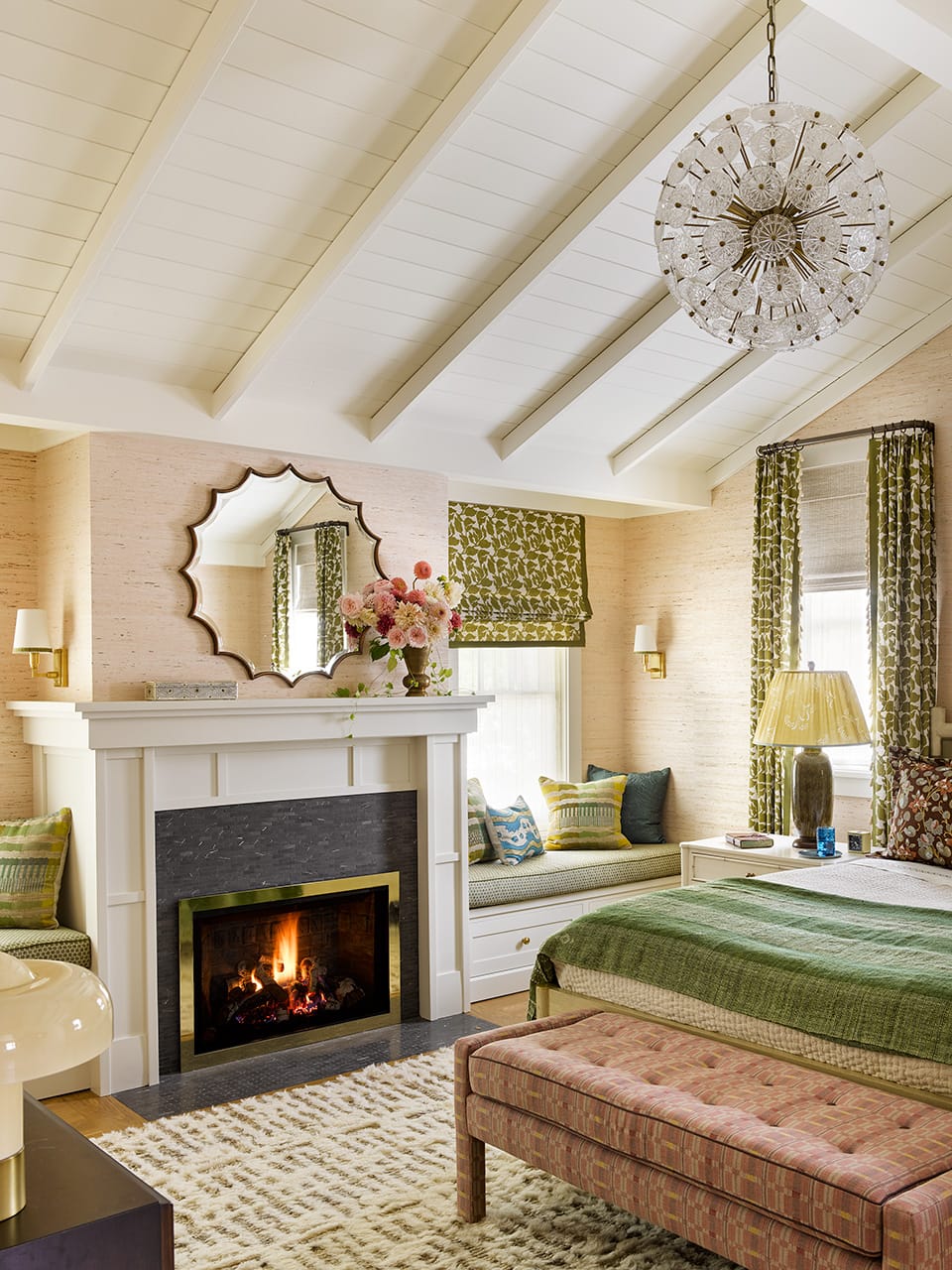
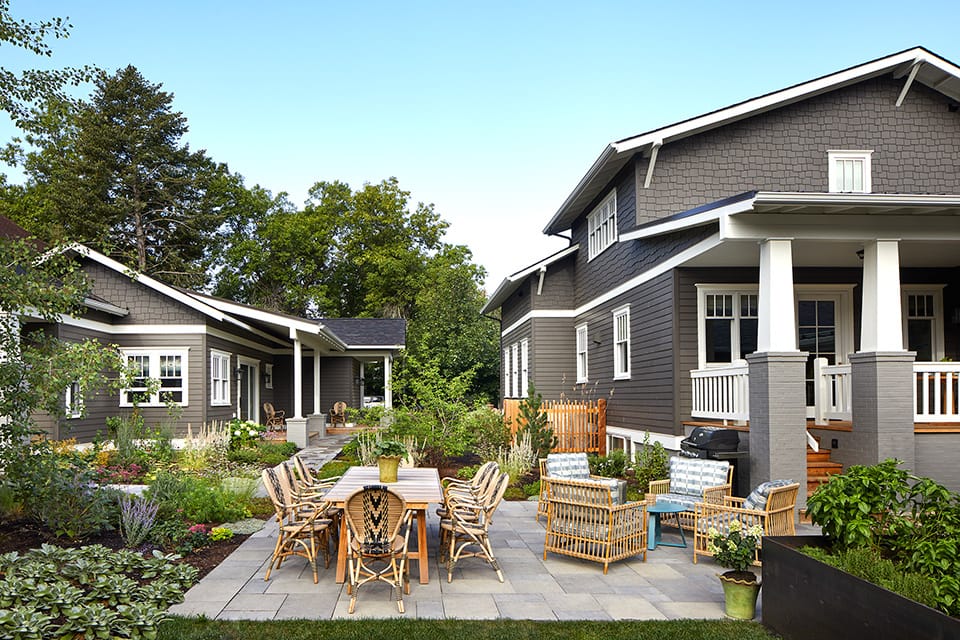
Laura says, “The entire YT crew were good listeners. When I came onto the jobsite—the house that was to be my own home—each member of the crew accepted my input, were open-minded, and took real joy in creating something novel based on something historic. This approach is modeled by Tim Blazina who was the senior YT lead on the project. When we met, he too had the same curiosity and appreciation for the classic nature of the project, but, at the same time, understood the need to build for the present.”
Building On The Heritage Of Yesterday
The Continuity Of The YT Legacy
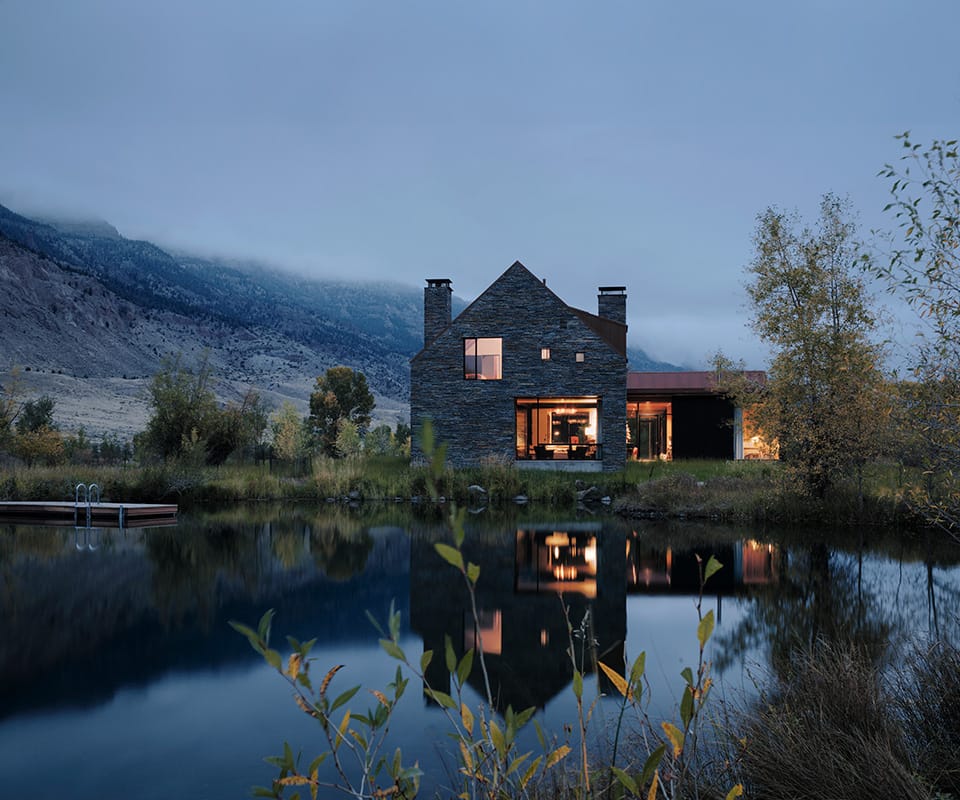
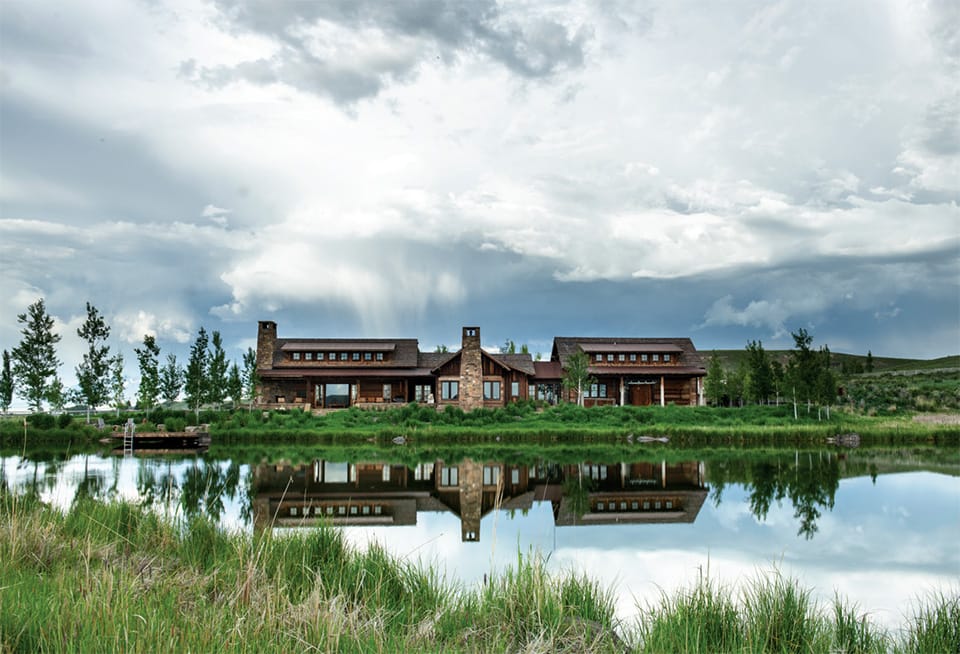
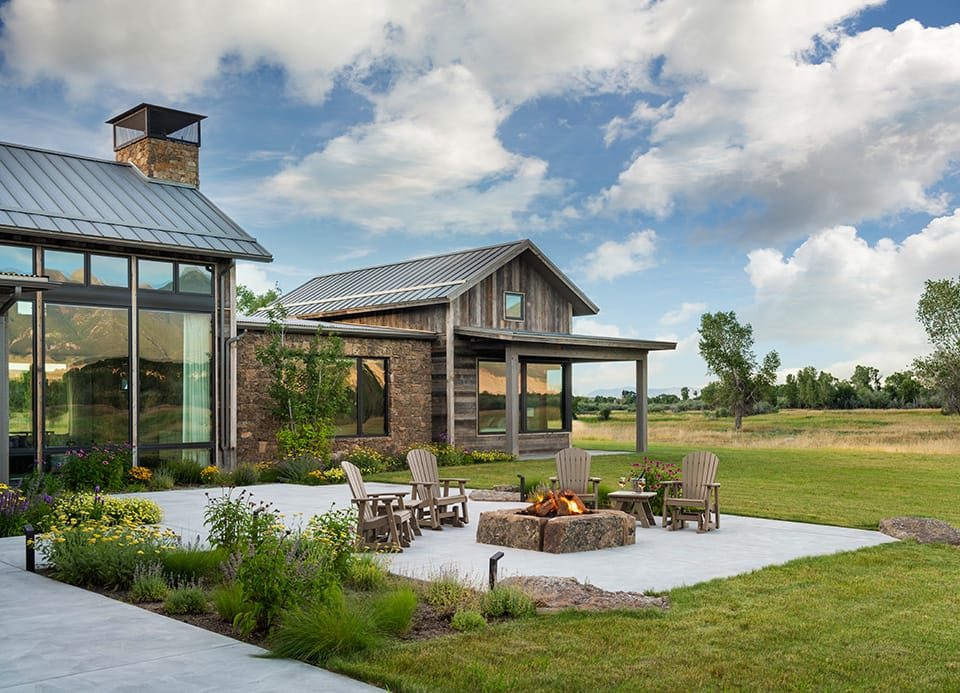
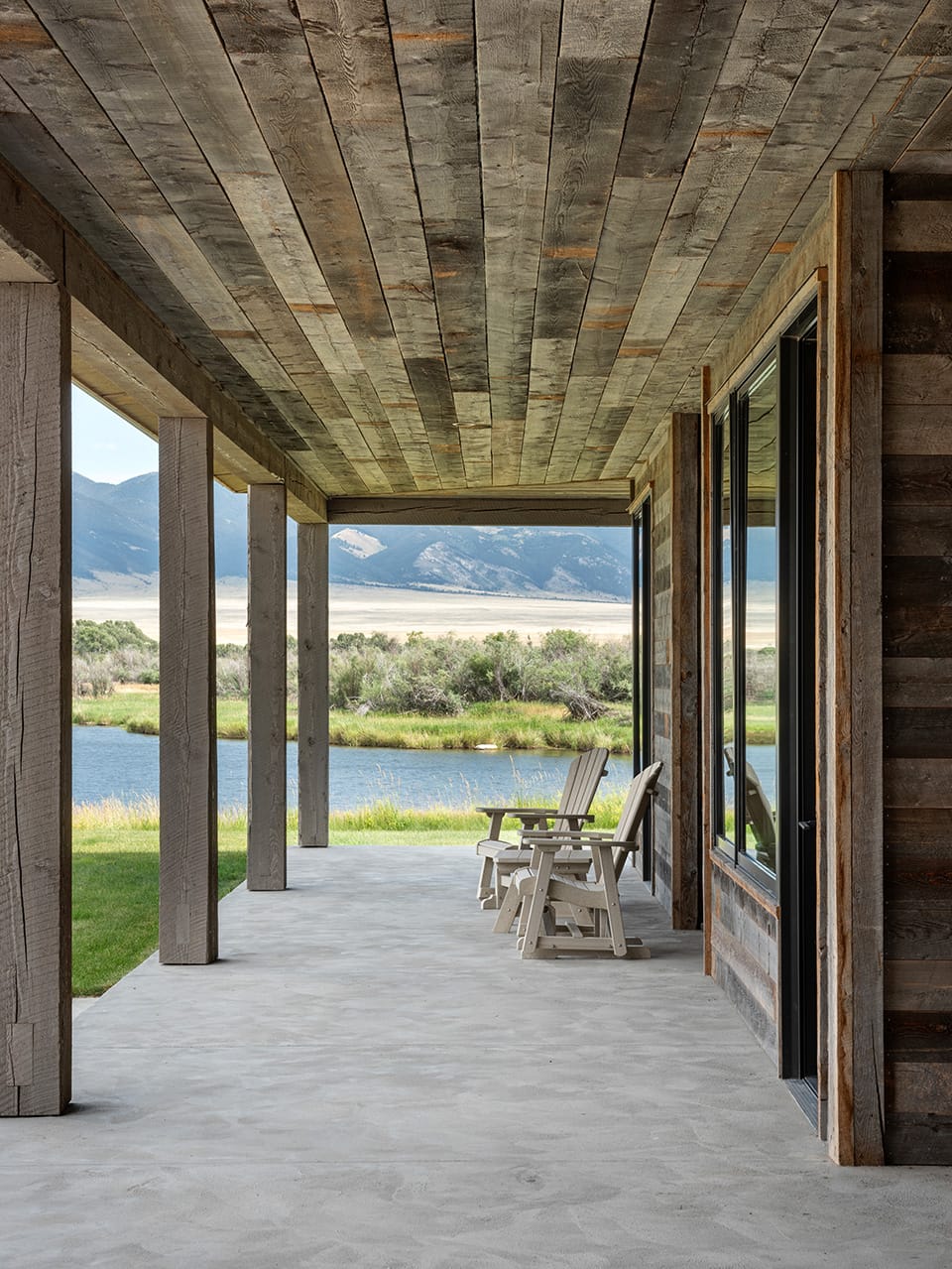
For a four-bedroom, 5,700-square-foot home built along the banks of a Montana river, YT was tasked with blending rustic textures with a more contemporary feel. Aged grey coral board, Montana moss rock, and a bonderized standing seam roof integrated the home into the landscape. The home has expansive windows that give its occupants views of the surrounding open rangeland and mountains.
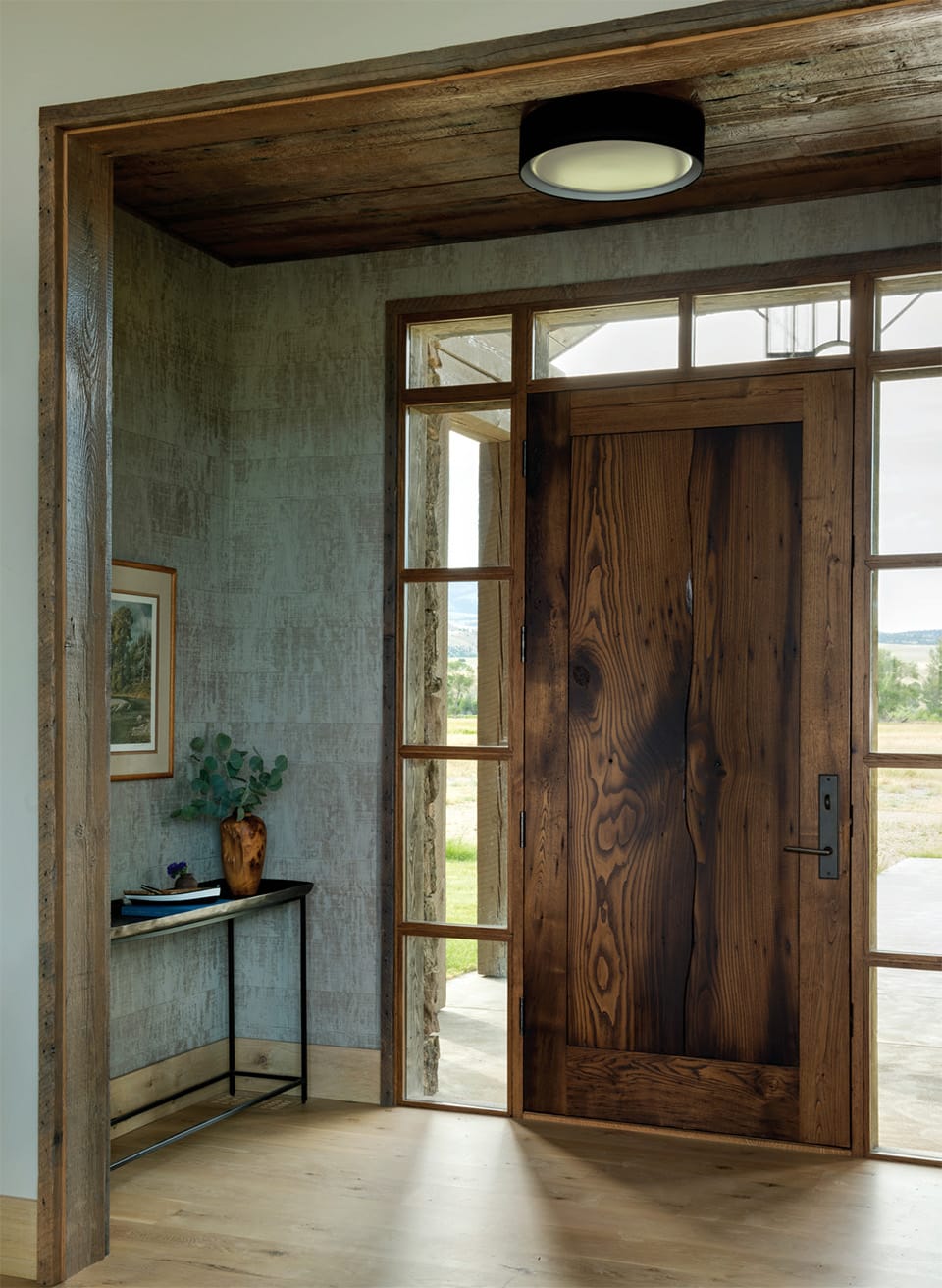
Nicole Adams, YT’s Executive Assistant, says, “While much of our work may seem traditional, we do live in the present. We embrace contemporary construction techniques and materials. Many of the homes we build have cutting-edge technology, although they may look simple and rustic. YT is in its second generation of owners and the three principals, while entering middle age, are still young… young in their thinking, open to new ideas, and still enthusiastic about what YT creates. For this particular home, we wanted the feel of the country while offering modern amenities.”
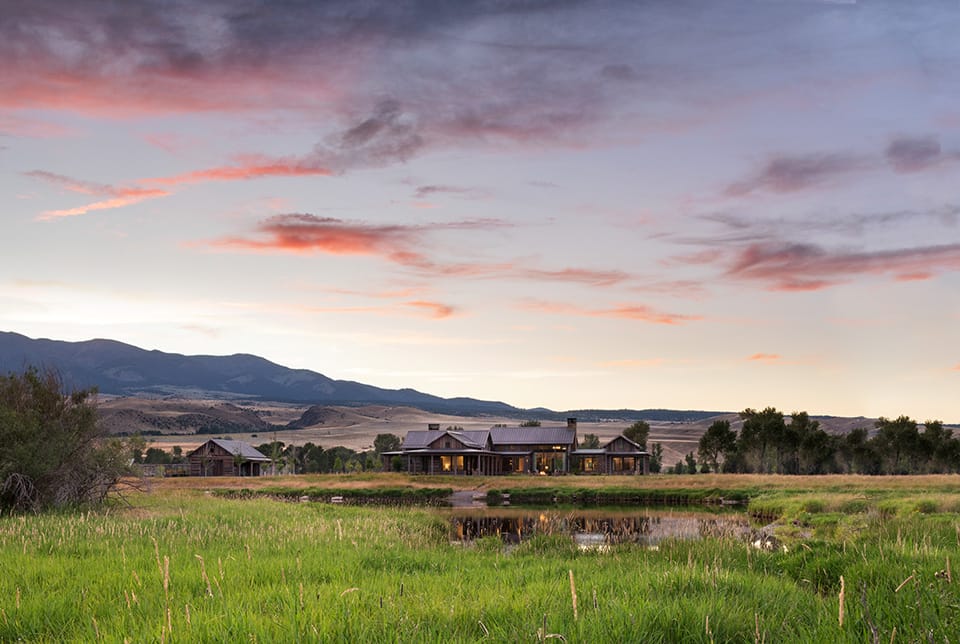
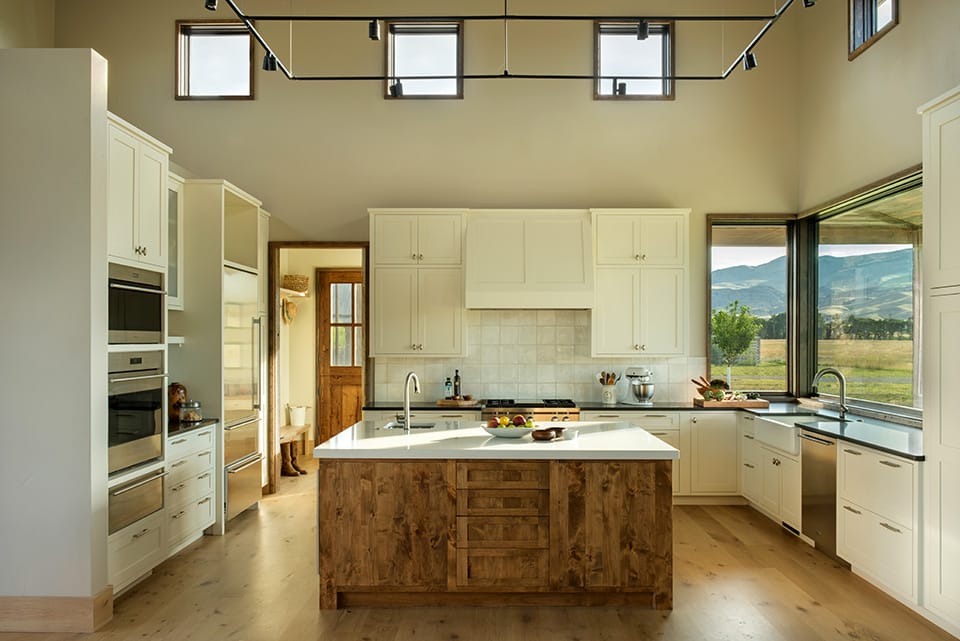
This was achieved by integrating older materials throughout the property—from the walkway paving to the interiors to the low-slung rooflines. The YT team found timbers from an original bridge and used reclaimed white oak for the flooring. At the same time, they opened the space with white walls, oversized windows, and vaulted ceilings—creating an airy and contemporary feel while preserving the rustic nature of the property.
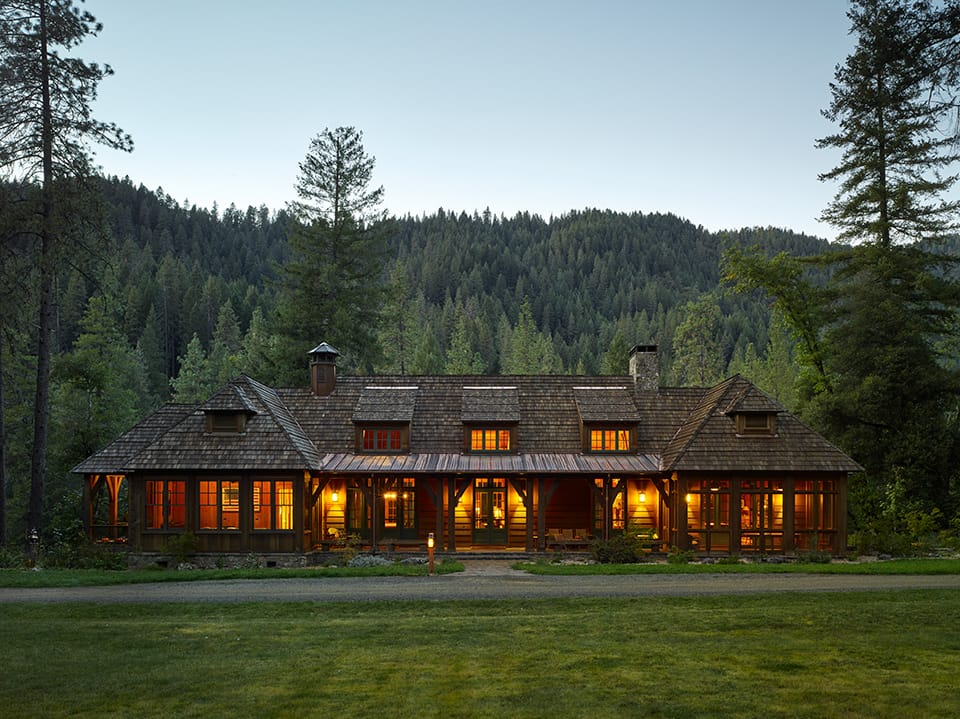
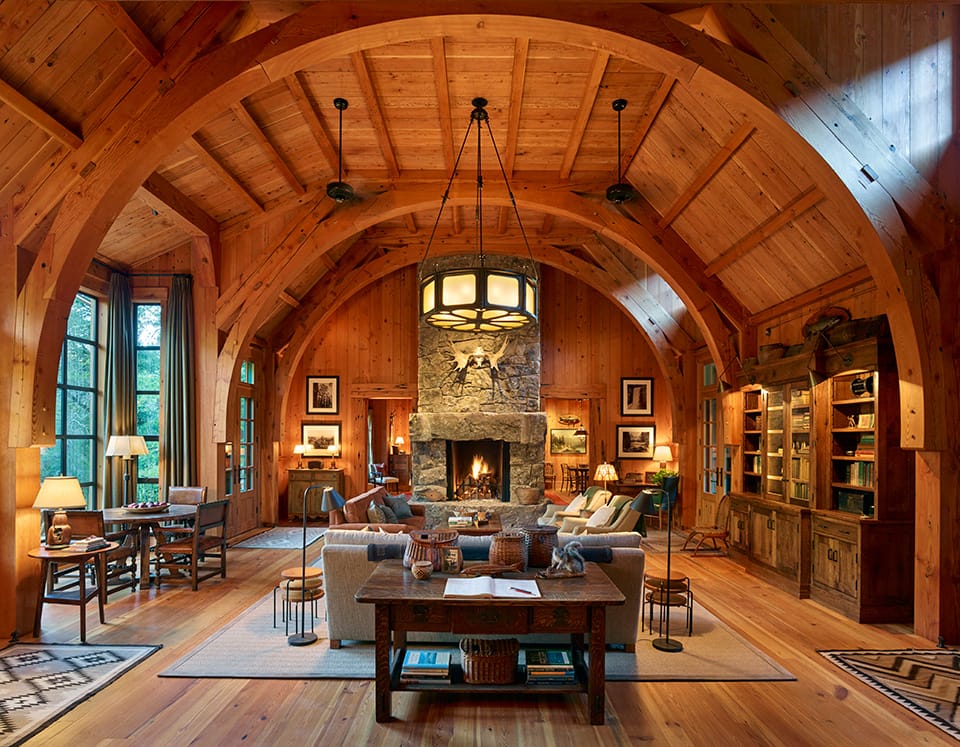
The story of YT is revealed by structures that can’t speak. In the logs, planks, stonework, flooring, and walls of YT projects are tales that are rooted in the heritage of the West, the architectural traditions of Yellowstone, and the region’s past and present occupants who find meaning in the region’s open spaces and landscapes.

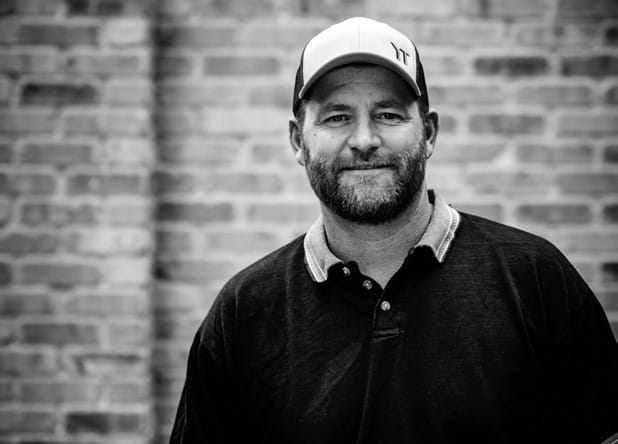
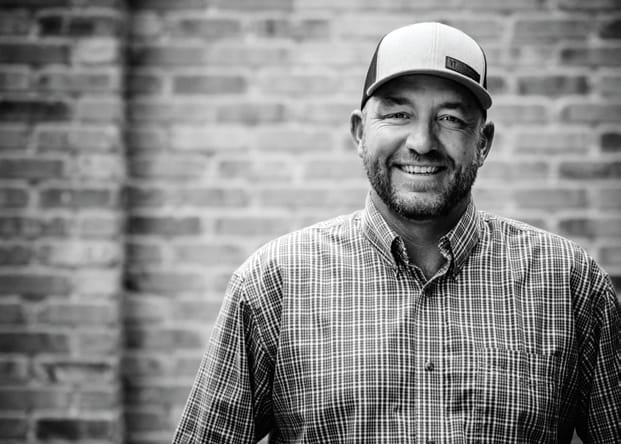
YT’s legacy is not attributed to one individual or even several individuals, but to the hundreds of contributors who, over the years, make their own imprint. Those crew members and partners bring their unique talents to serve a greater mission. Having worked on multiple projects with YT since the early 1990s, interior designer Bill Peace, principal of Peace Design, reminisces, “On my first project with YT, I walked onto the jobsite and heard classical music—not what one would expect in the rural West. As I got to know the crew, I realized that each member was a true craftsman. Many had college degrees and certainly could do something else, but they chose to practice their craft, and they chose YT because of the authenticity of YT projects. Though the choice of music may have changed over the years, the dedication to the craft of homebuilding has never wavered.”
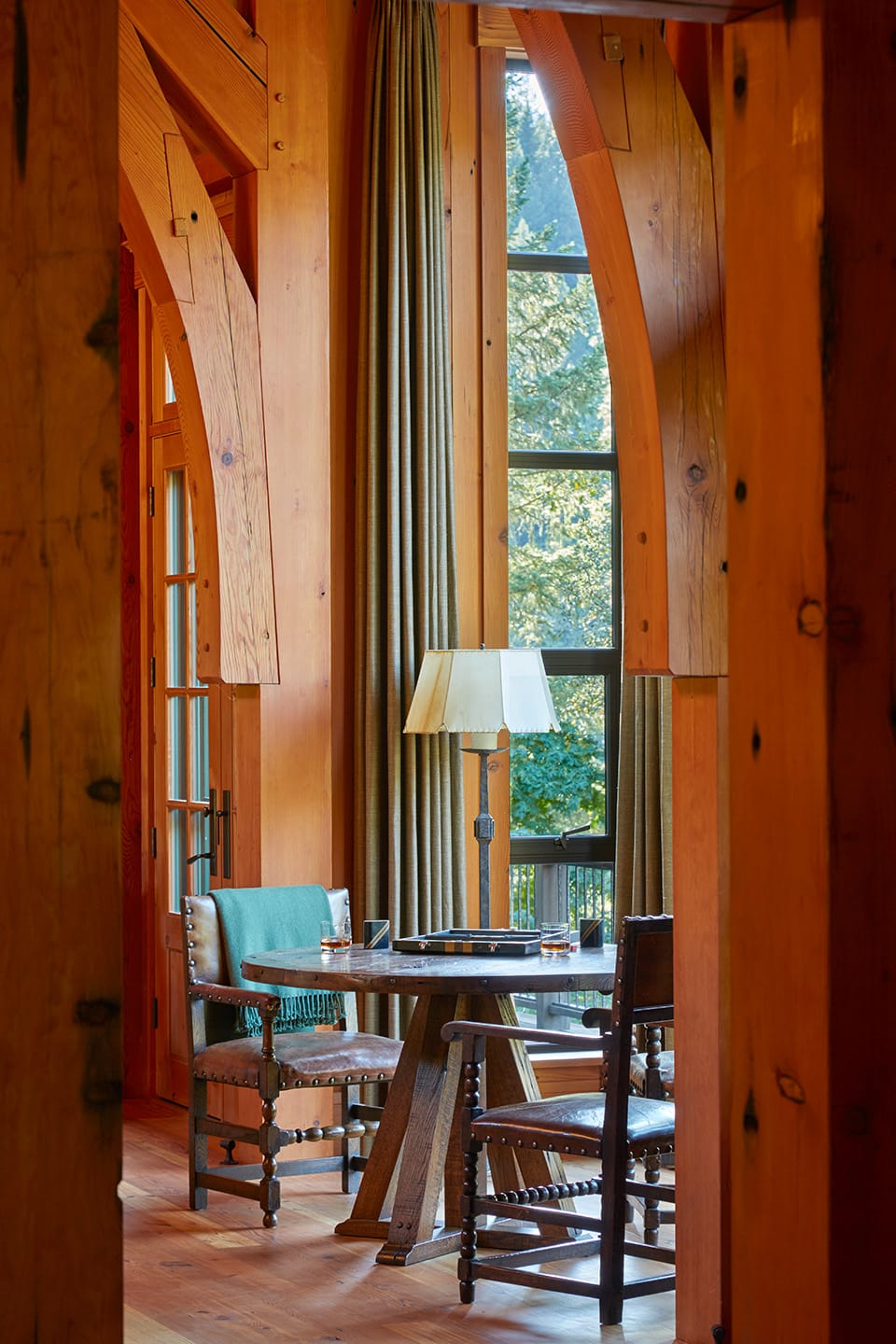
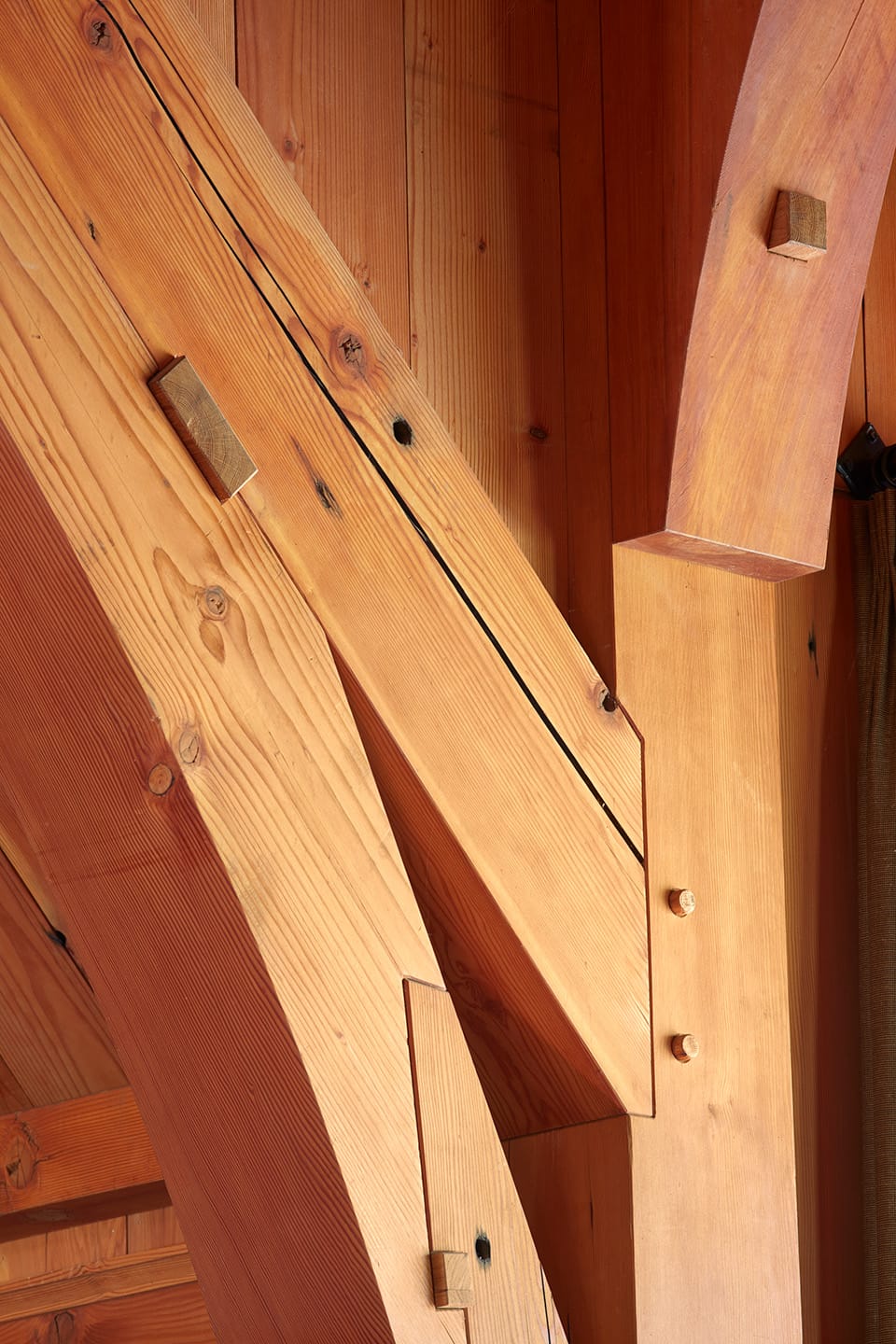
Another frequent building partner, Matt Miller, a principal at Miller Roodell Architects, says, “YT is the ultimate partner for blending innovation and functionality within the timelessness of the Western vernacular. YT is a testament to the collaboration among the stakeholders—clients, architect, interior designer, landscape architect, and builder. An open-minded team player, YT challenges the limits of craftsmanship in supporting the vision of the project.”
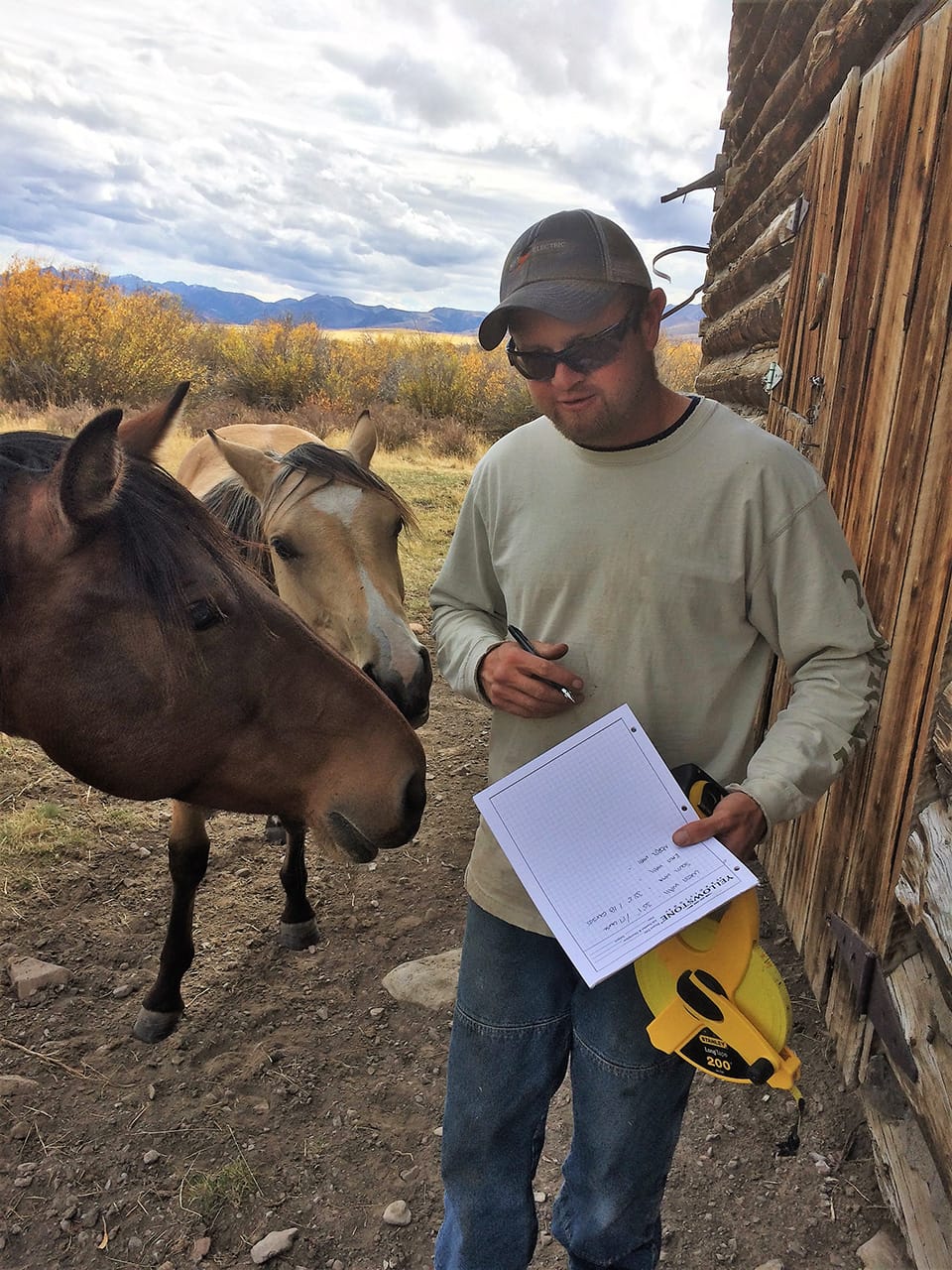
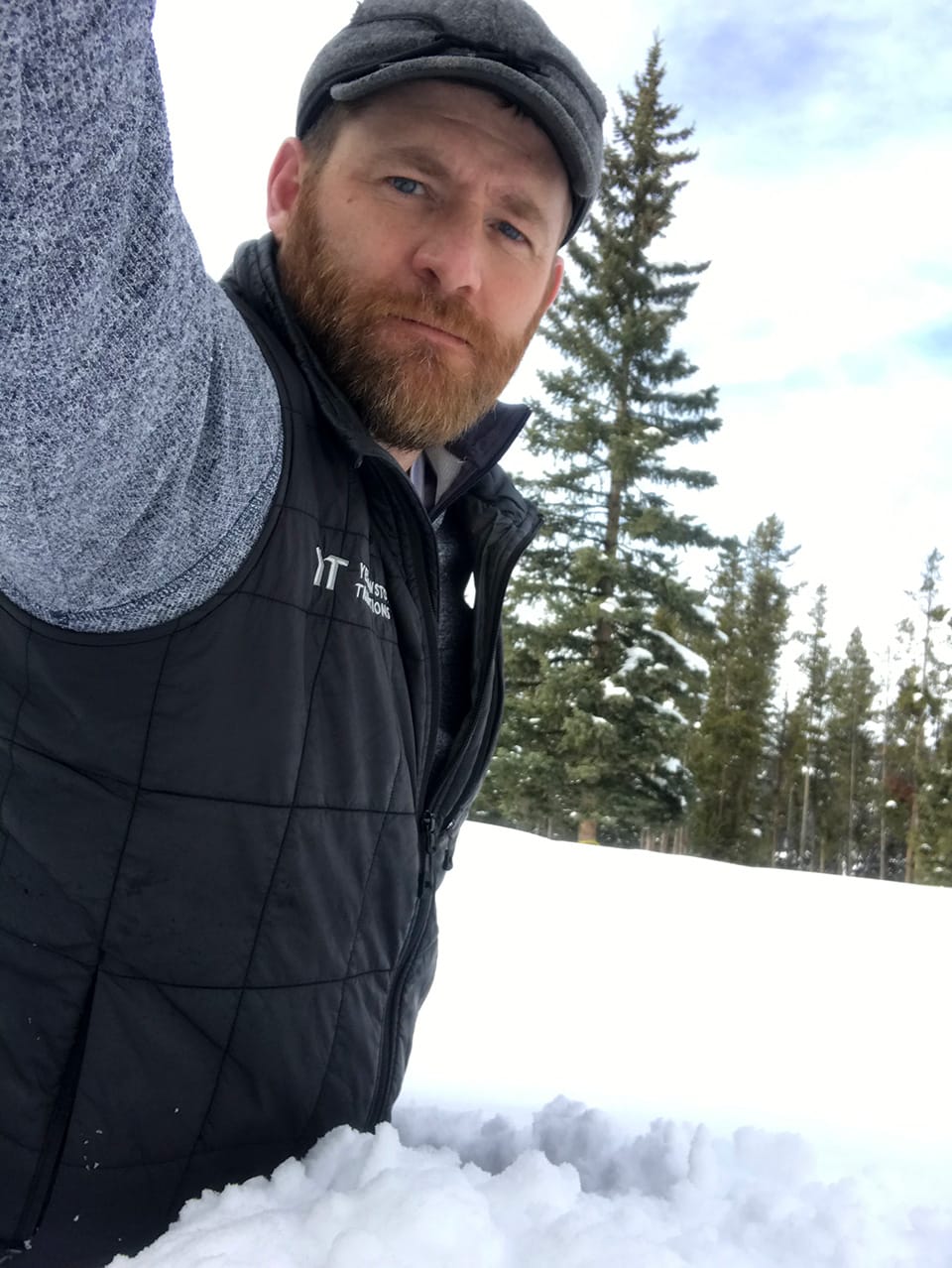
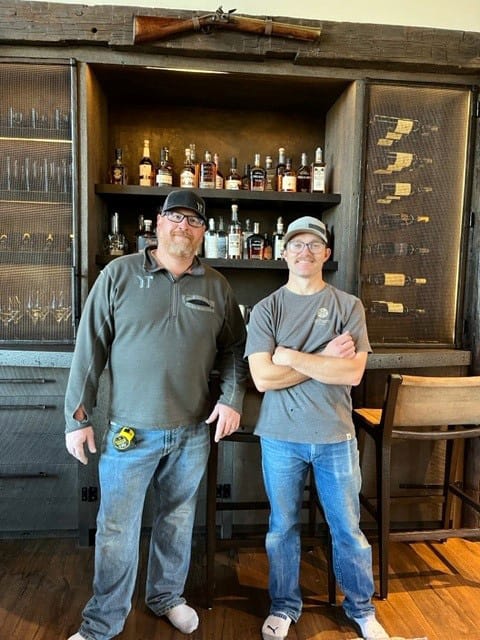
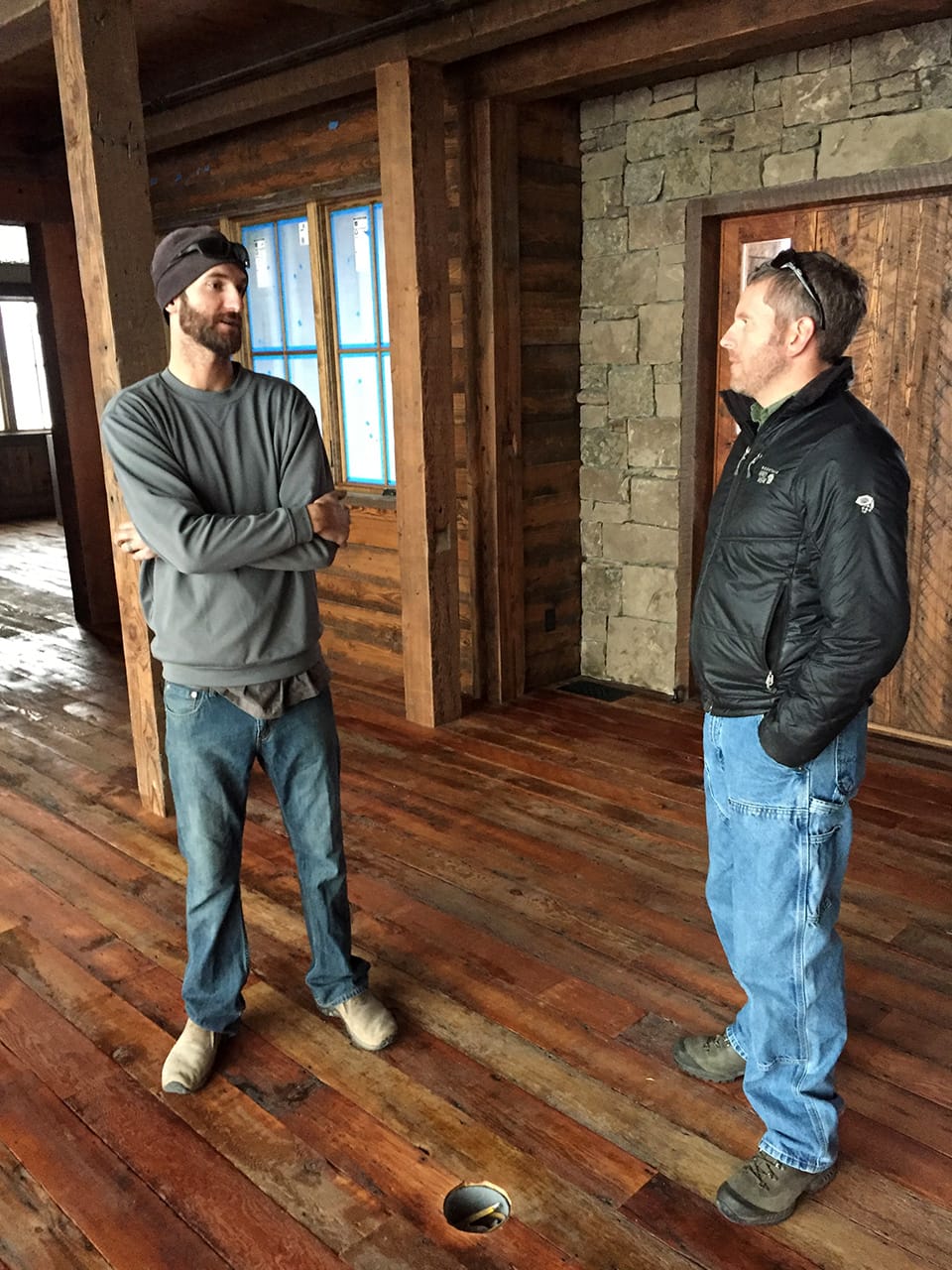
Justin Bowland says, “One of the biggest compliments to our work is when a second or third homeowner decides to make their YT home their permanent home. That thoughtfully and carefully crafted home has connected them to that stunning landscape, so much that they want to be full-time residents. Their vacation home becomes their legacy property shared for generations to come.” Experience any YT home and walls do talk.
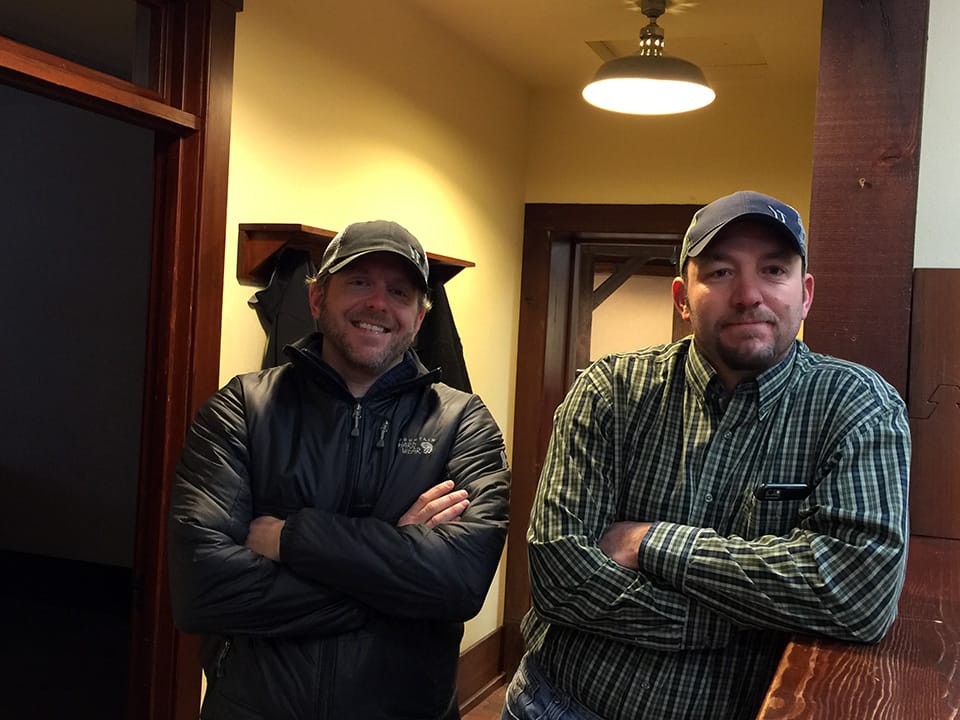
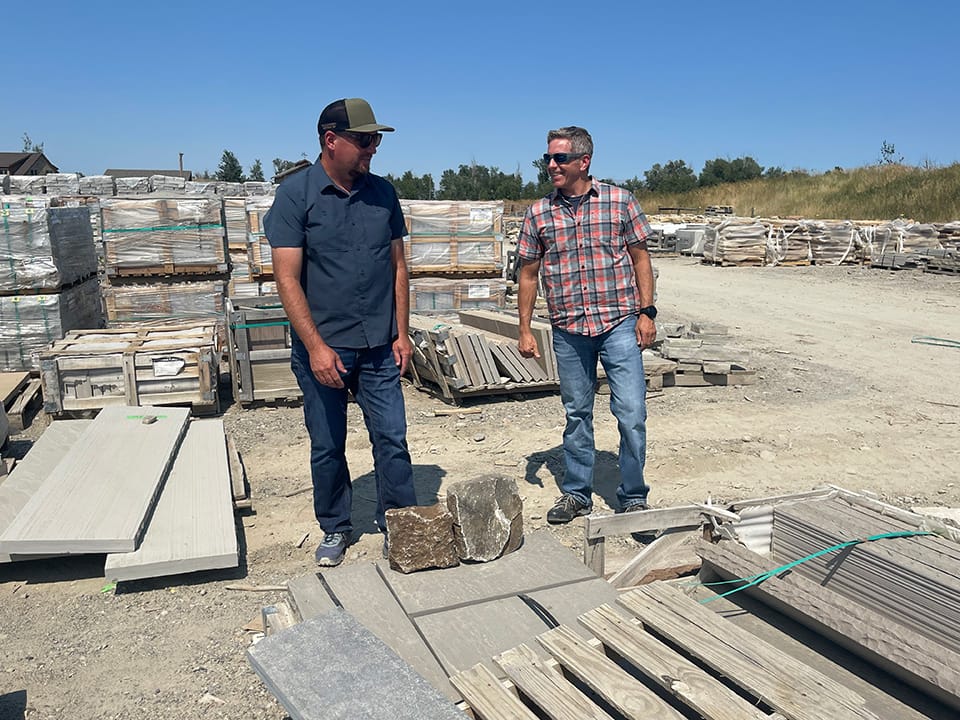
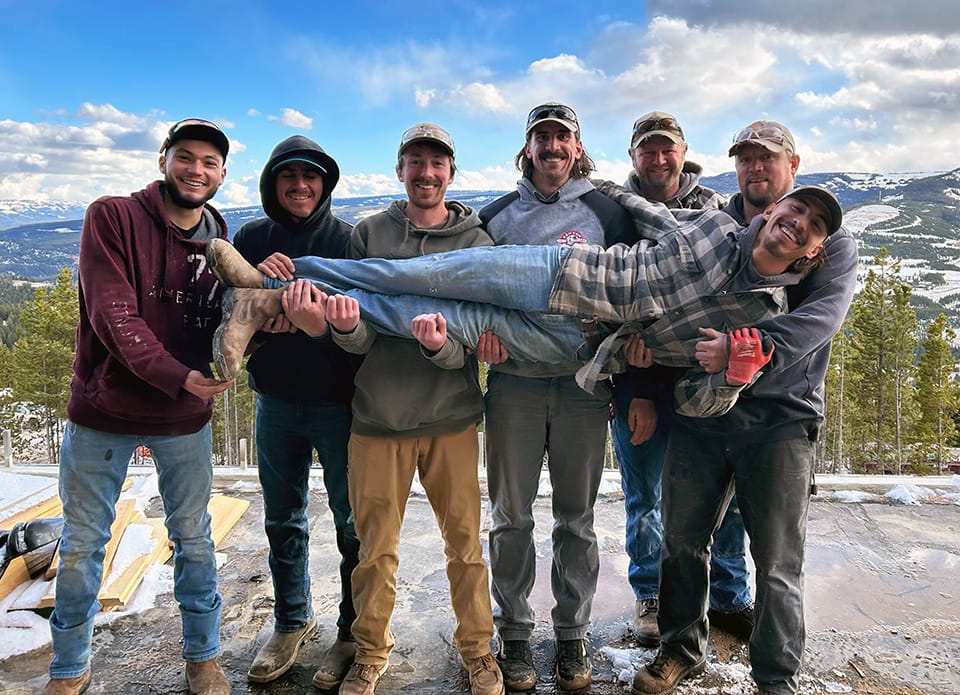
I REALIZED THAT EACH MEMBER WAS A TRUE CRAFTSMAN. MANY HAD COLLEGE DEGREES AND CERTAINLY COULD DO SOMETHING ELSE, BUT THEY CHOSE TO PRACTICE THEIR CRAFT, AND THEY CHOSE YT BECAUSE OF THE AUTHENTICITY OF YT PROJECTS.” –Bill Peace, Principal, Peace Design
whj COVER FEATURE
