
Written by: Jennifer Walton
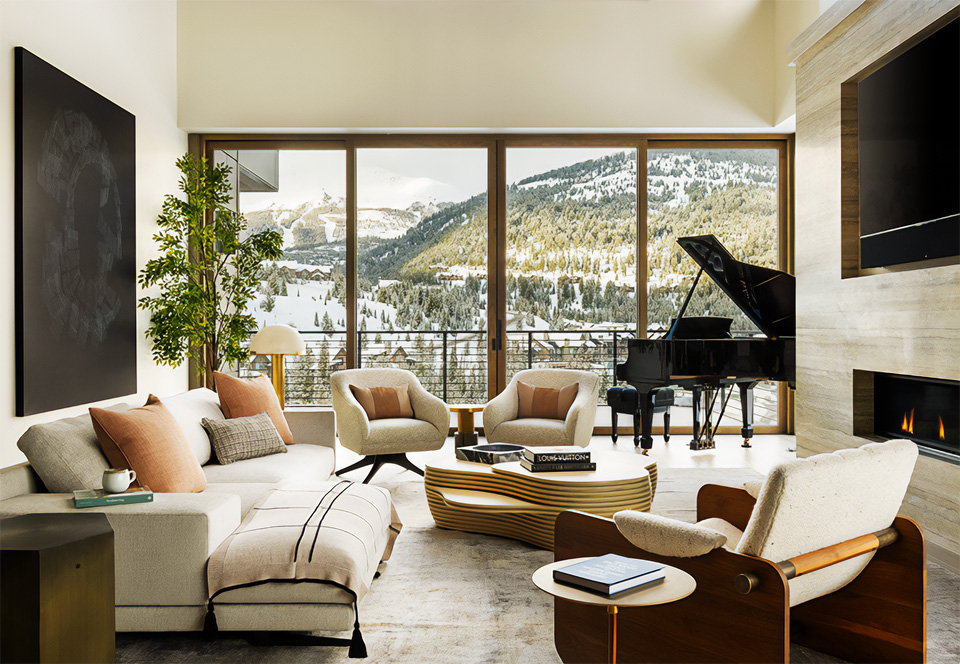
Sarahliz Lawson doesn’t talk about interiors as decoration. She talks about proportion, light, memory, and the thousand decisions that make a house a home. At heart, she is a storyteller. For an interior designer with a tendency to think like an architect, that distinction is everything. In Sun Valley, where the landscape already sets the tone, her work enters as a counterpoint—edited and intentional. What the region increasingly asks of design is depth: homes with warmth, personal history, and a meaningful dialogue with nature. Lawson has an instinct for reading places and people.
A designer with an architect’s eye brings warmth, memory, and personal history to homes shaped by mountain life
The mountains have been on her mind for personal and professional reasons. During the pandemic, Lawson spent a year in Boise and began spending more time skiing in Sun Valley. A colleague later encouraged her to look more closely at the market, and the fit felt natural. “I already knew I loved it,” she says. A Bay Area native who lived for years in Colorado’s Roaring Fork Valley, Lawson is closely tied to resort communities where nature and recreation are part of daily life.
Lawson, founder and principal of Sarahliz Lawson Design, is approaching two decades of experience in luxury residential interiors and boutique hospitality, with work in the Bay Area, Tahoe, and Napa Valley in California, as well as homes in Colorado, Montana’s Yellowstone Club, and Europe. Before opening her studio in 2011, she worked in the Aspen area and contributed to villa restorations and a five-star hotel in Tuscany. She holds a master’s degree in interior architecture from Rhode Island School of Design and a bachelor’s degree in history from Yale, an educational pairing that explains much of her work: architectural discipline on one side, and a reverence for narrative and time on the other.
“I THINK I’M MORE OF AN ARTIST THAN A DECORATOR IN THE WAY I APPROACH DESIGN.”
Her interest in Sun Valley is not about importing a signature look. For Lawson, understanding a place begins with understanding the people who will inhabit it. Community is essential to her approach, and she does not study it from a distance or reduce it to a set of visual cues. It is something she experiences through her clients. Many of the homeowners she works with arrive from elsewhere, bringing distinct histories, references, and expectations. Her preference is not to override those influences, but to interpret them, finding ways to integrate personal taste with the nuances of a place that may be new to them. “I think I’m more of an artist than a decorator in the way I approach design,” Lawson says.
Her approach asks for balance. A house in Sun Valley, for example, does not need to mirror the aesthetic of the town to feel appropriate, but it cannot ignore it either. She sees this as a process that considers the larger context and the individual at the center of it. A client arriving from the South will have a different interpretation of “Western” than the one in Idaho or Wyoming. Instead of flattening those visions, Lawson works to reconcile them, creating a home that has a sense of belonging and a sense of origin. In that respect, community is less about replication and more about relationship.
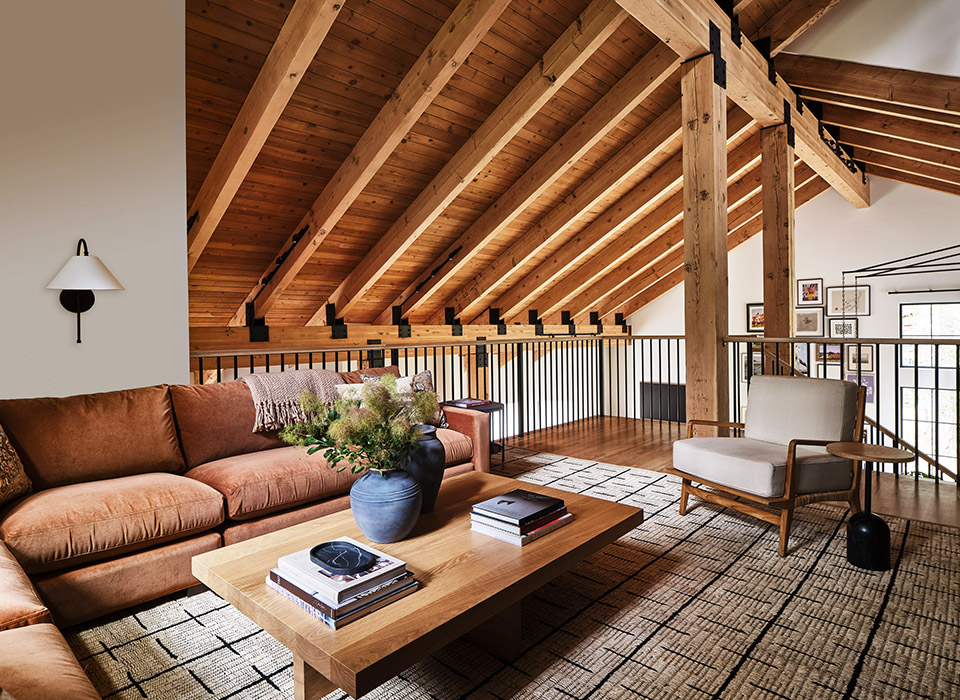
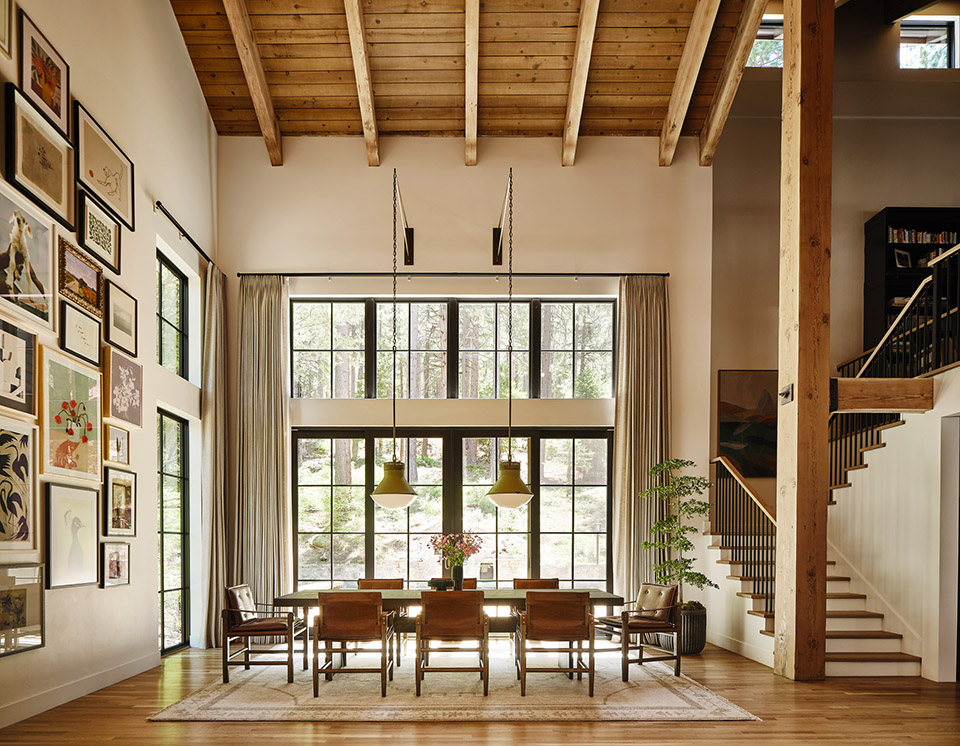
Lawson also understands mountain vernacular without dipping into cliché. She is less interested in a prescribed aesthetic than in the permanent elements that make a home resonate: light, trees, water, and the way nature complements the built environment. “I kind of like to set style aside,” she says.
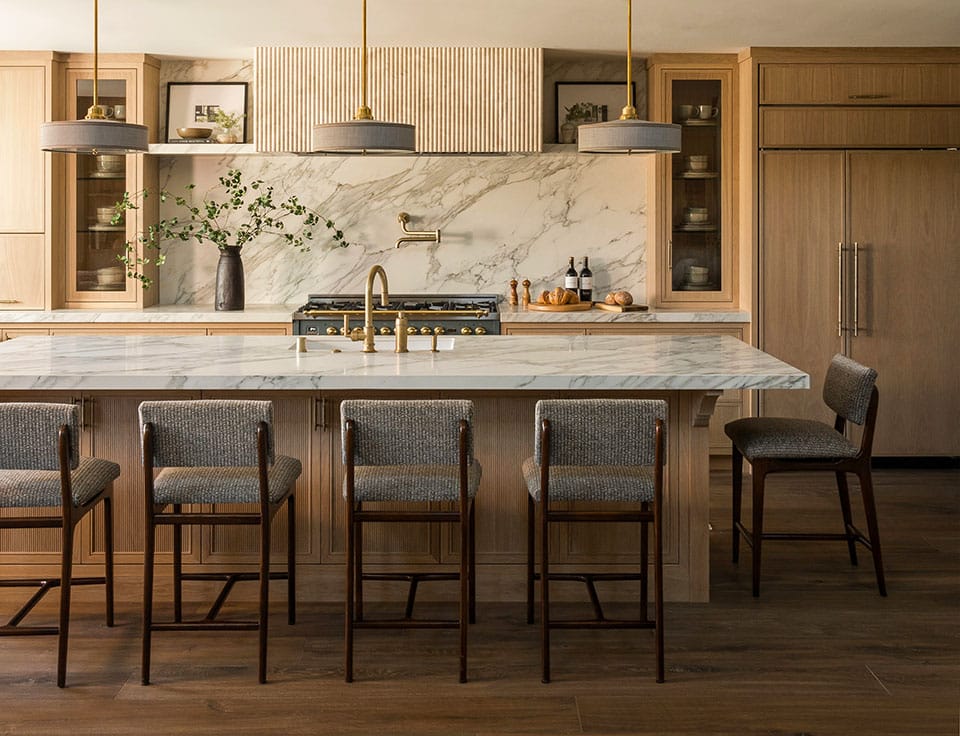
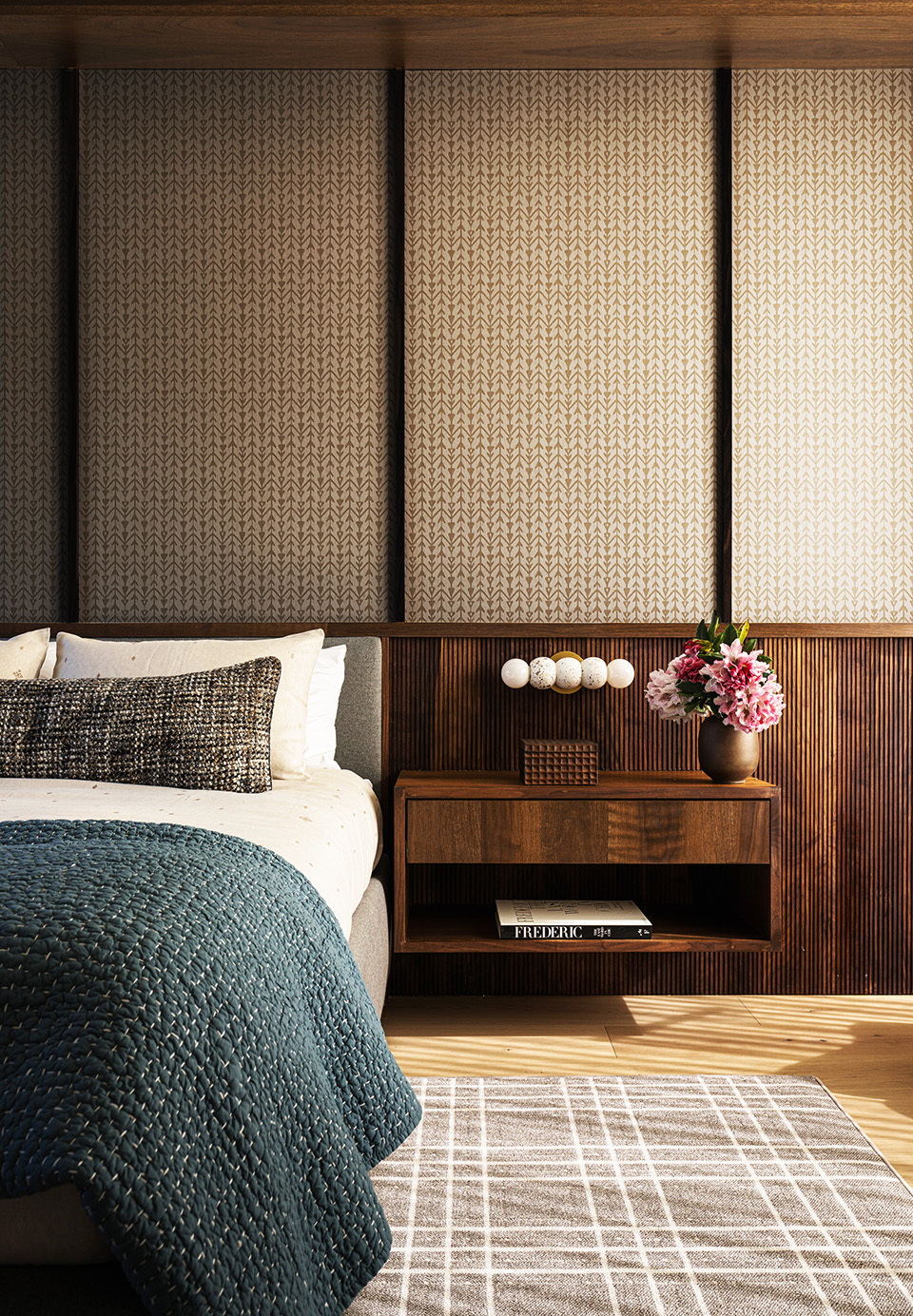
She has also noticed a recalibration. After years of white stucco walls, enormous volumes, and almost clinical modern interiors, she believes homeowners are ready for warmth, character, and more detail. For Lawson, it doesn’t mean rusticity. It could mean paneled walls, richer textures, wallpaper used with discretion, or rooms that feel completed rather than simply filled. “I want every single wall in the entire house to feel finished and thought through,” she says.
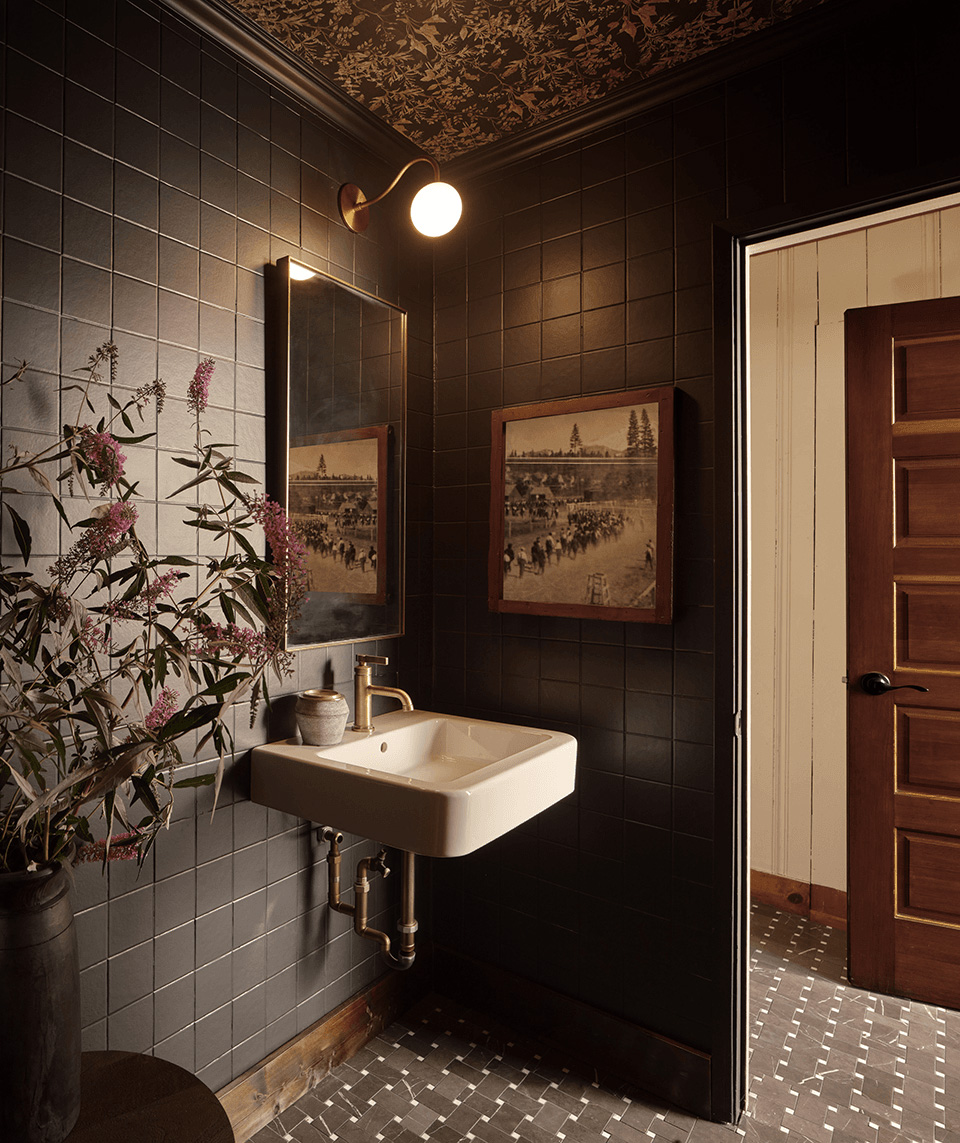
“I KIND OF LIKE TO SET STYLE ASIDE.”
Scale matters just as much. Lawson is interested in structures that feel proportioned for human life, even when the project is substantial. She questions the appeal of vast rooms that are difficult to inhabit and harder to personalize. Instead, she favors spaces that are considered in scale and are able to support daily life as it evolves. Good design, for Lawson, always comes back to scale and proportion.
Her process supports her restraint. Instead of developing countless mood boards, Lawson begins with a single concept page. It may contain colors, references, atmosphere, or an inspiration as specific as a drop of water in an Italian fountain. From that point forward, every decision returns to the same idea. The method sounds simple, but it gives the project a center and protects the home from becoming a collection of attractive but unrelated choices.
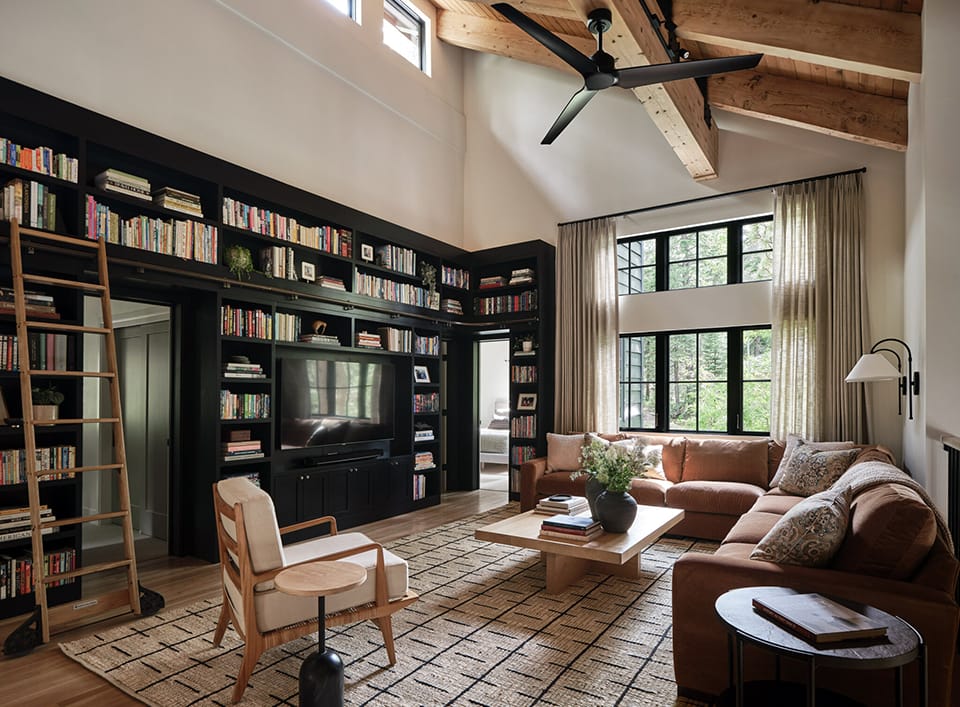
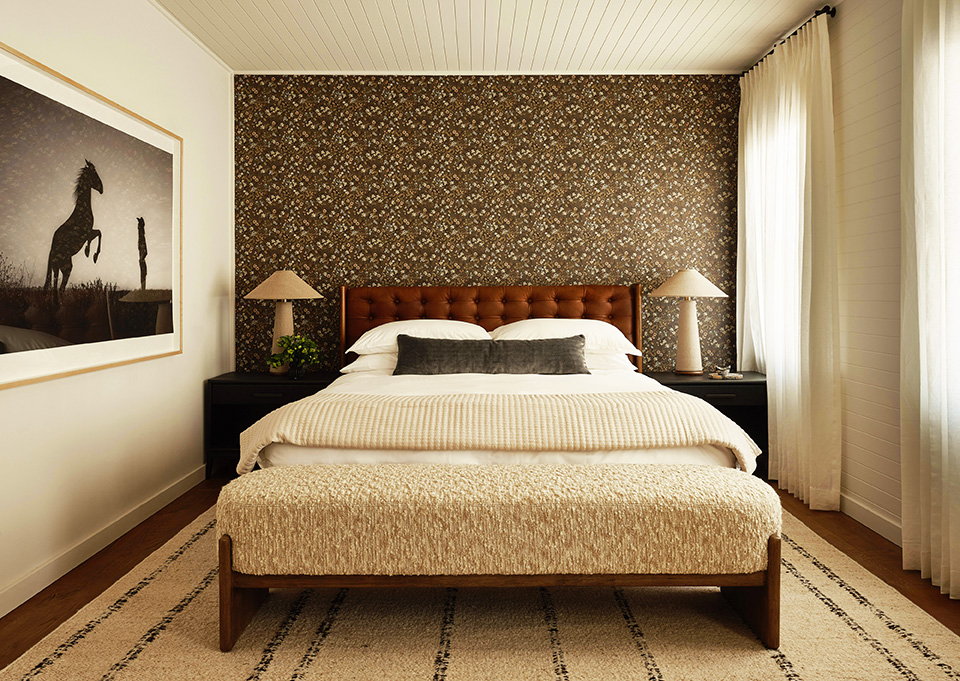
This is where Lawson’s architectural mind and artistic instincts meet. She works closely with architects, builders, and artisans, with a particular focus on the kind of custom work she has seen in European projects.
Her work positions her naturally within the next phase of mountain design—one defined less by trend and more by personalization. Lawson has a well-traveled eye, and her goal is not worldliness for display. The question for her is always more specific: What story is this home meant to tell?
whj PROFILE
