
Written by: Jennifer Walton
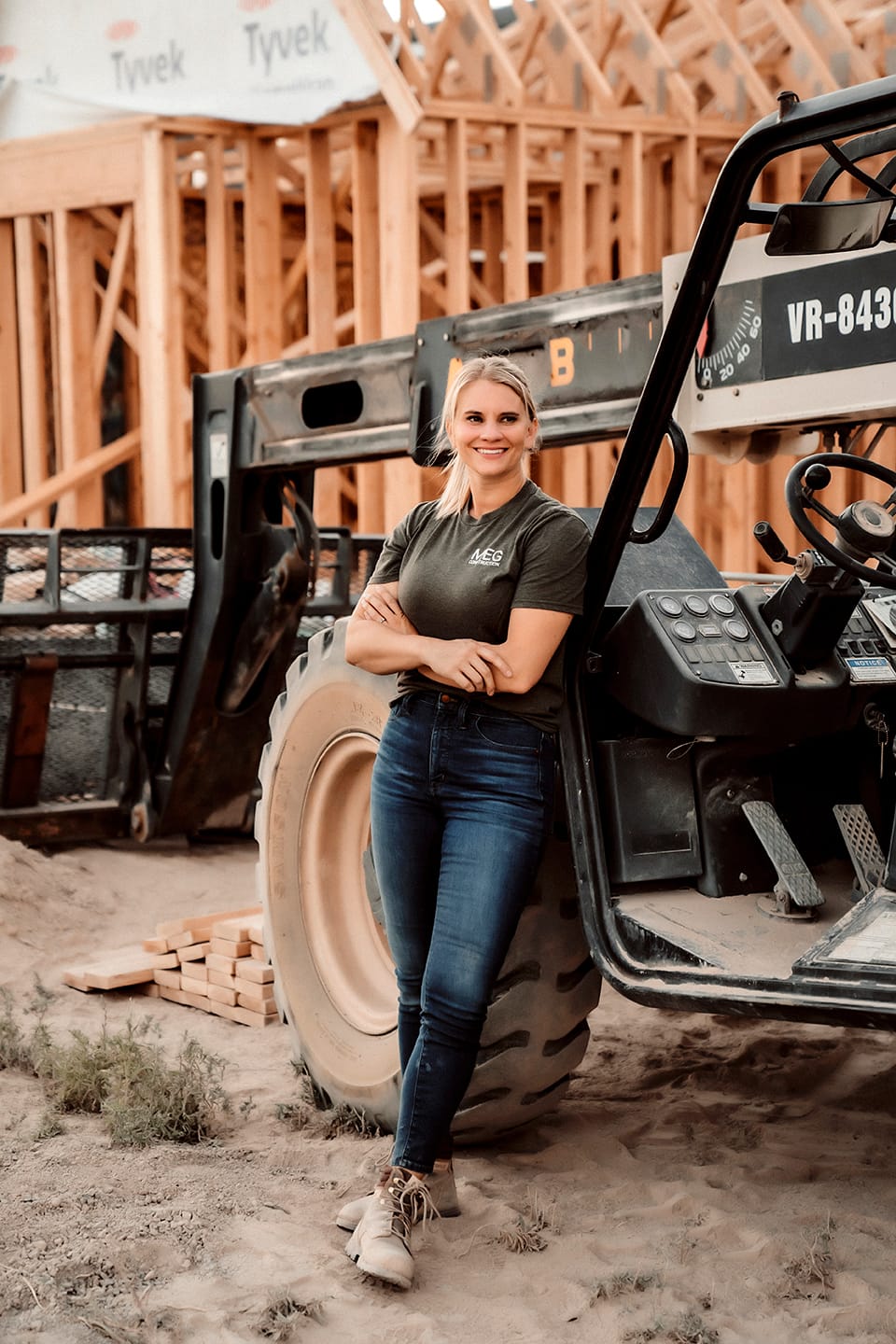
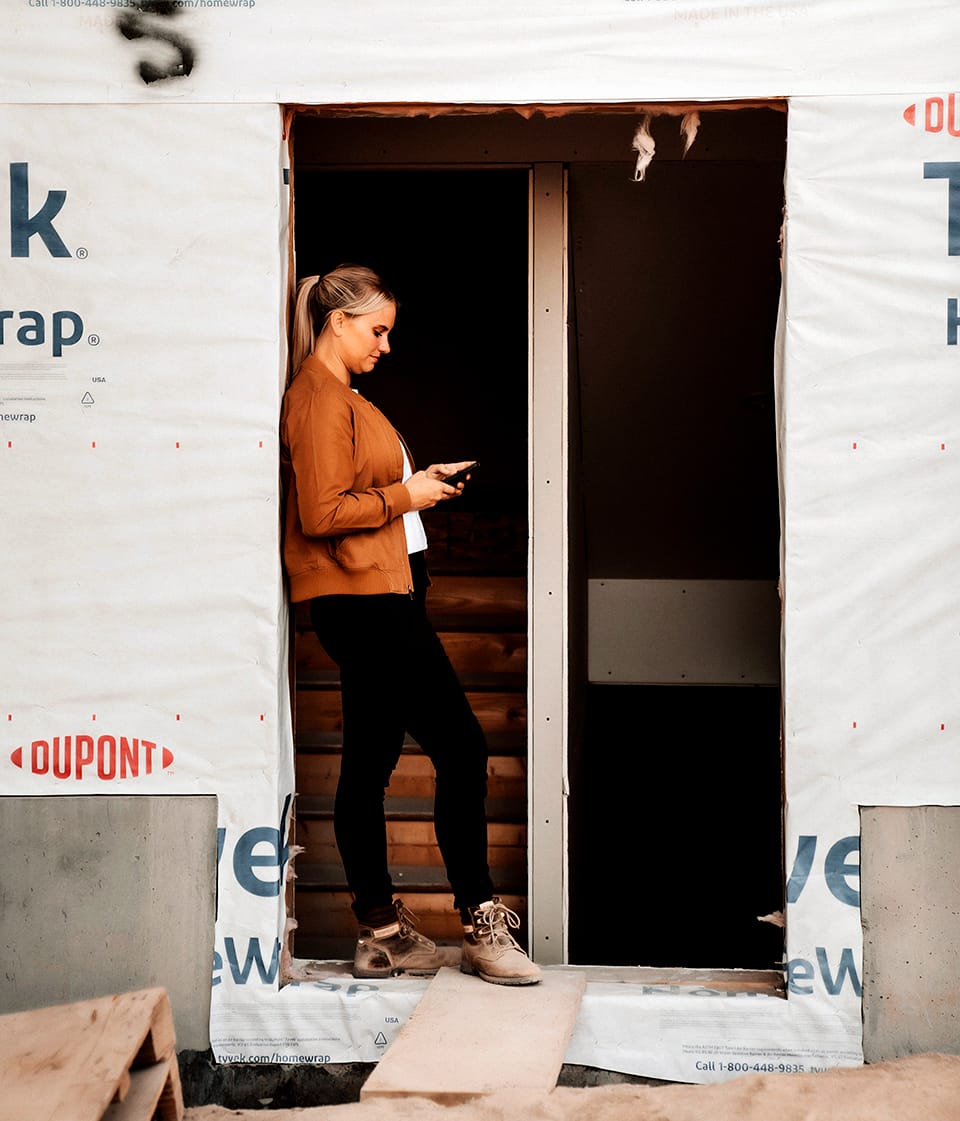
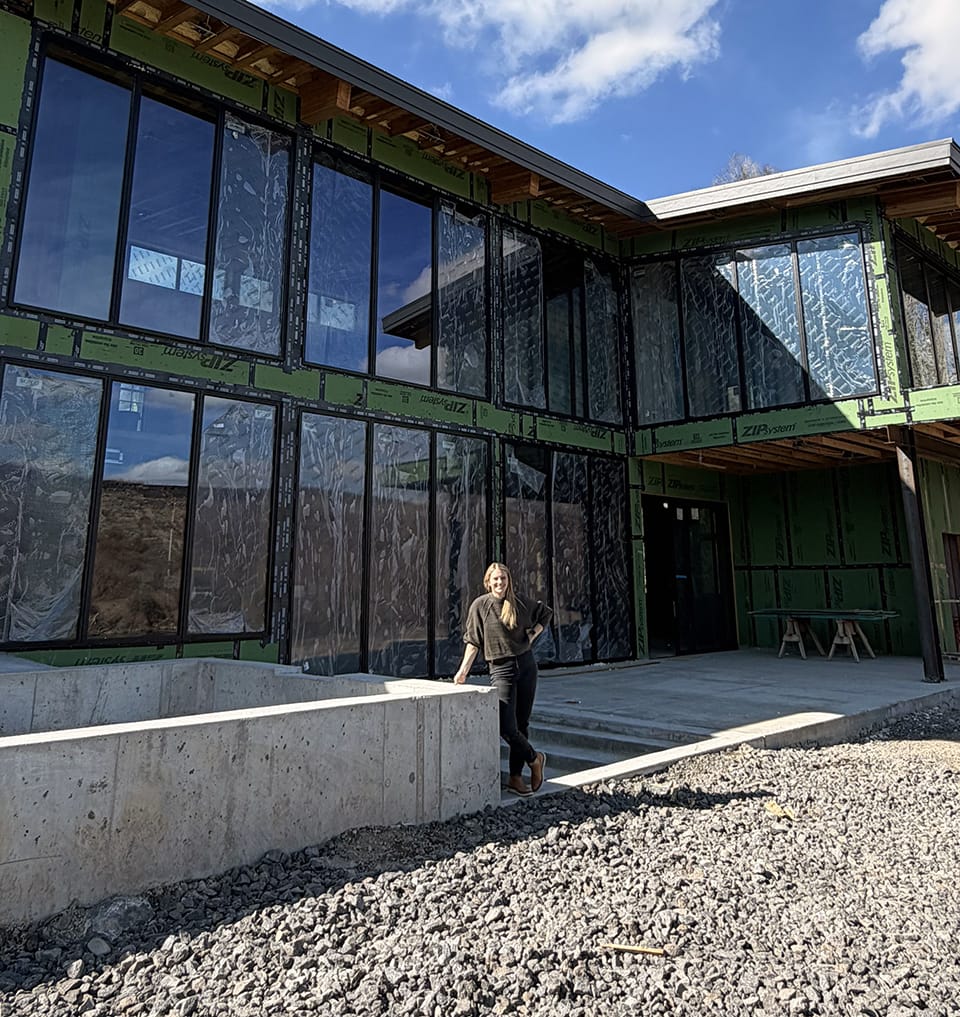
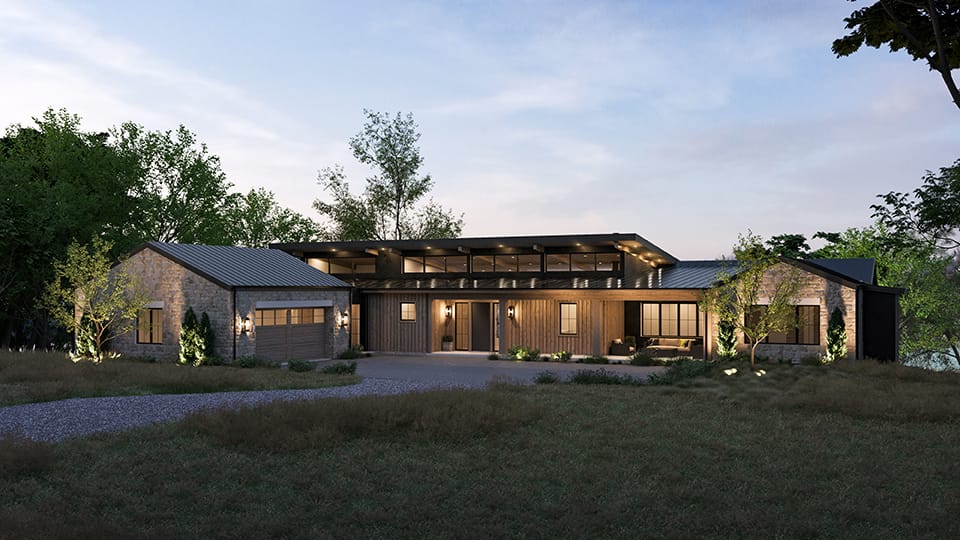
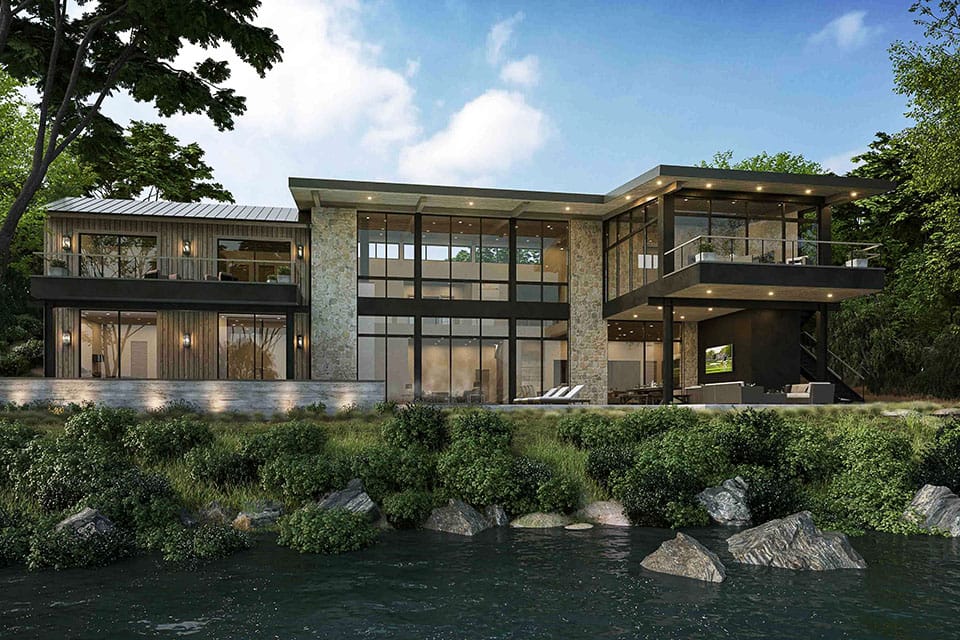
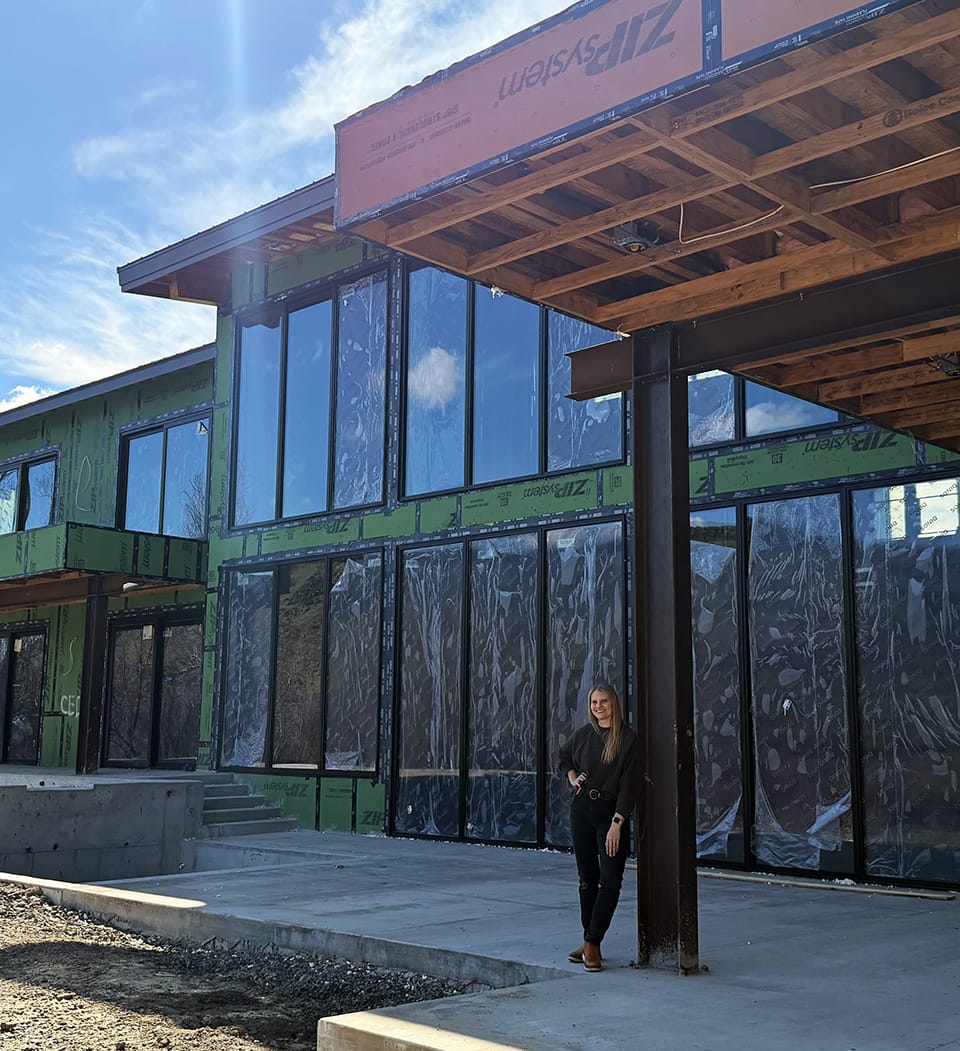
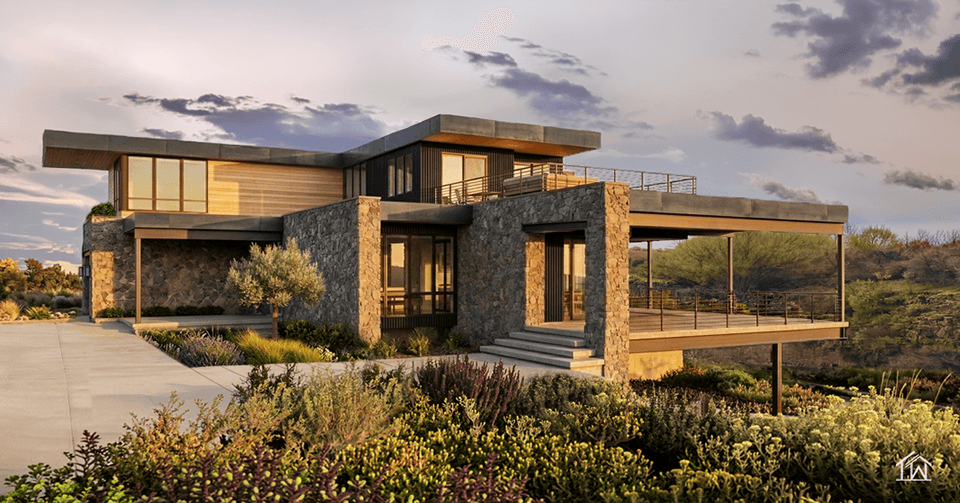
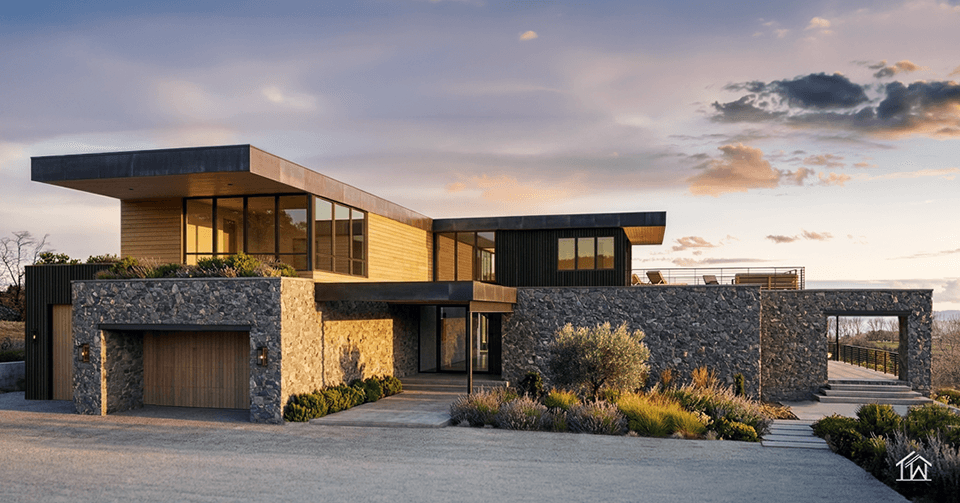
By the time most builders arrive on site, the air smells like sawdust and diesel. When Meghan Billings arrives, it smells like possibility. On a chilly morning in Buhl, Idaho, she walks the perimeter of a just-framed home that already feels like a statement. Designed in collaboration with architect Tyler Wilson, the structure rises from a stretch of land locals call Blue Heart, where cold springs glow turquoise beneath the surface, and tilapia farms exist because the water is warm enough to sustain them. The client, who is fluent in the geothermal spa business, wanted to use the artesian wells directly rather than through a typical closed glycol loop. The system required careful planning: two sets of hydronic lines, one hot and one cold, with only one active at a time while the second stands by as a backup—a design that keeps the lines clear of mineral calcification.
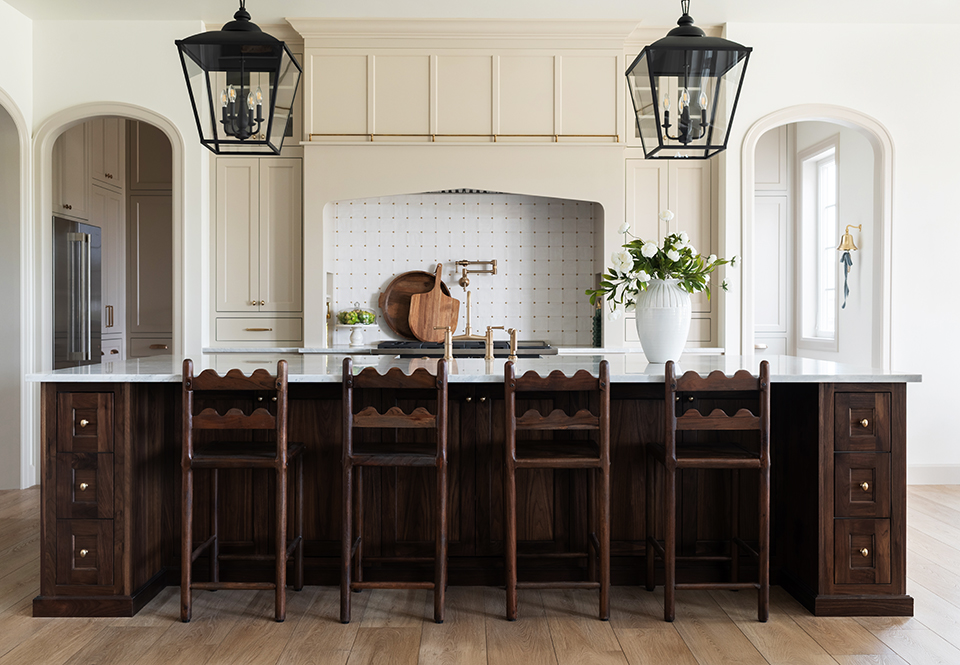
A process-driven approach to residential construction is changing how homes are built in the Mountain West
It would be easy for any builder to be daunted by the complexity, but instead, Meghan sees it as a case study. The Buhl residence exemplifies Meg & Co. Designer Homes’ willingness to diverge from default solutions. “We learned so much. Some of it was really challenging, but there is always a way,” she shares.
That mindset isn’t reserved for unconventional projects; it defines how Meghan’s entire company operates and her building philosophy.
“THE HOME INDUSTRY HASN’T EVOLVED MUCH IN 100 YEARS. THE BASICS ARE STILL THE SAME, BUT THE CLIENT EXPERIENCE SHOULDN’T BE.”
Process as Architecture
The Meg & Co. Homes team allows her to go beyond expectations because every project begins with rigorous, formalized pre-construction planning. The model centers on communication infrastructure. Detailed spec sheets are shared so clients understand precisely what they’re purchasing. Trades are brought together in four-hour in-house pull plan sessions—a process more common in commercial building—where framers, electricians, plumbers, other trades, and project managers review drawings collectively to eliminate assumptions and conflicts. On site, QR-coded documentation links installers directly to room-specific plans. Imagine a plumber scanning a wall and instantly pulling up fixture specs, cabinet plans, and tile direction before making a single decision. Yes, down to the placement of a toilet paper holder.
Ask any client about working with Meg & Co. Designer Homes, and the conversation inevitably turns to two things: the collaborative nature of the process and Meghan’s indescribable energy. “The home industry hasn’t evolved much in 100 years,” Meghan says. “The basics are still the same, but the client experience shouldn’t be.” And it isn’t. The difference begins with systems that keep every decision visible, coordinated, and deliberate.
Clients feel the impact immediately. Questions that might stall a project for days are resolved in minutes because every specification, schedule change, and material selection is documented and accessible to everyone. The discipline behind those systems grew from Meghan’s habit of studying builders in more competitive markets and refining how her company functions. In Idaho, becoming a licensed general contractor requires only a minimal barrier to entry—a $50 fee and proof of insurance. Meghan wanted more.
Standards as Structure
Meg & Co. Designer Homes is listed with the Idaho Home Builders Association as a Certified Master Builder, a designation requiring invasive biannual review. Past clients, subcontractors, trades, suppliers, and even bankers are interviewed. Financials are scrutinized for fiscal stability and operational practices, and the process can take four months. “It’s not marketing. It doesn’t technically grow my business,” Meghan says. “But it’s the bar I hold myself to.”
Her participation in the National Association of Home Builders (NAHB) 20 Clubs program, specifically the Artisan Builder Collective, has influenced the company’s trajectory. Within that peer network, Meghan works among custom builders operating in demanding luxury mountain markets like Park City and Steamboat Springs, studying everything from seasonal logistics to labor coordination under resort demand.
Raised in Alaska, Meghan knows mountain climates and respects the environmental variables that come with them—snow load, freeze-thaw cycles, and material longevity. Those conversations strengthened her understanding of mountain construction and informed her expansion strategy.
“I DON’T WANT TO BE CHOSEN BECAUSE I’M A WOMAN. I WANT TO CHOSEN BECAUSE THE COMPANY IS EXCEPTIONAL.”
This spring, Meg & Co. Homes breaks ground on two speculative residences in Ketchum—the company’s entry into the Sun Valley market. In Twin Falls, design-forward homes are differentiated easily. In Sun Valley, differentiation will rely on execution. Meghan anticipates a clientele accustomed to layered architectural narratives and compressed timelines. “It may not be easy, but our team is prepared,” she says.
There is no bravado in Meghan’s tone, only excitement. Now, in a community that appreciates detail, responsiveness, and accountability, her approach feels like a natural fit.
Meghan’s leadership extends beyond the job site. Meg & Co. Homes is, without apology, a collective rather than a group of isolated trades. Subcontractors are selected for their eagerness to participate in the company’s systems and the internal cadence, which consists of weekly client meetings, checklist reviews, and digital transparency that keeps everyone visible as each project progresses.
She does not frame that leadership through gender, though she recognizes the context of working in a field that remains largely male-dominated. “I don’t want to be chosen because I’m a woman,” she states. “I want to be chosen because the company is exceptional.”
Instinct as Compass
Away from the jobsite, Meghan manages another kind of complex system: life with four children, including a 6’7” son navigating college recruitment. Balance, she says with a laugh, is a myth. Each year between Christmas and New Year’s, the company shuts down. She returns home to map out the year ahead with speaking engagements, project timelines, and basketball tournaments.
“I don’t want to build the most homes. I want to build the best homes,” Meghan says. That commitment to quality over quantity is evident in the life she’s built, including how
she supports others in the industry. Meghan is a co-founder of the BuildHer Retreat, now in its fourth year—an intimate gathering held this year in Costa Rica that brings together women working in construction and the building trades.
“I DON’T WANT TO BUILD THE MOST HOMES. I WANT TO BUILD THE BEST HOMES.”
The idea emerged after she attended a national building conference and realized she and two other builders were the only female contractors in the room. What began as a conversation among the three of them has evolved into a space for candid dialogue about leadership, project challenges, and the realities of running building companies. After several days, in a setting where trust and professional respect set the tone, the women depart with practical insights, shared wisdom, and renewed confidence in their work ahead.
Meghan is careful, however, about how her role as a woman in construction is framed. Back on site, it’s most visible in the work itself.
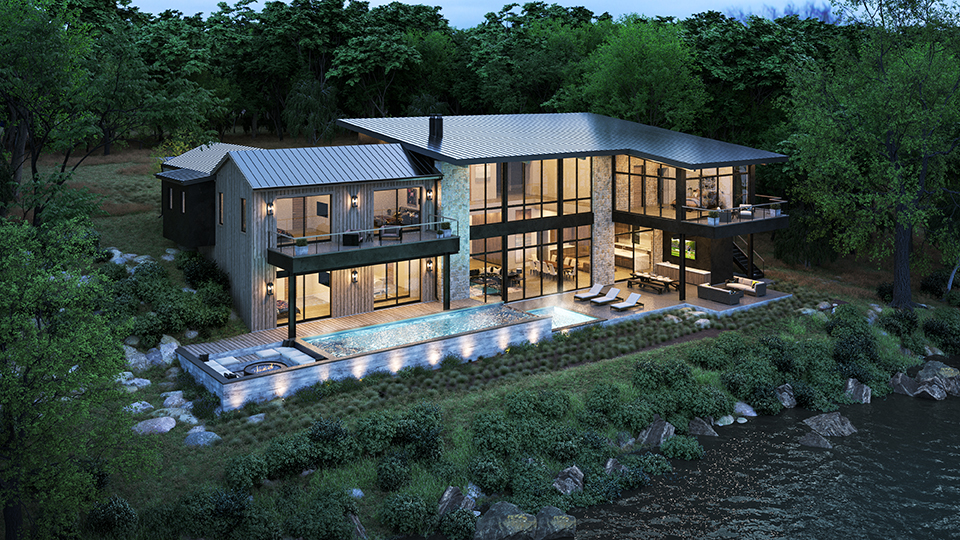
The Buhl residence brings her process of systems and the structures that define them into focus. Beneath the slab, two sets of hydronic lines circulate through the home depending on the season. Outside, the landscape remains as it has for millennia—with nature itself as a system.
Meghan brings a sense of logic to every project she touches. She is always looking for connections, sequences, and opportunities to learn, improve, and solve problems that others might avoid. As Meg & Co. Homes prepares to begin its first projects in Ketchum, she’s energized by the challenge and backed by a team motivated to demonstrate what their building process can accomplish in one of the West’s most iconic destinations.
whj PROFILE
