
Listen to our Spotify podcast about this article:
By Alex Clarkson
In this issue of Western Home Journal, Sun Valley galleries and artists showcase a myriad of works that stem from innate creativity, exploring universal themes of life and the environments we inhabit. The educational journeys and experiences these artists draw upon to produce their work are both expansive and fascinating. Focusing on the American West, Sun Valley galleries and artists provide an up close and personal connection while inviting observation and interest.
At Gail Severn Gallery, decades of exhibitions have culminated in a summer showcase featuring artists who address the realities of the American West, including forest fires, drought, and water issues.
Gail Severn Gallery
Now in its 49th year, Gail Severn Gallery will focus its summer programming on artists’ multidisciplinary response to the pressing environmental realities facing the American West and the spirit of ecological endurance in the face of these issues. In recent years, the West has witnessed devastating effects of forest fires, drought, and changes to our waterways and fish populations. In the midst of these crises, however, there is a growing awareness and a call to action through education and conservation.
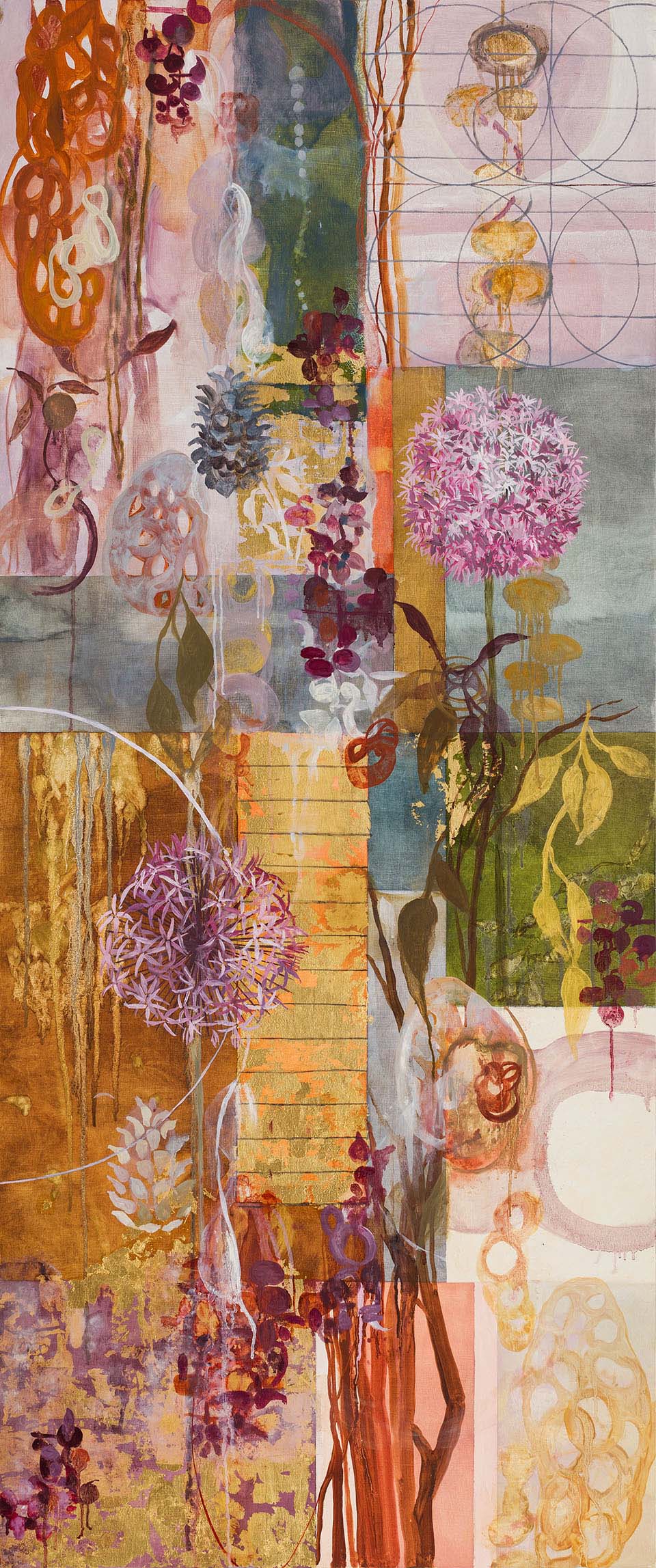
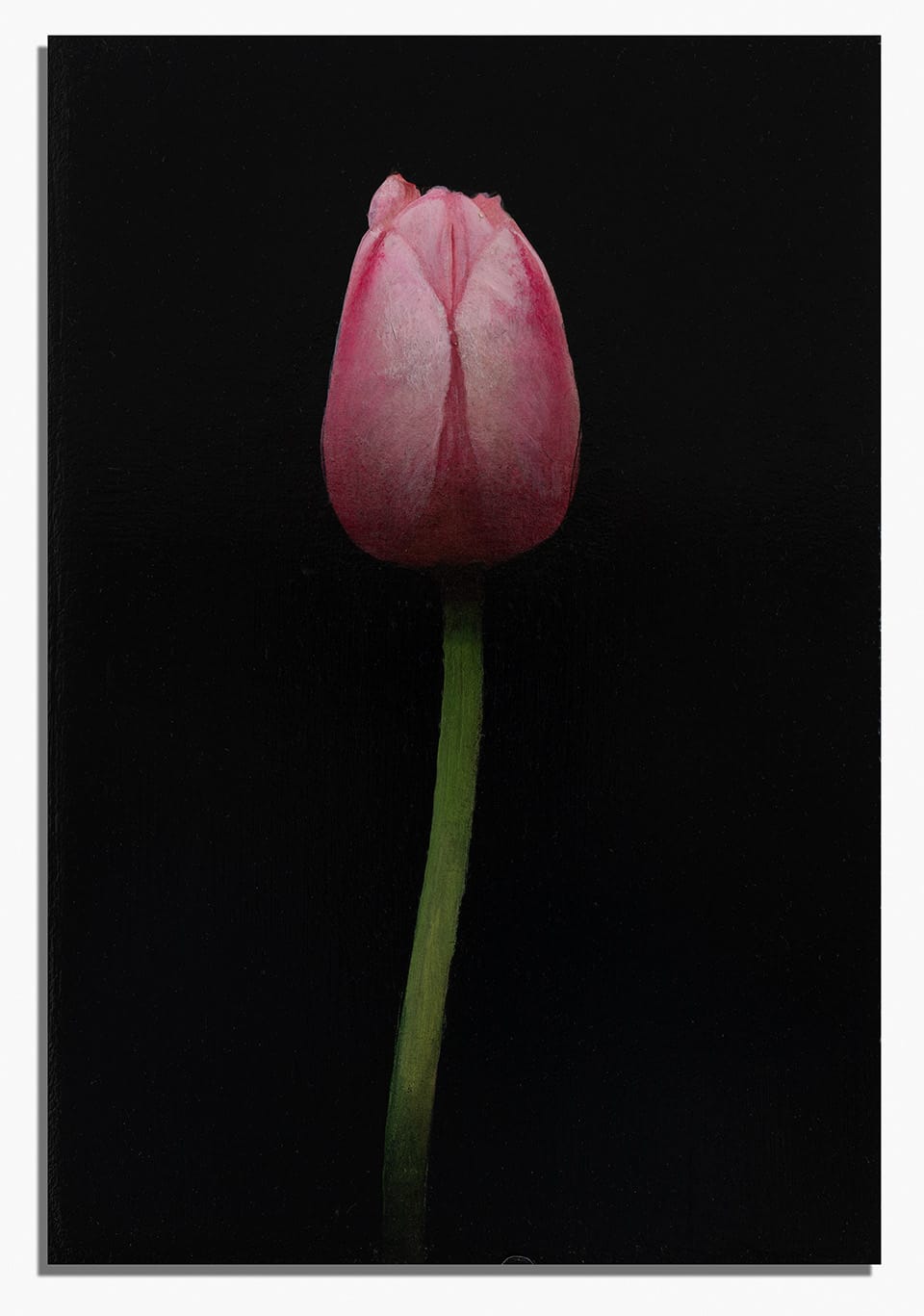
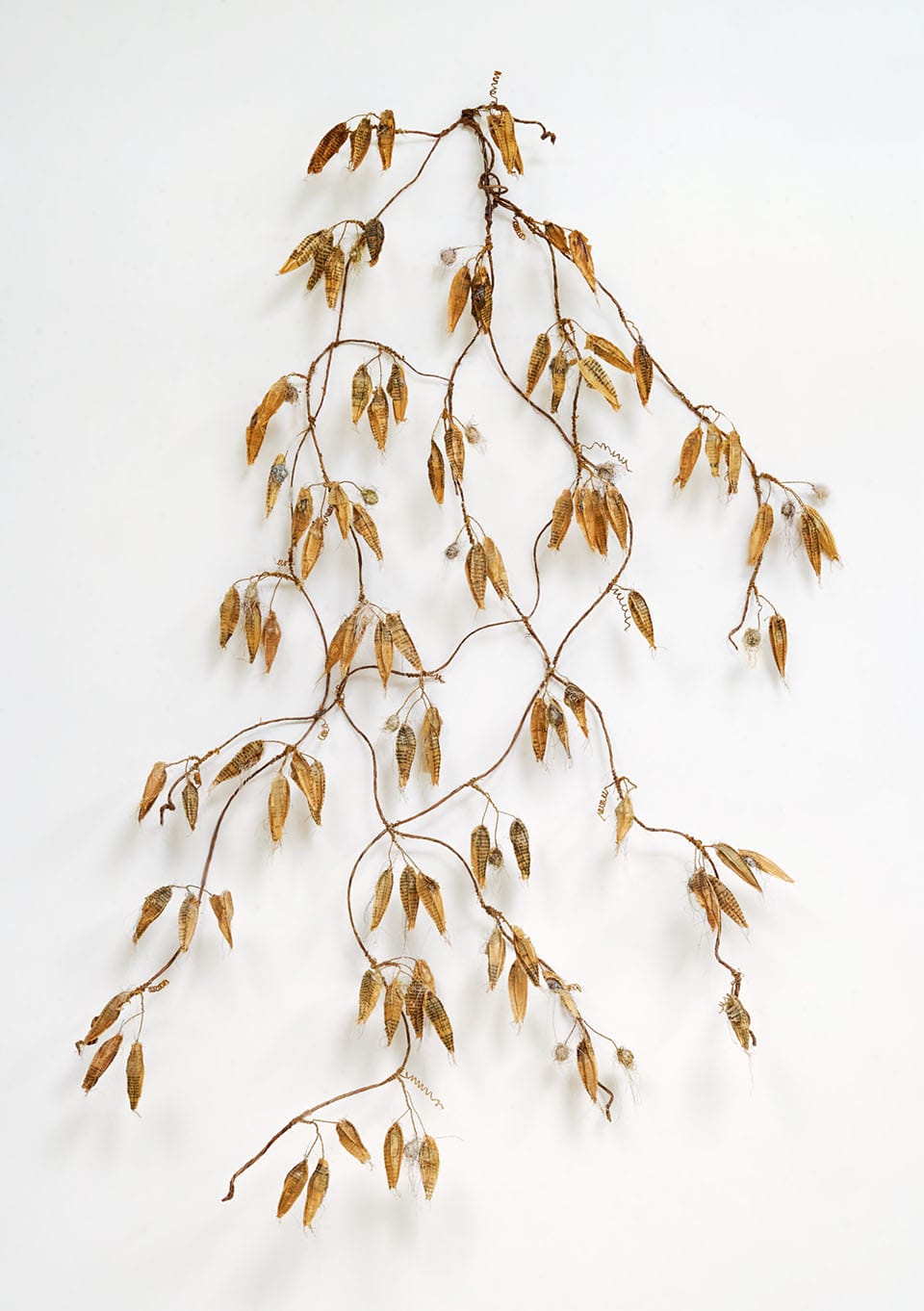
In response to these global environmental shifts, May and June exhibitions focus on the flower, as both a metaphor for impermanence and a symbol of renewal and regeneration. Botanical paintings by Kathy Moss, Diane Andrews Hall, and Betsy Margolius, along with mixed media sculptures by Lisa Kokin, will explore the delicate intricacies and symbolic power of flowers. The cycle of a flower’s life, from blooming to seeding and the subsequent return of buds each spring are a testament to nature’s resilience. Drawings and mixed media works by Maggie Shafran and Pamela DeTuncq add dimensionality to the show—transforming found materials, thread, and other media into floral narratives that speak to impermanence.
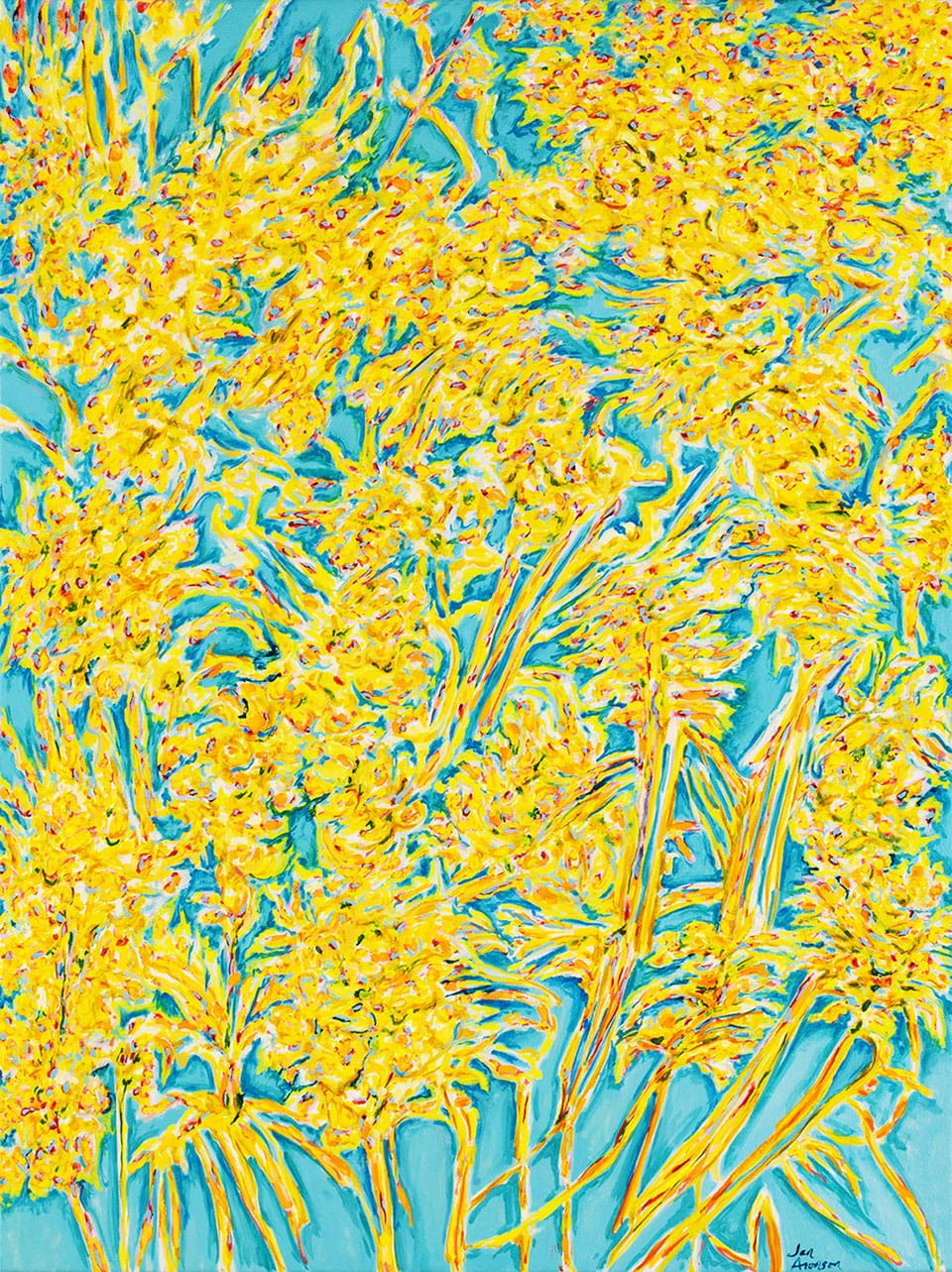
For the July Exhibitions, work by Jan Aronson and Anne Siems serve as both witness and warning—asking viewers to engage in a meaningful dialogue about critical ecological challenges. Distinct in medium and motif, each artist’s work investigates the reciprocity between all beings—animal, vegetal, and elemental.
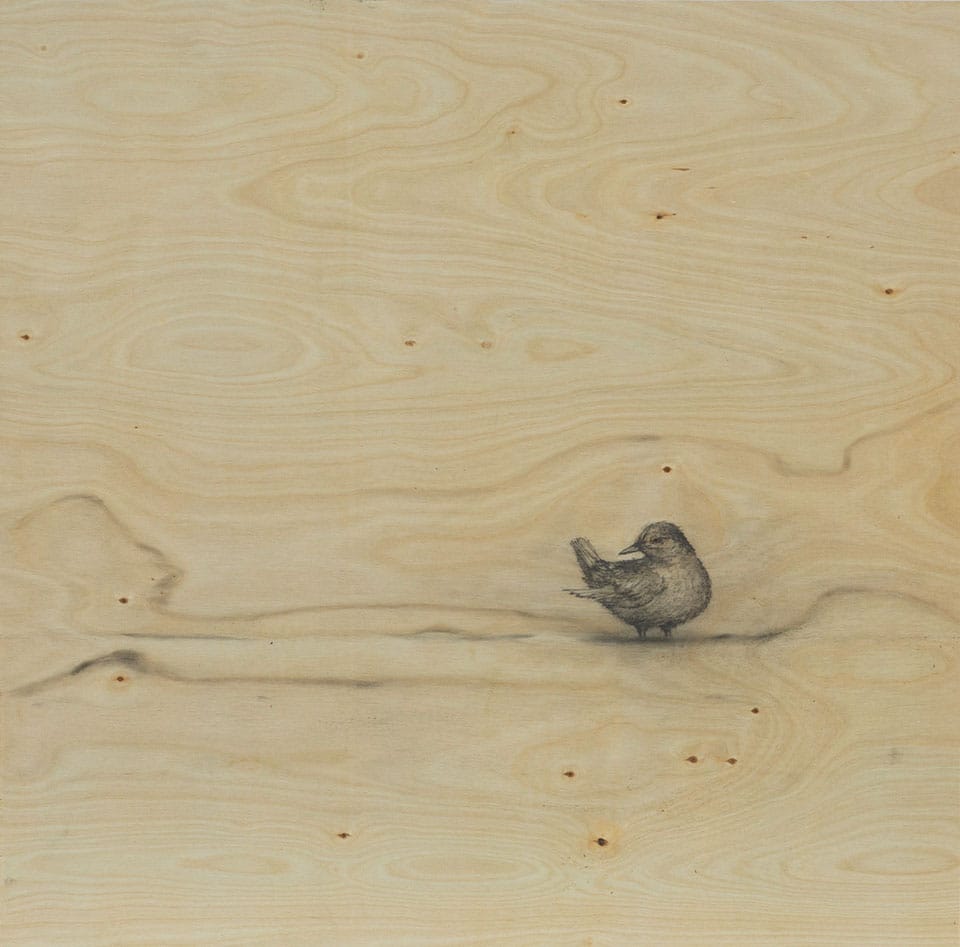
Jan Aronson’s graphite drawings highlight the humble sagebrush; considered a symbol of barrenness and known to inhabit the most arid and unforgiving of landscapes, sagebrush is the first flora that stabilizes burned soils and invites renewal of wildflowers and native grasses back to scorched ground.
Now in its 49th year, Gail Severn Gallery will focus its summer programming on artists’ multidisciplinary response to the pressing environmental realities facing the American west and the spirit of ecological endurance in the face of these issues.
Rather than idealizing nature, Aronson exaggerates the scale and crops her subject, pushing towards abstraction without losing recognizable form. By isolating the subject away from its natural context, color and composition become equally as important as the subject itself.
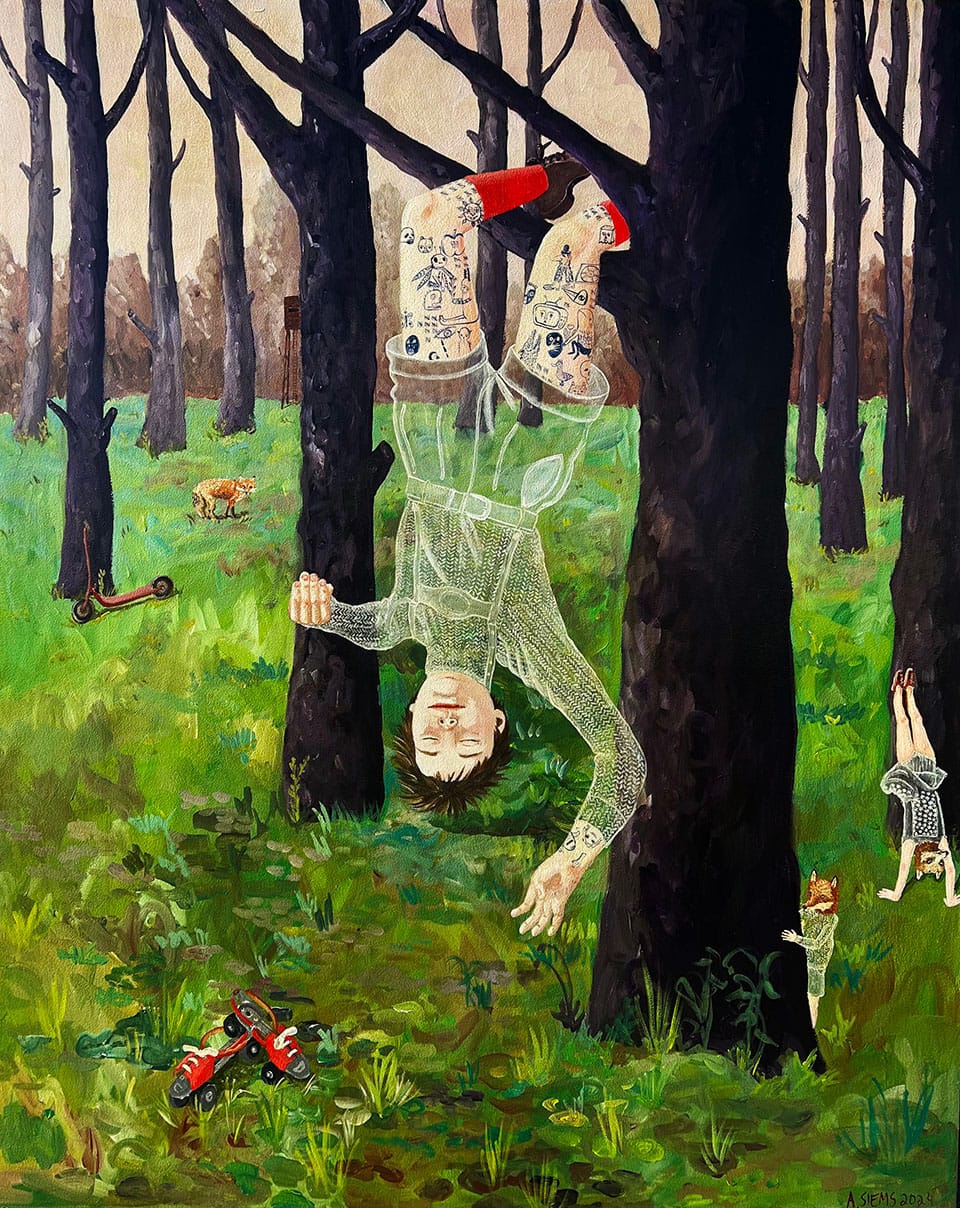
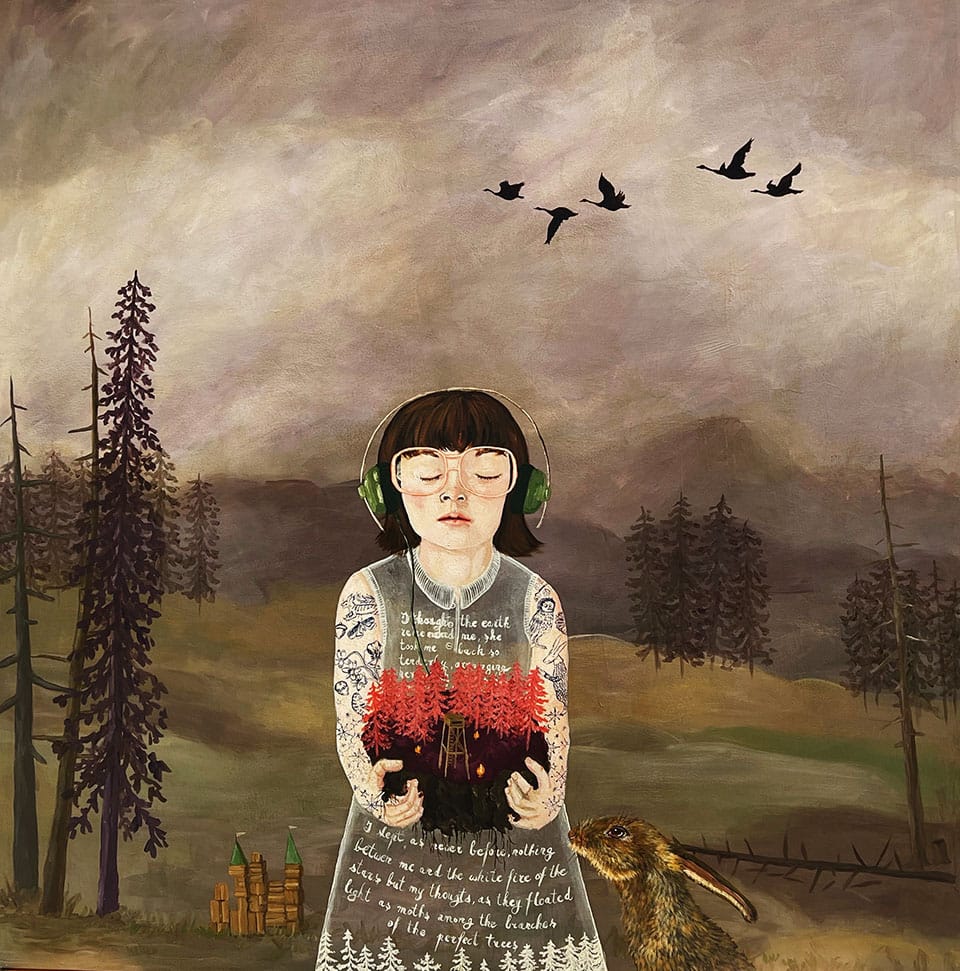
Anne Siems’ solo exhibition, Fox and Friends, invites us to wander through a delicately rendered world populated by enigmatic figures, curated objects, spectral animals, and natural forms. In this series of new paintings and drawings, children are the main characters. Animals also play an important role—as companions, coconspirators, protectors, and sometimes alter egos. The fox, both clever and elusive, becomes both guide and symbol, leading us through emotional landscapes, outer worldly turmoil, and inner quietude.
Elements of childhood dreams, fairy tales, and memories from Siems’ own childhood play a significant role in each painting. Nostalgic items like bicycles, scooters, cassette re-corders, and roller skates are placed within otherworldly environments. The layers of time, both real and imagined, cre-ate a liminal space where the past and present commingle.
Working primarily with acrylic and mixed media on panel, Siems uses translucent washes and fine linework to build ethereal compositions. Her subjects—young, wide eyed, and dressed in vintage clothing—seem suspended in time, rooted in a personal mythology. Addressing current environmental crises, little fires can be seen in many of the paintings—a reference to the recent Los Angeles fires and also a metaphor for the cleansing and burning away of negative visions and old belief patterns.
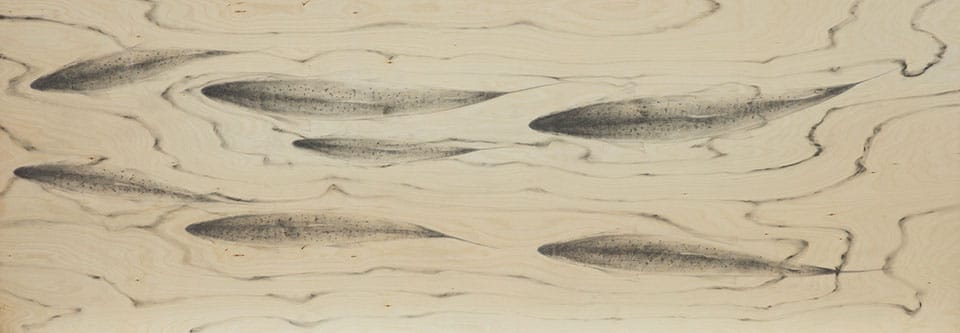
In August, an installation of over 100 salmon-like forms by Joseph Rossano will suspend from the gallery’s 24-foot ceilings. These mirrored hand-blown sculptures suggest a ghost-like migration, capturing the fragility and resilience of wild salmon. Both elegant and reverent, the installation provides a space for meditation on this fragile ecosystem.
Other works by Rossano will highlight riparian wildlife equally impacted by dwindling salmon populations. Expanding the conversation of conservation, large-scale photography featuring fish hatcheries and rivers of the Sawtooth National Forest by Laura McPhee and works by other gallery artists will be included in the exhibition.
These works represent not only the loss of species but also the disappearance of a process in which salmon fertilize forests, feed predators, and cycle nutrients between land and sea. To discuss this wider ecological impact, Idaho Rivers United has partnered with Gail Severn Gallery and Joseph Rossano to provide a series of panel discussions with experts, nonprofits, and tribal leaders.
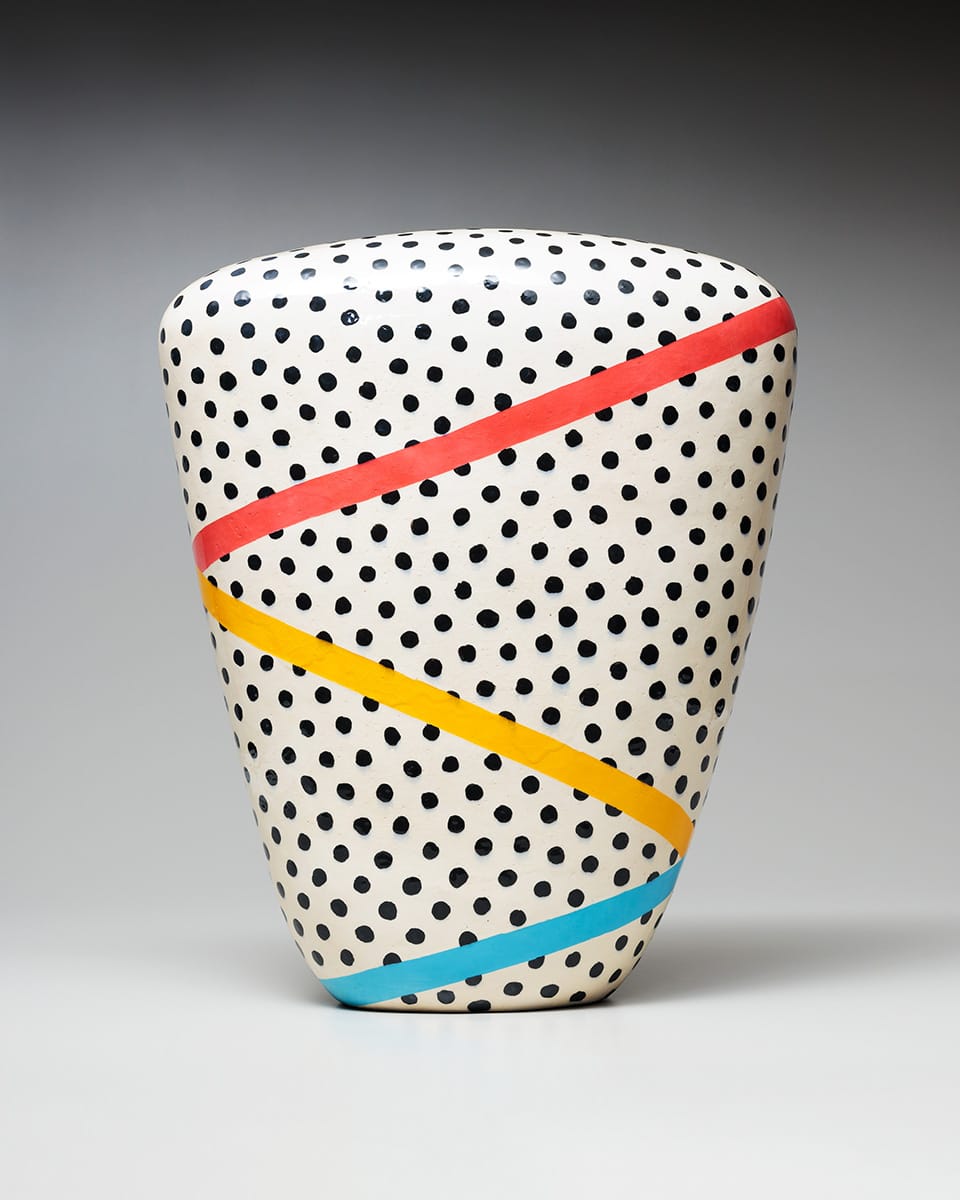
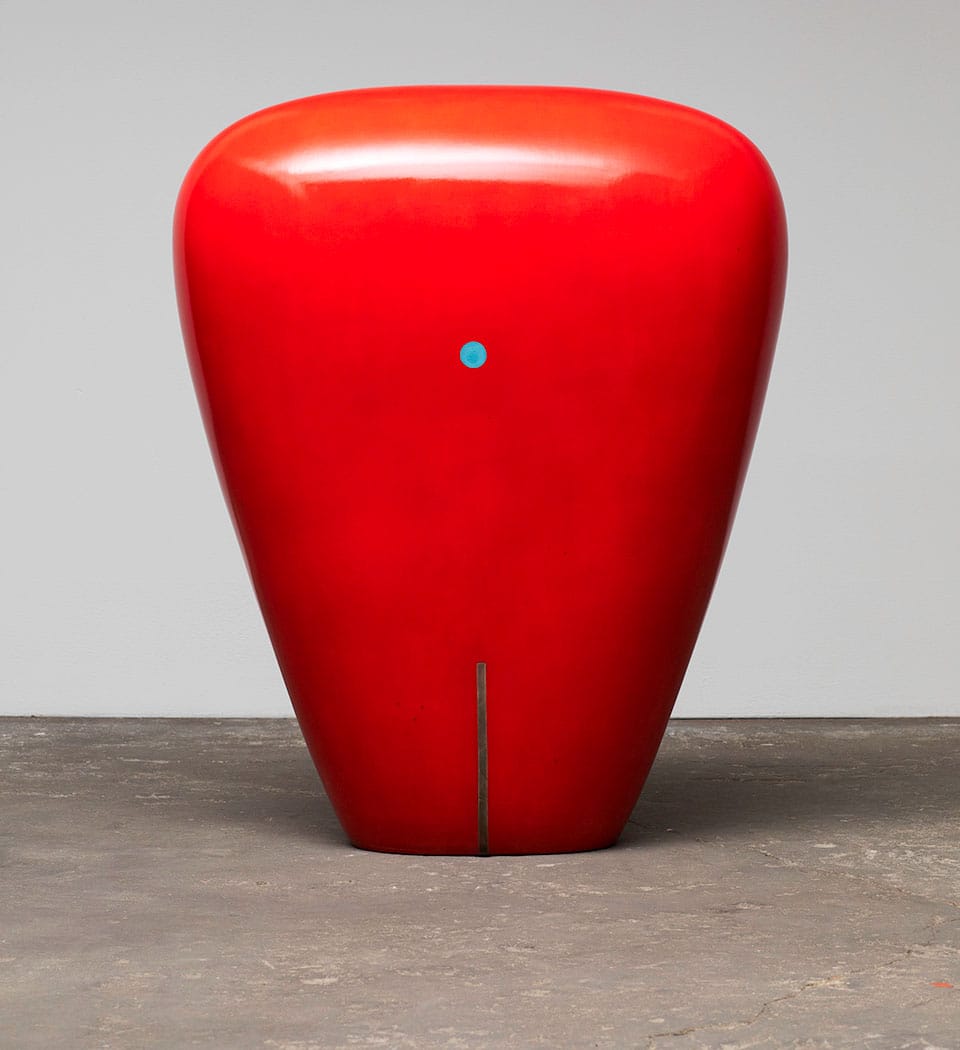
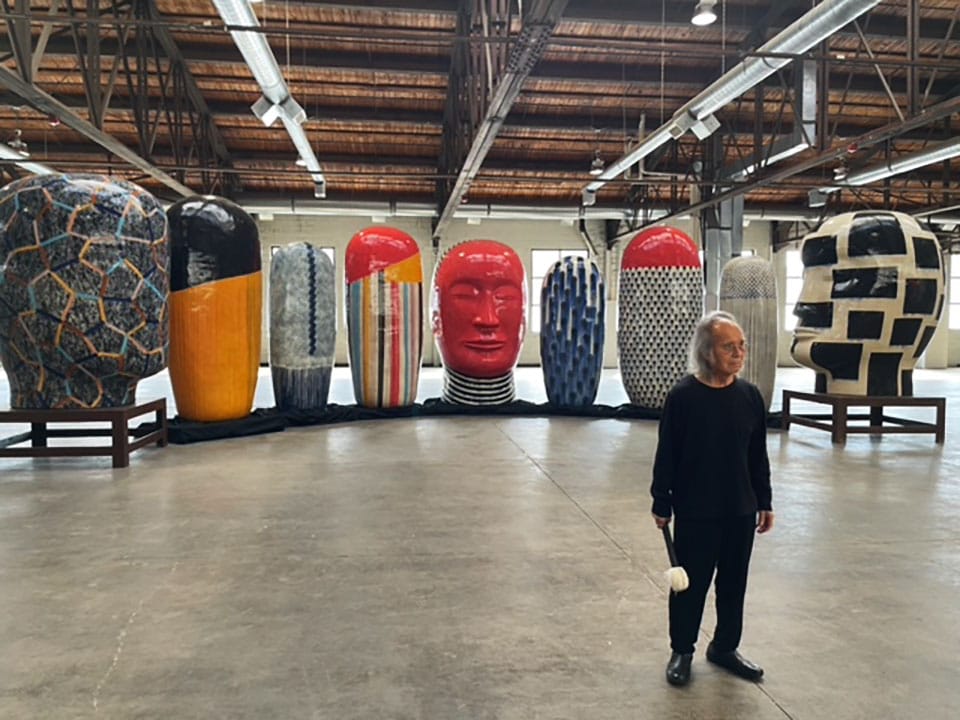
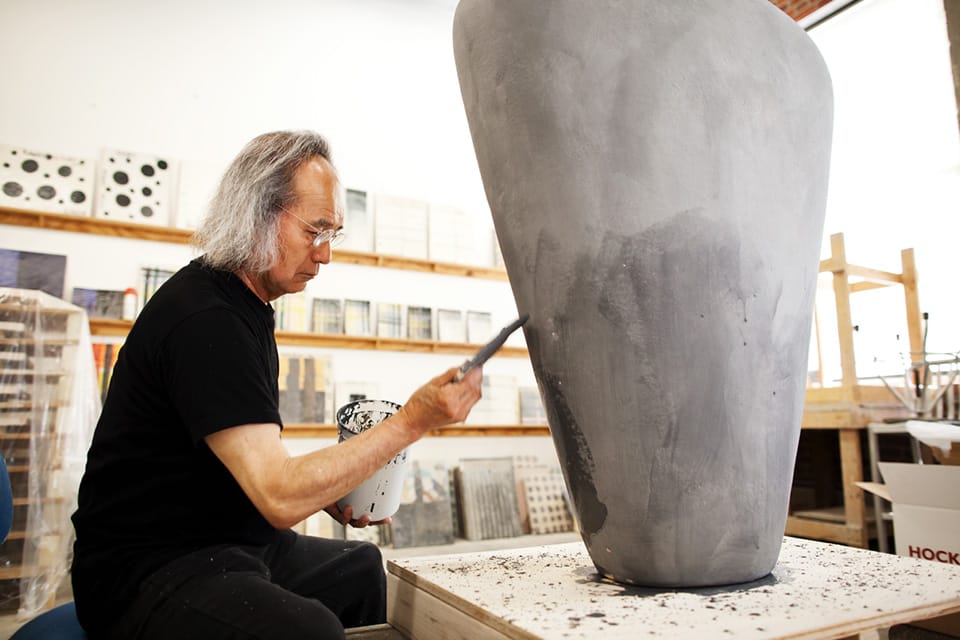
In tandem with the thematic exhibitions, Gail Severn Gallery will feature a solo show of Jun Kaneko from July 1st – October 3rd. Transcending the boundaries of traditional ceramics, Kaneko explores the relationship between volume and space, surface and atmosphere. Born in Nagoya, Japan, Kaneko has pursued a dynamic studio practice since the 1960s. The artist studied under Peter Voulkos and other artists associated with the California Clay Movement. This was a seminal period in the history of ceramics, when a handful of imaginative artists expanded the boundaries of the medium in both scale and form, elevating ceramic sculpture from craft into the sphere of fine art.
Kaneko is a pioneer in the field of large-scale ceramics. He pushes the envelope in terms of clay’s structural capabilities. The artist is renowned for his monumental “Dango” forms—rounded, oblong sculptures with a name that means “dumpling” in Japanese. These towering sculptures, often reaching over six feet in height, are covered in painterly glazes and detailed patterns inviting viewers to contemplate stillness, rhythm, and the meditative qualities of repetition.
Spatial relationships are important to Kaneko, whose works relate to the area they inhabit, defining their scale and mass. The immense rounded forms encapsulate the whole of the artist’s aesthetic and the reconciling of three-dimensional sculpture and the surrounding objective space.
Kaneko’s bold use of color and geometric motifs—stripes, dots, and grids—draws on a fusion of influences from Abstract Expressionism to Japanese calligraphy, evoking a sense of both timelessness and modernity. The works radiate presence while remaining introspective, drawing visitors into a dialogue between object and observer.
whj FEATURE
