
Listen to our Spotify podcast about this article:
By Alex Clarkson
In this issue of Western Home Journal, Sun Valley galleries and artists showcase a myriad of works that stem from innate creativity, exploring universal themes of life and the environments we inhabit. The educational journeys and experiences these artists draw upon to produce their work are both expansive and fascinating. Focusing on the American West, Sun Valley galleries and artists provide an up close and personal connection while inviting observation and interest.
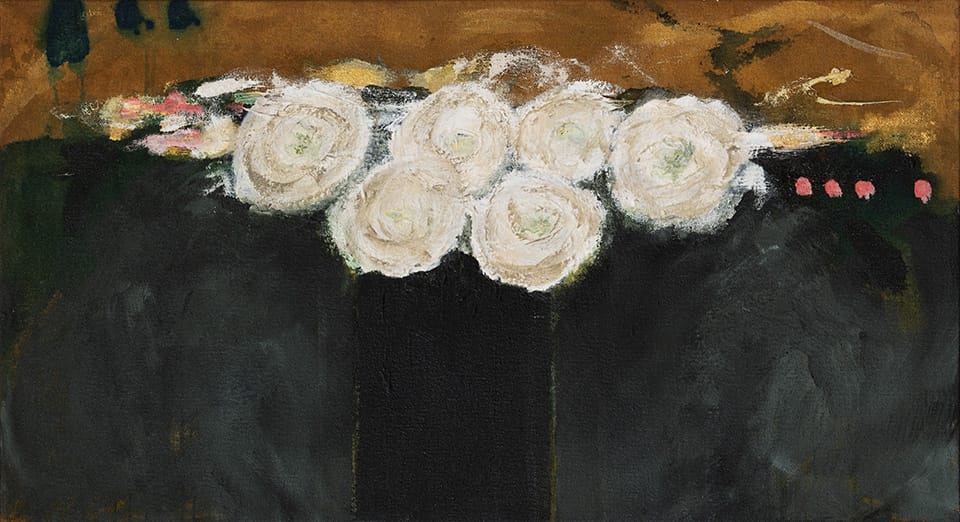
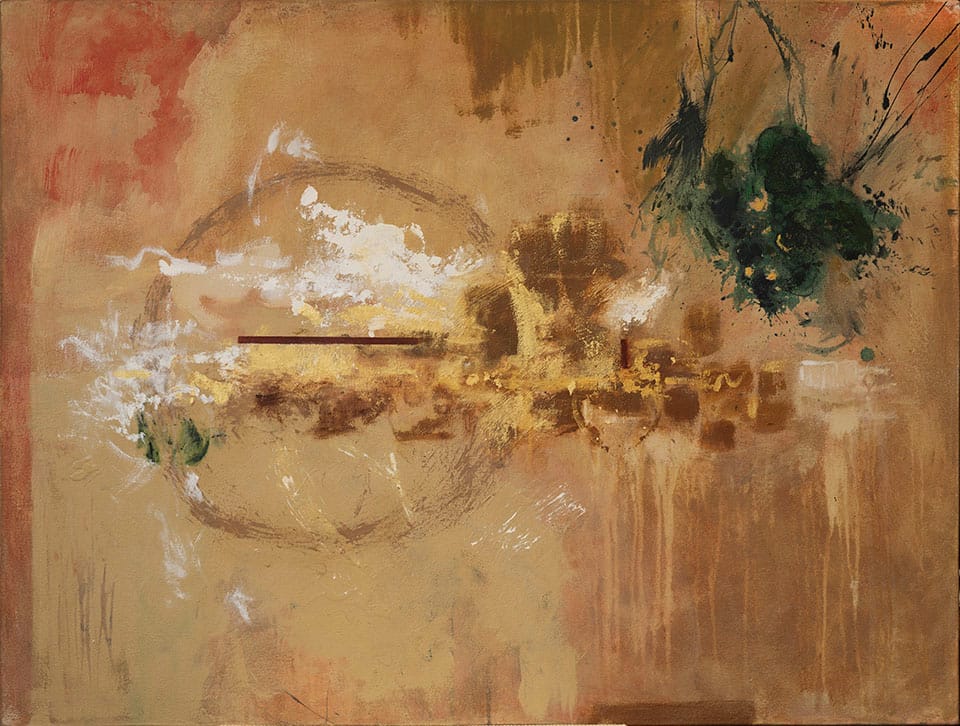
At Gail Severn Gallery, decades of exhibitions have culminated in a summer showcase featuring artists who address the realities of the American West, including forest fires, drought, and water issues. From a different perspective, Hemmings Gallery exhibits work by Thom Ross, an artist deeply connected to the West’s history, while Sarah Bird’s pieces evoke realism and discovery. In addition, contemporary artists Susan Hall and Sarah Davies explore the aesthetics and knowledge necessary to be an artist through their processes and interests.
Artist Susan Hall
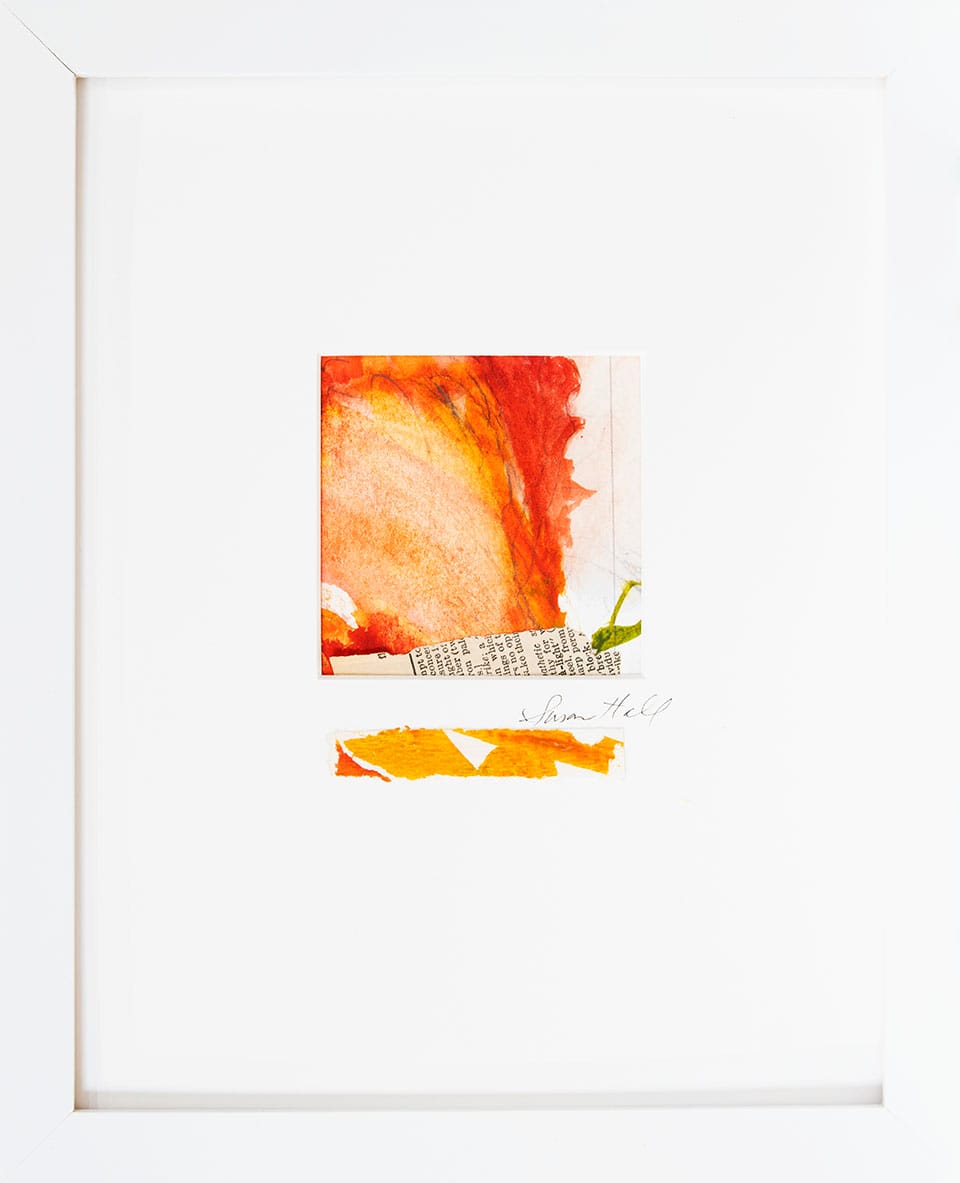
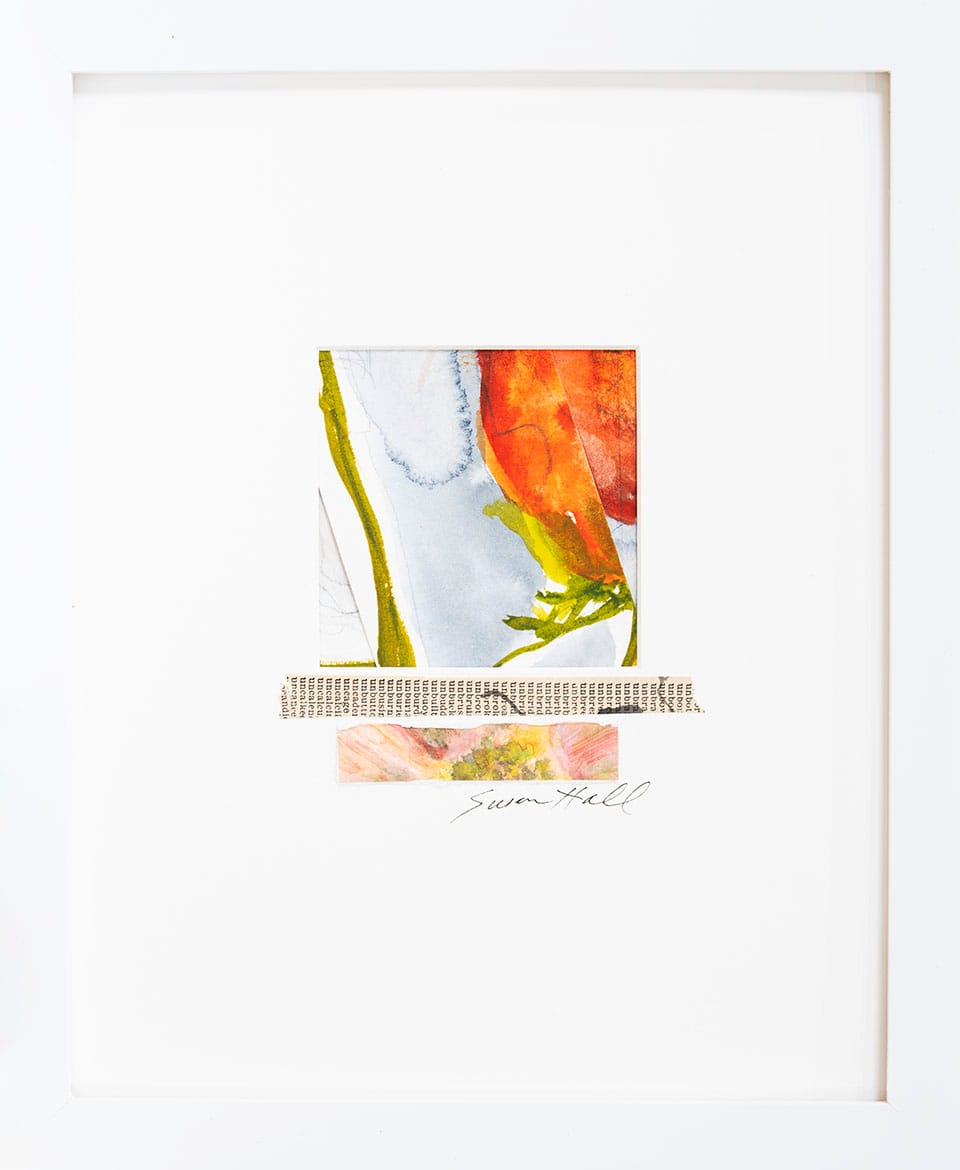
Celebrated and award-winning artist Susan Hall has been creating contemporary paintings and works in fiber, textiles, and ceramics for most of her life. Hall, who lives in Ketchum, Idaho, has a rich, creative history as a successful interior designer, highly regarded art and art history teacher, art consultant, and mixed-media artist.
In an in-depth discussion, Western Home Journal explores how the process and practice of making art has been an ongoing quest for beauty and meaning in her life.
whj: HOW HAS THIS QUEST BEEN REFLECTED IN YOUR WORK?
SUSAN HALL: I believe in the imperative of beauty in any work and in working without rules, no matter what process is followed.
Working without rules does not mean ignoring ideas or history. It does not imply total disregard for the medium, structure, accumulated knowledge of the creative process, or the intuitive goals at the time of creation. In my practice, working without rules means that while keeping an open mind, certain basic factors are essential. And, that at some point a work may start demanding a new direction. To be willing to experiment and change course takes a lot of courage, but sometimes one must follow this new direction. This quest can sometimes result in failure, but sometimes, hopefully, more often, the quest can result in an independent, successful creation, which has deep meaning.
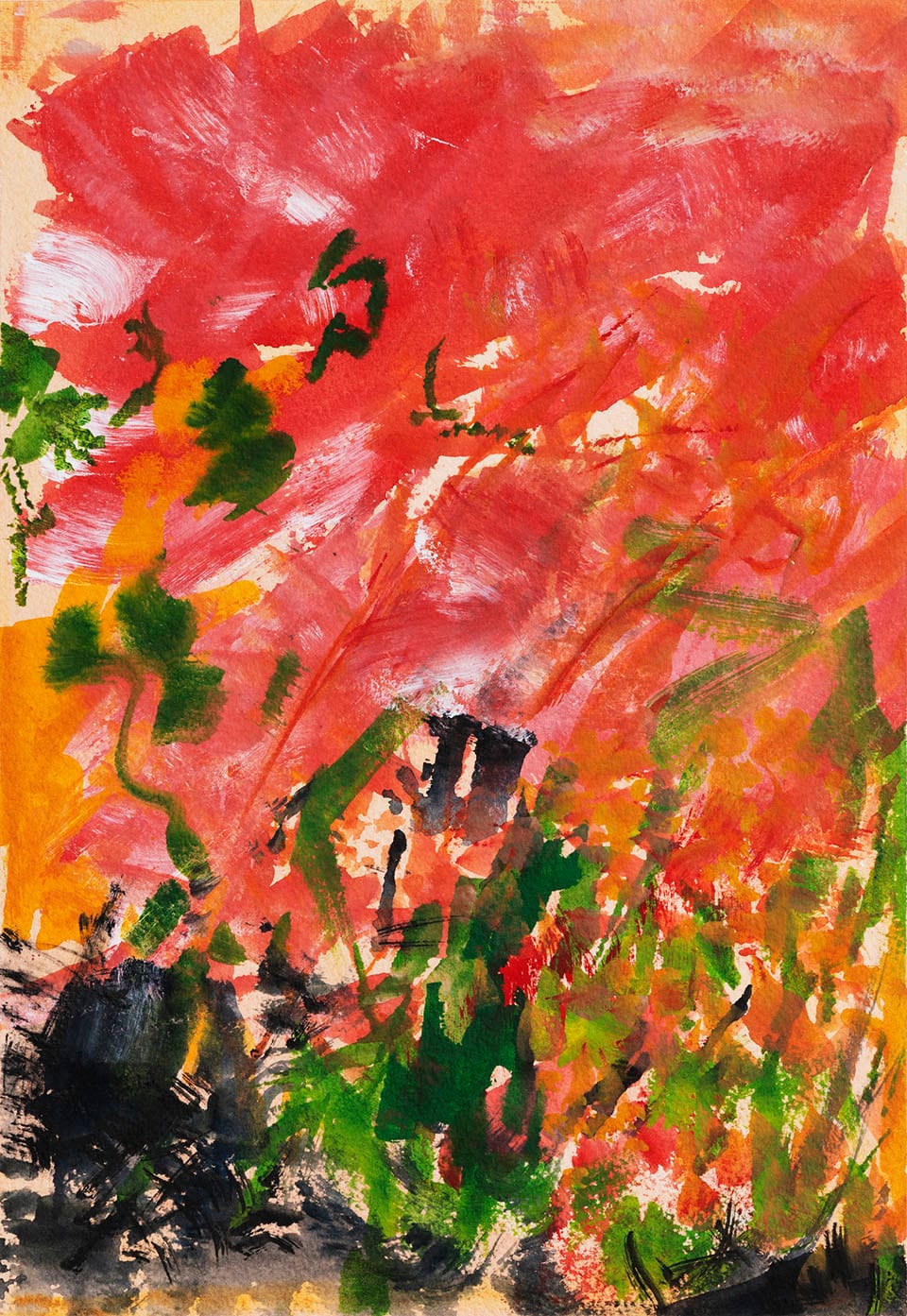
“Working without rules does not mean ignoring ideas or history. It does not imply total disregard for the medium, structure, accumulated knowledge of the creative process, or the intuitive goals at the time of creation.”
–Susan Hall, Artist
whj : CAN YOU DESCRIBE THE EVOLUTION OF YOUR CREATIVE PROCESS FROM YOUR YOUTH TO THE PRESENT?
SUSAN HALL: My use of materials beyond traditional paint and supports originates from my early childhood. I learned to sew and knit before I turned ten. The creation of something tangible fascinated me. The simple materials of that time, transformed into entities of their own by my hand, seemed miraculous. This fascination stayed with me. I learned to weave, creating wall hangings and rugs. (There was a notable surge in the ‘60s and ‘70s for such tactile art, not only on looms but also free-hanging, where the feeling of textures and scale excited me.) Working with porcelain offered another tactile experience during my journey. Back then there was a clear distinction between craft and art. As I engaged with craft materials, I was labeled a craftsperson. Eventually, the line blurred between craft and art, largely due to women raising their voices against discrimination. I studied art in European museums and galleries and on the East and West Coasts, and it became evident to me that all things can be integrated into an entity that stands on its own merit.
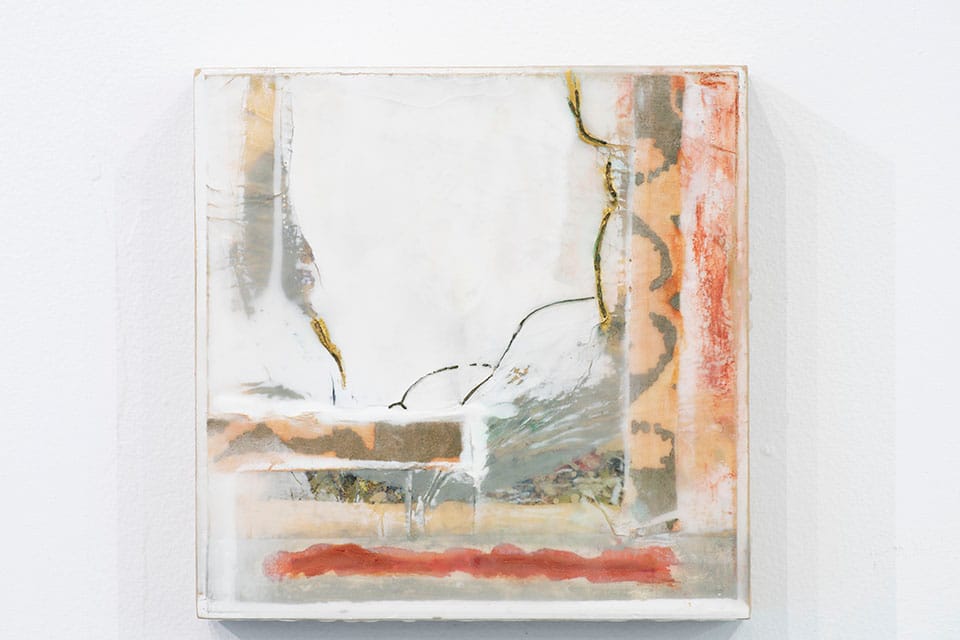
When I start a work, it’s with a vague idea of what I want to express an emotion or remembrance of some idea or color combination or place I have visited.
I have spent many years accumulating ideas. Studying the works of master artists whose work I love, attempting to capture the markings or emotions of a specific piece, especially the feeling and effect of spontaneity, which these artists seem to so effortlessly have achieved.
whj : WHAT IS NEW IN YOUR WORK? DO YOU WORK IN PHASES?
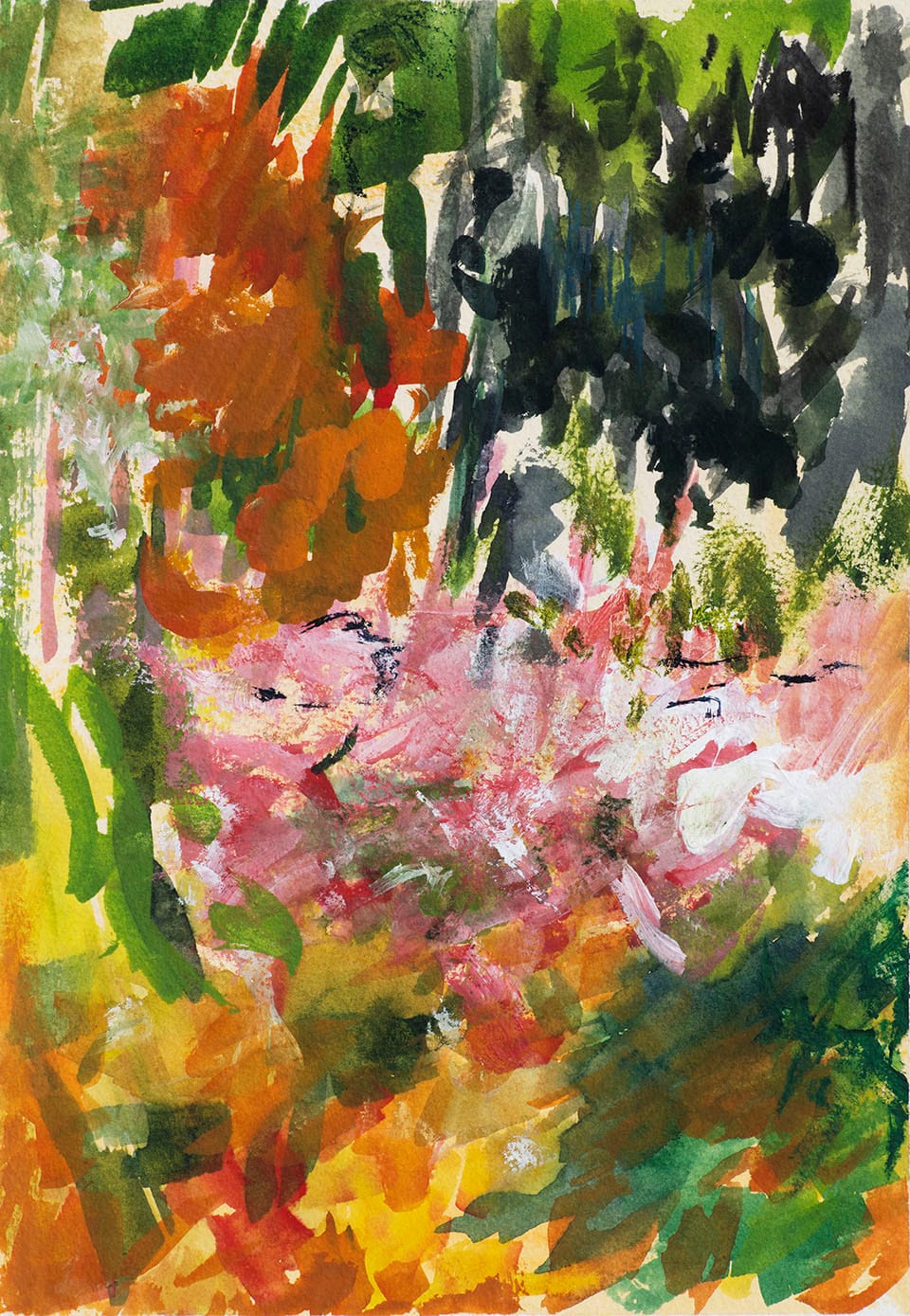
SUSAN HALL: As I grow older, I have been reflecting on the influences and reasons behind my artistic creations. My increasing appreciation of Chinese and Japanese art has motivated me to explore and practice working with inks and calligraphy on paper. I am striving to understand these centuries-old techniques and, more importantly, the reasons for their continued relevance today.
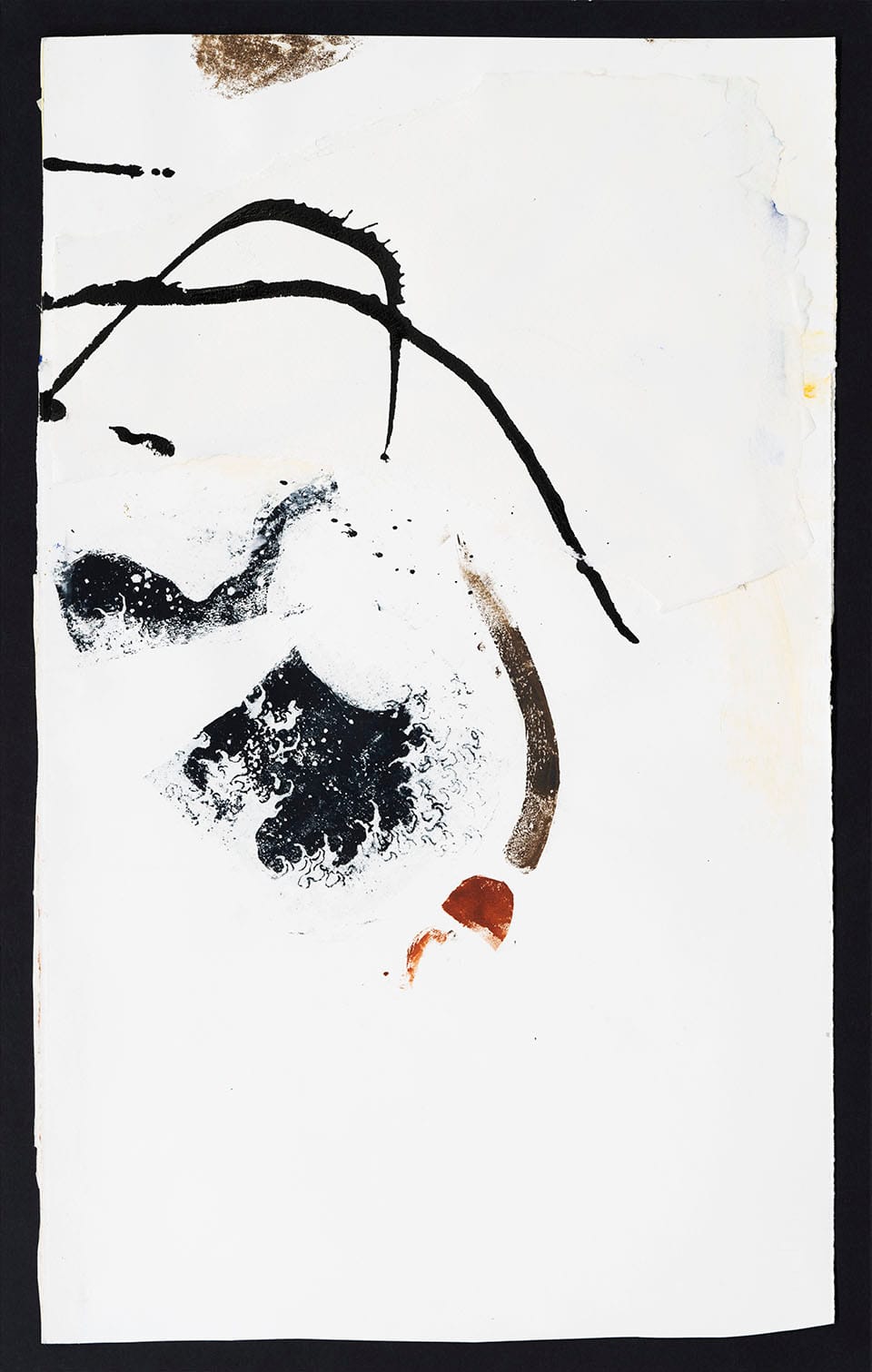
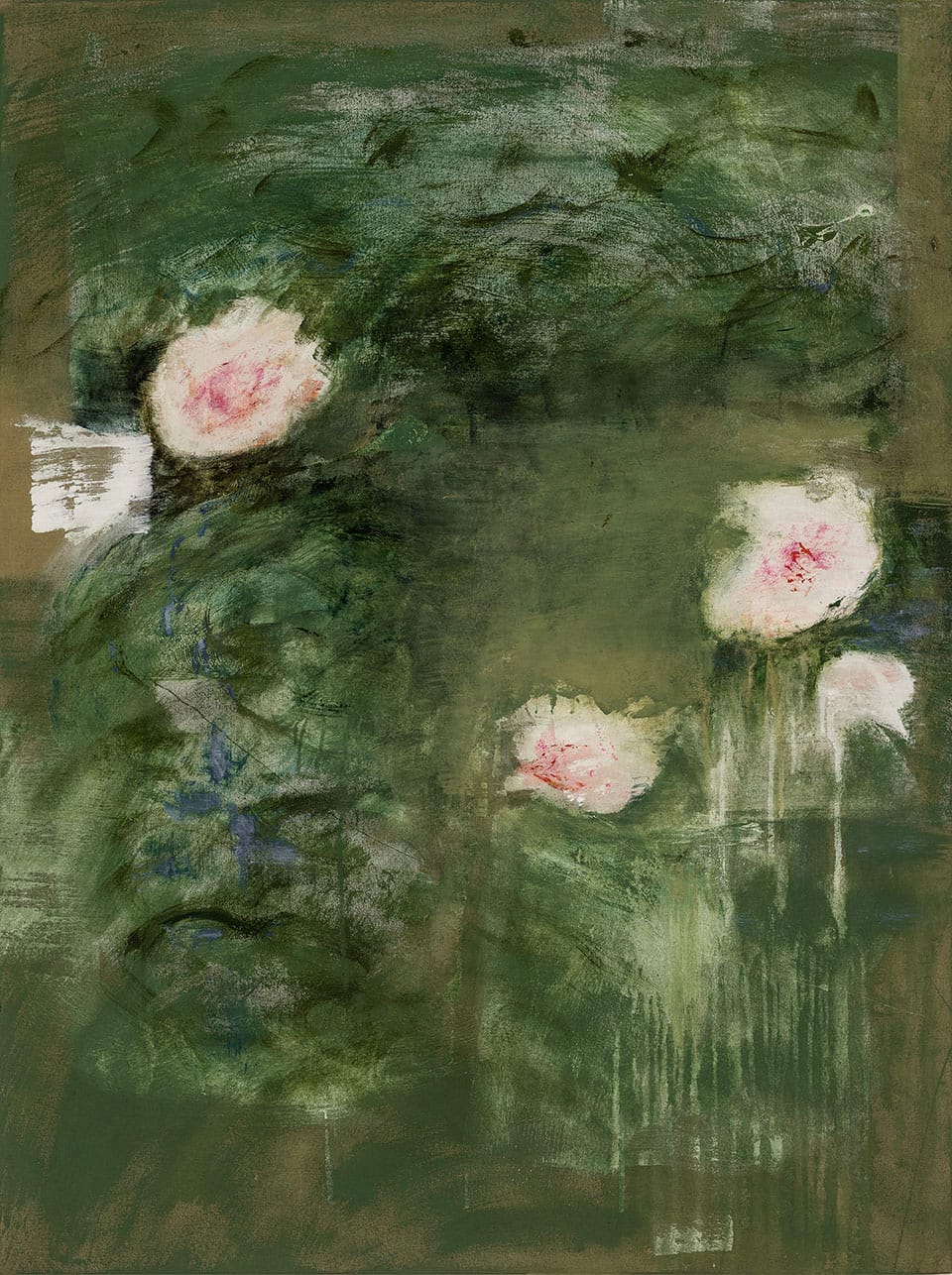
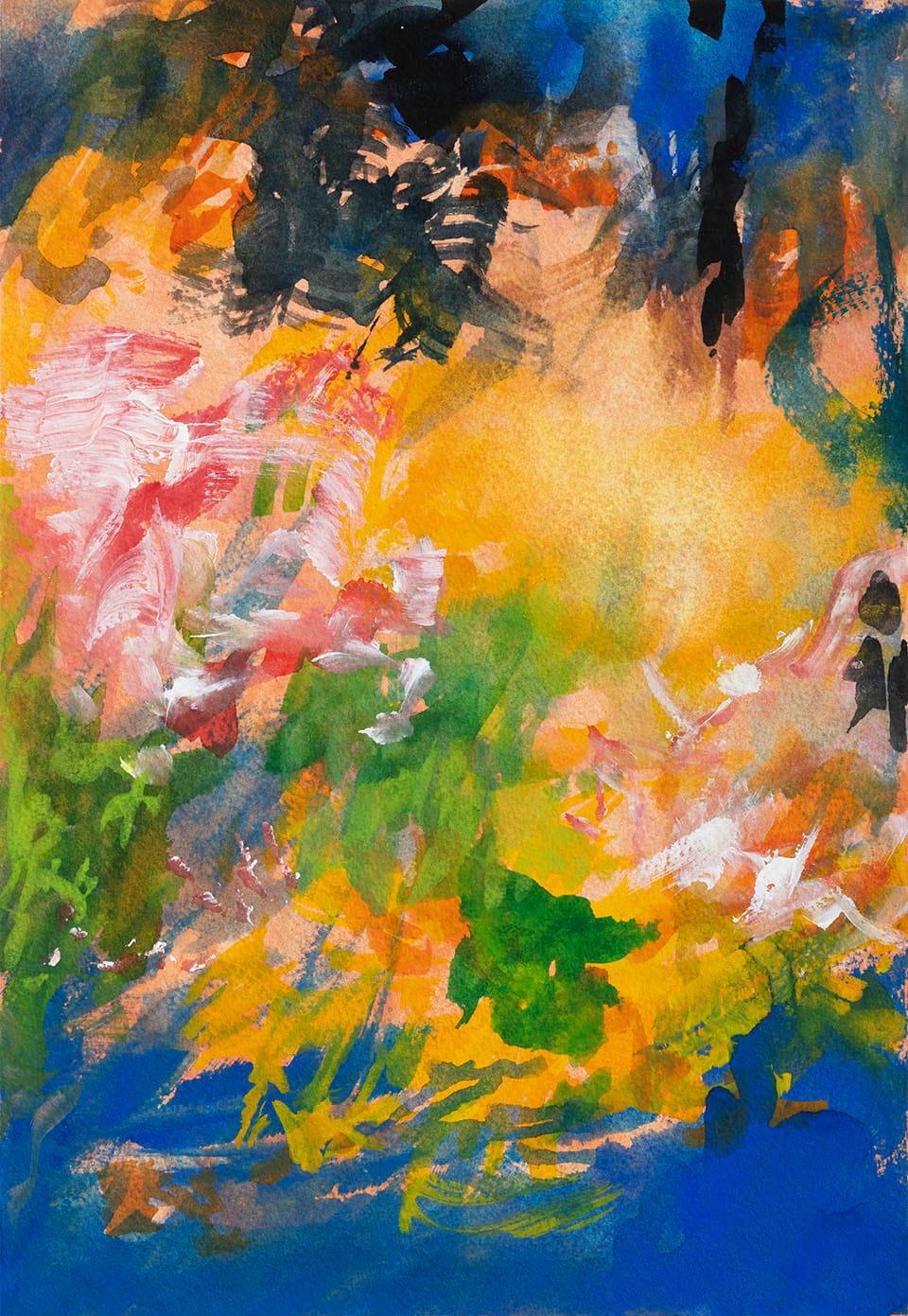
I tend to work in periods of dark and light phases. Dark work seems to be associated with winter when the work appears dark, reflecting the primordial winter. My work seems to be lighter in the spring and summer, with more optimistic motifs and lighter colors.
whj: WHAT IS YOUR ADVICE TO BEGINNING ARTISTS, OR TO THOSE WHO THINK THEY ARE NOT CREATIVE?
SUSAN HALL: Do not be afraid! Take time to pick up a pencil, brush, or hammer. Look around, not only for natural beauty but also for the beauty within yourself. Put your hand to the instrument and make a mark; what you put down comes from within you and is special. There is no right or wrong. There are no rules!
whj: WHAT IS YOUR ADVICE TO THOSE WHO WANT TO COLLECT OR JUST ENJOY FINE ART?
SUSAN HALL: Really, it is the same answer as above. Collect what you like or are emotionally drawn to. There are no rules! Visit art galleries and museums, and look at art publications. The more one looks, the more one is educated.
Learn More About Susan Hall:
whj FEATURE
