
Written by: Leah Wynn
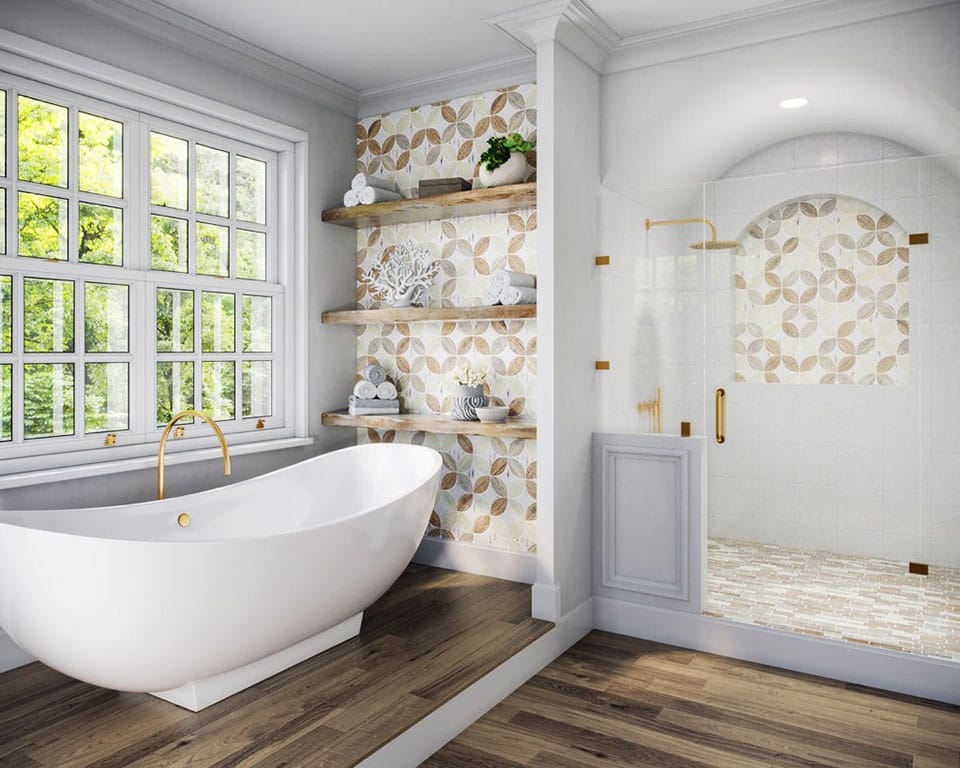
Comfort, at its simplest, is a sense of ease. It’s a space that feels settled, personal, and reflective of how people actually live. The question is less about defining comfort universally and more about how it takes shape for individual people in individual homes.
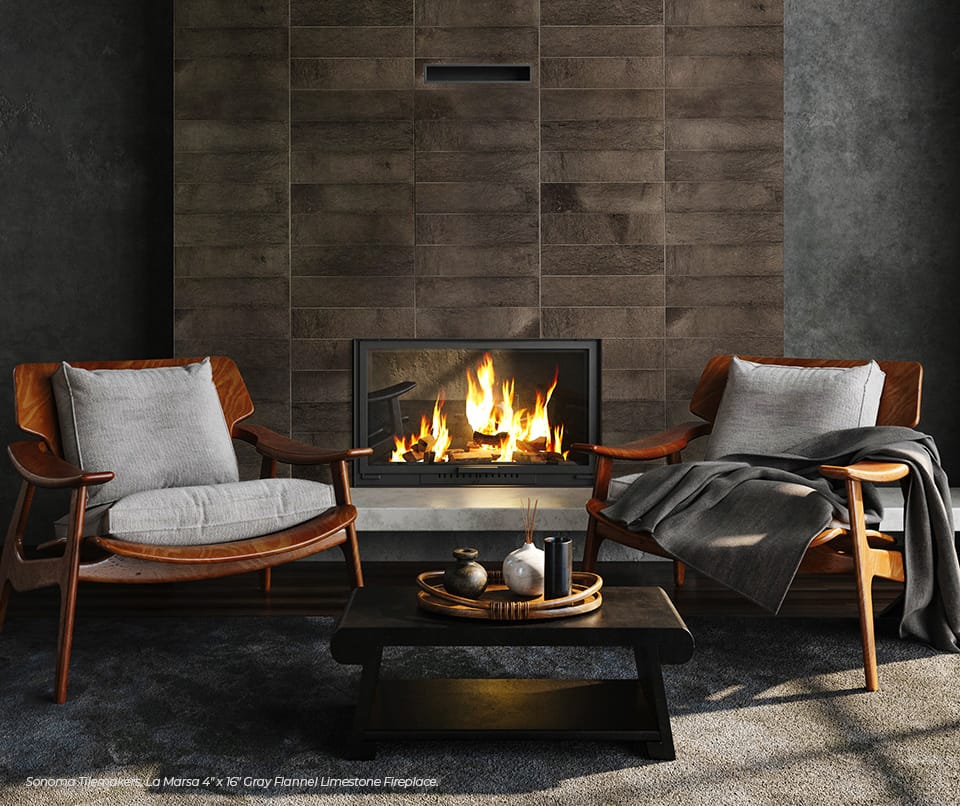
How material and texture shape spaces that feel personal
For some, that means restraint. Soft, gentle palettes with minimal distractions create a sense of calm. For others, it’s an interior that’s layered and expressive, built through color and texture. What holds true across both is always intention, because the most successful spaces don’t follow a formula. They reflect the people who live in them.
Materials are, of course, a central role in that process. For centuries, builders and designers have relied on architectural elements to distinguish their work, using surfaces, patterns, and structures to shape how a space is experienced. Those decisions, when made well, don’t just complete a room. They define it.
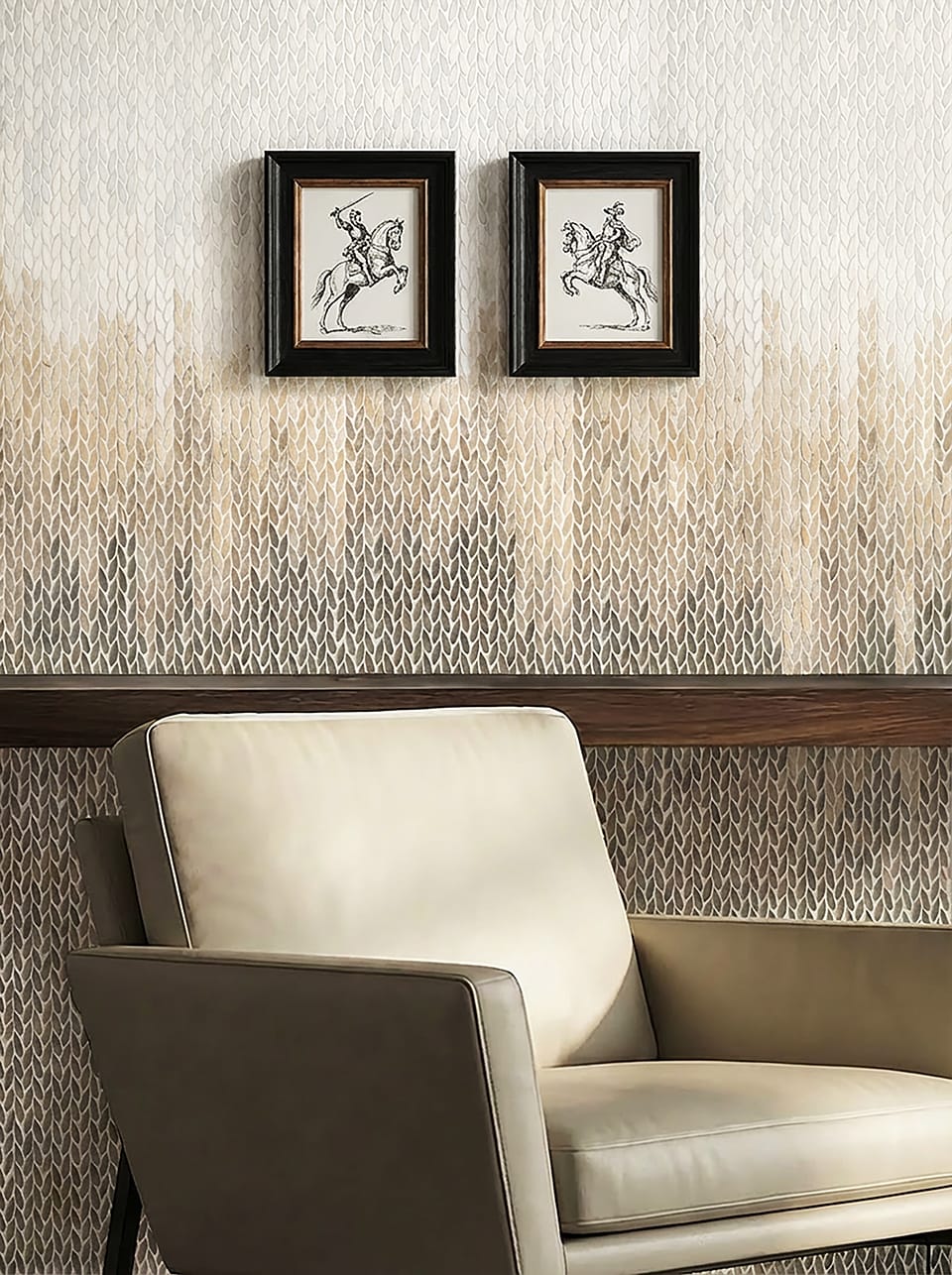
-First: Corisa Petite, a waterjet cut mosaic, shown in honed Heavenly Cream, Bursa Beige, Jura Beige, Lagos Gold, Emperador Light, and Montevideo, is part of the Old Castle collection by Jacquelyn Bizzotto for New Ravenna.
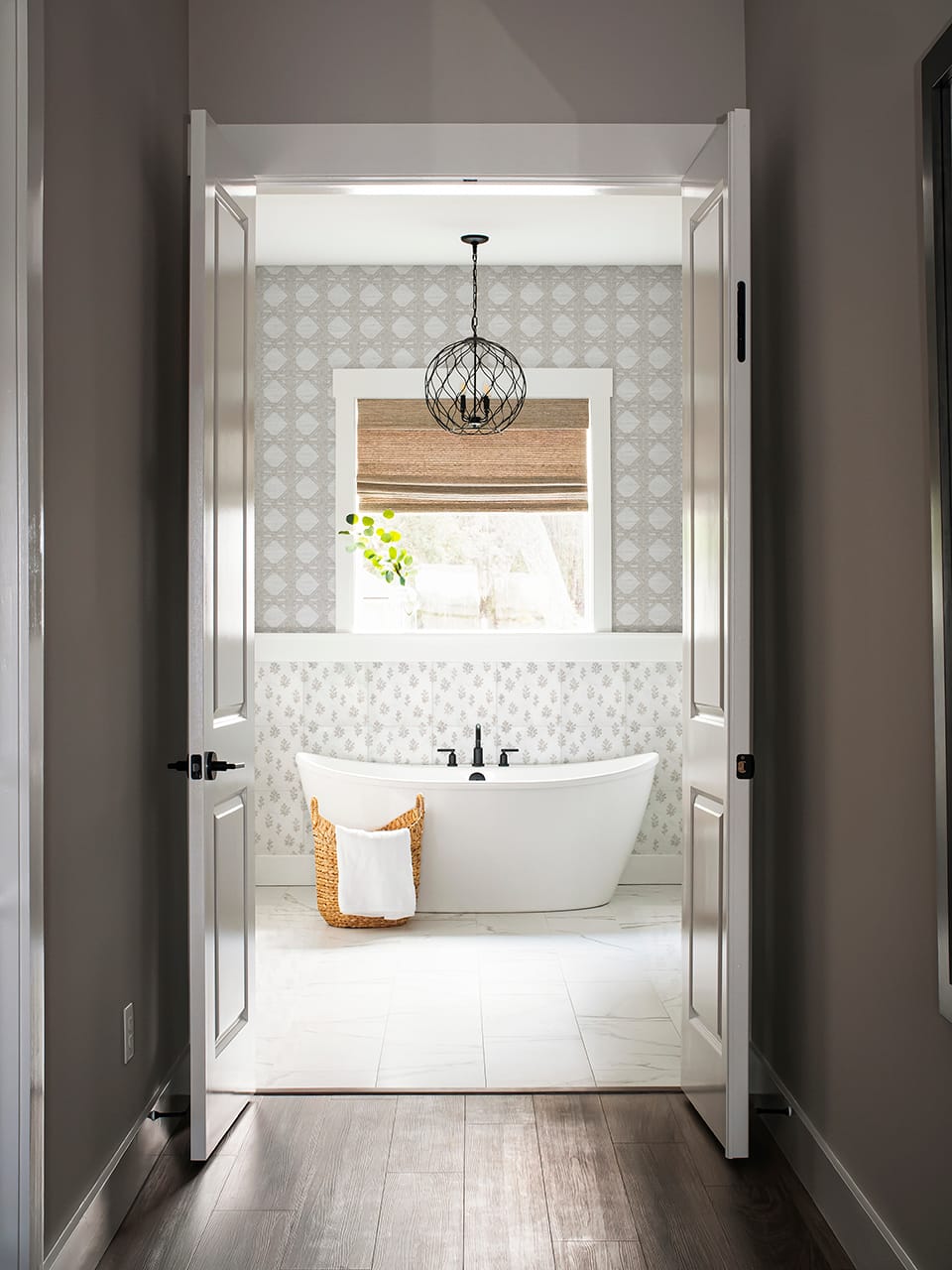
-Second: Stone Impressions-Cottontail Tile with coordinating Soft Lattice on Linen Wallpaper.
Inside Out Architecturals has built its approach around that idea by offering tiles that serve as material and design tools. At Inside Out, the focus is less on selection for its own sake and more on how each piece contributes to a large idea. It matters how it holds up over time, how it feels underfoot, or how it interacts with changing light.
The Inside Out collection spans a wide range, from natural stone and large-format glass to traditional flooring and historically influenced ornamentals. Many of the materials highlight craftsmanship, carrying subtle variation and texture that are less about the product and more about the experience the surface provides. Therefore, at Inside Out, tiles move beyond utility and toward something closer to a lasting impression of the home.
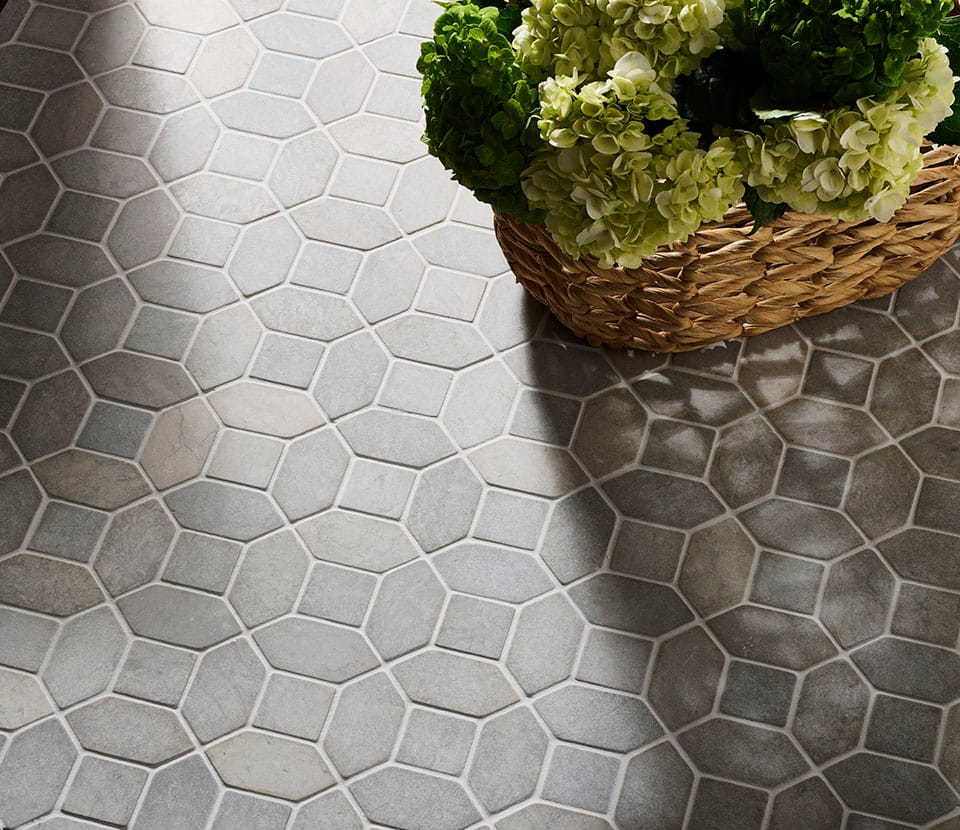
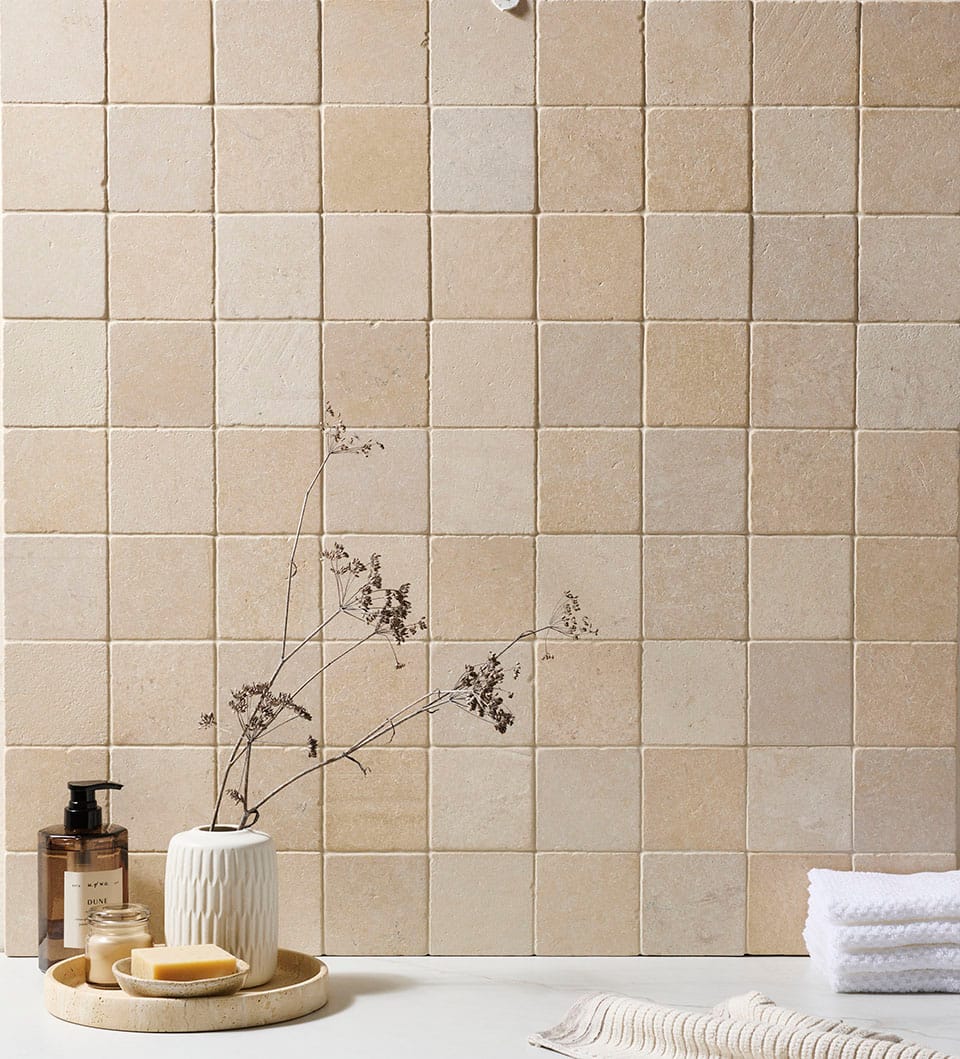
-First: Grey Stone, Sonoma Tile makers Valore Collection in the Cool Bodrum. -Second: Cream Stone, Sonoma Tile makers Valore Collection in the Warm Plume.
Increasingly, there is a move away from perfectly smooth, uniform finishes. People want flavor, and texture, and surfaces that feel worn-in, tactile, and grounded. Particularly in stone, there is a desire to incorporate depth through patterns and natural irregularities.
There have also been advances in protective coatings that further expand how and where materials can be used. Natural surfaces that once required delicate handling are now being introduced into high-traffic areas like bathrooms and showers. Teak, for example, was traditionally associated with exterior use. Today, it’s finding its way into wet interior environments because of its durability and warmth.
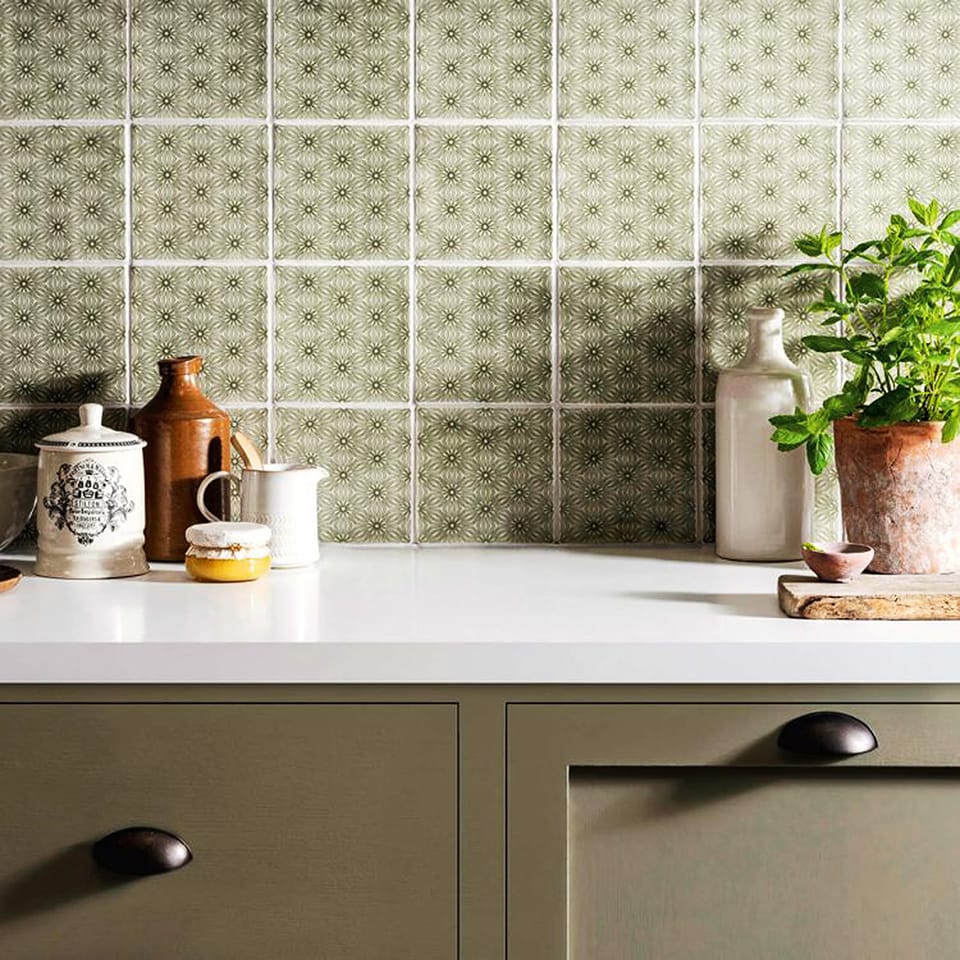
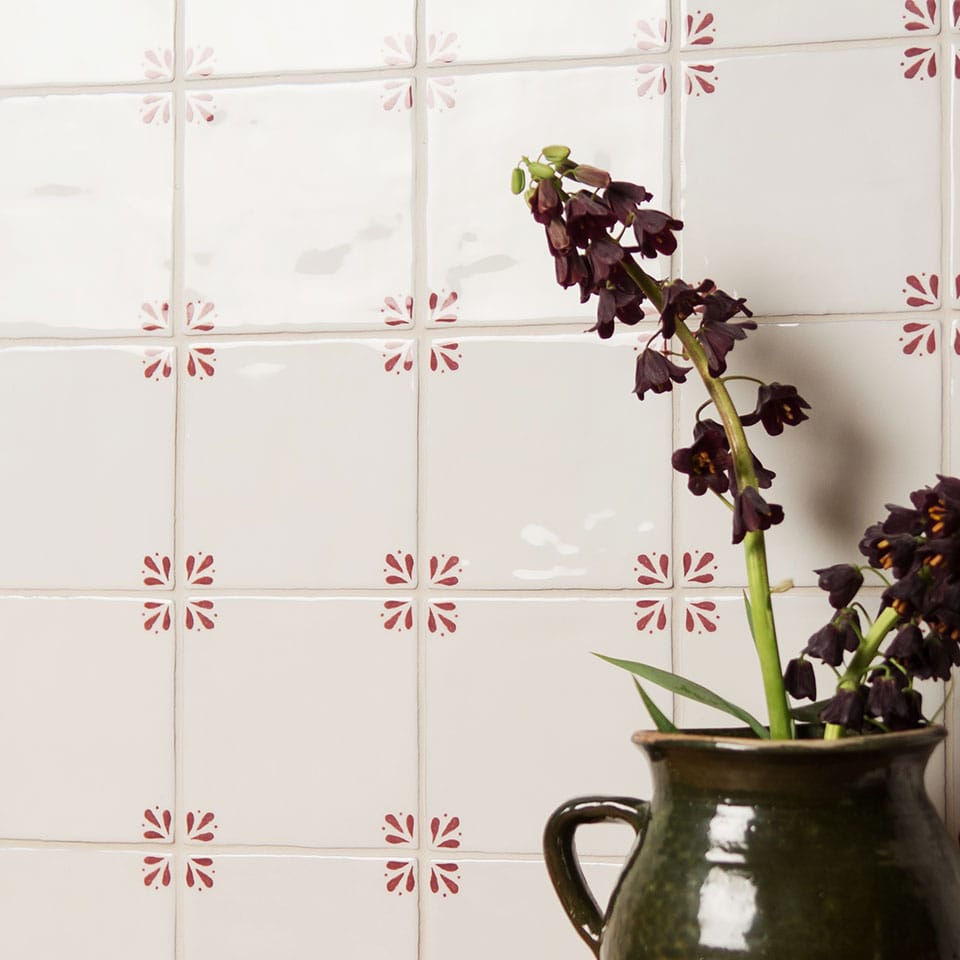
-First: Original Style’s Winchester Tile Fleur, Messel on Pumice. –Second: Original Style Delft tile Cornelia in Burgundy.
Delft tile, with its hand-painted details and slight imperfections, is now being used to introduce narrative into a room. Instead of having a repeating pattern, the tiles appear as something more personal, as though they are contributing to a larger story.
The use of color is also changing. Instead of dominating, different shades and layering are used in neutral foundations, drawing tones from stone, water, and pottery. This adds energy, without overwhelming. Pattern, too, is evolving, by borrowing from wallcoverings and using tiles to express something new yet familiar.
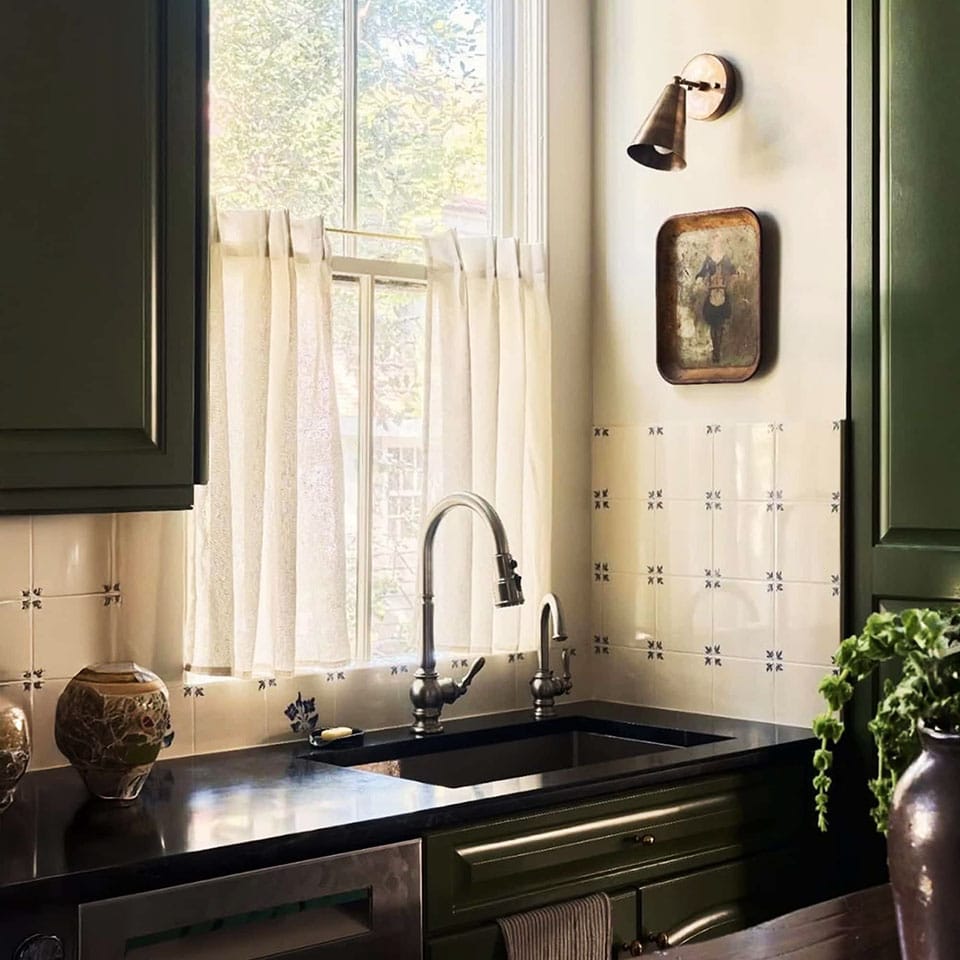
-Country Floors Garden Blanc Blue Glazed Ceramic Tile.
Underlying all of the shifts in making homes thrive in comfort is a return to materials that feel lived-in. Aged, worn, and tumbled stone has re-emerged. Collections like Sonoma Tilemakers’ Valore line offer that kind of character with surfaces that feel rather established as soon as they’re installed.
In the end, comfort isn’t something that is immediately granted. It’s deliberately built over time, through decisions that prioritize how a space feels as much as how it looks. Materials like tile, which are often overlooked as purely functional, play a defining role in shaping environments meant to be used, felt, and enjoyed.
whj PROFILE
