
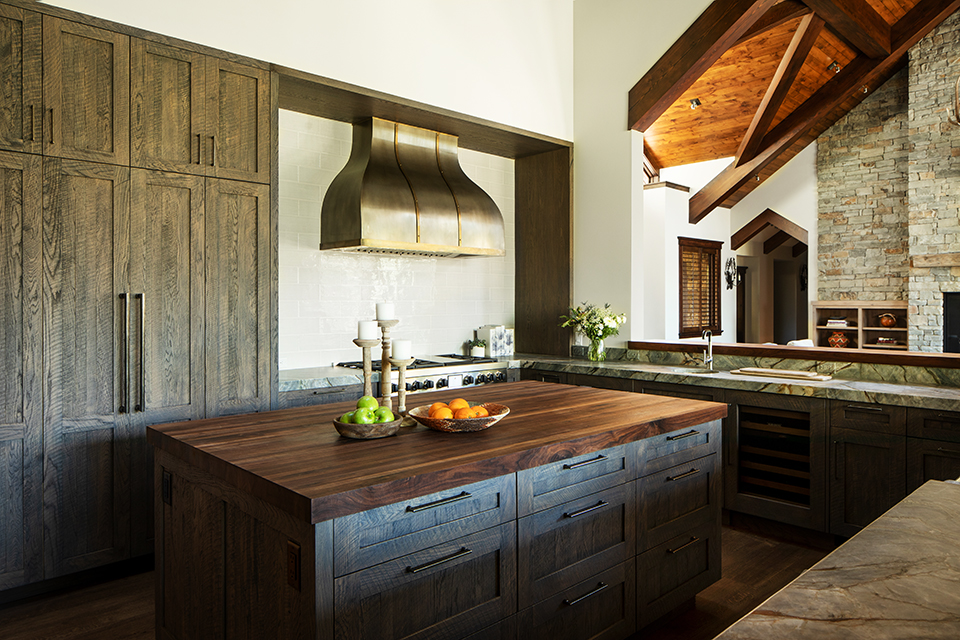
A Conversation with Alison Price of Price West Architecture & WHJ Editor-in-Chief, Laurenz Busch
In Conversation spotlights the people shaping how the Mountain West lives, builds, and designs. Through candid conversations with creatives, craftspeople, and business owners, Western Home Journal explores how thoughtful design takes shape in real homes and real communities—providing insight into process, perspective, and the personal stories behind the work.
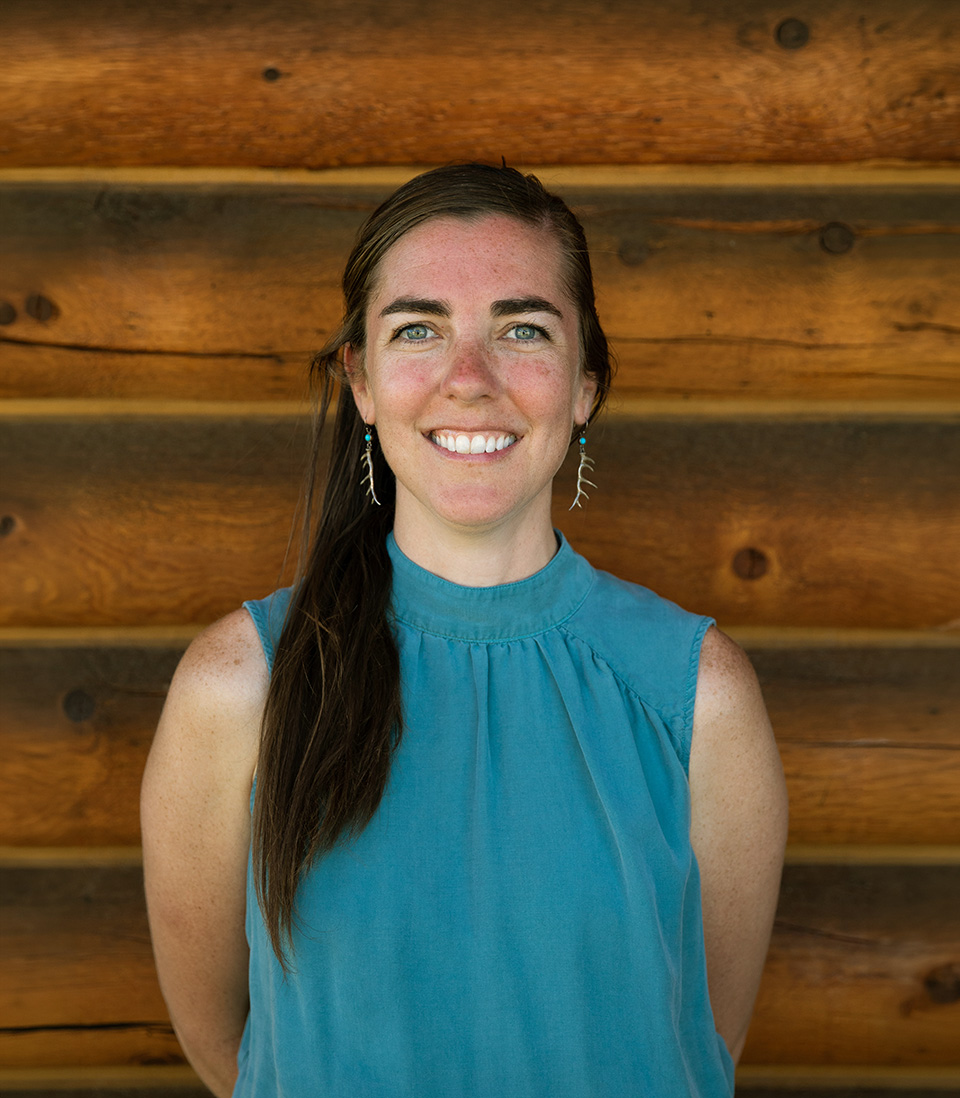
A Conversation with Alison Price of Price West Architecture
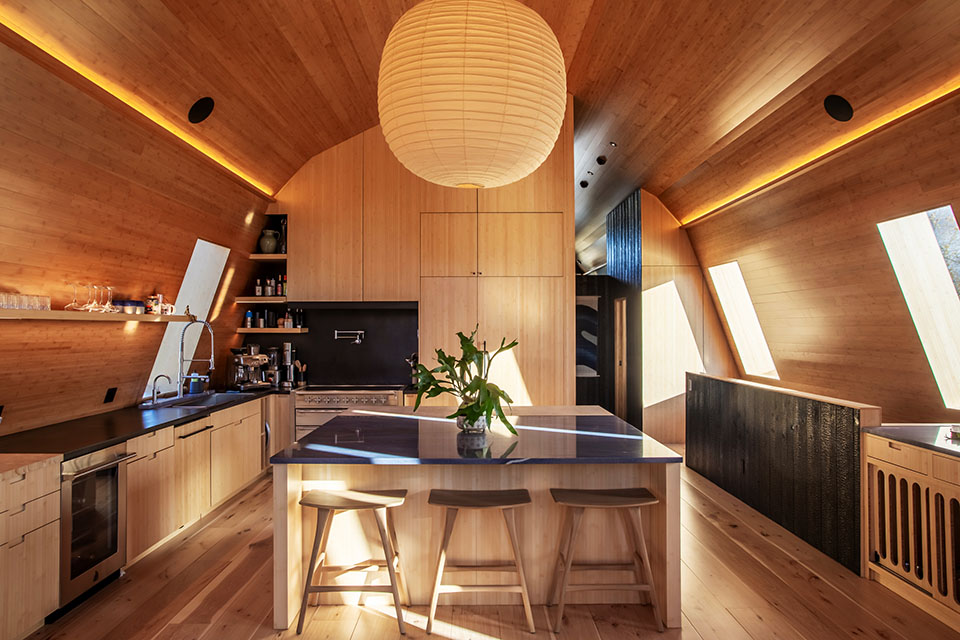
Alison Price thinks about architecture in motion. She reads a home the way a dancer might read a room: where the body enters, where it turns, where it pauses, where light opens the space, and daily life finds its rhythm.
At Price West Architecture, the Jackson-based residential studio she founded in 2019, that sense of movement guides the work. Price grew up around architecture in Richmond, Virginia, drafting alongside her architect father before she had a driver’s license. Today, she combines that old-school foundation with new tools and technology, improving homes and designing new constructions in the Mountain West.
Much of her work is based on the idea of favoring evolution over erasure—guiding homes and sites toward a new future without losing what made them meaningful in the first place. Through hand sketches, close listening, and what she calls the “Color Dance,” Price studies how homes allow people to move, breathe, gather, and change.
“THE PHILOSOPHY OF PRICE WEST IS ABOUT BUILDING A BETTER FUTURE UPON THE FOUNDATIONS OF THE PAST. HOMES SHOULD EVOLVE THOUGHTFULLY OVER TIME.”
WHJ: Let’s start with where Price West is today. You’ve been in business for seven years now. What does the studio look like at this point?
Alison Price: It’s an exciting phase. I started Price West with bathroom and kitchen renovations, and I’m currently working on two new construction projects here in Jackson. Additions and renovations still feel like my bread and butter because I love working with existing structures, figuring out how to update them for new families.
WHJ: That idea of working with what’s already there feels important to your practice. It’s not always, “scrap it and start over.”
AP: Exactly. The philosophy of Price West is about building a better future upon the foundations of the past. Homes should evolve thoughtfully over time. There’s something meaningful about carrying a home’s history forward while reshaping it for the next generation.
WHJ: When a prospective client comes to you, what do you want them to understand about Price West?
AP: That my team and I care deeply about people, sites, and buildings. As a small firm, I’m involved in every email, every site meeting, every client call, every engineer call. I’m able to provide consistent care throughout the process. My goal is for the finished project to feel like shared pride, something we can all celebrate because we made thoughtful choices together.
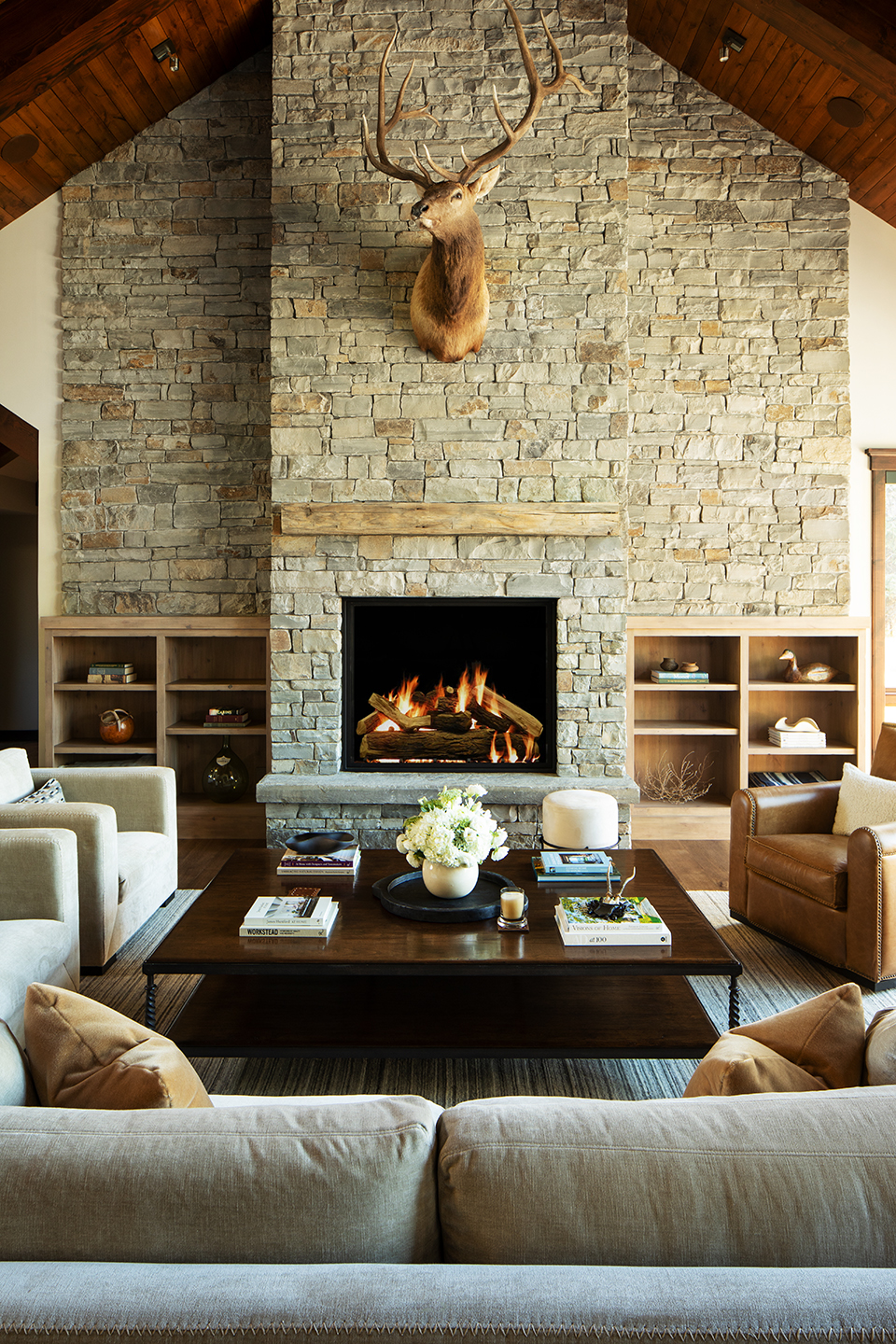
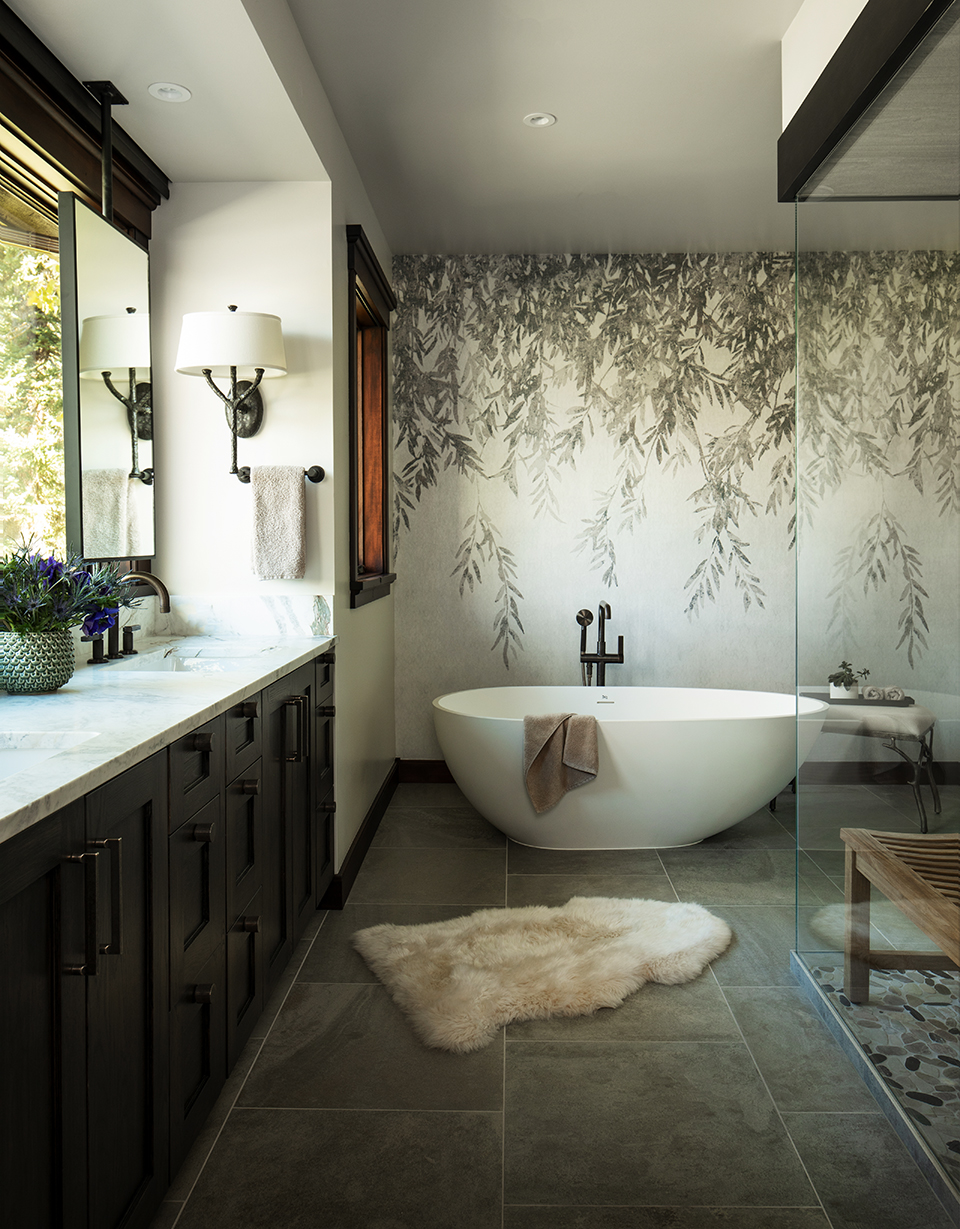
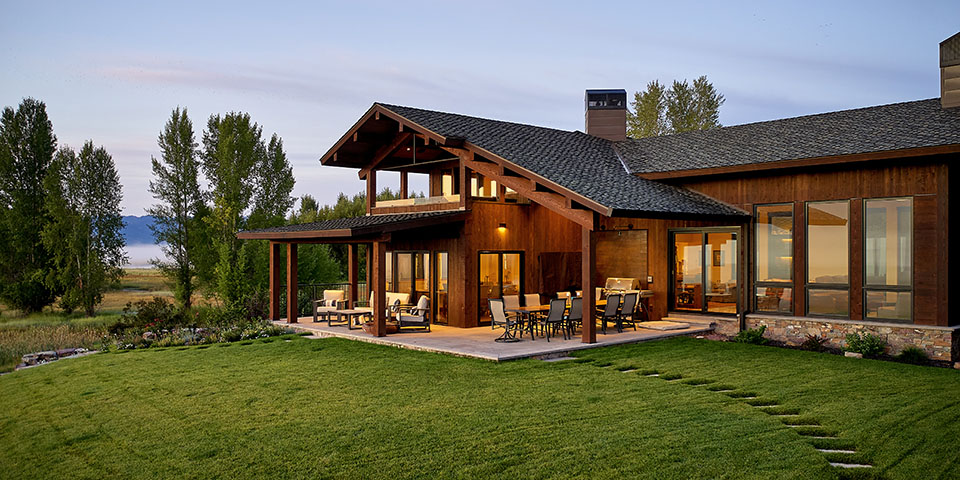
WHJ: That comes through. And you’re not selling one fixed style. Looking at your work, the houses don’t all look the same.
AP: No, and I don’t want them to. The house, site, and family or clients tell me a lot. My passion is making things beautiful and functional while working with existing constraints. I love the puzzle.
WHJ: And you like being the person holding that puzzle together.
AP: I do. Bringing engineers, builders, interior designers, and contractors into the conversation early helps, but my job is to hold the vision and guide the team toward what I know the client is looking for.
WHJ: I want to talk about your dad briefly, because I feel like he plays a pretty central part in your life and career. You grew up around architecture, right?
AP: I did. My dad is an architect, and I grew up around drawings, job sites, and conversations about design. I started drafting alongside him as a teenager. I’ve been doing architecture longer than I’ve had a driver’s license.
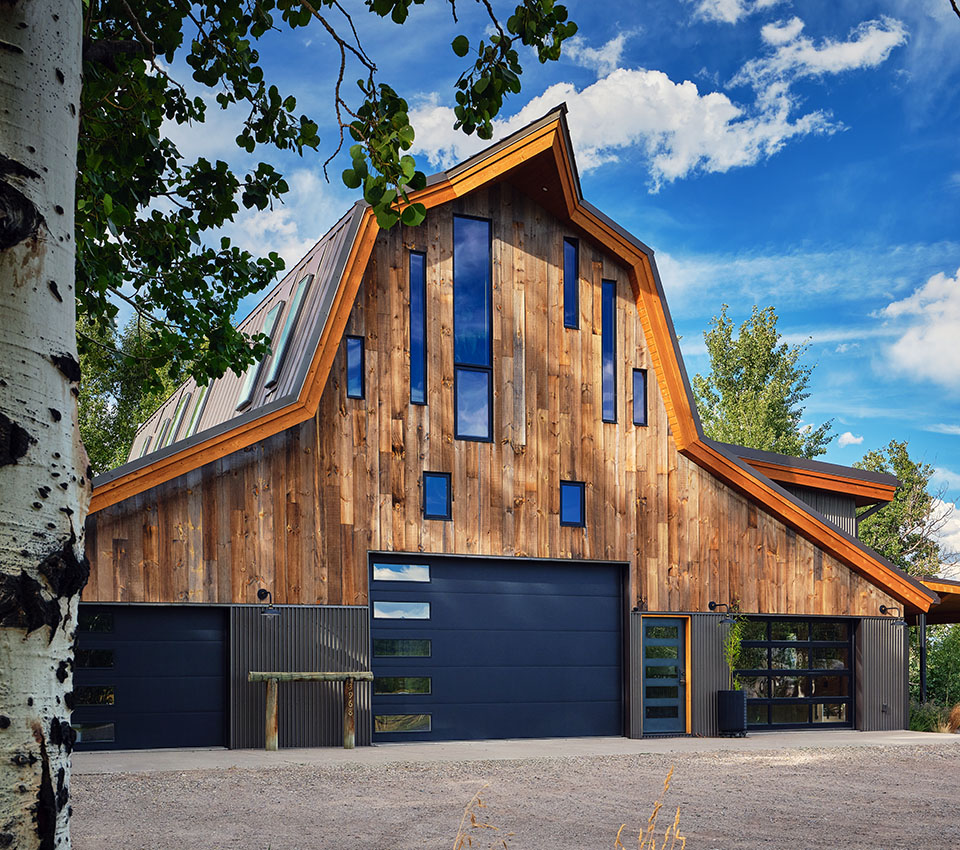
WHJ: That’s a good line.
AP: It’s true. I still sometimes start my conceptual process with him. We do what I like to call the “Color Dance” by assigning different aspects of the drafting process to different colors and studying the relationships between them. Circulation is always yellow—that’s my yellow brick road. It helps us ask: How do people move? Where are the moments of pause? What relationships matter?
WHJ: I love that because it makes architecture less intimidating. It’s not a perfect rendering dropped in front of a client. It’s about, “Here are the pieces. Let’s talk about how they move.”
AP: Architects get ahead of themselves. Hand-drawn elements make it less formal and more approachable.
WHJ: And dance, actual dance, has shaped your process too?
AP: Definitely. I’ve danced since I was three, and I think that deeply shaped how I understand movement through space. Architecture has cadence: circulation, compression, openness, light, and stillness. Those moments create a spatial rhythm.
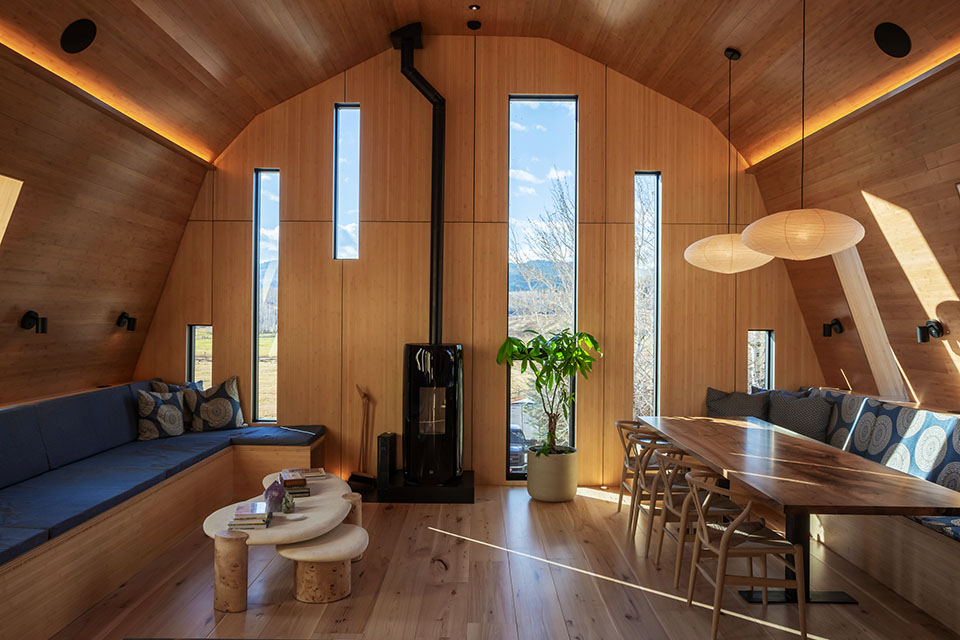
WHJ: You’ve been practicing in Jackson since 2011, but Price West itself is still a relatively young studio. How do you think about that position?
AP: I’m definitely a mix. I have new tools, new ideas, and a small studio, but I also have an old-school foundation. I know how to draw. I know technology. I bring both sides, with curiosity and deep respect for the process.
WHJ: Personal, technical, collaborative, and still very much drawn by hand.
AP: That’s what I hope people feel.
whj IN CONVERSATION
