
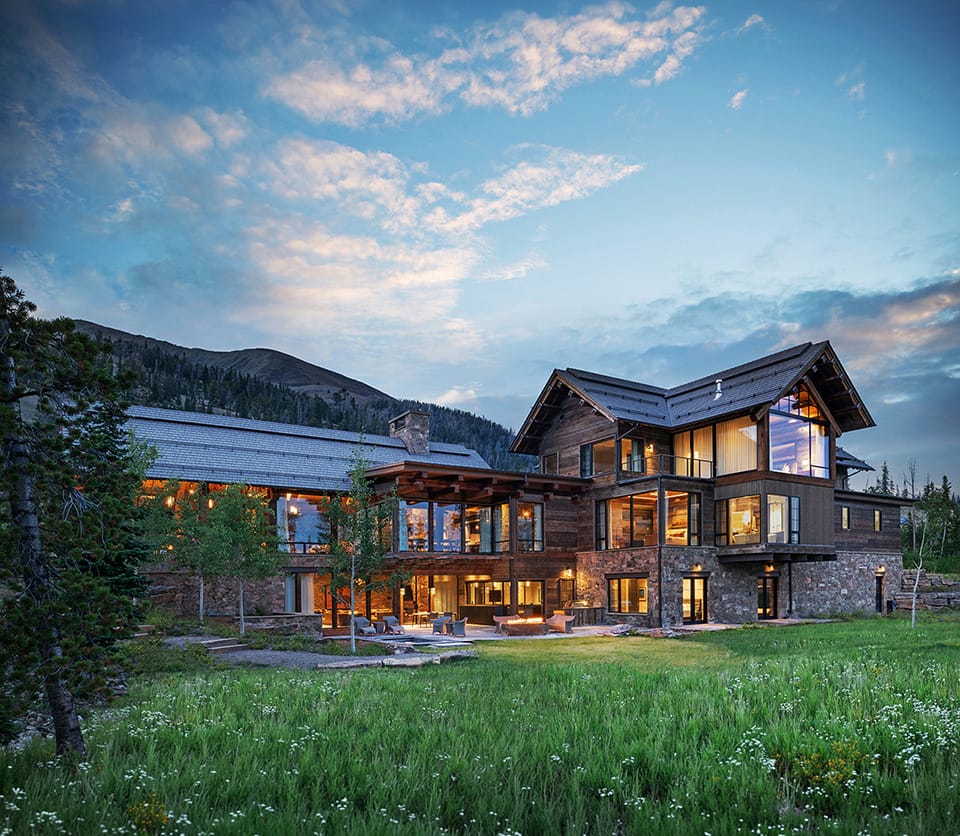
Written by: Laurenz Busch
In the most thoughtful spaces, technology rarely calls attention to itself. It blends seamlessly into the architecture, shaping and refining the atmosphere rather than dominating it. Light and sound, climate and security all operate in sync, working in quiet harmony. Together, they create an environment that feels almost effortless. Light lands warmly and evenly, and music plays while conversations flow uninterrupted. Shades disappear into walls. Switches are placed intuitively. The connection to the outside world is always there, but never intrusive. This kind of calm, integrated environment is what Eyehear luxury home technology has spent more than two decades bringing to homes across Northwestern Montana.
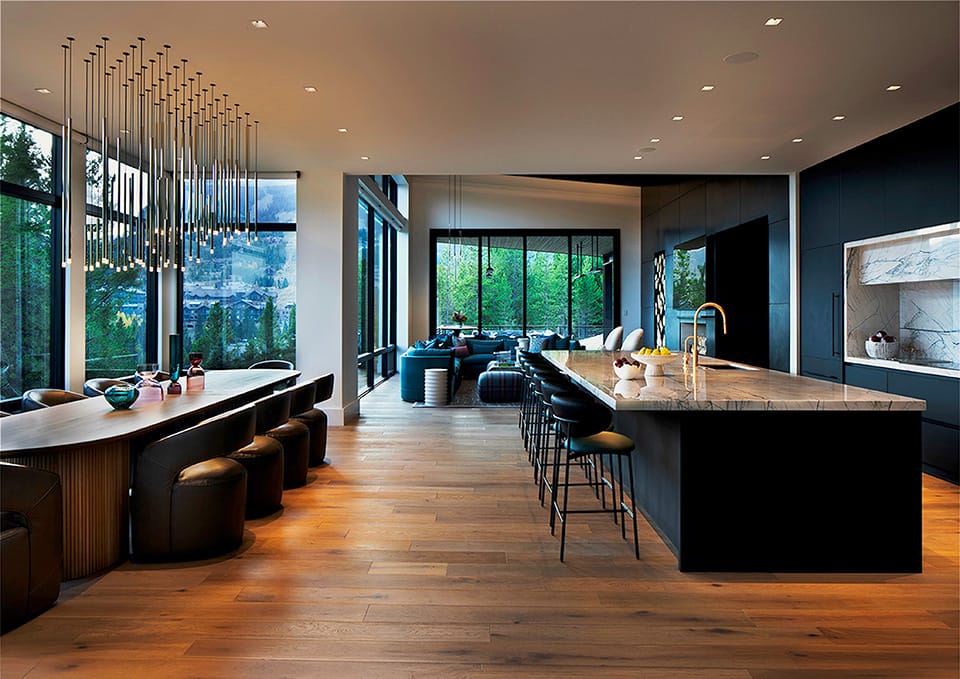
INSIDE THE RISE OF IN VISIBLE TECHNOLOGY
As homes continue to evolve toward the next level of luxury and comfort, the need for integrated technology has never been greater. Specialty companies now work alongside architects from the very beginning, ensuring that connectivity isn’t merely an afterthought but integral to the design itself. In the Flathead Valley, Eyehear has been shaping that conversation—quietly and deliberately.
“Next level in the luxury space really means technology that fades into the background—but is there when you need it,” says Matt Grant, Partner at Eyehear Technology. “It’s elegant sophistication where you don’t necessarily see it, but it operates in harmony.”
Over the years, luxury in the Flathead Valley has evolved. Windows have grown larger. Architectural lines have become cleaner. Materials have improved. But the most significant shift is less visible. Homes have become intricate systems that shape comfort, function, and flow. They respond to how people move through them. They anticipate patterns of use. And when they’re working well, they disappear entirely.
“NEXT LEVEL IN THE LUXURY SPACE REALLY MEANS TECHNOLOGY THAT FADES INTO THE BACKGROUND, BUT IS THERE WHEN YOU NEED IT. IT’S ELEGANT SOPHISTICATION WHERE YOU DON’T NECESSARILY SEE IT, BUT IT OPERATES IN HARMONY.”
-Matt Grant, Partner, Eyehear Technology
“For the luxury homeowner, the goal is reliability,” he says. “They want to interact with their home simply and elegantly, as invisibly as possible. It’s behind the scenes, operating seamlessly.”
That difference is most noticeable in homes where technology is considered early, before walls close and decisions harden. Early coordination allows systems to disappear into the architecture rather than compete with it. “We’re most useful before the foundation is poured,” Matt says. “That’s when we can shape how a home will feel, as well as how it will function.”
For Eyehear, the process begins with architects discussing how light should move across a room or highlight a wall. It continues with builders planning structural details that will conceal wiring and shade pockets. Interior designers shape how a space should feel in the evening versus midday. In custom homes at this level, technology isn’t something added at move-in. It’s woven into every decision that shapes the finished result.
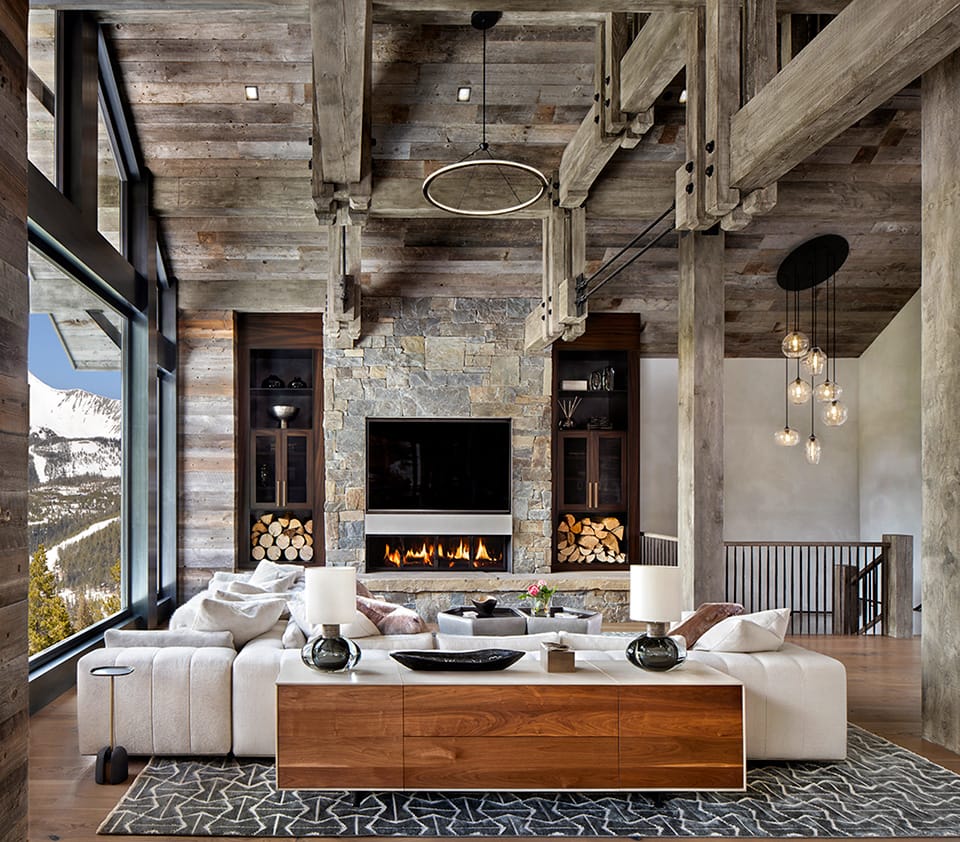
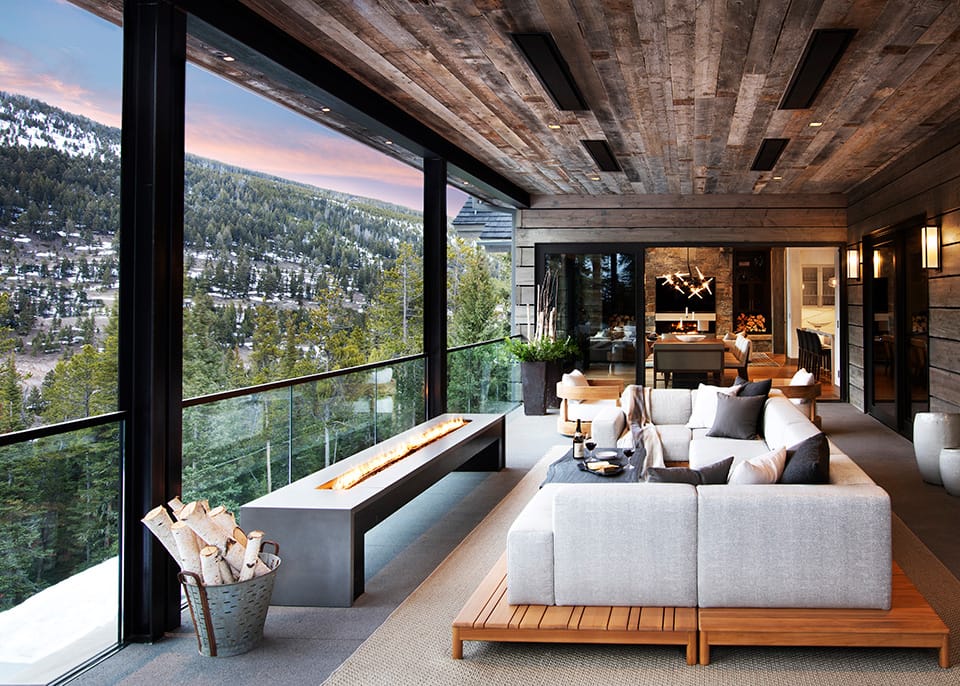
“Treating technology as something you add at the end is almost always a mistake,” says Matt. If integration doesn’t happen during the design stage, the opportunity to fully incorporate lighting, shading, and audio into the architecture is limited. The systems may still function, but they won’t truly disappear into the home.
Once a home is complete, opportunities narrow quickly. What remains are compromises: surface-mounted speakers interrupting ceiling lines, switches that feel out of place against carefully chosen materials, patchwork WiFi systems that work but undermine the elegance of a space.
The majority of the homes Eyehear works on aren’t weekend cabins. They’re carefully designed residences that host extended families or groups of friends, sometimes for short, intense stretches where dozens of people may pass through in a single week. That changes how systems must perform. They must be intuitive for new guests, reliable enough that homeowners don’t worry while away, and robust enough to remain relevant for years to come.
“WE’VE HAD THE PLEASURE OF PARTNERING WITH SAV | EYEHEAR ON NUMEROUS PROJECTS, INCLUDING MY OWN HOME IN BIGFORK. THEY BRING AN EXCEPTIONAL BALANCE OF CURATED PRODUCTS, DEEP EXPERTISE, AND TECHNOLOGICAL SOPHISTICATION TO THE OFTEN-COMPLEX WORLDS OF AUDIO, VIDEO, LIGHTING, AND INTEGRATED CONTROL. AS ADVANCED AS THEIR SOLUTIONS ARE, THEY APPROACH EVERY PROJECT WITH WARMTH AND ATTENTIVENESS LIKE TRUSTED FRIENDS DEDICATED TO DESIGNING SYSTEMS THAT TRULY ENHANCE THE WAY WE LIVE.“
-Greg Dennee, Senior Partner, Locati Architects
“We’ve had the pleasure of partnering with SAV | Eyehear on numerous projects, including my own home in Bigfork,” says Greg Denne, a senior partner at Locati Architects. “They bring an exceptional balance of curated products, deep expertise, and technological sophistication to the often complex worlds of audio, video, lighting, and integrated control. As advanced as their solutions are, they approach every project with warmth and attentiveness like trusted friends dedicated to designing systems that truly enhance the way we live.”
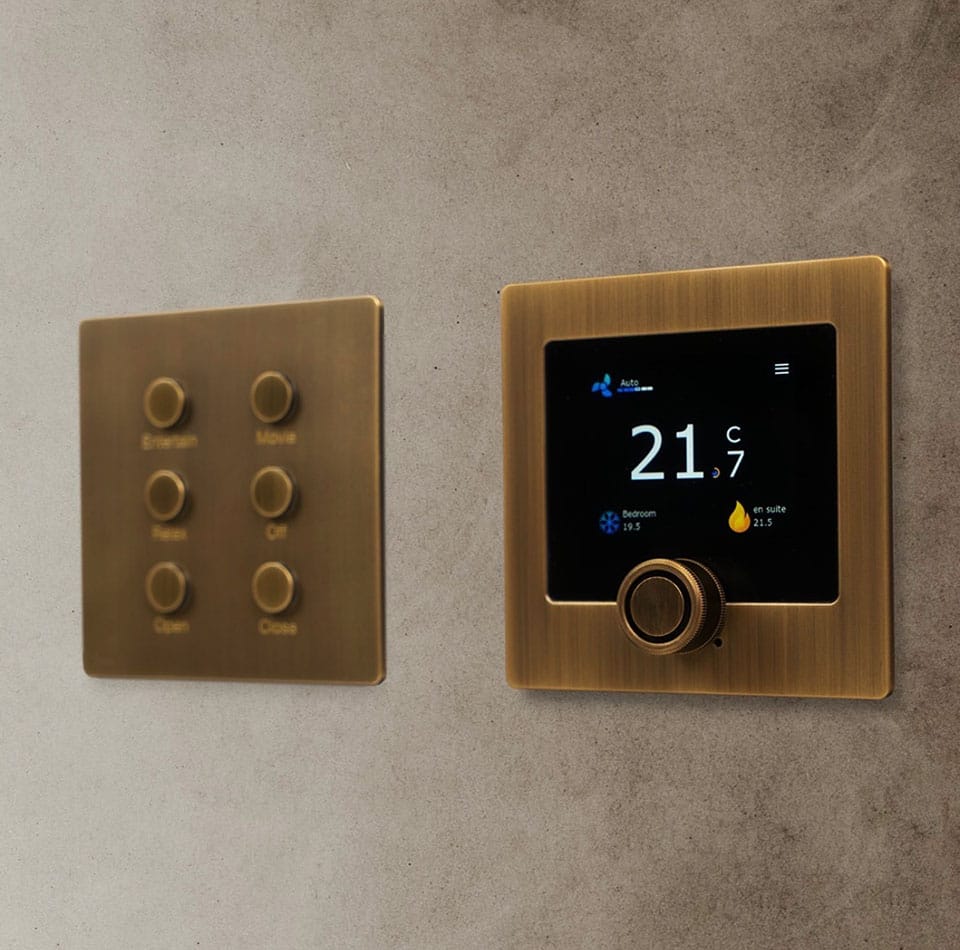
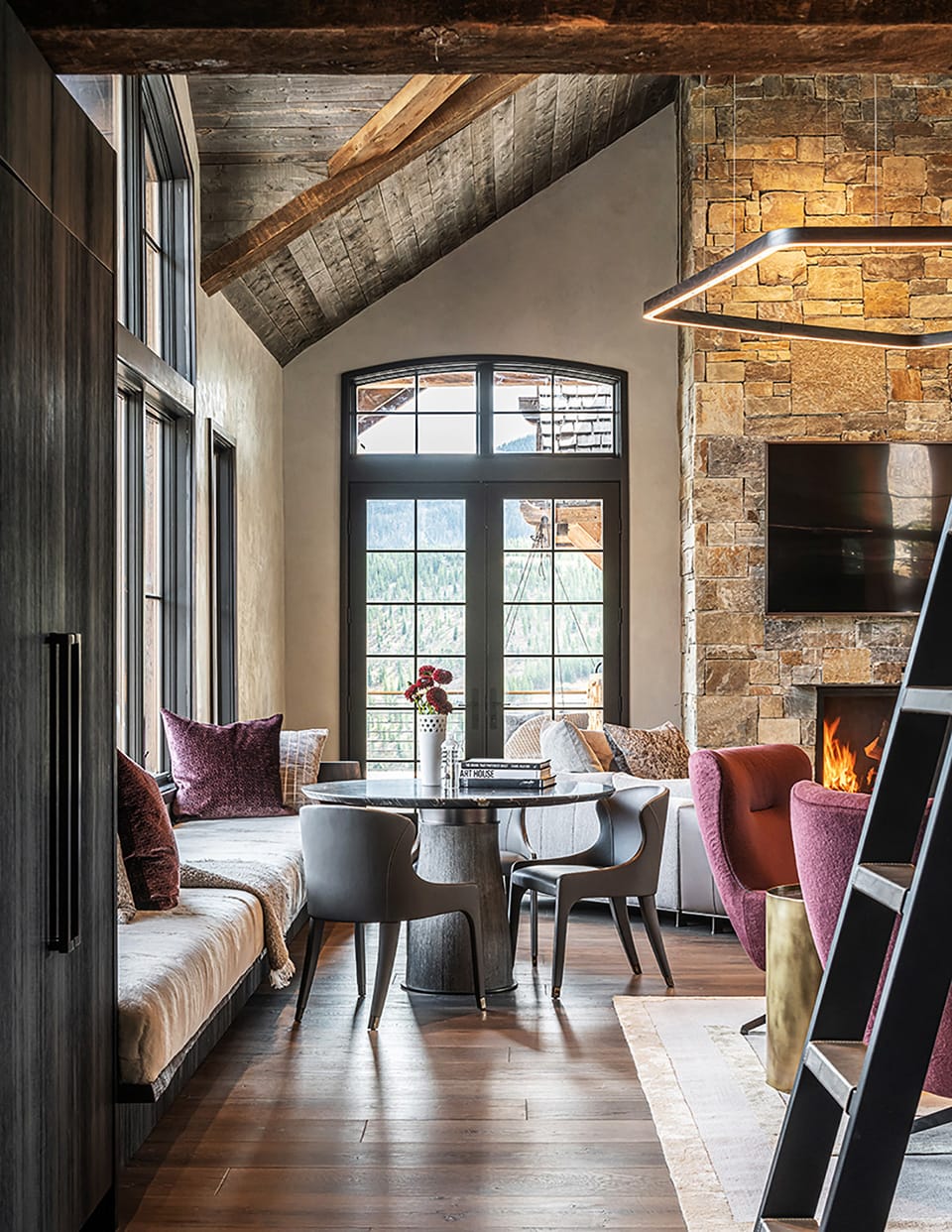
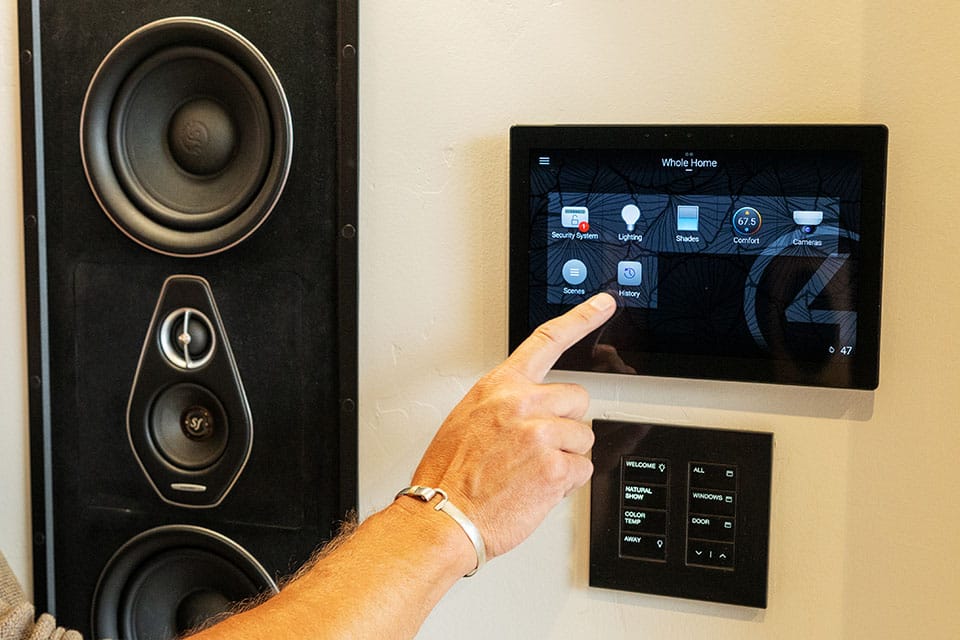
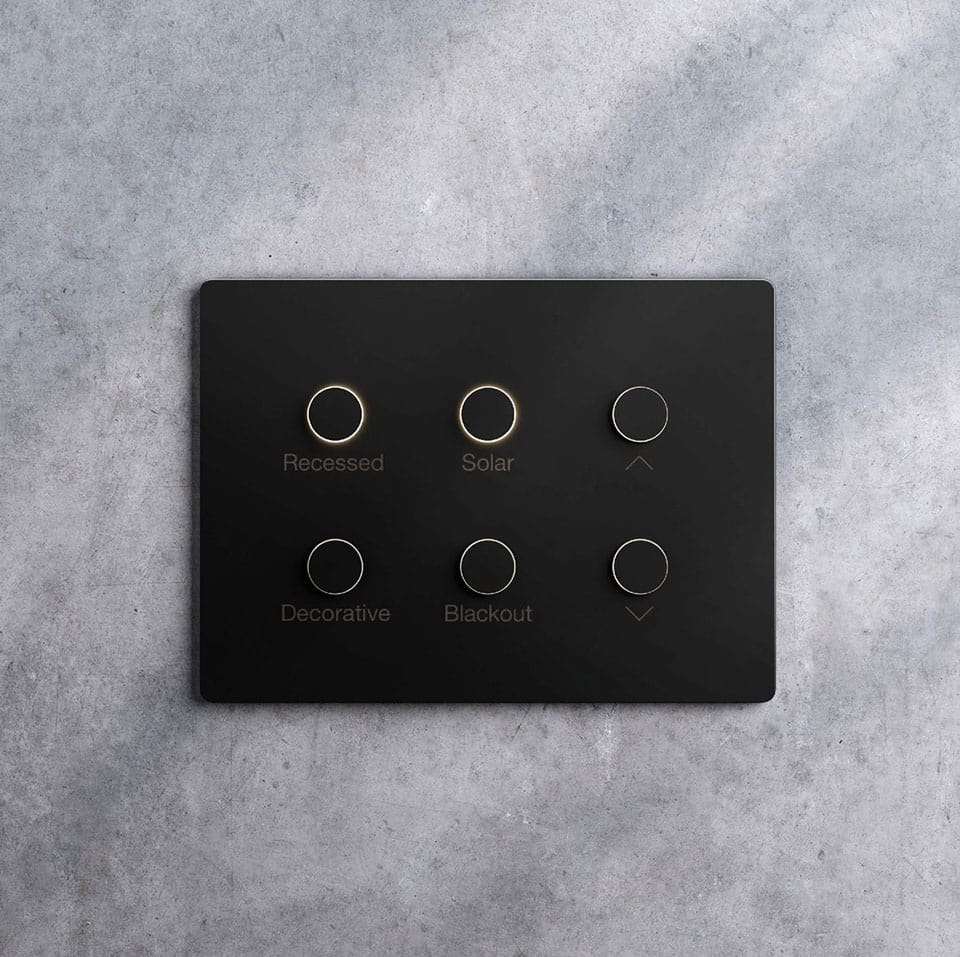
Lighting is often the most personal part of that experience. A home can be beautifully built and still feel cold if the lighting is wrong, or chaotic if scenes aren’t thoughtfully designed. Eyehear approaches lighting control as part of the architectural process. Keypads are placed where hands naturally reach. Scenes are built around how people actually move through a space.
Lights dim in the evening as wine is decanted and appetizers are served. They balance daylight so the outdoors flows gently inside. They soften as a movie begins.
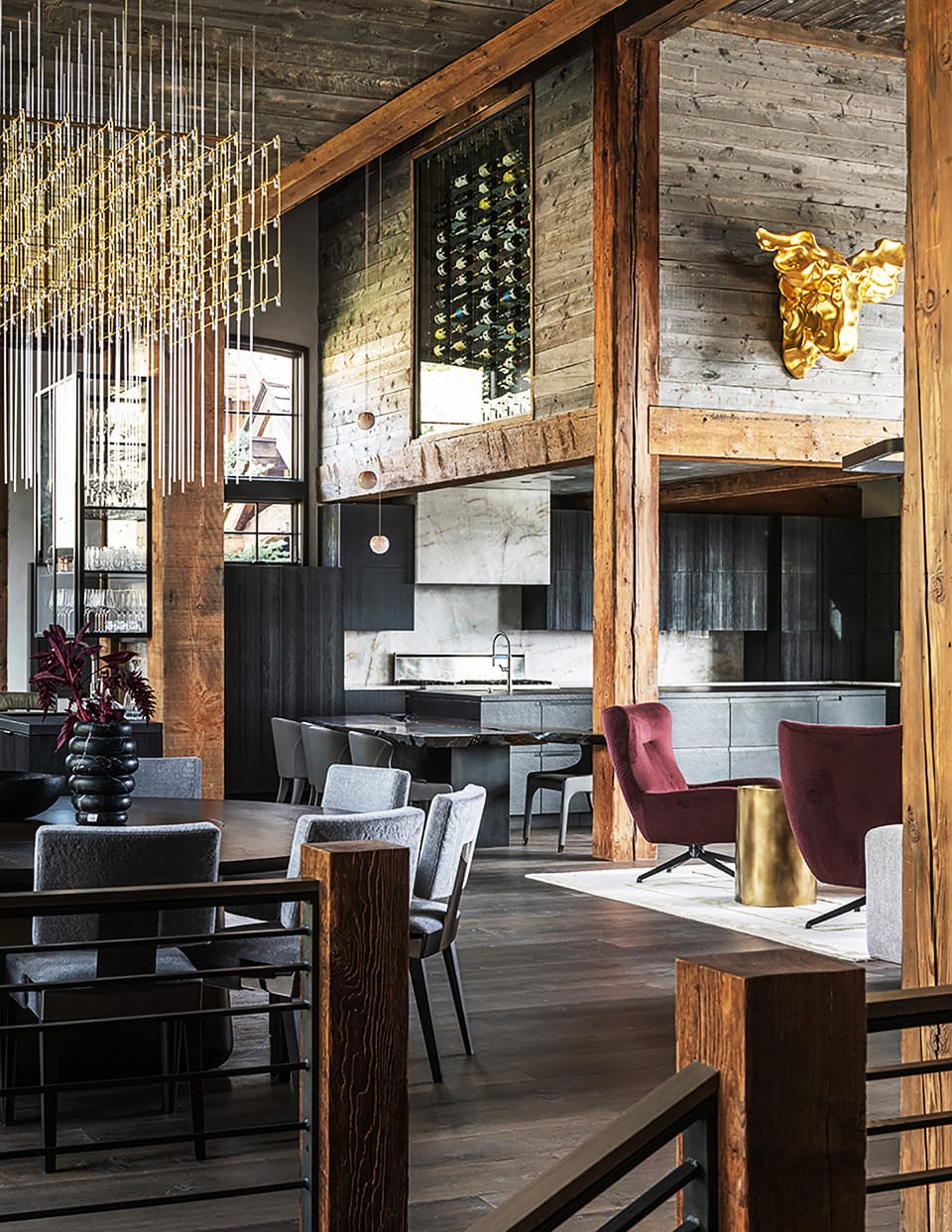
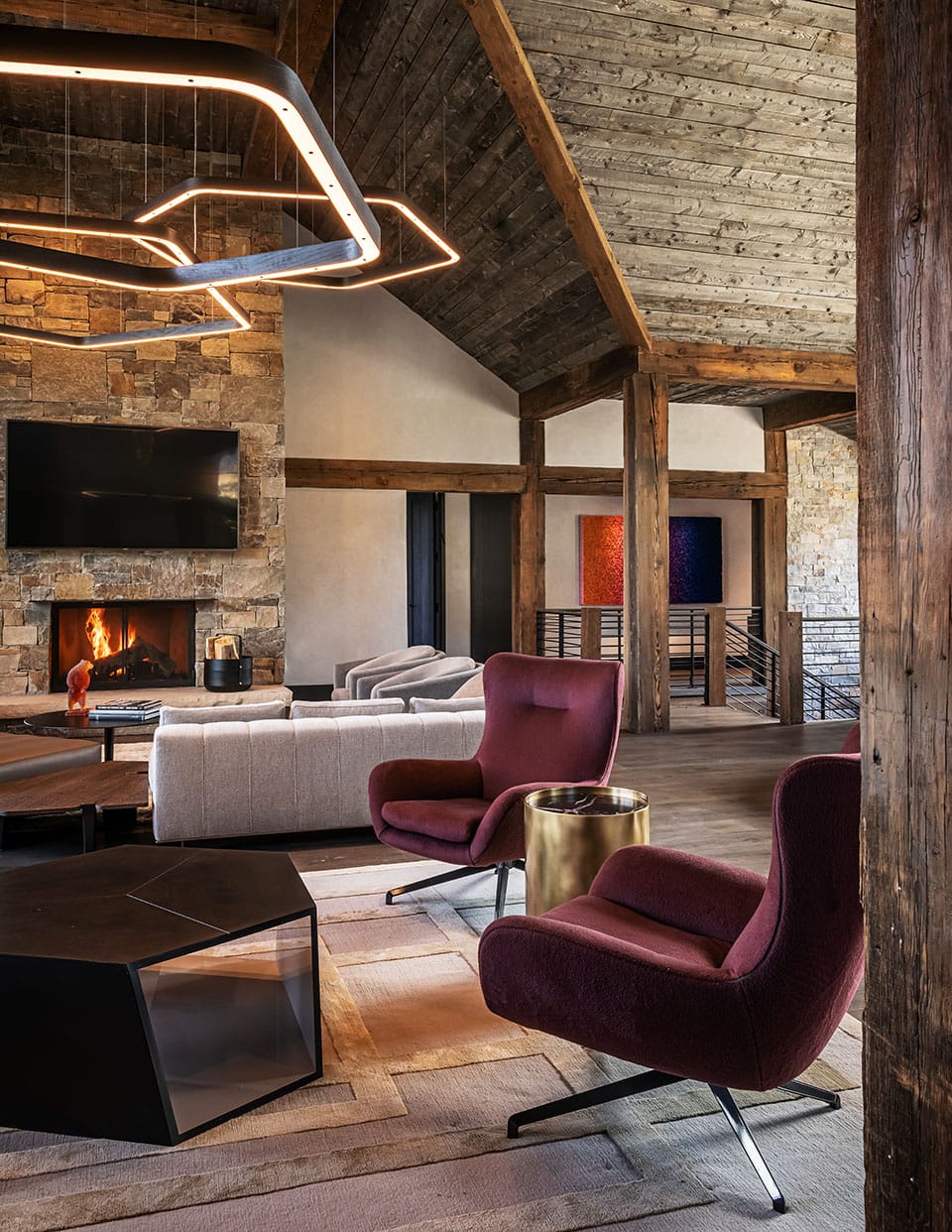
“The level of execution required in luxury construction calls for a highly specialized approach, leaving little room for compromise, and Eyehear delivers that with distinction,” says Hilary Giggs, VP of Sales for Lutron Electronics. “They bring both technical precision and a deep familiarity with Montana’s building environment, which allows them to collaborate seamlessly with architects, builders, and interior designers.”
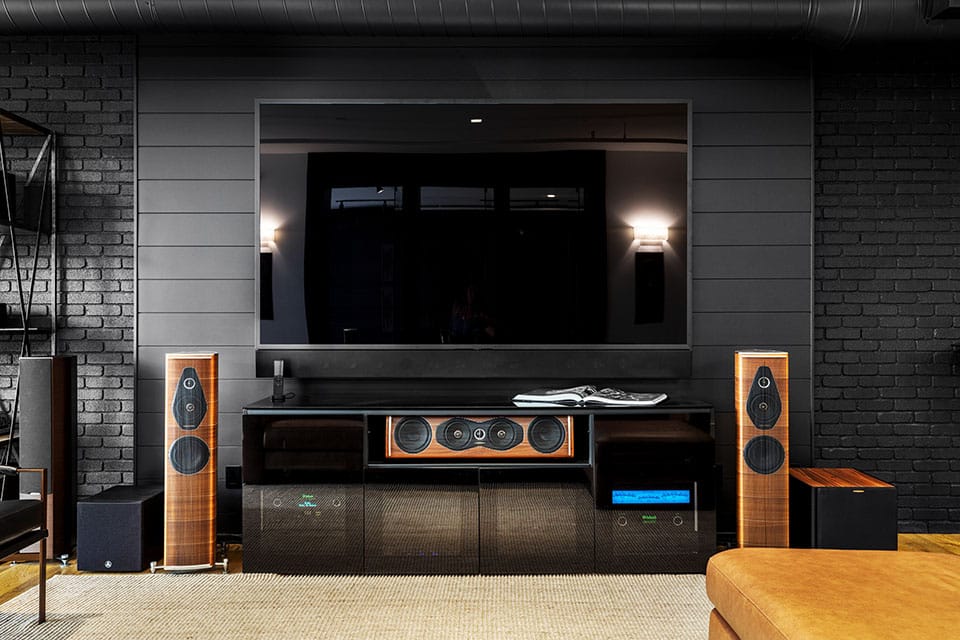
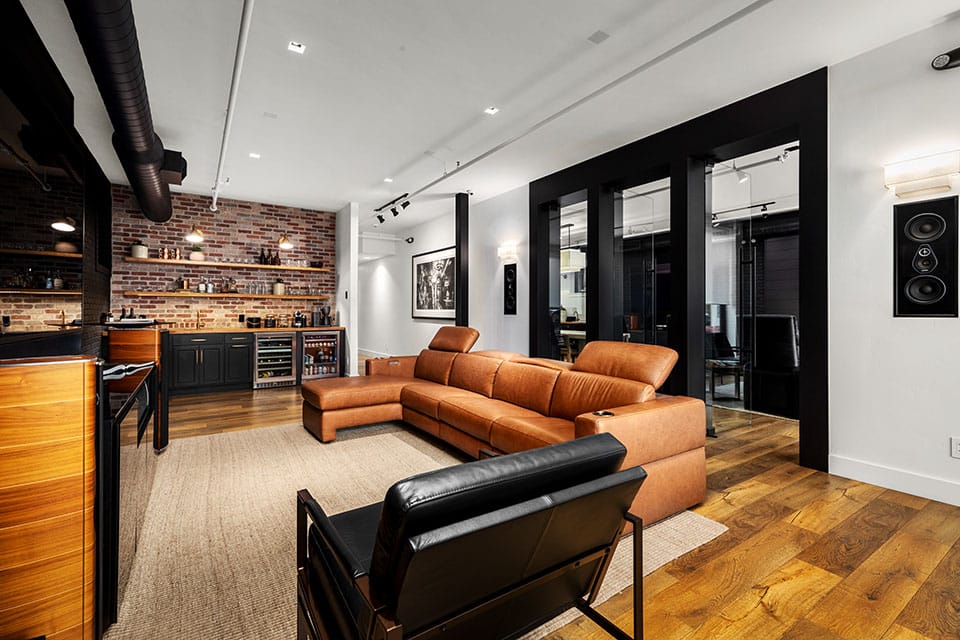
The same philosophy applies to sound. Speakers are concealed in ceilings and walls so music becomes part of the atmosphere rather than an object in the room. When it works well, people notice the feeling of a space before they notice where the sound is coming from.
“The best compliment we can get is when someone walks into a home we’ve worked on and says it just feels right,” Matt says. “They’re not thinking about what’s happening behind the walls.”
“THEIR WORK REFLECTS A RARE COMBINATION OF TECHNICAL EXCELLENCE AND RESPECT FOR ARCHITECTURAL AND INTERIOR DESIGN VISION. IT’S PARTNERS LIKE EYEHEAR WHO SET THE STANDARD FOR WHAT LUXURY RESIDENTIAL PROJECTS SHOULD BE.”
-David Weinstein, VP Residential Sales, Lutron Electronics
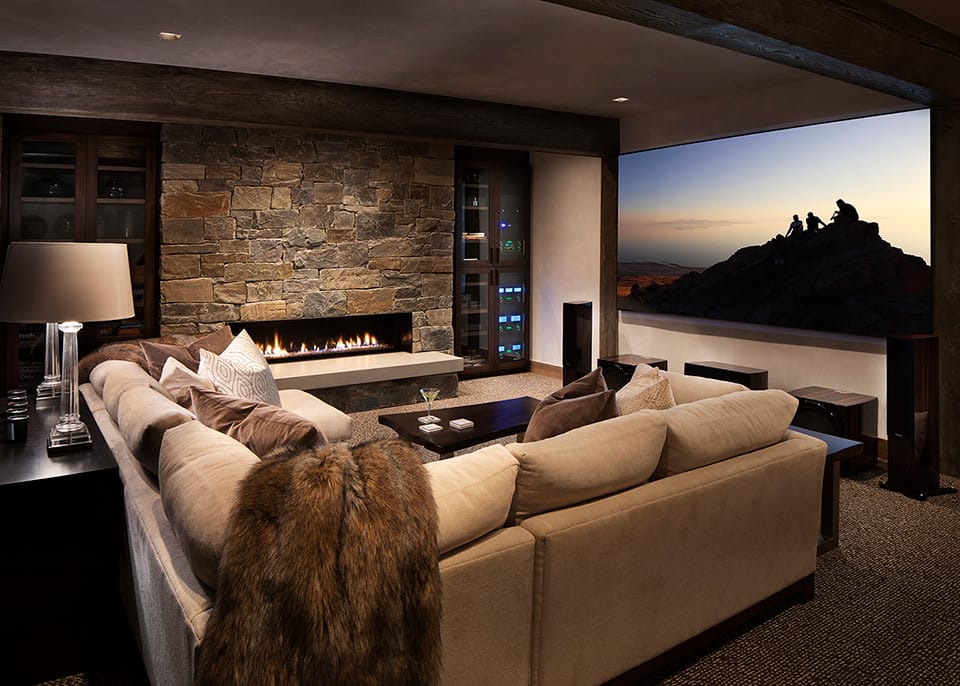
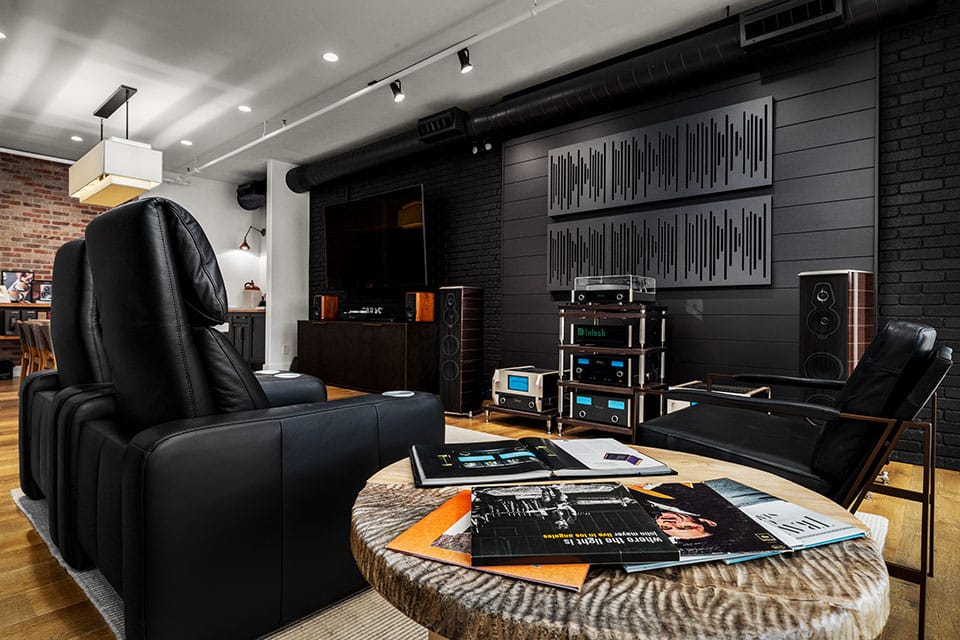
That approach is especially evident in Eyehear’s Whitefish showroom. A scene from Top Gun: Maverick plays across a wall-sized display, while sound fills the room without a visible source. With a single touch, lights warm and dim, shades lower automatically, and the space shifts from open and bright to quiet and intimate. Technology is present, but it isn’t the focus. The experience is.
The showroom isn’t designed to overwhelm. It’s designed to demonstrate what’s possible. It serves as a practical planning tool, helping builders, designers, and architects guide clients through options that are difficult to convey on paper. Homeowners can experience lighting scenes and spatial audio in a setting that feels residential rather than technical, experiences that often shape decisions long before drywall goes up.
Connectivity, though less visible than lighting or sound, is just as critical, especially in rural Montana or in modern homes built with dense materials. Video calls, security systems, climate control, and entertainment: all of it depends on the network.
When the connection falters, the experience fractures.
Eyehear designs and supports residential networks with strategically placed hardwired access points and built-in redundancy. Capacity is planned not just for what a home needs today, but for what it may require years from now. A homeowner should be able to walk from one end of the house to the other on a call without thinking about signal strength.
“Their work reflects a rare combination of technical excellence and respect for architectural and interior design vision,” says David Weinstein, VP of residential sales at Lutron Electronics. “It’s partners like Eyehear who set the standard for what luxury residential projects should be.”
“AS A GENERAL CONTRACTOR BUILDING HIGH-END CUSTOM HOMES, MY RESPONSIBILITY IS TO DELIVER EXCELLENCE AT EVERY LEVEL. THAT ONLY HAPPENS WITH THE RIGHT PARTNERS. EYEHEAR BRINGS PROFESSIONALISM, TECHNICAL DEPTH, AND FOLLOW-THROUGH—AND THEIR SHOWROOM EXPERIENCE HELPS CLIENTS UNDERSTAND THE POSSIBILITIES EARLY, BEFORE CRITICAL DECISIONS ARE LOCKED IN.“
-Kelcey Bingham, Bear Mountain Builders
Technology integration works best when it’s woven into construction rather than bolted on at the end. That requires trust, shared expectations, and careful coordination of details that may seem small in the moment but shape how a home feels for decades.
“As a general contractor building high-end custom homes, my responsibility is to deliver excellence at every level,” says Kelcey Bingham of Bear Mountain Builders. “That only happens with the right partners. Eyehear brings professionalism, technical depth, and follow-through—and their showroom experience helps clients understand the possibilities early, before critical decisions are locked in.”
Homeowners’ expectations are shifting, too. A decade ago, smart homes were often marketed as novelties. Voice commands and glowing screens promised automation but frequently delivered frustration. The result was skepticism around anything labeled “smart.”
Today, the movement is quieter and more deliberate. Artificial intelligence is beginning to shape how systems respond and adapt, but Eyehear introduces new tools cautiously. Systems must work reliably every day, not just in demonstrations. New technologies are tested thoroughly and integrated only when they enhance reliability and ease rather than add complexity.
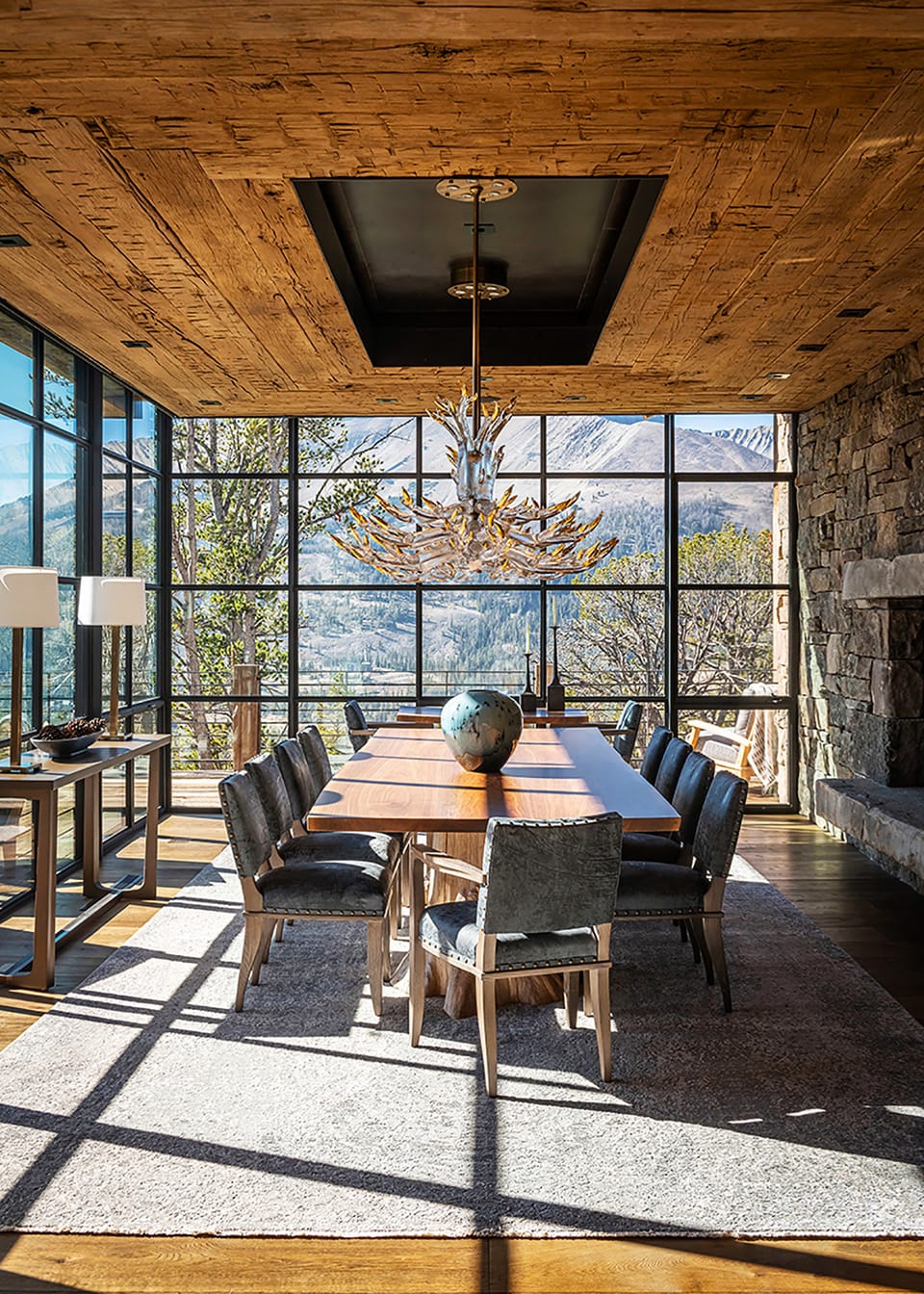
There’s humility in that approach. It reflects the culture of the Flathead Valley, where homes are grounded in wood and stone, light and landscape. Technology exists to support that connection, not compete with it. The best systems allow people to be fully present in a space without being reminded of what’s running behind the walls.
Eyehear’s reach has expanded through a strategic merger with Bozeman based SAV Inc., one of the region’s most respected names in luxury home technology. The partnership unites two companies known for precision and design-forward execution, creating a single, cohesive presence serving custom homes across Montana.
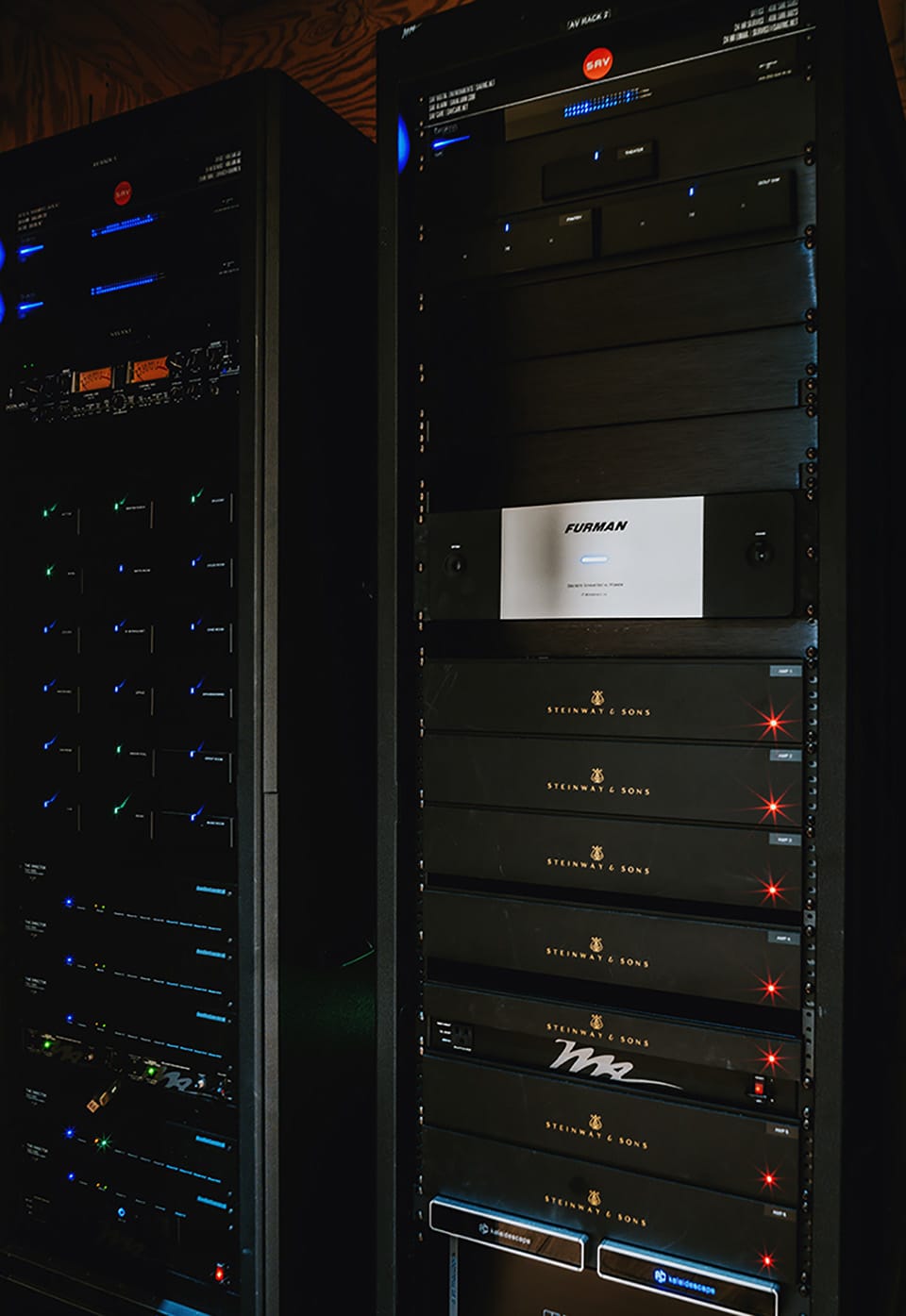
“THE MERGER GIVES US DEPTH AND SCALE WE COULDN’T ACHIEVE INDEPENDENTLY. LUXURY HOMES REQUIRE DIFFERENT EXPERTISE AT DIFFERENT PHASES OF CONSTRUCTION. NOW WE CAN DEPLOY SPECIALIZED TEAMS IN LIGHTING, SHADING, ENGINEERING, OR NETWORK DESIGN EXACTLY WHERE THEY’RE NEEDED, WITHOUT COMPROMISING EXECUTION.”
-Cory Reistad, President, SAV
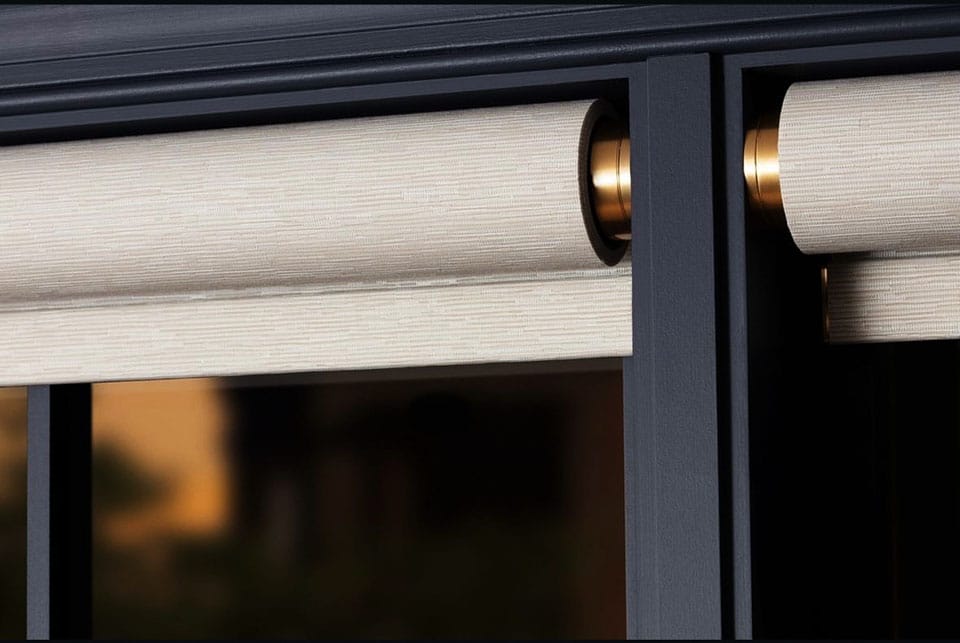
SAV brings a depth of engineering resources, dedicated lighting designers, and specialized shade teams equipped to solve the increasingly complex challenges of modern architecture – from multi-story glass walls to intricate clerestories and non-standard window geometries. Their expertise enhances Eyehear’s existing strengths, expanding both capability and scale while preserving the high-touch service clients expect.
The relationship between Eyehear and SAV was not born overnight. It developed through years of shared projects, aligned standards, and mutual respect. Long before the merger became official, the two teams were collaborating seamlessly behind the scenes.
“The merger gives us depth and scale we couldn’t achieve independently,” says Cory Reistad, SAV’s president. “Luxury homes require different expertise at different phases of construction. Now we can deploy specialized teams in lighting, shading, engineering, or network design-exactly where they’re needed, without compromising execution.”
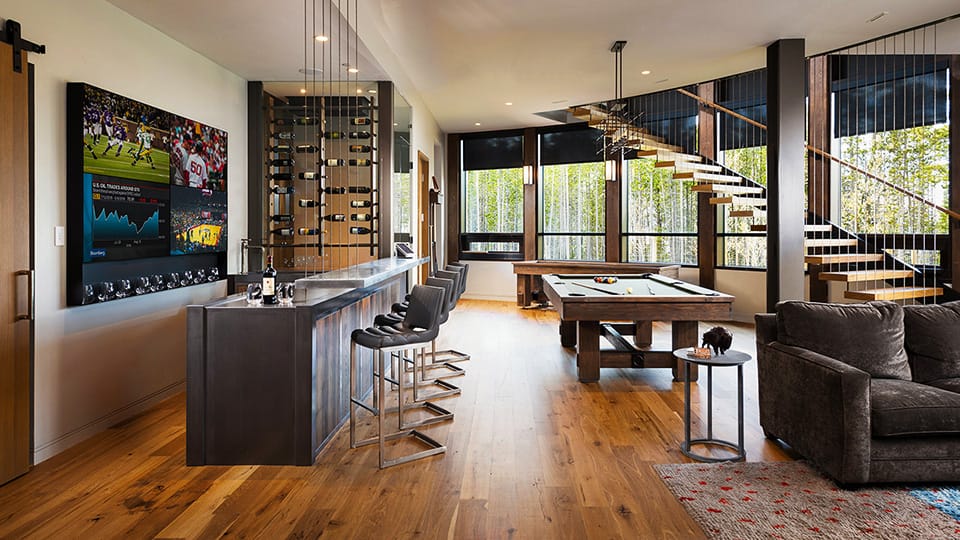
For architects and builders working across markets such as Big Sky, Bozeman, and Whitefish, the partnership ensures continuity and consistency at the highest level. Regardless of geography, projects now benefit from a shared bench of talent, expanded design resources, and unified standards of excellence.
“Our cultures were already aligned,” Cory says. “We had been sharing knowledge and collaborating for years. Formalizing the partnership simply strengthened what was already working.”
For clients, the impact is tangible. The merger means broader technical expertise, deeper support infrastructure, and increased long-term stability—all while maintaining the personalized, relationship-driven approach that defines both companies. It allows Eyehear to take on greater complexity with confidence, anticipate emerging technologies with care, and continue raising the standard for integrated living in the region.
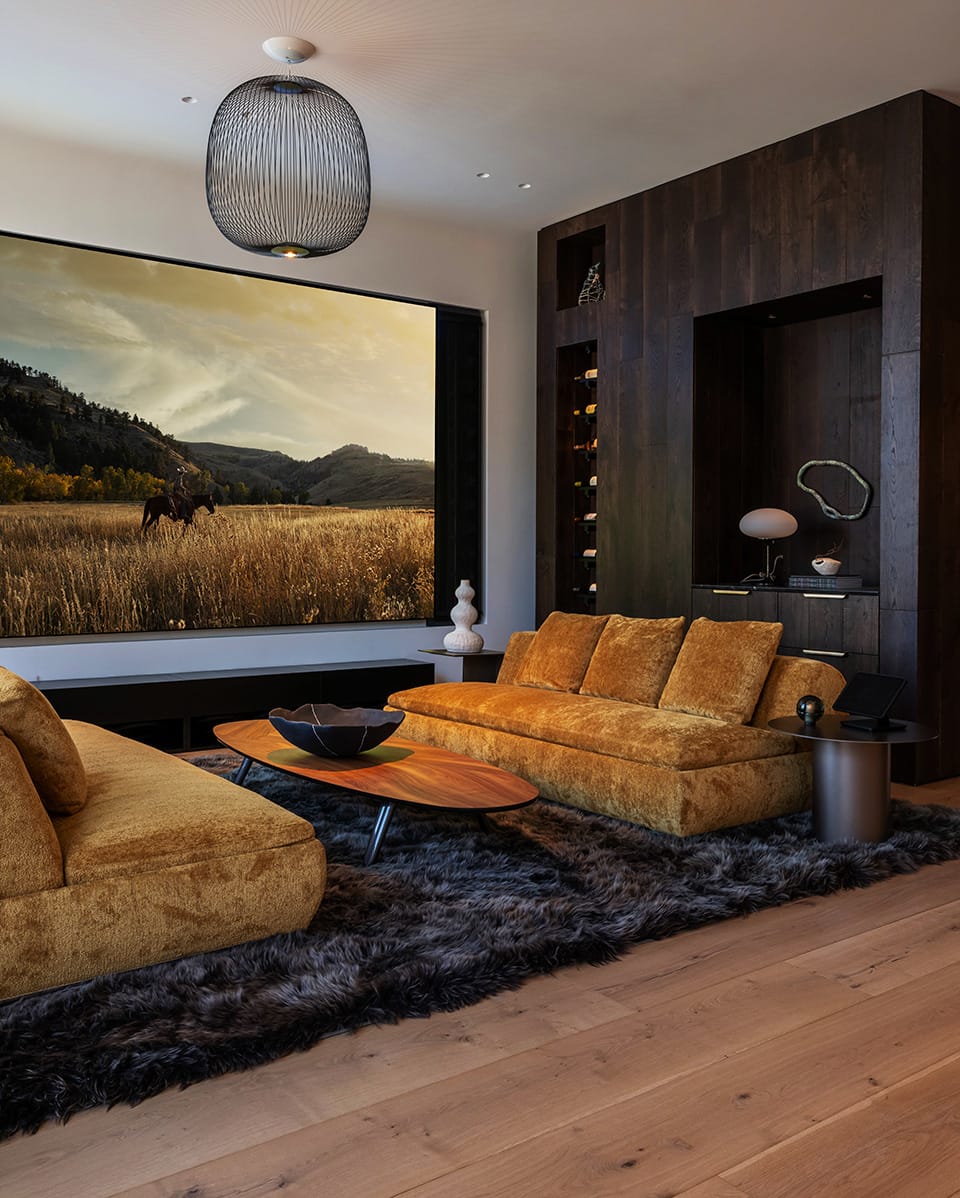
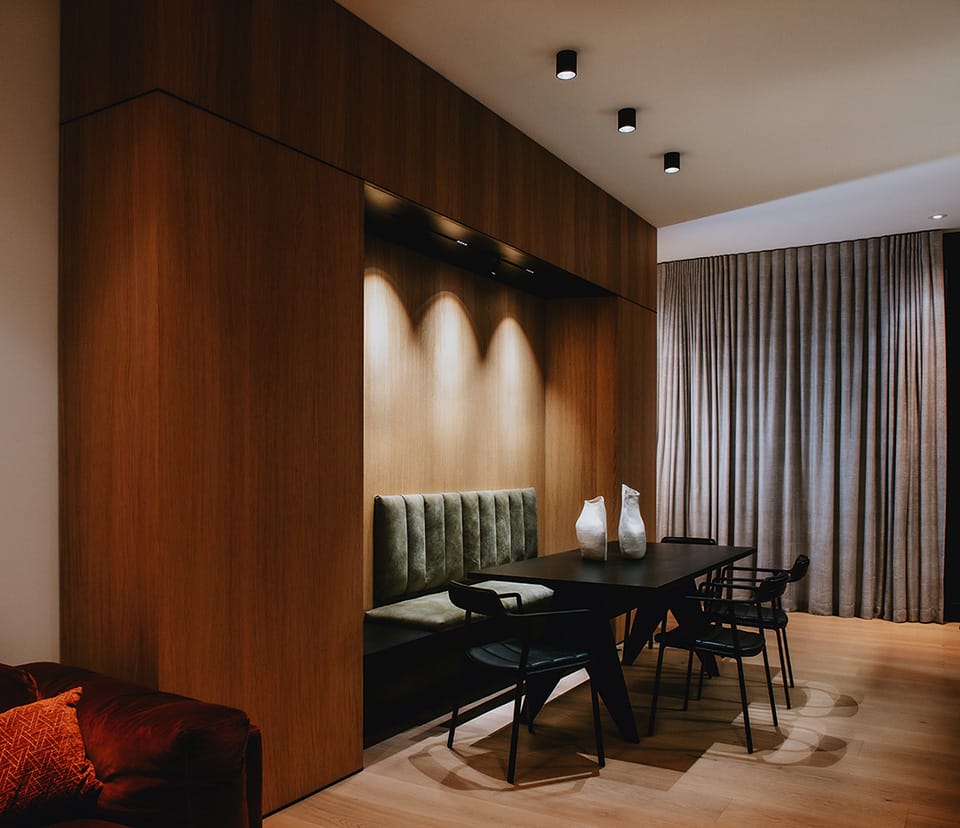
In a market where expectations continue to rise, this evolution positions Eyehear not just as a local integrator but as part of a larger, forward-thinking organization shaping the future of luxury residential technology across Montana.
In the end, integrated living isn’t about technology at all. It’s about how a home supports the lives unfolding inside it: laughter in a kitchen uninterrupted by harsh lighting, a living room settling into evening without effort, a house that responds without being asked.
When those moments feel natural, the systems behind them have done their job. And in the Flathead Valley’s most carefully built homes, that work often carries Eyehear’s fingerprints—quietly, exactly as intended.
whj COVER FEATURE
