
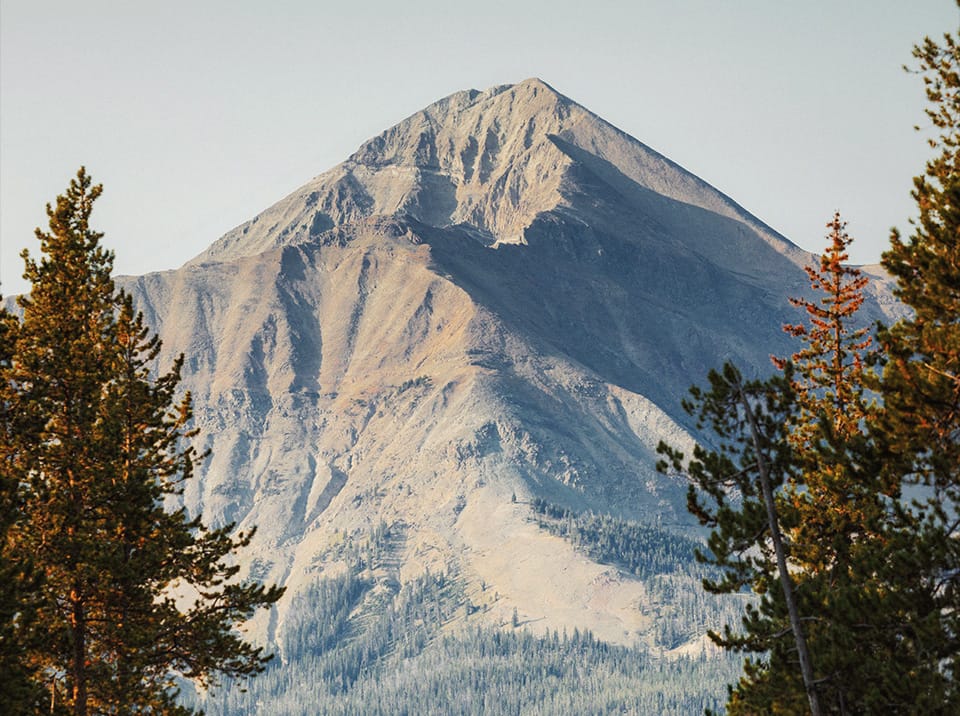
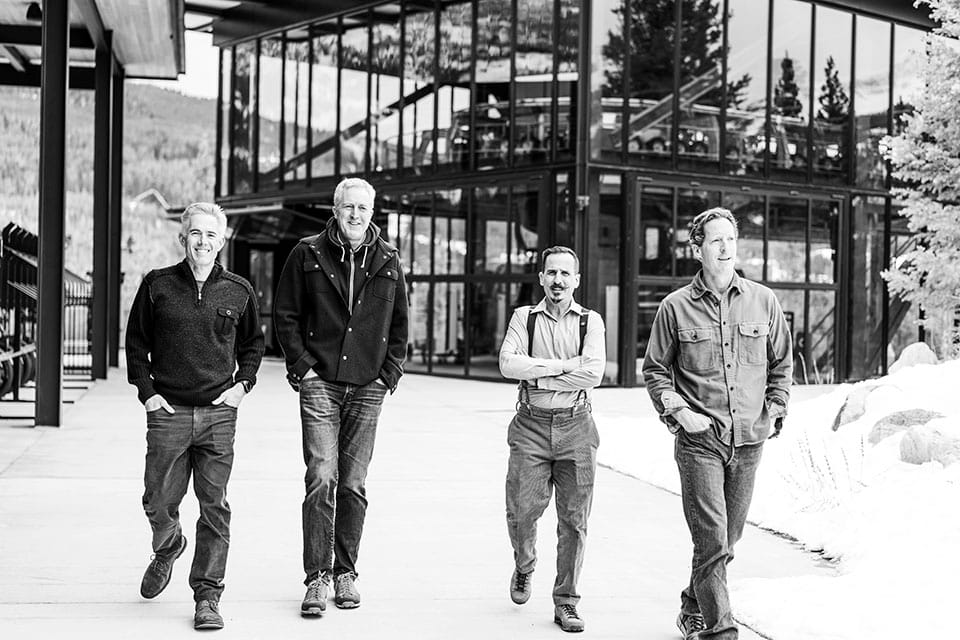
Panel Location Photography by: Kene Sperry
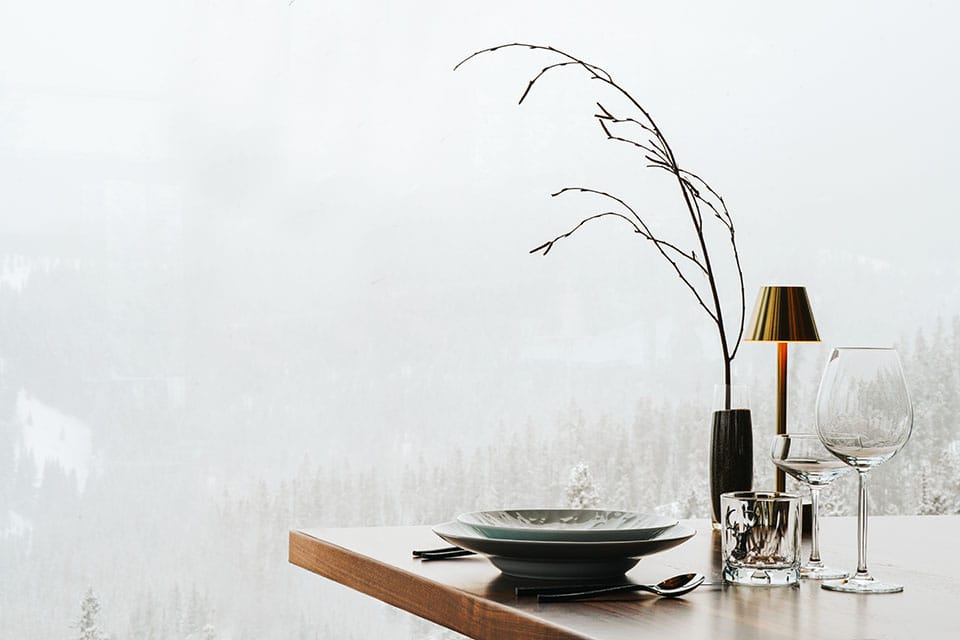
Property Photography by: Rupert Peace
Moderated by: Aaron Kampfe, COO, Western Home Journal
Edited by: Laurenz Busch, Editor-in-Chief, Western Home Journal
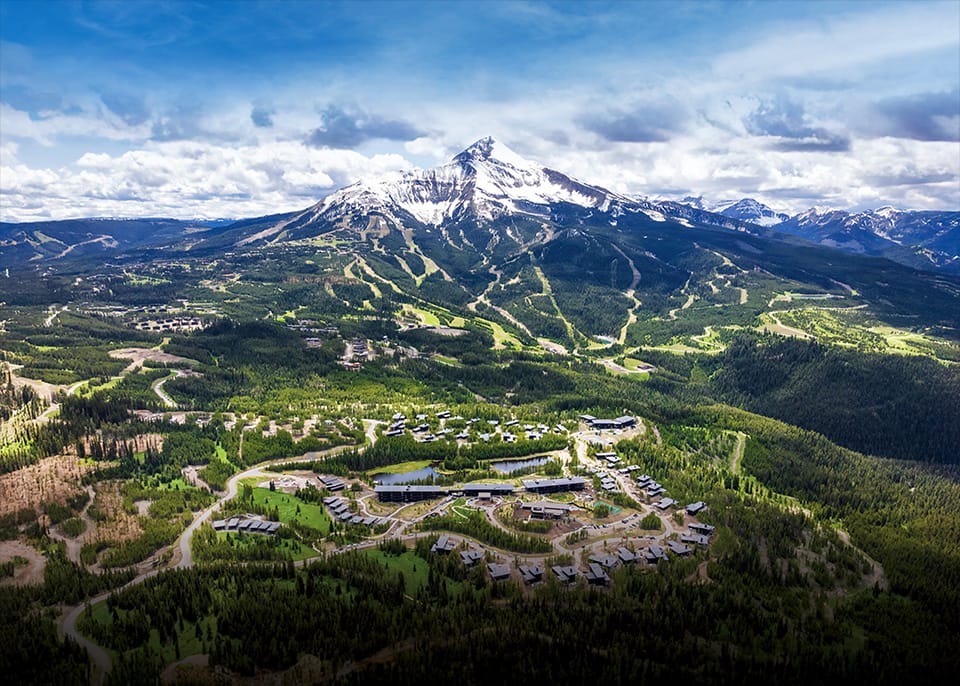
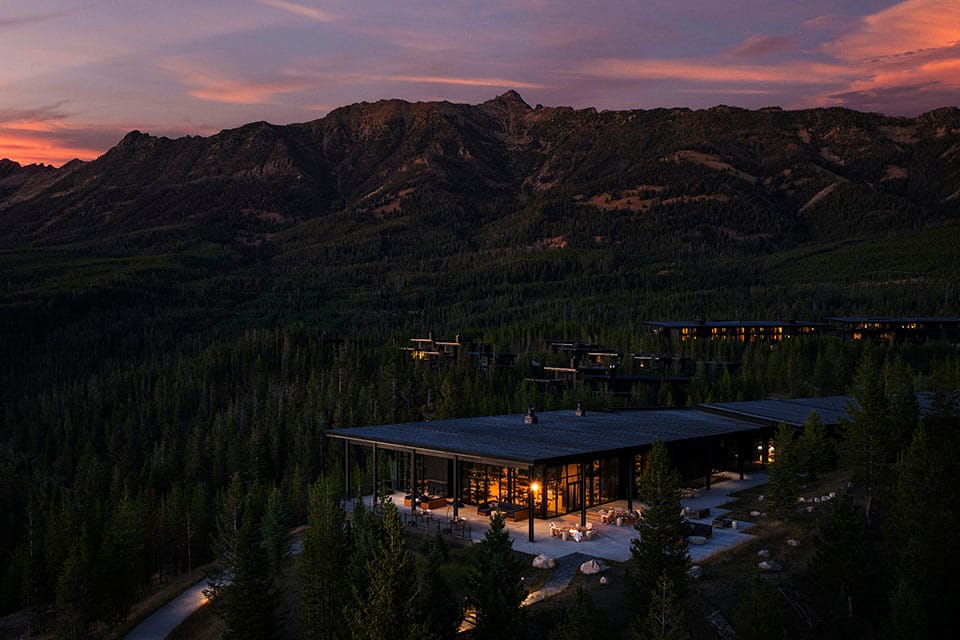
At the far end of Moonlight Basin—where Montana Highway 64 runs out of pavement and the Lee Metcalf Wilderness begins—One&Only Moonlight Basin occupies a rare position in the modern Mountain West. It is a global luxury brand set within a landscape defined by raw wilderness, conservation, and the gravity of Big Sky. The project represents years of planning aimed at reconciling two ambitions: world-class resort hospitality and a genuine Montana experience. Surrounded by thousands of acres protected under conservation easements and situated near one of the region’s last intact wildlife corridors, the property was designed to be shaped by the land, not a spectacle imposed on it.
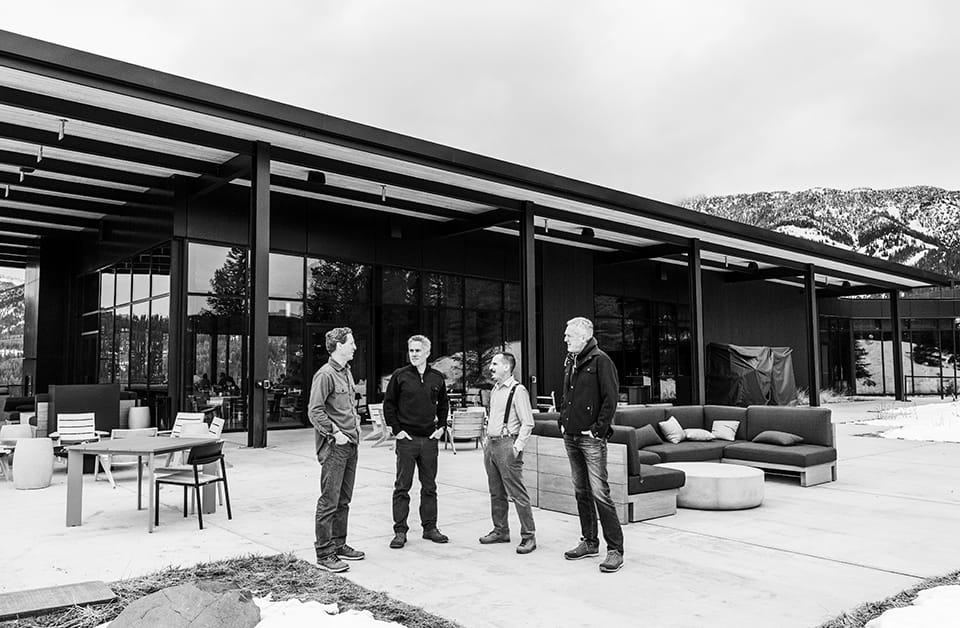
At The Edge Of Wilderness, Follow The Land
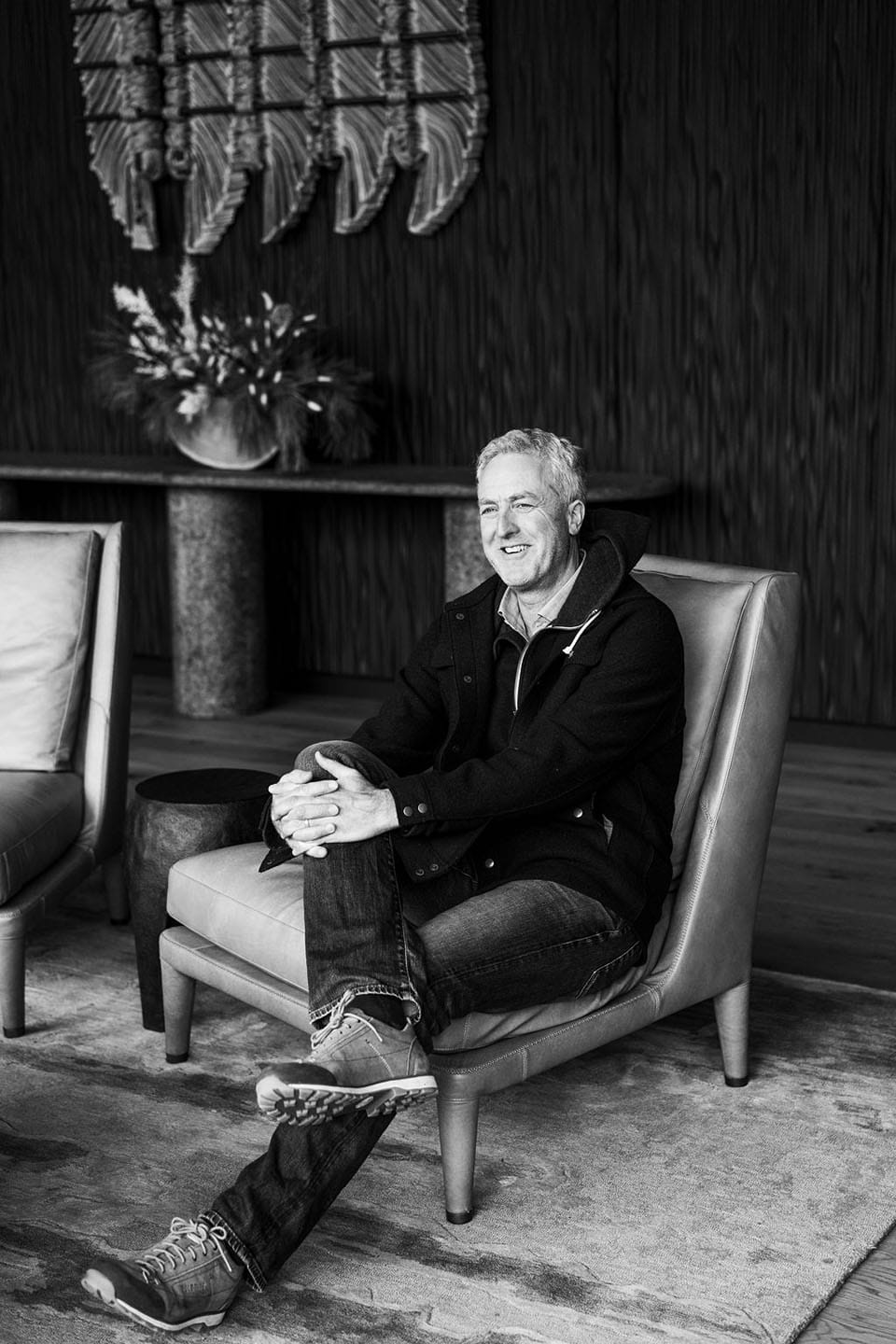
Participants: Matt Kidd, President, Lone Mountain Land Company | Steve Langlas, Owner [CEO], Langlas & Associates General Contractors | Ben Young, Principal and Owner, BYLA Landscape Architects | Serge Ditesheim, General Manager, One&Only Moonlight Basin | Kevin Germain, Sales Specialist, Moonlight Basin
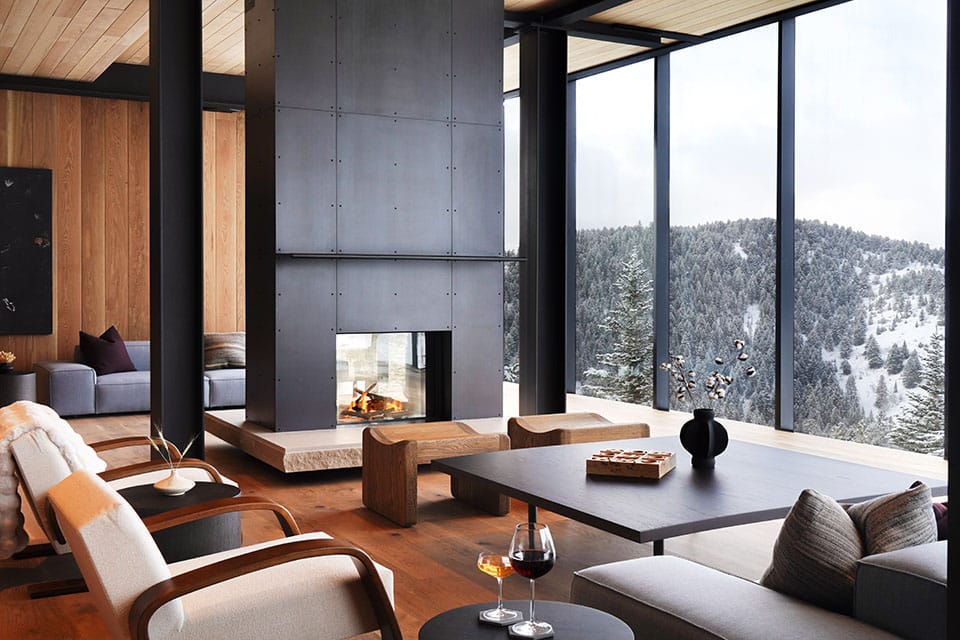
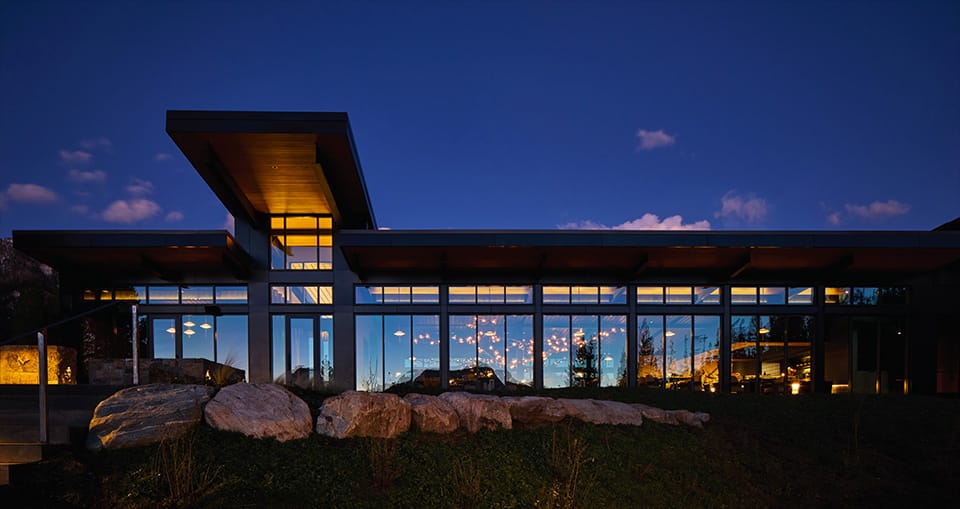
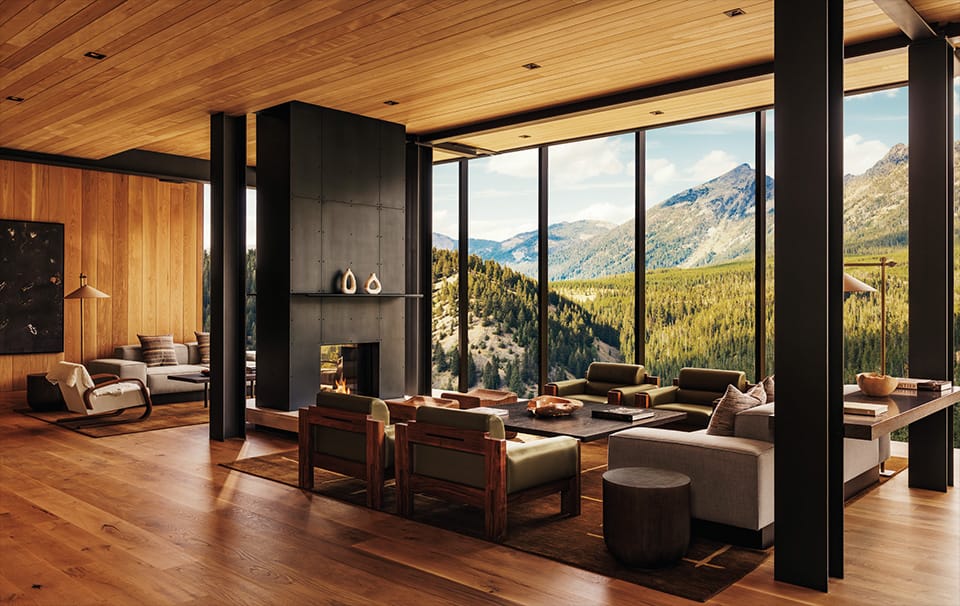
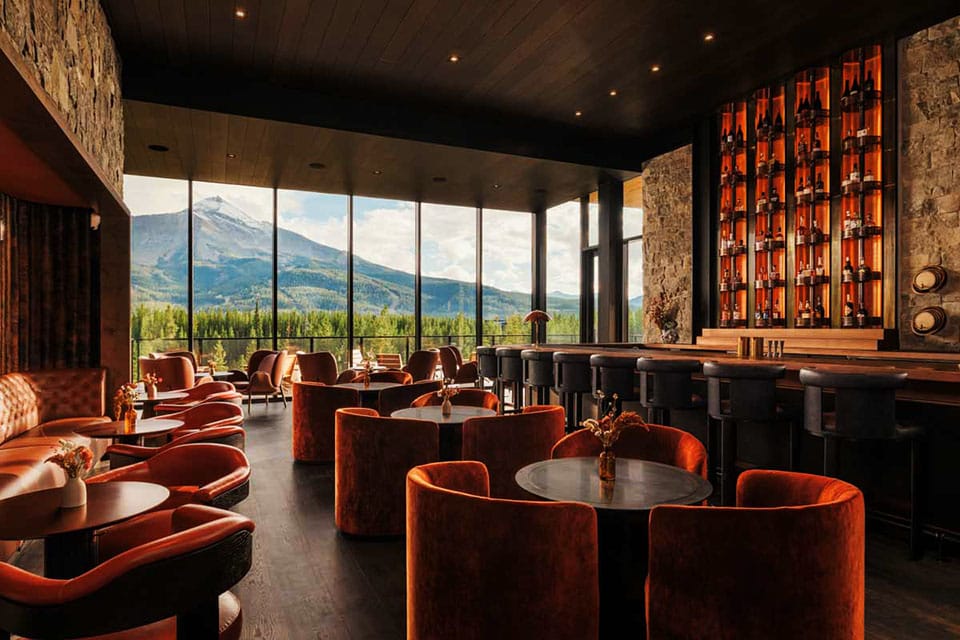
Architectural design by Olson Kundig pushes the boundaries of glass, steel, and expansive views while maintaining an unexpectedly intimate residential character. Landscape design by BYLA Landscape Architects reflects a philosophy of restraint, allowing native vegetation, terrain, and mountain topography to guide how guests move through the property. Langlas & Associates—one of Montana’s longest-standing construction firms, with more than five decades of experience building across the state—translated the project’s ambitious vision into reality, navigating the complexities of alpine construction with a deep bench of local expertise and craftsmanship. The development itself is stewarded by Lone Mountain Land Company, the long-term developer behind Moonlight Basin and much of the surrounding community in Big Sky, while the globally recognized One&Only hospitality brand shapes the guest experience through skiing, fly fishing, hiking, and culinary programming that pairs regional ingredients with international talent.
“WE WERE TRYING TO PRESERVE AS MUCH VEGETATION AS POSSIBLE, SO WE COULDN’T JUST CLEAR A LARGE STAGING AREA THE WAY YOU WOULD ON A NORMAL JOB SITE. MORE THAN 90 PERCENT OF THE SUBCONTRACTORS ON THIS PROJECT WERE FROM MONTANA. THAT LOCAL WORKFORCE WAS ESSENTIAL TO BUILDING SOMETHING THIS COMPLEX IN SUCH A REMOTE LOCATION.“
-Steve Langlas, Owner [CEO], Langlas & Associates General Contractors
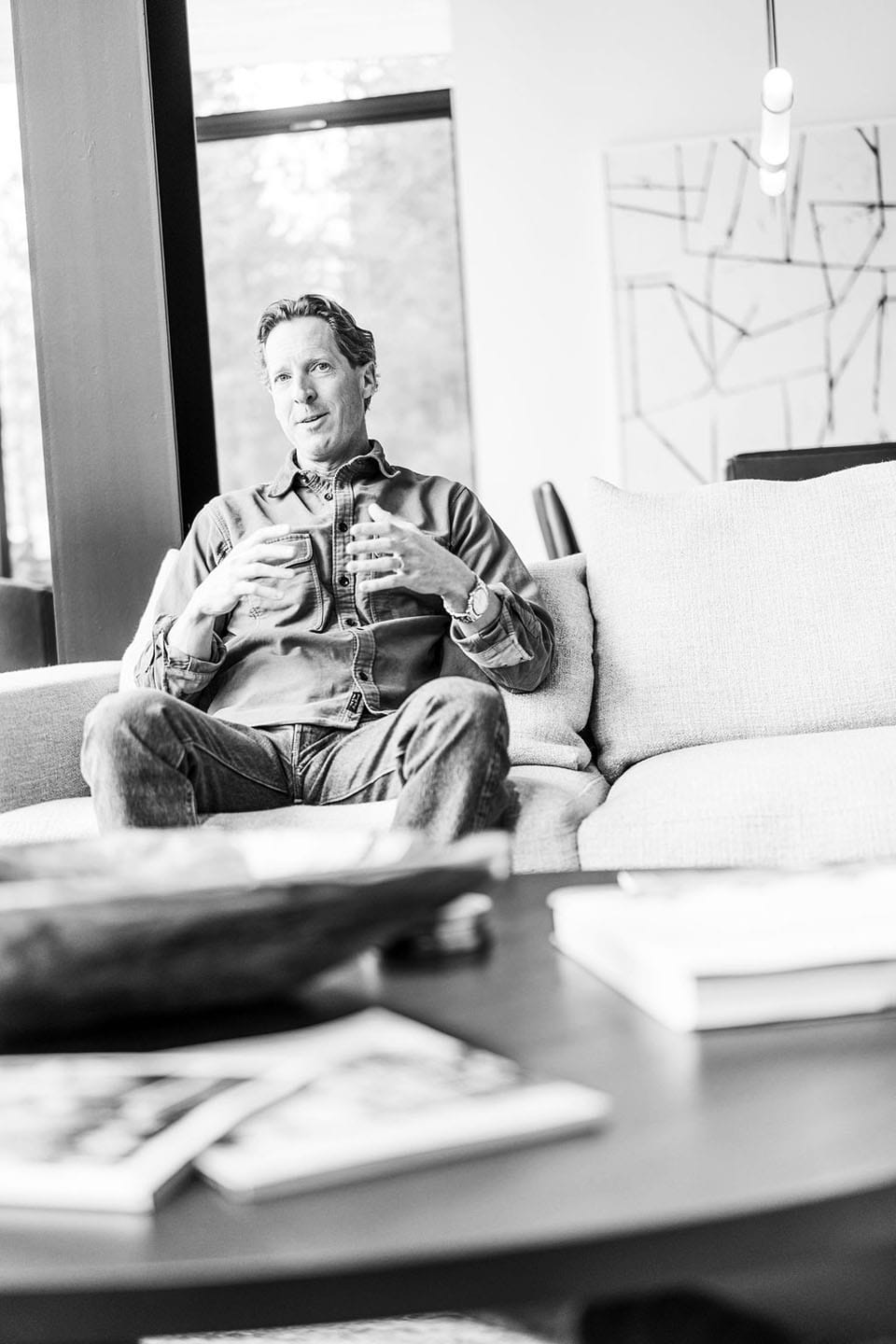
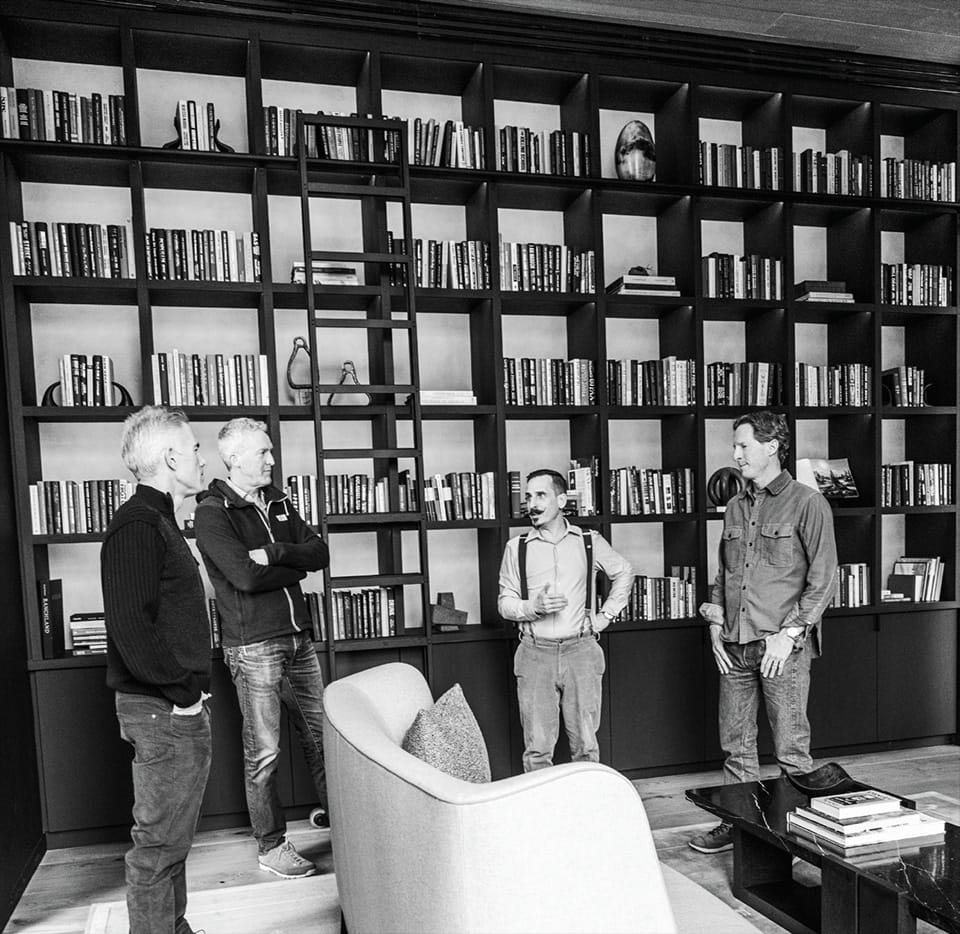
For this Exchange, Western Home Journal gathered several of the people who helped bring the project to life to discuss the ideas, challenges, and philosophies behind the resort. Also joining the conversation was Kevin Germain, Sales Specialist, Moonlight Basin. The discussion moves beyond a single property, exploring how a project of this scale can exist within Montana’s landscape while still honoring the place that made it possible.
WHJ (Aaron Kampfe): The One&Only Moonlight Basin is surrounded by protected land and incredible wilderness. How did that context shape the project from the beginning?
Matt Kidd (Lone Mountain Land Co.): The One&Only quite literally sits at the end of the road. Montana Highway 64 climbs up from U.S. 191 and terminates right here. Beyond the site is private land that connects to Jack Creek Road and eventually the Lee Metcalf Wilderness. From the start, the goal was to design something that belonged to the landscape rather than compete with it. In Montana, the land always comes first, and that was the standard we tried to hold ourselves to from day one.
Kevin Germain (Moonlight Basin): That approach is also rooted in Moonlight Basin’s larger philosophy. The architecture here has always been meant to be subordinate to the land. We talk a lot about wanting to see ridge tops, not rooftops. Long before this project, thousands of acres around it had already been protected under conservation easement, so that mindset was already built in.
Matt Kidd: Those easements matter because they protect views, wildlife movement, and the broader continuity of the landscape. This is one of the rare places where development still has to answer to that larger environmental reality.
“THE FIRST PRINCIPLE WAS RESTRAINT. WE WANTED THE LANDSCAPE TO FEEL ENTIRELY OF THIS PLACE. NO DISTRACTIONS, NO UNNECESSARY GESTURES, NOTHING THAT WOULD INTERRUPT THE SENSE THAT YOU’RE IN MONTANA.“
Building something of this scale in such a remote setting must have created unusual construction challenges. What did that look like in practice?
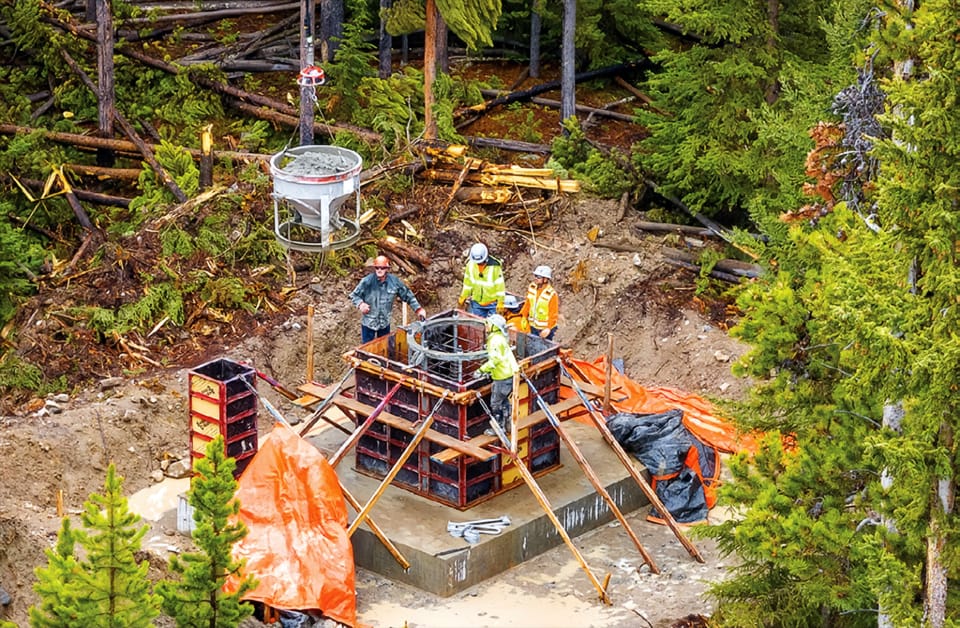
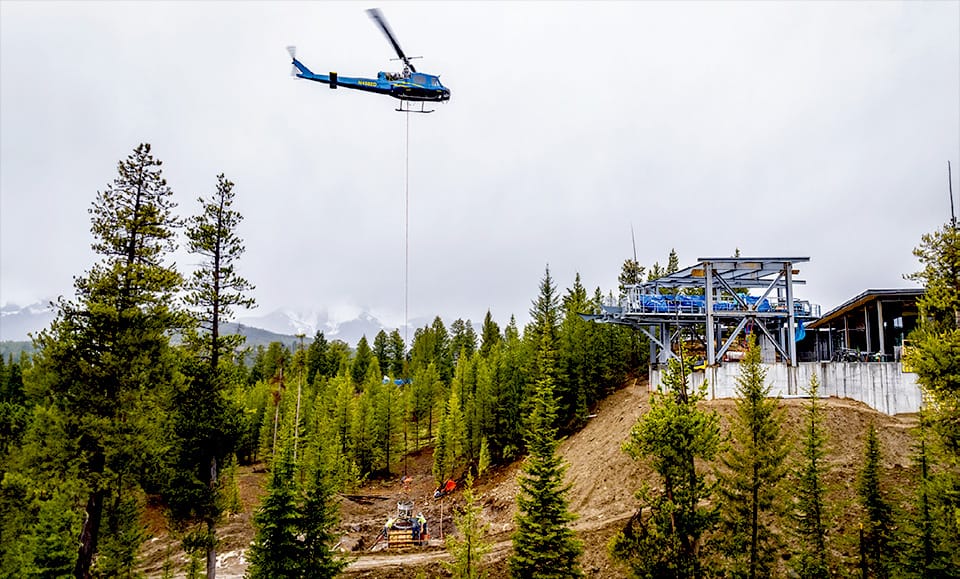
Steve Langlas (Langlas & Associates): The first time I came back here in early 2021, we were traveling on what was basically a rough trail through the trees. There wasn’t a real road base, there were no utilities, and we were trying to start a major project in a place that was still very raw. At peak, we had roughly 400 people coming in and out every day, plus cranes, cement trucks, and all the equipment needed for a project of this size. At the same time, we were trying to preserve as much vegetation as possible, so we couldn’t just clear a large staging area the way you would on a normal job site. More than 90 percent of the subcontractors on this project were from Montana. That local workforce was essential to building something this complex in such a remote location.
Kevin Germain: It only worked because of the relationship between developers, architects, and builders. It was collaborative from day one. On a project this remote, you’re dealing with all the normal construction issues plus a whole set of problems unique to the location, which makes responsibility of the land very important.
Matt Kidd: One thing we’re especially proud of is how much the work stayed local. The vast majority of subcontractors were from Montana, many from Bozeman and the Gallatin Valley—which meant the expertise, the jobs, and the economic benefit largely stayed right here in the region. Projects like this should strengthen the community they’re built in, not just the property itself.
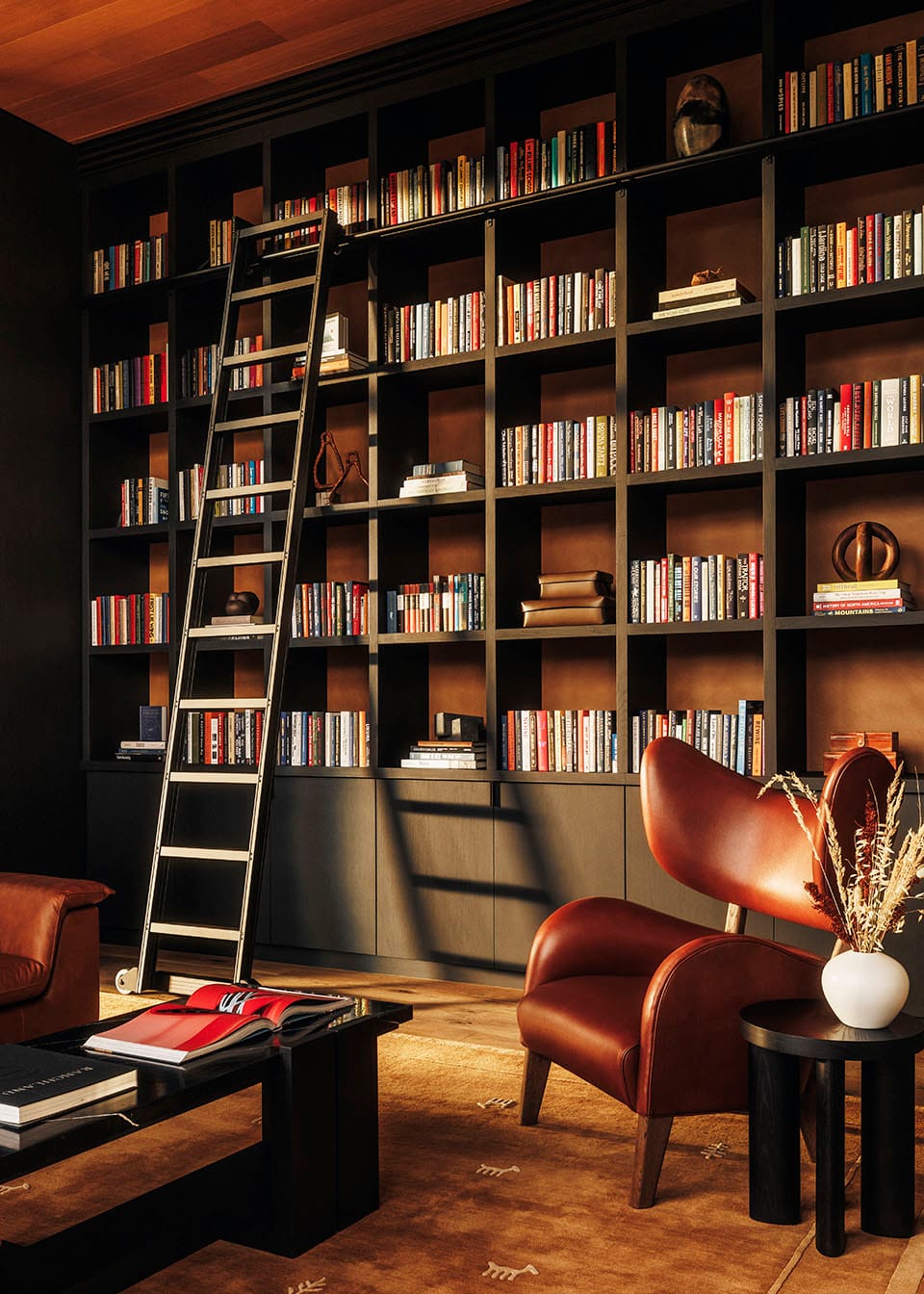
Olson Kundig is one of the most respected architectural firms in the country. What was it like working with them?
Steve Langlas: They absolutely push the boundaries of what you can do with steel, glass, and large open spaces. There are many details in these buildings that are difficult to execute. What made Olson Kundig good partners was their willingness to work through challenges with us. They wanted the project done right.
Ben Young (BYLA Landscape Architects): What stands out to me is how seriously they take the relationship between architecture and landscape. They don’t arrive with a fixed object they want to place on a site. They listen. They test things. They work through iterations.
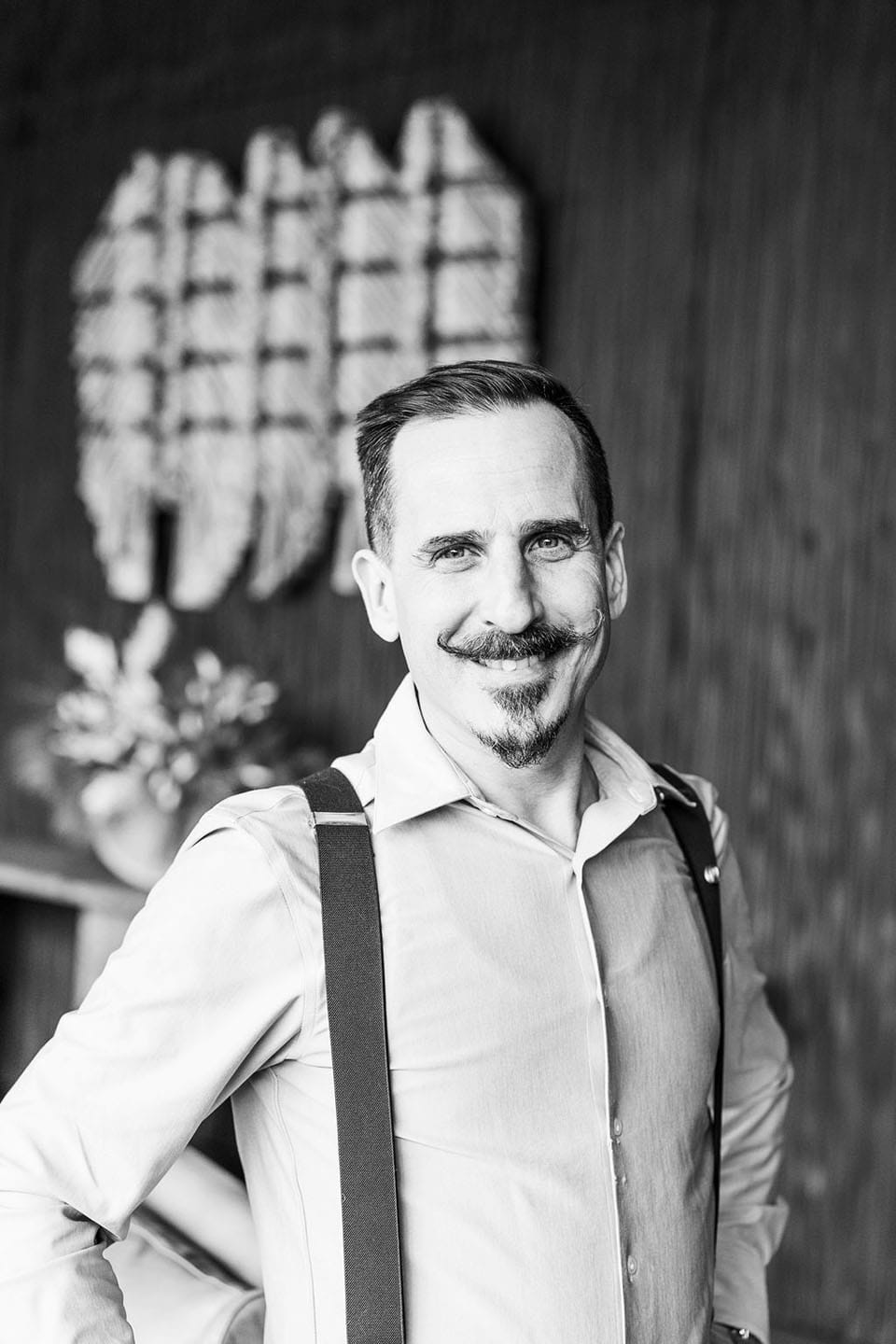
“EVERY ONE&ONLY IS MEANT TO BE SINGULAR. WE’RE NOT TRYING TO REPRODUCE THE SAME RESORT IN DIFFERENT SETTINGS. EACH PROPERTY HAS TO EMERGE FROM ITS DESTINATION. HERE, THAT MEANS MONTANA IS THE EXPERIENCE.“
-Serge Ditesheim, General Manager, One &Only Moonlight Basin
Matt Kidd: More than a decade ago, when we first got to know Tom Kundig and the Olson Kundig team, they were already very well known, but more for residential work. There was some risk in taking that sensibility into a larger hospitality setting. What they delivered was something pretty remarkable. The hotel feels intimate. It has the warmth and scale of a home, even though it’s a major commercial project.
Serge Ditesheim (One&Only): That was my reaction the first time I walked into the lobby. Even in the middle of construction, it already felt human in scale. It didn’t feel oversized or anonymous. That balance is hard to pull off, especially when the architecture relies so strongly on steel and glass, but it still feels warm.
Ben, from a landscape perspective, what kind of guest experience were you trying to create as people move through the property?
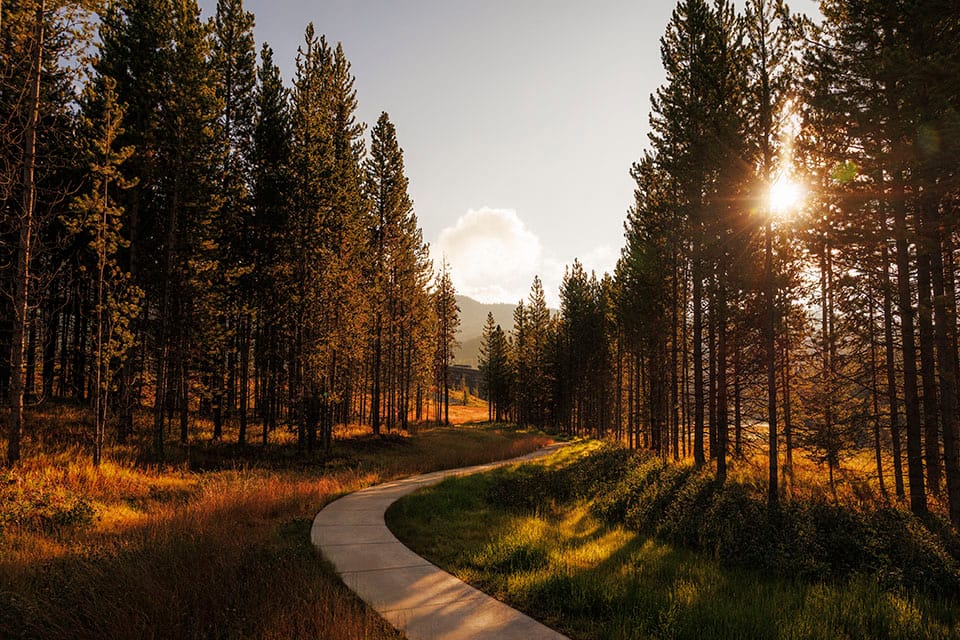
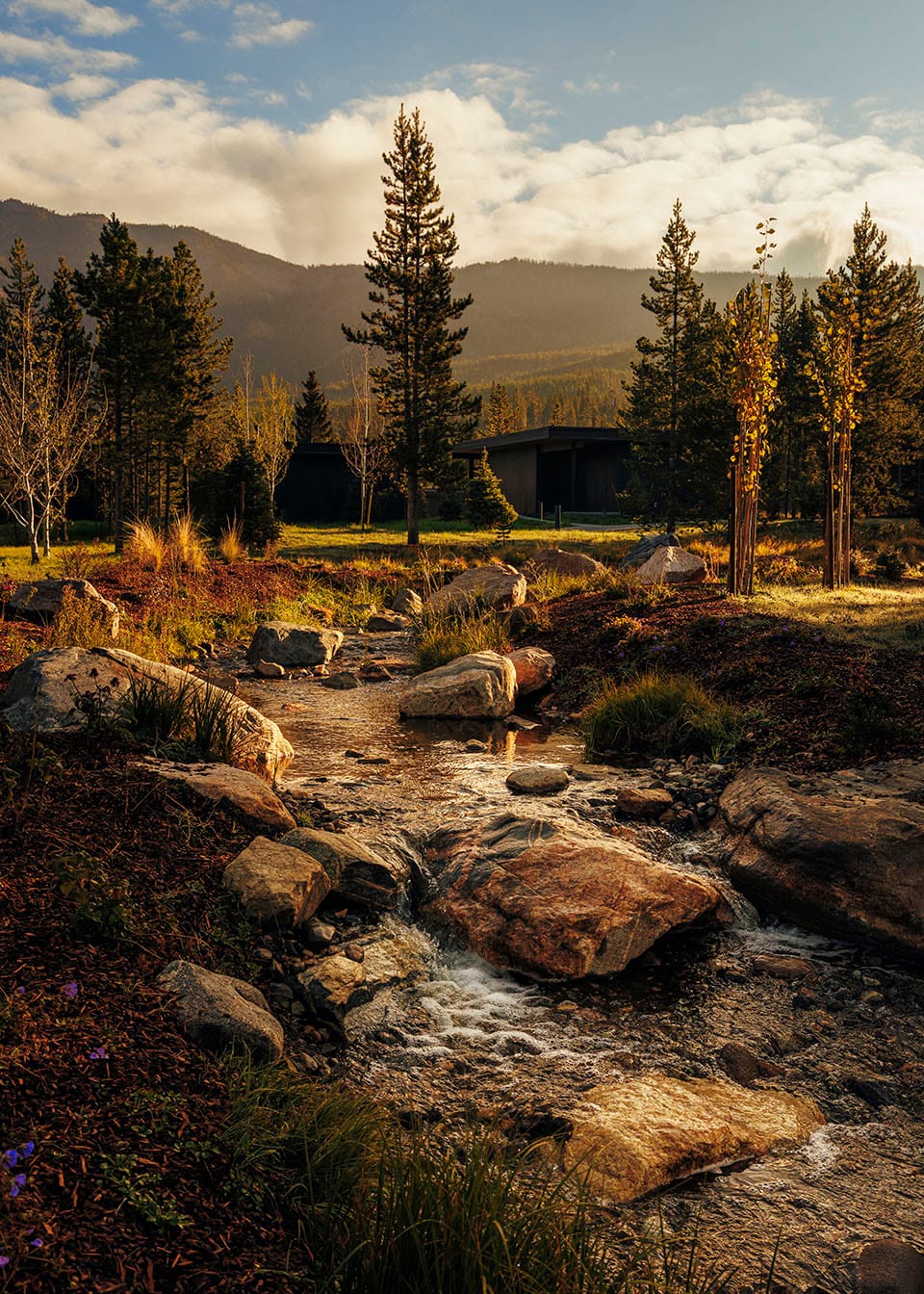
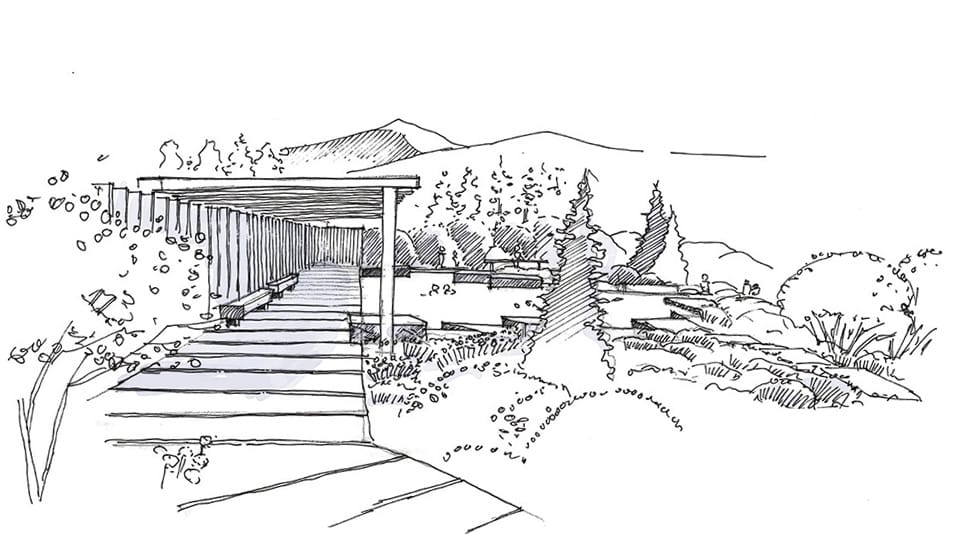
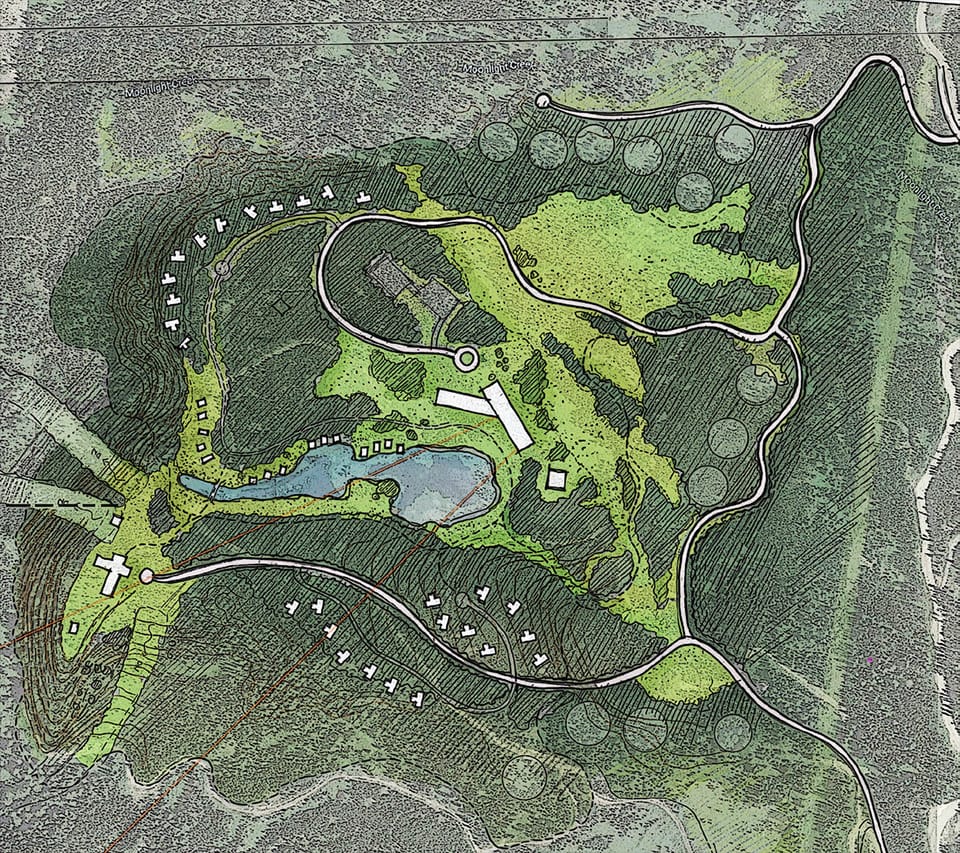
Ben Young: The first principle was restraint. We wanted the landscape to feel entirely of this place. No distractions, no unnecessary gestures, nothing that would interrupt the sense that you’re in Montana. Guests are arriving from all over the world, many of them without a deep familiarity with this landscape. The experience needed to unfold gradually. The road comes up, the view opens, and the ponds and the buildings reveal themselves. That progression matters.
“THE MONTANA PIECE CANNOT BE DECORATIVE. IT HAS TO BE REAL, THE OUTDOORS IS NOT THE BACKDROP HERE: IT IS THE MAIN EVENT.“
You also thought about little moments of decompression, is that right?
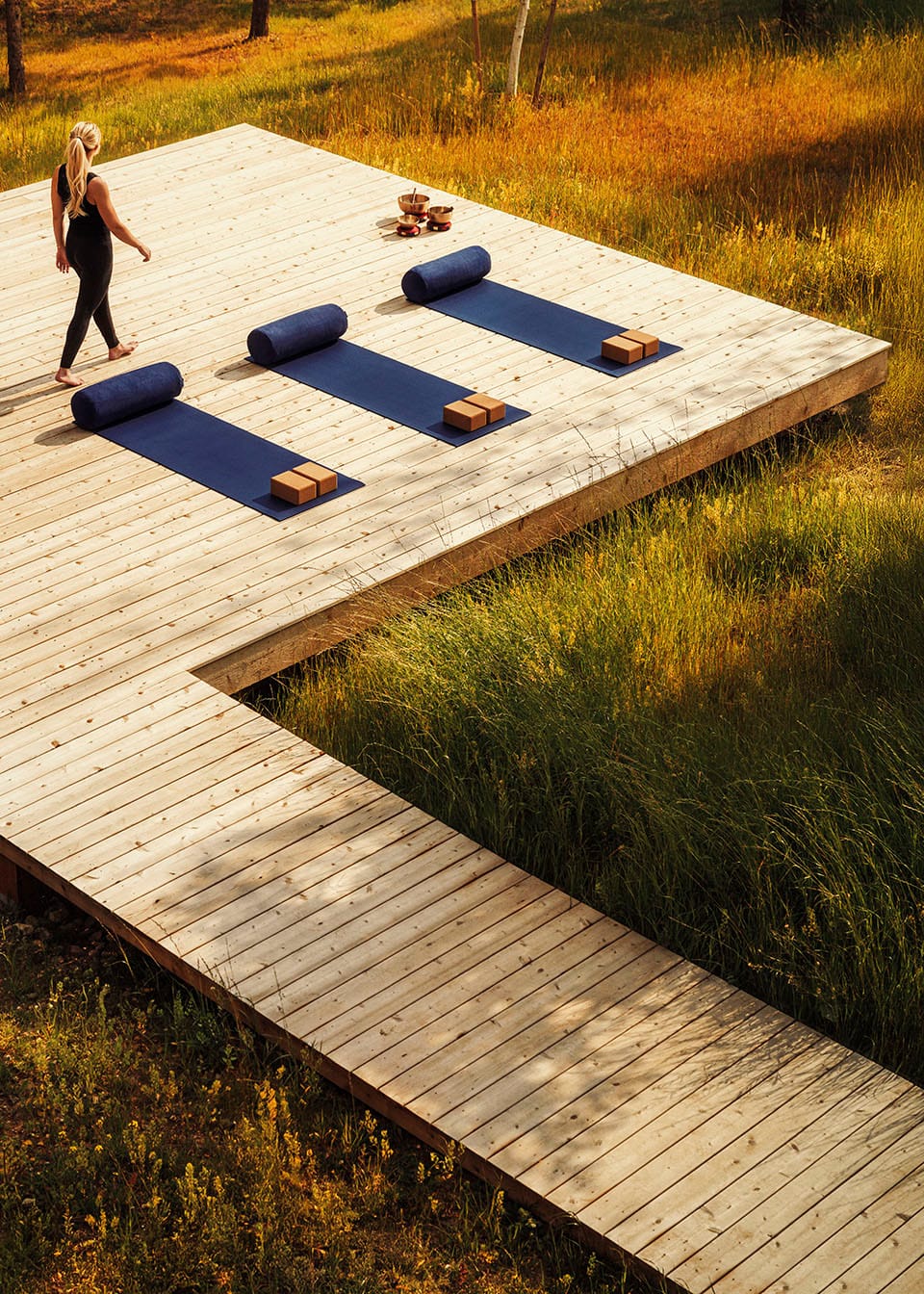
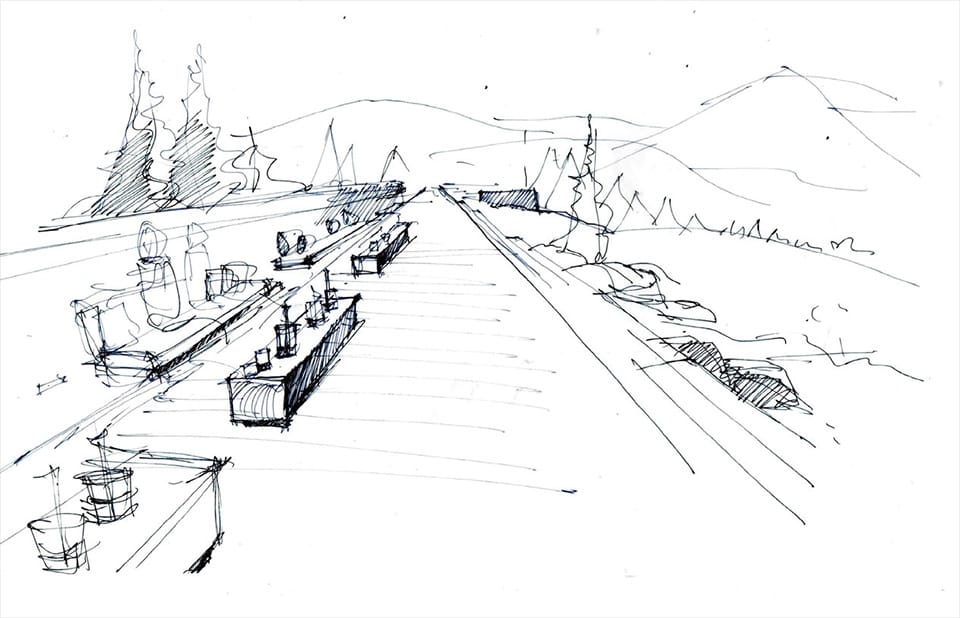
Ben Young: Yes, we thought a lot about movement. Paths, topography, aspen trees, little places to pause and decompress. There are areas where the terrain helps create a more intimate journey, almost like moving through a canyon or along a trail. If it works, guests should never feel like the landscape is trying too hard. It should feel natural, as though it was always meant to be this way.
One&Only has properties around the world, but this is a very different kind of destination. What sets this one apart from the rest of the brand?
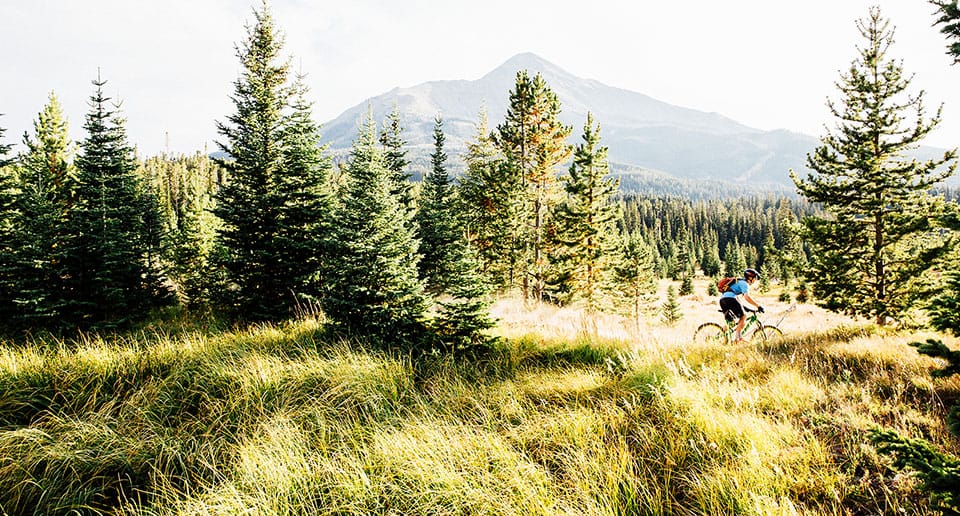
Serge Ditesheim: Every One&Only is meant to be singular. We’re not trying to reproduce the same resort in different settings. Each property has to emerge from its destination. Here, that means Montana is the experience. Skiing, hiking, biking, fishing, wildlife, and the sheer openness of the land. Our role is to give guests access to all that in a way that feels seamless. For me, one of the truest expressions of luxury is not having to leave the experience to find the experience. You can step outside your room or home, get on a trail, get on a bike, or head straight to the mountain. That sense of immediate access is incredibly powerful.
Matt Kidd: That’s part of what makes this project so compelling. Guests are getting the refinement of a global luxury brand, but they’re also getting the rawness of the West.
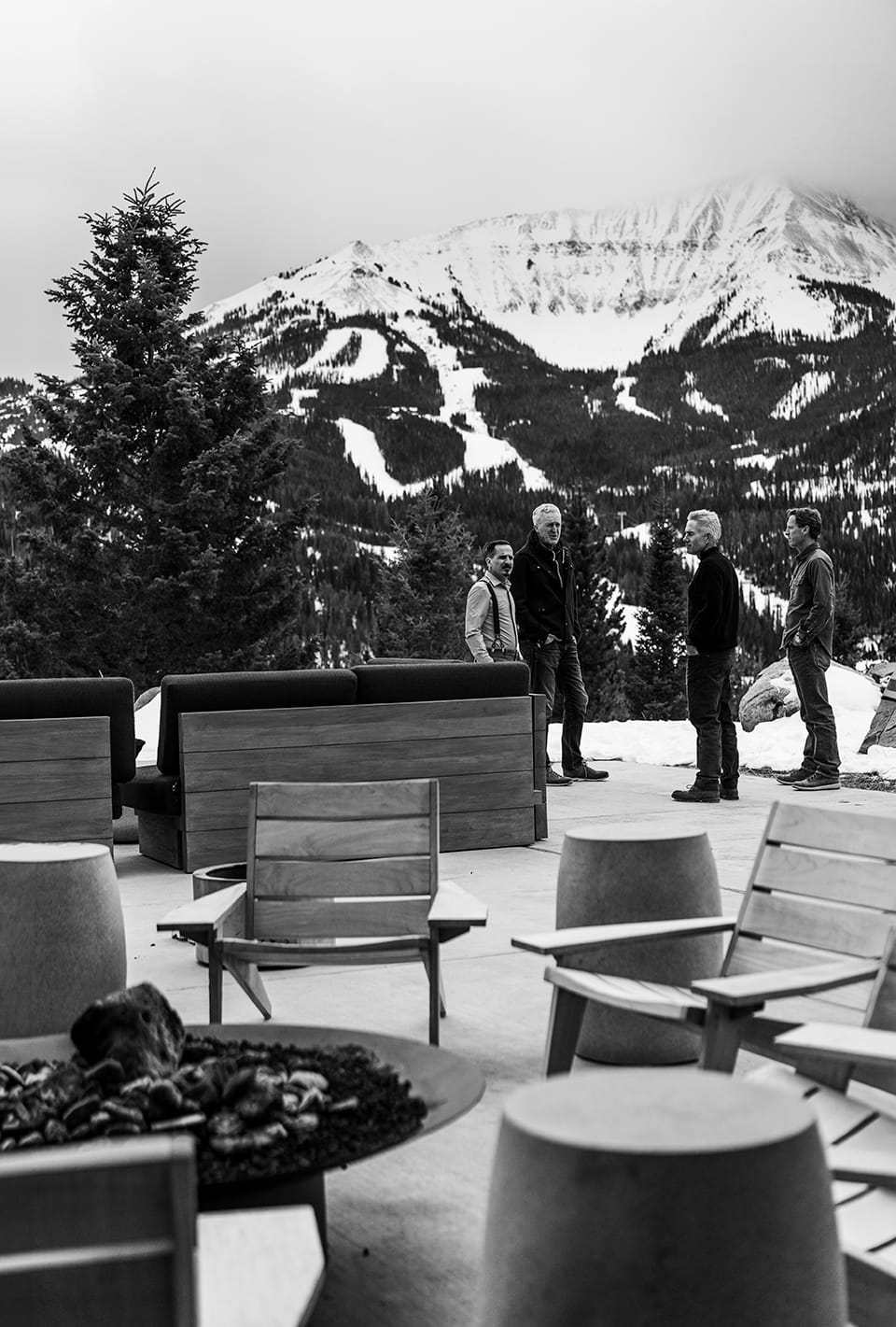
“WHEN YOU’RE SURROUNDED BY WILDERNESS AND PROTECTED OPEN SPACE, THE DESIGN HAS TO RESPECT THAT. YOU’RE NOT DROPPING A RESORT INTO THE MOUNTAINS AND HOPING IT WORKS. YOU’RE ASKING HOW THE RESORT CAN EXIST WITHIN THE LARGER PLACE.“
-Steve Langlas, Owner [CEO], Langlas & Associates General Contractors
How does the resort connect with the broader Big Sky community rather than turning inward on itself?
Matt Kidd: People who come here are buying into more than just a hotel or a house. They’re buying into Montana, into Big Sky, into Moonlight Basin, and then into the One&Only itself. Those layers all matter. They’re stepping into a community—Montana, Big Sky, Moonlight Basin—and those connections matter just as much as the property itself.
Serge Ditesheim: It was important from the beginning that this not feel like a closed-door resort. The restaurants and spa are part of the broader social fabric here. We’ve worked to make sure the community feels welcome. We’re part of the Big Sky community, and we want locals to feel comfortable coming here, using the restaurants, enjoying the spa, and seeing the property as part of the place they live.
Matt Kidd: That’s especially visible at The Landing, where locals, skiers, homeowners, and international guests all mix together. It creates an energy that feels real. Luxury doesn’t have to mean aspiration.
Steve Langlas: As a Montanan, that’s one of the most satisfying parts. It’s not a place that feels walled off. You still see locals using it, enjoying it, and being a part of it. That matters.
Staffing in a place like Big Sky is difficult for any hospitality operation. How have you approached that challenge?
Serge Ditesheim: There’s the long-term core team we want to build here—people who genuinely want to make Big Sky home—and then there’s the seasonal team, which is essential in a resort environment. With seasonal workers, the goal is not just retention in the traditional sense but return rate. You want people to come back because they had a meaningful experience living and working here.
Matt Kidd: Workforce housing has become a central issue in Big Sky. If you want people to work here, they need a chance to live here. That’s become a major priority across this community, and it was absolutely a priority for this project.
Serge Ditesheim: Housing is a huge part of the equation. We’ve been fortunate to provide substantial employee housing, which has made a real difference in attracting and supporting staff.
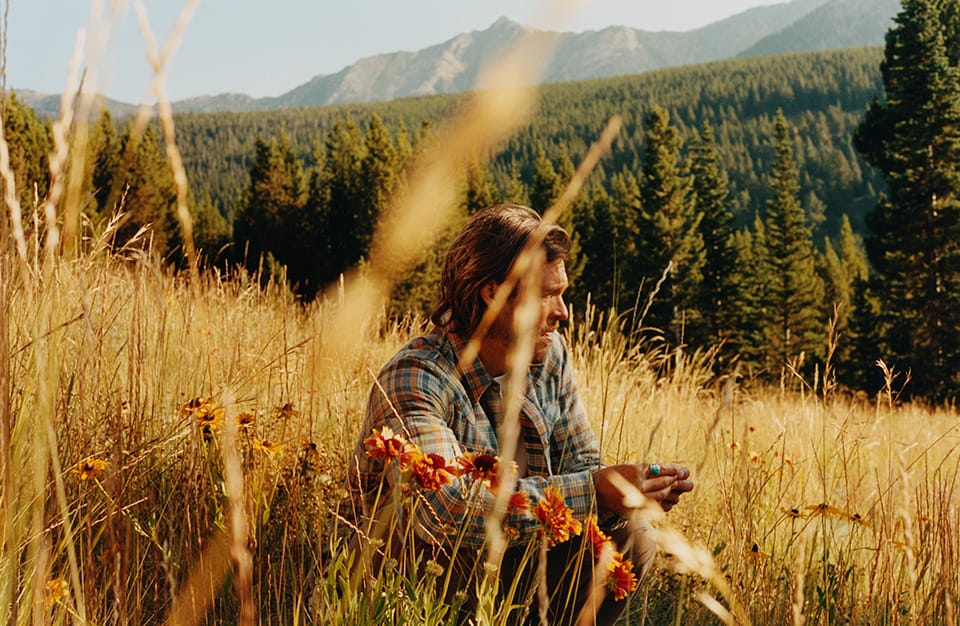
One of the most interesting tensions here is that guests want Montana, but they also expect a world-class hospitality experience. How do you blend those things?
Serge Ditesheim: That tension is really an opportunity. People come here because they want to experience Montana in a deep and memorable way, but they also expect the quality of service, dining, and care that defines the One&Only brand. That’s why partnerships matter so much. We work with exceptional chefs, exceptional spa partners, and exceptional operators. We’re not pretending we’re the only ones who do everything best. We bring in people who are the best at what they do.
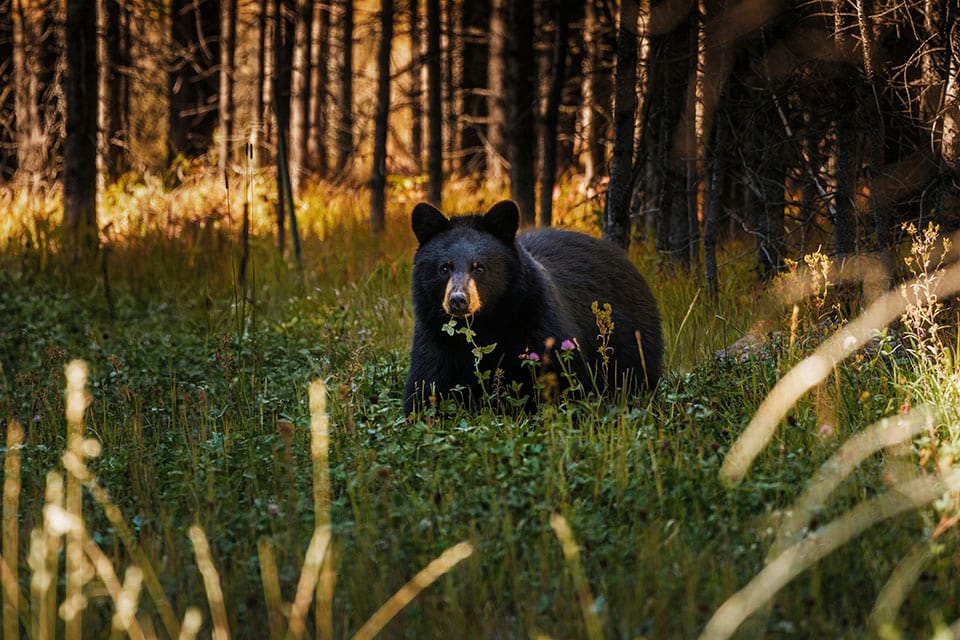
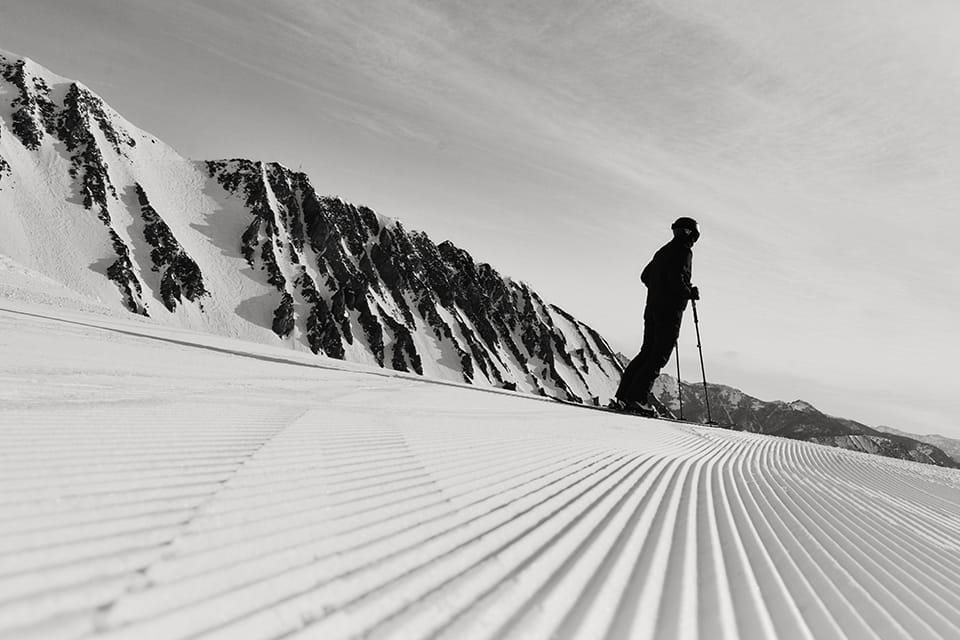
Matt Kidd: At the same time, the Montana piece cannot be decorative. It has to be real. The outdoors is not the backdrop here: it is the main event. Skiing, fly fishing, hiking, biking, all of that shapes how guests remember the place.
Serge Ditesheim: Guests want the mountains, the wildlife, the trails, the air, the sense of space. Then they want to come back to extraordinary dining and service. The combination is what makes it singular.
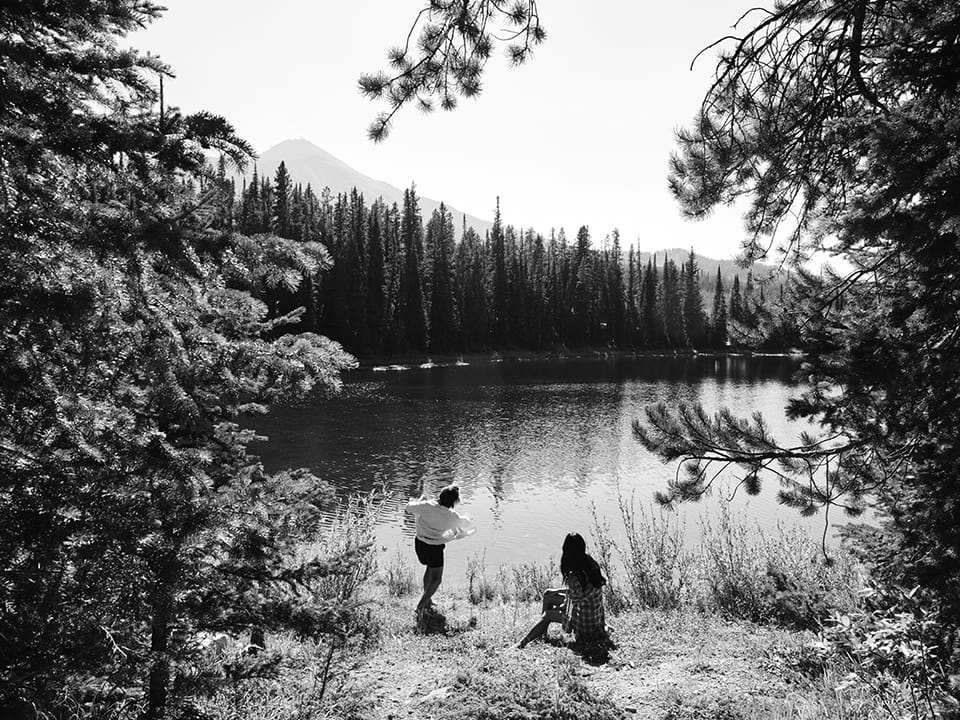
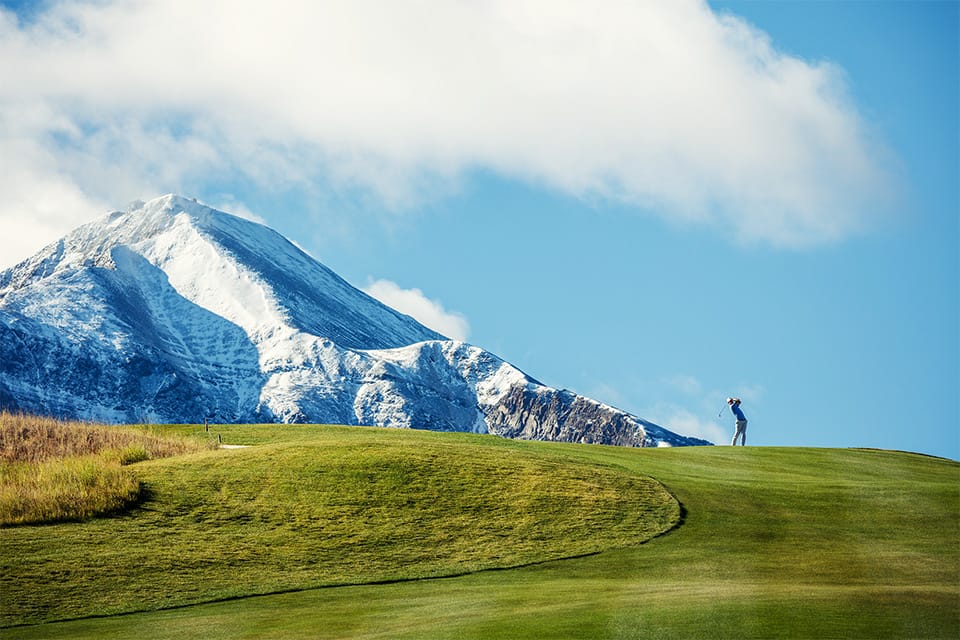
Moonlight Basin has emphasized conservation for years. How did that influence the planning for this specific property?
Matt Kidd: Conservation was never an afterthought. It was the foundation. Before this project even took shape, major conservation easements were already in place, and additional acreage around the One&Only was protected as well.
Steve Langlas: That gave the project its ethos. When you’re surrounded by wilderness and protected open space, the design has to respect that. You’re not dropping a resort into the mountains and hoping it works. You’re asking how the resort can exist within the larger place.
Matt Kidd: That’s exactly right. The planning here wasn’t about creating an isolated luxury property but reinforcing what already makes the land special.
In the end, what do you hope people feel when they spend time here?
Ben Young: That it feels effortless, as though the buildings and landscape belong to one another.
Steve Langlas: I hope they recognize the amount of care it took to build something this complex without compromising the site’s integrity.
Serge Ditesheim: I hope they feel wonder and ease. They’ve already found an exceptional place, and we’re here to provide an exceptional experience.
Matt Kidd: And I hope they leave remembering not just the architecture or the hotel, but the land. If people walk away with a deeper appreciation for this part of Montana, then we’ve done something right.
whj FEATURE
