
Written by: Laurenz Busch
Disasters rarely happen gradually. At home, it could be a burst pipe spewing water across the living room, or smoke settling into walls and fabric as a nearby fire rages. Rodents can wreak covert havoc in a short period of time, and quickly, a familiar place becomes unrecognizable. The question then isn’t just how to fix it, but where to even begin. For homeowners across southwest Montana, that moment often starts with a call to Revitalized Restoration. While what follows isn’t a single, standard process, the team at Revitalized views this as an opportunity to develop a coordinated, personalized plan designed to bring order to a situation that can feel anything but orderly.
Restoring What Matters
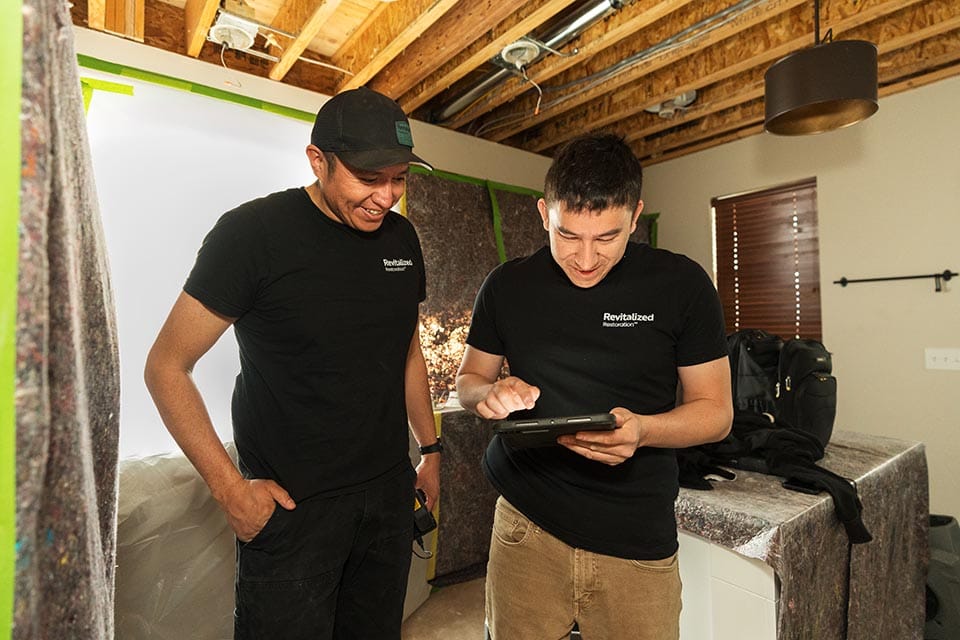
“Most of our clients are going through this for the first time,” says Amber Smith, who co-founded the Bozeman-based company with her daughter, Maddison. “Our job is to make sure they understand what’s happening and feel taken care of from the start. In our industry, a property disaster is referred to as a ‘loss.’ As in other experiences of loss in our lives, clients can experience stages of grief during this process, especially when the property damage is significant.”
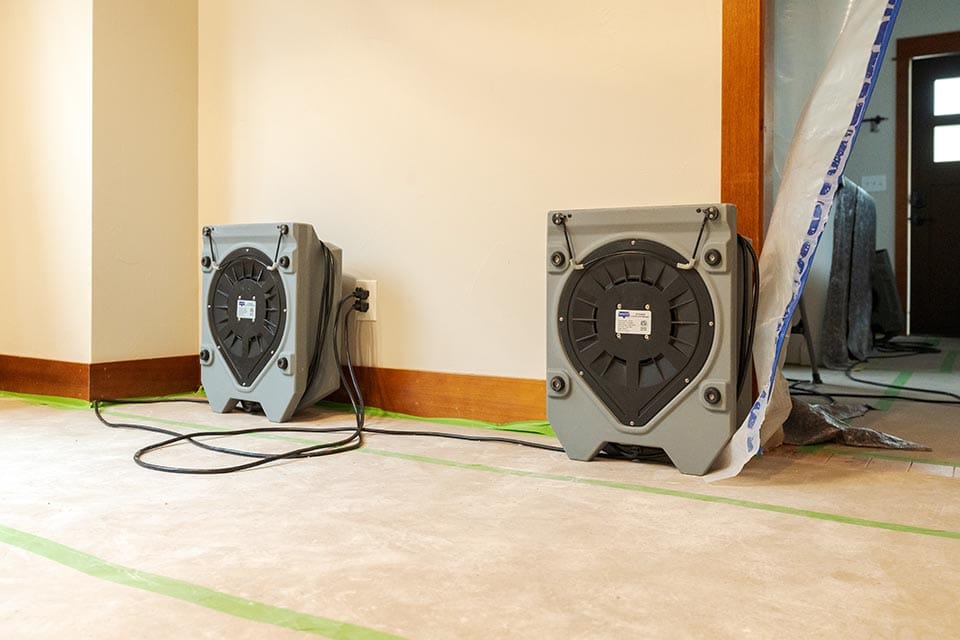
From the first visit, the focus is on clarity. A team arrives to assess the damage—whether water, smoke, mold, rodents, or another issue—and develop a plan to stabilize the home. In many cases, especially with water or sewer damage, that means immediate mitigation. They’ll begin by removing moisture, setting up drying equipment, and monitoring conditions to prevent further loss.
“MOST OF OUR CLIENTS ARE GOING THROUGH THIS FOR THE FIRST TIME. OUR JOB IS TO MAKE SURE THEY UNDERSTAND WHAT’S HAPPENING
FEEL TAKEN CARE OF FROM THE START. IN OUR INDUSTRY, A PROPERTY DISASTER IS REFERRED TO AS A ‘LOSS.’ AS IN OTHER EXPERIENCES OF LOSS IN OUR LIVES, CLIENTS CAN EXPERIENCE STAGES OF GRIEF DURING THIS PROCESS, ESPECIALLY WHEN THE PROPERTY DAMAGE IS SIGNIFICANT.
At the same time, another process begins. This one is less visible, but just as critical.
Revitalized facilitates communication with insurance companies to ensure their clients are supported during an often expensive event. At the same time, attention shifts to everything inside the home—what Revitalized refers to as the “contents journey.” Dee Hughes, the company’s contents manager, explains, “If the home was lifted and gently shaken, anything that might fall out—clothing, furniture, decor, keepsakes, everyday objects—is considered content.”
For many property owners, those items carry more weight than the structure. Original works of art or a great-grandmother’s antique wedding dress are irreplaceable. These items often range from the practical to the deeply personal—schoolbooks, a child’s favorite toy, or a prized trophy taxidermy piece. At their discretion, clients are able to designate priority content items for cleaning and restoration.
-BEFORE RESTORATION BELOW ▼
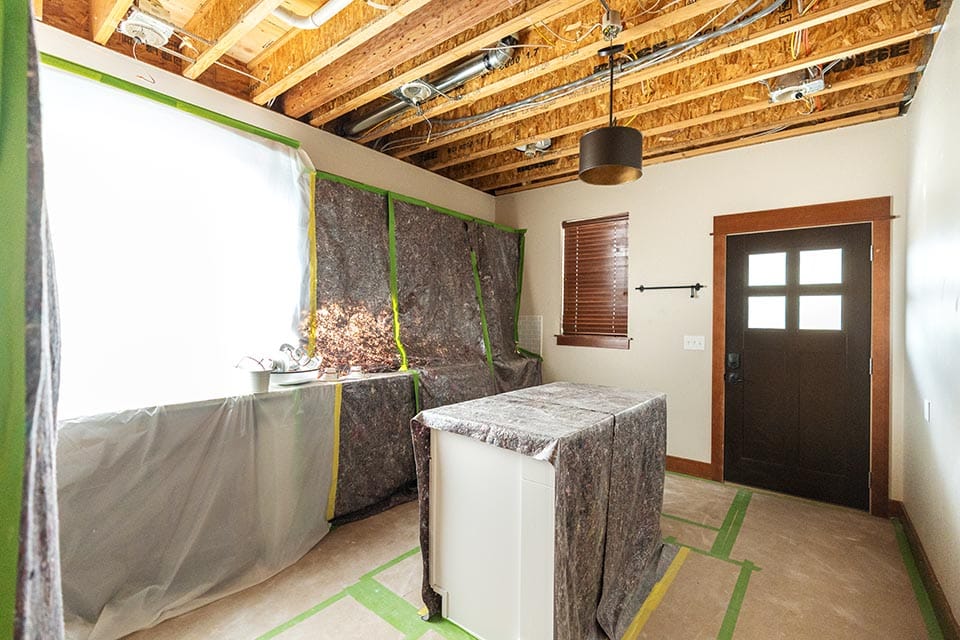
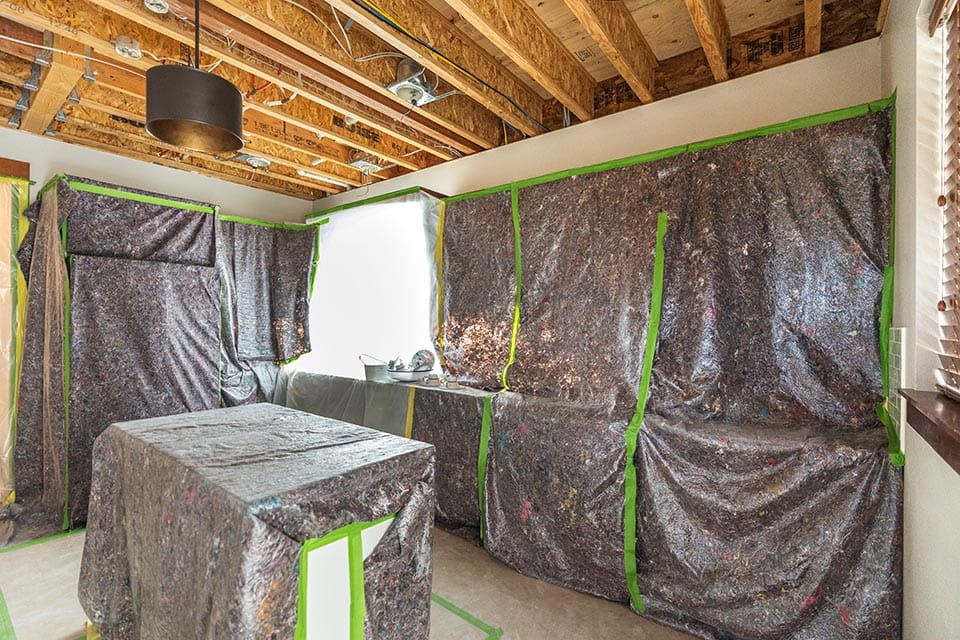
Each item is then carefully documented before it leaves the house. Cabinets are photographed, and boxes are labeled, tracked, and accounted for, simplifying the insurance process. It’s also a vital process for eventually returning every item to recreate life as it was before the disaster for the client.
Belongings are then packed and moved to a facility to be cleaned, restored, or evaluated, and others are addressed on site. Some items can be returned to pre-loss condition, while others are deemed non-restorable during the insurance process. Clients can follow along as needed and receive updates.
The aim, Amber says, is to reassure the client that all is not lost.
“WE TRY TO TAKE AS MUCH OFF THE CLIENT’S PLATE AS WE CAN. THEY SHOULDN’T HAVE TO MANAGE THE LOGISTICS ON TOP OF EVERYTHING THEY’RE ALREADY GOING THROUGH.”
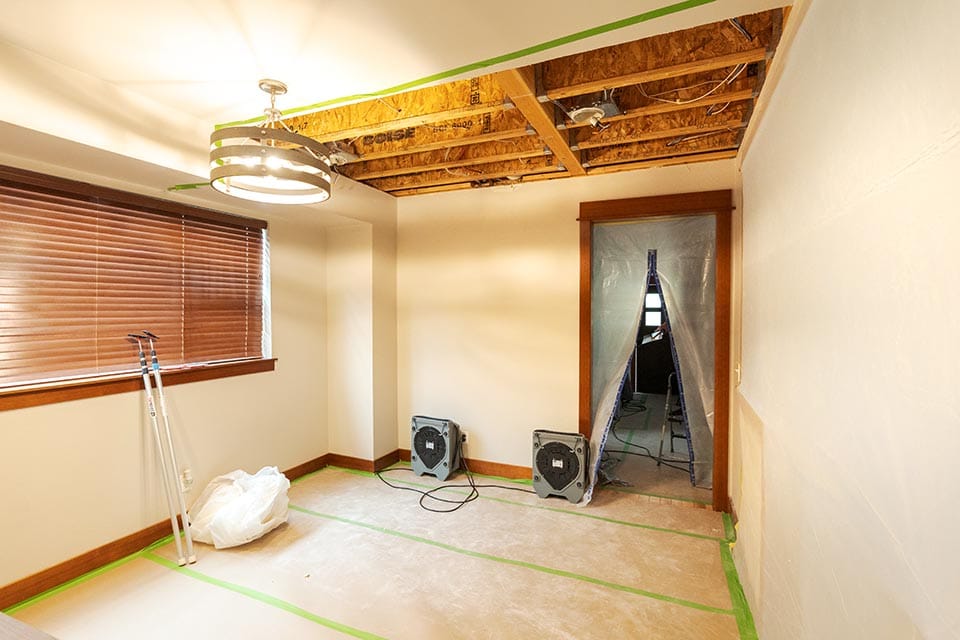
“We try to take as much off the client’s plate as we can,” she says. “They shouldn’t have to manage the logistics on top of everything they’re already going through.”
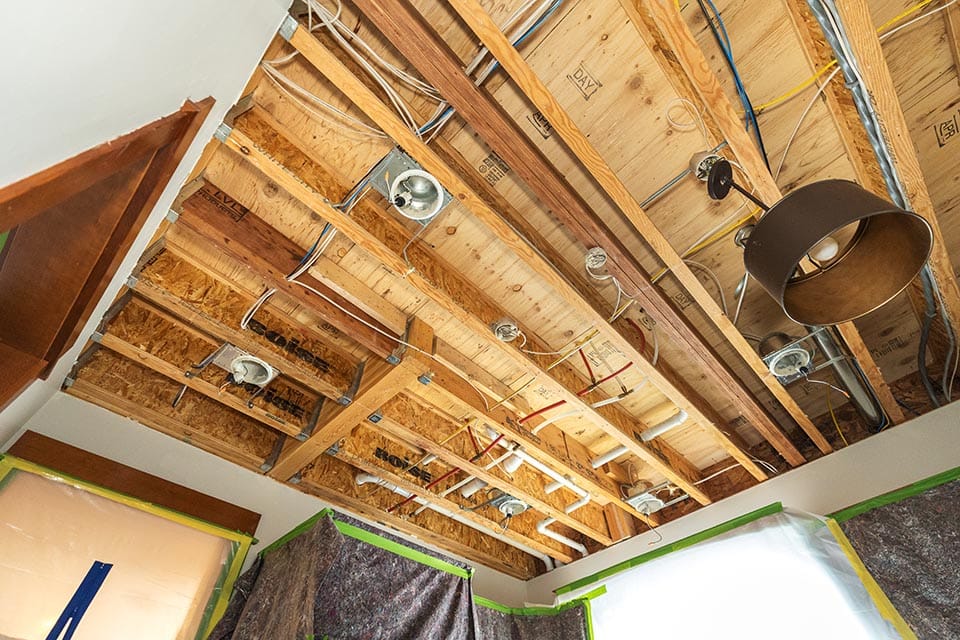
While belongings are being documented and cleaned, the Revitalized team focuses on stabilizing the home and reconstruction quickly begins once mitigation is complete. In some cases, says Brand and Marketing Strategist Kendall Haverlandt, homeowners choose to go beyond pre-loss conditions—using the rebuild as an opportunity to update or renovate some areas.
In Montana, one of the more common, and often overlooked, issues is smoke. Even without direct fire damage, the fine particulates from wildfire season can settle into HVAC systems, carpets, mattresses, and other surfaces, affecting a home’s air quality long after the smoke has cleared. Cleaning those systems has become an increasingly important part of Revitalized’s work—particularly in areas like Bozeman and Big Sky.
-AFTER RESTORATION BELOW ▼
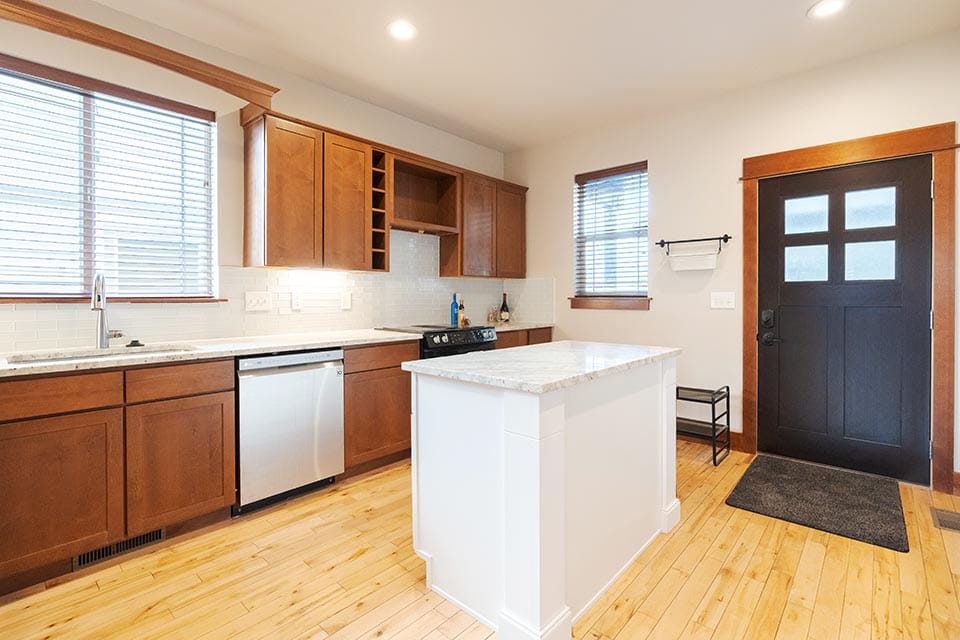
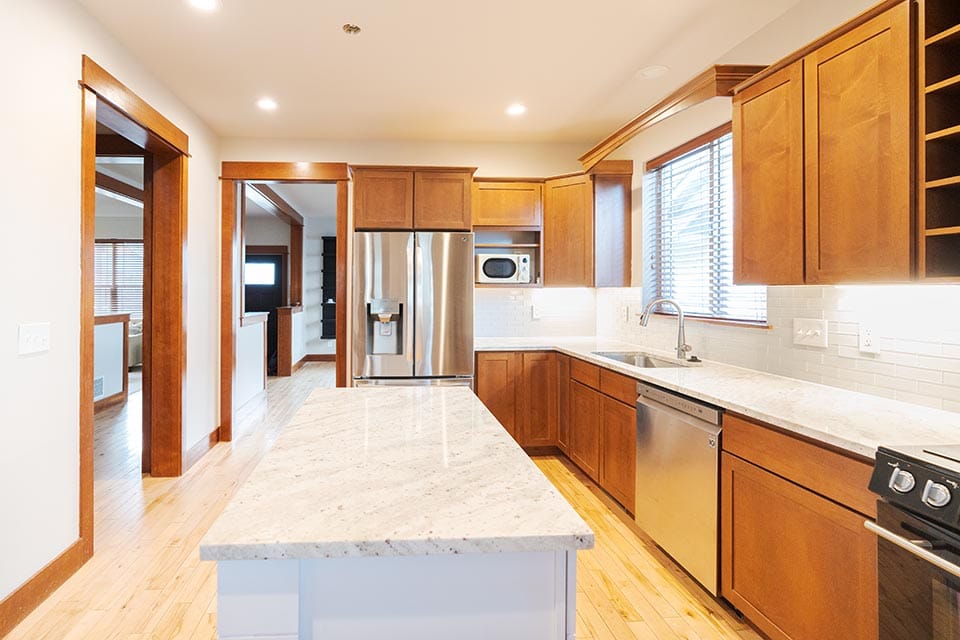
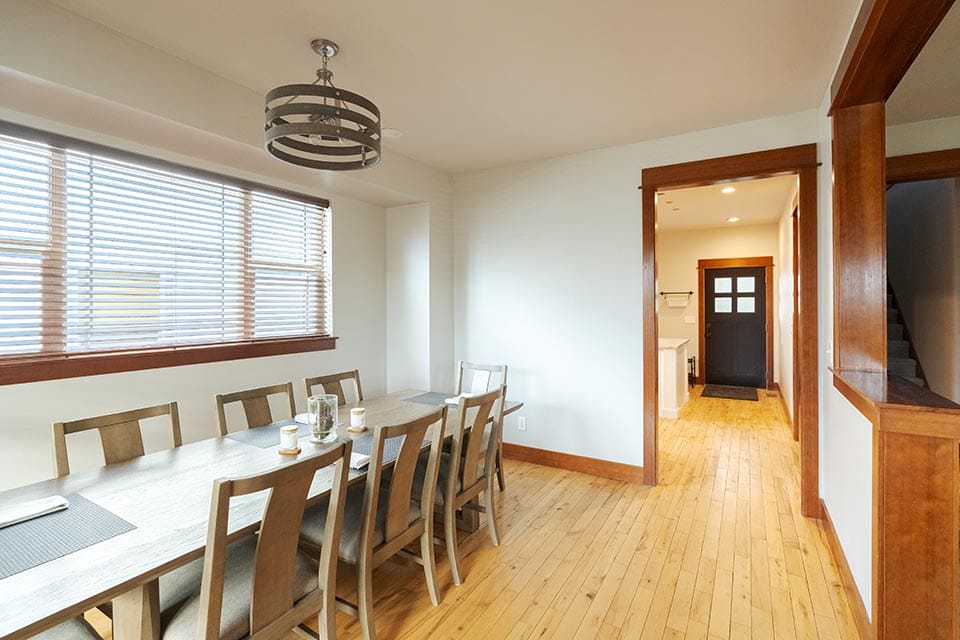
Not every project is tied to an insurance claim. Revitalized also works directly with homeowners on self-pay restoration, managing everything from cleanup to rebuild. Individual items can also be brought in for cleaning, whether affected by everyday wear, smoke exposure, or long-term storage.
For Amber, understanding and clear communication remain central to their mission of supporting their clients. Each project is overseen by a dedicated point of contact who coordinates with insurance adjusters, answers questions, and guides clients. For many homeowners, the terminology and pace of restoration work can feel overwhelming, and having that single, consistent voice helps simplify the process.
That emphasis is what shaped Revitalized Restoration from the very beginning. Amber and Maddison started the company with the idea that technical capability alone wasn’t enough. Rather, they believed that how the work is done and how clients are treated and guided matter just as much as their expertise.
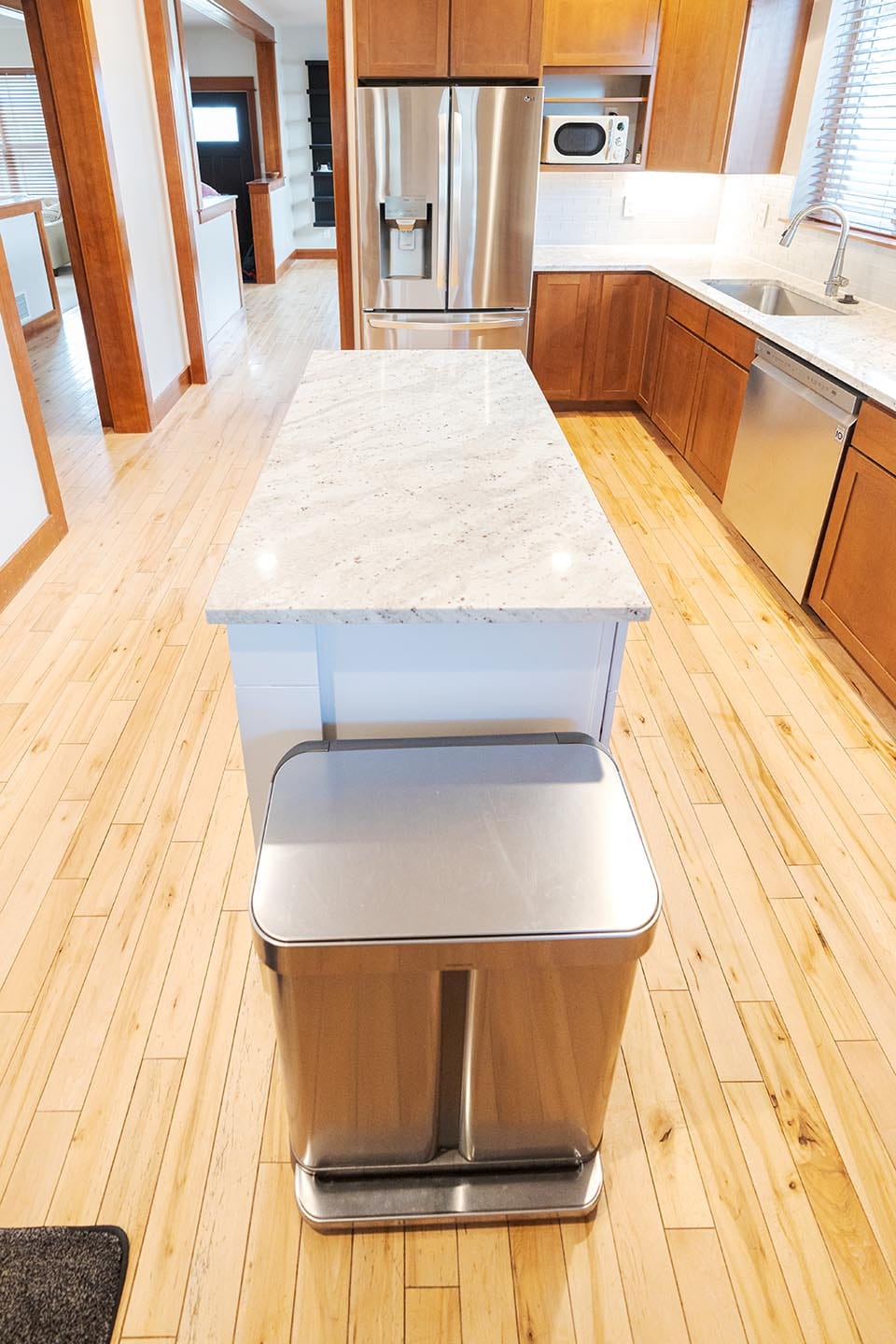
“AT THE END OF IT, WE WANT PEOPLE TO WALK BACK IN AND FEEL LIKE IT’S THEIR HOME AGAIN.”
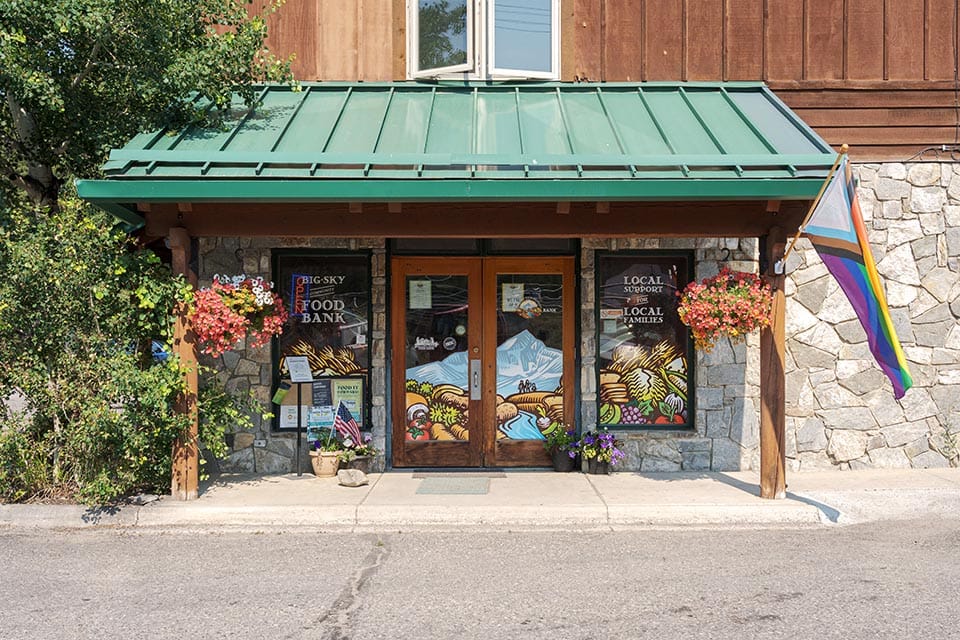
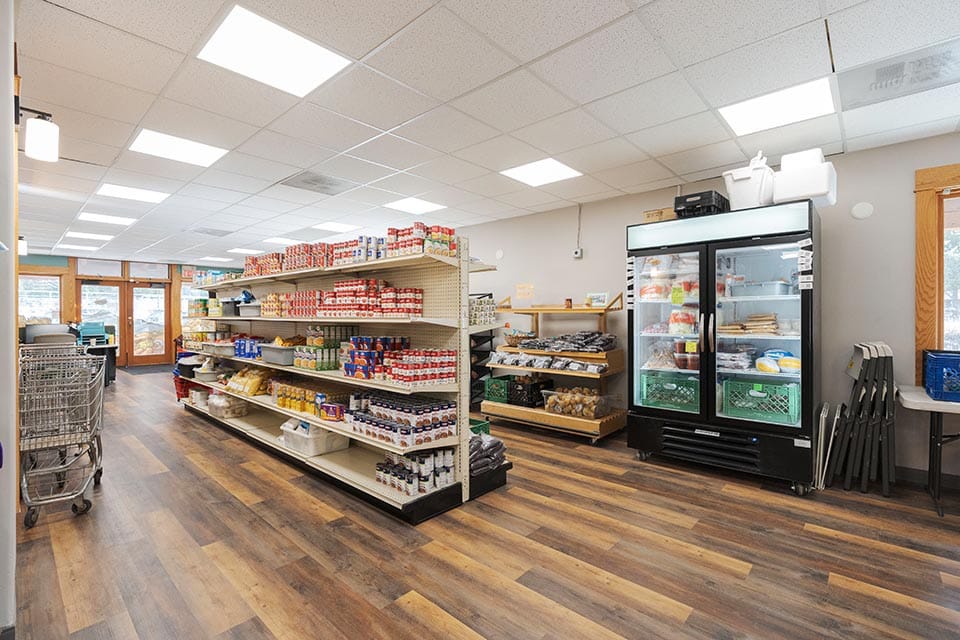
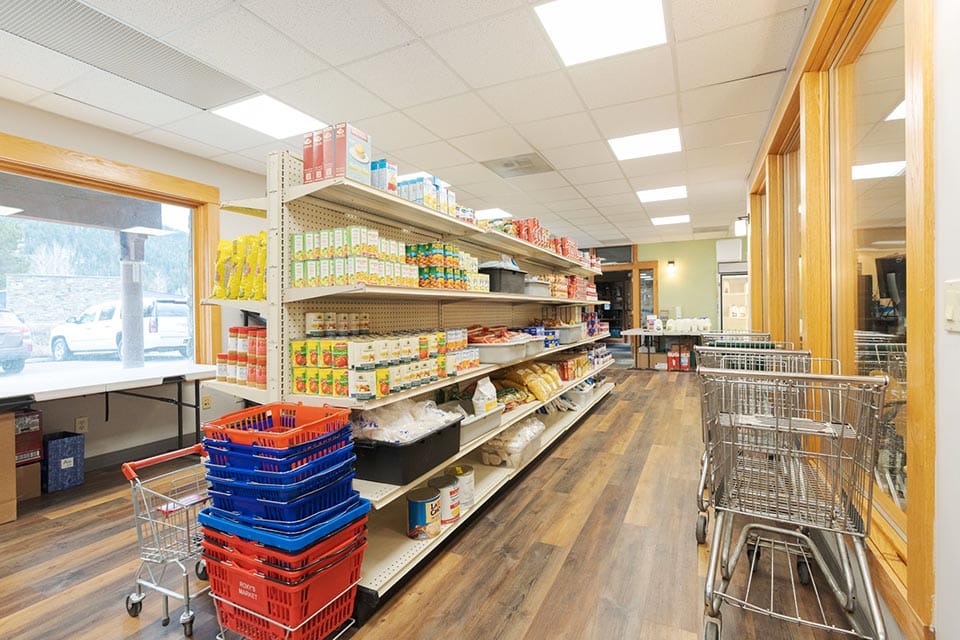
As the company has grown, their approach remains consistent. In 2025, Revitalized restored the Big Sky Community Food Bank at no cost—paying employees as they would on any job. For Amber, it reflects how the company operates, both inside homes and within the communities it serves.
“Our vision was to build something where the client is just as important as the project and it’s working,” she says.
At the end of the process, the goal is simple: to return that sense of familiarity to the homeowner.
-BIG SKY COMMUNITY FOOD BANK RESTORATION ▼
“At the end of it, we want people to walk back in and feel like it’s their home again,” she says.

revitalizedrestoration.com
406.220.5316
Disaster Recovery 24/7
whj PROFILE
