
Written by: Aaron Kampfe & Katie Thomas
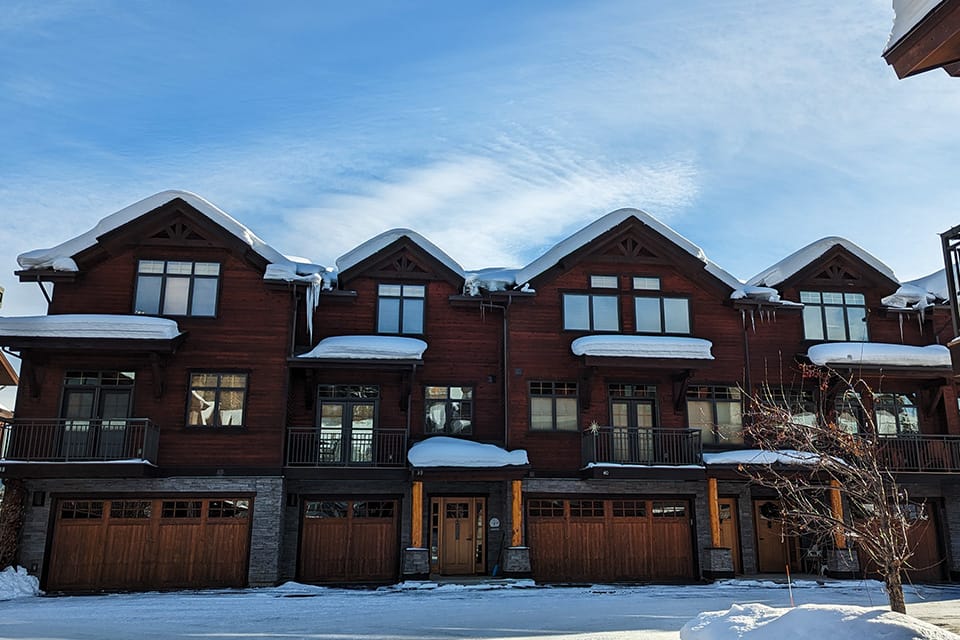
Building in Big Sky means working with extremes. With homesite elevations ranging from 6,000 to 9,500 feet, the resort area sees more than 400 inches of snow in heavy winters. Homes are built in the forests where the wildfire season has become drier, longer, and more dangerous. In this environment, roofs must carry heavy snow loads while ice dams threaten structural integrity. Exterior materials must withstand the frigid cold, intense sun, and shifting conditions—all in the same year.
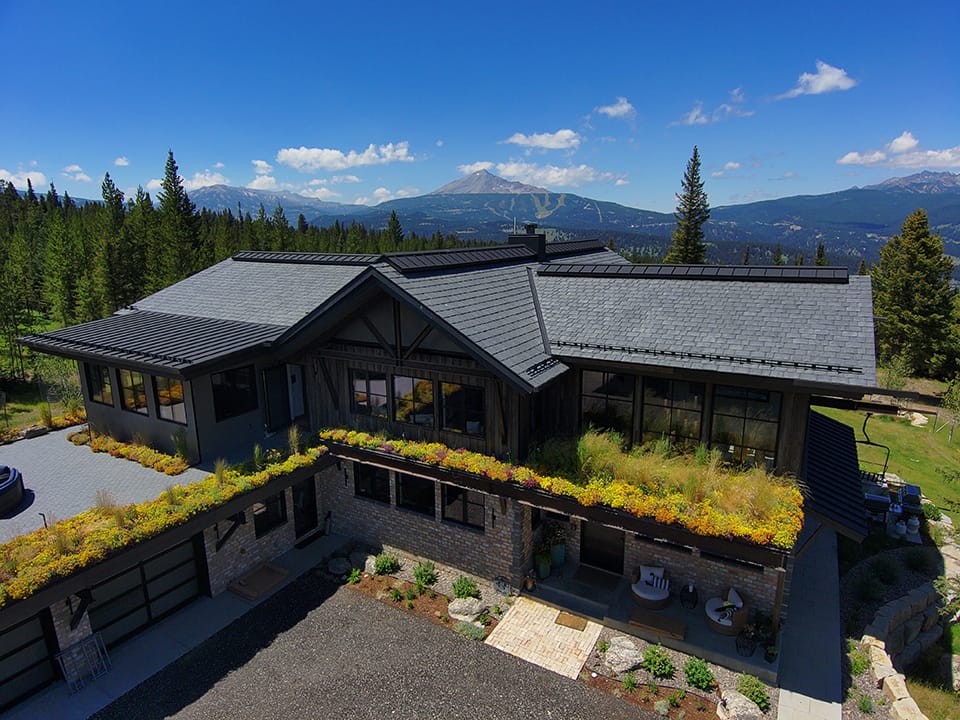
20 Years of Refining Building Systems in Big Sky
For more than two decades, Cornerstone Management Services has focused on solving these challenges. Since moving to Big Sky in the early 2000s, the company has built its reputation around understanding how buildings perform in a mountain climate.
Founder Andy Dreisbach moved to Big Sky for the same reasons most people do. He loved the community and life lived outside. But as he began working in the region, it became clear that conventional construction practices weren’t meant for the realities of high elevation.
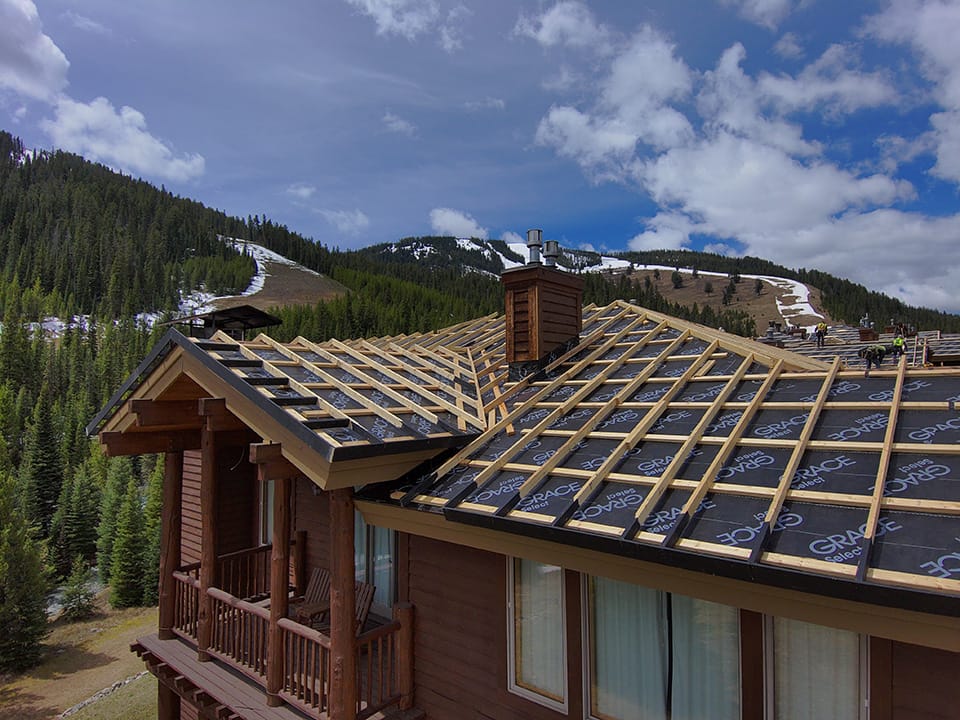
WHAT BEGAN AS A GENERAL CONTRACTING BUSINESS HAS EVOLVED INTO A COMPANY DEDICATED TO REFINING EXTERIOR SYSTEMS FOR SOME OF THE HARSHEST ENVIRONMENTS IN THE ROCKY MOUNTAINS.
Over the years, that realization shaped Cornerstone. What began as a general contracting business has evolved into a company dedicated to refining exterior systems for some of the harshest environments in the Rocky Mountains. As Cornerstone has grown, Andy’s drive for constant improvement and continual learning has fostered a culture embraced by the company’s staff, contributing to Cornerstone’s reputation for delivering high-quality, climate-adapted solutions. Across its service areas, the company has helped develop cutting-edge construction techniques, partnered with academic institutions to study climate-appropriate materials, and educated the region’s building industry.
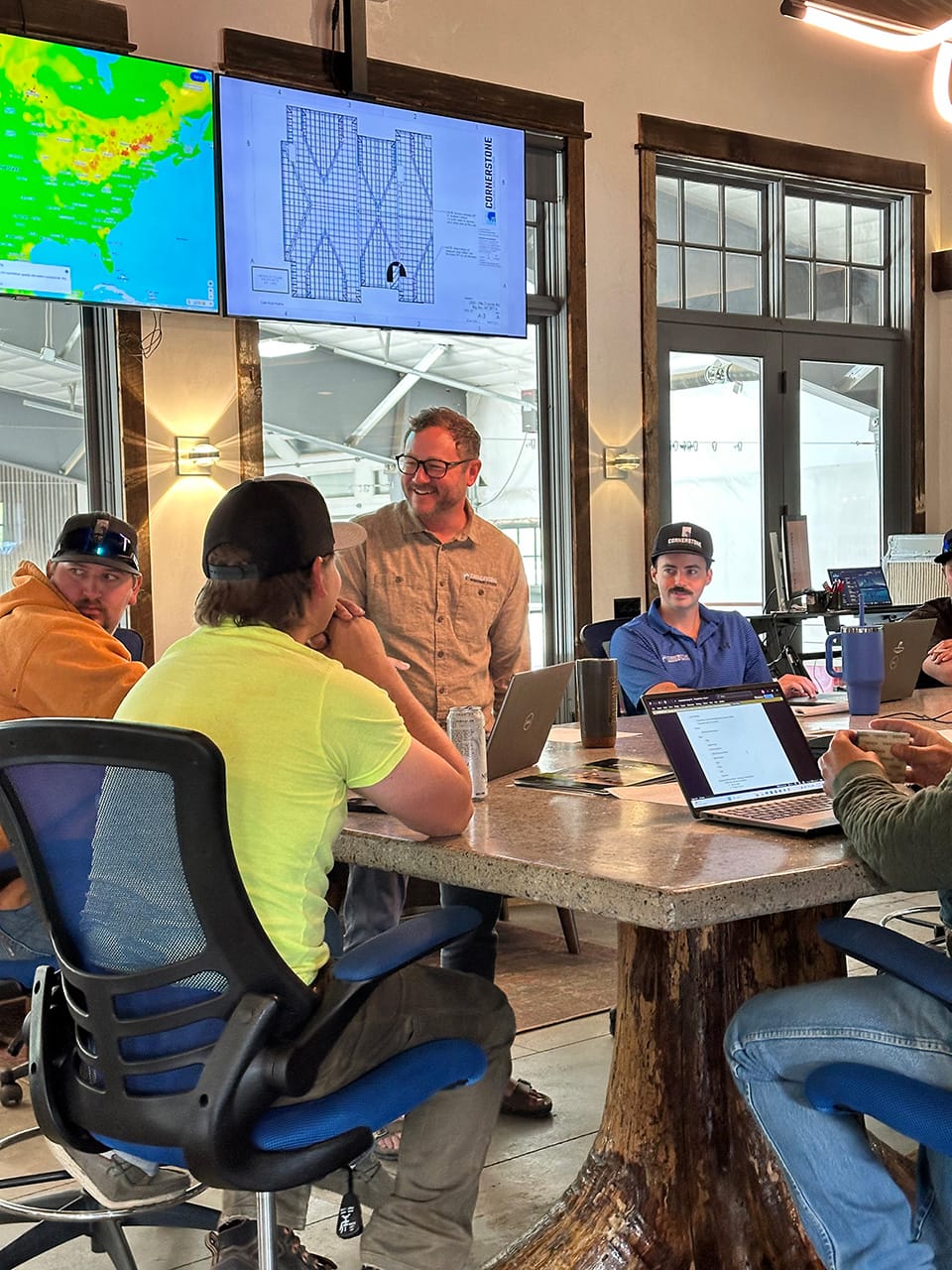
Underlying all of this work is a deeply analytical approach to the exterior envelope. Rather than addressing isolated symptoms, the team evaluates how each component of a home—roofing, siding, ventilation, and waterproofing—performs as part of a larger system. Using advanced modeling software, they can simulate airflow and heat transfer, allowing solutions to be tested and refined before they are implemented in the field.
After all, who would know how to build in Big Sky better than the residents who experience its alpine environment every day?
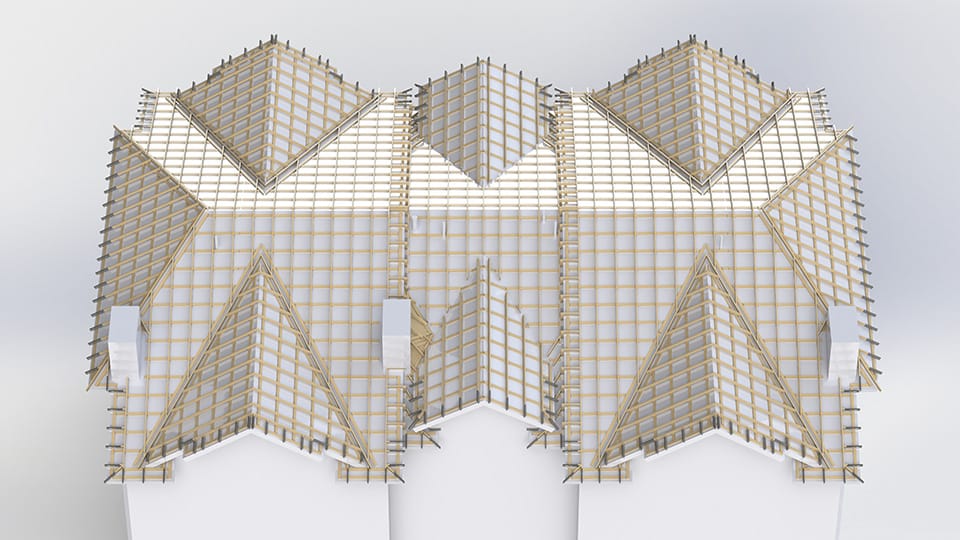
-Type or When the geometry of the building changes, so do the solutions.
Software that CMS utilizes helps create plan sets that are more effective during build. ▼
Mitigating Cold with Cold
When heat escapes from a home and warms the roof, it causes snow to melt and run to colder areas—usually eaves—where it refreezes. The process repeats, building up a dam of ice that blocks drainage, causing water and ice to back up under the shingles and potentially leak into the structure.
“Interior living space has a lot of heat,” says Teran Foster, Cornerstone’s Director of Building Science and Innovation. “Insulation slows the transfer of heat, but some heat still reaches the roof deck and melts the snow above it. Then snow accumulates, melts, and freezes on eaves or colder areas, creating ice dams. Ice dams can trap and pool water behind them, allowing the water to work its way uphill beneath roofing materials. During this process, capillary action can pull moisture through small gaps. When the water freezes and expands, it can force roofing materials apart and create openings for moisture intrusion.”
“INTERIOR LIVING SPACE HAS A LOT OF HEAT. INSULATION SLOWS THE TRANSFER OF HEAT, BUT SOME HEAT STILL REACHES THE ROOF DECK AND MELTS THE SNOW ABOVE IT. THEN SNOW ACCUMULATES, MELTS, AND FREEZES ON EAVES OR COLDER AREAS, CREATING ICE DAMS.”
-Teran Foster, Director of Building Science & Innovation, Cornerstone Management Services
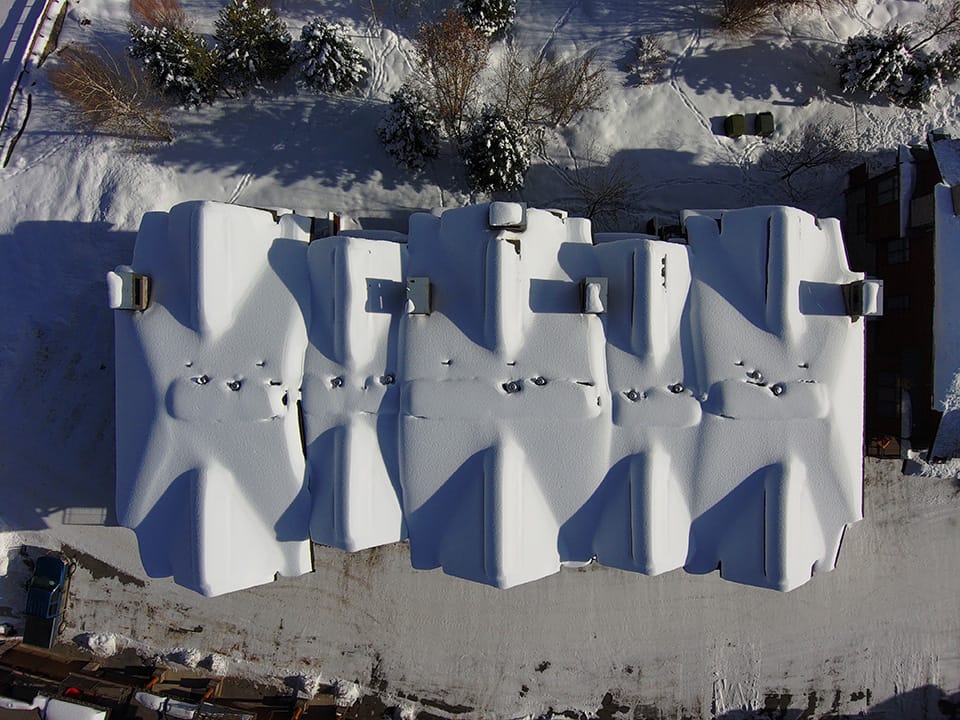
Poor attic insulation and lack of ventilation can contribute to this excess heat escaping into the attic and warming the roof. The missing component is airflow. Installing a cold roof allows for the outside climate to move between the surfaces of the ceiling structure and the roof, reducing heat transfer to the outside roof overall. This also ends up significantly increasing the longevity of the roof, increasing energy efficiency, and acting as a cooling space in both the summer and winter.
To better understand these dynamics, Cornerstone relies on state-of-the-art diagnostic tools. Thermal drone imaging allows the team to identify areas of heat loss and irregular performance across a roof or wall assembly, while digital modeling tools simulate how air and moisture move through the structure. This combination of real-world data and predictive analysis ensures that each solution is tailored to the specific conditions of the home.
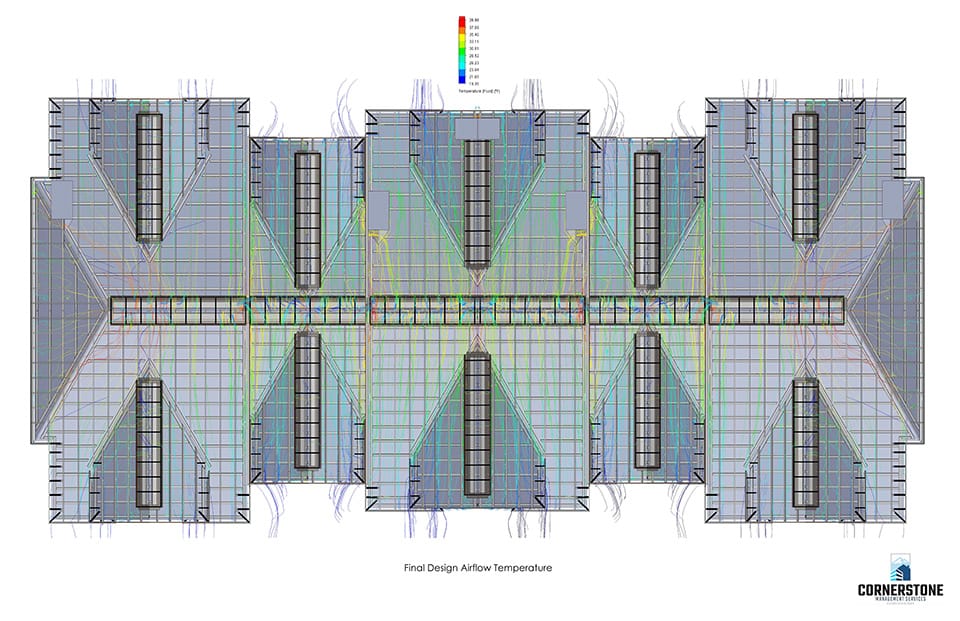
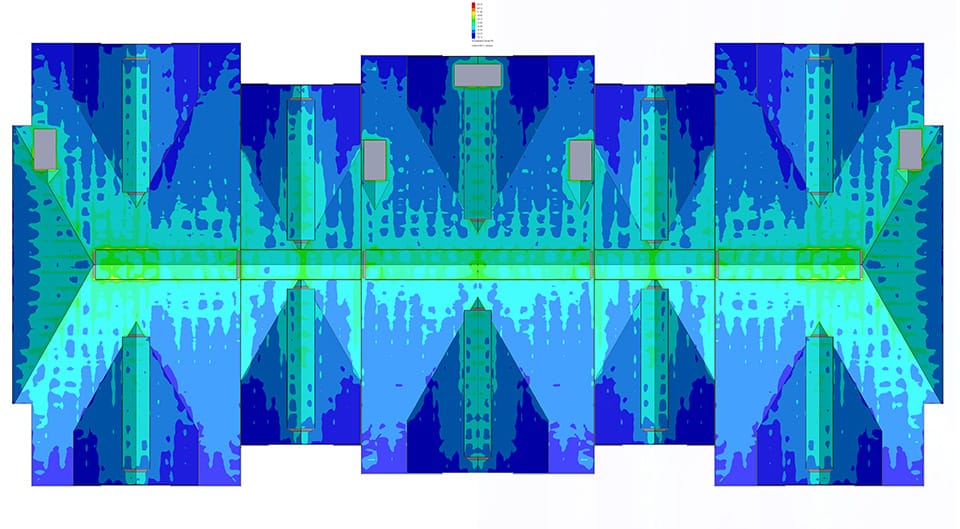
-The different models can be refined to have effective airflow through the cold roof frame and alleviate any historically problematic areas ensuring the final roof surface temperature is cooler and more even. ▲
Cornerstone has partnered with Montana State University’s engineering department since 2020 to research, evaluate, and test new building materials, system functionality, efficiencies, and practices within their products. Dave Dexter, Cornerstone’s CEO, had previously worked with a professor in Montana State University’s HVAC program and later asked him to review Cornerstone’s product. The partnership has grown since then.
“There’s so much opportunity with what they’re teaching at the university; it really aligns with us,” Dave says. “It’s just exciting to work with academics like this. In fact, we consider ourselves a bit more of a hybrid group as both a contractor and R&D firm. The pursuit of knowledge and improvement is not just siloed within our R&D department but extends to our entire team. Here we are all engineers of solutions.”
“OUR TEAM DELIVERS SOLUTIONS DESIGNED NOT ONLY TO ADDRESS CURRENT ISSUES BUT ALSO TO PREVENT FUTURE ONES.”
-Paul Williamson, Director of Business Dev., Cornerstone Management Services
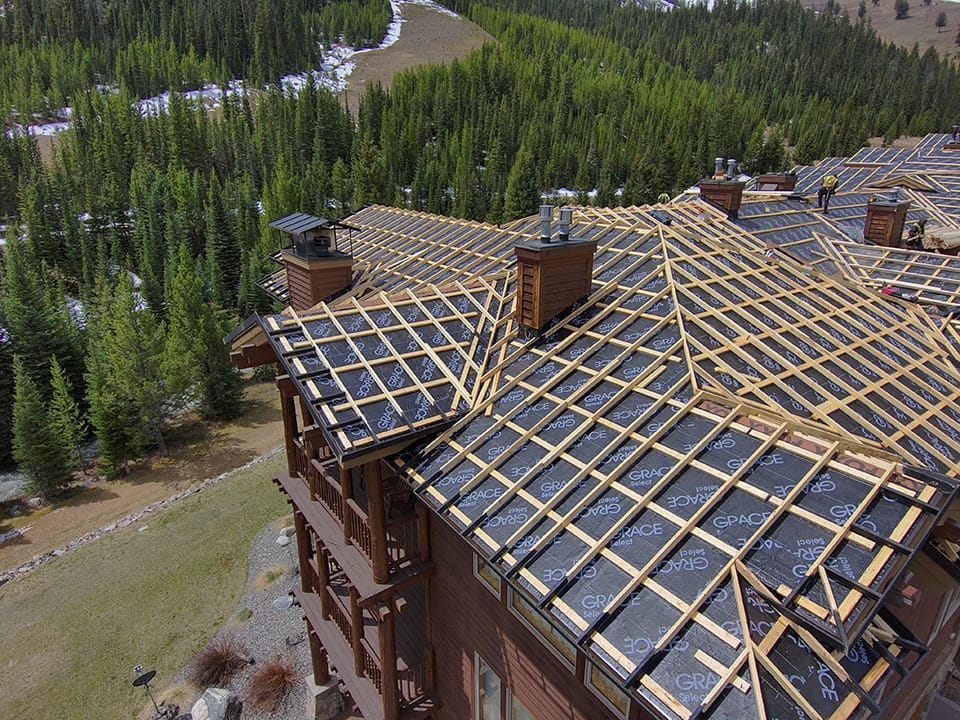
Other services offered by Cornerstone include pre- and post-winter roof inspections, leak inspections, preventative maintenance, snow and ice dam removal, thermal drone heat trace inspections, fire-resistant siding, as well as above- and below-grade waterproofing. They also complete specialized roof remodels using finish materials of metal, asphalt, compositing roofing, and a variety of types of siding. In summary, Cornerstone is “all things exterior envelope.”
“Our systems-based mindset extends across every project,” explains Paul Williamson, Cornerstone’s Director of Business Development. “We evaluate the totality of a building’s exterior envelope, from foundation to roof, ensuring each element is working in harmony. By combining field experience with performance modeling, our team delivers solutions designed not only to address current issues but also to prevent future ones.”
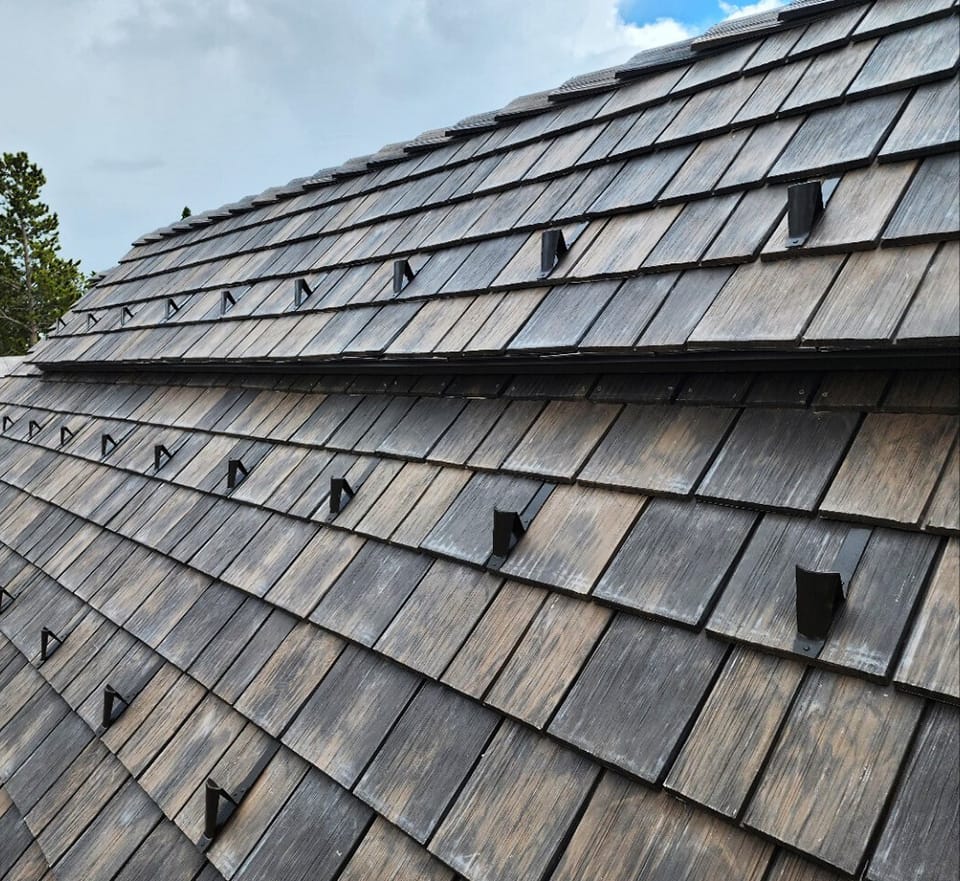
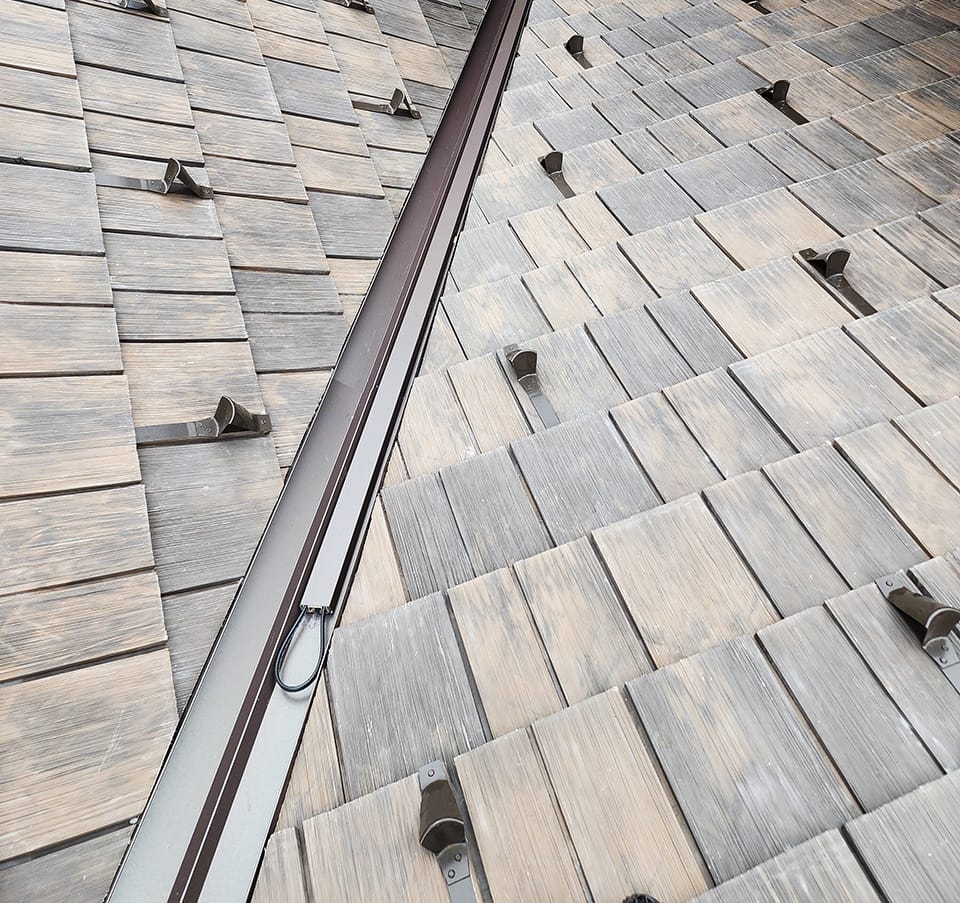
Fire Resistance in Fire-Prone Big Sky
Any Big Sky resident knows that it’s not if a calamitous fire will occur, but when that fire will occur. The exterior envelope of a building includes roofing, siding, and other weatherproofing elements. Siding became increasingly important to Cornerstone over time, largely because of wildfire risk.
“We want to look at the whole assembly,” Andy says. “In wildfire conditions, most homes don’t ignite from the flame front itself; they ignite from embers. Studies show embers can account for up to 90% of structure ignitions in wildland-urban interface fires. Those embers get trapped in vulnerable areas like overhanging soffits and fascia, cracks in siding, vents, or underneath decks and porches. When you have a house with 30,000 square feet of reclaimed wood siding, that material can be extremely dry and susceptible to ignition, so we wanted to address that. Again, it’s a holistic approach relying on the sum of all its parts to be successful, very similar to our team.”
“WE HAVE A HIGHER WILDFIRE RISK THAN 96% OF COMMUNITIES IN THE US ACCORDING TO THE USDA AND US FOREST SERVICE. STUDIES FROM CAL FIRE SHOW EMBERS CAUSE UP TO 90% OF STRUCTURE FIRES DURING WILDFIRE EVENTS.”
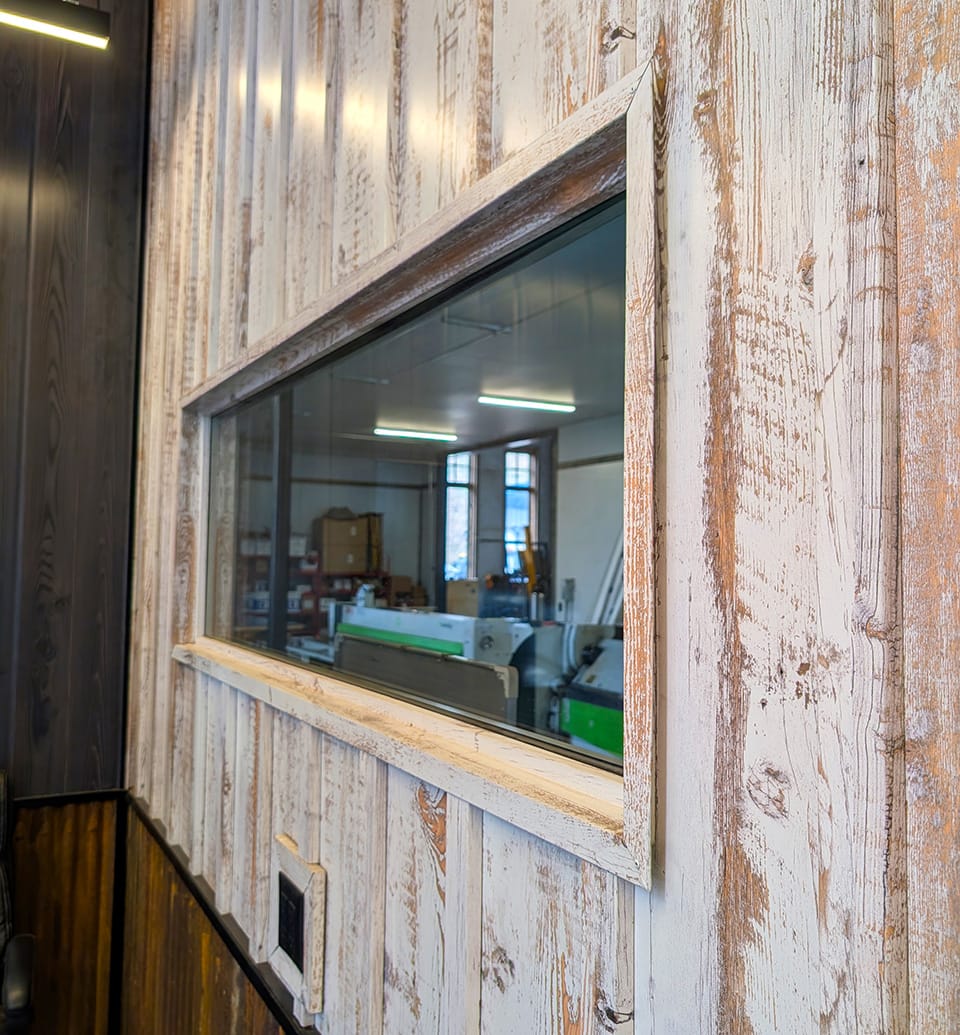
To that end, Cornerstone offers fully custom metal and composite siding to achieve the look their clients want, without foregoing safety.
“We acquired Elevated Metal Solutions (EMS), our sister company, a few years ago,” says Dave. “We started looking at what was happening here with the wildland urban interface, and it was a space where we aligned and could move into with our ideas.”
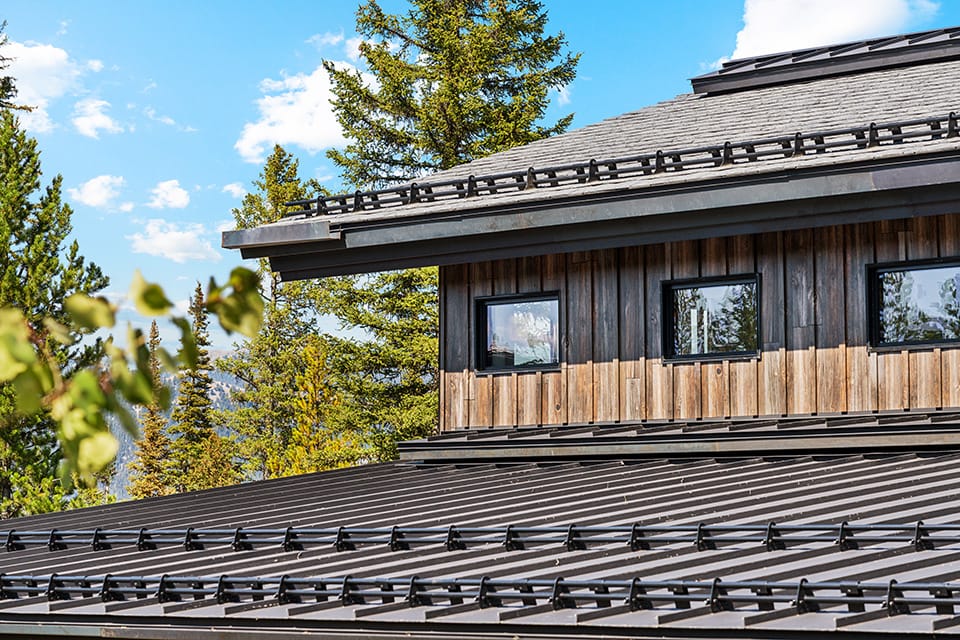
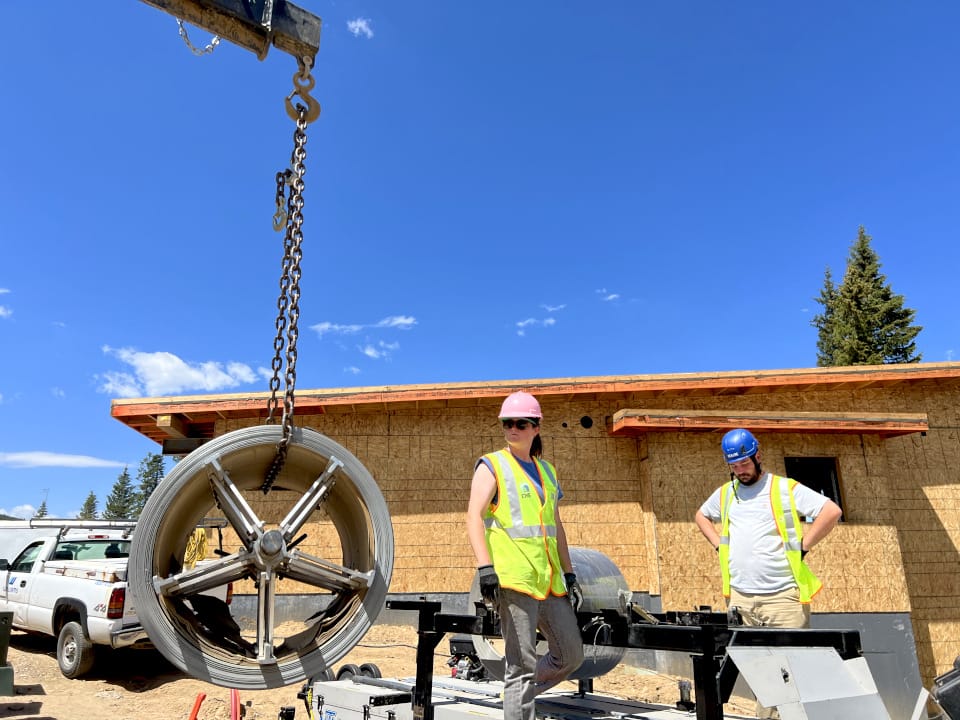
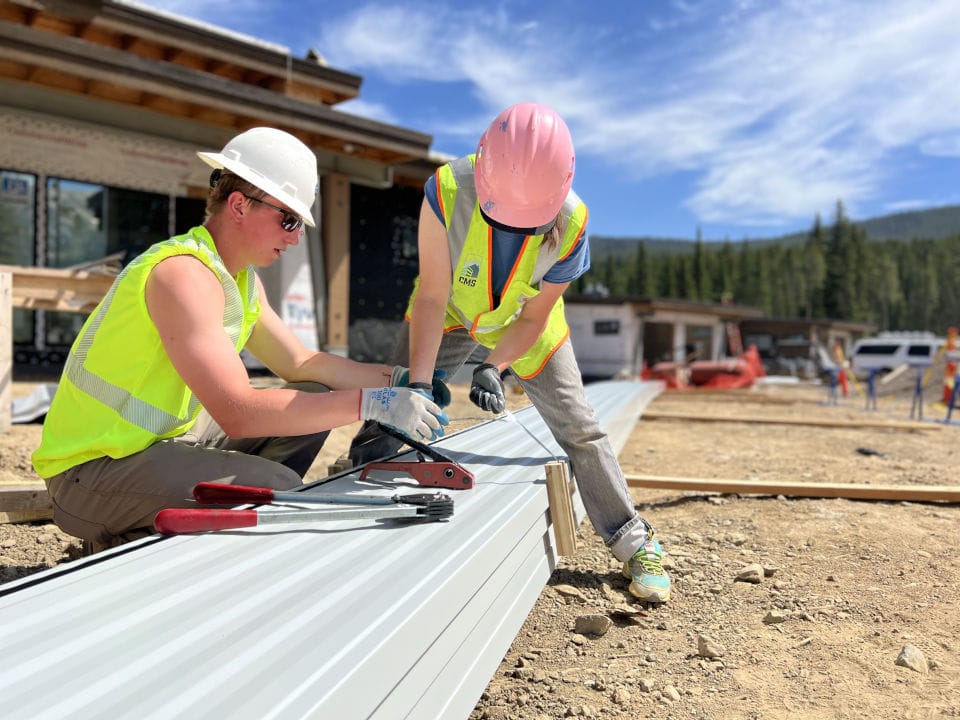
EMS handles everything from metal roofing and siding panels to ember-compliant venting and other custom metal products like chimney caps, flashing, and trim. This allows them to fabricate precise solutions tailored to each project’s unique needs as well as the local environment.
Even in fire mitigation, this analytical approach remains central. By studying how embers, airflow, and material transitions interact across the exterior envelope, Cornerstone can design assemblies that reduce vulnerability at critical points. Advanced modeling and testing allow the team to validate these strategies before installation, reinforcing a proactive rather than reactive approach to home hardening.
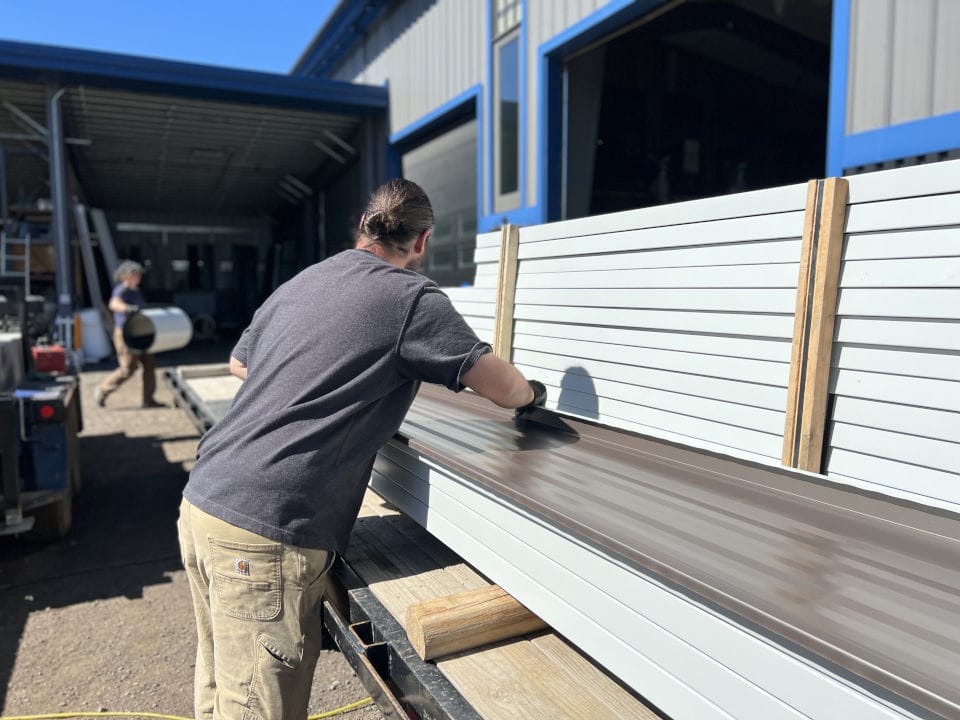
“A FEW YEARS AGO, I APPROACHED MY TEAM WITH A CONCEPT TO FIND SOMETHING THAT CAN BE GENERATED ONTO STEEL THAT LOOKS LIKE RECLAIMED WOOD. IT TOOK TIME AND A LOT OF EXPERIMENTING, BUT NOW WE HAVE METAL OPTIONS THAT GIVE YOUR HOUSE THE WESTERN FEEL BUT IN A SAFE WAY.”
“A few years ago, I approached my team with a concept to find something that can be generated onto steel that looks like reclaimed wood,” says Andy. “It took time and a lot of experimenting, but now we have metal options that give your house the western feel but in a safe way.”
This is an especially effective arrangement as Cornerstone focuses more on home hardening, otherwise known as the use of fire-resistant building materials.
“With Big Sky being a non-incorporated community, we’ve had to research what’s happening in places like California and Colorado and put those principles into our unique environment,” Dave says.
“We did some work with MSU to learn about ember regulations in California and asked ourselves how we bring a product like that here,” says Teran. “We started focusing on Class A, ember compliance, and fire-hardened siding. We take that California standard and apply it here in Montana with its unique high-alpine building needs. We are building for tomorrow, not today.”
“BIG SKY IS IMPROPERLY DESIGNATED A CLIMATE ZONE 6 BUT WE ARE WELL INTO THE 7 RANGE. IN THIS EXTREME COLD, SNOW AND HIGH UV AREA, WE NEED TO BE A RUGGED COMPANY. WE’RE WILLING TO DO THE WORK TO IMPROVE OUR COMMUNITY. WE GO OUT THERE AND FIGURE IT OUT, BUT WE’VE ADDED A REFINED SYSTEM OF SCIENCE TO OUR PROCESS TO REALLY TEST IT AND TAKE IT TO THE NEXT LEVEL. WE’RE ASKING MORE QUESTIONS AS WE GO. “
Rugged and Resourceful
Just over 50 years old, Big Sky is a young community that continues to define itself and find its way. Over the past two decades, Cornerstone Management Services has grown with Big Sky and contributed to its fabric. The company continues to not only set the standard for the area’s building environment, but also model community engagement.
In unincorporated Big Sky, government functions are often executed by nonprofit organizations and individuals who are willing to step up. Andy and the Cornerstone crew members can be found volunteering to clean up the river, serving on community boards, participating in a search and rescue, or just helping out a neighbor.
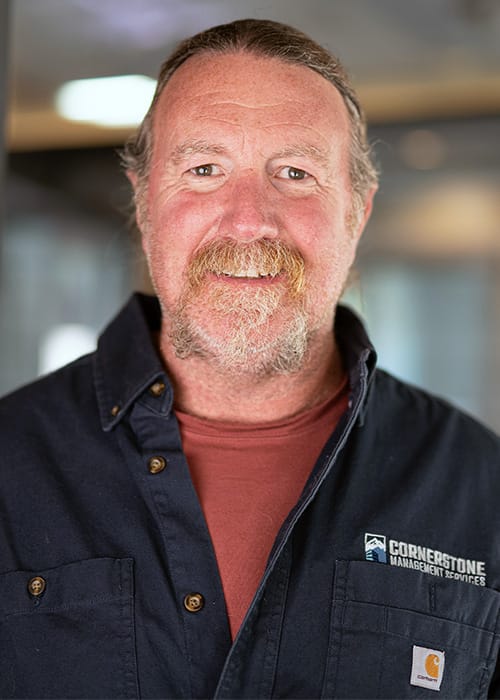



-Andy Dreisbach | Dave Dexter | Paul Williamson | Teran Foster ▲
“We’re in climate zone seven, an environment of extreme cold and snow and extreme hot and dry. Thus, we need to be a rugged company,” says Dave. “We’re willing to do the work to improve our community. We go out there and figure it out, but we’ve added a refined system of science to our process to really test it and take it to the next level. We’re asking more questions as we go.”
As Teran puts it, “We are not satisfied with fixing a problem, we want to know why and how to avoid repetitive mistakes.”
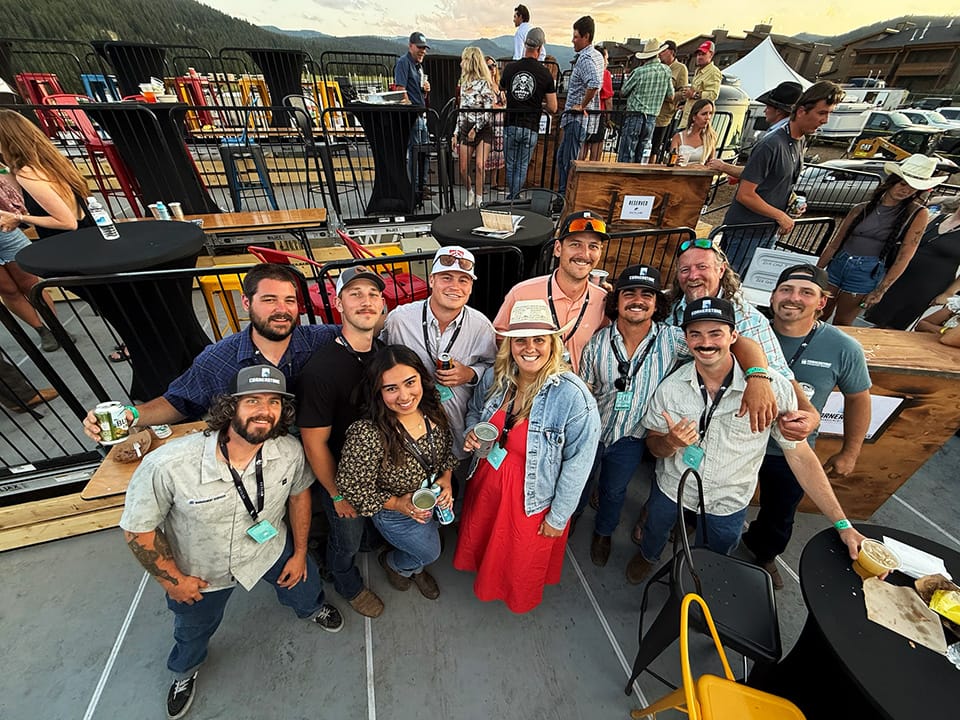
What sets Cornerstone apart is not just experience, but how that experience is applied. Through a combination of on-site diagnostics, thermal imaging, and performance modeling, the company approaches each home as a unique system, delivering solutions that reflect both the complexity of the environment and the individuality of every residence.
As Big Sky enters its sixth and seventh decades, each generation of craftspeople learns from the previous ones. For those at Cornerstone, a culture of work hard/play hard, community contribution, and discovery results in continual improvement in the delivery of their products and services.
whj PROFILE
