
By: Geoff Nudelman
A quick scroll through Roderick Builders’ history reveals not one distinguished building legacy, but two. On his father’s side, Trapper Roderick grew up alongside Roderick Builders and Roderick Realty. His father, Travis Roderick, taught himself every aspect of the trade, from framing to building homes in the Hollywood Hills. As a young father, Travis often had Trapper right alongside him, learning everything as Travis did it. Roderick Builders has since built close to $1 billion in residential real estate.
Craving a New Path
Trapper’s maternal roots run through Jacobsen Construction, the Utah company founded in 1922. Still a major force in Utah commercial building across the Mountain West, Jacobsen has built hospitals, universities, high-rises, and 33 temples for The Church of Jesus Christ of Latter-day Saints. Trapper spent long hours with his grandfather, Stephen Jacobsen, walking job sites and working beside him in the woodshop.
Today, Trapper describes himself as the byproduct of two great building and development companies, and Roderick Builders’ Utah operation is where the two finally came together.
“OUR REAL ESTATE AND CONSTRUCTION HERITAGE SPANS FIVE GENERATIONS AND 125 YEARS.”
“Our real estate and construction heritage spans five generations and 125 years,” says Trapper, who founded Roderick Builders’ Utah operation with business partner Zachary Anderson in 2017. The move brought Trapper back into the industry with his father, Travis, who leads the firm’s California work. Today, the company operates from Park City and Los Angeles, with a satellite office in Heber City.
“When I was in college, I always knew I was going to find my way back to construction,” Trapper says. He explored a few other business ventures, including a men’s clothing store. But ultimately, he couldn’t stay away from the family trade.
Trapper’s idea for Roderick Builders was never simply about price. It was about what he saw as a gap in the Utah market. The team had earned its reputation developing some of Los Angeles’s most demanding residences, including a $32 million Hollywood Hills estate and a 14,000-square-foot English Tudor in Malibu—homes where the architect’s drawings are treated as a covenant rather than a suggestion.
When Trapper looked at Utah, he saw a market starved for that level of execution at every price point, and a luxury market where the architects had outrun the builders available to build their work. Someone needed to guard those visions and bring the homes to life as drawn. That became the Roderick Builders purpose.
“LUXURY ISN’T THE PRICE OF WHAT’S IN THE HOUSE. IT’S HOW MUCH OF YOUR BUDGET ACTUALLY MAKES IT INTO THE HOUSE, AND HOW THE HOUSE MAKES YOU FEEL ONCE YOU’RE IN IT.”
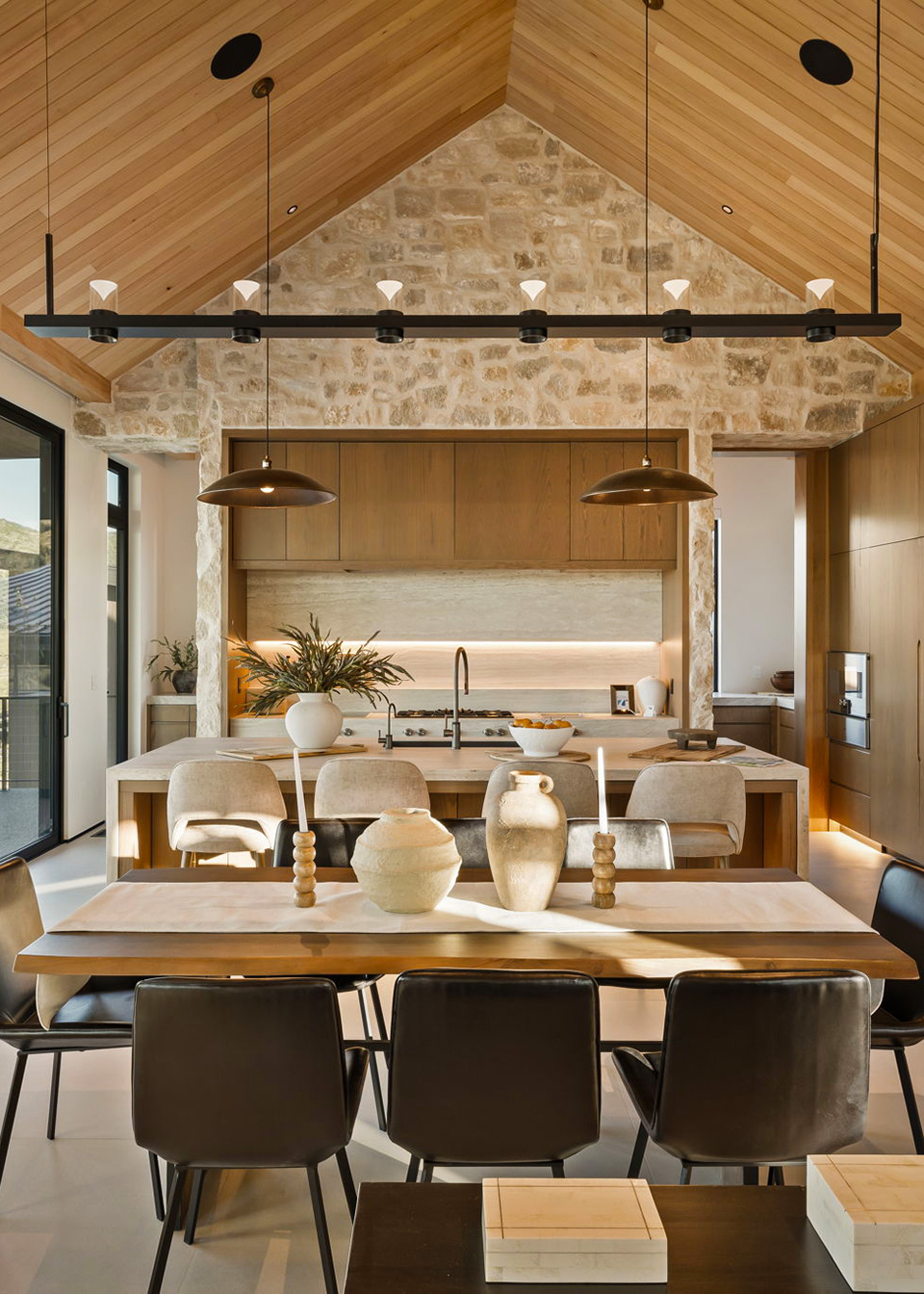
“Luxury isn’t the price of what’s in the house,” Trapper says. “It’s how much of your budget actually makes it into the house, and how the house makes you feel once you’re in it.”
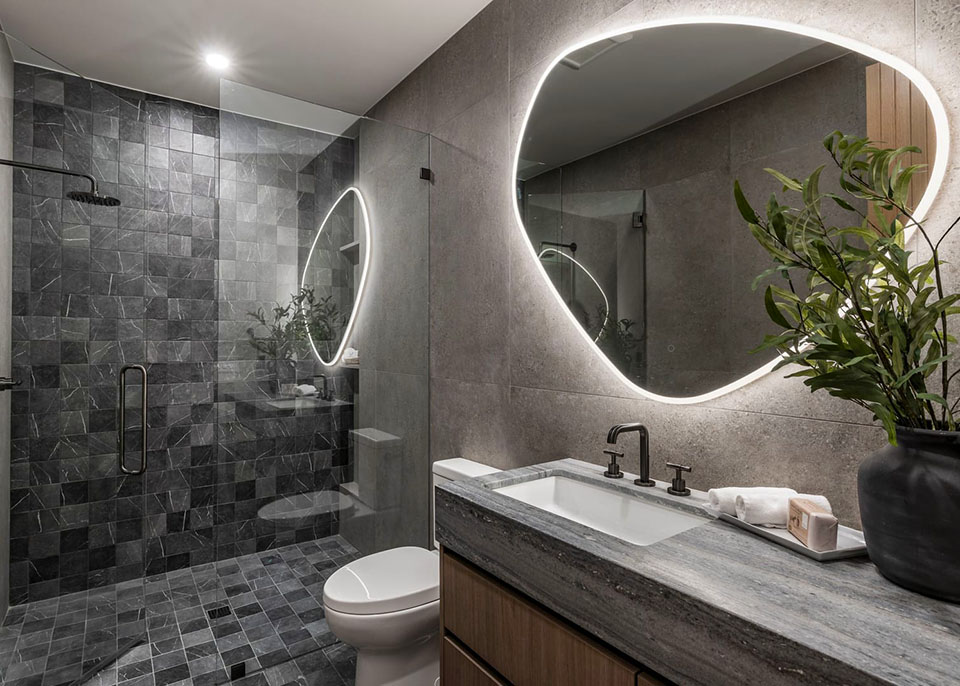
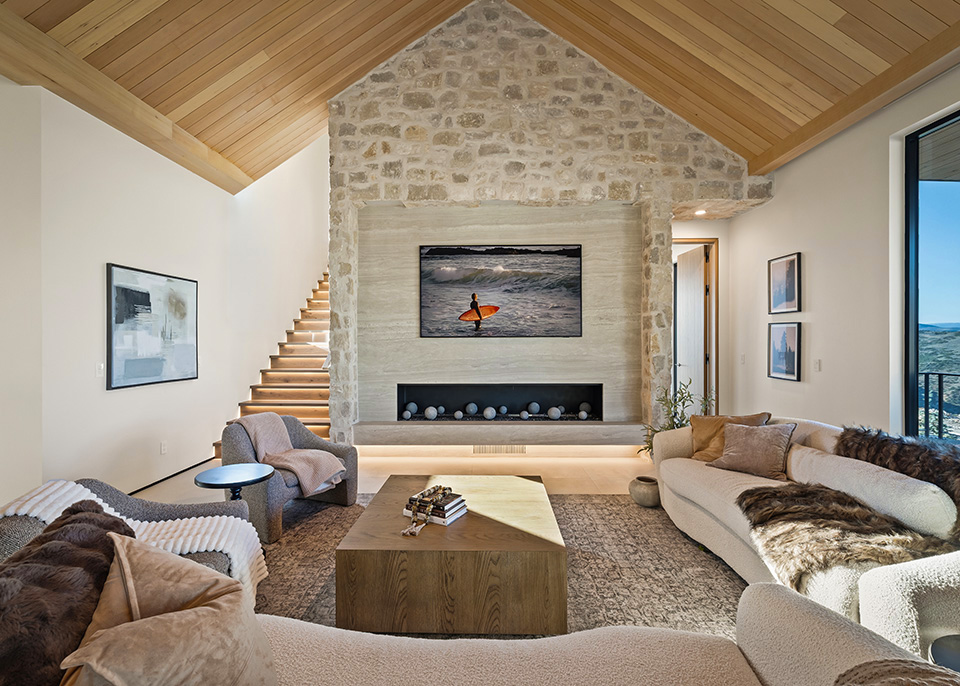
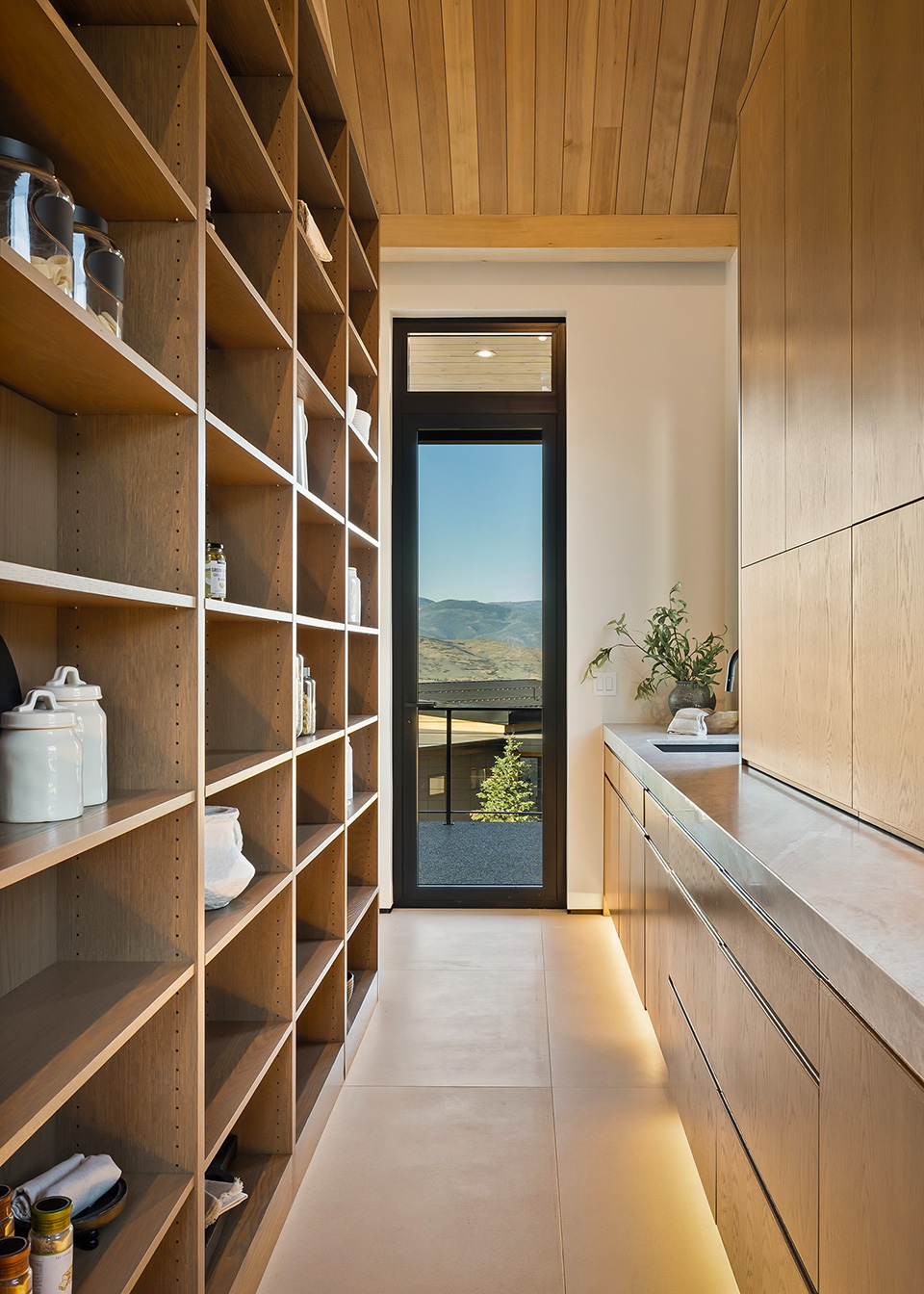
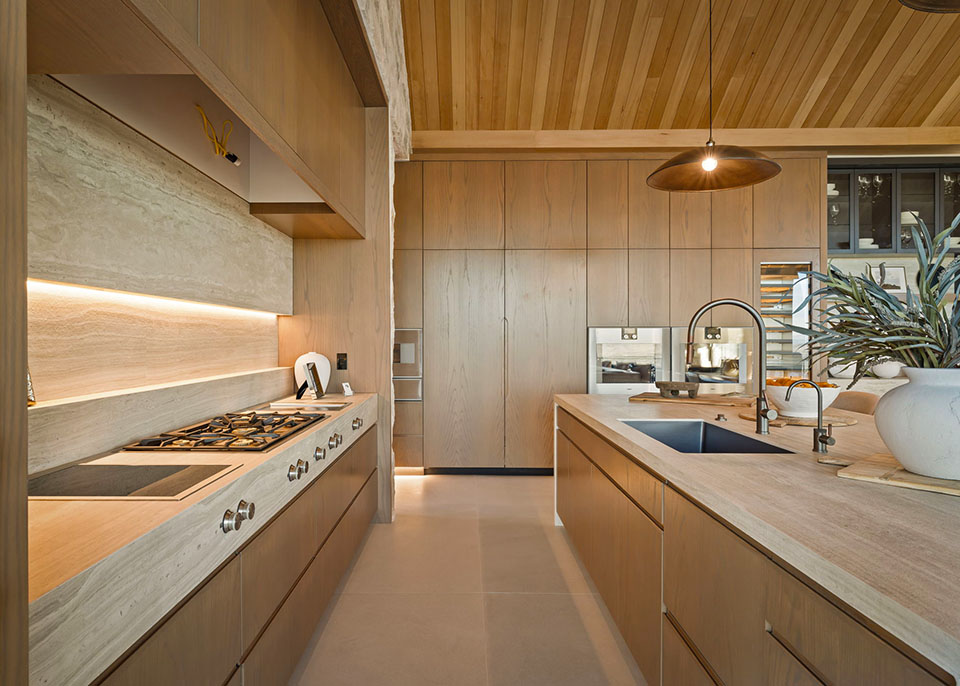
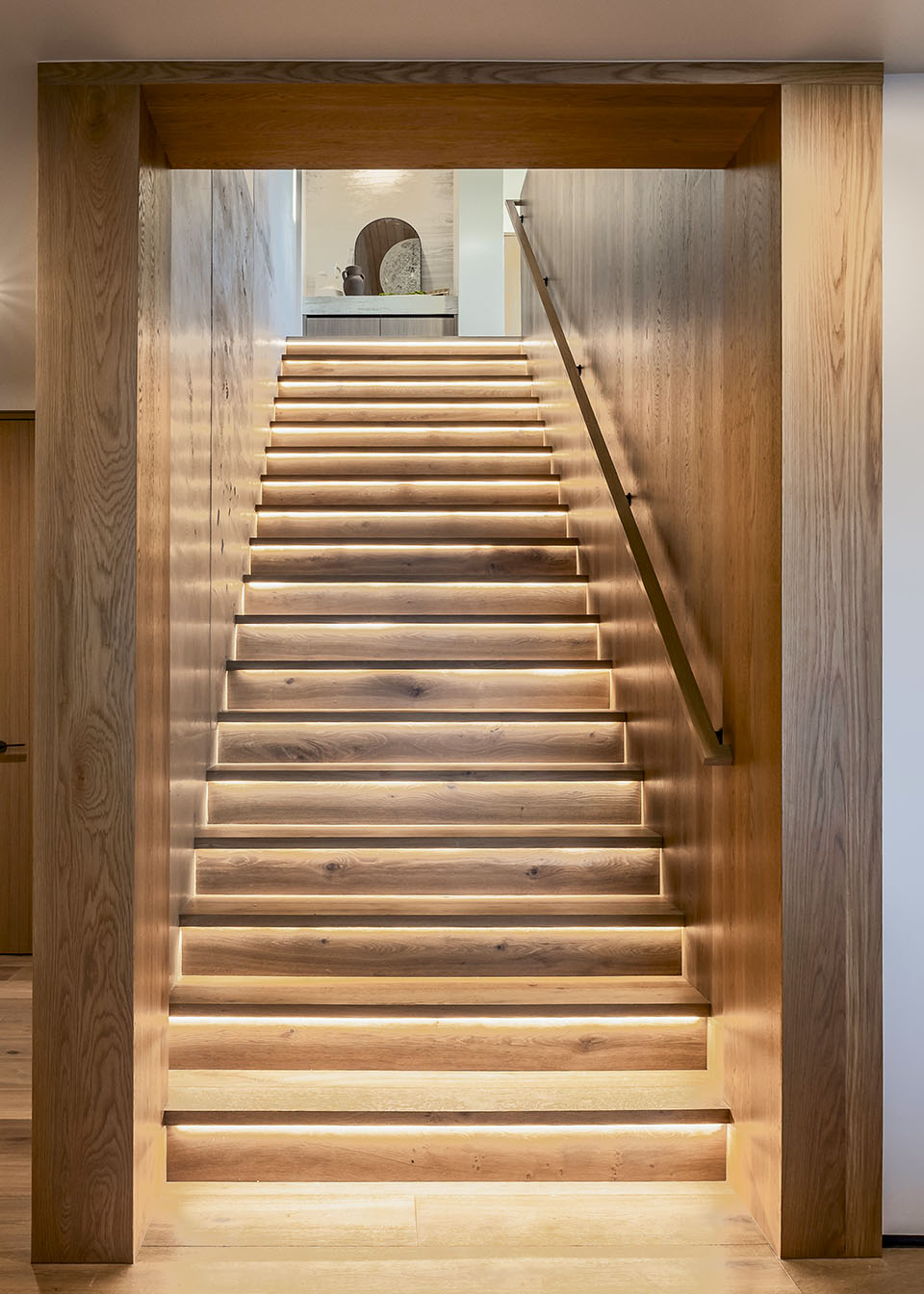
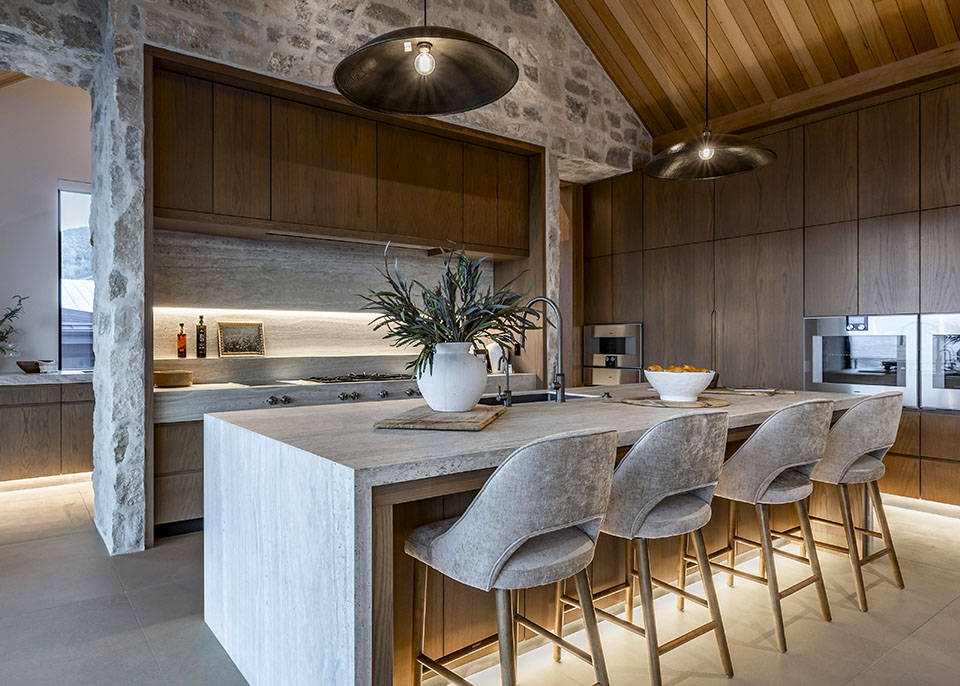
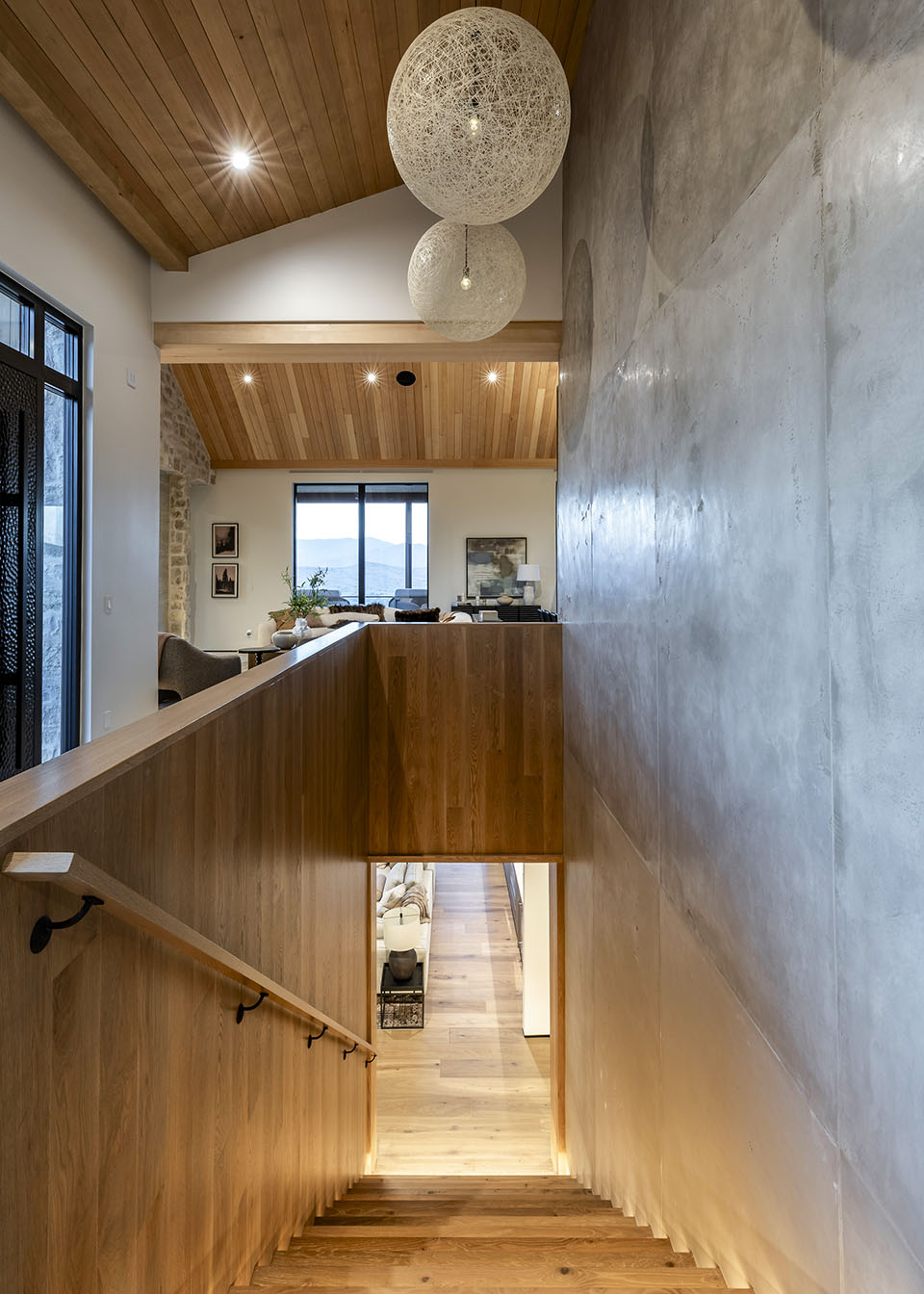
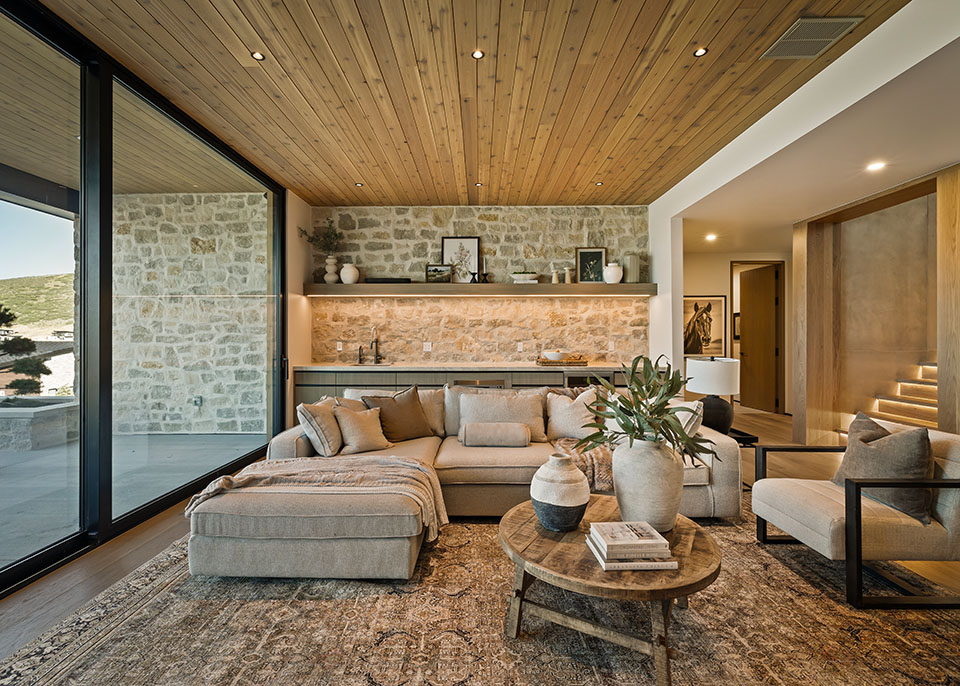
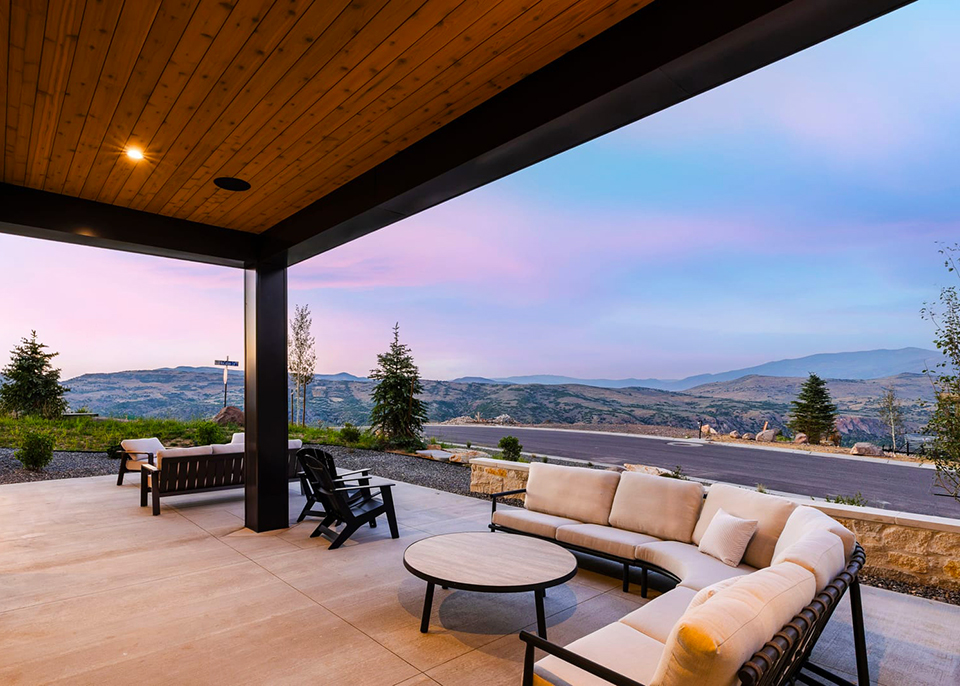
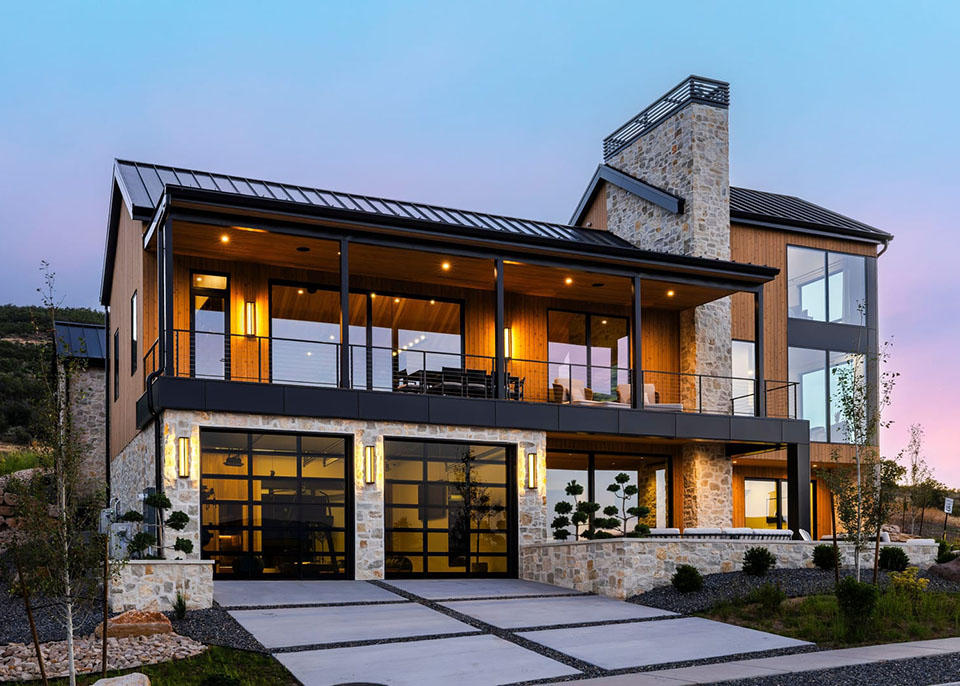
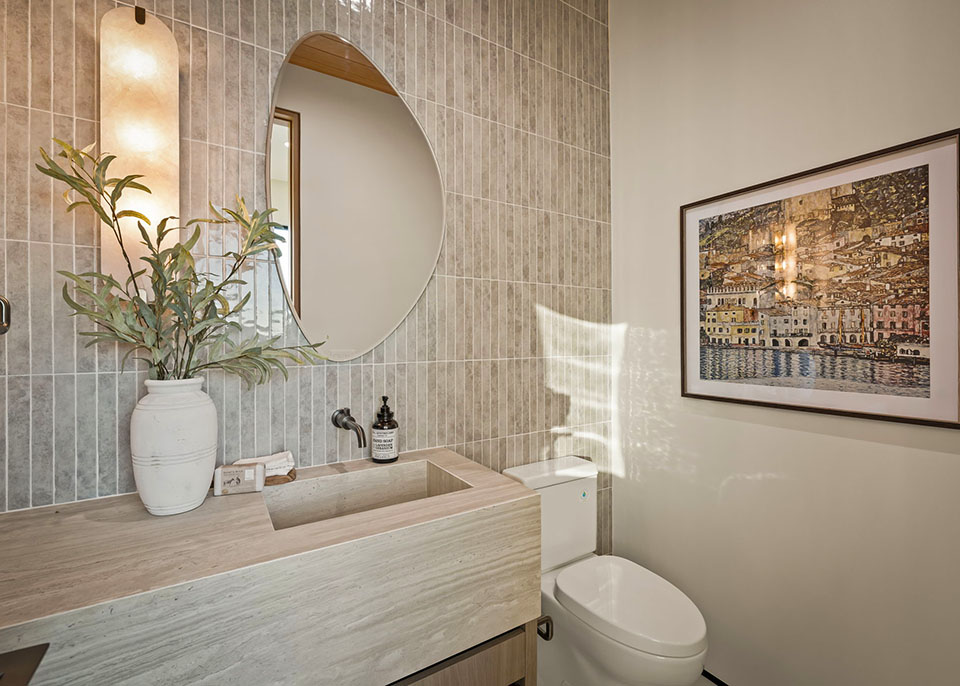
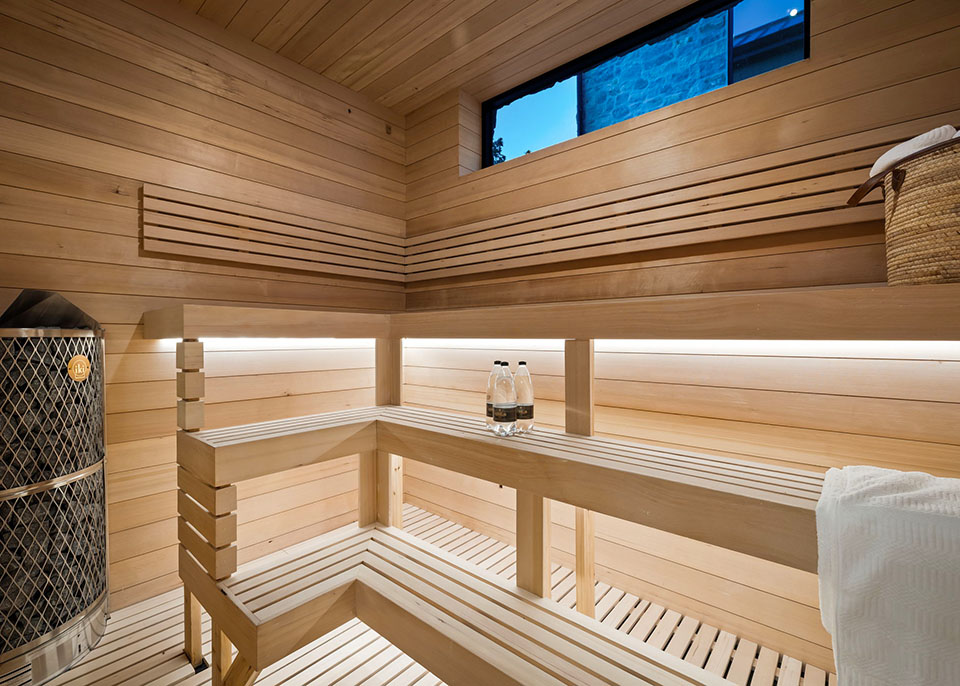
The most recent example is a four-bedroom, five-bathroom home in Heber City’s Benloch Ranch development, known as the Lumen Home. Trapper wanted to bring features normally seen in substantially more expensive homes into a pricing category not typically associated with such finishes. The 5,088-square-foot home includes Strate Argentum surfaces, Taj Mahal quartzite, Gaggenau appliances, integrated Lutron lighting, a fitness studio, and a custom sauna.
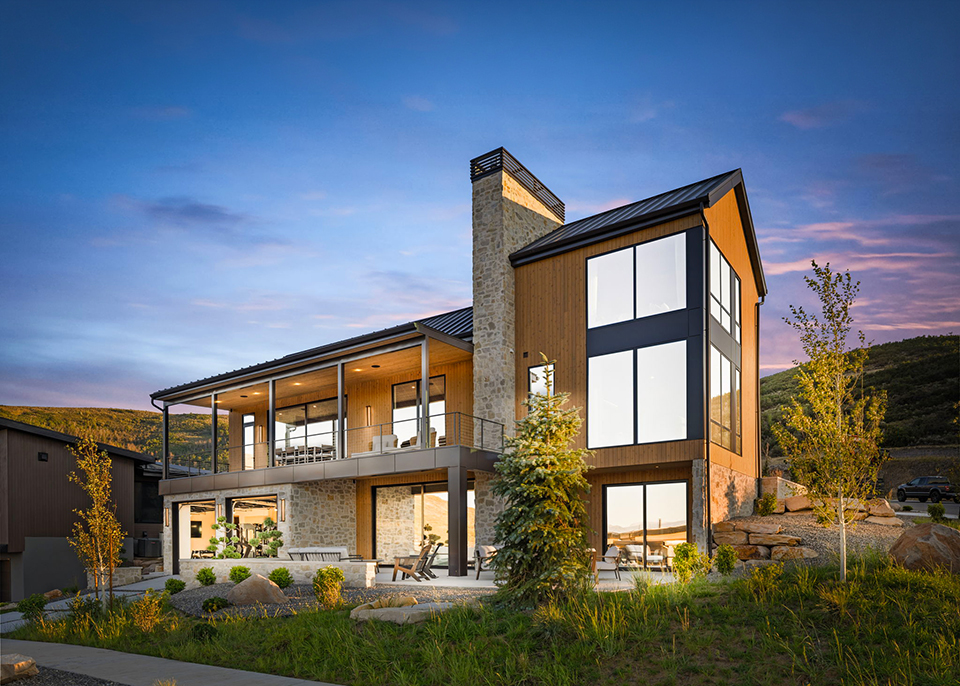
Lumen’s mountain-modern architecture carries Scandinavian influences, an aesthetic that’s become well-established as more buyers look to Heber City as an alternative to Park City.
“An average price point in Park City is now around $5 million,” Trapper says. “It’s interesting because homes above $7 million seem to be moving quicker than those under, but it’s not so much the price—it’s the quality and price consciousness of the builder.”
“I SAW THIS COMING GIVEN HOW SPECIAL UTAH IS. WE HAVE AN AMAZING QUALITY OF LIFE HERE, AND THIS ISN’T JUST A VACATION SPOT.”
Listed at $4.43 million, Lumen sits above some comparable homes in its emerging community—positioning that was intentional. There was an immediate positive reaction from the Heber City market as Trapper says buyers and brokers applauded Roderick Builders for bringing ultra-luxury finishes. Trapper’s point with Lumen was not just price. It was getting more home into the same budget, he says, which he attributes to the firm’s trade partnerships, its management style, and what it learned from building at the top of the Los Angeles market. Ultimately, Trapper is targeting a buyer who values Lumen’s materials and detailing as new communities begin to take shape outside Heber City, such as Victory Ranch and Marcella Club’s Tiger Woods-designed Skyline course.
“I saw this coming given how special Utah is,” Trapper says. “We have an amazing quality of life here, and this isn’t just a vacation spot. Since the Olympics in 2002 and with the upcoming events in 2034, Utah is clearly now seen as this melting pot of religion, outdoor recreation, and so much more.”
Trapper stresses that what also sets his firm apart is its high-touch, hands-on approach. Roderick Builders must be on-site several times a week and closely connected to the building process, rather than staying at arm’s length. “We won’t take on a job if we, as principals of the company, can’t visit it every other day as project managers,” he says.
He adds that he holds the firm to “extremely high” expectations, most of which start the first moment they meet a potential client. He finds solace in the grit of the minor details of every project, making sure they not only take care of the client, but also facilitate a better overall experience than Trapper has observed elsewhere.
“IT’S INTERESTING TO SEE HOW MUCH OF THE RED TAPE HAS BEEN LIFTED IN PACIFIC PALISADES. THE FACT THAT BUILDING IS EVEN HAPPENING IS IMPRESSIVE COMPARED TO AN AREA LIKE MALIBU WHERE THERE ARE STILL SO MANY EMPTY LOTS AFTER THE 2018 WOOLSEY FIRE (WHICH TORCHED NEARLY 100,000 ACRES).”
He recently spoke about the client experience at a construction software conference in Washington, D.C., where his keynote addressed how builders can elevate client communication across all price points. At Roderick Builders, much of that resides in their philosophy and approach. They not only walk away if a prospective project doesn’t feel right, but also challenge themselves to bring new ideas to market, even if it means being the first.
Looking ahead, Roderick Builders will have a home in the 2028 Park City Showcase of Homes, featuring a range of luxury-focused brands and state-of-the-art features such as an innovative water-filtration system and rock wool insulation. Trapper sees it as a nod to what’s coming up for the region.
Back in California, Roderick Builders’ work offers a more dramatic example of their attention to detail. In Brentwood, the company worked on the iconic Getty House, a six-bedroom, ten-bath contemporary masterpiece built into a hillside with wraparound views spanning downtown Los Angeles to the Pacific Ocean. Designed by Thomas Juul-Hansen, the residence was conceived to mirror the nearby Getty Center’s exterior by using the same Italian travertine.
In another corner of the Los Angeles market, the firm is working to serve those looking to rebuild after the devastating 2025 wildfire in Pacific Palisades. Three projects are underway, according to Trapper, and the firm is helping those who lost everything rebuild within loosened regulations as the city and county aim to get projects moving more quickly. Roderick Builders is also helping these clients navigate reduced capital through smaller and stalled insurance payouts while still trying to provide a luxury home experience with newer, more resilient materials.

“IN THE PARK CITY AREA, SPECIFICALLY, WE’RE INVOLVING CLIENTS MUCH MORE IN THE INITIAL FIRE SEVERITY’ PAPERWORK THAT’S REQUIRED OF ANY BUILD.”
“It’s interesting to see how much of the red tape has been lifted in Pacific Palisades,” Trapper says. “The fact that building is even happening is impressive compared to an area like Malibu where there are still so many empty lots after the 2018 Woolsey Fire (which torched nearly 100,000 acres).”
He adds that while his team needs to be more “creative” than before, the homes they’re building are ultimately nicer and will command a higher premium than what existed before the fire. He also expects many of these homes to reflect some of the newer trends around wellness.
Roderick Builders’ California work is a different scale and market, and some of the same strategies are going to apply to its upcoming work in Utah. Starting January 1, 2027, a two-year clock will begin for cities and counties to adopt a new version of the 2024 International Wildland-Urban Interface (WUI) code. Among a range of new building codes meant to increase fire resilience, the rollout will also include potential new fees for high-risk homes that exist within the new WUI boundaries.
“I think it’s a net-positive because a lot of the things we were recommending will now be enforced,” Trapper says. “In the Park City area, specifically, we’re involving clients much more in the initial ‘fire severity’ paperwork that’s required of any build. Clients might now consider an integrated sprinkler system or a lot positioned near a fire hydrant where they wouldn’t have before.”
Trapper appreciates what he sees as a rare step forward in a time when he considers overall building codes too relaxed.
“It’s not doing a service for our communities,” he says. “It might make building easier now, but will these homes be standing in 10 or 20 years?”
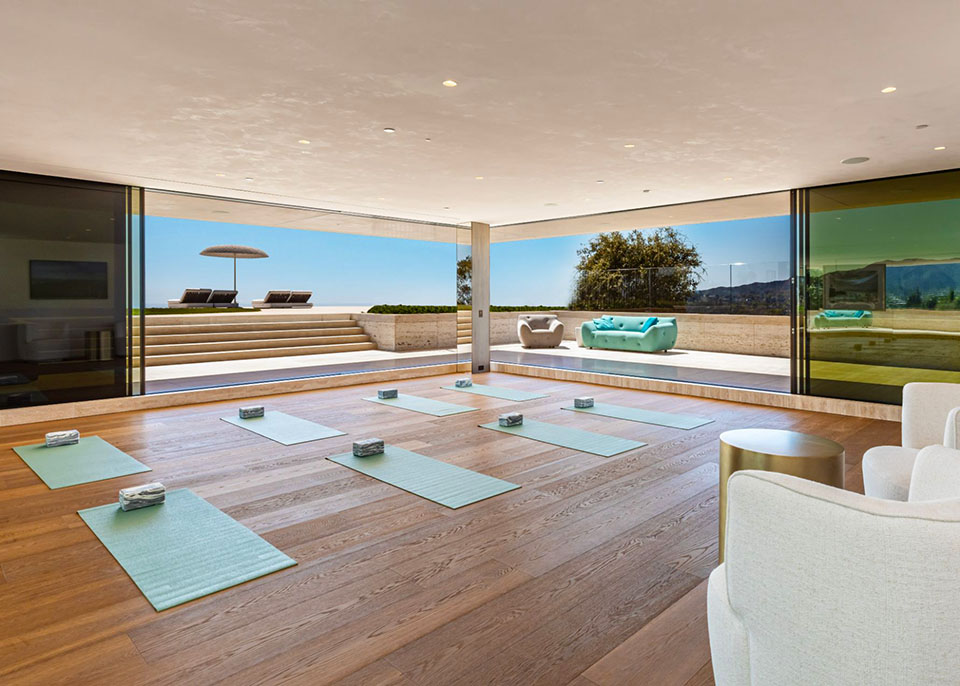
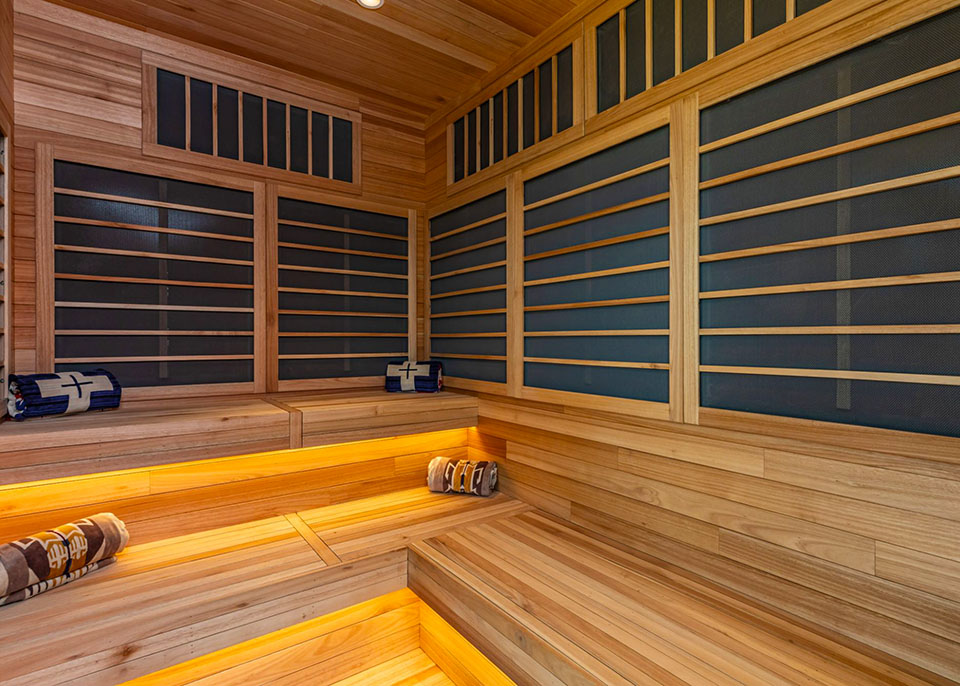
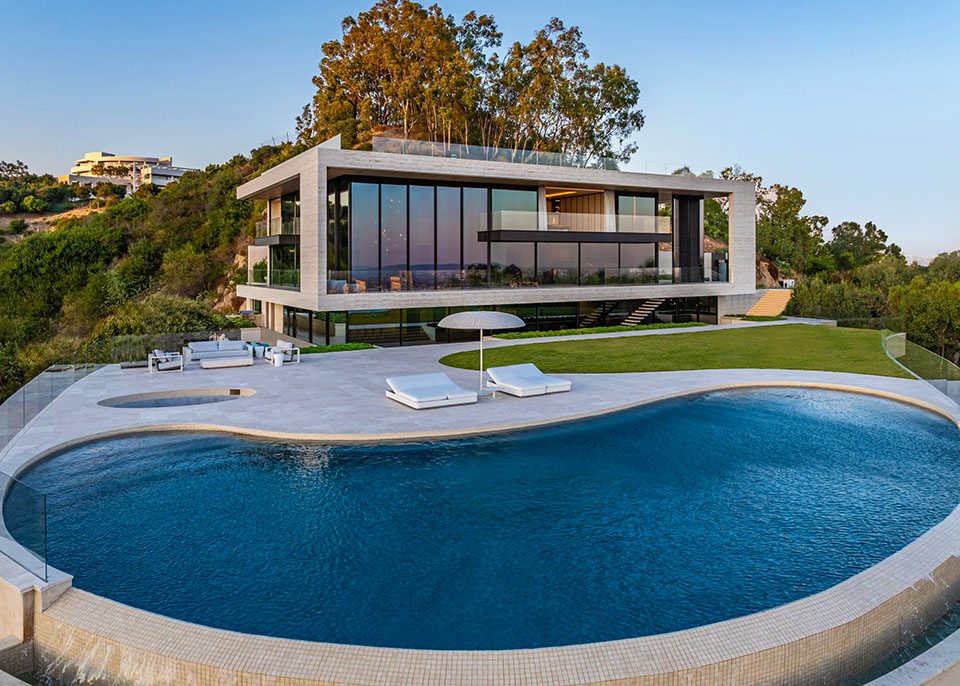
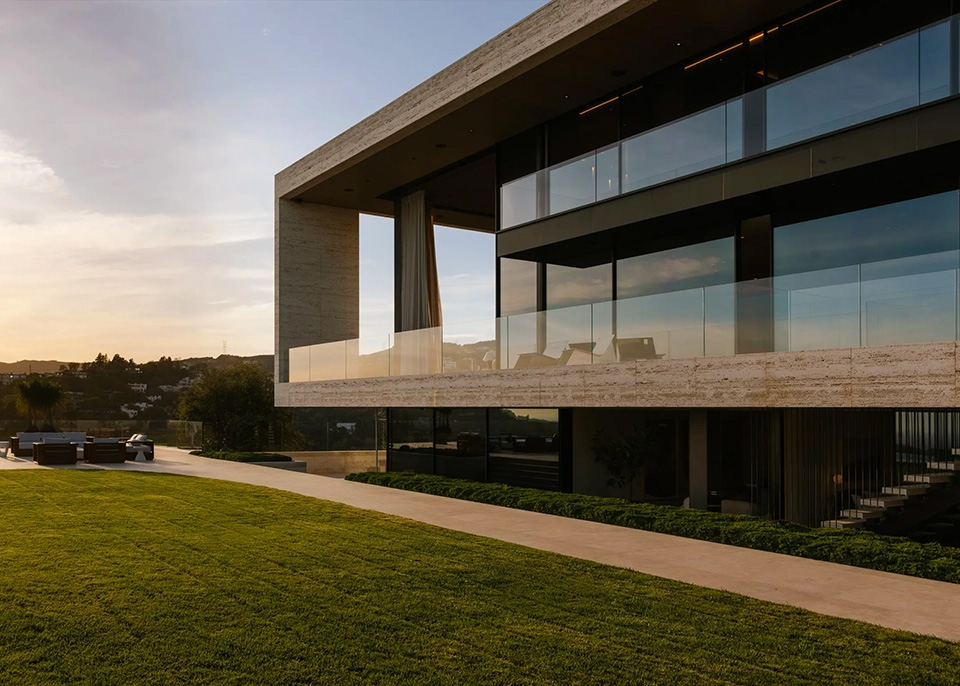
That long view extends inside the home. As a project gets going, Trapper asks clients about allergies, airflow, and water quality. The answers can lead to more sophisticated air or water filtration to reduce contaminants, including microplastics.
For Trapper, the details often missed at first glance set apart one $10 million build from another. A home can look nice from a single walkthrough, but the actual experience of living there needs to stand well past the initial glow, continuing to surprise the owners with just how thoughtful his firm was from the start.
As the Roderick family continues to develop this latest chapter in its construction legacy, Trapper’s vision blends high-end appeal with durable living that makes sense for a growing and changing Utah. And that approach is happening at a consequential moment, when Utah is ranked fifth nationally for the fastest-growing population.
“The state isn’t slowing down, and that’s exciting,” he says.
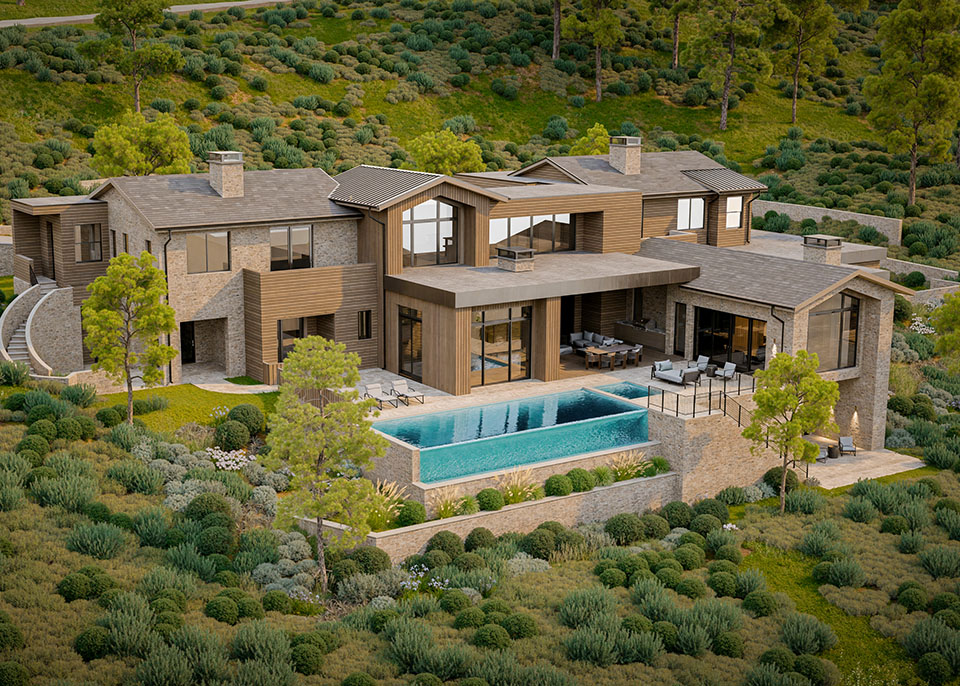
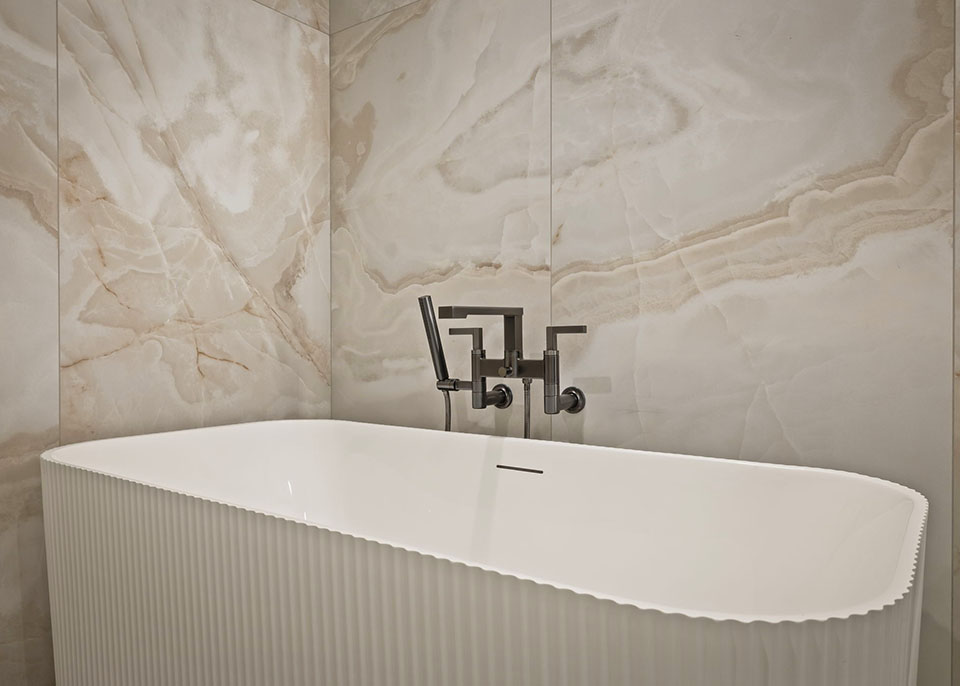
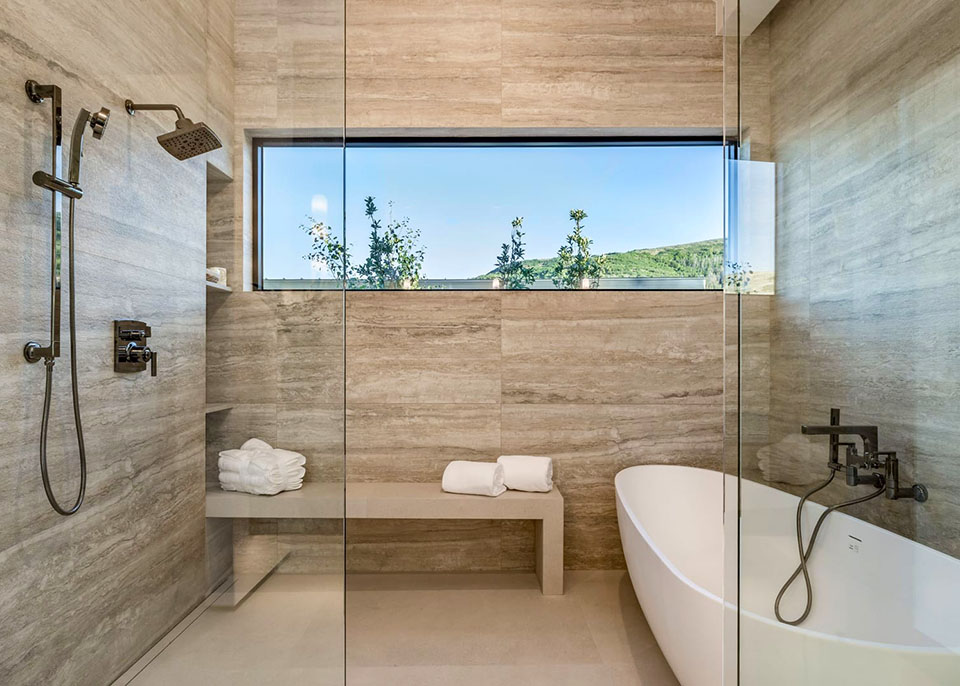
-Renderings: 2028 Park City Showcase of Homes | Architecture: Domani Architecture | Interior design: Coco Maison
whj COVER FEATURE
