
By: Laurenz Busch

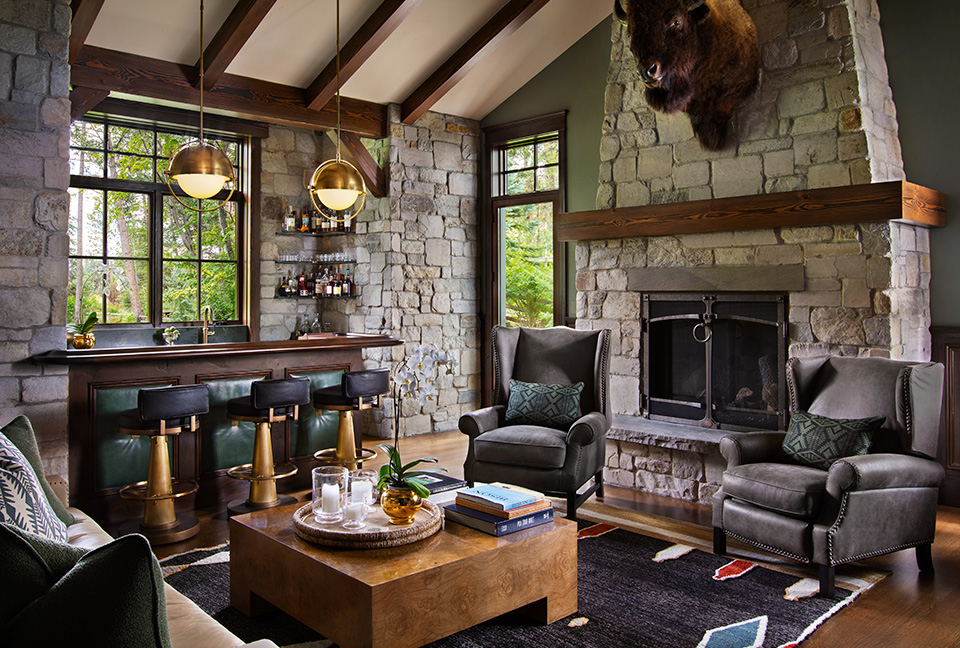
The homes of the Flathead Valley are inspired by everything that surrounds us, the light coming off the lake, the grain of local timber, the way a family actually lives once the snow melts and muddy boots trudge through the door. For this special edition feature, we hand these pages to the talented people who know those homes best. The region’s interior designers share the ideas that guide their work. Their studios stretch from Whitefish to Bigfork, and several of them arrived here drawn by the landscape. One begins with light, another with the kitchen, another by listening, but convictions run through all of them, that well-made homes are built to be lived in for decades, that natural materials only grow more beautiful with time, and that the country outside the window belongs inside the house, too.
WE HOPE THIS FEATURE INSPIRES YOU TO SEE
YOUR OWN SPACES IN A NEW LIGHT
Finding soul through listening
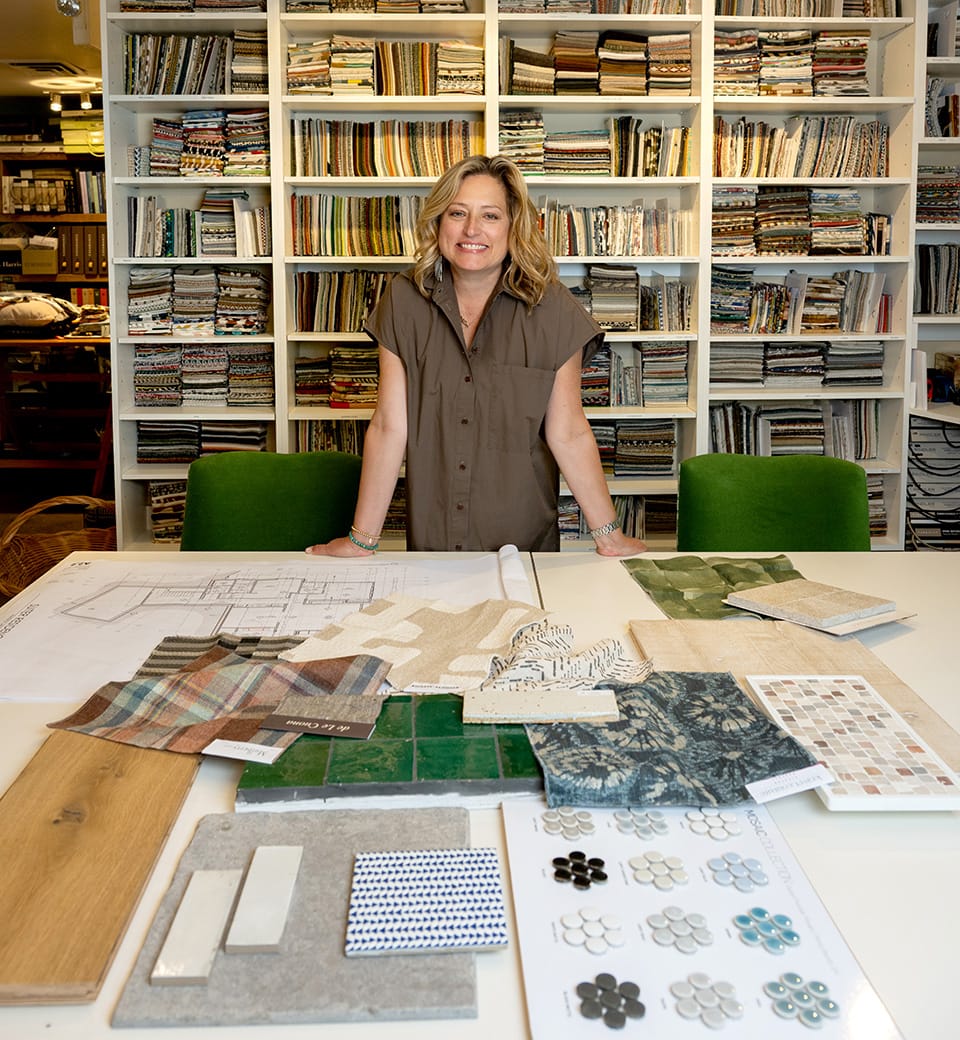
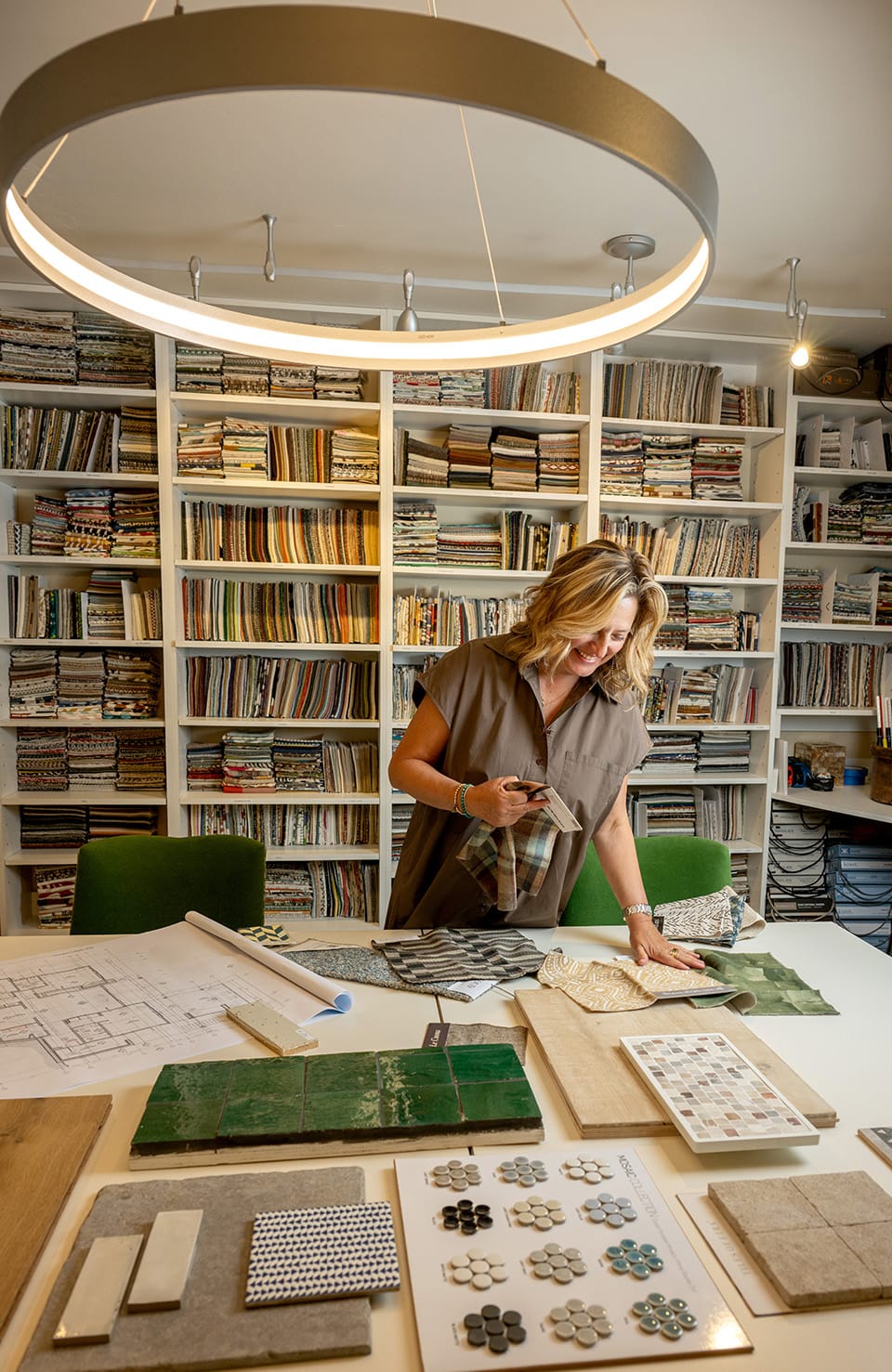
Hunter Dominick has spent 25 years designing homes across the Flathead Valley from her studio in Whitefish. If there’s a single thread running through the work, it’s that no two homes are alike. She begins every project not with a palette or floor plan, but by listening. Family heirlooms, the ways people gather, and where they put their feet up at the end of the day become the raw materials of the design. The result is an interior that feels less styled than lived in—rooted in the souls of the people who call it home and in the landscape beyond its windows.
“A HOME TELLS A PERSONAL STORY. EVERYBODY’S STORY IS DIFFERENT— EVERYBODY’S JOURNEY IS DIFFERENT.”
Nature’s Palette
WHJ: What palettes are exciting for you right now?
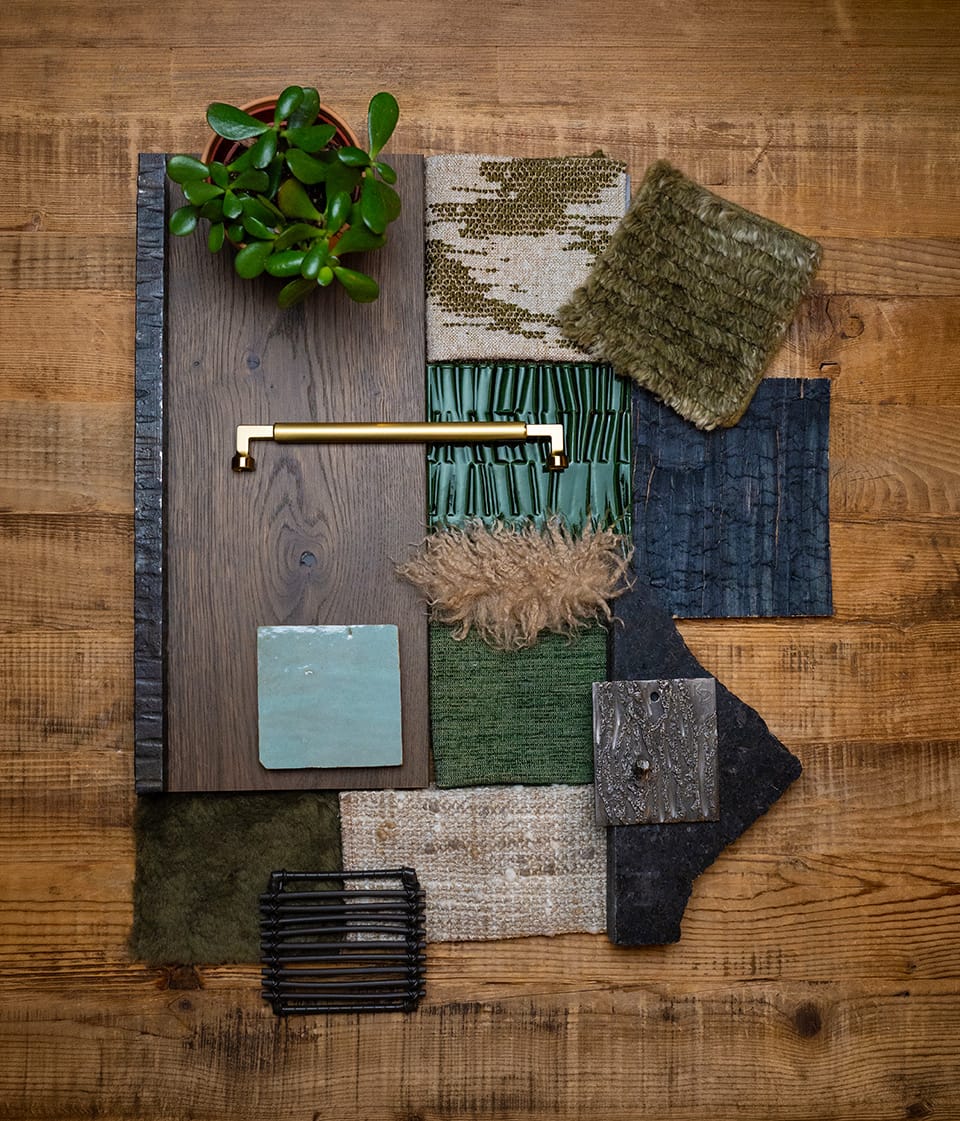
Hunter Dominick: It constantly changes, but lately we’re seeing a lot of warm neutrals—and, honestly, more color than we’ve had in years, which is refreshing. There’s more pattern, more texture, and a real move away from gray. We call it a shift toward the natural because so many of these colors already exist in nature. They’re everywhere you look in the Flathead.
WHJ: How does the surrounding landscape influence those choices?
HD: We gravitate toward it automatically, especially given the homes we work on and where they sit. Blues and greens are occasionally part of our palette—but often nothing overpowering, just calming colors that make you feel connected to the outdoors.
WHJ: You talk about texture as much as color. How does that enter a room?
HD: There is so much texture in the landscape here that we try to carry it inside. Sometimes it’s tactile—a fabric, a piece of wood, or a rug—and sometimes it’s about scale. We layer different textures and proportions until the room feels alive.
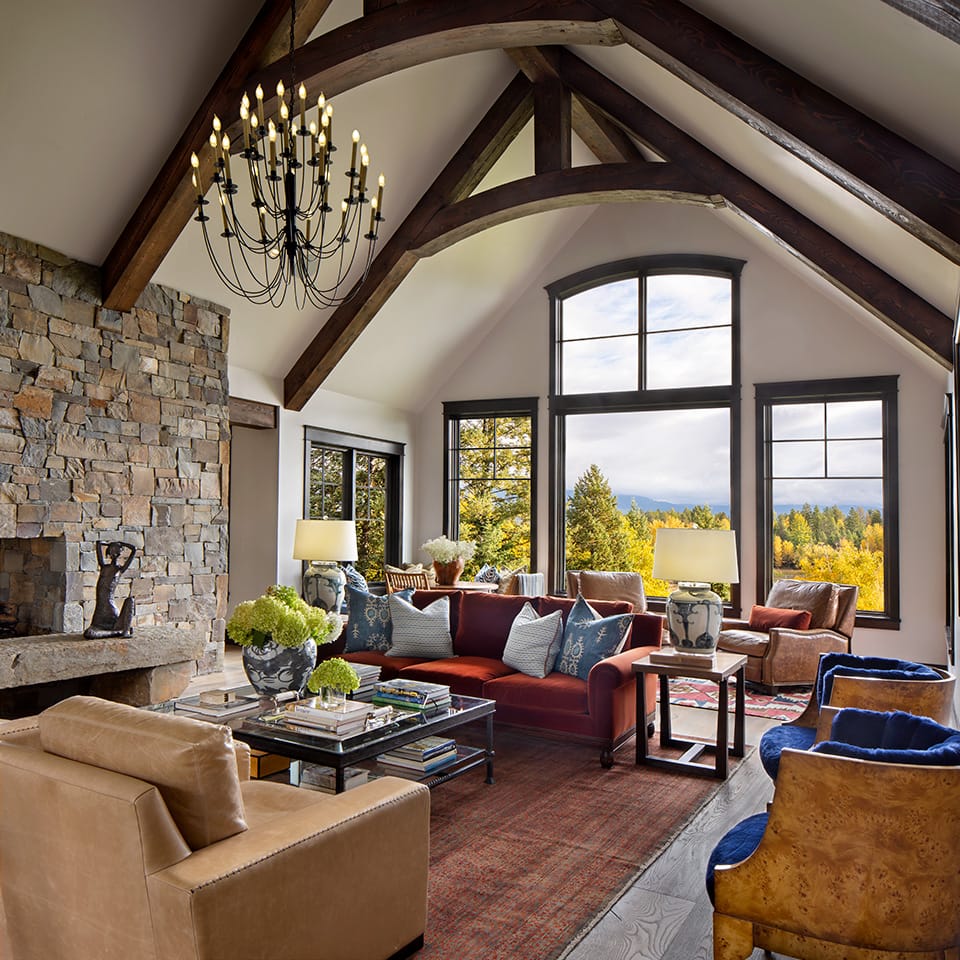
“WE CALL IT A SHIFT TOWARD THE NATURAL BECAUSE SO MANY OF THESE COLORS ALREADY EXIST IN NATURE.”
reading the room
In a contemporary home, texture can move to the forefront—you notice it. A log or rustic home already has a great deal happening visually, so the approach changes. Texture is still important, but it should complement the architecture rather than compete with it.
IT STARTS WITH SPACE PLANNING
WHJ: When a client wants a home designed for dinners and large gatherings, where do you begin?
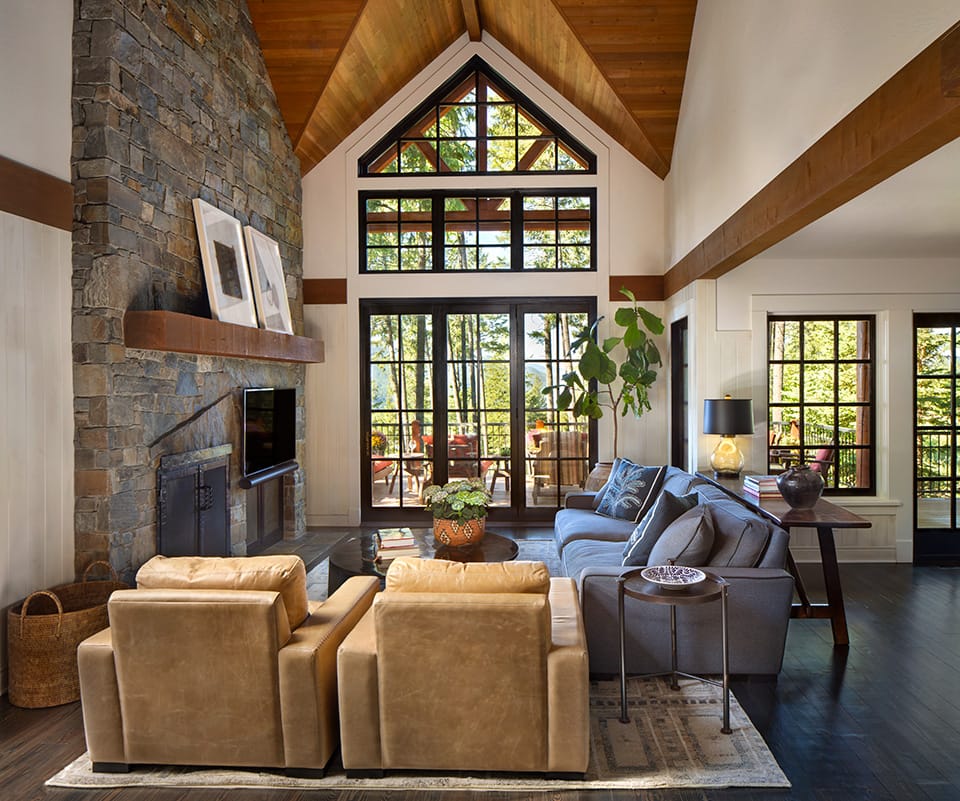
HD: Beginning with function is so important. Long before the finishing touches, we ask how the client will actually use the space. How many people should fit around the table? At what time of year will the room be used? Space planning is the key to entertaining. Everything starts there.
WHJ: What is the most common problem you see?
HD: I hear the same thing over and over: “We built this beautiful home, and it just isn’t working the way we wanted.” It almost always comes back to space planning and to the designer not being involved early enough. Sometimes it’s very basic: We want to seat six people in our great room, but once the house is built, there isn’t space for that in the room.
WHJ: How do you balance durability with luxury?
HD: We do it frequently. Clients come in and say, “We’re casual people. We have dogs and kids, and these fancy things are getting ruined.” We replace those materials with something better suited to the way the family actually lives. Especially here, a home should be livable. Its spaces need to be functional and beautiful—not simply aesthetic.
“SPACES NEED TO BE FUNCTIONAL AND BEAUTIFUL— NOT SIMPLY AESTHETIC.”
A life built by those who live
WHJ: How do you give a newly built home a sense of history and soul?
HD: It takes time at the beginning. People often want to rush through the design process, but the real work lies in slowing down and understanding where someone is coming from before making a single decision. The most memorable interiors aren’t built from trends. They’re built from the people who live there.
- Hunter & Company Preferred Vendors
- OCHRE
- Holly Hunt
- Scalamandré
- Mimi London, Inc.
- Massoud Furniture
- F. Schumacher & Co.
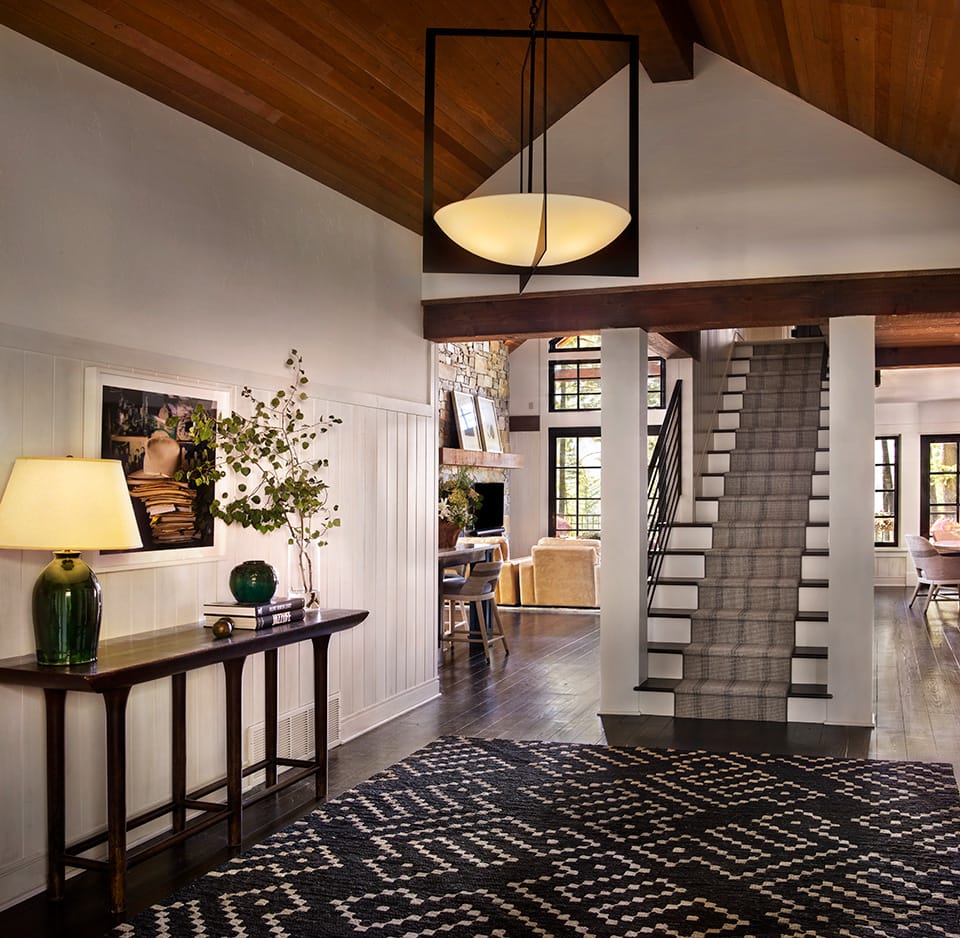
“BEGINNING WITH FUNCTION IS SO IMPORTANT. LONG BEFORE THE FINISHING TOUCHES, WE ASK HOW THE CLIENT WILL ACTUALLY USE THE SPACE.”
whj INTERIOR DESIGN FEATURE
