
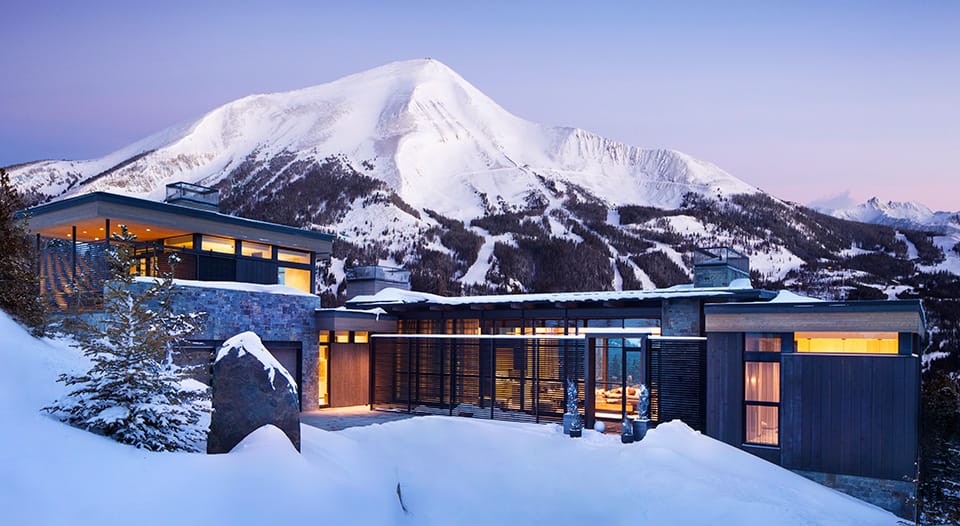
Panel Participant Photography / Kene Sperry
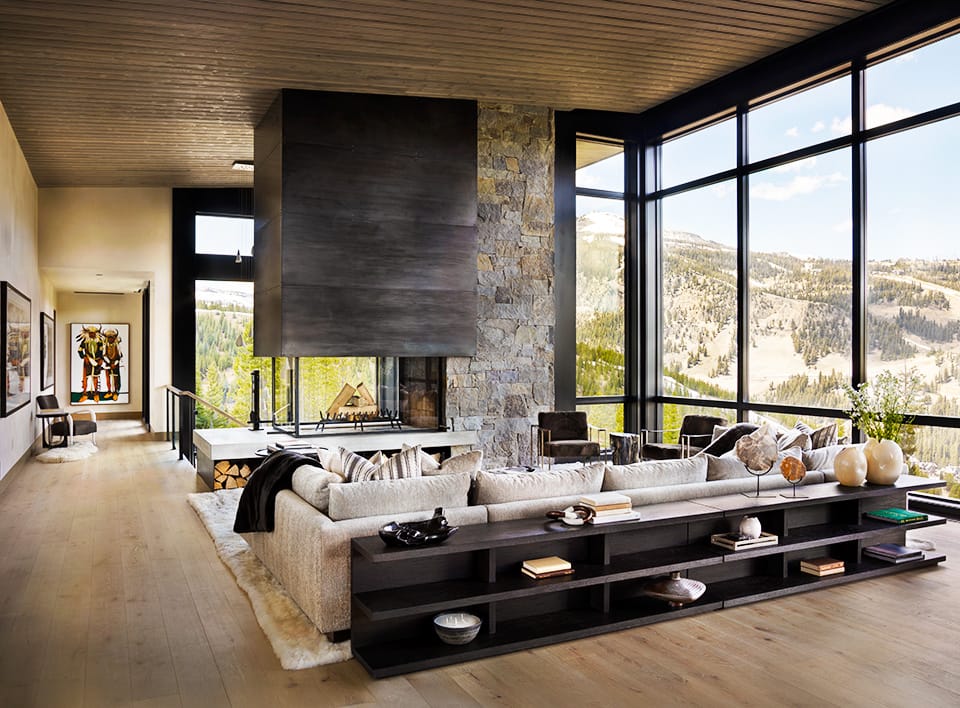
Featured Project Photography / Peter & Kelly Gibeon
Moderated By Aaron Kampfe / COO, Western Home Journal
Edited By Laurenz Busch / Editor-in-chief, Western Home Journal
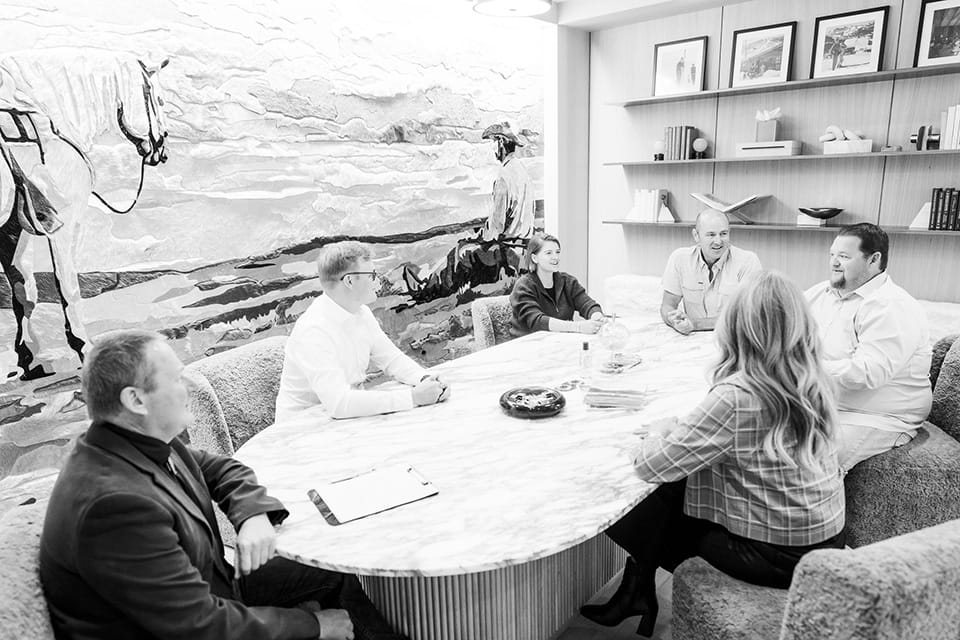
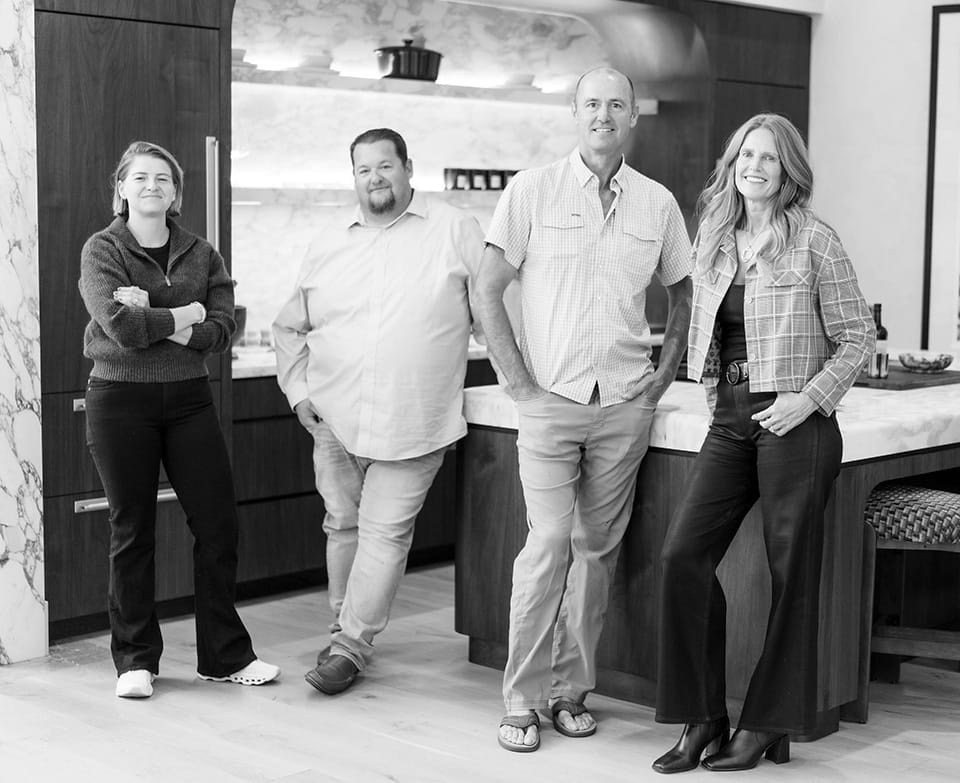
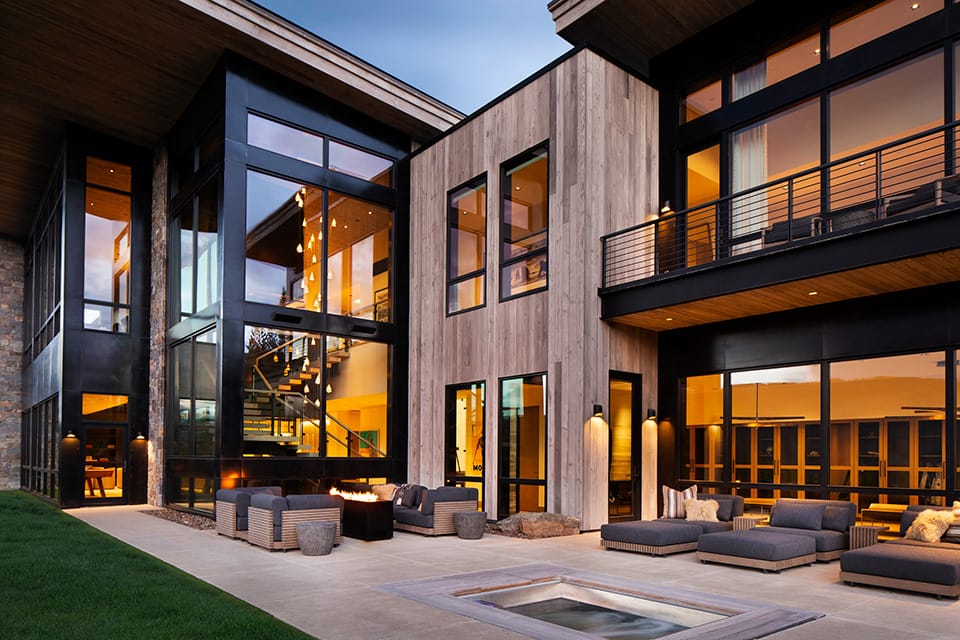
The standard set in the West’s most exclusive private communities is increasingly being applied to the homes of the Flathead Valley. At this level, the difference between a good home and an unforgettable one is rarely the work of a single firm but rather of a team working to a single standard. The panel participants lead four independent firms, and yet often find themselves around the same table. Most recently, they collaborated on a residence in Big Sky’s Yellowstone Club. Each also works across Montana, bringing the experience gained on complex, high-end projects to the rapidly evolving Flathead market. The four joined Western Home Journal to discuss how independent firms operate as one team, why discretion is part of the finished product, and what it takes to earn the trust of clients who come to Montana, in part, to disappear.
THE COMPANY YOU KEEP—HOW TRUST, DISCRETION, & A SHARED STANDARD SHAPE MONTANA’S FINEST HOMES

WHJ (Aaron Kampfe): Nate, start us off. The four of you run separate companies, but you keep finding yourselves on the same projects. What changes when the entire team is assembled from the beginning?
Nate Heller (Studio H Design): Architecture used to happen in something of a vacuum. An architect would develop the house and the construction documents before bringing in the interior designer, technology team, and a few prospective builders. By then, the team was reacting to a largely finished idea.
We don’t do that anymore. Today, the team is established on day one. Architecture, interiors, construction, and technology inform the house from the start. That helps track costs and design systems into the house rather than around it. While the architect remains essential, they’re a member of a larger team—not the sole author parceling out work.
“TODAY, THE TEAM IS ESTABLISHED ON DAY ONE. ARCHITECTURE, INTERIORS, CONSTRUCTION, AND TECHNOLOGY INFORM THE HOUSE FROM THE START.”
Elise Clark (Alder and Tweed): I think Nate said that very well. When designing your home, not having your full team together in the beginning is both expensive and limiting. By the time everyone arrives, the decisions that shape the outcome have often already been made, and the design has less room to grow. Whereas if you have your design lead, construction, and technology involved and working with your architect from the beginning, more of that vision is still there to build. Bringing the full team in early does more than expand what is possible in the design—it lets us understand the project as one team from the very beginning.
The most valuable work happens before anyone becomes attached to a plan or a finish. When we can understand how the client wants to live, how the home should feel, and where the investment matters most, every decision that follows becomes deliberate and integrated. That is how we protect our clients, and that is how we deliver the best home.
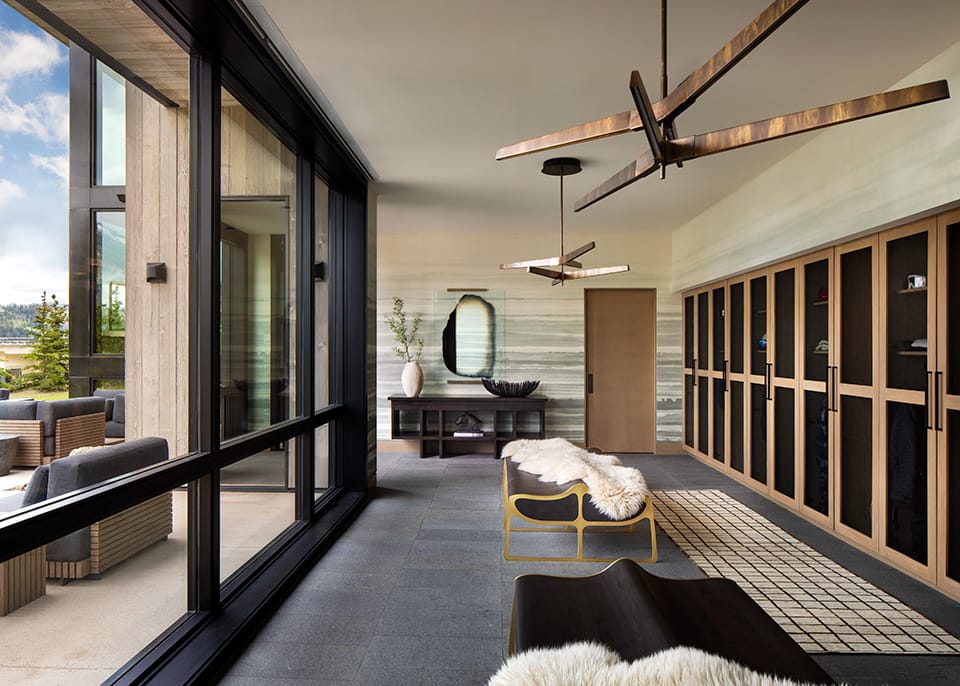
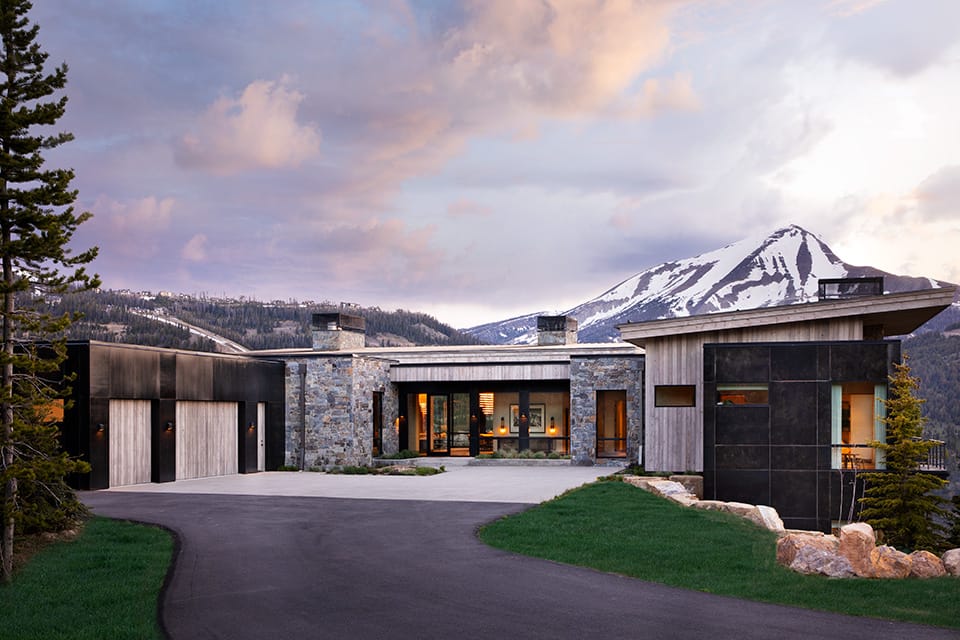
Before drawings and building begin to take over, what’s something you need to understand about the client?

“THE LOGISTICS ARE WHAT TEST YOU AT THESE LOCATIONS. YOU WILL FACE CHALLENGES YOU CAN’T FULLY PREDICT, LIKE WEATHER, ACCESS ISSUES, OR A DELIVERY THAT CAN’T REACH THE SITE. WHAT CARRIES YOU THROUGH IS THE NETWORK YOU HAVE BUILT OVER THE YEARS.”
Nate Heller: Like Elise said, we need to understand how they actually want to live, not simply how many rooms they need. “Four bedrooms” isn’t a complete brief, and the nuances of daily life are what make a home succeed or fail. The design also needs room to evolve with the client, many of whom lead full lives. New sports, hobbies, and priorities can emerge along the way. A successful home has the flexibility to grow with them.
Stephanie Gilboy (SAV | Eyehear): That’s precisely why the systems conversation also belongs at the same table. When everyone guards their own scope—the architect handling architecture, the designer handling interiors, and so on—nobody is considering the systems that connect the home as a whole. The result can feel disjointed and often fails to support the original intent. Those kinds of gaps compromise the overarching vision, create costly rework, and ultimately become visible to the client. When it comes to technology, early coordination preserves both the design intent and the homeowner’s experience.
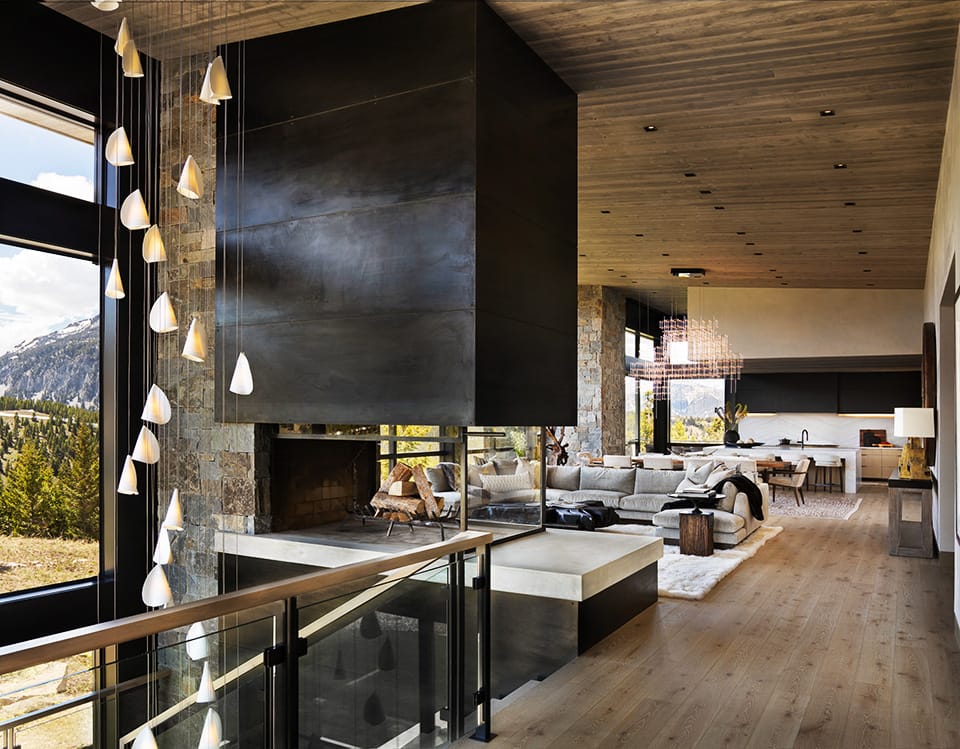
What do clients most often underestimate?
Elise Clark: Time. Our clients can build almost anywhere and invest in whatever matters to them, but they cannot buy back time. They only get so many spring breaks and so many winters with their families. The value of the right team is certainly about efficiency, but it’s also about protecting those finite moments while refusing to compromise the result.
Nate Heller: And the better that coordination is, the less the client has to think about it. Good coordination is invisible. Bad coordination is obvious.
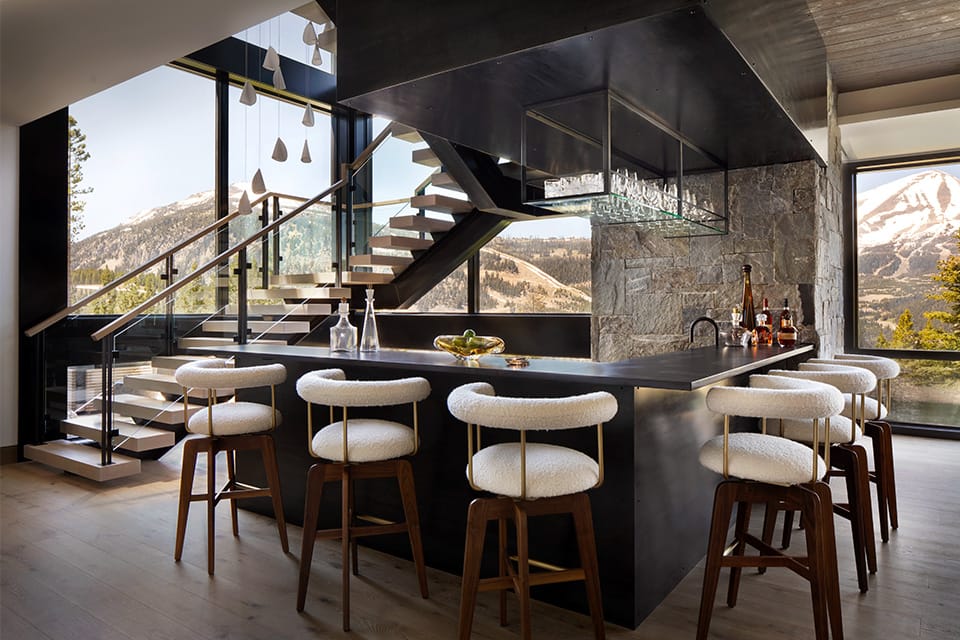
You work in some of the most exclusive communities in the West, from the Yellowstone Club and Wasatch Peaks to the new Territory 1889. What changes from one place to another, and what remains constant?
Nate Heller: Every project begins with the site. Topography, climate, access, and light all change. So do the views we want to frame and the things we may want to screen. The client’s underlying priorities can be surprisingly consistent, but there is a reason they selected one community over another. They could have chosen almost any of them. Our job is to understand what drew them to this particular place. Twenty years of practice in Montana gives us a process that travels well. The environment changes, but the rigor does not.
Elise Clark: That’s right. The expectations are global. Being in the mountains does not lower the standard. Our clients know exceptional work in New York, London, and elsewhere, and they bring those expectations with them. For us, experience means knowing the right installers, movers, craftspeople, and specialists—and understanding why a particular person is right for a particular job. Those details matter.
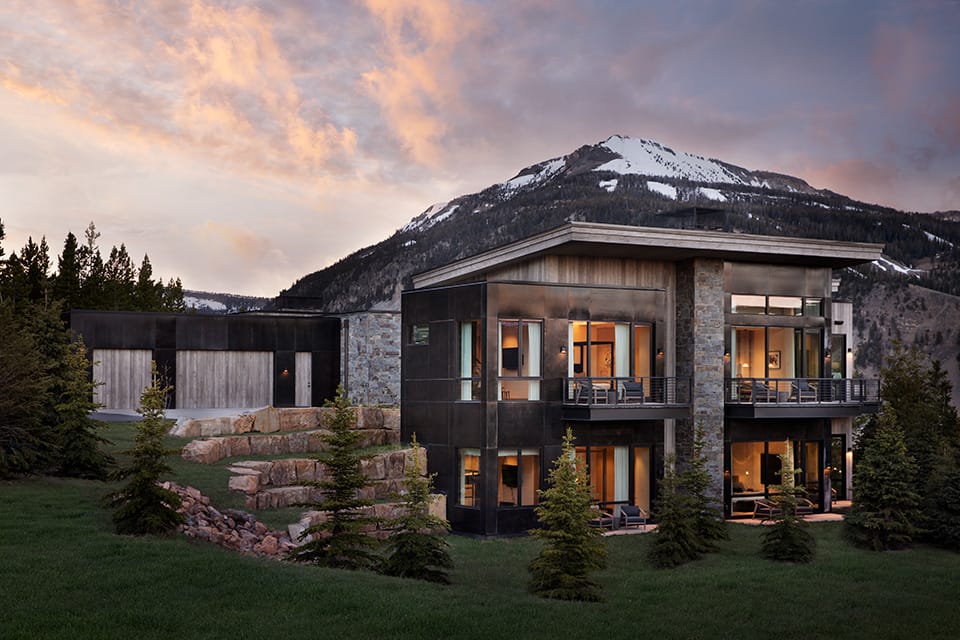
Stephanie Gilboy: From a technology standpoint, every home has unique requirements, but our approach doesn’t change. We design systems that are intuitive, reliable, and nearly invisible, tailored to the architecture and the client’s lifestyle. Trust is a big part of that process. Many of our clients value privacy above all else, and they gain confidence knowing they’re working with professionals who have extensive experience in these communities and understand both the technical and personal expectations that come with them.
Chris Lohss (Lohss Construction): The logistics are what test you at these locations. You will face challenges you can’t fully predict, like weather, access issues, or a delivery that can’t reach the site. What carries you through is the network you have built over the years. It’s about having the right contacts in the community to put out a fire the moment it starts. Something always blindsides you eventually, and experience is knowing you have the relationships to solve it when it does.
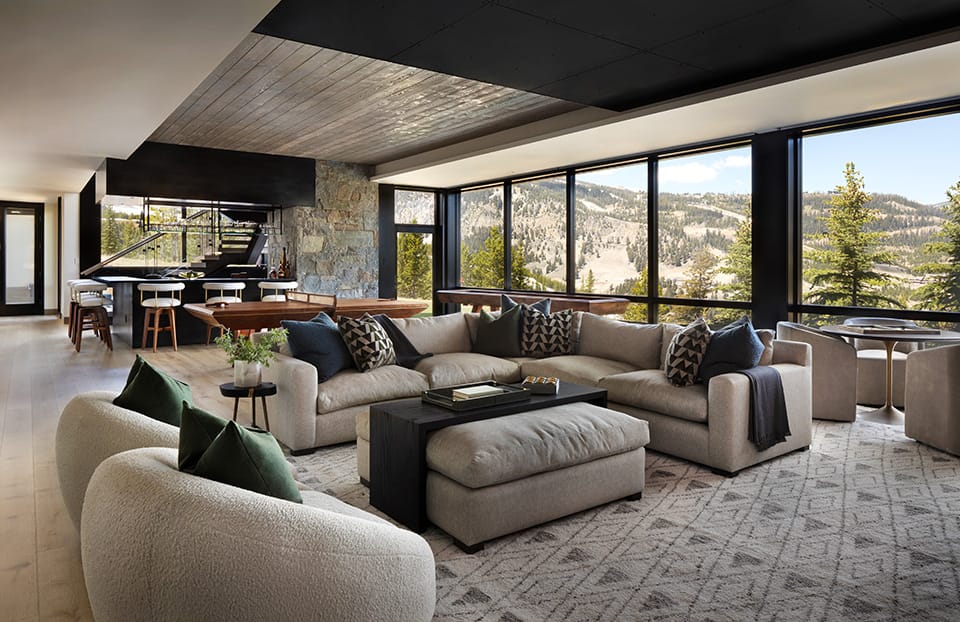
What’s the benefit of having four separate, unique companies come together as a team rather than joining forces under one name?
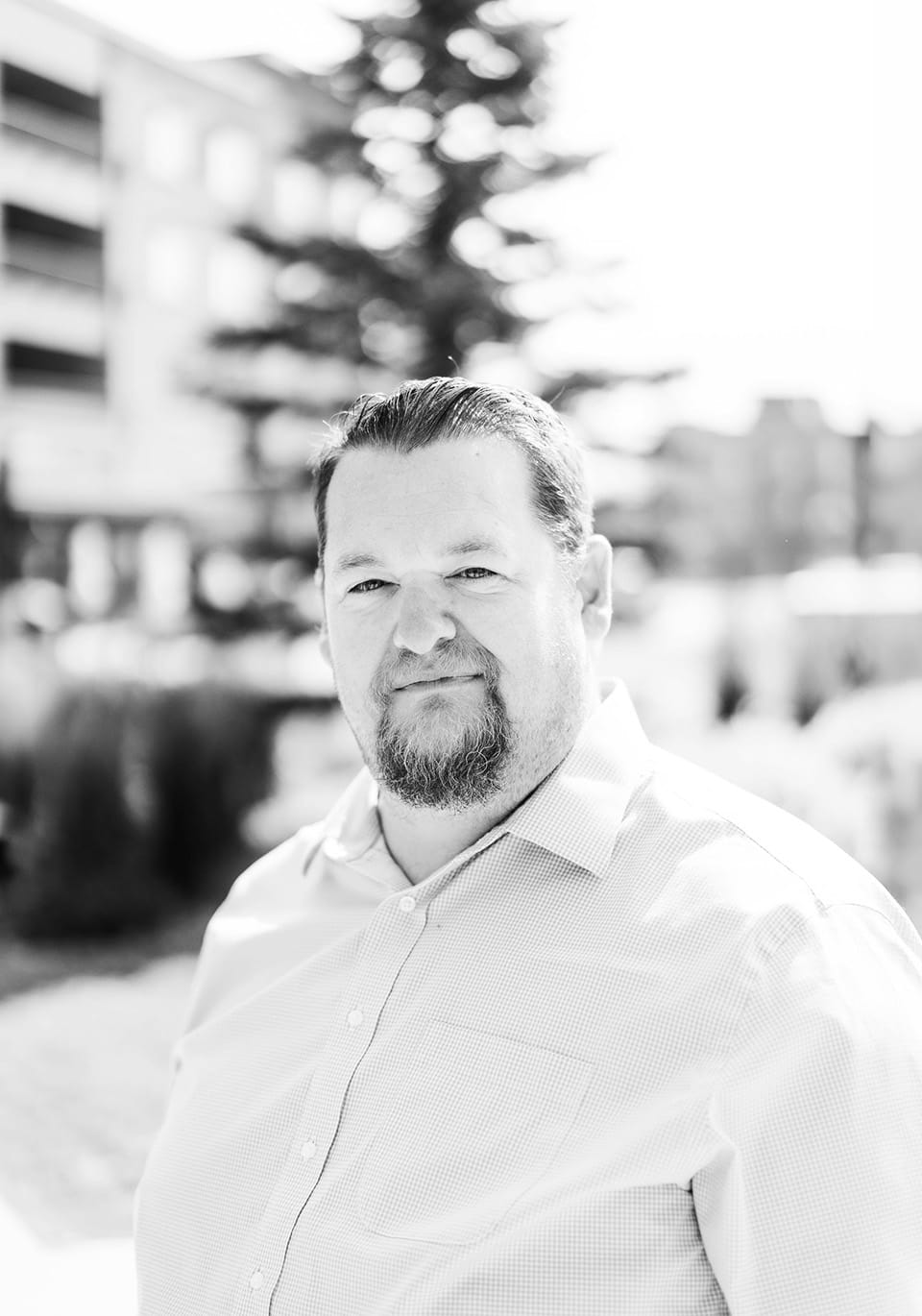
Nate Heller: People often ask why I don’t operate as a design-build firm. I have a construction background and wore tool belts for much of my life, but my answer is simple. I want to work with people like Chris, Elise, and Stephanie because their ideas improve our architecture. When everyone operates inside the same bubble, eventually you’re just proofreading your own paper.
Elise Clark: Creatively, the new combinations are where the magic happens. You bring together great partners who share the same values and standards, but contribute different experiences. That’s how work remains original.
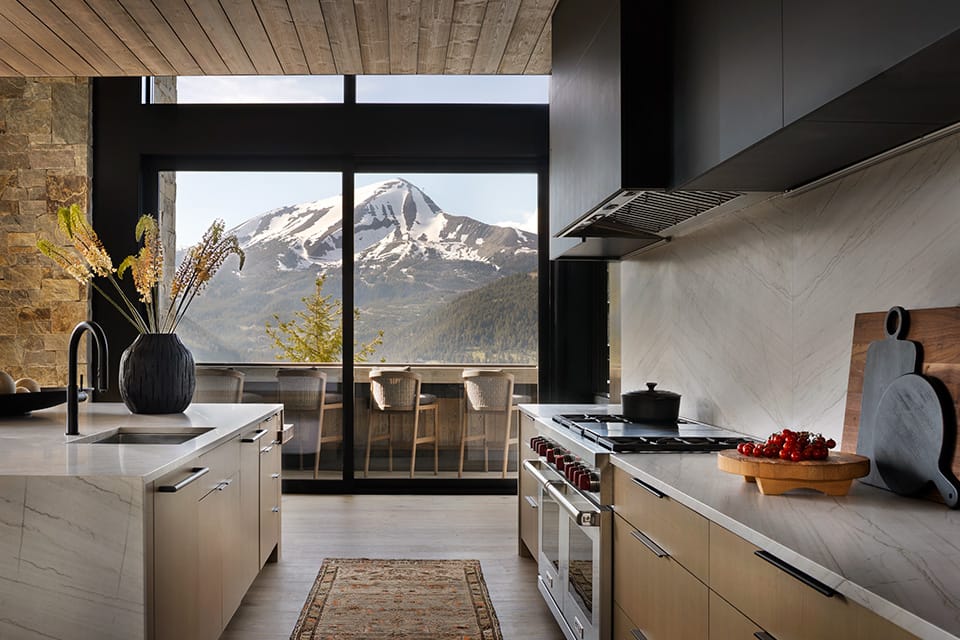
Chris Lohss: An experienced team understands the client and reinforces one another’s best judgment. Clients don’t need to arrive with all the answers because they hired us to uncover them. Still, the standards have to be shared. If one part of the team is loose, the entire process begins to fragment, and who you build with ends up mattering as much as what you build.
The industry talks about “cracking the code,” making a luxury home fast, repeatable, and free of surprises. Can work at your level ever truly become formulaic?
Nate Heller: The promise of a perfectly repeatable custom process is both dangerous and a little disingenuous. Every custom house is a prototype. We have never built this particular home before, and the client will live in the only version of it.
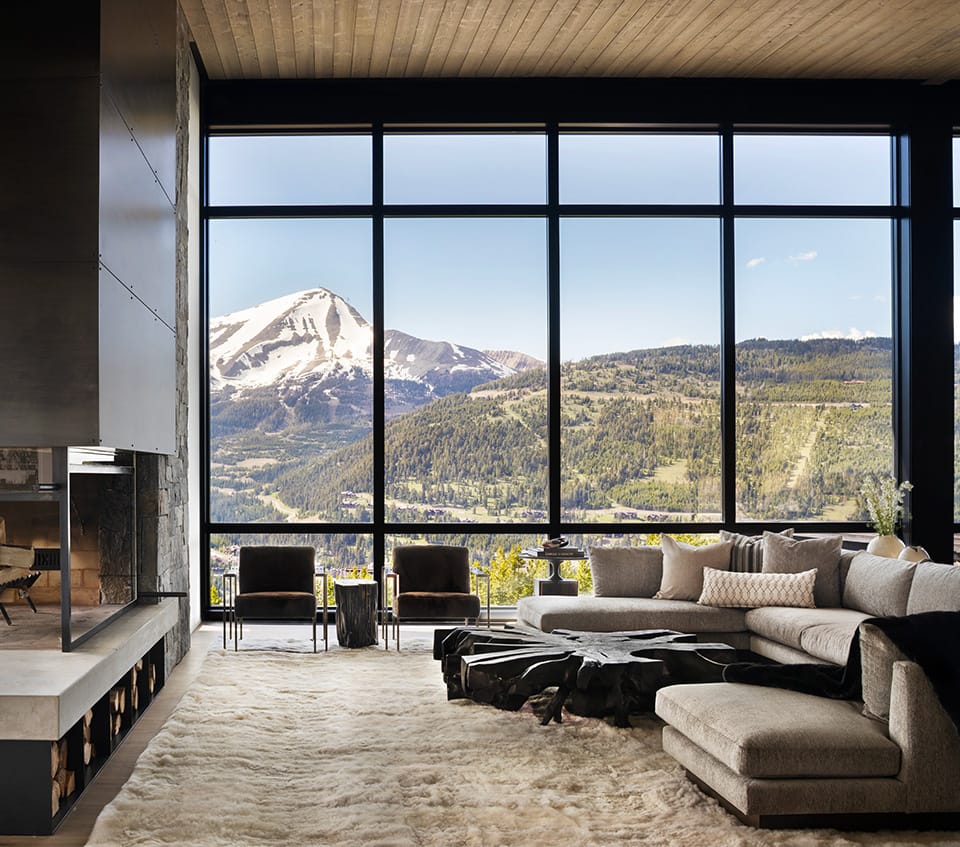
Experience absolutely helps us anticipate decisions, compress timelines, and eliminate avoidable problems. It does not eliminate change. Plus, clients may discover something new or change their minds, and our job is to accommodate that evolution without losing control of the design, budget, or schedule.
Chris Lohss: One of my favorite sayings is, “Construction is not an industry of perfection—it is an industry of solutions.” You learn something on every job. What the client is really buying is a team that has proactively eliminated most problems and has the grit to solve the ones that still appear. Our experience doesn’t let us panic. Instead, we evaluate the situation and ask, “What is the best solution?”
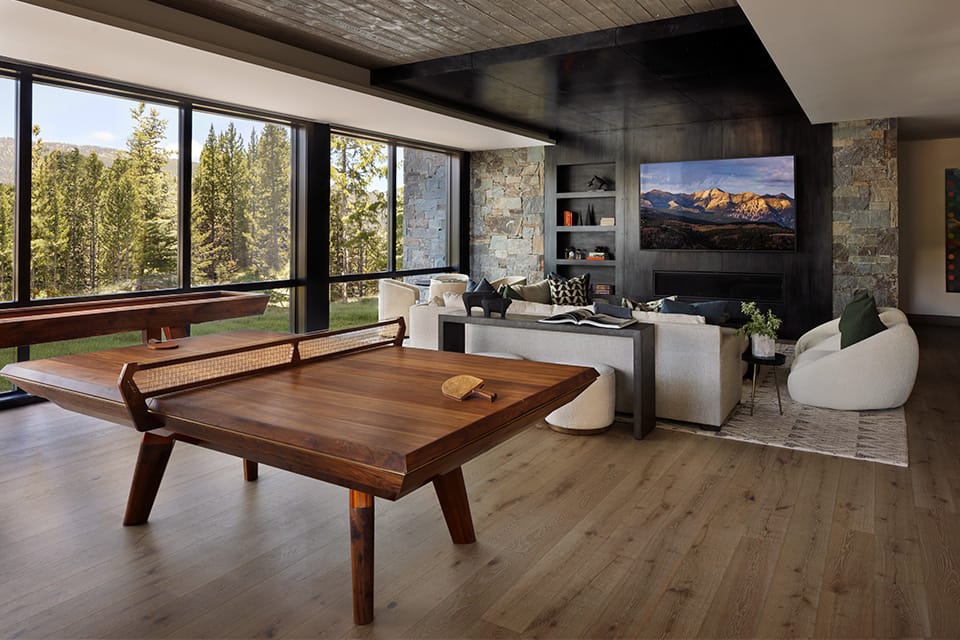
Beyond architecture and finishes, what makes a home genuinely memorable for the people living there?
Elise Clark: Luxury is a home designed around you—not around an abstract idea of what luxury is supposed to look like. Our job is to understand what gives each client joy. That includes palettes and textures, but it also includes function and physical comfort. I care about how my sheets feel, the temperature of the house, and whether my feet land on something soft when I get out of bed. Every client has their own vision of those details.
Stephanie Gilboy: Technology should follow that same principle because it needs to support the homeowner without announcing itself. If everyone is still talking about the controls and hardware when the project is finished, we missed the mark.
“LUXURY IS A HOME DESIGNED AROUND YOU—NOT AROUND AN ABSTRACT IDEA OF WHAT LUXURY IS SUPPOSED TO LOOK LIKE.”
How do you earn a client’s trust with needs they may not yet know how to articulate?
Stephanie Gilboy: It begins with knowing what to ask. A client may walk into a room and say, “I love this space,” without being able to articulate what makes it feel so good. That’s where expertise becomes invaluable. It is not in telling a client what they should love, but in recognizing what they’re responding to and translating it into a design they can trust. Was it the light? The proportions? The sounds? The materials? Or was it simply the way everything worked together? Once those elements can be identified and explained, trust develops naturally.
Nate Heller: The relationship also has to stop feeling transactional. When clients understand that you are interested in them as people—not simply in producing an object—the dynamic changes. These projects can last five years or longer. It is a little like marriage, and chemistry isn’t an extra. It’s fundamental.
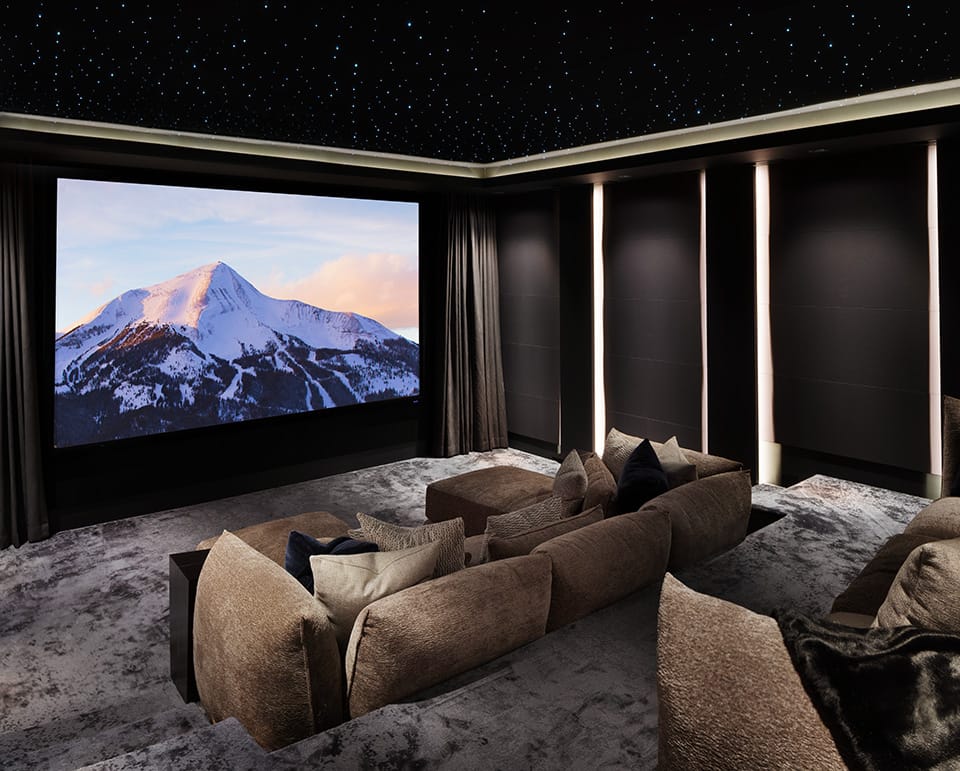
Many clients come to Montana precisely because they do not want to be seen. How do you preserve privacy across a project involving hundreds of people?
Chris Lohss: On the construction side, we usually have more people on a site than anyone, so it starts with the team you keep. I know every one of my employees, and they are trained from day one: don’t post photos, don’t discuss projects. Most of the time, our employees and subs do not even know the client’s name. Some come up through the trades, and that discretion takes time to teach, but it isn’t optional. You also have to remember that you rarely know a client’s full history. Many have spent decades running companies and making hard calls. When they come here, they want to sleep well at night.
Elise Clark: These are small communities, and discretion is foundational. A careless post can affect someone’s livelihood or even their safety.
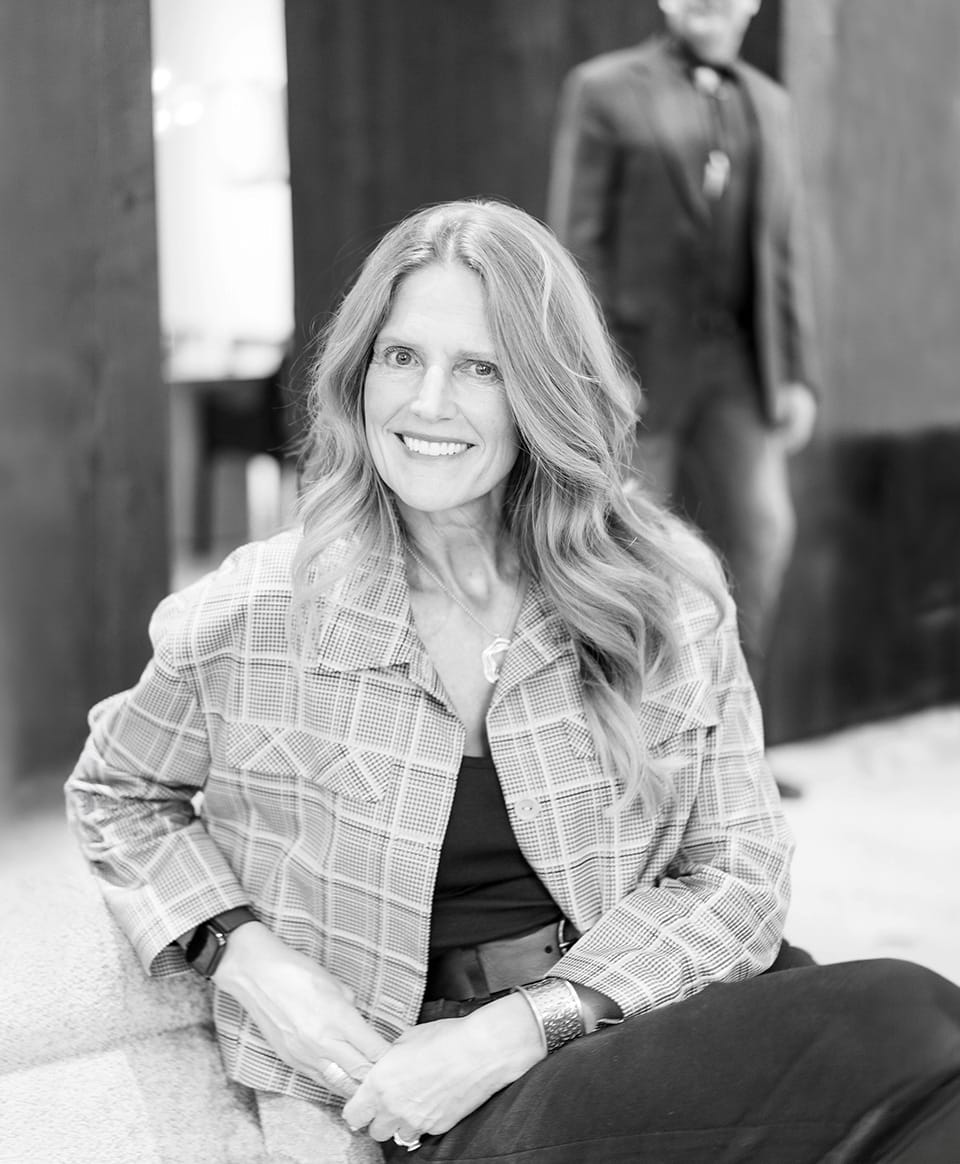
“IT IS NOT IN TELLING A CLIENT WHAT THEY SHOULD LOVE, BUT IN RECOGNIZING WHAT THEY’RE RESPONDING TO AND TRANSLATING IT INTO A DESIGN THEY CAN TRUST.”
-Stephanie Gilboy, Strategic Growth & Partnerships Director, SAV Inc.
Nate Heller: We treat every project as though an internal nondisclosure agreement is already in place, whether or not one has been formally executed. A house becomes “Lot 27,” or “the Ridge House.” That’s its name. Nobody discusses the client outside the project—not even at home.
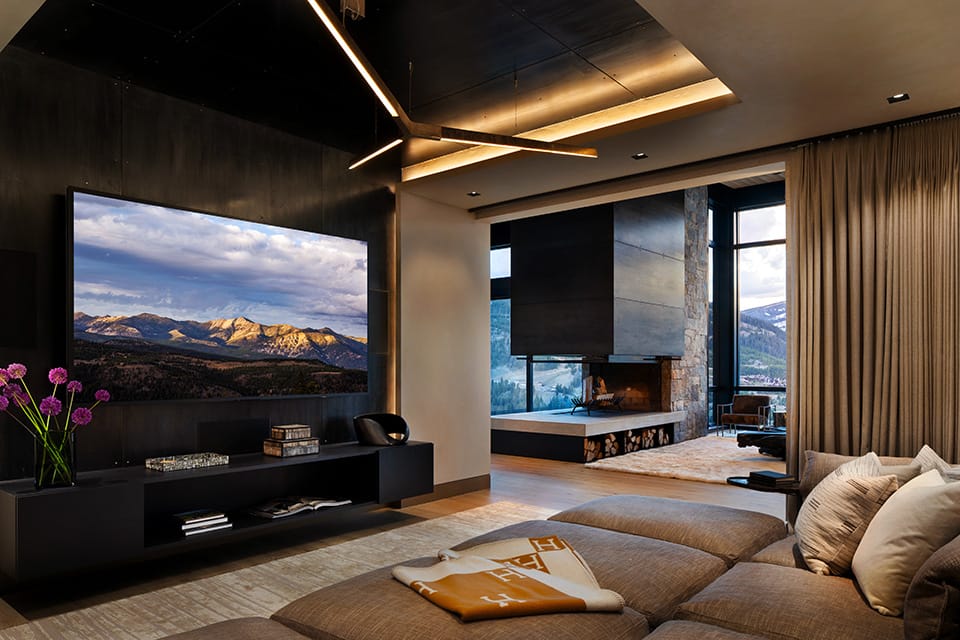
Stephanie Gilboy: For us, discretion is part of the product. Every project carries an assumed NDA from the moment someone joins the team. There are no casual photographs, regardless of whether the client is famous.
Is there something about Montana—and this particular community of high-end firms—that makes collaboration at this level possible?
Stephanie Gilboy: There is a genuine rising-tide mentality here. It is not especially cutthroat. When talented people enter the market, the pie becomes larger; we are not simply fighting over smaller pieces. None of this works without humility, and frankly, you don’t survive a Montana winter without some humility. It will teach you otherwise. You have to be willing to step back, recognize that you do not always know best, and rely on the people around you to fill the gaps.
“MONTANA IS A ‘MIND YOUR OWN BUSINESS’ PLACE IN THE BEST POSSIBLE WAY. PEOPLE ARE FREE TO LIVE AS THEY CHOOSE, PROVIDED THEY ALLOW EVERYONE ELSE THE SAME FREEDOM. THA T CREATES SPACE FOR CLIENTS TO BE ORDINARY PEOPLE HERE.”
Chris Lohss: Accountability runs through the entire crew. We are responsible for everyone working under us, and that responsibility extends directly to the client and the finished home. It takes years to build a tenured team that takes ownership of its craft, and I love that part of the work. I recently spent half an hour in a slab shop watching craftspeople piece something together, and it made me want to put on a Tyvek suit and start polishing stone alongside them. I feel fortunate that we get to make a living and raise our families here.
Nate Heller: Montana is a “mind your own business” place in the best possible way. People are free to live as they choose, provided they allow everyone else the same freedom. That creates space for clients to be ordinary people here.
whj THE EXCHANGE
