
A Conversation with Jennifer Davidson, Owner of Heartwood Homes & WHJ Editor-in-Chief, Laurenz Busch
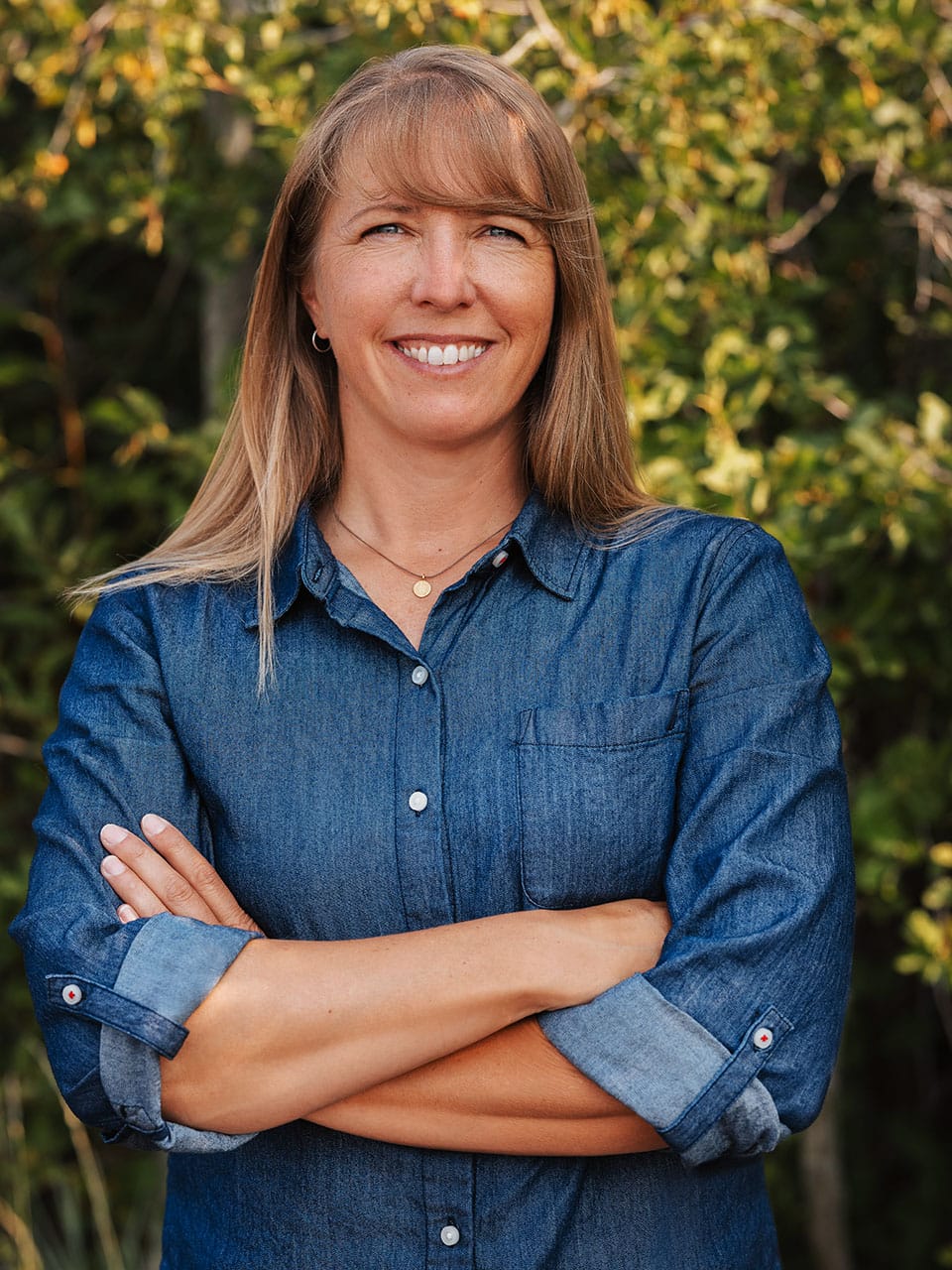

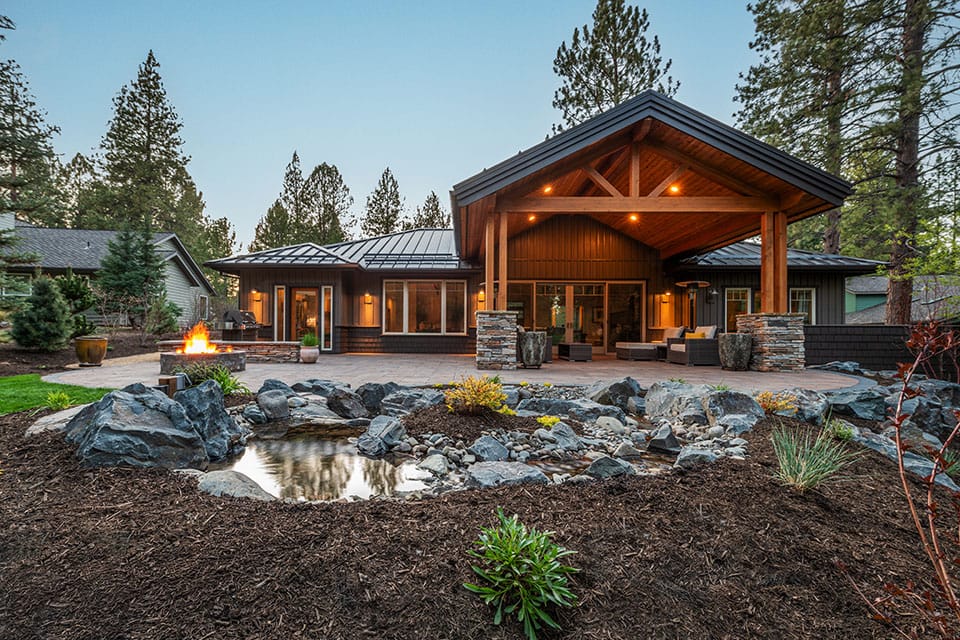
BEFORE SHE WAS BUILDING CUSTOM HOMES IN CENTRAL OREGON, JENNIFER DAVIDSON WAS HELPING CONSTRUCT MILITARY BASES AROUND THE WORLD CAPABLE OF SUPPORTING HUNDREDS OF PEOPLE. TODAY, AS THE OWNER OF HEARTWOOD HOMES, SHE APPLIES THAT SAME PRACTICAL EXPERTISE TO CUSTOM HOMES AND RENOVATIONS, GUIDING CLIENTS FROM RAW LAND TO A FINISHED RESIDENCE. SHE SPOKE WITH WESTERN HOME JOURNAL ABOUT HER UNIQUE AND UNCONVENTIONAL CAREER PATH, THE COMPLEXITIES OF BUILDING ON RURAL PROPERTIES, AND THE IMPORTANCE OF CREATING A CLIENT EXPERIENCE AS REWARDING AS THE FINISHED HOME.
A CONVERSATION with JENNIFER DAVIDSON, OWNER OF HEARTWOOD HOMES
“WHEN I FIRST STARTED, I WAS STILL WORKING PART-TIME FOR ANOTHER BUILDER, SO I WAS HUSTLING, LEARNING THE ROPES, AND PUTTING IN TIME DOING HANDS-ON WORK. THEN I FELT I HAD THE BACKGROUND AND EDUCATION TO GO FULLY OUT ON MY OWN.”
You’re the owner of Heartwood Homes, but you also wear a lot of hats. What does your day-to-day look like?
Jennifer Davidson: I’m kind of the head wrangler at this point. I’m involved in project management, sales, marketing—everything. We have a team of five, and I find myself doing a little of everything to keep the business successful.
Heartwood works on custom homes and remodels, but you also get involved before a project even exists, when owners are still considering different ideas and possibilities. Is that right?
JD: That’s correct. While we specialize in residential construction, we’ll work with people as early as when they’re looking for a lot. We can give our input on where a house could be placed and what the infrastructure costs might be compared to another piece of land. Then we can take the project all the way through completion.
We also do remodels and we’ll collaborate with the client’s designer, give our input on costs, and manage the entire build from start to finish.
You officially started Heartwood in 2013, but you only really leaned into it as a full-time business about four years ago. What drove that change?
JD: When I first started, I was still working part-time for another builder, so I was hustling, learning the ropes, and putting in time doing hands-on work. Then I felt I had the background and education to go fully out on my own.
But you really got started in construction while in the military.
JD: Yes, I learned a lot of great hands-on skills, including framing, welding, and masonry. When I started working for a builder in Bend, I began with onsite carpentry, and the role evolved into full project management and business management.
My boss at the time was an absolutely wonderful mentor and had been a builder for 50 years, so I gained a ton of knowledge from him. It refined my skills from, “I know how to bang nails and dig holes,” to understanding the finer craftsmanship that makes custom homes special.
“THERE’S A TREMENDOUS AMOUNT OF COMPETITION IN THIS AREA, SO I HAVE TO BE REALLY GOOD AT WHAT I DO.”
What did construction work look like in the military?
JD: I was a structural journeyman. We maintained and built buildings on base—living quarters, airplane hangars, and runways. I was part of a unit that could get dropped almost anywhere in the world and set up a 500-person base camp.
We would provide living quarters, food, electricity, clean water, a runway, and security. I got to do quite a few things that most young women don’t get to do in their early 20s.
Definitely. That’s pretty remarkable. That experience seems to have stayed with you throughout your career.
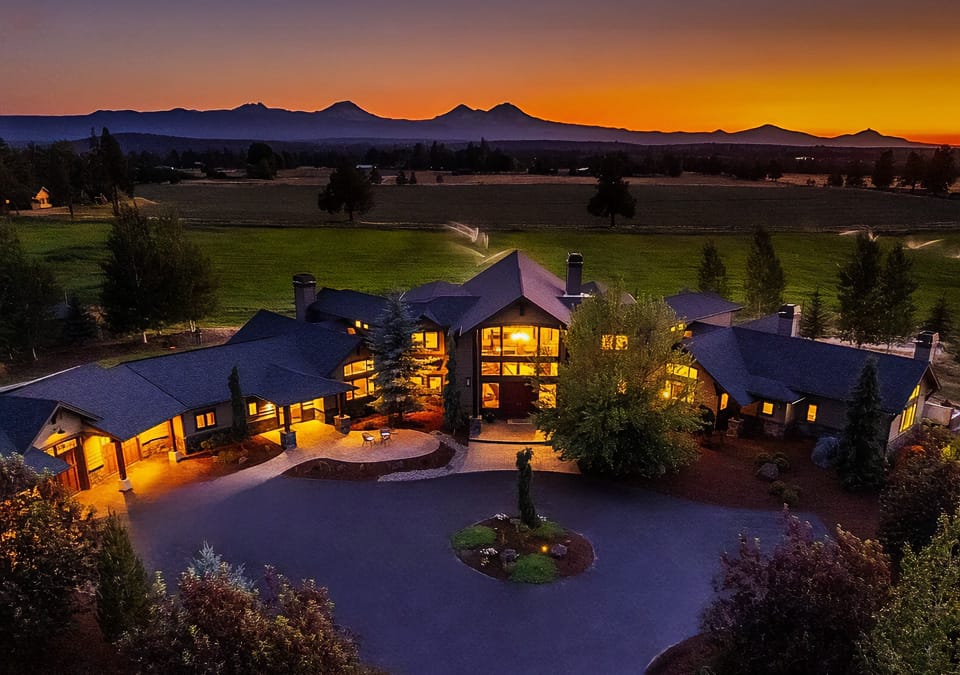
JD: Absolutely. Today, my bread and butter tends to be acreage properties and that often means building out infrastructure, determining legal boundaries, and addressing other issues people encounter when working with larger properties in Deschutes County.
What are some of those issues?
JD: Zoning rules are one. What counts as a replacement dwelling. Whether you can leave the old house and build a new one. Whether it’s a historical property. Whether you can have two homes or might need a lot-line adjustment.
Sometimes people don’t realize where their utilities come from or what it’ll cost to get them to the homesite.
You’re one of many good builders in Central Oregon. Why do clients come to Heartwood?
JD: There’s a tremendous amount of competition in this area, so I have to be really good at what I do. I’ve guarded my reputation by providing the highest level of client service I can imagine from a contractor.
I work hard to curate the client experience so people feel like they’re in the driver’s seat rather than being dragged along for the ride.
“I WORK HARD TO CURATE THE CLIENT EXPERIENCE SO PEOPLE FEEL LIKE THEY’RE IN THE DRIVER’S SEAT RATHER THAN BEING DRAGGED ALONG FOR THE RIDE.”
And that goes for both new construction and renovations?
JD: Of course. I’m especially interested in historic homes, so if anyone wants to do a historic renovation, call me. I love those projects. We wrapped one up in Bend’s historic district last year, and it was incredibly rewarding to pull the house apart very gently, see how builders had done things in the past, and then put it back together with respect for that history.
whj IN CONVERSATION
