
Written by: Sarah Ericson | Photos By: Noah Weinstein
Architecture lives at the intersection of art and engineering. It demands both creativity and precision, intuition and discipline, and few careers reflect that balance as clearly as Jeremy Oury’s. With five decades of experience, the Whitefish-based architect has built a body of work that mirrors his personal pursuits. His years in practice haven’t slowed him down, rather, they’ve refined him. The same discipline that carries him long distances guides his approach to design. It is the steady balance between work and play that keeps him curious, joyful, and always striving for more.
CAREER DEVELOPMENT, PARTNERSHIPS, AND PURPOSE
Jeremy grew up in San Diego, where his father was stationed as a Navy physician. Raised in a military family with three younger siblings, he was equally drawn to sports, surfboards, and drafting tables. At 12 years old, he began working for his father’s best friend, architect Howard Anderson.
“If I wasn’t in school or in the ocean,” Jeremy remembers, “I was working at the firm, learning drafting, design, and the business of architecture. I loved the environment and the work, even making coffee and running blueprints for the architects.”
“ARCHITECTURE IS AS MUCH SOCIAL ENGINEERING AS IT IS MATERIALS ENGINEERING. ARCHITECTS LISTEN TO PEOPLE AND THEN PUT TOGETHER A STRUCTURE ON A PIECE OF LAND, REGARDLESS OF WHERE THAT LAND IS.”
-Jeremy Oury, Architect AIA
That laid the groundwork and by 18, his dedication paid off when he was accepted into USC’s School of Architecture. Throughout the 1980s, Jeremy earned his degree, procured his license, and worked for several notable Southern California firms. His early training, combined with his love of sports and the natural world, fortified a foundation where discipline and respect for the environment would be forever linked.
His projects soon went beyond California, and Jeremy worked on housing projects in the western United States and residential building communities in Russia and China. Working and traveling across the globe early in his career revealed a truth in the design industry: no matter where you are, design is about communication.
“Architecture is as much social engineering as it is materials engineering,” he says. “Architects listen to people and then put together a structure on a piece of land, regardless of where that land is.”
In 1993, Jeremy moved to Hamilton, Montana, and founded the architecture firm Kibo Group with partner Jeff Crouch. In the Bitterroot Valley, Jeremy’s career arrived at a pivotal moment, one where his focus on historical precedent and contemporary materials began to define his work.
“IF I WASN’T IN SCHOOL OR IN THE OCEAN. I WAS WORKING AT THE FIRM, LEARNING DRAFTING, DESIGN, AND THE BUSINESS OF ARCHITECTURE. I LOVED THE ENVIRONMENT AND THE WORK, EVEN MAKING COFFEE AND RUNNING BLUEPRINTS FOR THE ARCHITECTS.”
-Jeremy Oury, Architect AIA
“The Kibo Group developed relationships with log and timber frame companies while working at the forefront of the burgeoning resort residential architecture space, and that specialization secured the firm’s standing in the Western landscape and established a global reputation for projects that featured archetypal American flair,” Jeremy says. At its height, the Kibo Group employed 30 people and completed more than 500 ranch and resort projects across the United States, Canada, Turkey, India, Costa Rica, Russia, and China.
COOPERATION PAVES THE PATH TO INDEPENDENCE
After several mergers and acquisitions, Jeremy was ready to strike out on his own again. In 2018, he founded Jeremy Oury Architect AIA, entering a new independent chapter of his career. “Now I’m doing all the fun stuff—meeting with clients, doing initial site analysis, and working through schematic concepts,” he says. “I’m utilizing the firms created by previous employees and partners to fulfill the production end of my design contracts.” Today, those longstanding professional relationships remain intact, as do many client relationships, as much of his recent work focuses on private ranch residences for members of clubs that he originally helped design.
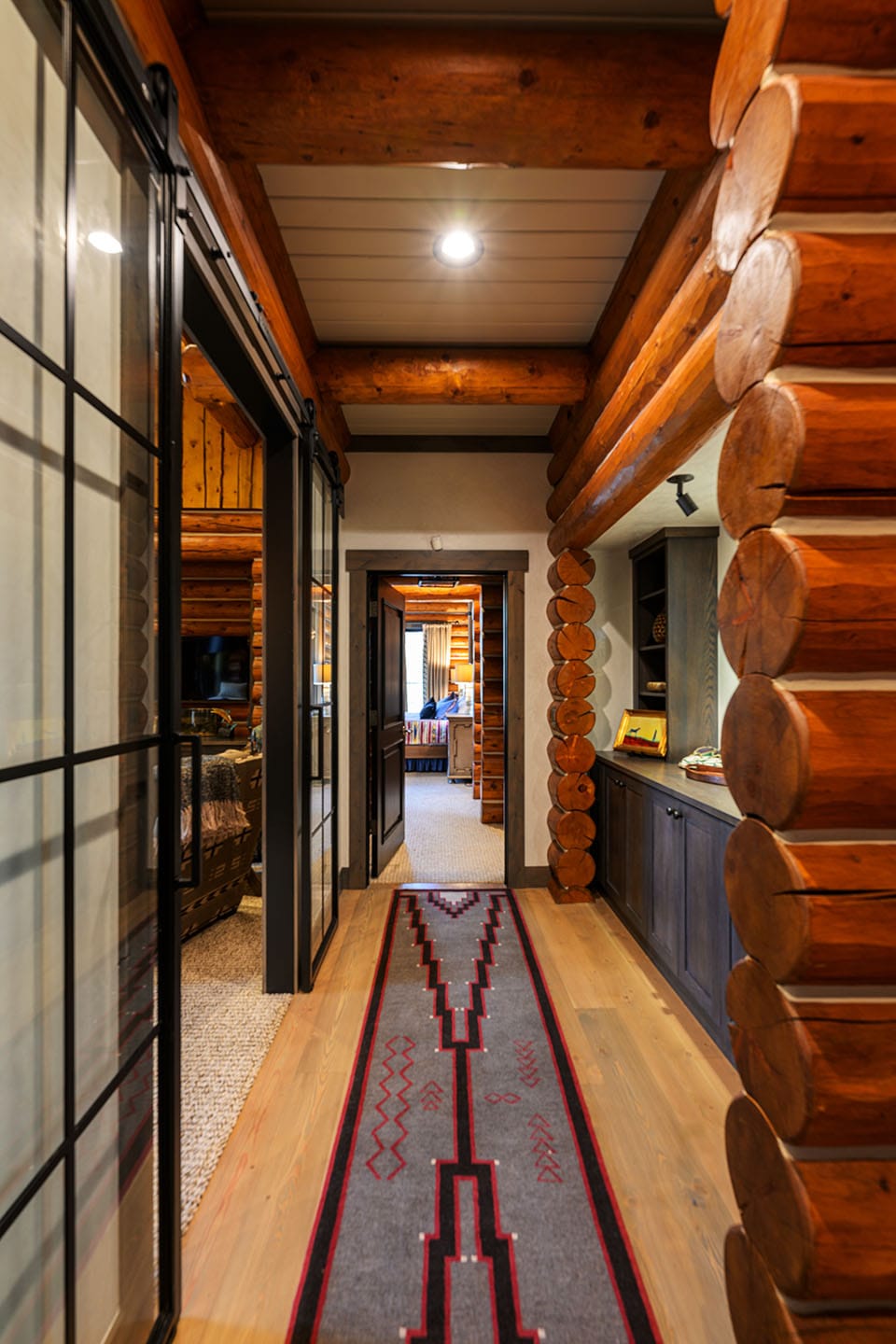
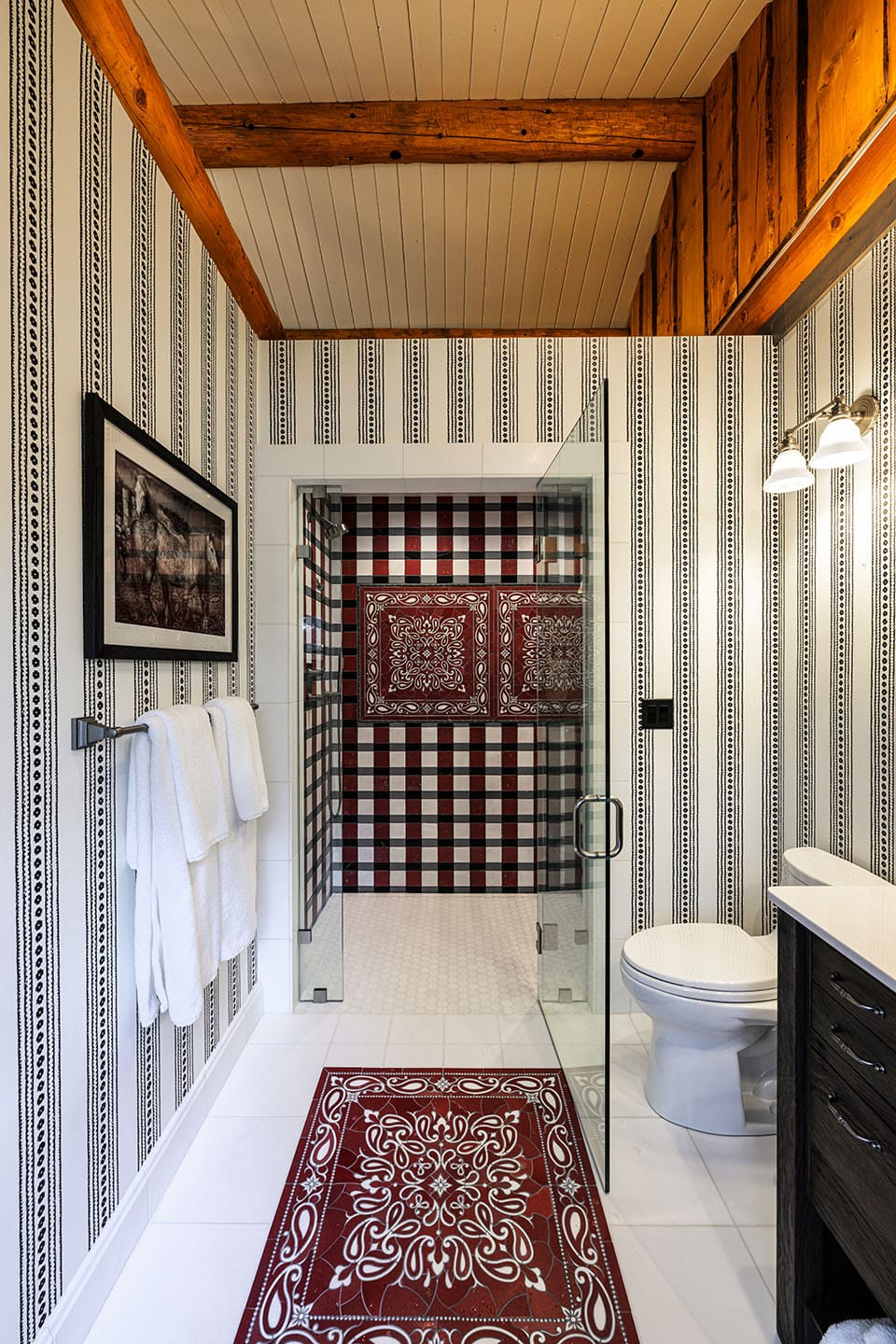
Among them is the exclusive Stock Farm Club, Kibo Group’s flagship project in the Bitterroot Valley. Jeremy designed over 75 percent of the private residences and the club’s infrastructure, and he was instrumental in establishing design guidelines that are still in use today. Other notable projects in Jeremy’s portfolio include Rock Creek Cattle Company, The Homestead, Grand River Ranch, Yellowstone Club, and Elk Creek Ranch—all pinnacles of resort community standards in the Rocky Mountain West.
From these projects emerged Jeremy’s guiding philosophy.
“Contextual Regionalism encompasses the never-ending evolution of projects that combine historical precedent with contemporary materials and order,” he explains. “In some early projects with Kibo Group, we were tasked with recreating historical ranch buildings. We needed to build something new using contemporary materials but make it look old. To maintain authenticity, we selected materials and contemporary design techniques that could meld the old with the new.”
CURRENT SPOTLIGHT PROJECTS
Over these many decades, Jeremy’s approach has been to unite the client’s dreams with the site’s reality.
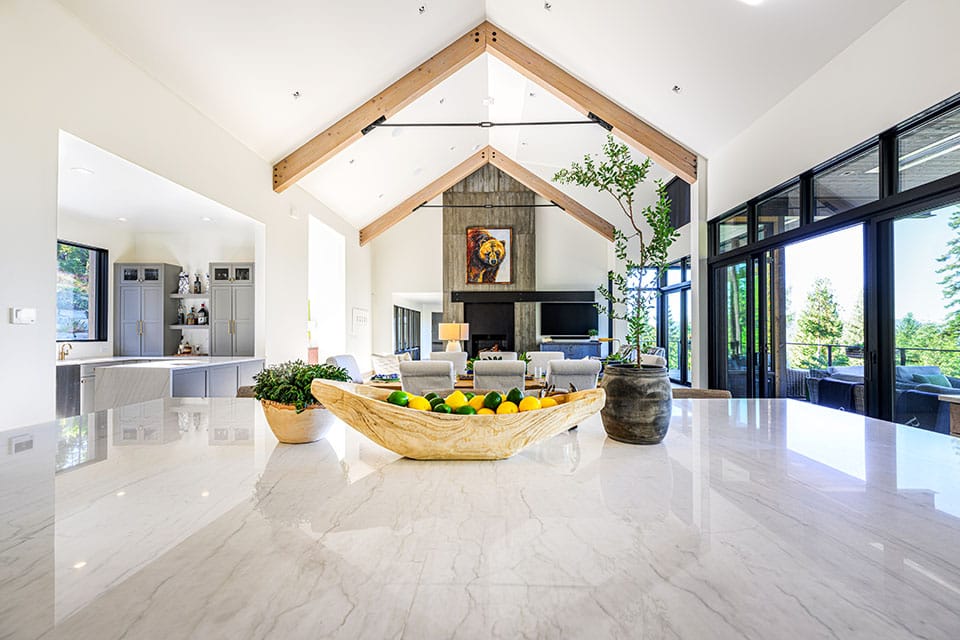
The Bashein Residence in the Bitterroot offered Jeremy a full-circle moment. This private residence is one of the original houses built in Stock Farm Club, and Jeremy teamed up with Susie Moreland, the project’s original interior designer, and Glenn Construction, to give the entire property a revision.
“Our first step was to increase all the window profiles so that every other change would be amplified with more light,” he says. With this achieved, homeowners Craig and Michelle Bashein’s extensive collection of Western art benefited from all the natural light and Moreland’s professional touch. As for the exterior, Jeremy applied Contextual Regionalism concepts, using rustic materials as a new façade to maintain the historical context of the home.
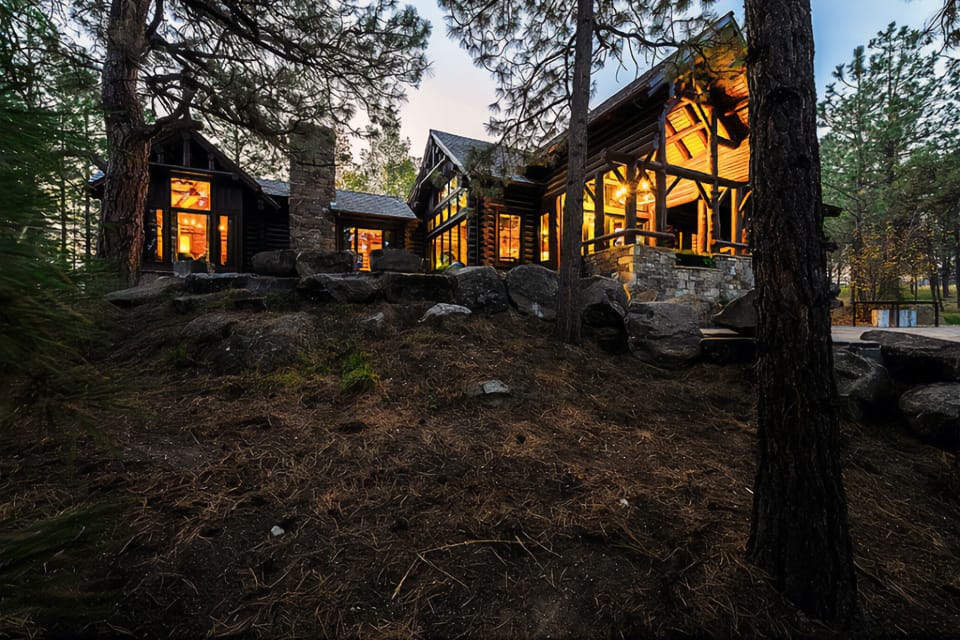
“OUR FIRST STEP WAS TO INCREASE ALL THE WINDOW PROFILES SO THAT EVERY OTHER CHANGE WOULD BE AMPLIFIED WITH MORE LIGHT.”
-Jeremy Oury, Architect AIA
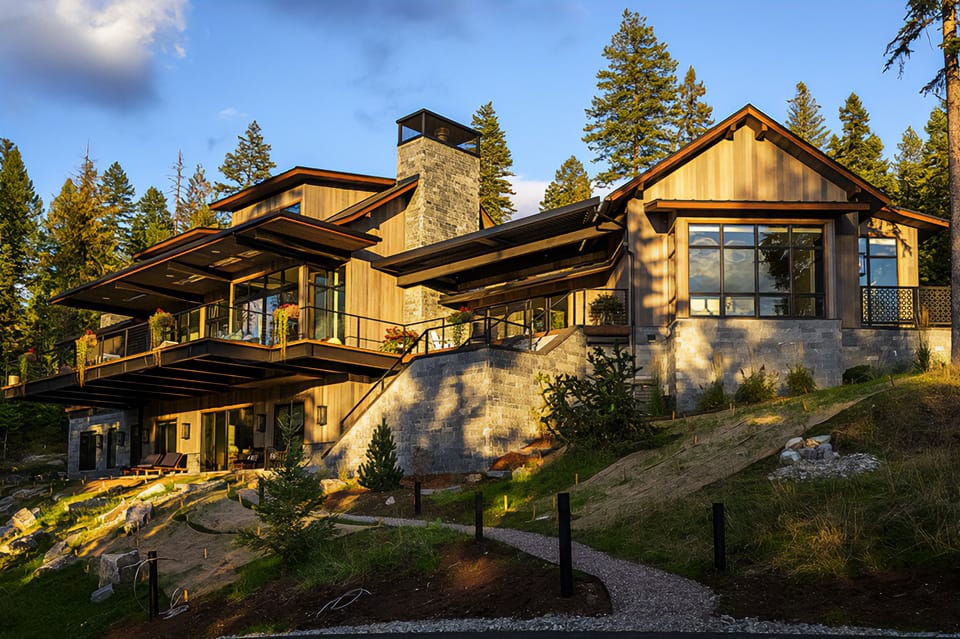
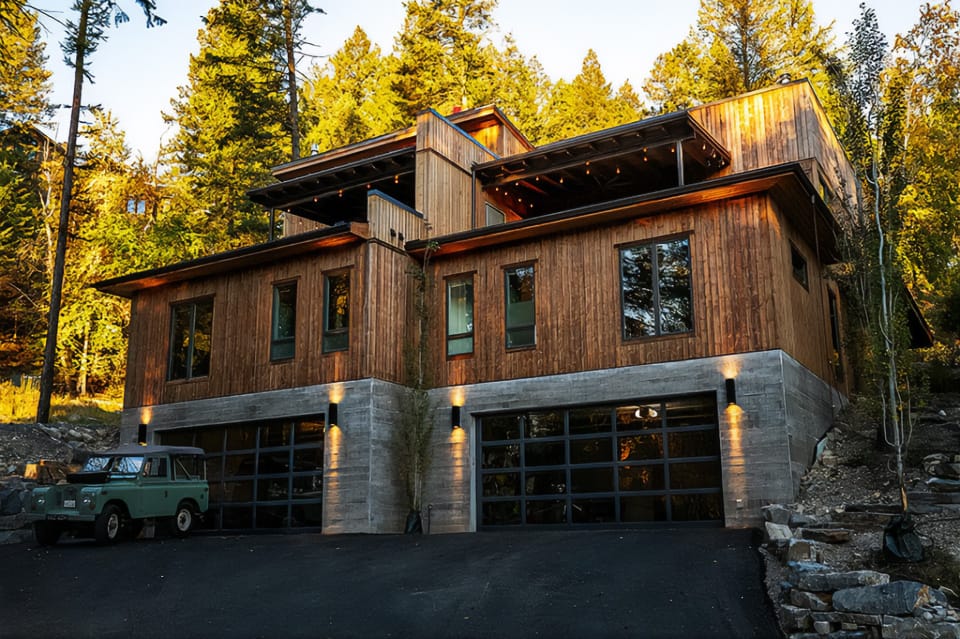
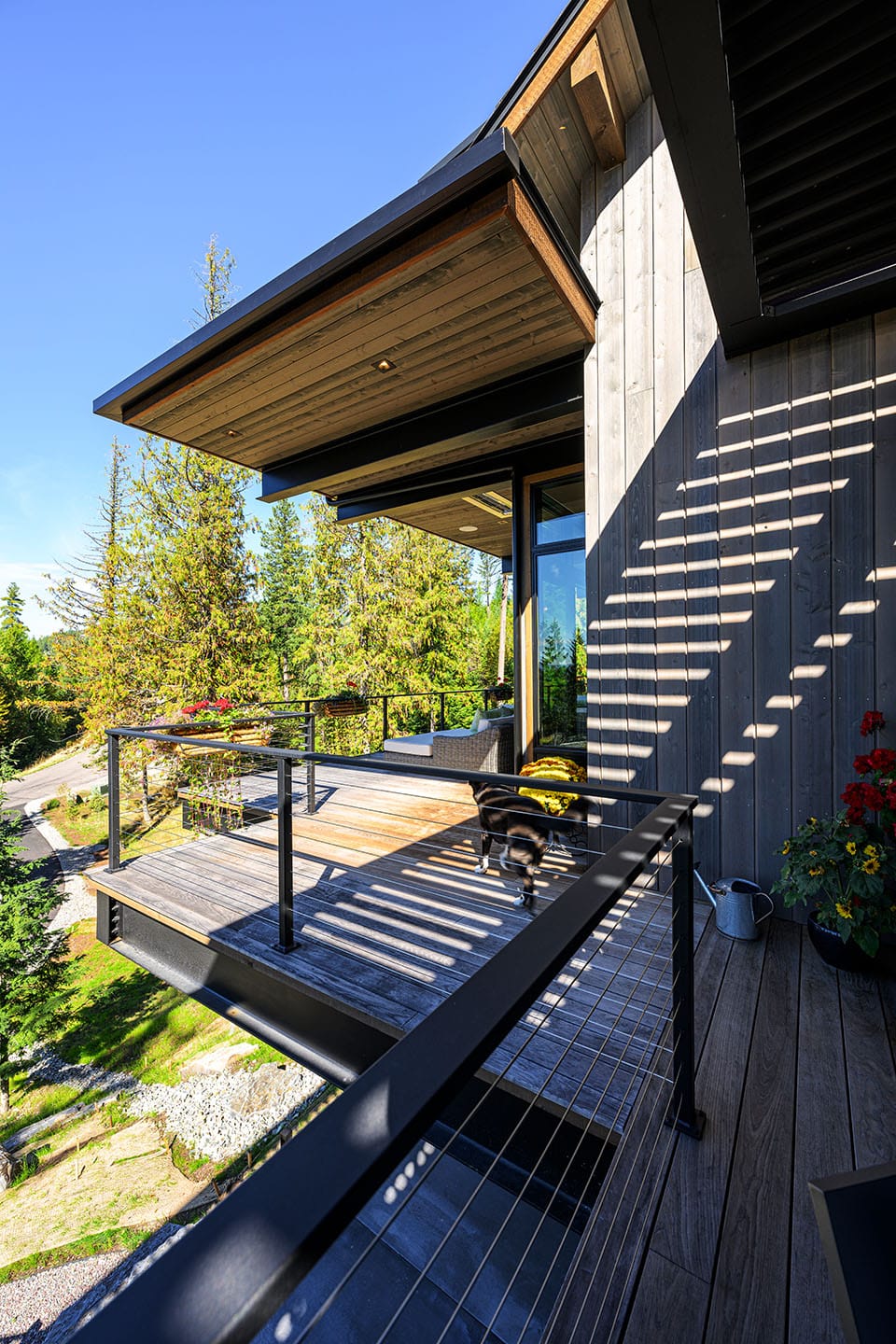
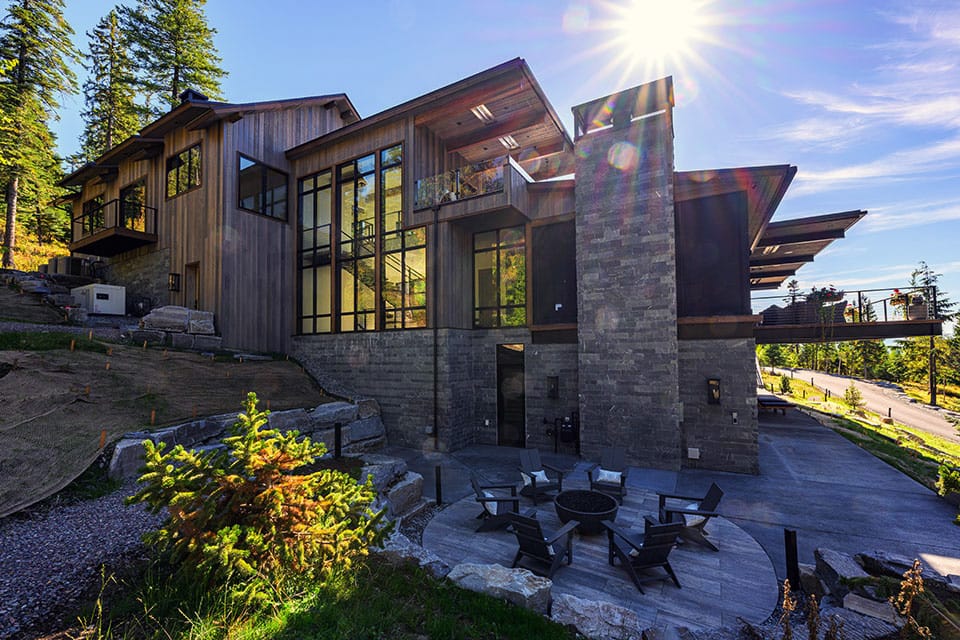
In contrast, the Burke Residence at Whitefish’s Iron Horse Club represents a contemporary departure. Built on a hillside, the home features cantilevered steel beams to anchor upslope. “Rather than a typical hillside home where the supports look spindly, we were able to achieve counterweighting subtly. The structural engineer I worked with is a sculptor when he’s not building homes. His artistry is undeniable,” says Jeremy. The client, Kristine Burke, was also the home’s interior designer. “It was fun to work with someone new, and that it was her own space made it really integrated, informed, and collaborative.”
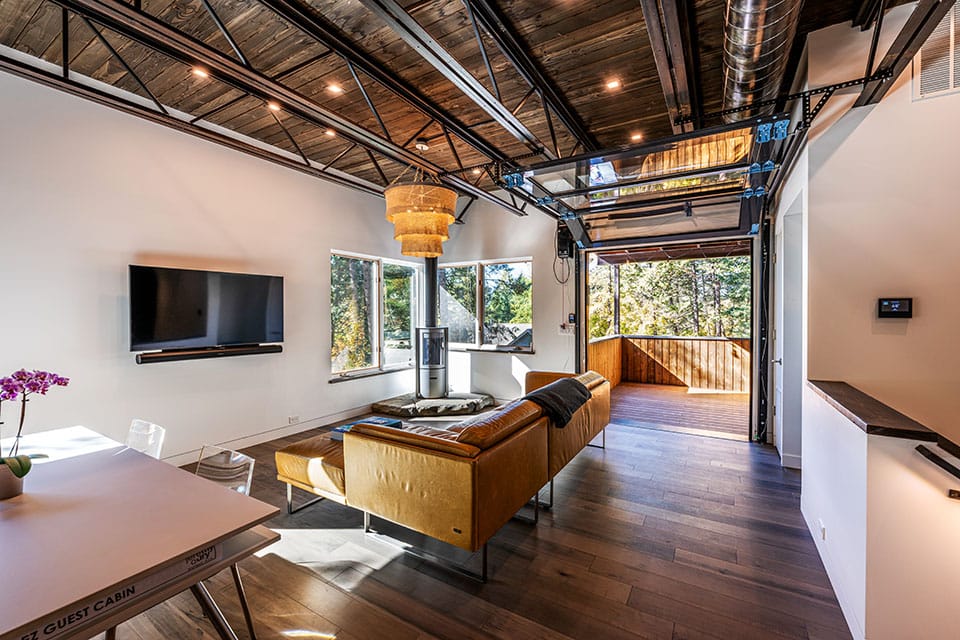
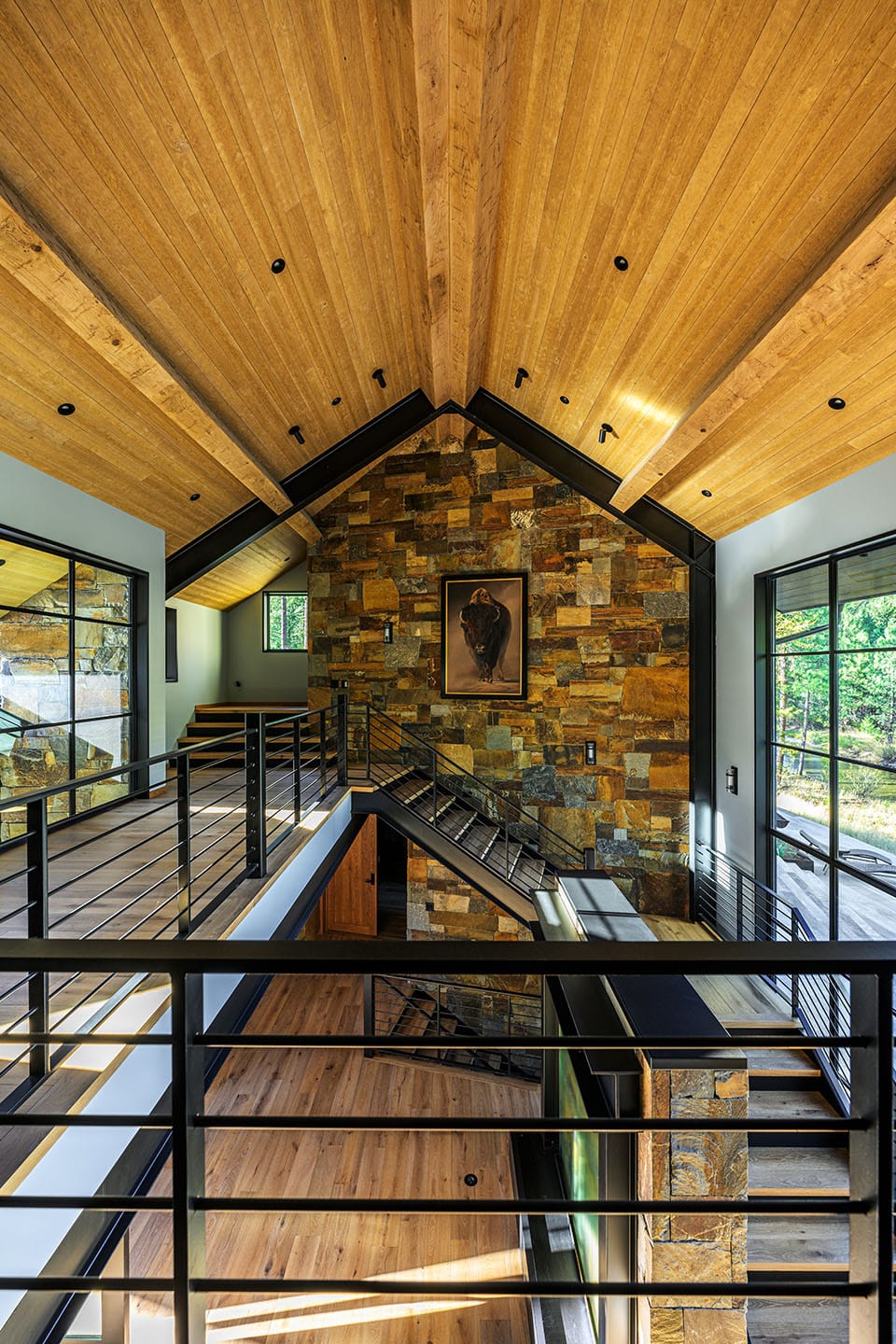
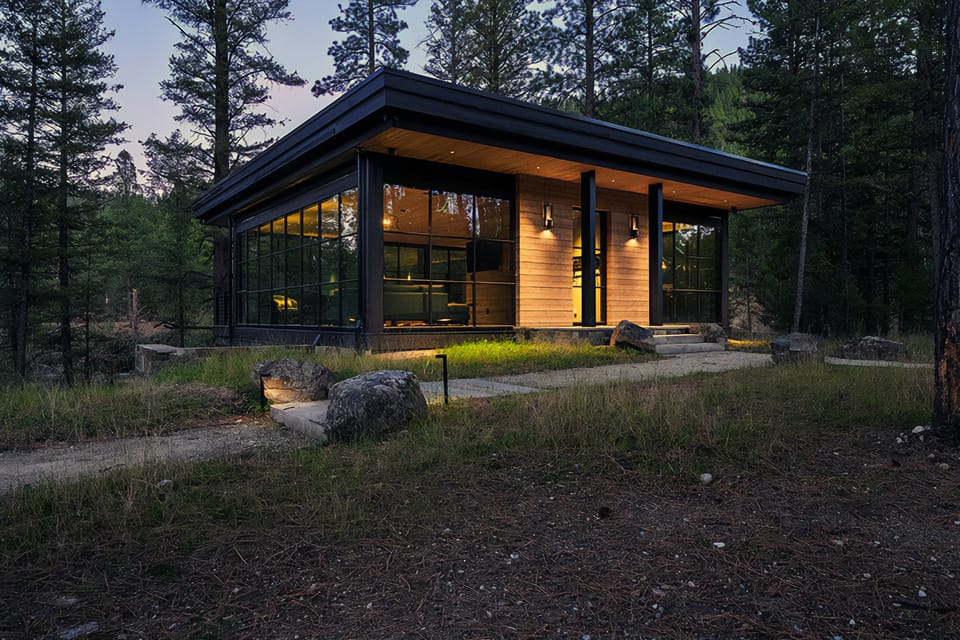
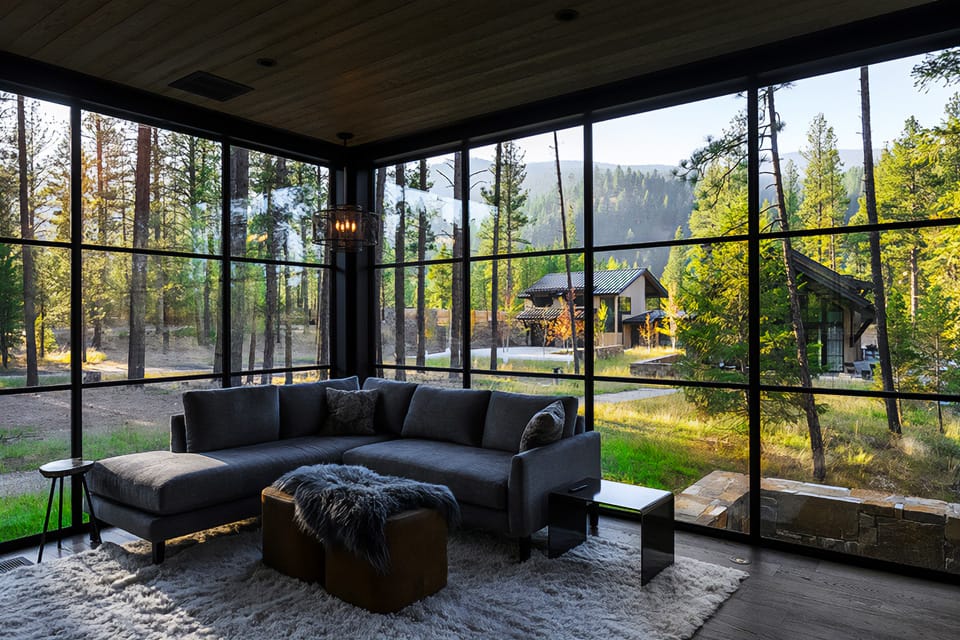
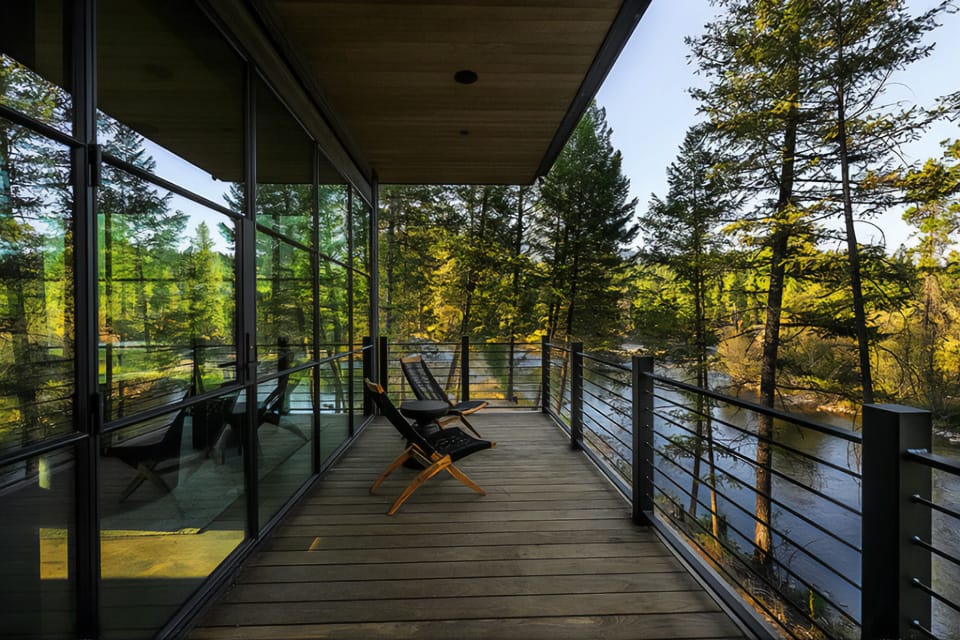
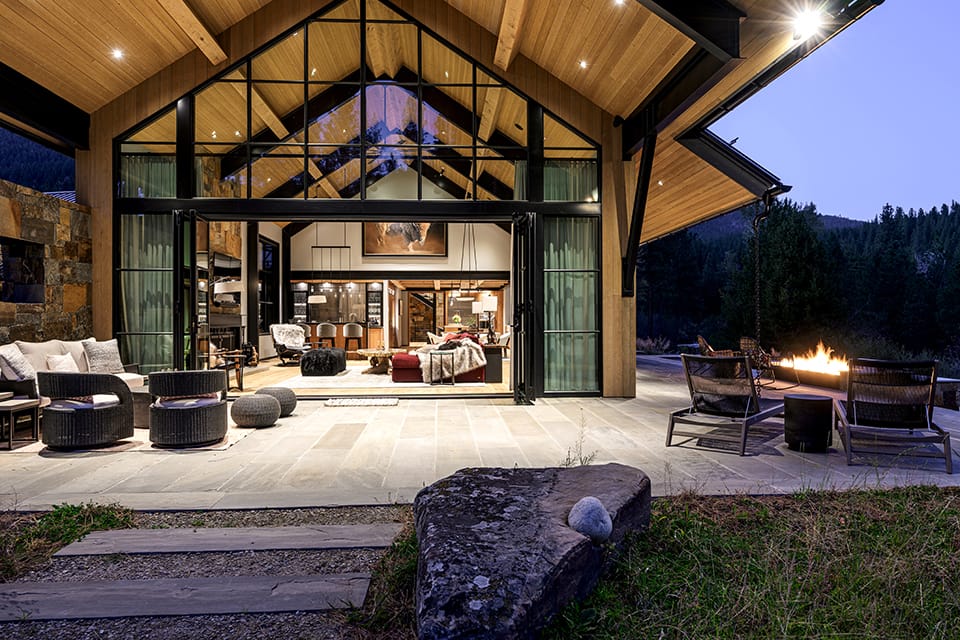
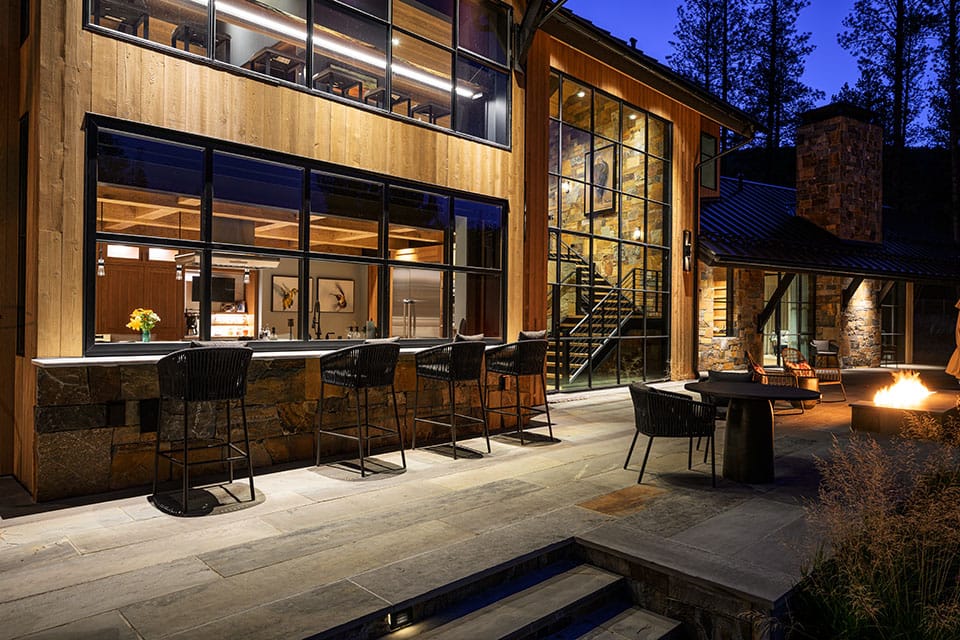
Another recent commission for a private client in western Montana began with a simple question from the client: “What would you do?” Having never been asked this before, Jeremy was somewhat surprised, yet thrilled. Beginning the process with mutual trust and bravery on the part of the client resulted in one of his most successful and satisfying projects. “The property stretches along a river bend, and we mirrored the river’s behavior in the long lines of the home,” notes Jeremy. “An abundance of glass—in the main house and the separate 30’ by 30’ guest house—unites the indoor-outdoor fluidity of living spaces and sightlines, and its overall aesthetic blends with the landscape naturally.”
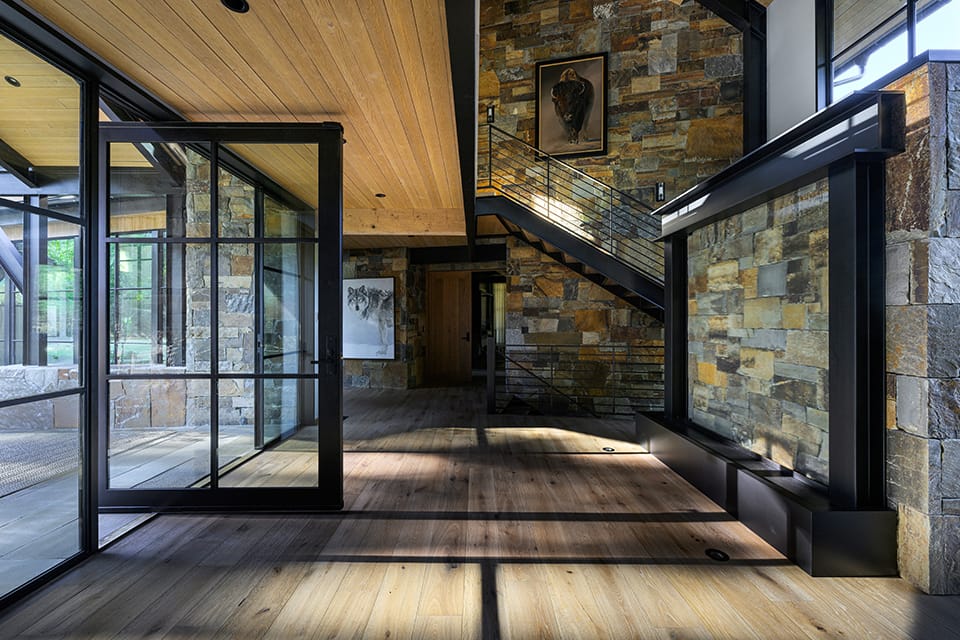
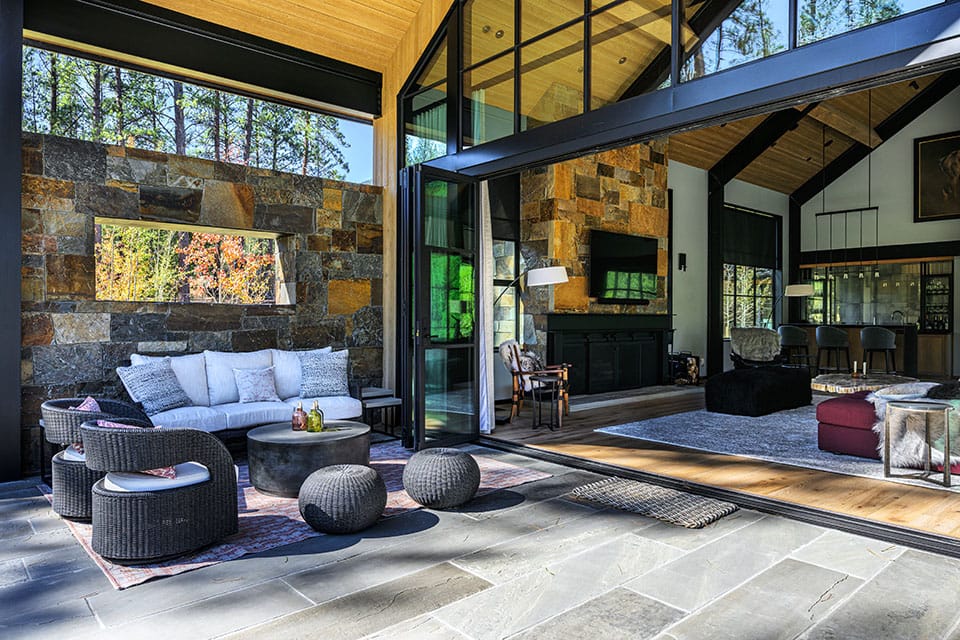
For Jeremy, success depends on assembling the right team from the start. “When architects, structural engineers, builders, landscape architects, and interior designers are aligned right away, all possibilities can be explored with a cohesive team approach,” he explains. Several of these successful projects have been accomplished with the same team of Glenn Construction, By Design Interiors, Field Studio Landscape Architects, Paradigm Architects, and other consultants established early in the design process.
COLLABORATION AT WORK, COMPETITION AT PLAY
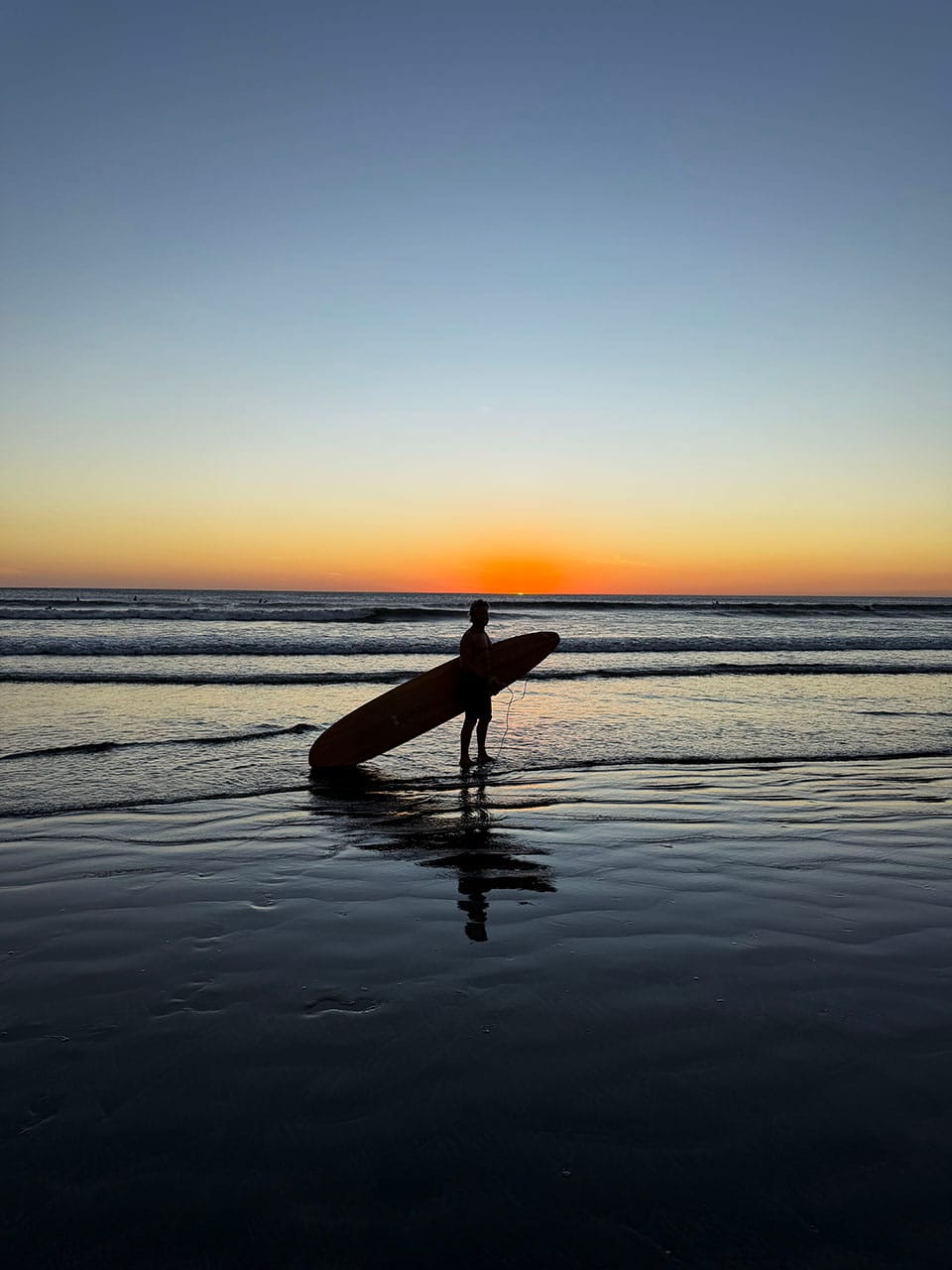
Jeremy’s cooperative spirit might surprise those who know him from another part of his life, as a competitor. A lifelong athlete, he played collegiate soccer at USC, spent decades surfing, and has competed in over 800 triathlons.
“AN ABUNDANCE OF GLASS IN THE MAIN HOUSE AND THE SEPARATE 30’ BY 30’ GUEST HOUSE UNITES THE INDOOR-OUTDOOR FLUIDITY OF LIVING SPACES AND SIGHT LINES, AND ITS OVER ALL AESTHETIC BLENDS WITH THE LANDSCAPE NATURALLY.“
-Jeremy Oury, Architect AIA
“The architect and the athlete, they’re integrated,” he says. “They’re not separate parts of me.”
He acknowledges that both pursuits require discipline, organization, and effort, and they’re more complementary than contradictory. “I’ve never wanted my work or my relationships to be competitive, so I put that spirit into my triathlon training and races,” he says.
Jeremy’s wife, Jodi Petlin, is a practitioner of well-balanced living in her own right. Owner of Shanti Yoga and Jodi Petlin Coaching, their life together seamlessly blends wellness, cooperation, and professional success with a home base in Whitefish, a rancho surf camp in Costa Rica, and a life shaped by traveling the world in search of waves, sports, and inspiration.
No matter where they are in the world, Jeremy and Jodi are always happy to return home to the Flathead Valley. Personally, the community is a place to rest, recharge, and nurture relationships where they’ve both lived for over 20 years. Professionally, Jeremy says there’s nowhere else on the planet that rivals its landscape diversity. From Whitefish Lake to Flathead Lake, from rocky cliffs to sprawling farmlands, the terrain provides varied context that continually draws on his years of experience.
“I TAKE A LOT OF PRIDE IN BEING ABLE TO MAKE PEOPLE HAPPY.”
-Jeremy Oury, Architect AIA
On any given day, you’ll find Jeremy Oury with one hand on a drafting table and one foot on a surfboard. His architectural achievements are as numerous as his triathlon races, but he stopped counting accolades altogether.
“I take a lot of pride in being able to make people happy,” he says.
And he’s not just talking about his clients, because the happier Jeremy is, the better he is at sharing that delight with others.
whj PROFILE
