
Listen to our Spotify podcast about this article:
Moderated by DJ Quinney | Edited by Cassidy Mantor | Photography by Kayla McKenzie
Western Home Journal has traditionally held a roundtable discussion where experts share their perspective on pressing issues in our industry. In this issue, we are pleased to present a more intimate dialogue between two architects working in Bend. Michael Curtis, AIA, NCARB, of MPC Design Studio based in Portland, and Thomas Fagan of Studio Mas Architecture. From likening architectural styles to a simmering Southern gumbo to discussing the role of AI in their work, this focused exchange allows for a deeper dive into what’s on the minds of two Pacific Northwest-based architects who are deeply invested in building Bend’s future.
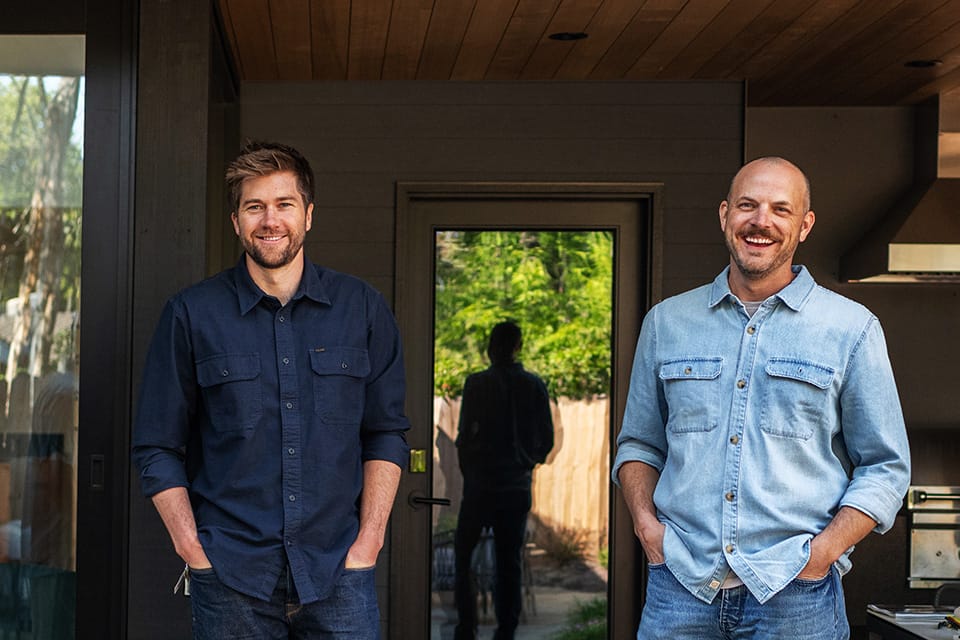
Our participants:
Michael Philip Curtis, Assoc. AIA, NCARB, is an architectural designer who serves the Southeast, Midwest, and Pacific Northwest. He obtained his Bachelor of Architecture in 2004 from Auburn University and apprenticed under architects Jeffrey Dungan and Louis Nequette of Dungan Nequette Architects in Birmingham, Alabama. With 20 years of combined construction and design experience, his award-winning homes have received national attention. In 2019, he was commissioned to design and oversee the construction of a private estate compound outside of Portland in Oregon’s wine country in the Willamette Valley, which required him to relocate to the Pacific Northwest. MPC Design Studio opened its doors in Portland’s Pearl District in the summer of 2020, focusing on designing high-performance custom homes and private estates throughout Oregon, the Pacific Northwest, Southeast, and beyond.
Each of Michael’s projects is unique, with inspirations and experiences from his early life and adventurous spirit resonating throughout his personality and work. He pursues intentional design rooted in history and craft, with a minimal and timeless attention to detail.
“Bend has done a really great job of preserving its historic core and has maintained its identity while also exploring new design territory. It’s exciting to be a part of that, but there is a defi-nite large mix—good and bad examples of styles and trends happening all over the place.”
– Michael Philip Curtis, Assoc. AIA, NCARB, MPC Design Studio
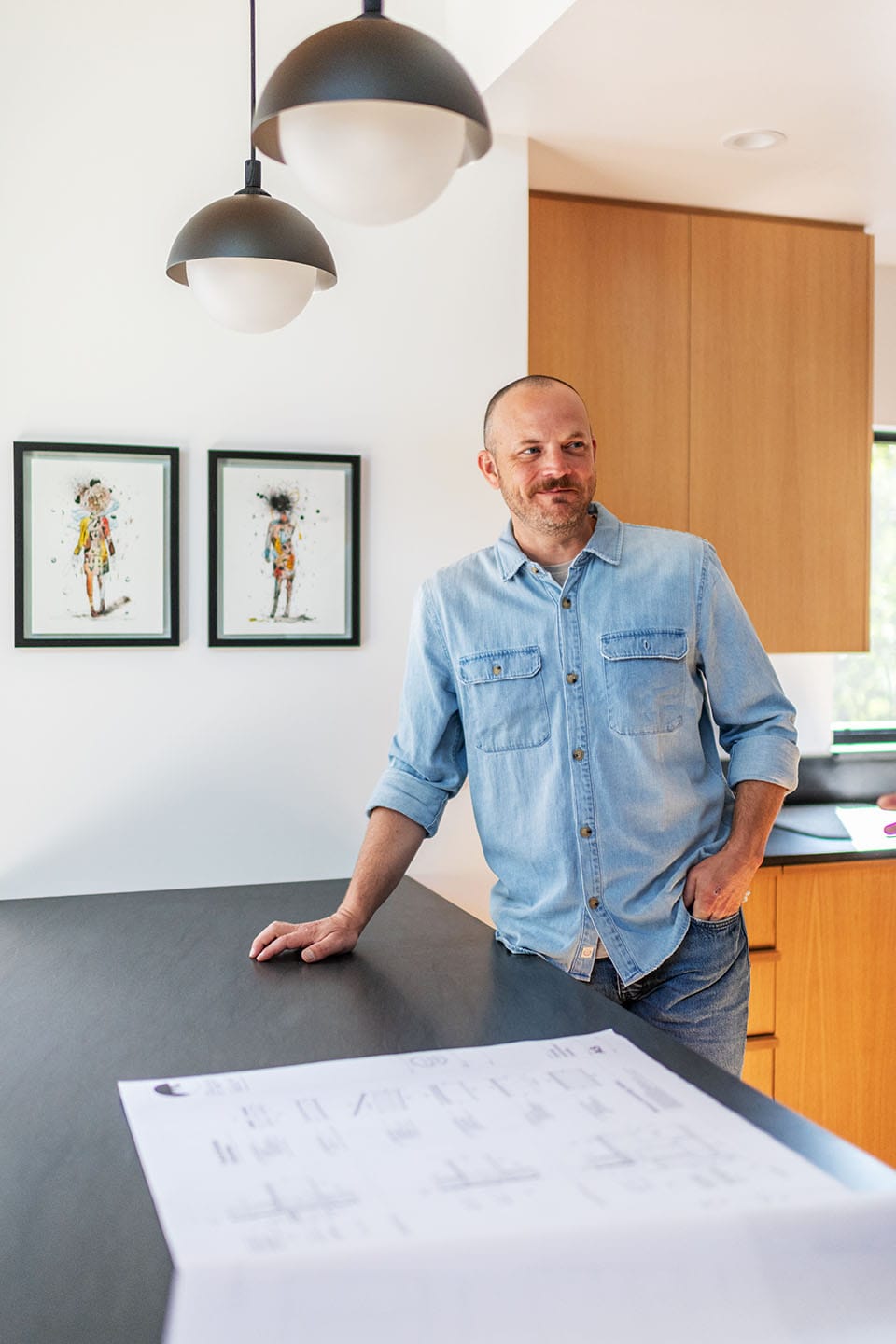
Thomas Fagan is an architect who grew up in Bend among a multigenerational family of builders. As a child, he spent many hours tidying up construction sites. He graduated from helper to carpenter, spending summers in high school and college framing, pouring concrete, and gaining an appreciation for the craft of construction. His early interest in building led him to study architecture at Cal Poly San Luis Obispo. Following his studies, he practiced at award-winning firms on a variety of project types and scales including large commercial, multifamily, and public projects with Bjarke Ingels Group in New York City, high-end residences and resorts with CCY Architects in Aspen, Colorado, and net-zero housing with 2757 Design Co in Carbondale, Colorado.
Throughout all these experiences, Fagan’s desire to return to Bend never left, and in 2020 he moved home to found Studio Mas. The firm’s work encapsulates the belief that buildings are not just shelter, they set the stage for life. Studio Mas works with efficiency, craft, collaboration, and fun. When out of the office, he is most likely climbing, split boarding, or biking somewhere in the mountains and deserts of the American West.
HOW DO YOU APPROACH COMFORT & LUXURY IN EACH RESPECTIVE ENVIRONMENT?
ARE THERE UNIVERSAL PRINCIPLES & HOW DOES LOCAL CULTURE CONTRIBUTE TO A REGION’S ARCHITECTURE?
TF: To me, the ultimate luxury is a relaxing experience. In a home, that means understanding your specific lifestyle and shaping the design so your daily life feels easy and refined. That part is universal. Local culture influences what that lifestyle looks like, and the climate and landscape dictate how the architecture engages with its context.
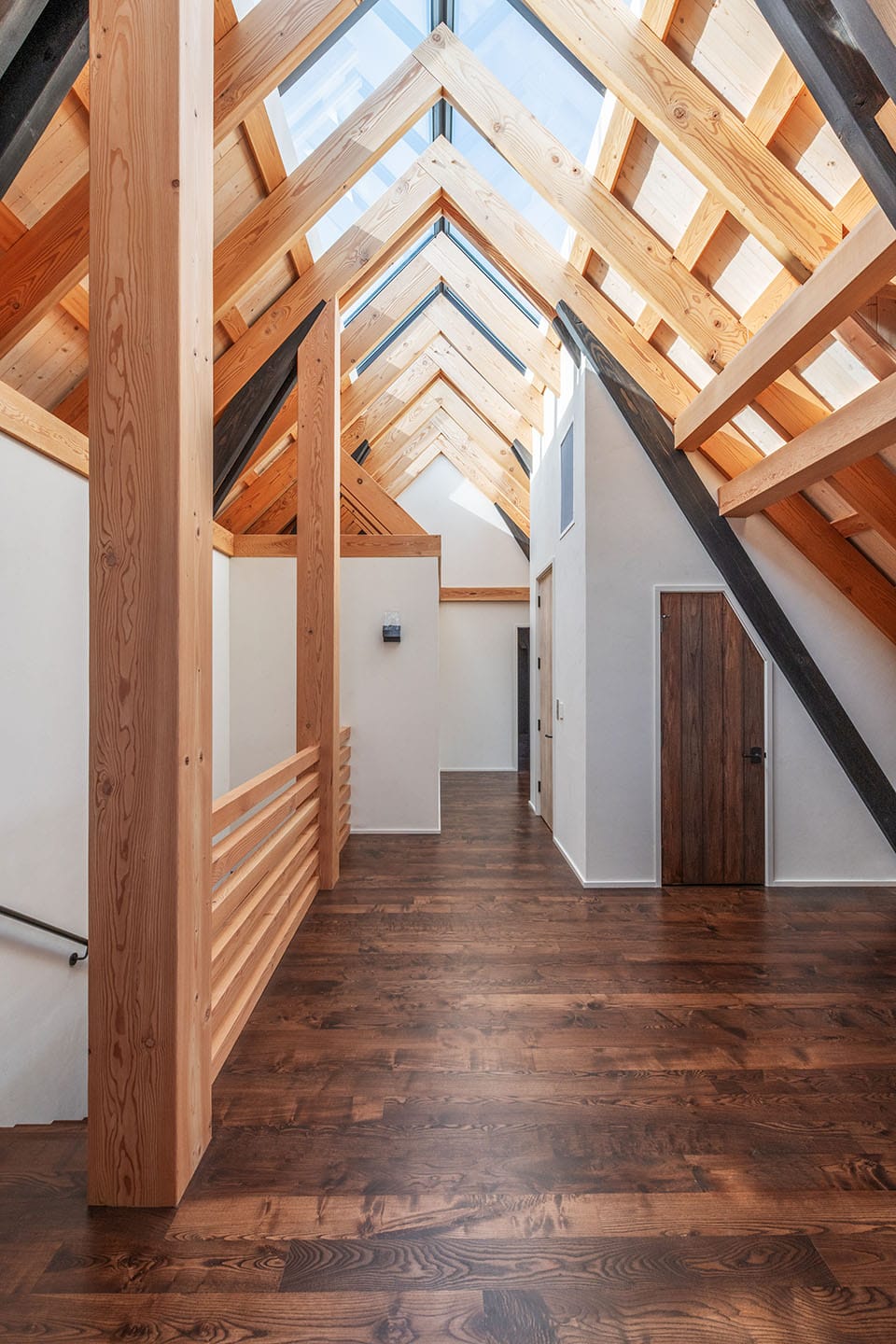
“The high desert brings its own set of rules that are changing the natural and built landscape rapidly.”
– Michael Philip Curtis, Assoc. AIA, NCARB, MPC Design Studio
MPC: The culture of a place is almost always shaped by its own unique traditions, which directly influence the regional architecture. Whether I’m designing for the relaxed lifestyle of the Southeast or the dynamic environment of the Northwest, I prioritize what’s unique about the local culture first—like history, climate, vegetation, solar orientation, topography, and lifestyle. Absolutely, I believe there are fundamental principles of comfort and luxury that transcend location. I think the key is extracting those distinct local traditions and relevant historic precedents and using them as inspiration to draw purpose out of a site’s location.
How does the high desert shape your design?
MPC: The high desert brings its own set of rules that are changing the natural and built landscape rapidly. The expansive beauty of Central Oregon inspires limitless possibilities for lifestyle choices and architectural styles, which demand an open and fluid floor plan to transition seamlessly from one space to the next, bringing the outdoors in when the temperature is ideal, and providing protection from the harsh sun and extreme temperature changes.
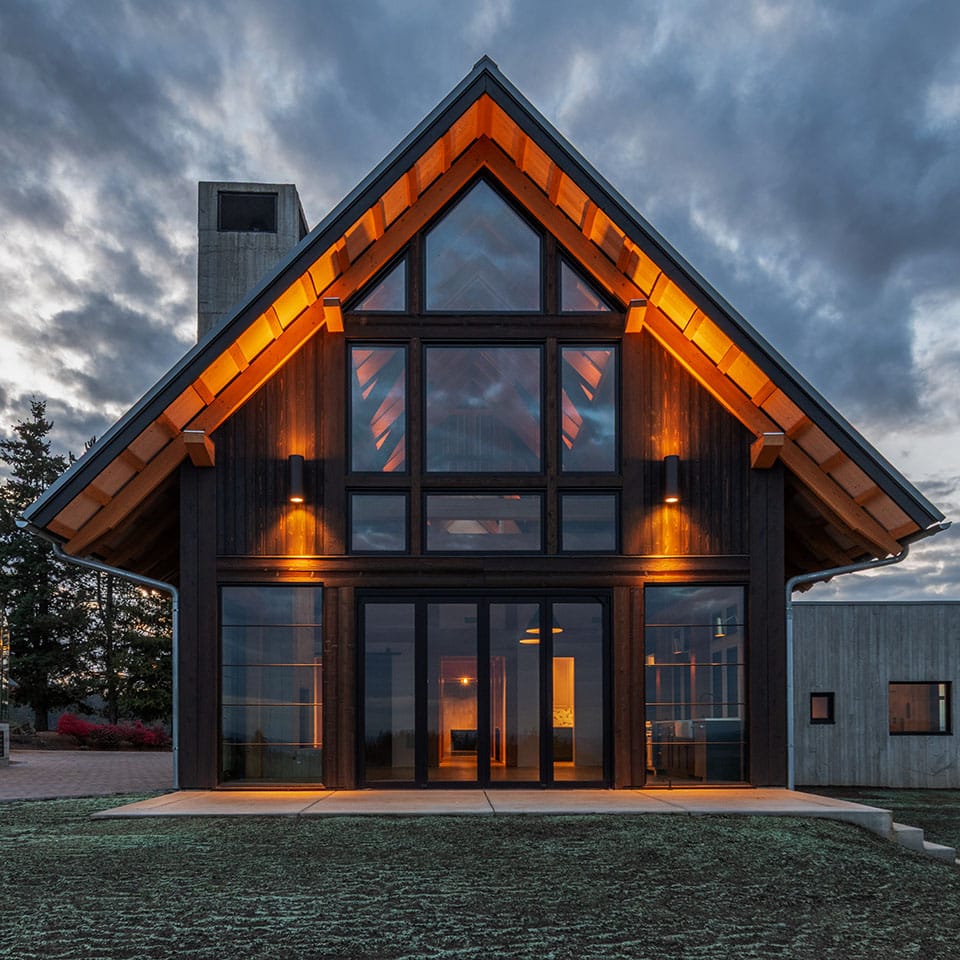
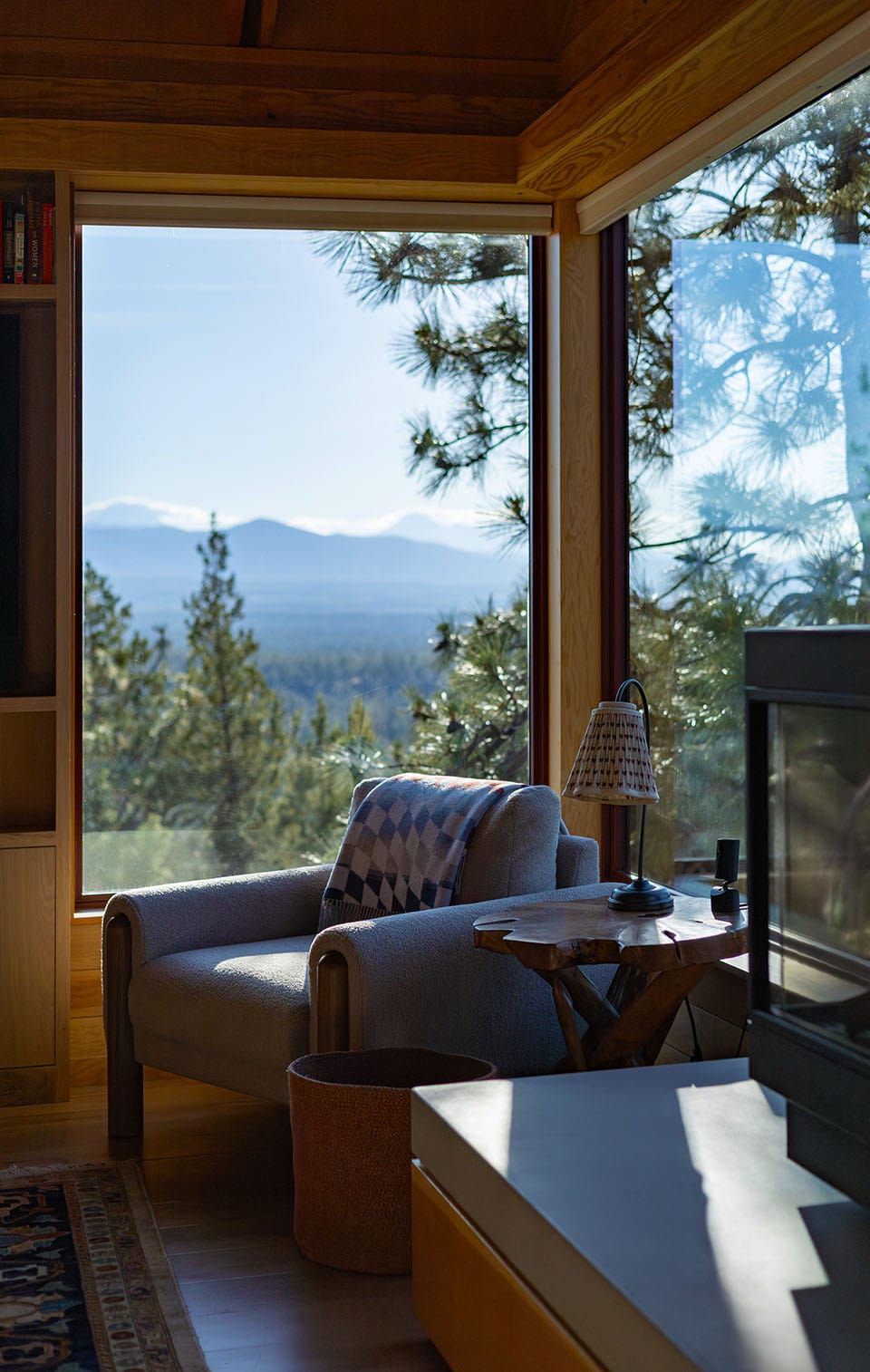
TF: We’re surrounded by so much natural beauty—mature ponderosas, rugged basalt outcroppings, and panoramic mountain views. Every site is different, and I love finding ways to engage with what makes it special. Each project is an opportunity to choreograph an experience that feels connected to its place.
What would you say are Bend’s aesthetic traditions & how would you define Bend’s architectural character?
TF: Early Bend was characterized by Craftsman homes. They were simple and practical, but what made them special was the use of local timber and stone, and each carpenter’s unique embellishments—from rafter tails to gable-end siding and more.
MPC: Bend and Central Oregon all have some historically significant buildings from the late 1800s that have been well preserved and re-used multiple times over, and are still good examples of historic architecture. The old western ranches and early historic architecture of Prineville and Old Bend seem to have stood still while the world zoomed past into what has become a “wild west” of design and architectural styles. Bend has done a really great job of preserving its historic core and has maintained its identity while also exploring new design territory. It’s exciting to be a part of that, but there is a definite large mix—good and bad examples of styles and trends happening all over the place. Bend is growing so fast that it may take a while before the dust settles, until we see a cohesive architectural landscape, one that survives the “trend tides” brought on by the housing “demand wave” in the area.
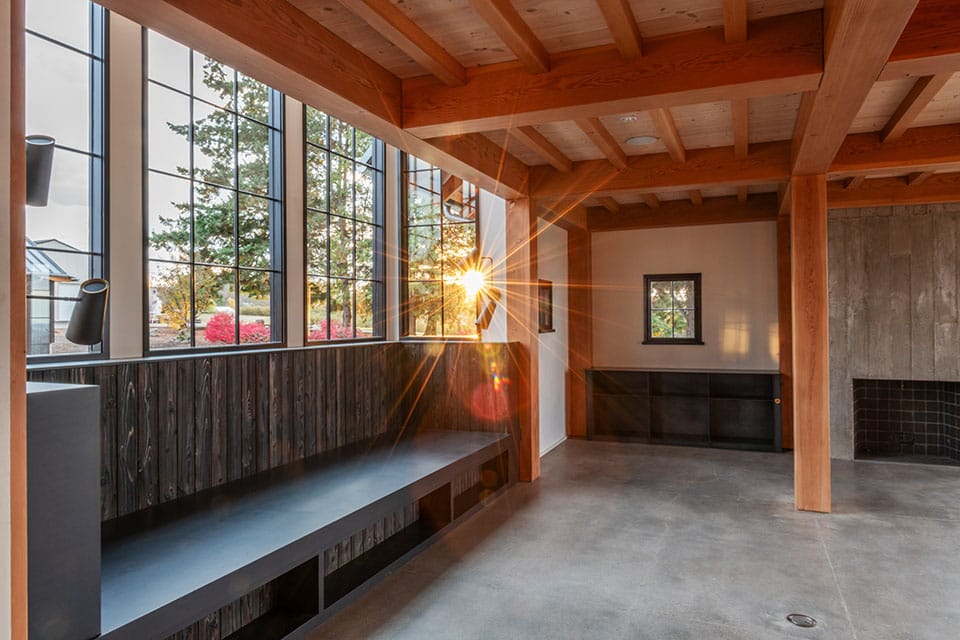
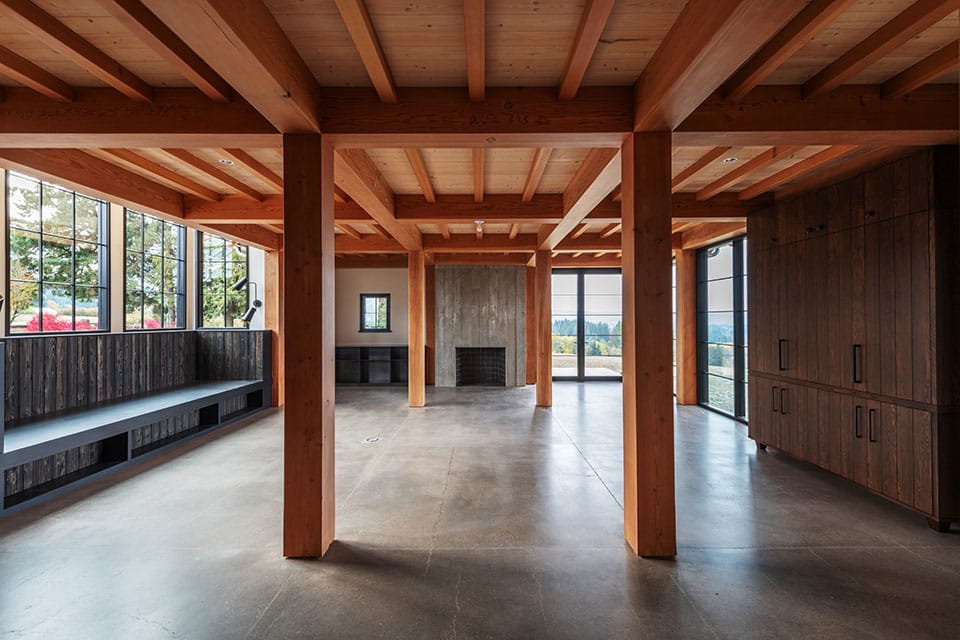
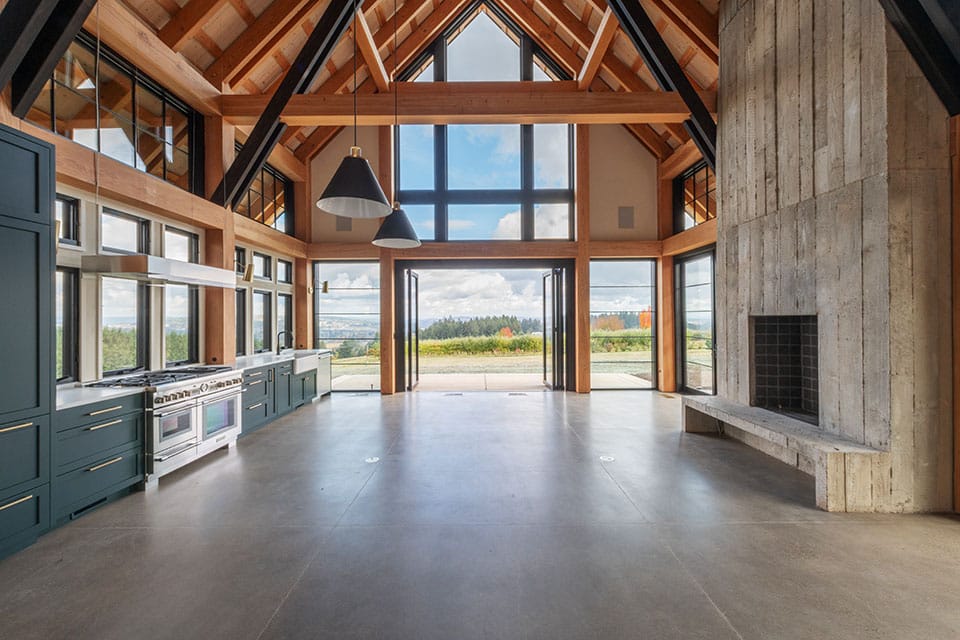
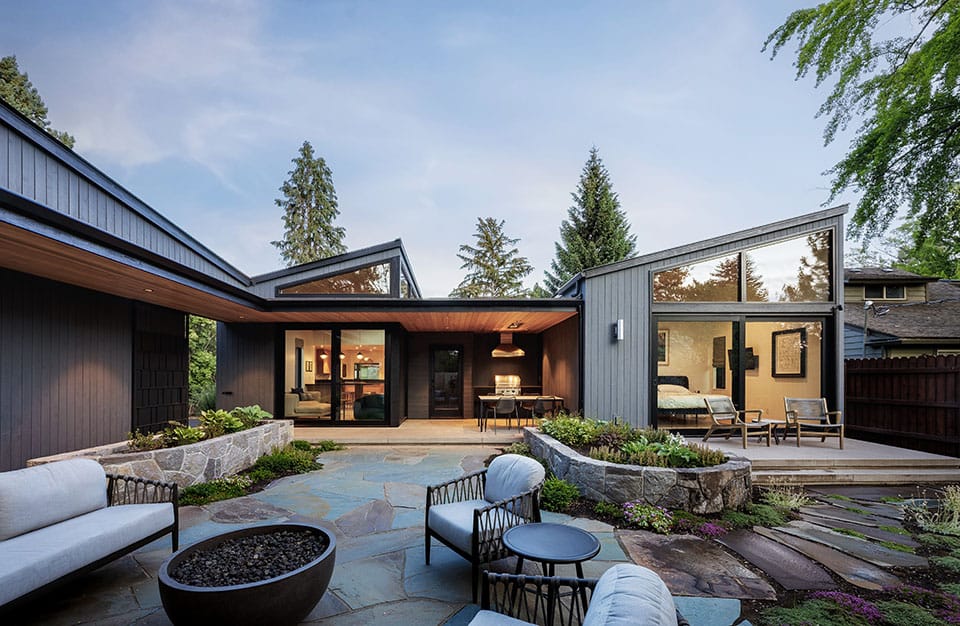
TF: These days, there’s a wide variety of styles being built, but what feels most authentic to me is our own subvariant of Northwest Modernism. Think exposed timber structures, extensive wood finishes, gable and shed roofs, and a restrained approach that lets the landscape take center stage. It embraces modern building techniques while maintaining a connection to the Craftsman and ranch buildings of our roots. Black Butte Ranch and Sunriver have some great examples of the style. A personal favorite is the High Desert Museum.
What materials feel most authentic to Bend & how do you decide when to contrast against the environment versus blend in?
TF: Local timber like pine, fir, and hemlock, as well as local masonry like basalt, have a direct connection to our landscape. There’s also a ruggedness to the high desert that pairs well with industrial materials like hot-rolled steel and concrete.
“Open-air rooms that flow seamlessly to the outdoors and last, but not least, THE VIEWS!
Alternative and sustainable power sources and heating and cooling sources like radiant geo-thermal and solar power have been used on my past two projects as well.”– Michael Philip Curtis, Assoc. AIA, NCARB, MPC Design Studio
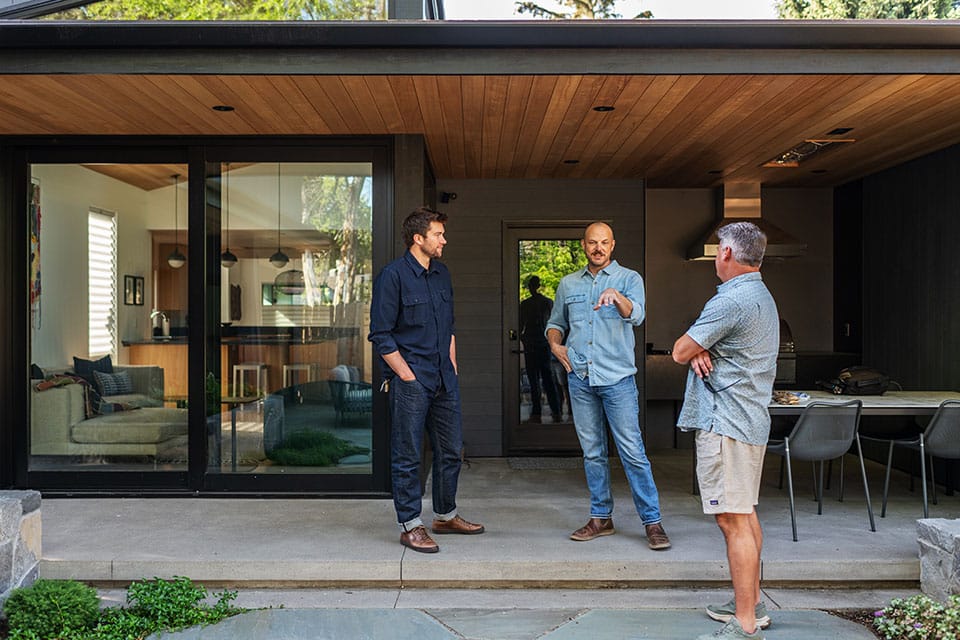
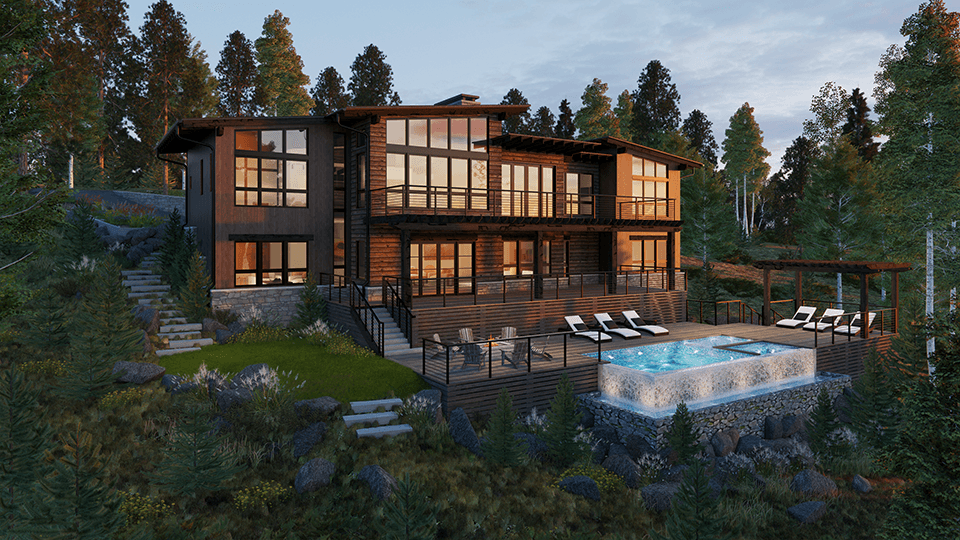
MPC: Off the top of my head, the materials that feel most authentic to Bend would have to be stone, lava rock, basalt, large timbers of cedar, Douglas fir, Oregon white oak floors, expansive glass walls, exposed steel and concrete, metal, cedar shake and solar roofs. Depending on whether the client is into a more traditional or modern style usually dictates the materials used and in a lot of cases a mix of the right balance yields the best results.
What are clients looking for in their Bend homes? Have their requests changed over the past few years, or are there tried & true elements to every Bend home?
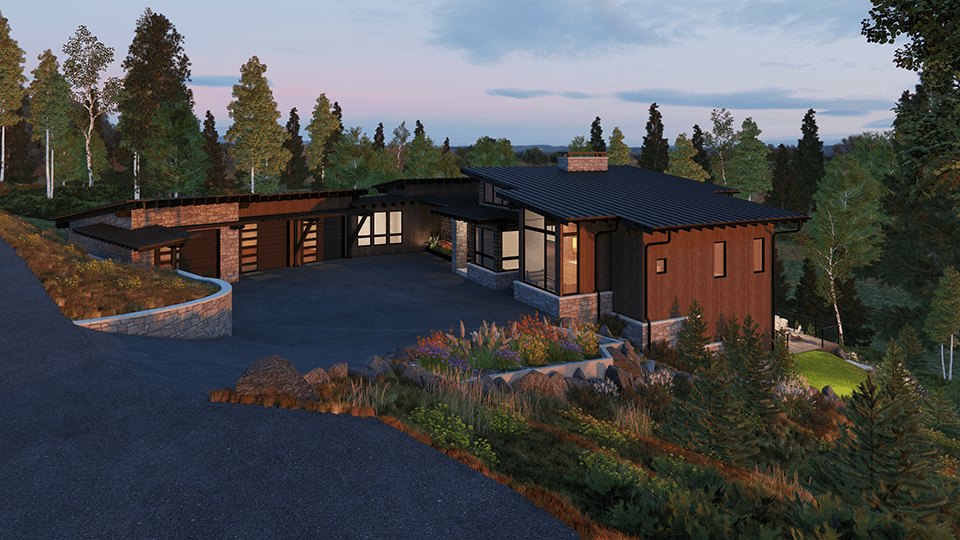
MPC: Space that allows for expansion and gear will always be needed! People move to Bend to live; they move here to raise families and for adventure. Selfcare and physical health are always important to my clients, so providing space for home gyms, spas, pools, and recreation gear closets is a must. Multiple gathering spaces that allow for intimate conversations or that are adaptable to host large dinners or events. Fully functional large walk-in pantries and sculleries with their own sinks and dishwashers. A home office is essential along with a separate suite that connects to the main house. Open-air rooms that flow seamlessly to the outdoors and last, but not least, THE VIEWS! Alternative and sustainable power sources and heating and cooling sources like radiant geothermal and solar power have been used on my past two projects as well.
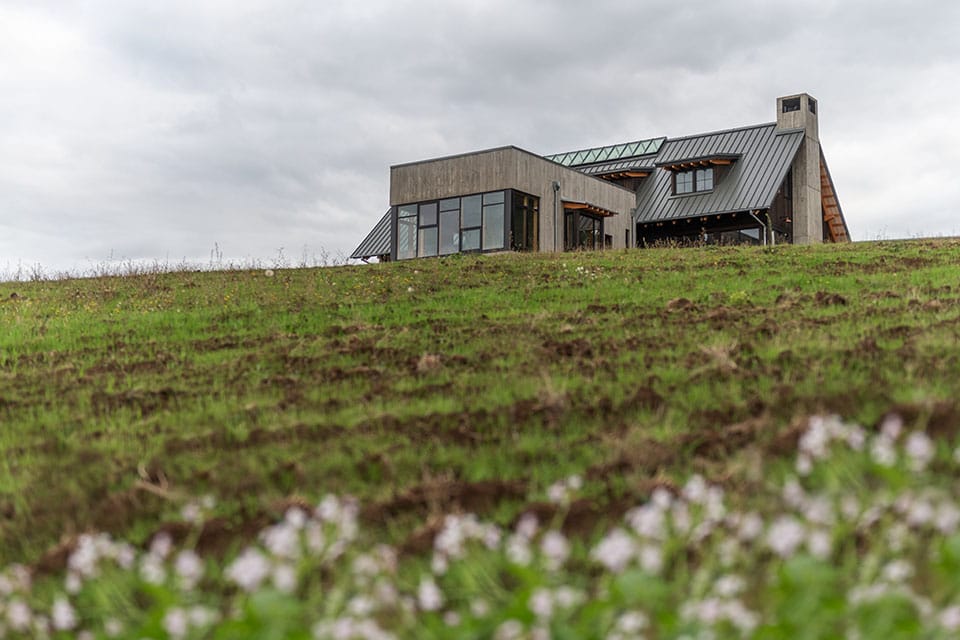
TF: Lately, people have been asking for things like covered, fully featured outdoor spaces with fireplaces, kitchens, and lounge seating; fitness rooms; and oversized garages. Aesthetically, there’s more and more interest in contemporary design and for the home to be a unique expression of the client’s personal taste.
Are there any hot topics of discussion among architects working in Central Oregon right now?
TF: Our transition from being a town into a small city—and the different urban forms that come with it. We’re seeing more dense development: apartment buildings, townhomes, etc. Love it or hate it, it’s happening. I’d love to see these buildings be context-sensitive, unique, and contribute positively to the evolution of our city.
“The fundamentals are always timeless—space, light, proportion, composition. I always start with those. If you nail them, the bones of your design can last forever. “
– Thomas Fagan, Architect, Studio Mas
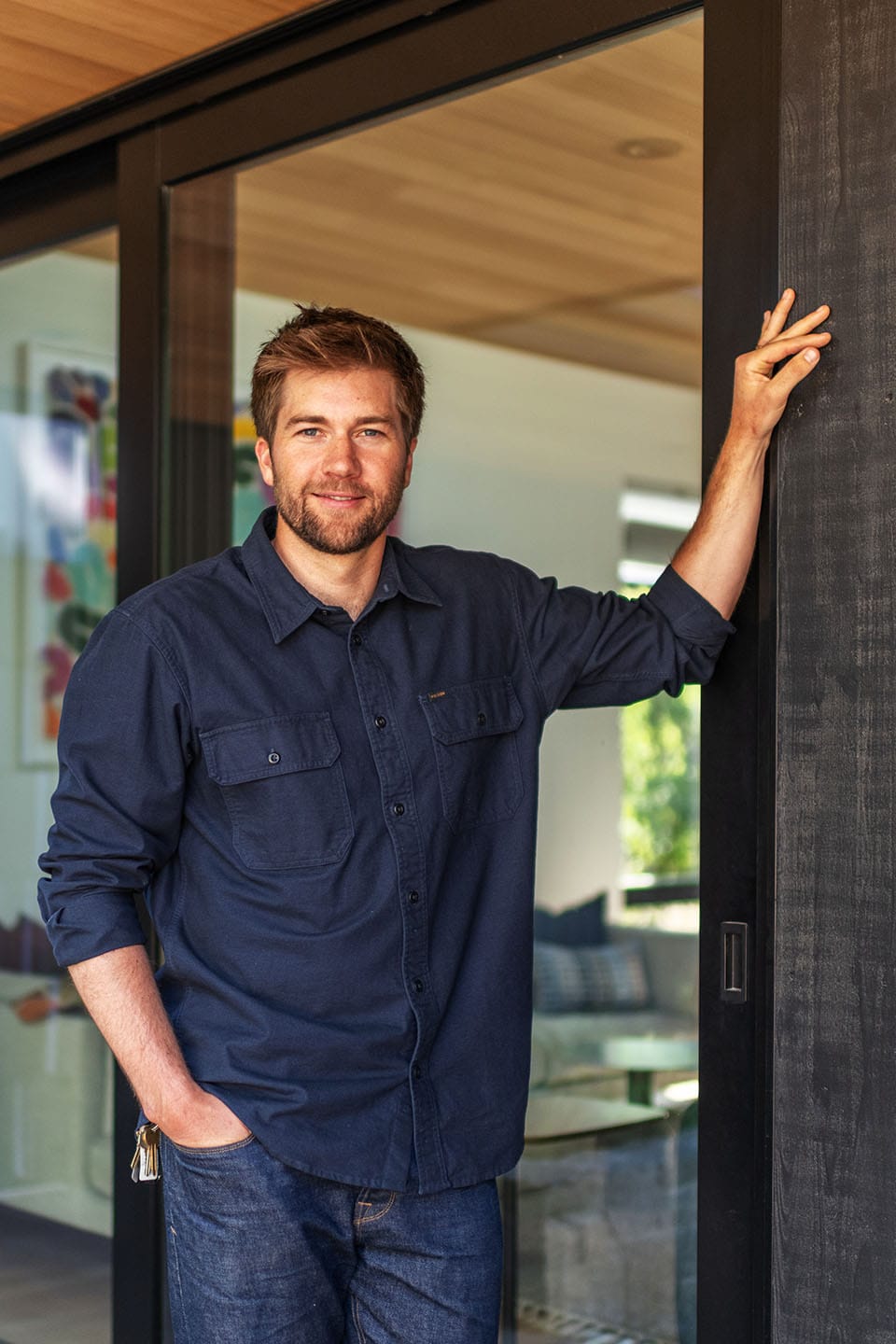
MPC: AI of course is changing daily. We continue to stay on top of technology, setting the bar as high as we are capable and juxtaposing that with hand-drawn designs and renderings so that there is a visceral experience and a human guiding the design decisions.
For years now we’ve seen incredible growth in Bend, & Central Oregon continues to expand. How do you hope your designs contribute to this growth & evolution?
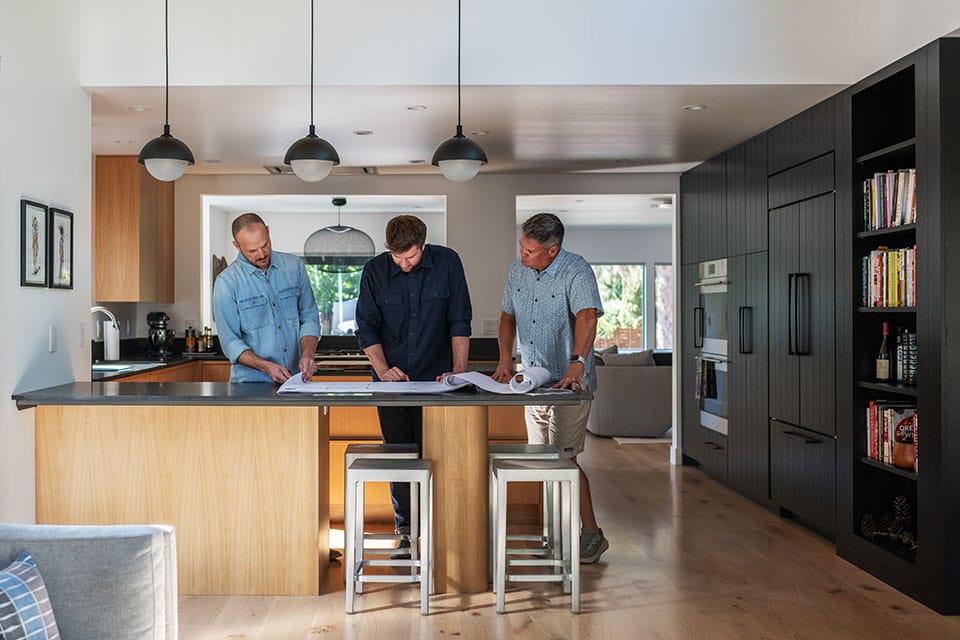
TF: A significant amount of that growth is coming from infill—smaller developments in existing neighborhoods of townhomes, duplexes, ADUs, etc. I’ve been working on a number of these projects and find them very rewarding. I hope these developments can provide high-quality housing for diverse groups of people, be sensitive to the neighborhoods they are sited within, and each be a beautiful contribution to our urban fabric.
“Between our beautiful landscape, seasonal climate, and our community’s appreciation for quality design, there
is abundant opportunity to do meaningful work here. It’s great to be in a place with so much energy.”– Thomas Fagan, Architect, Studio Mas
MPC: Being from the South and having the opportunity to work and travel across the country gives me a unique perspective. My hope is that before we all go too far down this new road we are on, we will consider the historical significance of this place and use that as inspiration. Design trends will come and go, but good design that is considerate of its place, is well-proportioned and is beautiful, is a timeless pursuit that we hope will inspire Bend’s growth and evolution.
What is the hardest thing about designing custom houses in Central Oregon?
TF: Overall, Central Oregon is a great place to build. We have great craftspeople, excellent tradespeople, and a dry, relatively mild climate that offers great opportunities for indoor-outdoor living.
MPC: From the homeowner’s perspective, deciding where to live based on your lifestyle and then finding the perfect property in that area can be competitive and expensive depending on the community and location. With convenience and lifestyle come the associated costs and time of those choices. Also, because of the housing demand, projects can stack up at the city, leaving the turnaround for a building permit to be slower than desired.
TF: We do have extreme temperature swings and intense sun, both of which cause accelerated weathering, so it’s important to choose finish materials that can handle our climate. And, like everywhere, homes are getting more complex and building cost increases are pushing budgets to their limits, so it’s more important than ever to have thorough, professional design.
How do you balance current design trends with a sense of timelessness?
MPC: It’s true that design trends come and go. I always turn to history as a guiding star for design inspiration, regardless of style or trend. What is considered “modern” in the current day is a gumbo of everything that has come before, you just gotta know how to arrange the pieces. It’s a balancing act for sure.
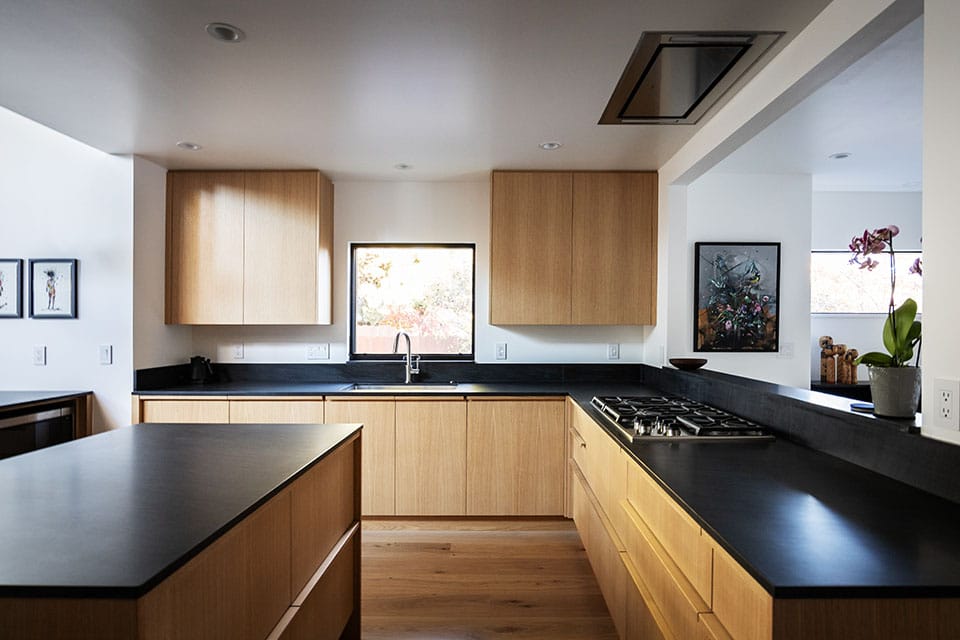
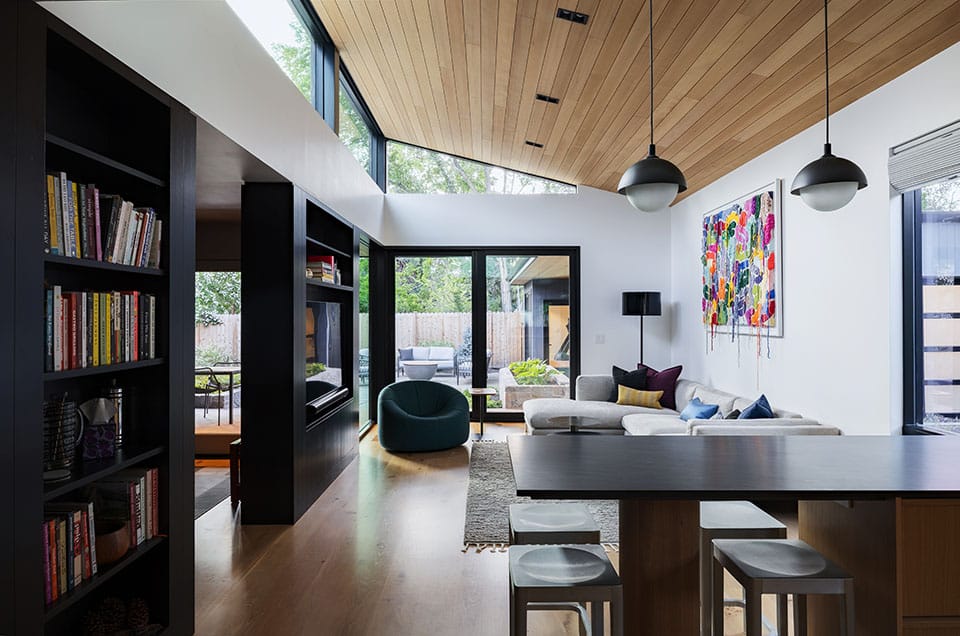
TF: The fundamentals are always timeless—space, light, proportion, composition. I always start with those. If you nail them, the bones of your design can last forever. It is also good to have primary finishes that are fairly restrained. But paint, accents, things that can be changed fairly easily… I say go wild, express yourself, and don’t worry about the trends.
What would your dream commission be?
MPC: Well, since we’re dreaming….to design a world-class fly fishing lodge in Alaska or BC, an old-school A-frame ski lodge in the Swiss alps, or a private island retreat in the Caribbean somewhere. Maybe a country villa in the south of France or Spain?
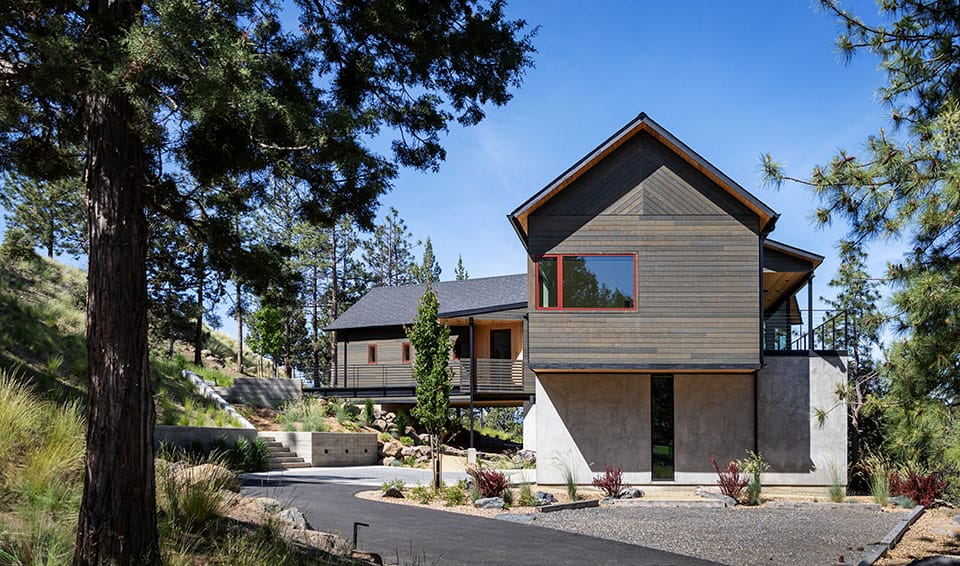
TF: In the custom home world—I would say an off-grid house, sited way out in the desert with some topography, basalt bluffs, and big, wide views of the mountains to work with. And a client who wanted a small, meticulously detailed jewel box of a home. Beyond custom homes, I would love to do a mixed-use building with ground floor commercial and a few apartments above.
What would you like people to know about before working with an architect in Central Oregon?
MPC: Do your research on your potential team and do not rely on your builder to find a designer or architect for you, unless they have at least three solid recommendations from previous clients. Bend is very builder-heavy, so there is a lot of competition. I would recommend using the local design publications and interviewing at least three potential designers or builders. Once you have chosen the best one for yourself, they will most likely have good recommendations for other team players. I would also avoid the one-stop shop builders as well who offer every service under the sun.
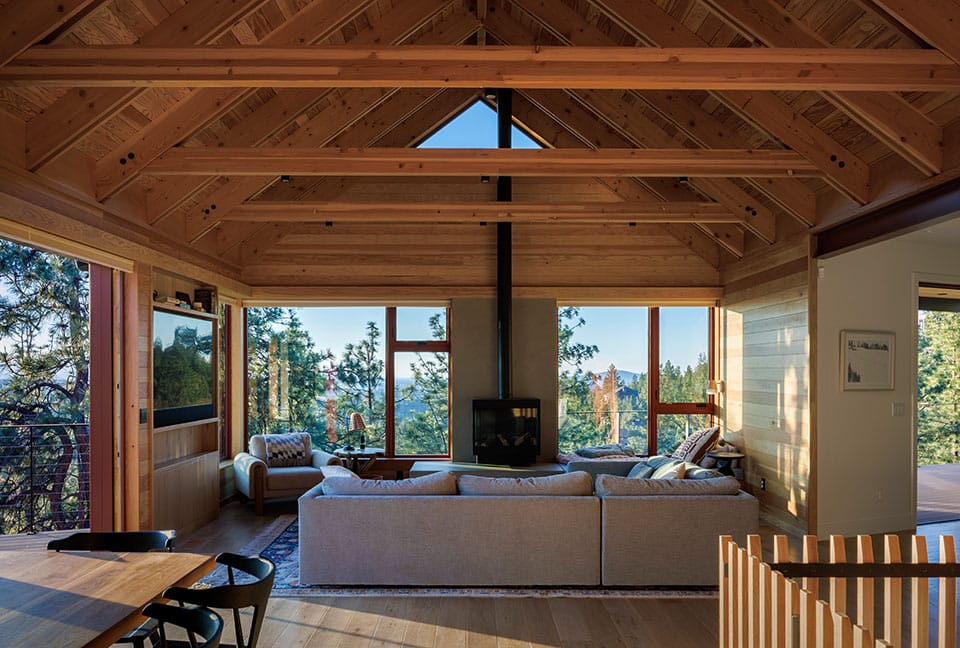
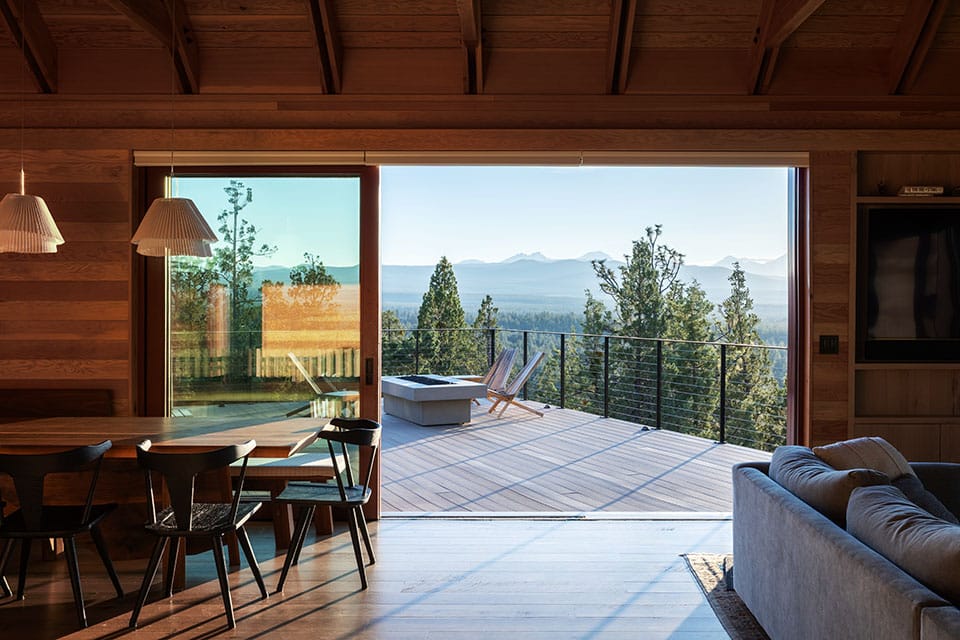
TF: Don’t rush the initial schematic design phase. This is when the most impactful decisions are made, so take the time to really imagine yourself in the spaces—how your daily routine will work, how it will feel in different seasons and at different times of day. Also, be open to rethinking your initial assumptions and goals. Priorities often change as the design process unfolds. The early design phases are meant to be iterative, so it’s okay to take a step backward if needed as this will often lead to a better result.
What’s your favorite thing about being an architect in Bend?
TF: Between our beautiful landscape, seasonal climate, and our community’s appreciation for quality design, there is abundant opportunity to do meaningful work here. It’s great to be in a place with so much energy.
MPC: I think what I love most of all about designing in Bend would have to be the people and the location. For the most part, my clients live active and sometimes extreme lifestyles, which is infectious to be around. Most of them are high-performing and tend to be overall happy, which is huge! Designing in Bend also allows me to expand my creativity, exploring alternative design and power solutions to work with the extreme climate swings here. That variety of active lifestyle and design sophistication pairs well with my personality. Of course, if I’m being selfish, having immediate access to an adventure or being able to fish in rivers like the Metolius, Crooked, or Deschutes aren’t bad either!
whj FEATURE
