
Listen to our Spotify podcast about this article:
Moderated & Edited By Sarah Ericson
Photography By Greater Than Image
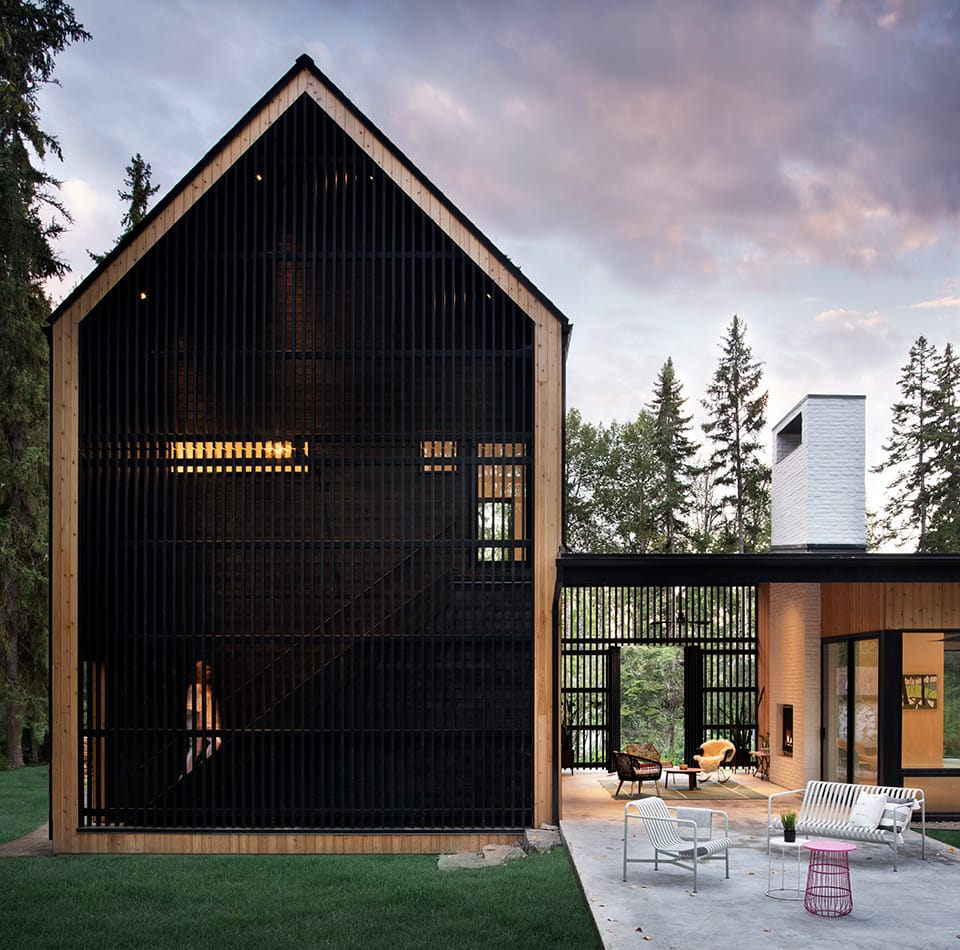
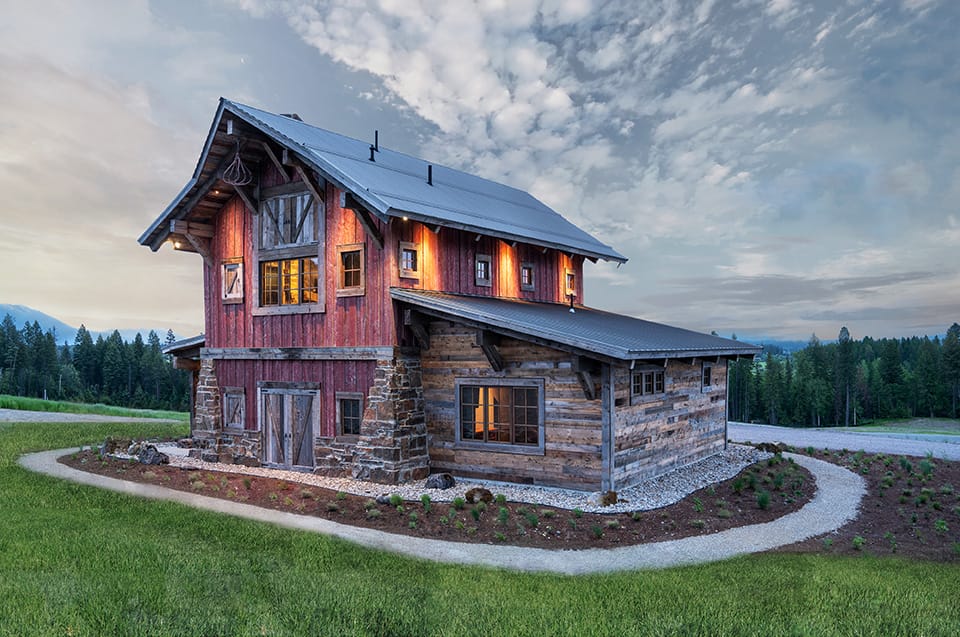
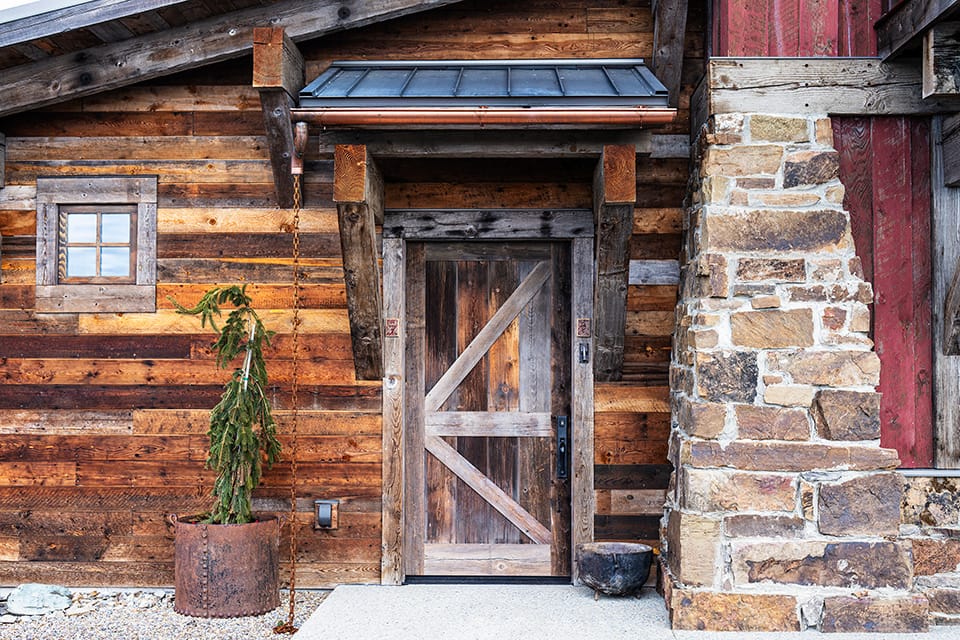
Panel Locations Silver Tip Barn
Being mindful is an intentional act. Mindfulness of ten takes years to develop while staying engaged and aware of each moment. The team at Mindful Designs embodies this intentionality while planning, constructing, and helping to build the legacies within their community.
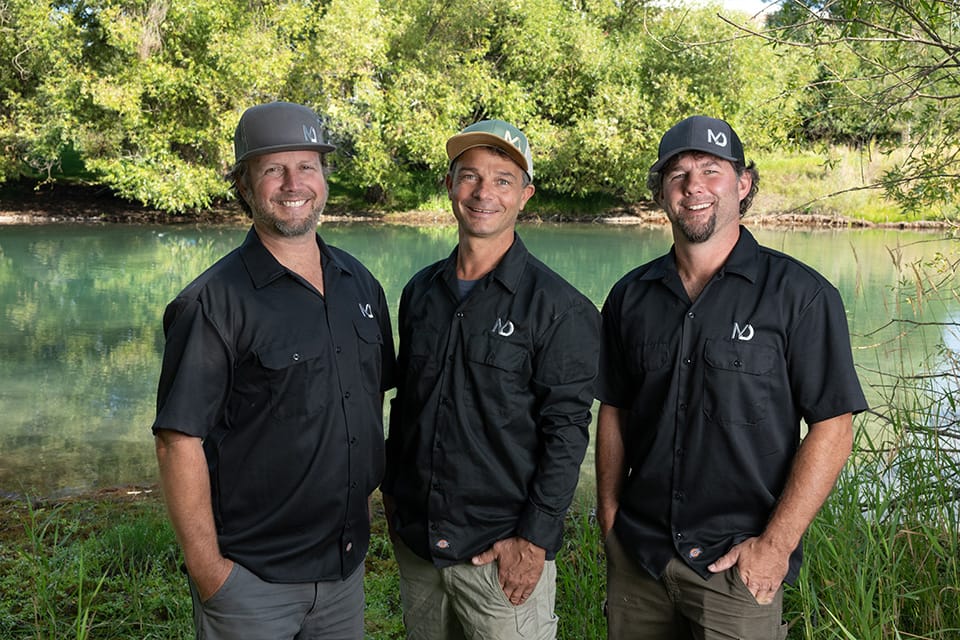
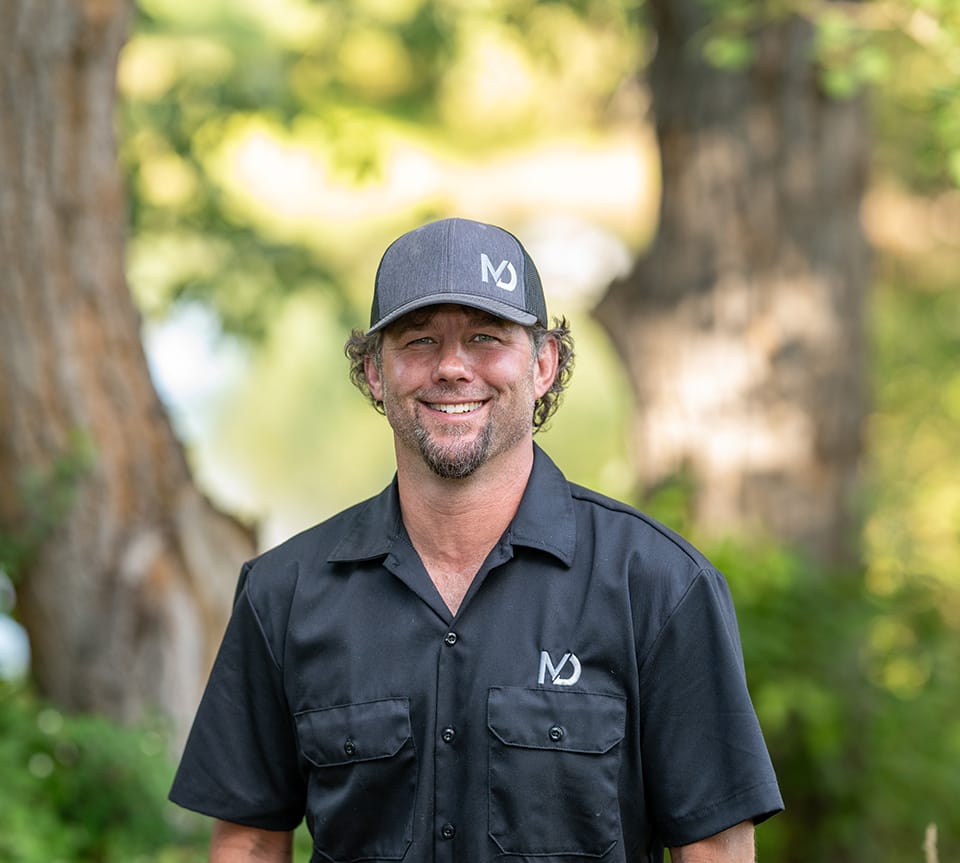
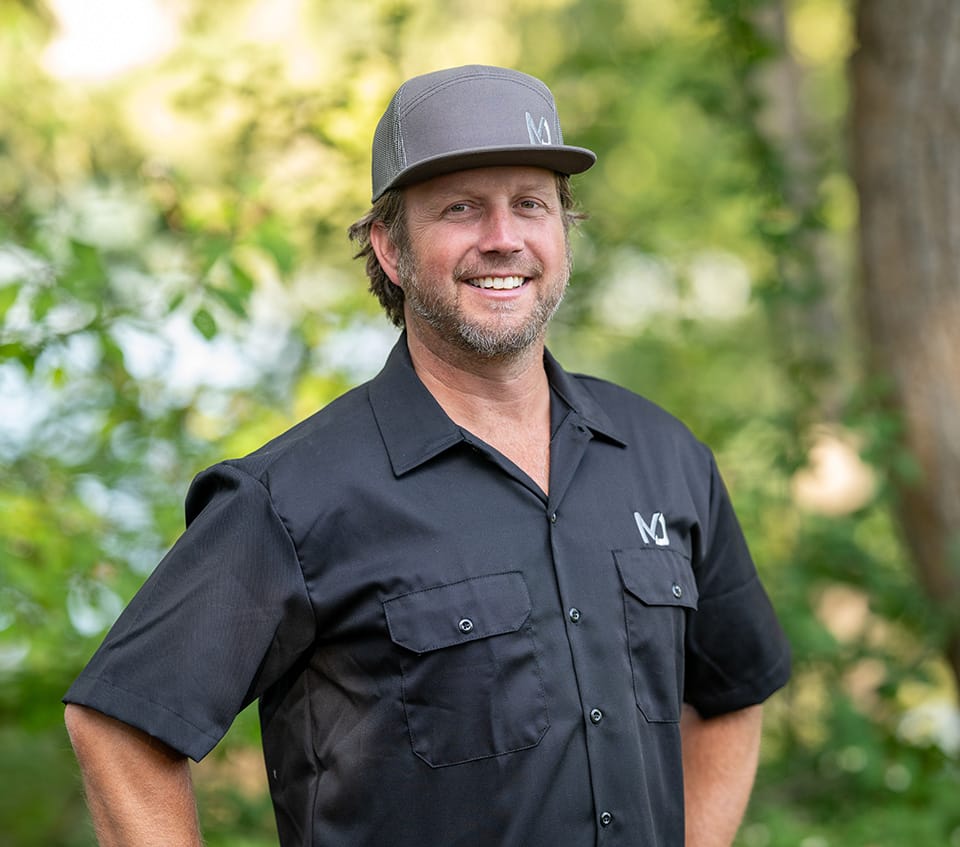
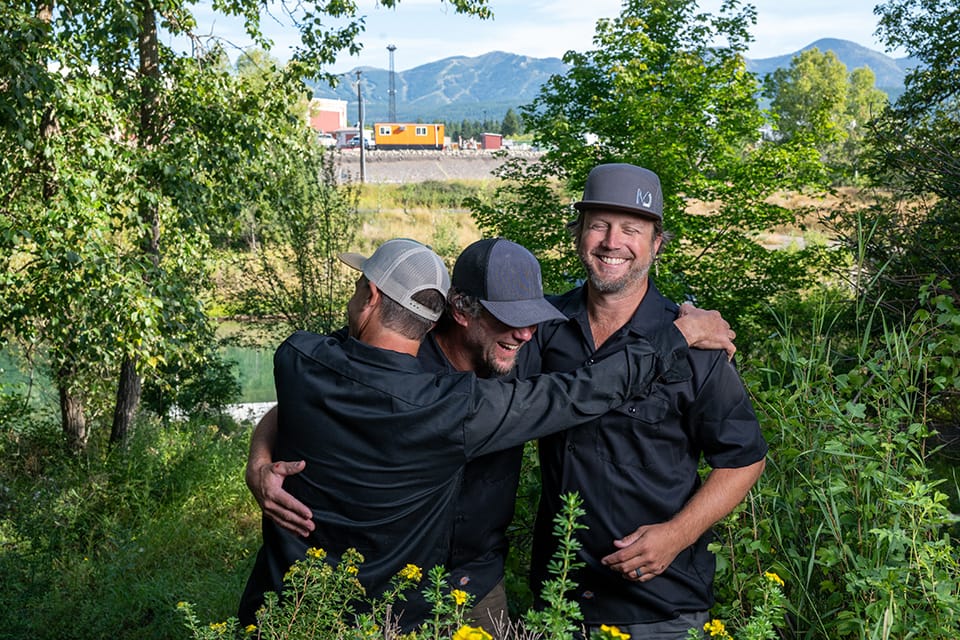
Dave Radatti, Marty Beale, and Jason Pohlman, founders and owners of Mindful Designs Inc., have been creating with intent and purpose for decades. Their collective efforts are tangibly demonstrated in the hundreds of custom luxury homes in the Flathead Valley and beyond. And more than that, their philosophy and lasting impact in the building industry continues to influence the lives of their clients while pushing the boundaries of the building sciences evolution.
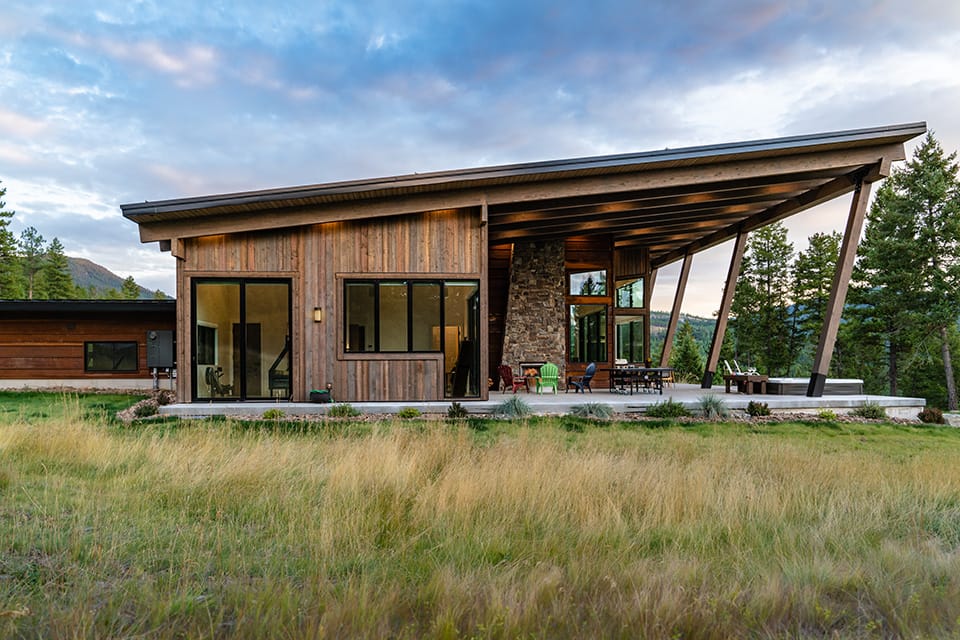
Their quality craftsmanship is undeniable, and their commitment to each other and the shared effort of driving the industry forward is evident in every interaction. In a recent conversation with Western Home Journal, the Mindful Designs team shared the story of their humble beginnings, their ongoing efforts to redefine sustainability, and their mindful convictions on where the building industry is heading.
“Over the years, we’ve shifted our understanding to be sustainably-minded, the reality of a truly sustainable custom home being many years and many innovations away. We’re always working towards more sustainability, and today we have a lot more data on what choices make the biggest impact and ensure the biggest financial return for the client.”
– Marty Beale, Mindful Designs
whj (SARAH ERICSON):
WHAT DOES IT MEAN TO BUILD A SUSTAINABLE HOME? HOW HAS THAT CHANGED FROM WHEN MINDFUL STARTED, AND HOW MIGHT THAT CHANGE IN THE NEXT 5-10 YEARS?
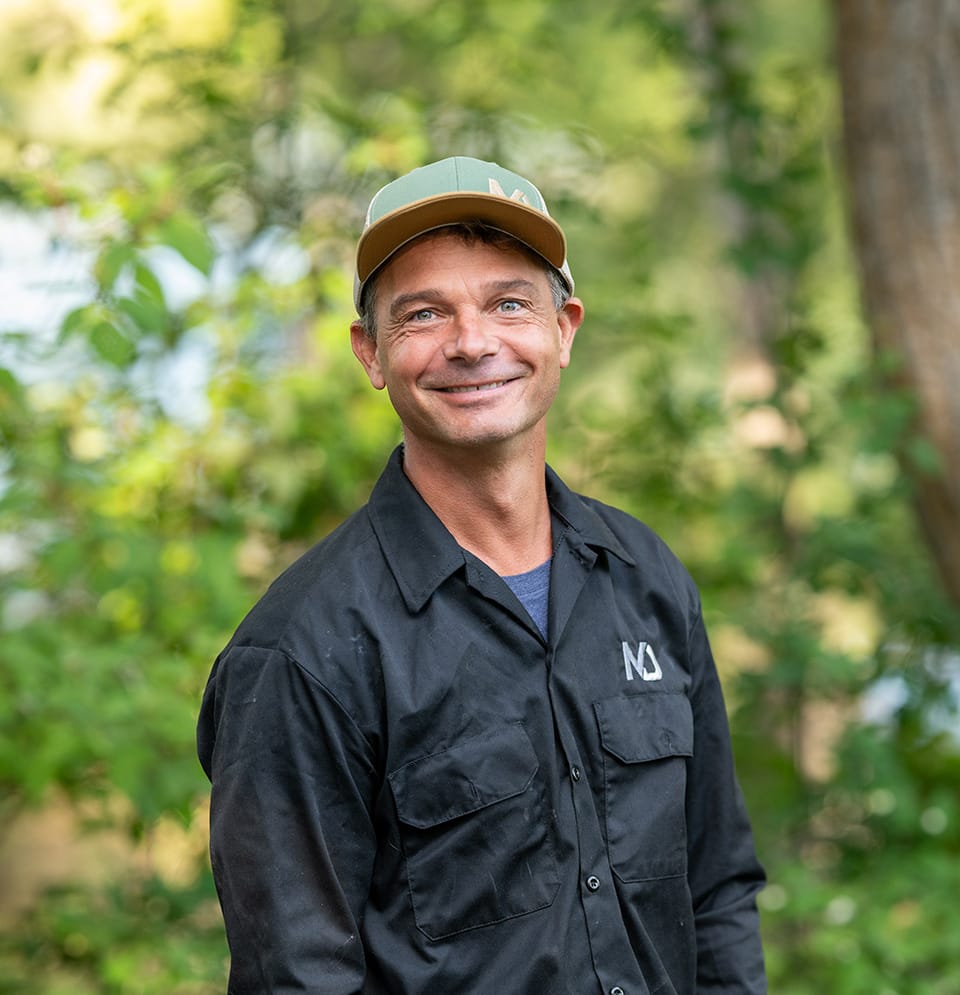
The amount of information available has changed significantly from when we started in 2004. Back then it was difficult to understand what mattered most in terms of sustainability. We’ve come a long way in our understanding of the carbon footprint, and now we talk a lot more about carbon capture. It’s not a new technology, but the recognition of its significance and the vehicles that are available to accomplish that have increased significantly. Now we understand how to filter all of the information and we’re able to come up with solutions that prioritize the client’s goals. So much progress has been made here in Montana and globally with countless organizations and regulating bodies that are streamlining the process.
Over the years, we’ve shifted our understanding to be sustainably minded, the reality of a truly sustainable custom home being many years and many innovations away. We’re always working towards more sustainability, and today we have a lot more data on what choices make the biggest impact and ensure the biggest financial return for the client. Together, we as builders and project managers can meet the client’s needs with the best choices for materials and methods while staying on budget. As for the near future, AI has the potential to advance that information analysis even further. With more advanced calculation tools, we’ll be able to optimize selections and returns for the clients at an even higher level.
Durability is an important part of sustainability, informing how a building is going to perform over generations. When we first got started, we had a sister company that was the consulting arm of our operation. We offered services for clients who wanted to achieve the highest level of sustainability possible, and we quickly realized that the information and technologies could be applied to the entire spectrum of our clients. Rather than offering that only to the clients who asked for it, we merged concepts and we’ve been incorporating sustainable aspects into all of our builds since then.
whj: HOW DO MINDFUL’S BUILDS FACILITATE AN AUTHENTIC CONNECTION WITH NORTHWEST MONTANA AND WHY IS THIS IMPORTANT?
BEALE: Our job is to build the client’s vision, execute the architect’s design, and overlap those tasks with locally sourced, sustainable materials whenever possible. We recognize that our clients are here for the same reasons that we are. We all like to get outdoors, and building homes that are made for the four season lifestyle and all the activities that come with it, it’s important to embrace that. Because we feel so fortunate to live and work here, our personal goals overlap with our professional goals: to build legacy homes that are not disposable but will last for many generations. To the best of our abilities, we intend to preserve all the things that brought us here so that our kids and our grandkids can enjoy those things too.
RADATTI: The reason we live here is the beauty, the fresh air, the sounds, and the seasons. And we spend the majority of our time in our homes. So to build houses that are a sanctuary and embrace the environment, it provides a wellness for the inhabitants that we feel is absolutely mandatory. It’s hard to have a bad view in this part of the world, so designing homes that embrace the wind, sun, and shade both for active and inactive enjoyment merges the experience of the indoors and outdoors.
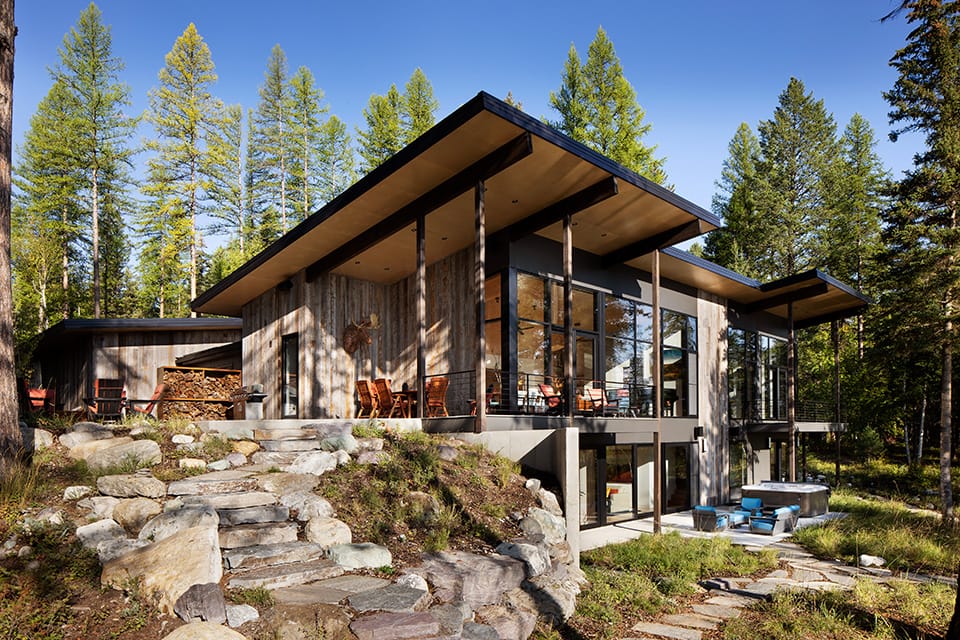
POHLMAN: Additionally, we encourage our clients to embrace an environmental focus in their spaces. Incorporating thought-fully-designed mudrooms and covered outdoor spaces along with focusing on comfort, heat retention, and overall energy performance, it’s a natural fit for us to accomplish both.
“ The reason we live here is the beauty, the fresh air, the sounds, and the seasons. And we spend the majority of our time in our homes. So to build houses that are a sanctuary and embrace the environment, it provides a wellness for the inhabitants that we feel is absolutely mandatory.”
– Dave Radatti, Mindful Designs
whj: HOW DID THREE EAST COASTERS MEET, BECOME FRIENDS, AND FIND THEIR WAY TO MONTANA?
RADATTI: Jason and I have known each other since birth and our families were really close growing up together in western New York. I remember the two of us being 10 years old, lying on the trampoline under the stars in the backyard, talking about moving to Montana, renovating a barn into a house and living in it. We didn’t even know what Montana was yet, but here we are today.
BEALE: I grew up in Maine and found my way to Vermont for college. On the first day of orientation, I remember feeling really out of place. Just when I was thinking, “What have I done?” I looked down the hallway and I saw this kid who looked as out of place as I felt. He was kind of dirty and I figured he liked to have fun outside too. That was Dave. Over the years we went on plenty of adventures together and this other friend of his kept showing up. That was Jason.
POHLMAN: Marty and Dave were one year ahead of me in school, so while I finished my senior year, Marty moved back to Maine to get some hands on experience in his grandparents’ property management business and Dave moved to Nantucket to build luxury homes. I joined Dave in Massachusetts and we worked together and learned a ton about highend building and repurposing salvaged materials. Marty, Dave, and I were putting our Ecology, Environmental Sciences, Sustainable Building/Design, and Business degrees to good use. And we decided we’d all meet up in a handful of years out West.
whj: SO YOU REUNITED IN WHITEFISH, AND STARTED MDI. WHAT ARE SOME THINGS YOU WISH YOU HAD KNOWN IN YOUR FIRST YEAR OF MINDFUL DESIGNS?
POHLMAN: That the collaborative nature of relationships can be so impactful. After so many years of working together, it’s clear that where we are today is so much greater than where any one of us would be alone. Because of our shared history and the growth we’ve experienced together, we’re able to take each other’s perspectives into account automatically and move forward in a unified direction.
RADATTI: To dream big! I never would’ve imagined that we would have accomplished what we have or that it was even possible. Marty’s optimism has been contagious over the years. He’s always encouraging us to go for it, and at this point I can see the power of belief and manifestation. I guess our vision and our goal setting could’ve been more farreaching at the beginning, but it takes experience to realize that.
BEALE: I wouldn’t have done anything differently, but I didn’t yet comprehend the long lasting relationships that we would be forging in this community. Our collaborative project has attracted a lot of great people — people we’re still working with decades later. Oh, and it would’ve been interesting to know how much Whitefish was going to grow way back then.
whj: WHAT DO SOME OF YOUR FAVORITE CLIENT PARTNERSHIPS HAVE IN COMMON?
POHLMAN: Clients who are invested in a team approach are my favorites. When everyone is listening to each other, engaging in the process, and taking everyone’s perspectives into account, then the whole team is motivated together. And when they have the longview perspective and they’re interested in how many resources are being used to achieve durability and performance, then we appreciate the value together.
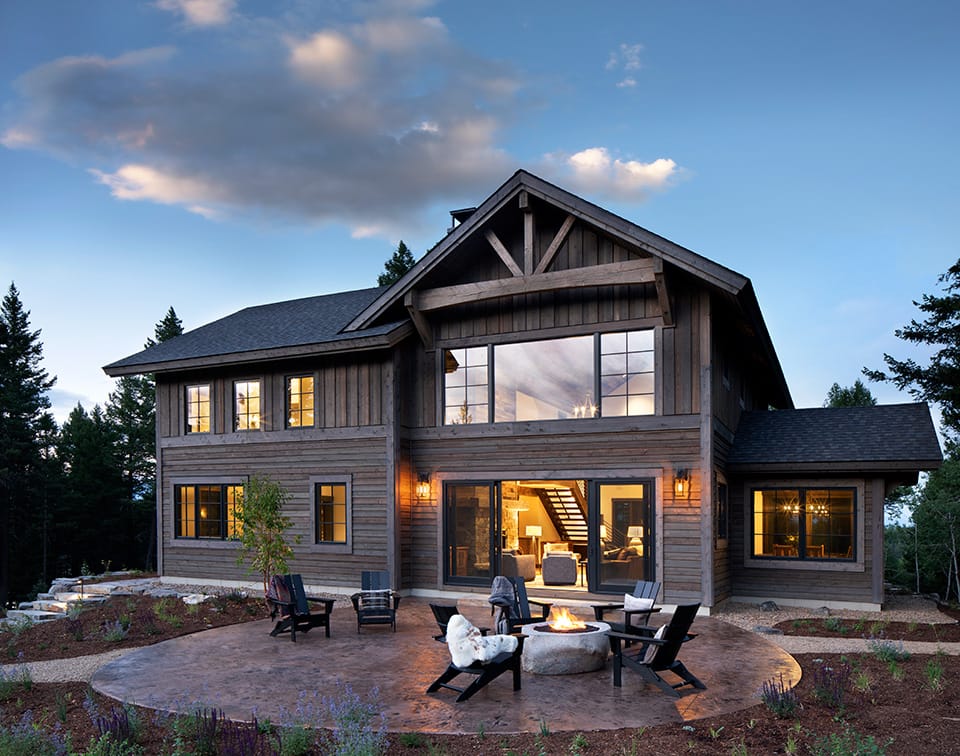
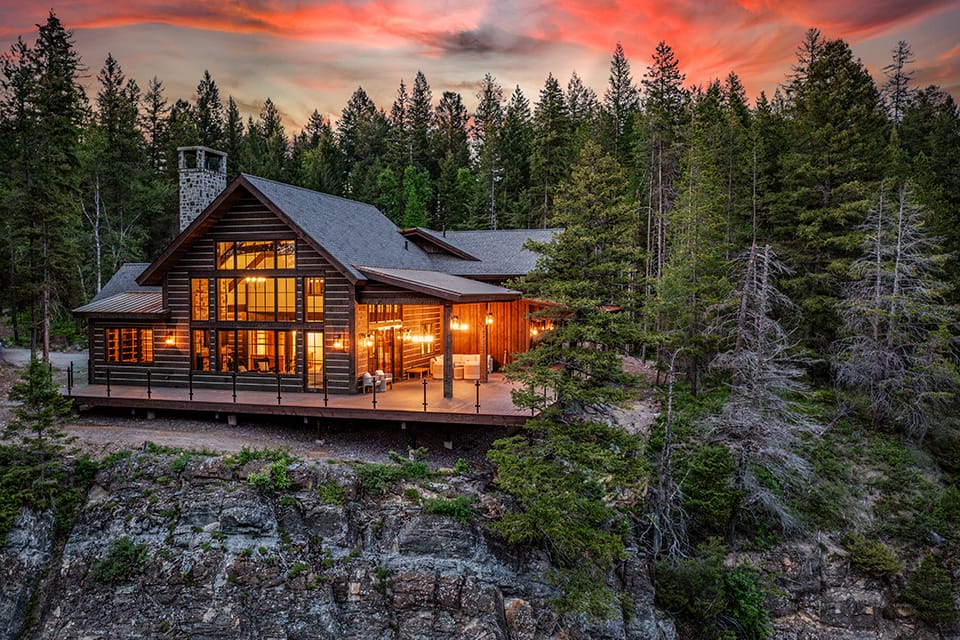
BEALE: I love clients who are active in the preconstruction process. They’re more informed and they have a better understanding of how their goals are translating to the actual plans. Clients who have built before or are onsite enough to see the process, they get it. And repeat clients — that’s so encouraging. This location, Silver Tip Barn, was imagined by excellent repeat clients. They’re so involved and excited for all the plans. It’s a great experience to be part of, to help people bring their visions to life.
RADATTI: We’re really geeky when it comes to the planning process, so I love when clients are too. Everyone thinks about the house, the product at the end. But so much of our work happens before we break ground. It’s how we get to the end goal that’s the mindful process. By the time the client walks into their finished house, I want them to look at everything and love every penny they’ve spent. When we achieve that together, that’s what makes us really satisfied.
“Since our proven process is so heavily weighted to the front end, we like working with architects who prioritize the structural review and are invested in the build ability. We take a lot of time at the beginning and there’s a lot of back and forth in that valuable process.”
– Jason Pohlman, Mindful Designs
whj: AND SPEAKING OF PARTNERSHIPS, WHAT IS THE IDEAL COLLABORATION BETWEEN ARCHITECTS AND GENERAL CONTRACTORS?
BEALE: The ideal collaboration is for both to come to the table and have no ego. When everyone is ready to listen and ask for the other party’s input, then we’re all working in the same direction together. And it’s essential that both are committed to the client’s goals from start to finish. The general contractor is often the one party that connects the dots between all the subcontractors — the interior designers, the landscape architects, and all the specialty crews. So when the relationship is strong between the architect and the GC, it’s the ideal team oriented partnership.
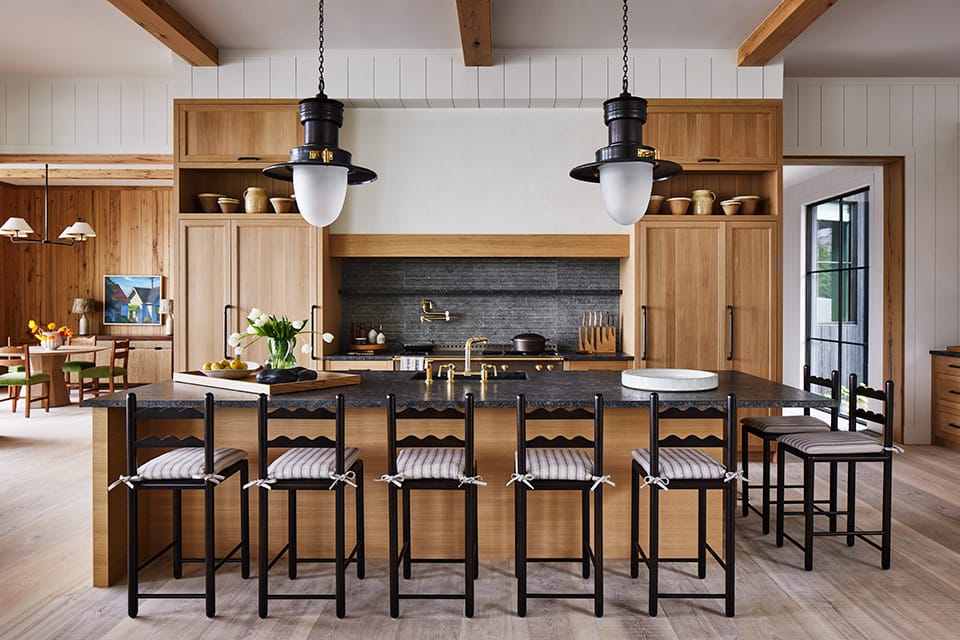
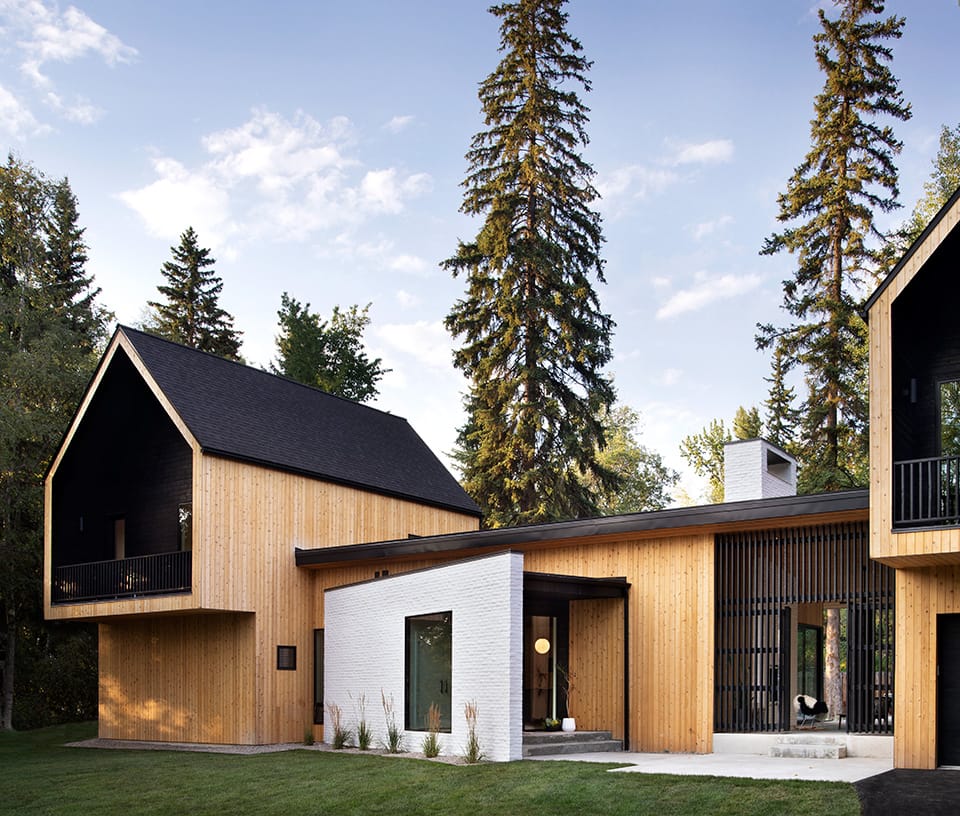
POHLMAN: Since our proven process is so heavily weighted to the front end, we like working with architects who prioritize the structural review and are invested in the build ability. We take a lot of time at the beginning and there’s a lot of back and forth in that valuable process.
RADATTI: We like to be heavily involved in the process from the cost of every nail to how the finished product performs. We take into consideration all the challenging architectural details because it matters. When we’re working with architects who are dedicated on every level along with us, then we’re having a lot of fun and doing great work.
whj: WHAT ARE THE AREAS WHERE THE BIGGEST IMPROVEMENTS IN HOME BUILDING CAN STILL BE MADE?
RADATTI: The International Passive House Association (iPHA) certification is a huge step in the right direction and it’s happening right now. We just built a house that’s awaiting certification, and it will be on a very short list of Montana homes with this endorsement. Also, there are so many technologies coming out of space exploration technology. From water refinement systems, energy capturing systems, and 3D printing, a lot of great results are emerging and they show promise for applications in residential home building. Cement production is one such area that is showing potential for improvement. AI models using solar powered manufacturing techniques are accomplishing what traditional combustion methods have done. If these tests can scale to industrial levels, this will have a massive impact on the carbon footprint of current cement production.
“We’re committed to supporting those groups and activities that make this such a special place. I feel super thankful and fortunate to work with these two guys. And year after year, we continue to work with a great group of people on the Mindful team, our amazing suppliers and subcontractors, and the clients themselves.”
– Marty Beale, Mindful Designs
BEALE: I’m excited about improvements in the client’s health experience. In terms of air quality and innovative lighting, these technologies are already developing and they’re improving health outcomes and the intangibles — how clients feel. Light patterns, both incorporating the sun’s pattern throughout the home and fine tuning automated light installations, allow for supported circadian rhythms of the inhabitants. This developing field of smart lighting is getting implemented into our highend builds.
POHLMAN: As information becomes more readily available, the residential home building industry is going to improve with clients being more informed. We’ll all continue to make educated decisions on material selections and design choices as things shift. Materials and building science will continue to evolve, so if we can continue to harness and implement the information, we’ll improve along with the industry as a whole.
whj: WHAT IS MINDFUL’S ROLE IN THAT FUTURE?
RADATTI: It’s our duty to keep raising the standards of quality for both the product and the client experience. And as we keep quality high, we can continue to reduce the timeline of a home’s construction and elevate its performance. In addition to improving industry processes and standards, we’re all in on prosustainability projects in the community. I’m currently serving on an advisory board for the Whitefish Lake Institute and we’re in the planning and design phases for a new education center. Through this opportunity and others like it, we’re looking to continue to merge stewardship of the outdoors with what we’re building and creating.
POHLMAN: We’re committed to the longview. We are committed to building durable, multigenerational homes that are energy efficient and easy to renovate over time. And we know that education is a huge part of that. Allowing clients to make educated decisions at every step ensures that we’re working with informed, conscious consumers.
BEALE: We’re invested in the functional aspects of material selections, carbon footprint reduction and lifecycle analysis of the materials themselves. And we are also dedicated to the good things happening in the valley right now. We’re committed to supporting those groups and activities that make this such a special place. I feel super thankful and fortunate to work with these two guys. And year after year, we continue to work with a great group of people on the Mindful team, our amazing suppliers and subcontractors, and the clients themselves. This is our proven process and our proven commitment to our clients and community that we will be rolling out in our new concept, The Proven Series. Without these relationships, the Mindful home wouldn’t happen.
whj FEATURE
